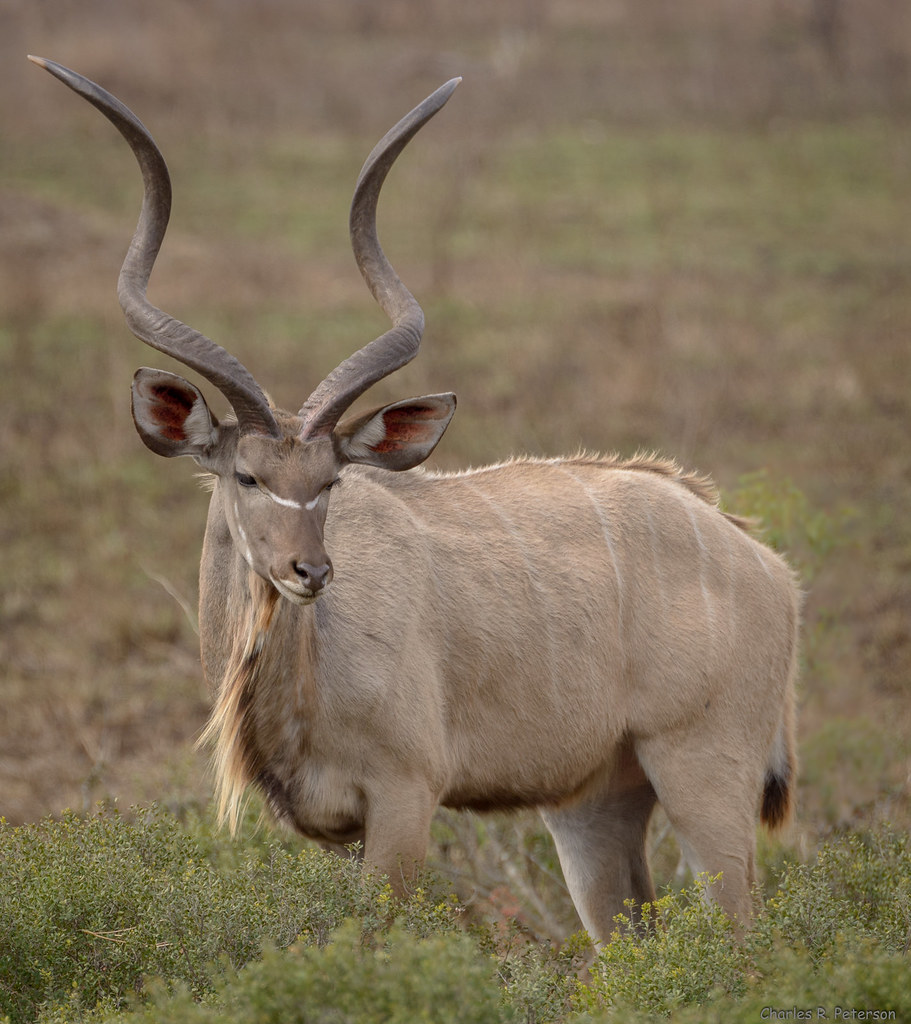
Hunting in South Africa offers an unparalleled adventure for beginners eager to immerse themselves in the wild beauty of the African bush. As a hunting and wildlife expert, I've seen firsthand how this destination combines thrilling pursuits with profound conservation efforts. South Africa is home to diverse ecosystems, from the arid Kalahari to the lush Eastern Cape, teeming with game like kudu, impala, and even the Big Five. For newcomers, it's not just about the hunt—it's about respecting nature, supporting local economies, and creating lifelong memories. In this guide, we'll cover what to expect, key considerations, practical tips, and suggestions to make your first South African hunting safari a success. Whether you're drawn to rifle hunting or the challenge of bow hunting, South Africa caters to all, emphasizing ethical and sustainable practices.
Let's start with what you can expect when hunting in South Africa. The country boasts over 9,000 game farms and reserves, making it one of the world's top hunting destinations. According to the Professional Hunters' Association of South Africa (PHASA), the industry contributes significantly to wildlife conservation, with hunting revenue funding anti-poaching efforts and habitat preservation. As a beginner, you'll likely join a guided safari, where experienced professional hunters (PHs) lead you through private ranches or conservancies. Expect early mornings and late evenings, as animals are most active during these times. The terrain varies: in the Limpopo province, you might trek through thorny bushveld tracking springbok, while in the Free State, open plains offer long-range shots at blesbok.
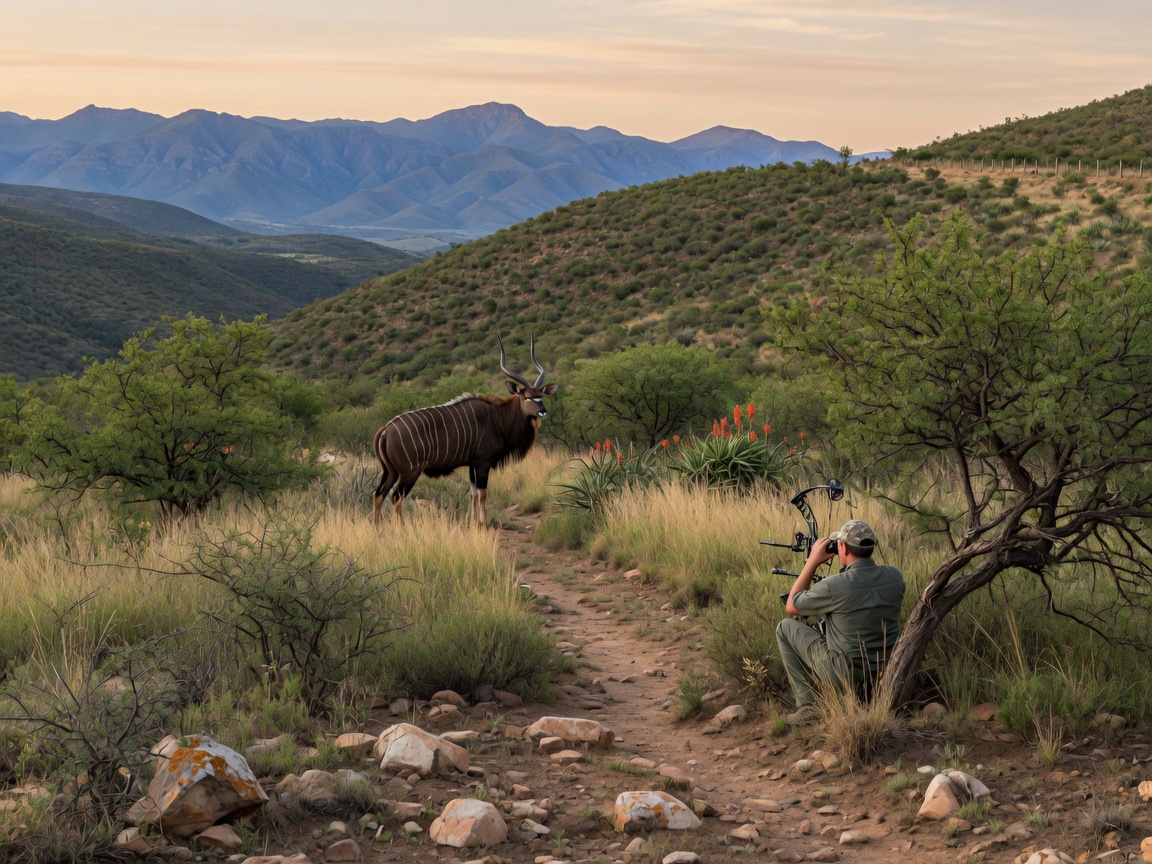
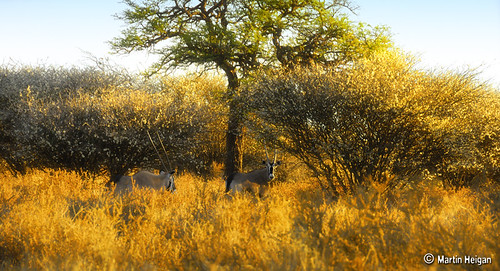
Wildlife diversity is a highlight. South Africa hosts over 40 huntable species, including plains game like warthog and gemsbok, and if permitted, dangerous game such as buffalo or elephant under strict quotas. For beginners, starting with plains game is ideal—it's less intimidating and allows you to build skills. Rifle hunting is popular for its precision over distances, but bow hunting is gaining traction, with dedicated archery zones in places like the Eastern Cape. Bow hunts require getting within 30-40 yards, adding an element of stealth and excitement. Weather-wise, expect hot days (up to 95°F in summer) and cooler nights, with the main hunting season from March to October to avoid the rainy summer months. Recent developments include enhanced biosecurity measures post-COVID, ensuring safer travel, and a push towards eco-tourism, with outfits like those certified by the South African Tourism Board prioritizing sustainability.
Now, onto important considerations for your trip. As an international traveler, planning ahead is crucial, especially when bringing firearms or bows through South African customs. First, visas: Most visitors from countries like the US, UK, or EU can enter visa-free for up to 90 days, but check the Department of Home Affairs website for updates—requirements tightened in 2023 due to global travel shifts. For hunting, you'll need a temporary import permit for your rifle or bow. Apply in advance via the South African Police Service (SAPS) 520 form; it's free but requires details like serial numbers and proof of ownership. Upon arrival at airports like Johannesburg's OR Tambo, declare your equipment at customs. Delays can occur, so use services like Rifle Permits (a trusted facilitator) to pre-clear items— they've helped thousands avoid hassles, as per their 2023 reports.
Regulations are strict to promote ethical hunting. You must hunt with a licensed PH, and permits are species-specific, issued by provincial authorities. For instance, the Endangered Wildlife Trust notes that hunting quotas for species like rhino are heavily regulated, with only a few permits annually to aid conservation funding. Bow hunting has its own rules: minimum draw weights (40 pounds for plains game) and broadhead specifications to ensure humane kills. Health considerations include vaccinations for hepatitis and rabies, and malaria prophylaxis for northern regions like Kruger-adjacent areas. Costs vary—expect $3,000-$10,000 for a 7-10 day hunt, covering trophies, lodging, and meals, per Safari Club International data. Don't forget travel insurance that covers hunting activities, as standard policies often exclude them.
Safety is paramount. South Africa's crime rates in urban areas are higher than average, but hunting lodges are secure and remote. Always follow your PH's guidance to avoid encounters with dangerous animals. Ethically, South Africa leads in conservation hunting; proceeds from hunts have conserved over 20 million hectares of land, more than national parks, according to a 2022 study by the International Union for Conservation of Nature (IUCN). As a beginner, embrace the "fair chase" principle—pursuing game on foot without unfair advantages.
Moving to tips and suggestions, preparation is key for a rewarding experience. Start by choosing the right outfitter. Look for PHASA members with strong reviews on platforms like TripAdvisor or hunting forums. For beginners, opt for packages tailored to novices, such as those from operators like Timbavati Safaris, which include skill-building sessions. If you're new to rifle hunting, practice at home with calibers like .308 Winchester for versatility—it's effective for most South African game without excessive recoil. For bow hunting, train for accuracy at close range; compounds like the Mathews V3 are popular for their quiet operation in the bush.
Gear essentials: Pack layered clothing for variable weather, sturdy boots, binoculars (at least 10x magnification), and a good knife. For rifles, ensure they're sighted in before travel; bows should be tuned with arrows matched to your setup. A personal insight: On my first South African hunt, I underestimated the sun's intensity—bring high-SPF sunscreen and a wide-brimmed hat to stay comfortable. Hydration is vital; drink plenty of water to combat the dry climate.
Hunting techniques differ by method. In rifle hunting, spot-and-stalk is common—scan with optics, then approach quietly for a shot up to 300 yards. Bow hunting demands more patience; use ground blinds or tree stands near waterholes, waiting for animals to come close. Tip: Learn basic tracking skills; understanding spoor (animal tracks) enhances the experience and respect for wildlife. For both, prioritize shot placement for quick, ethical harvests—aim for vital areas to minimize suffering.
Sustainability tips: Choose hunts that support local communities. Many outfits, like those in the Northern Cape, employ locals and fund schools with hunting revenue. Recent developments include the 2023 expansion of community conservancies, where hunting fees directly benefit indigenous groups, as reported by the World Wildlife Fund. As a beginner, document your hunt responsibly—share photos that highlight conservation, not just trophies.
To make the most of your trip, consider combining hunting with tourism. After bagging your quarry, explore Cape Town's vineyards or the Kruger National Park for non-hunting safaris. This balances adventure with relaxation. A pro tip: Arrive a day early to acclimate and handle any customs issues smoothly.
In conclusion, hunting in South Africa is a gateway to adventure, ethics, and conservation for beginners. With its rich biodiversity, professional guides, and commitment to sustainability, it's an ideal starting point for rifle or bow enthusiasts. Remember, the true trophy is the experience and the positive impact you leave on wildlife preservation. Ready to embark on your South African hunting safari? Contact a reputable outfitter today or join hunting communities for more advice. Your journey into the bush awaits—hunt responsibly and cherish every moment.
(Word count: 1,124)