Why Hunt in Angola?
Angola is not a high-volume safari country. After decades of closure, regulated hunting has returned in a handful of large concessions — especially in the south-east — where game has recovered in miombo woodland, floodplain and riverine bush that few hunters have walked.
Lightly hunted bush
Concessions are large and hunting pressure is still low. Expect long days, real tracking and game that has not been pushed hard by decades of safari traffic.
Buffalo and sable
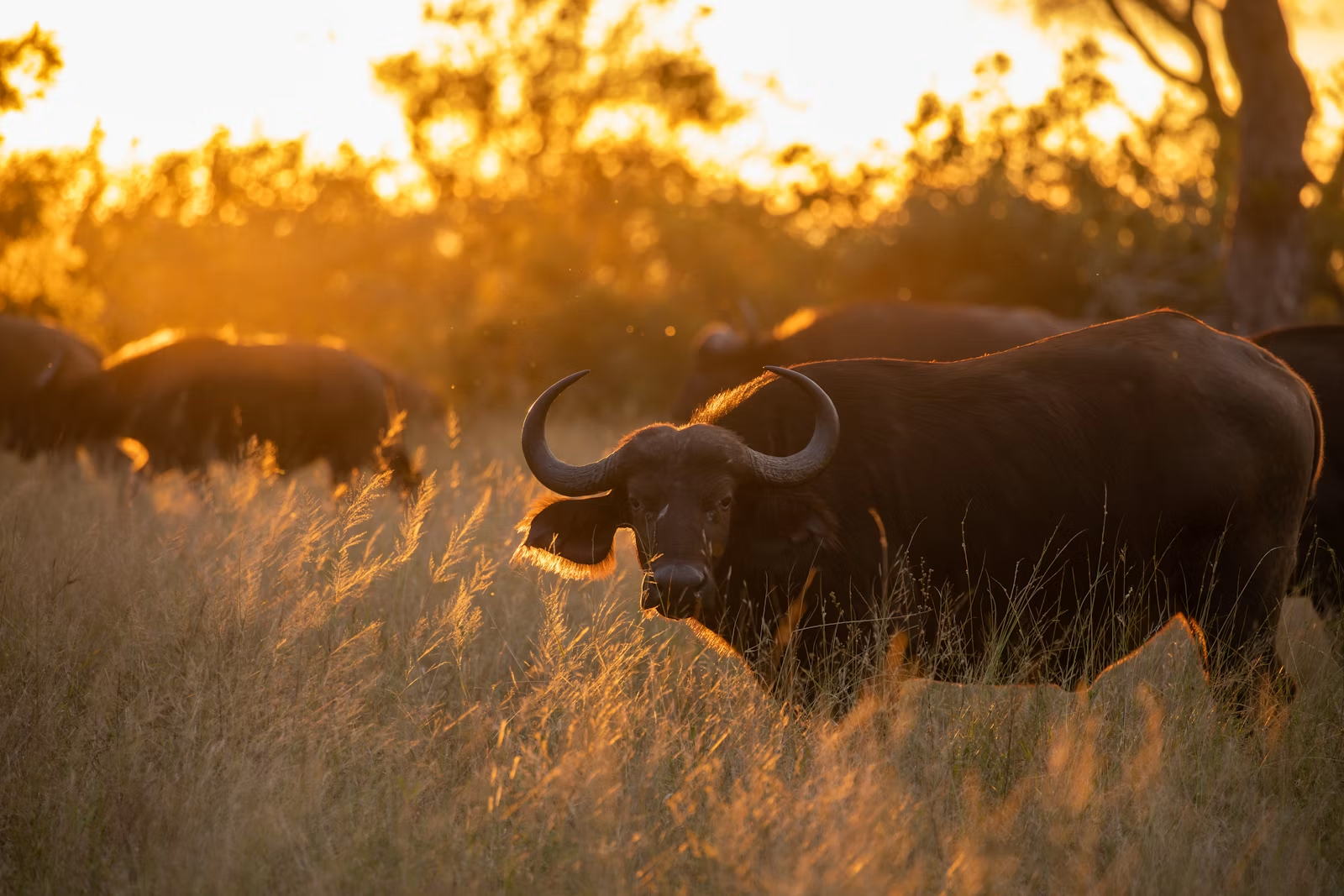
Cape buffalo and the sought-after Angolan / giant-sable country cousins (common sable on quota — the true giant sable is fully protected) sit at the centre of most safaris.
Still pioneering
Camps, airstrips and road networks are thinner than in Namibia or South Africa. Come for wilderness, not lodge luxury or last-minute booking.
What Makes Angola Unique
Angola’s hunting story is a recovery story. Wildlife persisted through conflict in remote corners of Cuando Cubango, Moxico and Cunene; once concessions were allocated again, populations of buffalo, sable, roan, kudu and plains game began to show what the country can produce. This is closer to classic Central African woodland hunting than to a Highveld ranch: you cover ground, you track, and the camp is often a long way from the nearest town.
The giant sable antelope (Palanca negra gigante) is Angola’s national symbol and is not huntable. Common sable on quota, roan, tsessebe, lechwe in wetter pockets, and elephant where CITES and national quotas allow, are the animals that actually appear on licences. If someone offers “giant sable,” walk away.
Most visiting hunters fly into Luanda or, for southern concessions, stage through Windhoek or Rundu in Namibia and cross by road. Either way, plan for internal charters or long transfers. This is not a destination you add on to a three-day plains-game trip.
Hunting Regions in Angola
Provinces and concessions differ more than the map first suggests.
Angola is divided into provinces; safari hunting is concentrated in a few of them. Outfitters hold specific concessions — ask which block you will hunt, not only “Angola.”
Cuando Cubango (Cubango / Cuando)
The heart of current safari hunting: miombo, mopane and floodplains along the Cubango/Okavango catchment. Buffalo, sable, roan, kudu, duiker and, where quota exists, elephant. Remote camps; this is the region most international hunters mean when they say they are going to Angola.
Moxico and the east
Even more remote woodland toward the Zambian border. Infrastructure is sparse. Hunts here are for people who want true backcountry and can live with longer logistics and fewer creature comforts.
Cunene and the south
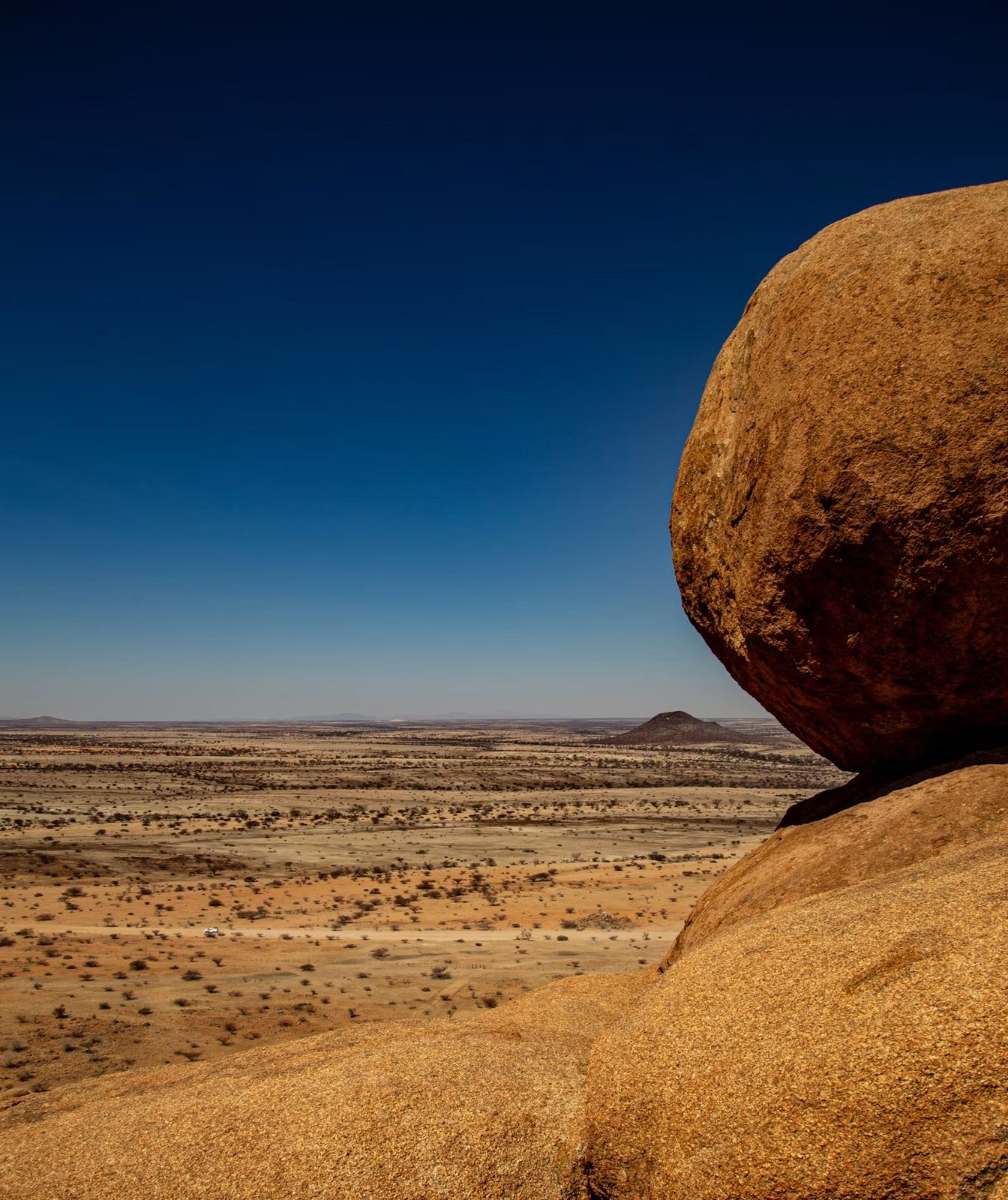
Drier country toward Namibia — more thornveld and open ground, with plains-game flavour overlapping northern Namibia. Useful if you are already staging from Windhoek, but species mix and trophy quality vary by property.
Huíla, Namibe and the south-west
Escarpment, semi-desert and highland. Hunting is more limited and less advertised than Cuando Cubango. Confirm what is actually on licence; do not assume a full dangerous-game list.
Seasons, quotas and open species change by concession and year. Confirm current rules with your outfitter before you book.
Best Time to Hunt Angola
The practical hunting window is the dry season, roughly May to October, with June–September the most reliable for tracking and access. Rains from November into April turn roads to mud, swell rivers and push game into thicker cover. Many camps simply do not operate in the wet months.
Early dry season (May–June) can still be green with lingering water; mid-season (July–September) concentrates animals on remaining water and makes buffalo tracking more predictable. October heats up and hunting days shorten in comfort, but it can be excellent if you tolerate heat.
Book 9–12 months ahead. Concession occupancy is low by South African standards, but staff, charters and licences are not walk-up services.
Angola-Specific Advice
Treat this as a wilderness hunt with extra paperwork, not a ranch safari.
-
Permits and CITES
Elephant and some other species need national quota plus CITES paperwork. Import rules in your home country may be stricter than Angola’s export rules — check both before you pay a deposit. -
Rifles and ammunition
Firearm import is possible but slower than in Namibia. Send serial numbers and invitation letters early. A .375 as a minimum for buffalo is the usual professional-hunter expectation. -
Health and safety
Malaria prophylaxis, yellow-fever vaccination for entry, and a serious medical kit. Some rural areas still carry legacy unexploded-ordnance risk off established tracks — stay with your PH and do not wander. -
How you get there
Confirm whether the hunt stages through Luanda or Namibia. Charter costs, border hours and fuel availability can change a “simple” transfer into a two-day exercise.
Hunting in Angola — Common Questions
Practical answers — always confirm the current season's rules with your outfitter.
From the Field
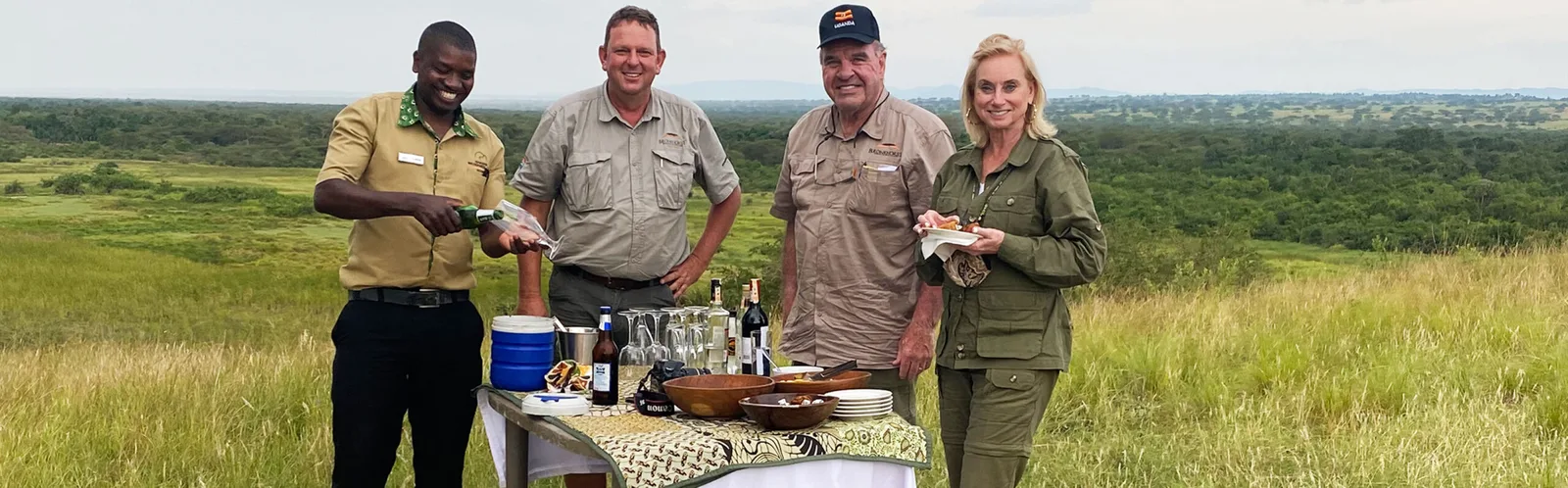
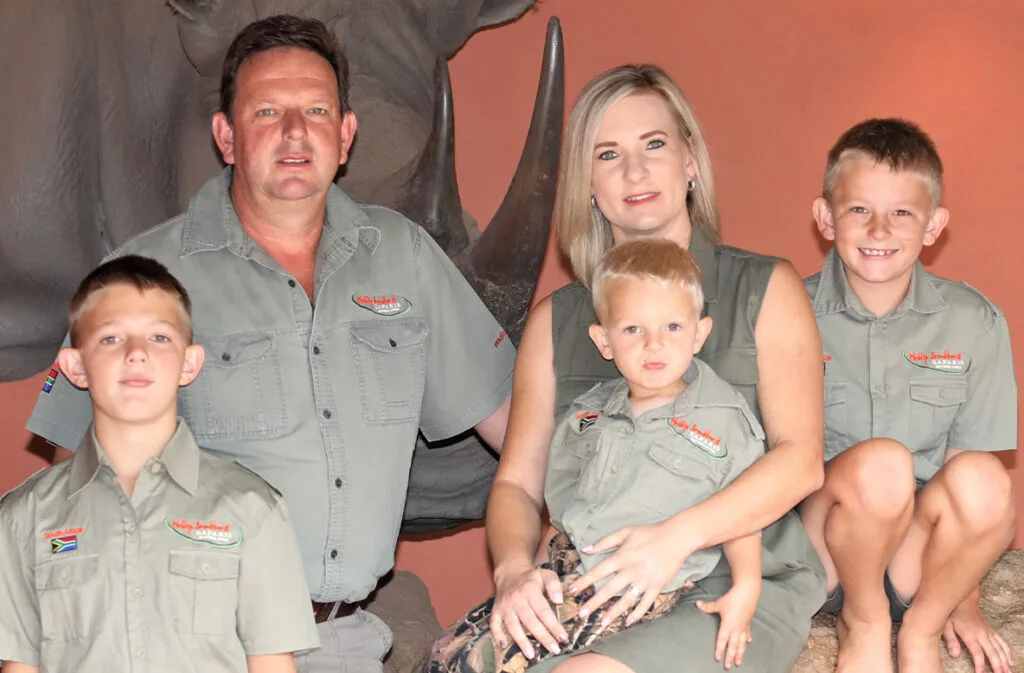
Photos from outfitters operating in Angola
Featured Angola Outfitters
Verified professionals ready to help plan your hunt
Plan Your Hunt in Three Steps
No need to pick a specific listing — describe your trip and let outfitters come to you.
Submit an Enquiry
Country, species, dates, budget, and any special requirements.
We Match Outfitters
We review your request and notify verified outfitters in your region.
Compare & Connect
Review responses, message outfitters, and plan your safari.
Ready to Hunt Angola?
Tell us what you want to hunt and we'll match you with verified outfitters — free.
Start Your Enquiry View Outfitter Directory