Why Hunt in Tanzania?
Tanzania is the textbook East African hunt: large blocks, walking with a PH and trackers, fly-camps, and a licence structure built around safari length rather than a ranch price list. It costs more and takes longer than southern Africa. Hunters who want that original safari rhythm still come here first.
Hunting on foot
The culture is still walk-and-stalk with a crew. Vehicles get you to the start. If you want to shoot from the bakkie all week, this is the wrong country.
Time is the licence
Dangerous-game safaris are traditionally long (often 16–21 days). Shorter plains-game licences exist, but Tanzania is not designed around a five-day package.
Three Tanzanias
Masailand’s dry-country gazelles, the Selous/Nyerere miombo and river systems, and the western blocks (Rungwa, Ugalla, Katavi) are different hunts. Choose one.
What Makes Tanzania Unique
Tanzania kept the East African safari template: government licences, outfitter-held blocks, and a camp that exists for the season. You fly into Kilimanjaro, Dar es Salaam or Arusha, then charter to the hunting area. Road hunts exist but eating two days in a Land Cruiser is a real cost on a 16-day licence.
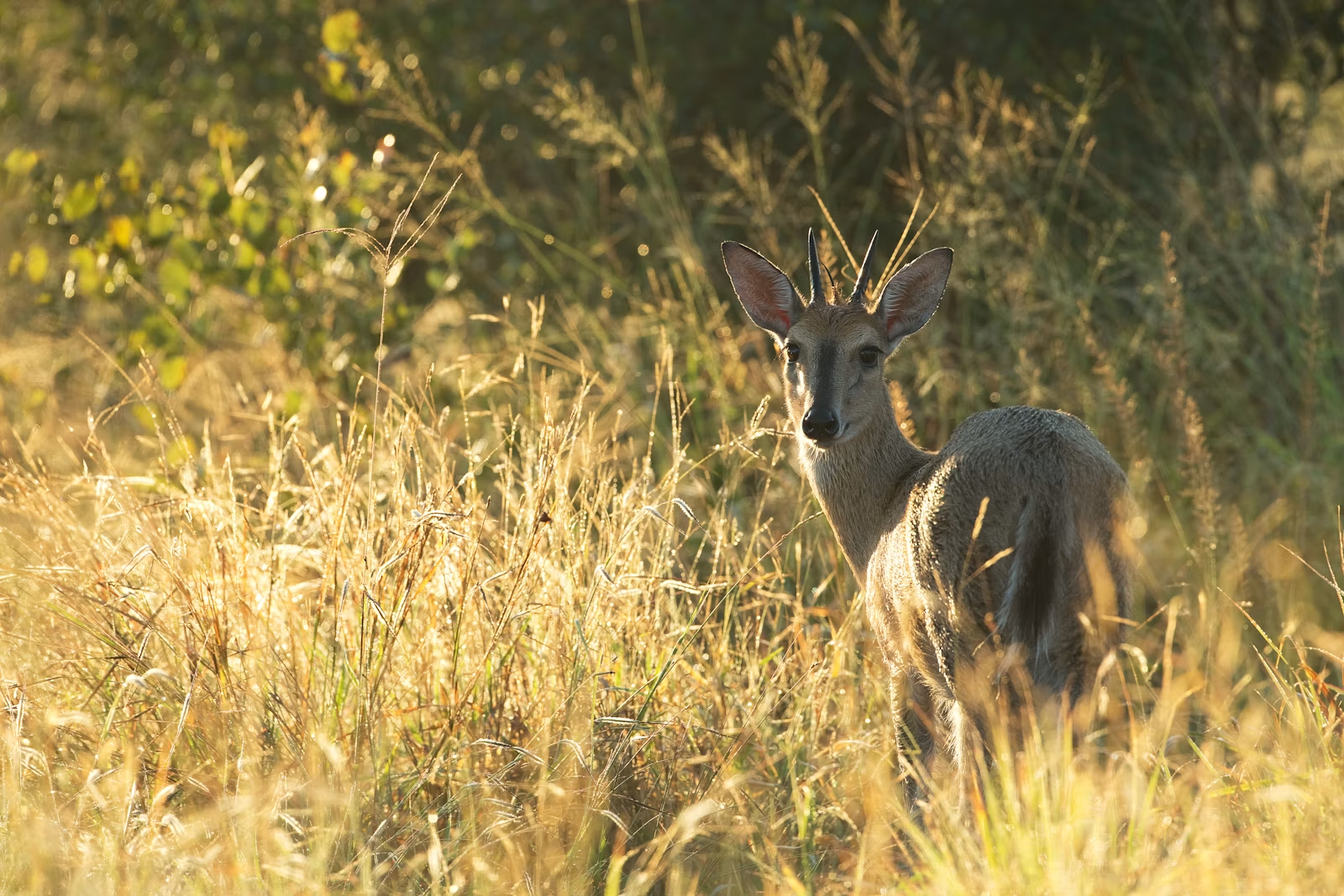
Species tell you the region. Grant’s gazelle, gerenuk, lesser kudu and fringe-eared oryx point to Masailand. Nyasa wildebeest, buffalo in numbers, hippo and crocodile point to the southern Selous ecosystem. Sable and roan in big miombo point west. Lion and leopard are quota animals with CITES implications — treat them as the centre of a long safari, not a maybe.
Tsetse flies in many woodland blocks are not a footnote. Bring the right clothing and attitude. The hunting is worth it; the flies will still be there.
Hunting Regions in Tanzania
Blocks are grouped by ecosystem more than by region name on a tourist map.
Tanzania is a union of mainland regions and hunting blocks. Think in safari areas:
Masailand (northern dry country)
Open to bushed grassland south and east of the Rift: Longido, Maswa fringe, Yaeda-type country and related blocks. East African plains game you cannot build in Limpopo — gazelles, lesser kudu, gerenuk, oryx. Generally less tsetse than western miombo. Arusha is the hub.
Selous / Nyerere ecosystem (south)
The great southern woodland and river system. Buffalo, hippo, crocodile, lion and leopard on quota, and a distinct wildebeest. Camps are fly-in. This is big-game Tanzania in the popular imagination — still a walking hunt in a huge landscape.
Western miombo (Rungwa, Ugalla, Katavi)
Sable, roan, buffalo, and classic miombo walking. Tsetse and remoteness come with the habitat. Hunters who want sable often end up here rather than in Masailand.
Lake Natron, Maasai steppe and other north-central
Specialised dry country and mountain-fringe blocks. Ask what the block actually produces; names on old maps are not a quota.
Seasons, quotas and open species change by concession and year. Confirm current rules with your outfitter before you book.
Best Time to Hunt Tanzania
The hunting season is generally 1 July to 31 December (confirm the current gazette). July–October is the classic dry window: better roads into camp, better tracking, and the densest booking diary. November–December can hunt well but heat, late storms and tsetse all rise.
The long rains (roughly March–May) shut most camps. Do not try to bargain a June start unless the outfitter runs that block early; many do not.
Charter schedules and licence paperwork mean you should book a year ahead for prime July–September dangerous-game dates.
Tanzania-Specific Advice
Budget time and money as if this were the main hunt of the decade.
-
Do not under-day the safari
A 21-day dangerous-game licence exists for a reason. Cutting days to save money is how people go home without the animal they paid to hunt. -
CITES for cats
Leopard (and lion where applicable) need export permits and home-country import approval. Start that conversation at enquiry, not after the hunt. -
Yellow fever and malaria
Yellow-fever vaccination is often required for entry. Malaria prophylaxis is standard. Carry a proper medical kit; camps are far from hospitals. -
Dress for tsetse
Heavy, dull-coloured clothing in woodland blocks. Pale blue safari-fashion is tsetse bait in some areas. Listen to the PH.
Hunting in Tanzania — Common Questions
Practical answers — always confirm the current season's rules with your outfitter.
From the Field
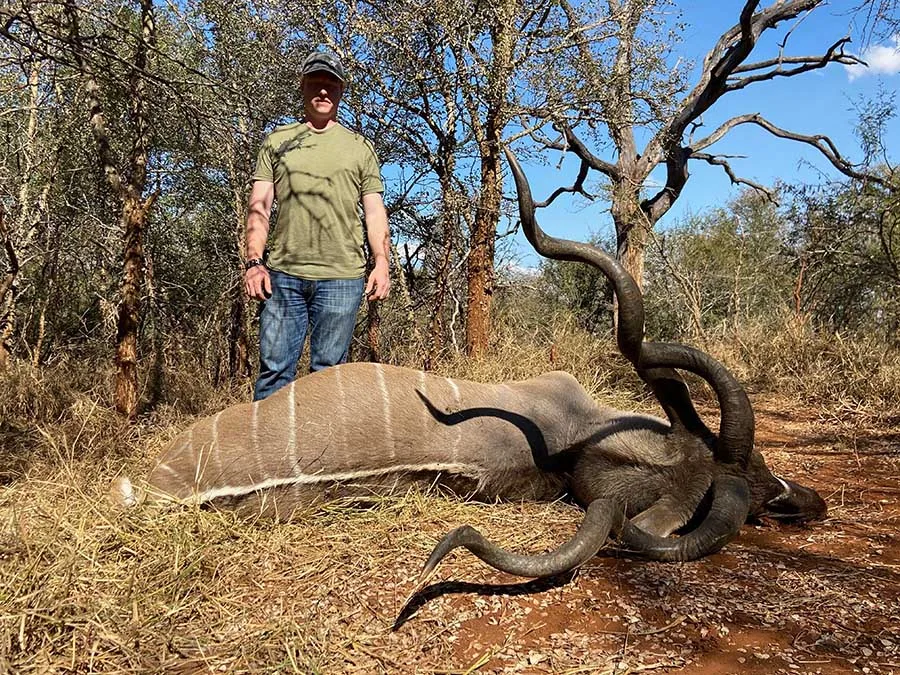
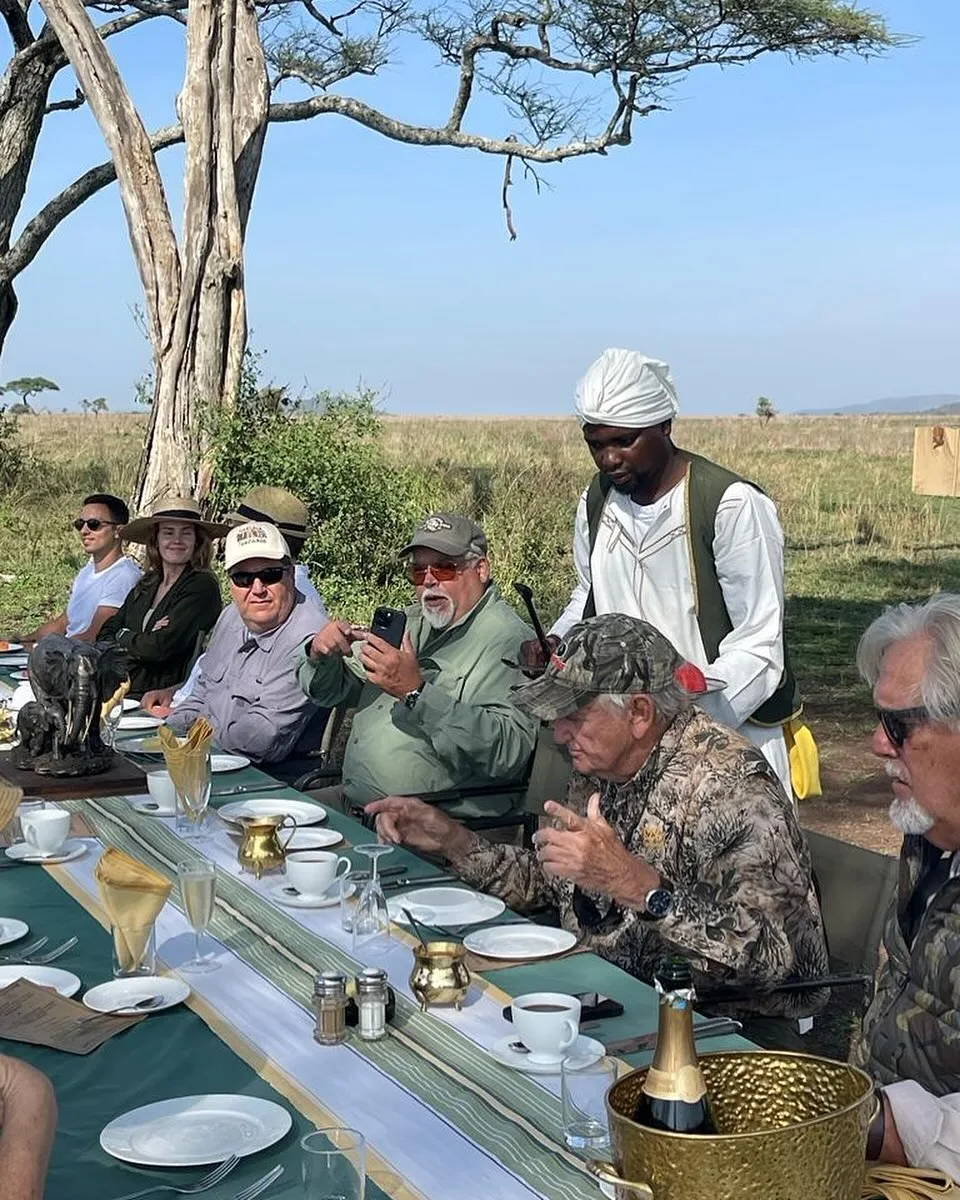
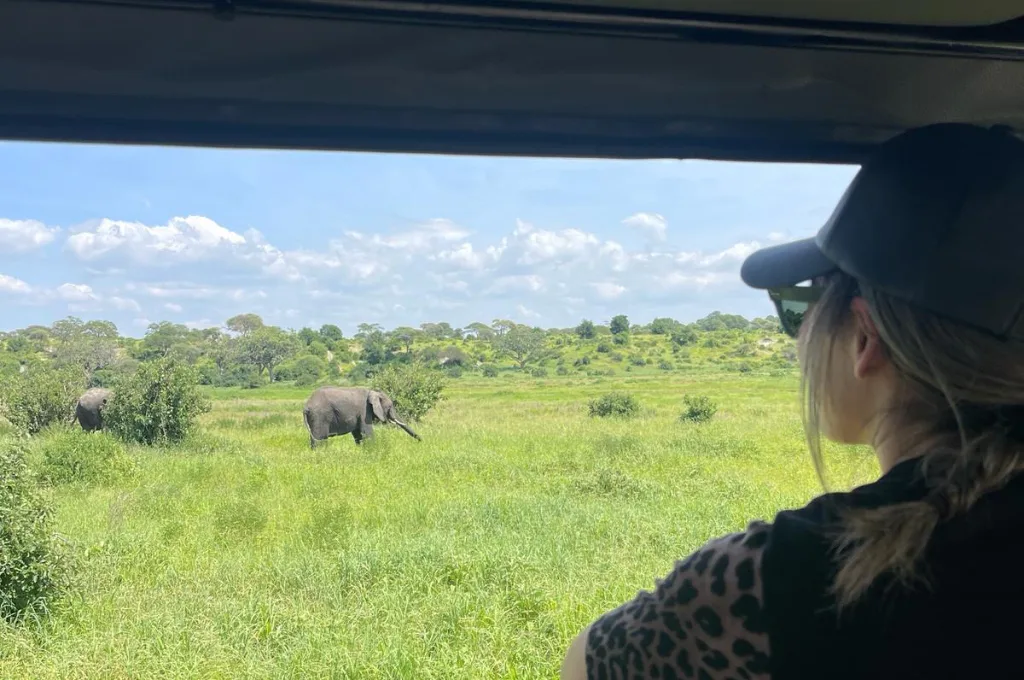
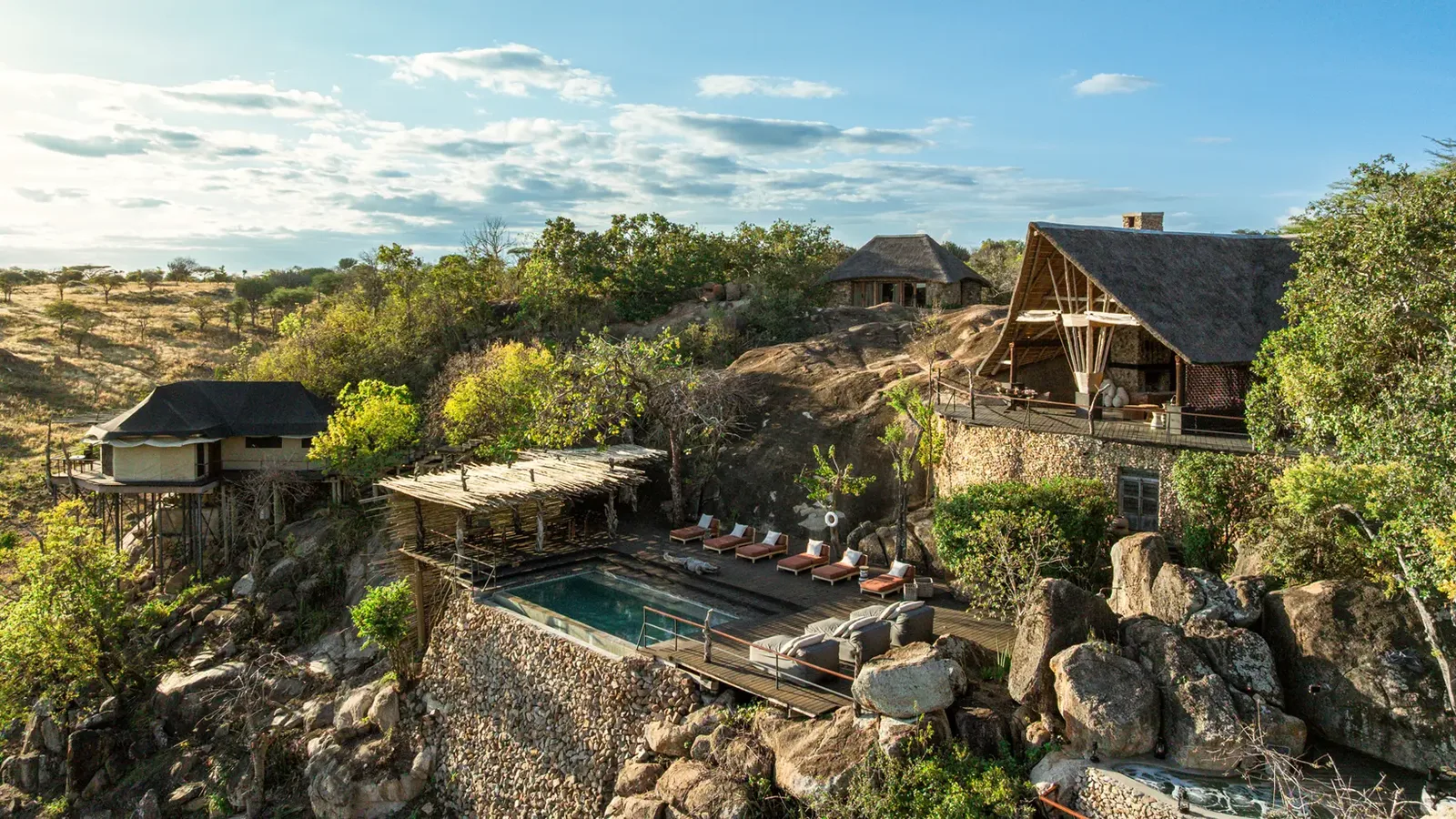
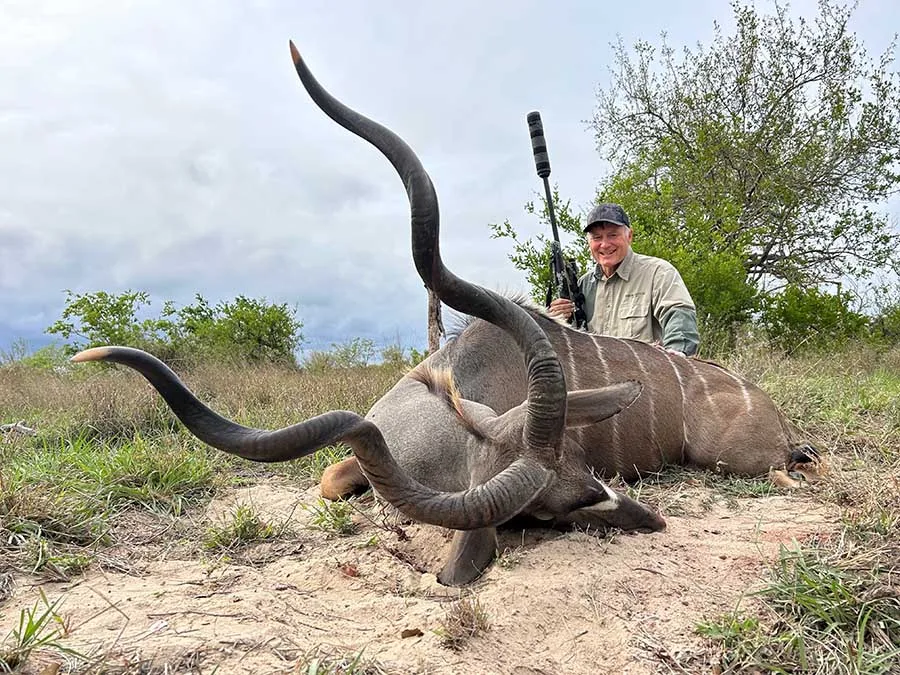
Photos from outfitters operating in Tanzania
Featured Tanzania Outfitters
Verified professionals ready to help plan your hunt

Plan Your Hunt in Three Steps
No need to pick a specific listing — describe your trip and let outfitters come to you.
Submit an Enquiry
Country, species, dates, budget, and any special requirements.
We Match Outfitters
We review your request and notify verified outfitters in your region.
Compare & Connect
Review responses, message outfitters, and plan your safari.
Ready to Hunt Tanzania?
Tell us what you want to hunt and we'll match you with verified outfitters — free.
Start Your Enquiry View Outfitter Directory