Why Hunt in Botswana?
Botswana is one of Africa’s most controlled hunting destinations. A national moratorium ended in 2019; hunting returned on a narrow, quota-driven basis, mostly in community-managed concessions rather than a dense ranch industry. If you want volume species lists and flexible dates, look elsewhere. If you want wilderness with a strict conservation framework, Botswana is the conversation.
Elephant at the centre
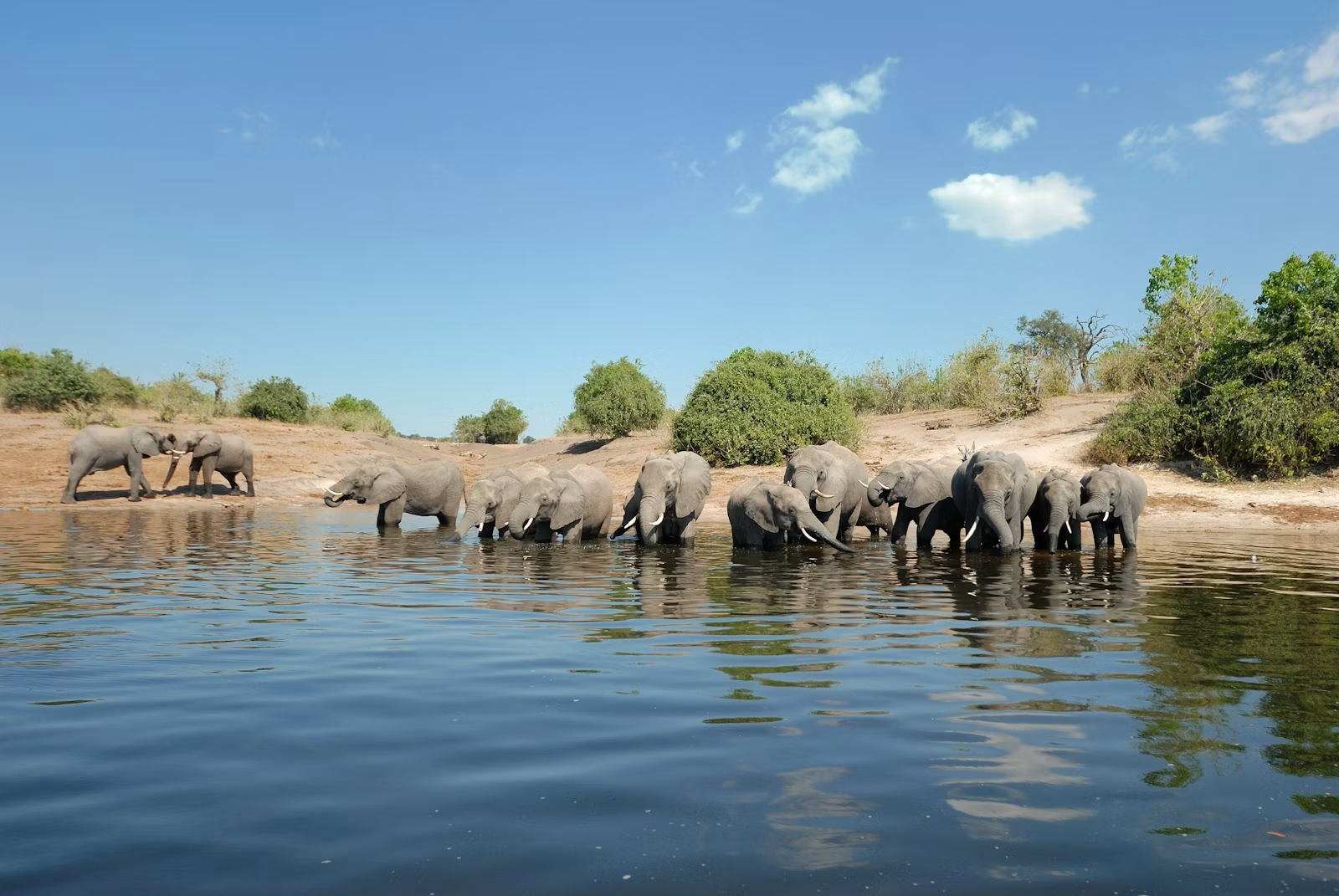
Botswana holds Africa’s largest elephant population. Hunting, where it occurs, is quota-limited, concession-specific and politically watched. It is not a last-minute add-on species.
Community concessions
Many hunts sit on Ngamiland and other community areas. Fees are meant to reach villages that live with wildlife. Ask how the concession is structured — it is part of why the hunt exists.
Scarcity is the point
Permits are few, seasons are short, and some years a species simply is not on offer. Book early and stay flexible on dates and trophy expectations.
What Makes Botswana Unique
Hunting in Botswana is not the same product as a Limpopo ranch or a Namibian freehold farm. You are usually in a large, unfenced or lightly fenced concession: mopane woodland, riverine strips, floodplain edge or Kalahari sandveld. Game moves. Water dictates the day. The professional hunter’s local knowledge of the block matters more than a species brochure.
Policy has swung before and can swing again. That is not a reason to avoid Botswana; it is a reason to treat every enquiry as year-specific. Outfitters will tell you what is actually on quota for the season you want — elephant, buffalo, plains game, and occasionally leopard — not what was hunted in 2009.
Import of elephant ivory and other CITES specimens into your home country is a separate legal question from the Botswana hunt itself. United States and other market rules have changed more than once. Settle this with your outfitter and a customs broker before you book, not after the animal is down.
Hunting Regions in Botswana
Districts and NG concession blocks hunt very differently.
Botswana’s hunting map is concession numbers and community areas, not a farm-by-farm directory. The same country offers Kalahari sand, Okavango fringe and Chobe hinterland — pick the ecosystem, not just the passport stamp.
Ngamiland (NG blocks) and the Okavango fringe
The classic northern concession country west and north of Maun: mopane, channels and floodplain edge. Buffalo, elephant where quota exists, and a mix of plains game. Access is often by air into camp. This is wetland-edge hunting, not desert.
Chobe hinterland and the north-east
Drier woodland and river-associated habitat toward Kasane and the Chobe system. Elephant density can be high; hunting is still quota-capped. Photographic tourism is intense in the park itself — hunting happens outside that core.
Central Kalahari and Ghanzi / western sandveld
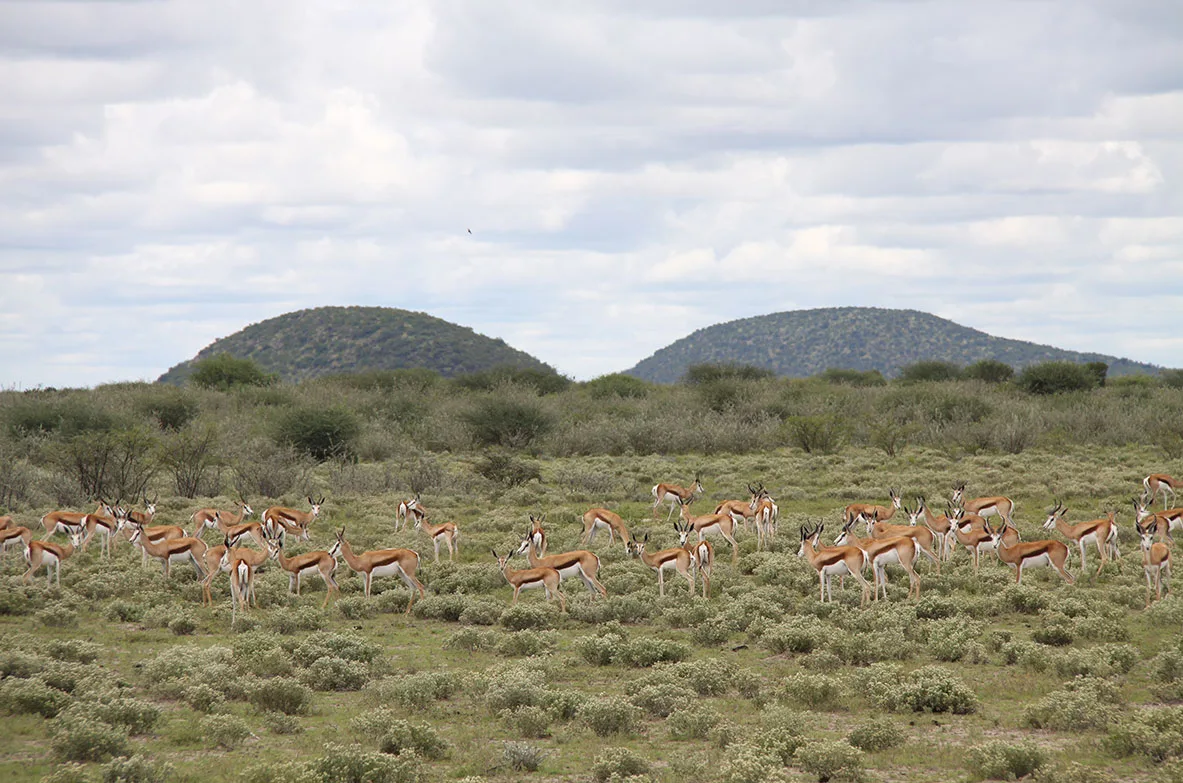
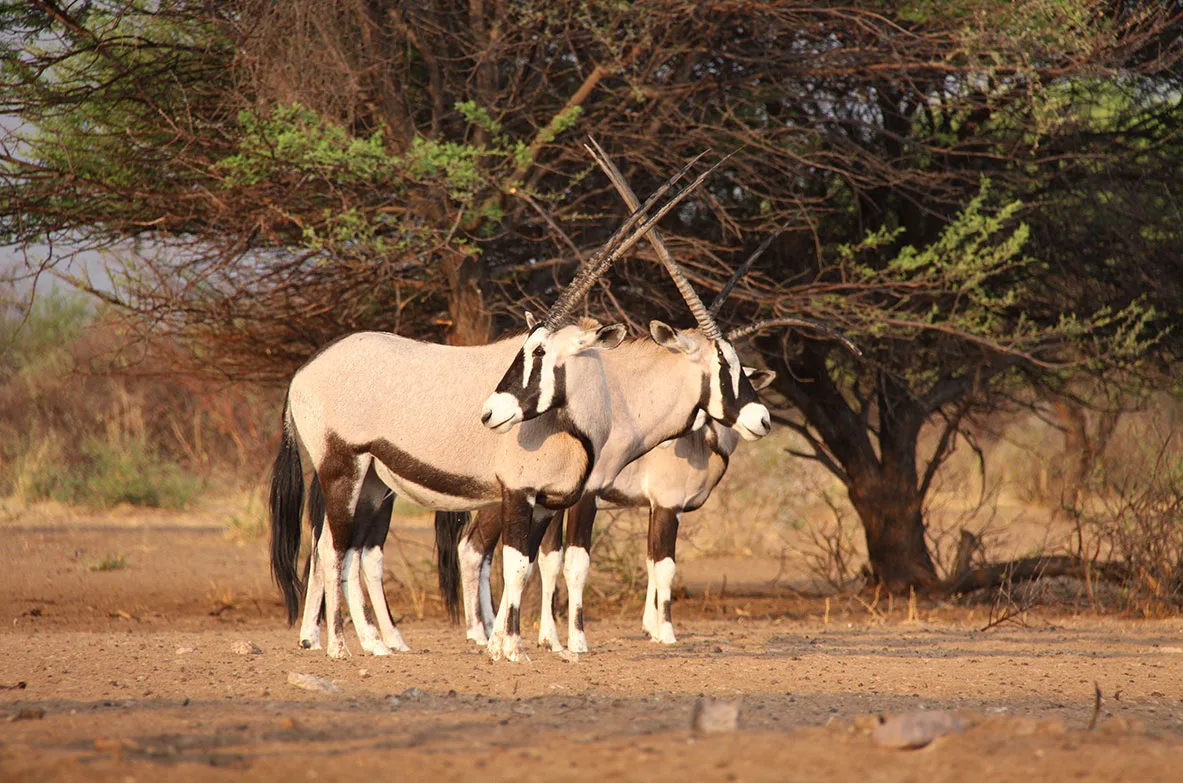
Open to rolling Kalahari: gemsbok, springbok, red hartebeest, steenbok, and a different rhythm of long glassing and sand tracks. Nights are cold in winter. This is the Botswana many hunters underestimate because they only picture the Delta.
Kgalagadi and the far south-west
Kalahari bordering South Africa: arid, big-sky, plains-game country. Fewer dangerous-game stories, more oryx and springbok in a landscape that feels closer to the Northern Cape than to the Okavango.
Makgadikgadi and central pans
Salt pan, grassland and island vegetation. Seasonal water changes everything. Confirm whether your concession is actually huntable ground or mainly a transit landscape.
Seasons, quotas and open species change by concession and year. Confirm current rules with your outfitter before you book.
Best Time to Hunt Botswana
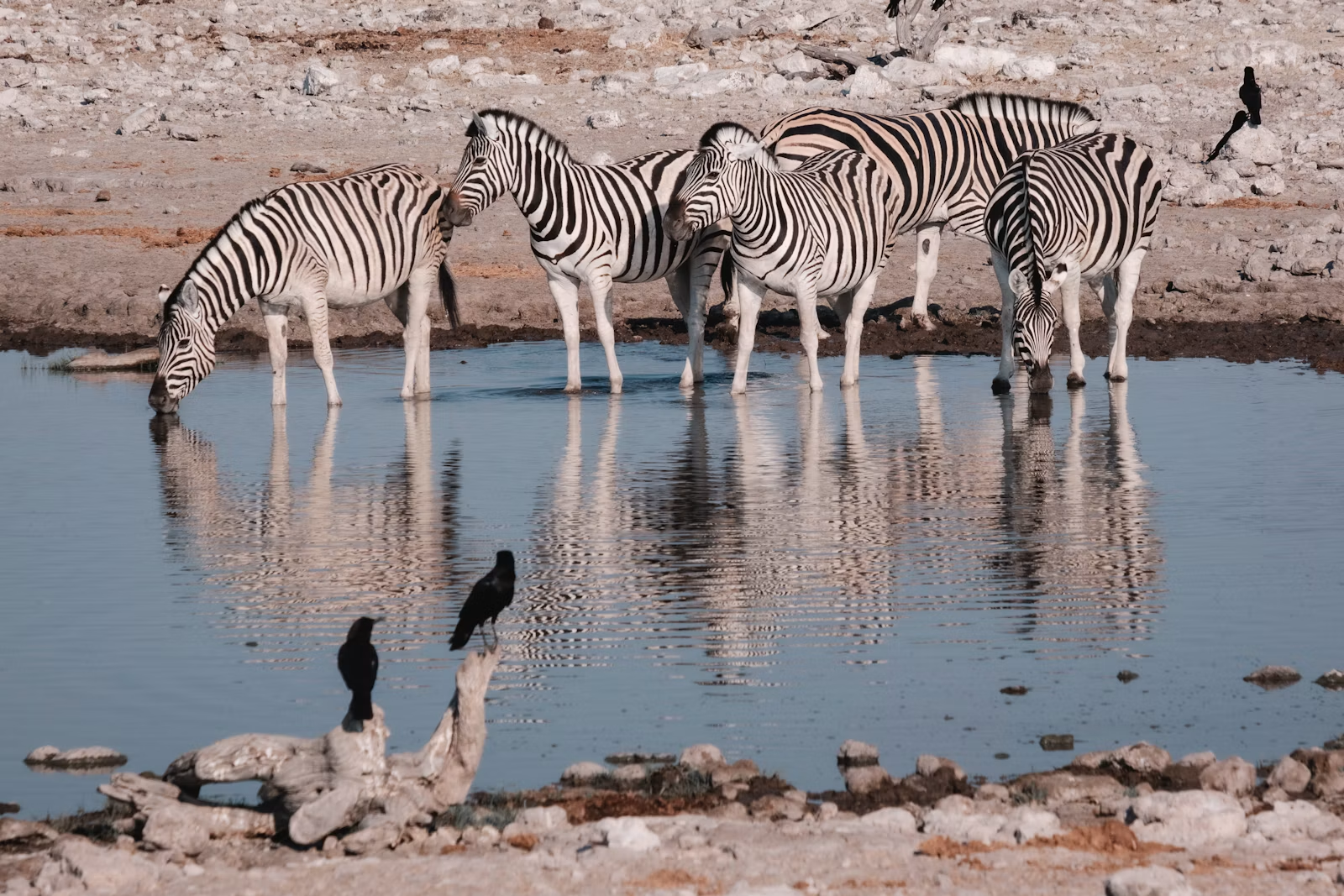
The hunting season is typically April to September (exact gazetted dates vary). That is the dry, cooler half of the year: floodwaters recede in the north, tracks firm up, and game concentrates on remaining water.
April–May can still be warm with late rain in some years. June–August are the classic months — cold mornings, superb tracking, and the best chance of consistent camp operations. September heats up; it can still be excellent hunting if you accept higher temperatures.
Do not plan a Botswana hunt on a six-week lead time. Permits, community approvals and camp calendars fill on a 12–18 month cycle for flagship species.
Botswana-Specific Advice
Botswana rewards patience and punishes last-minute planning.
-
Quota is not a catalogue
Ask what is on licence for your week, in your concession, in your year. A website species list is not a promise. -
Home-country import rules
Especially for elephant. Botswana may export under CITES; your wildlife agency may still refuse import. Get written clarity first. -
Malaria in the north
Ngamiland and Chobe are malaria areas. The Kalahari south and west are lower risk but not a reason to skip medical advice. Pack accordingly. -
Expect safari pricing
This is not a budget plains-game destination. Daily rates, community levies and trophy fees reflect scarcity and wilderness logistics.
Hunting in Botswana — Common Questions
Practical answers — always confirm the current season's rules with your outfitter.
From the Field
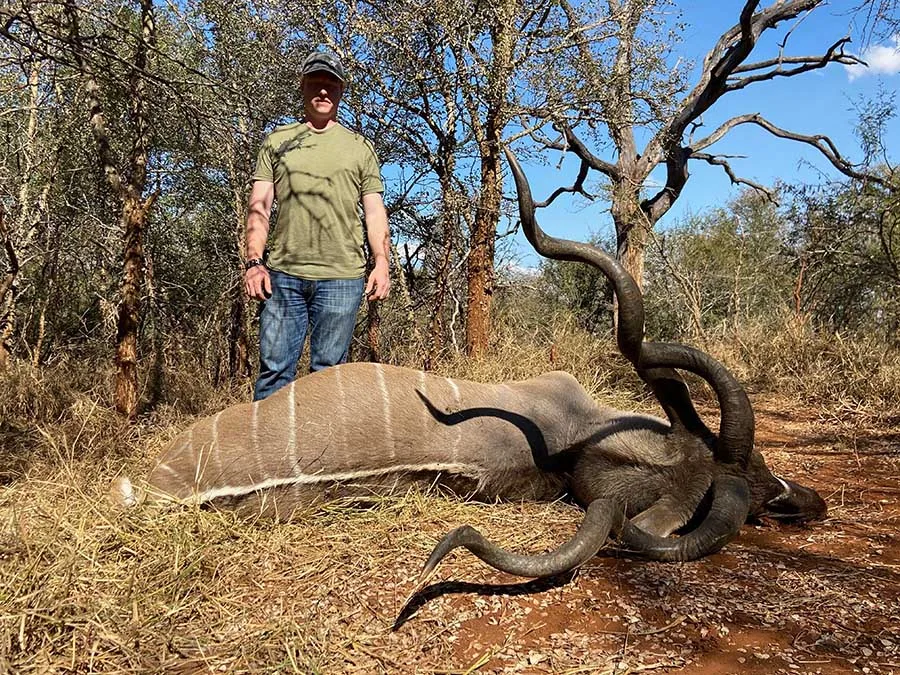
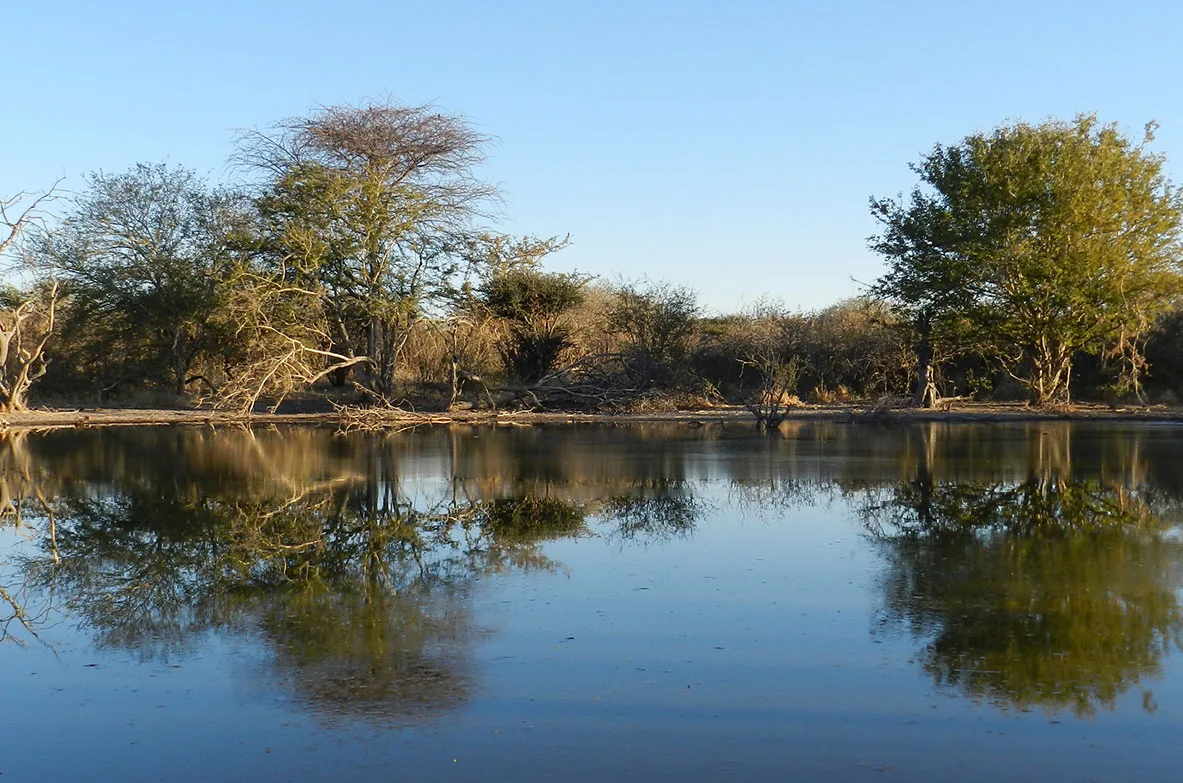
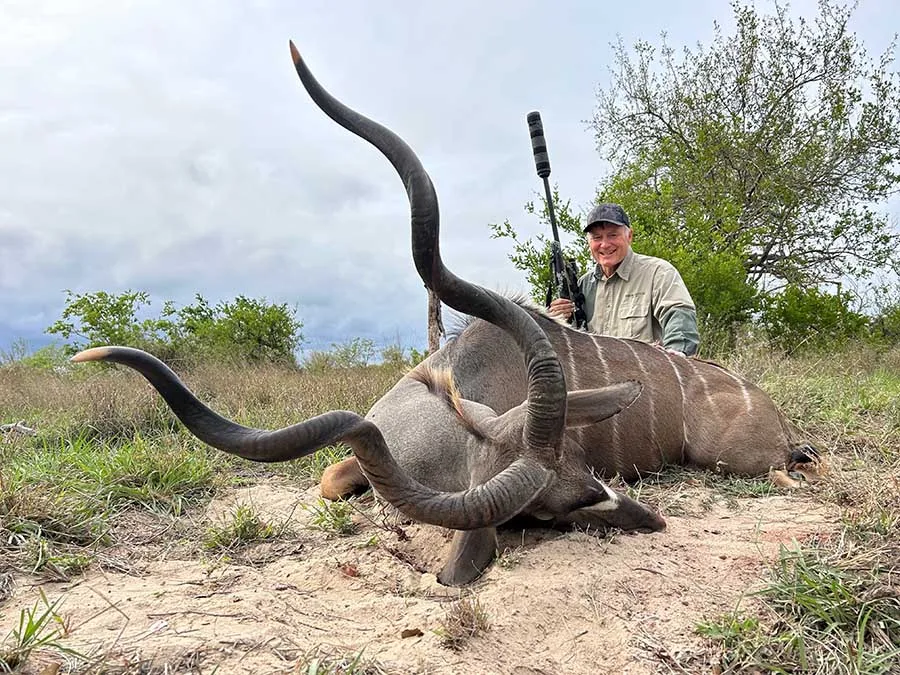
Photos from outfitters operating in Botswana
Featured Botswana Outfitters
Verified professionals ready to help plan your hunt
Plan Your Hunt in Three Steps
No need to pick a specific listing — describe your trip and let outfitters come to you.
Submit an Enquiry
Country, species, dates, budget, and any special requirements.
We Match Outfitters
We review your request and notify verified outfitters in your region.
Compare & Connect
Review responses, message outfitters, and plan your safari.
Ready to Hunt Botswana?
Tell us what you want to hunt and we'll match you with verified outfitters — free.
Start Your Enquiry View Outfitter Directory