Why Hunt in Namibia?
Namibia is where many hunters should start in Africa: English widely spoken, rifle import that usually works, malaria-free hunting across much of the interior, and a legal framework that distinguishes private farms from communal conservancies. The country is not one product — a Khomas kudu hunt and a Zambezi buffalo hunt barely share a climate.
Open country, honest glassing
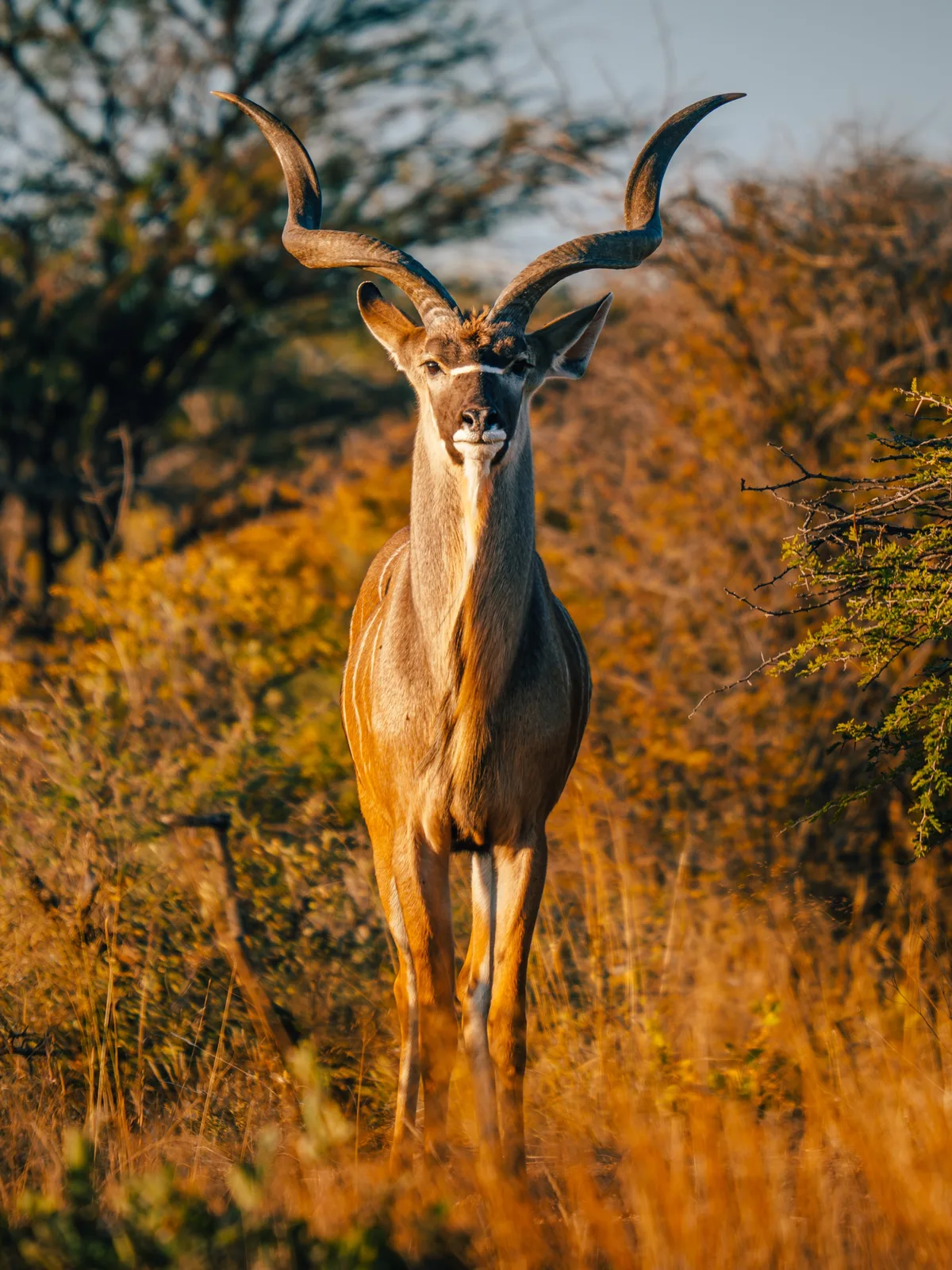
Gemsbok, springbok, kudu, hartebeest and Hartmann’s mountain zebra in terrain you can actually see. Walk-and-stalk and vehicle-to-spot-and-stalk are both common.
Escarpment and desert edge
Kunene and Erongo offer kopje, riverbed and escarpment hunting you will not find on a Highveld blesbuck camp. Steep, rocky, and worth the lungs.
Easy to plan
Windhoek (Hosea Kutako) is a clean hub. Many hunts start with a three-hour drive. First-time visitors and family groups do well here — if they pick the right region.
What Makes Namibia Unique
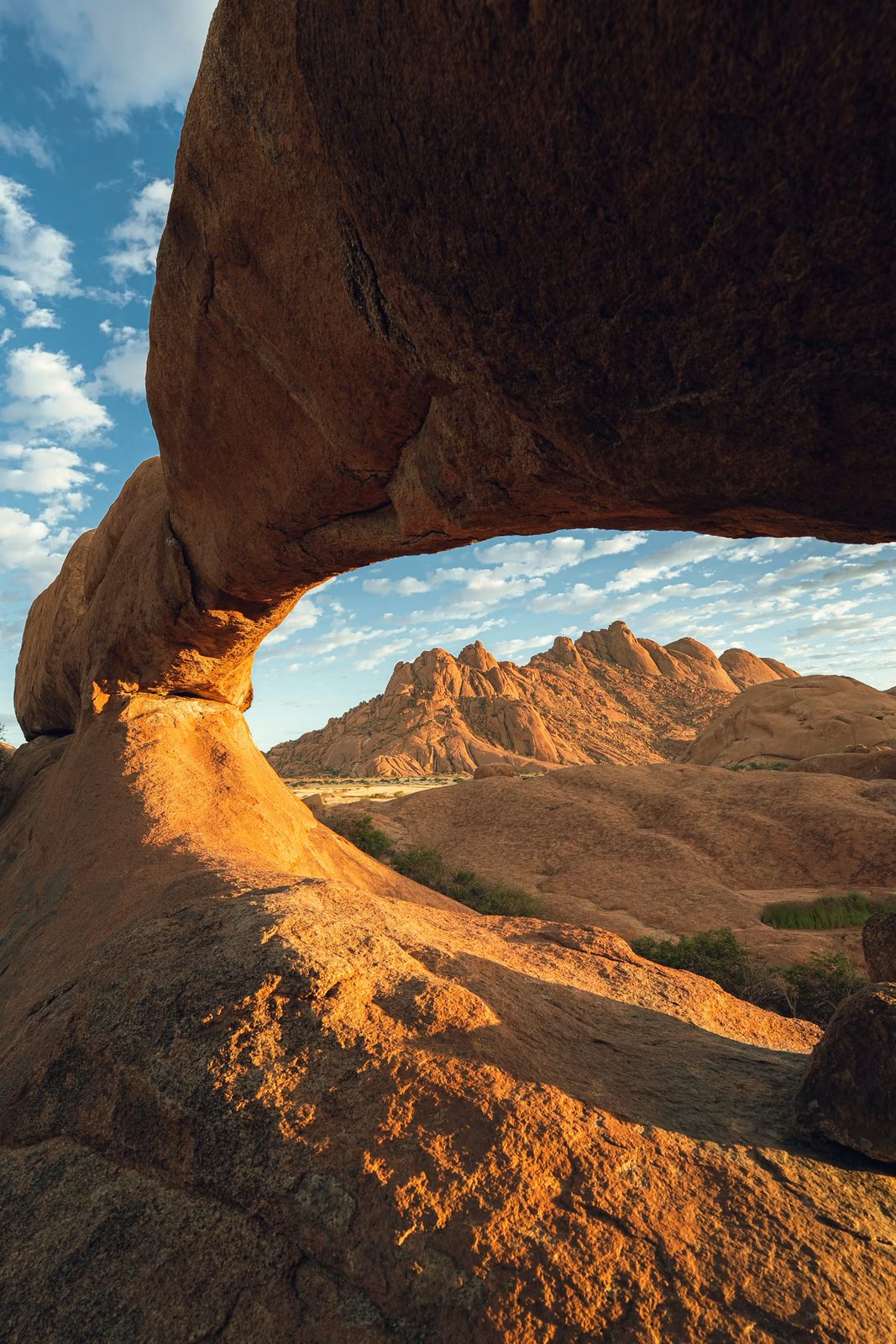
Three land systems sit under one flag. Freehold farms in the centre and south are the classic plains-game factory: fenced or open, owner-operated, efficient, and the source of most “Namibia 7-day” packages. Communal conservancies in the north-west and north-east are community wildlife areas — bigger landscapes, different fee structures, and species such as desert-adapted elephant or Caprivi buffalo that farms cannot offer. State concessions are fewer and more specialised.
If you only compare trophy fees, you will miss the point. A mountain zebra on granite in Erongo is not the same hunt as a gemsbok on Kalahari flat. Tell outfitters whether you want a comfortable farm lodge, a conservancy wilderness, or a mix.
Namibia’s conservation story is tied to those conservancies: wildlife on communal land has a legal value, which is why hunts exist alongside tourism. It is fair to ask how fees are split. It is also fair to enjoy excellent plains game without pretending every farm is a wilderness.
Hunting Regions in Namibia
Regions (and the old “Caprivi”) hunt like different countries.
Namibia’s fourteen regions are the right way to think about a hunt. Popular hunting country:
Erongo
Granite kopjes, riverbeds and escarpment west of Okahandja and Omaruru. Kudu, gemsbok, Hartmann’s mountain zebra, klipspringer, and leopard where managed. Physical hunting. Among the most photogenic and “Namibian-feeling” regions.
Kunene (Kaokoland / Damaraland)
Remote north-west: desert-adapted elephant in some conservancies, mountain zebra, oryx, springbok, and huge empty landscapes. Not a beginner logistics hunt. Conservancy rules apply.
Otjozondjupa and Khomas
The farm heartland around Windhoek, Okahandja and Otjiwarongo: thornveld kudu, gemsbok, eland, warthog, and efficient lodge hunting. Best for first safaris and mixed bags. Quality varies — ask about acreage and hunting method.
Omaheke and the Kalahari east
Sandveld toward Botswana: open glassing for gemsbok, springbok, red hartebeest, steenbok. Winter nights bite. A different Namibia from the escarpment.
Hardap, ||Kharas and the south
Arid south: oryx, springbok, kudu on vast farms, Karoo-like light. Malaria-free, stark, and excellent for hunters who like space over thick bush.
Zambezi (former Caprivi)
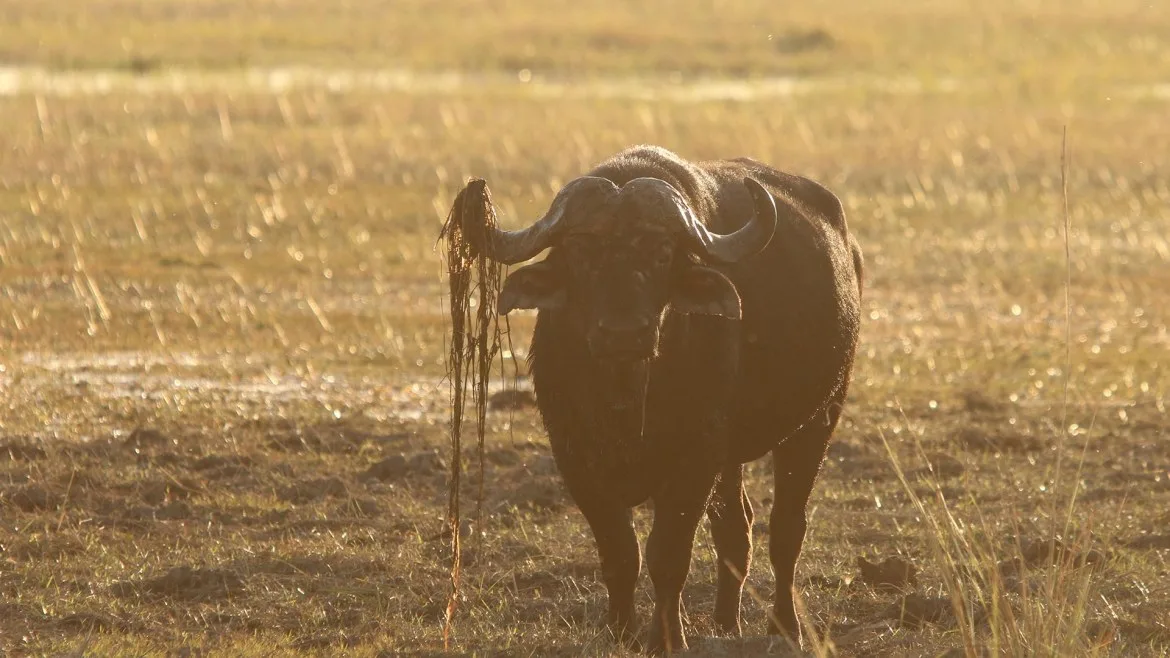
The wet north-east: river, floodplain and woodland. Buffalo, hippo, crocodile, and a species mix closer to Botswana/Zambia than to Windhoek farms. Malaria area. This is Namibia’s dangerous-game peninsula.
Seasons, quotas and open species change by concession and year. Confirm current rules with your outfitter before you book.
Best Time to Hunt Namibia
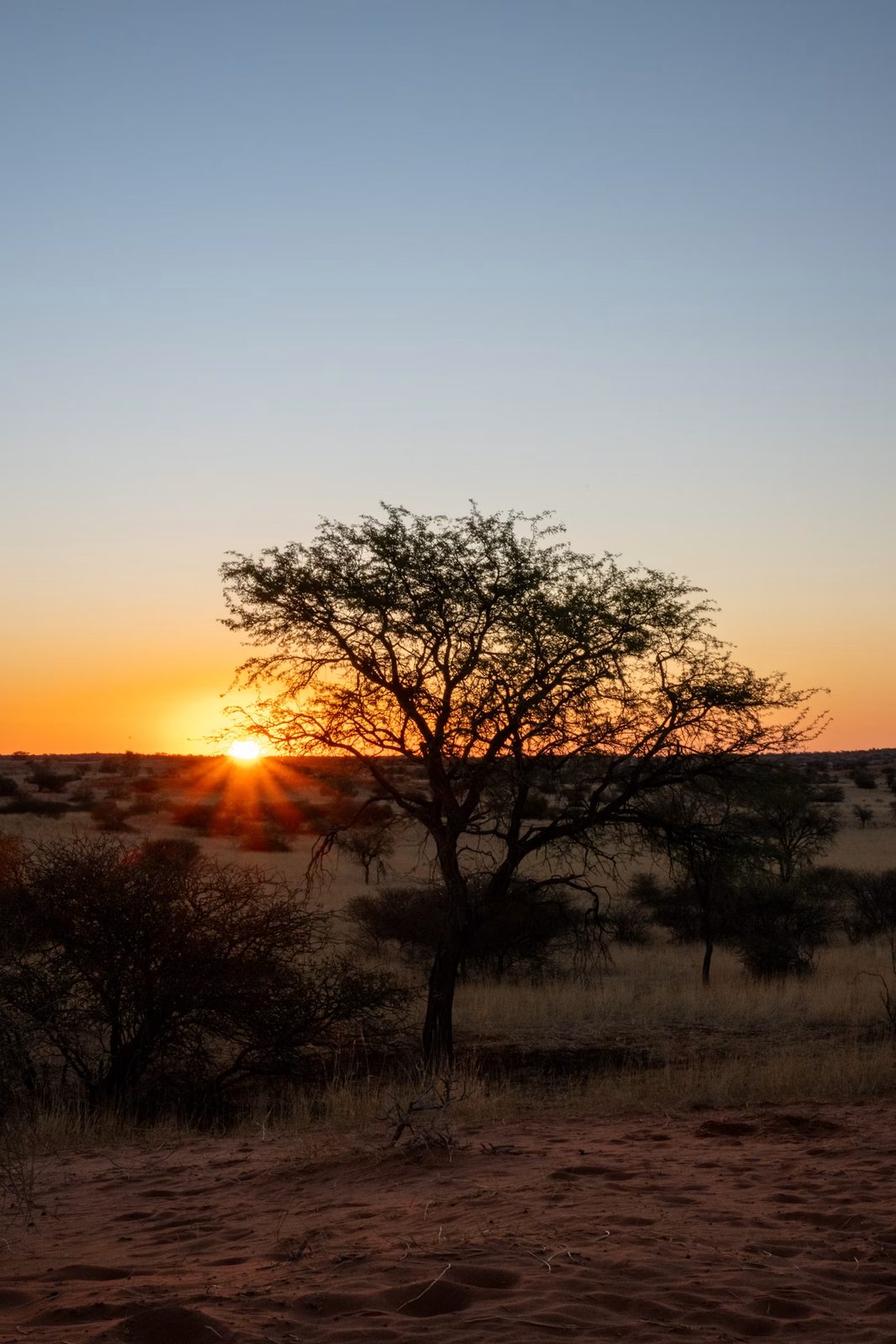
Private farms can hunt year-round, but April to September is the comfortable winter season: dry air, cold dawns, shorter grass and the busiest camp calendar. October–December heat up; some hunters like the quiet, others wilt.
January–March is rainy season in much of the interior — green, thick, and harder glassing, with occasional washed-out farm roads. Conservancy and Zambezi hunts follow water more strictly; buffalo in the north-east is a dry-season product.
Windhoek mornings in July can be near freezing. Pack a proper jacket, not only safari shirts. The same week on the Zambezi will still want mosquito nets and malaria tablets.
Namibia-Specific Advice
Farm, conservancy or Zambezi — say which one you are booking.
-
Ask about the fence
High-fenced, large extensive, or open conservancy changes the hunt. None is automatically “better,” but they are not interchangeable. -
Rifle import is usually smooth
Police import permits at Hosea Kutako are a known process. Still send forms ahead. Keep serial numbers exact. -
Winter is cold
Central highland farms freeze at night in June–August. Leopard baiting and long glassing sessions need warm layers. -
Cats are not casual
Leopard is managed and quota-limited. Cheetah hunting is legally and ethically contentious in some markets — confirm export before you ask for it.
Hunting in Namibia — Common Questions
Practical answers — always confirm the current season's rules with your outfitter.
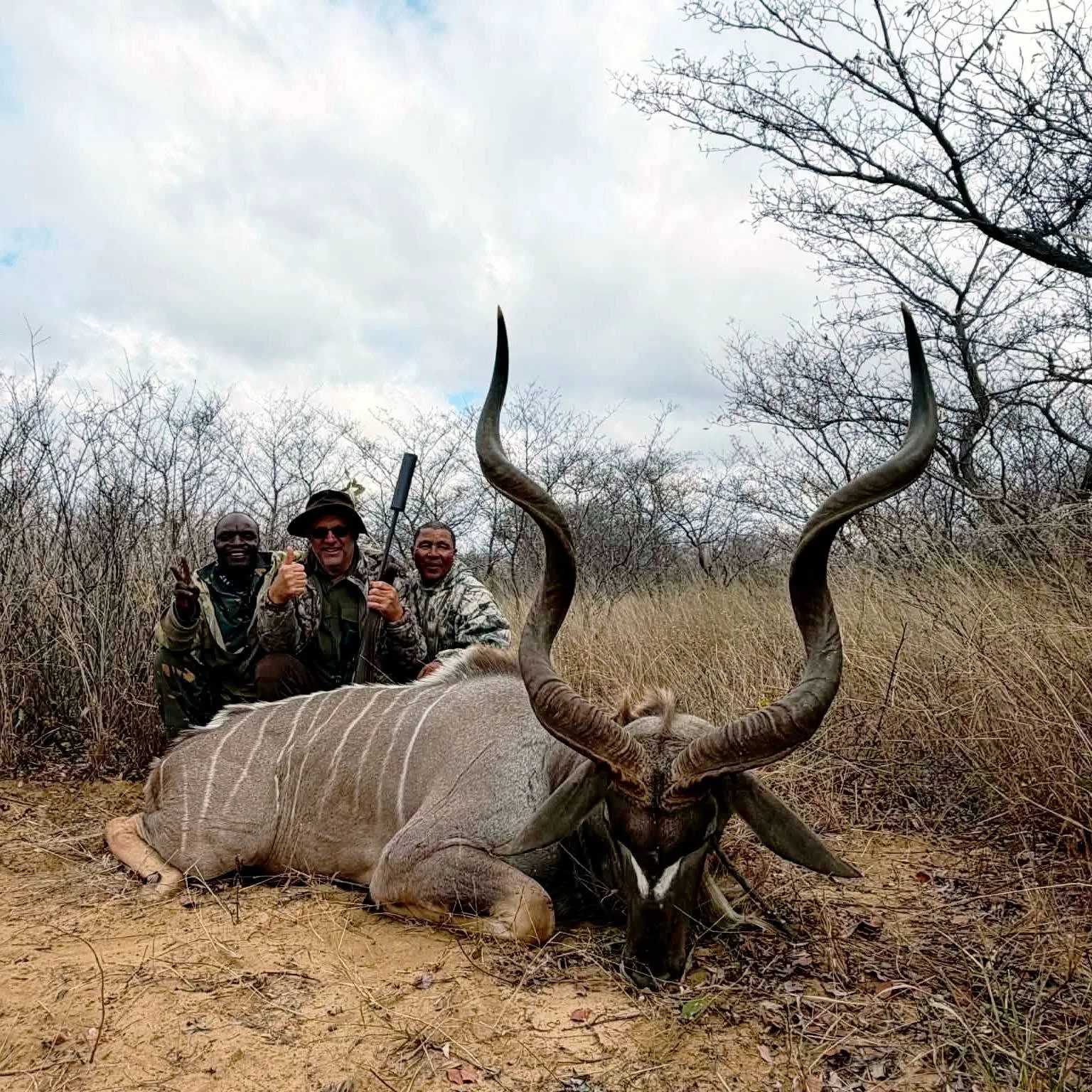
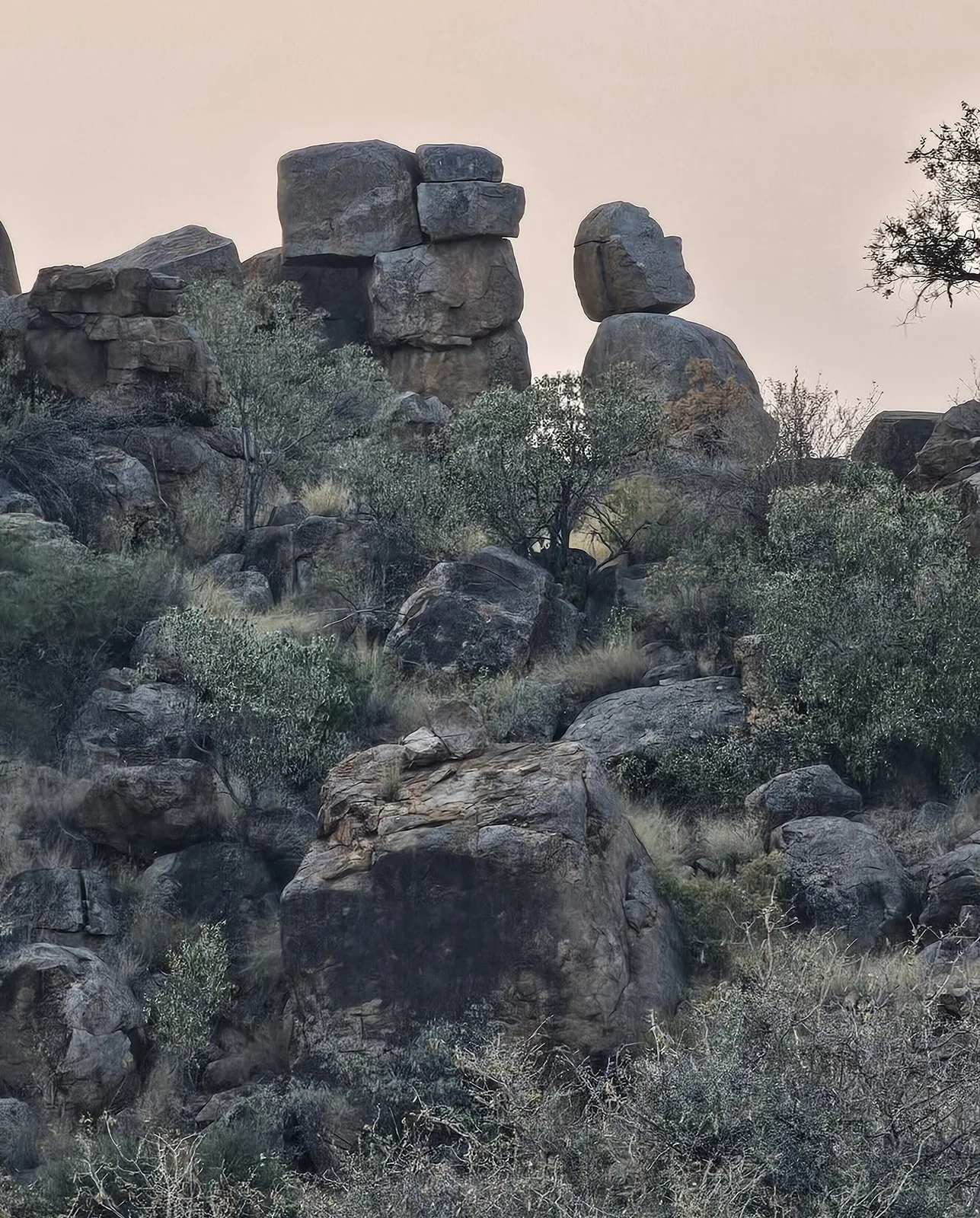
From the Field
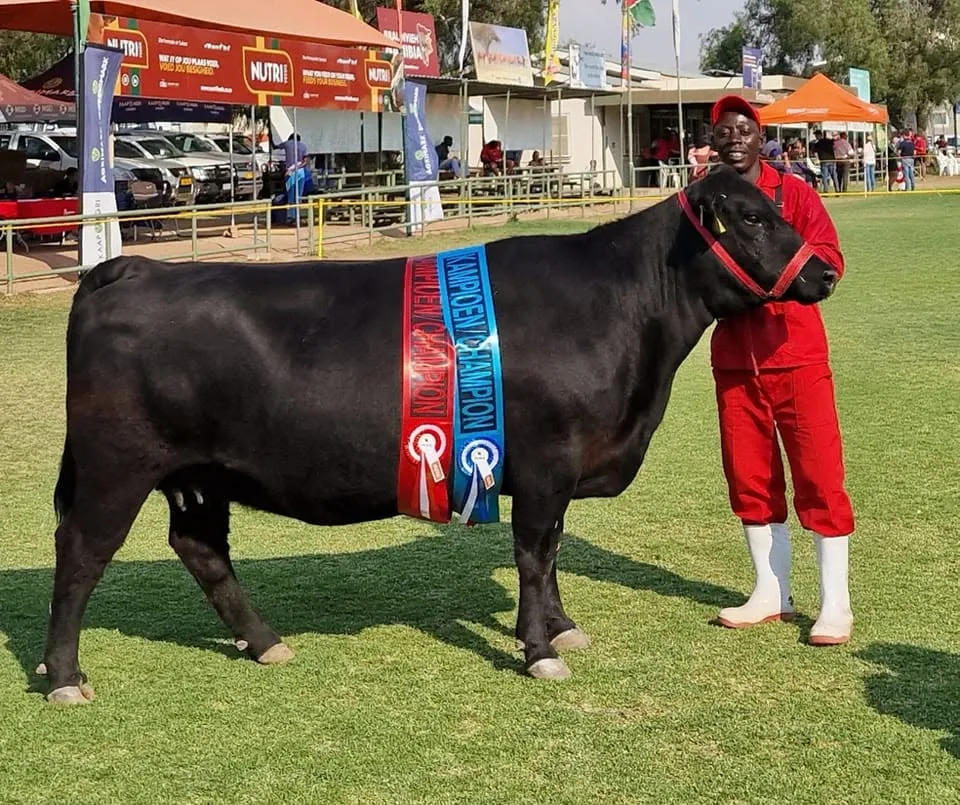
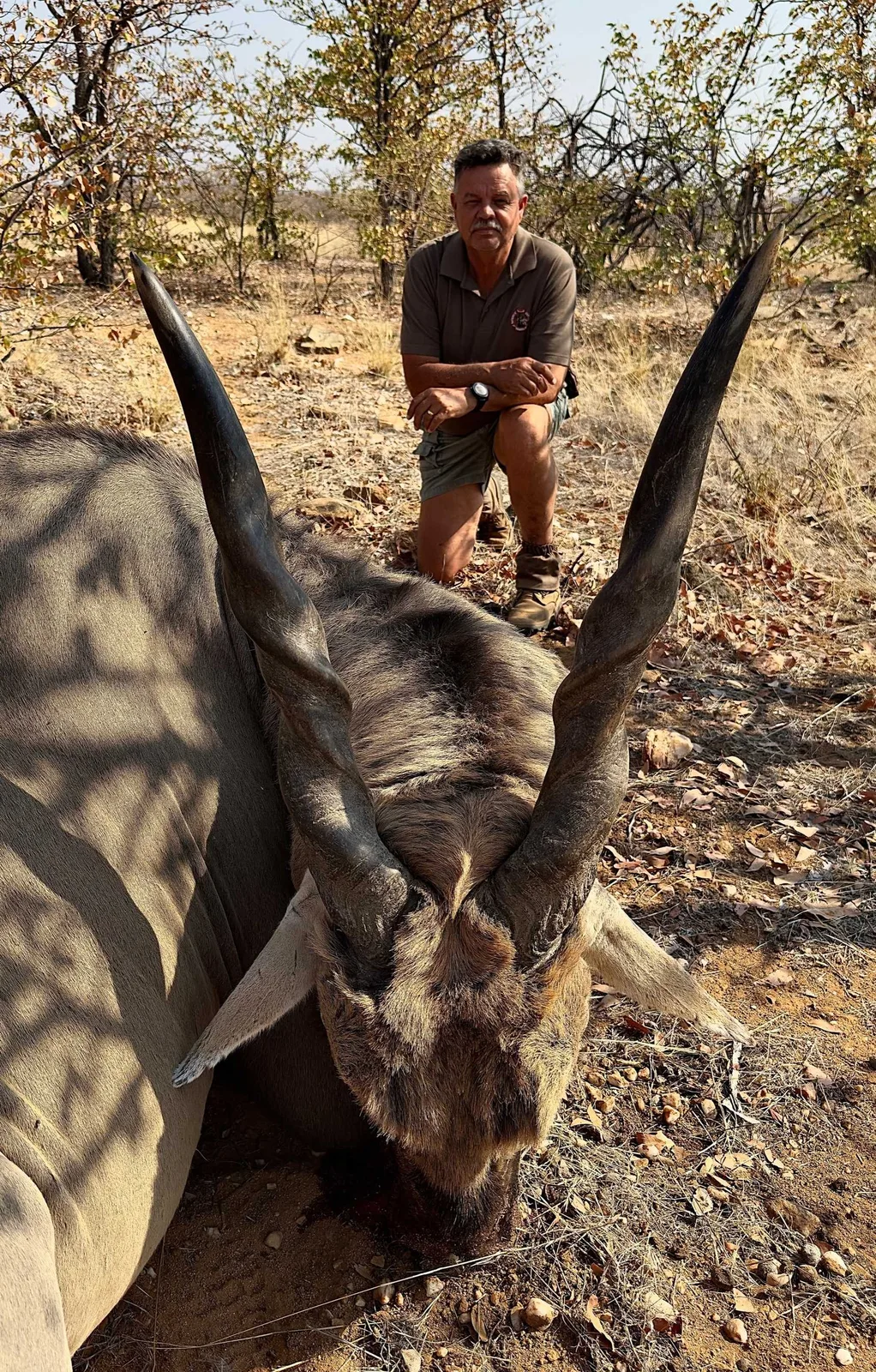
Photos from outfitters operating in Namibia
Featured Namibia Outfitters
Verified professionals ready to help plan your hunt
Plan Your Hunt in Three Steps
No need to pick a specific listing — describe your trip and let outfitters come to you.
Submit an Enquiry
Country, species, dates, budget, and any special requirements.
We Match Outfitters
We review your request and notify verified outfitters in your region.
Compare & Connect
Review responses, message outfitters, and plan your safari.
Ready to Hunt Namibia?
Tell us what you want to hunt and we'll match you with verified outfitters — free.
Start Your Enquiry View Outfitter Directory