African Elephant Hunting
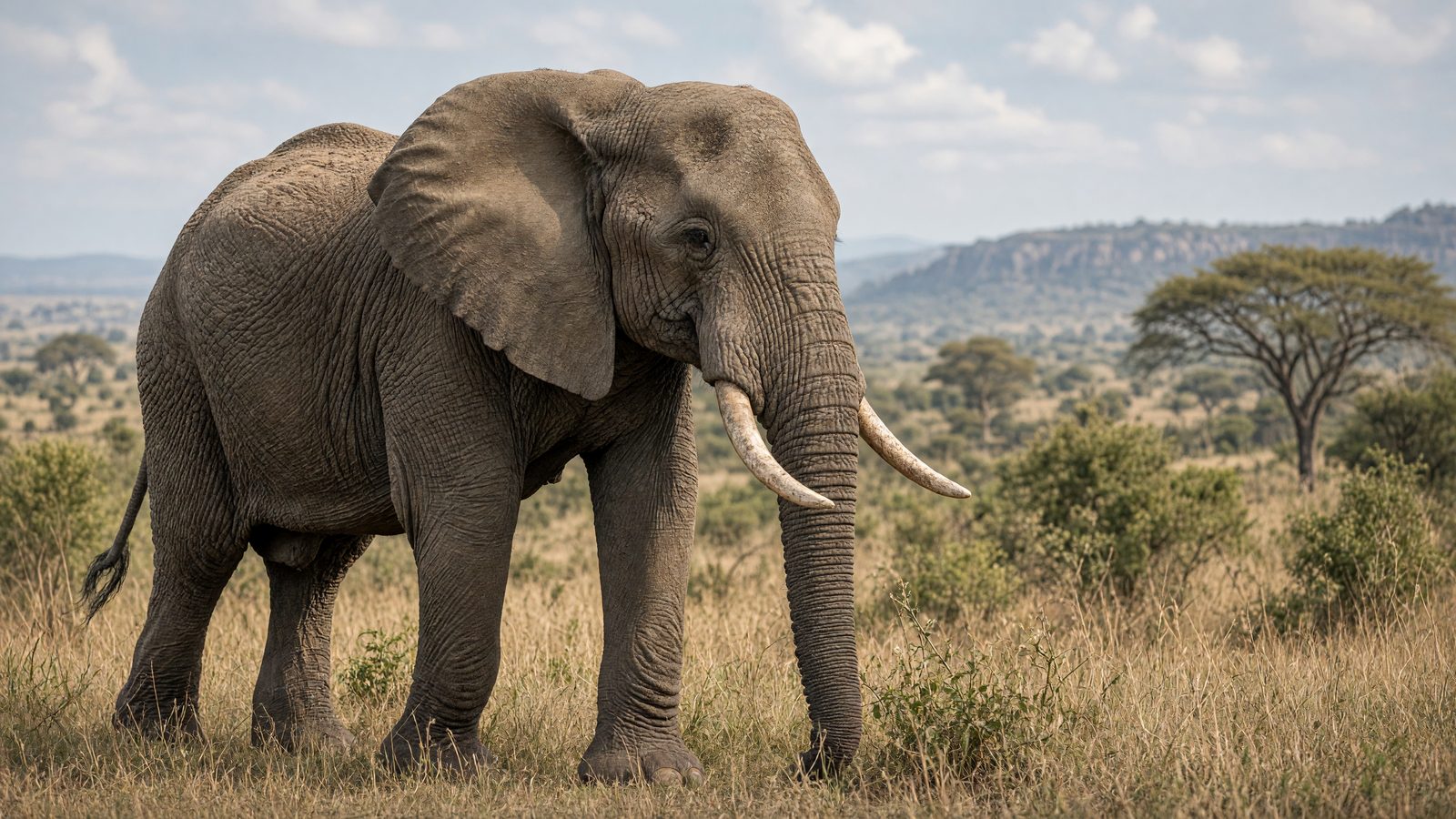
Loxodonta africana
The African elephant, scientifically known as Loxodonta africana, stands as one of the most iconic and formidable trophies in the world of big game hunting. These massive creatures are the largest land animals on Earth, with bulls often reaching heights of up to 13 feet at the shoulder and weighing in at 5 to 7 tons, while cows are slightly smaller at around 8 to 10 feet tall and 3 to 4 tons. Their thick, gray skin is wrinkled and tough, providing natural armor, and their most distinctive features are the long, curved ivory tusks—prized by hunters for their size and symmetry—which can grow over 10 feet in length in exceptional specimens. Elephants also boast enormous ears that flap to regulate body temperature, and a versatile trunk that serves as a tool for feeding, drinking, and even self-defense. Found primarily in sub-Saharan Africa, African elephants thrive in diverse habitats ranging from dense savannas and woodlands to arid deserts and swamps. Their range spans countries like South Africa, Botswana, Tanzania, Zimbabwe, and Kenya, though populations have fragmented due to human encroachment. Behaviorally, these intelligent giants live in matriarchal herds led by experienced females, with bulls often roaming solo or in bachelor groups. They're highly social, communicating through low-frequency rumbles that travel miles, and they're known for their memory and problem-solving skills, which can make them elusive and unpredictable during a hunt. Elephants are herbivores, consuming up to 300 pounds of vegetation daily, and they migrate seasonally in search of water and food, creating dynamic tracking opportunities. For hunters, the African elephant presents the ultimate challenge: their keen senses, including exceptional hearing and smell, demand stealth and precision. Spotting a trophy bull with massive tusks requires expert guiding and patience, often in remote bushveld where ethical, fair-chase pursuits are key. However, conservation is paramount—African elephants are listed as Vulnerable by the IUCN, with poaching and habitat loss posing major threats. Regulated hunting in controlled areas contributes to anti-poaching efforts and community conservation programs, ensuring sustainable populations for future generations. Pursuing an elephant isn't just about the harvest; it's a profound encounter with raw wilderness that demands respect and responsibility.
Hunt facts
- Countries
- Angola Benin Botswana Burkina Faso Cameroon Central African Republic Ethiopia Mozambique Namibia South Africa Tanzania Uganda Zambia Zimbabwe
- Hunt regions
-
Angola: Cuando Cubango MoxicoBenin: Alibori Atakora BorgouBotswana: Chobe North WestCameroon: Adamawa Far North NorthCentral African Republic: Bamingui-Bangoran Haute-Kotto VakagaEthiopia: Benishangul-GumuzMozambique: Gaza Manica Niassa Sofala Tete ZambeziaNamibia: Kavango East Kavango West Kunene ZambeziSouth Africa: Limpopo MpumalangaTanzania: Katavi Lindi Morogoro Pwani Rukwa Singida TaboraUganda: NorthernZambia: Eastern Muchinga North-Western Southern WesternZimbabwe: Mashonaland Central Mashonaland West Matabeleland North
- Habitat
- Woodland Bushveld Riverine
- Best time to hunt
- May–October (Dry season)
- Mass
- 4000–6000 kg (8818–13228 lb)
- Trophy minimum
-
- SCI (lb / tusk): 90
- SCI bow: 60
- Rowland Ward (lb / tusk): 70
- Rowland Ward record: 262
Savanna elephant, pounds per tusk
Typical record-book minimums; confirm the current edition with your professional hunter.
Where to Find African Elephant
African elephants primarily inhabit savannas, grasslands, woodlands, and forests across sub-Saharan Africa, with populations concentrated in regions like the East African savanna and southern African bushveld. They thrive in areas with abundant water sources, such as rivers and swamps, where they can access vegetation for feeding.
For legal hunting, the best countries include Zimbabwe, Namibia, South Africa, and Tanzania, where regulated trophy hunts occur under strict government quotas and permits. Key areas are Zimbabwe's Hwange National Park outskirts, Namibia's Caprivi Strip, and South Africa's private game reserves in Limpopo Province. Always verify current CITES regulations and local laws, as hunting is heavily restricted to support conservation.
Seasonal considerations favor the dry season (May to October) when elephants congregate around dwindling waterholes, making them easier to spot. Avoid rainy seasons (November to April) due to dense vegetation and flooding.
The terrain varies from open plains with acacia trees to rugged bush with rocky outcrops and thick thorn scrub, often hot and arid with temperatures exceeding 90°F. Environments include miombo woodlands and mopane forests, requiring sturdy vehicles for navigation.
To locate them, track fresh footprints (up to 2 feet wide), dung piles, and broken branches from feeding. Look for mud wallows near water and listen for trumpeting or rumbling at dawn or dusk. Use elevated blinds near water sources for safe observation, and employ experienced trackers to follow herds without disturbing them.
Why Hunt African Elephant
Hunters pursue African elephants for their unparalleled trophy qualities, where massive tusks—often exceeding 100 pounds each—symbolize the ultimate achievement in big game hunting. These ivory giants, combined with the elephant's immense size and majestic presence, create a trophy that stands as a testament to skill and perseverance, adorning walls and inspiring stories for generations.
The challenge is legendary, demanding expert tracking through dense bushveld, where elephants' intelligence and herd dynamics add layers of excitement. Stalking a bull that can charge at 25 mph or vanish into the wilderness heightens the adrenaline, making every hunt a thrilling test of nerves and strategy.
Beyond the thrill, elephant meat offers a unique culinary reward—lean, flavorful, and versatile for dishes like slow-roasted haunches or jerky, providing sustenance that echoes the primal joy of the harvest.
Culturally, hunting elephants ties into ancient African traditions, where warriors proved their mettle against these behemoths, fostering respect for wildlife and heritage.
Crucially, regulated hunts fund conservation, generating revenue for anti-poaching efforts and habitat protection, ensuring elephant populations thrive.
The experience is unmatched: witnessing a sunset charge or the raw power of a matriarchal herd delivers profound, life-altering moments that connect hunters to nature's wild heart.
African Elephant Hunting Tips
Hunting African elephants demands respect for these majestic animals and strict adherence to legal regulations, often requiring professional hunters and permits in countries like Zimbabwe or Tanzania. The best methods involve spot-and-stalk techniques on foot, guided by experienced trackers who interpret signs like footprints and broken vegetation. Approach quietly from downwind, using natural cover to get within 30-50 yards for an ethical shot.
Recommended equipment includes heavy-caliber rifles such as the . 375 H&H Magnum, . 416 Rigby, or . 458 Lott for reliable penetration through thick hide and bone. Double-barreled rifles offer a quick follow-up shot if needed. Use premium bullets like solids or controlled-expansion types, paired with a sturdy scope for low-light conditions, and always carry a backup sidearm.
For shot placement, aim for the brain by targeting a spot just above the eye line when broadside, or the heart-lung area low behind the shoulder. Avoid frontal chest shots unless absolutely necessary, as they can be ineffective.
Tracking tips include following fresh, large tracks (up to 2 feet wide) in soft soil, noting dung that's warm and steamy for recent activity. Stalk during early morning or late afternoon when elephants are active near water sources.
Hunt during the dry season (June to October) for better visibility and concentrated game. Common mistakes to avoid: rushing shots, ignoring wind direction, or underestimating an elephant's speed and aggression—wounded bulls can charge without warning.
Safety is paramount: never hunt alone, maintain a safe distance, and use ear protection. Respect conservation laws to ensure sustainable populations.
Featured Outfitters for African Elephant
View allHunt packages with African Elephant
Curated hunt ideas — no price on the page. Enquire and we'll match outfitters after review.
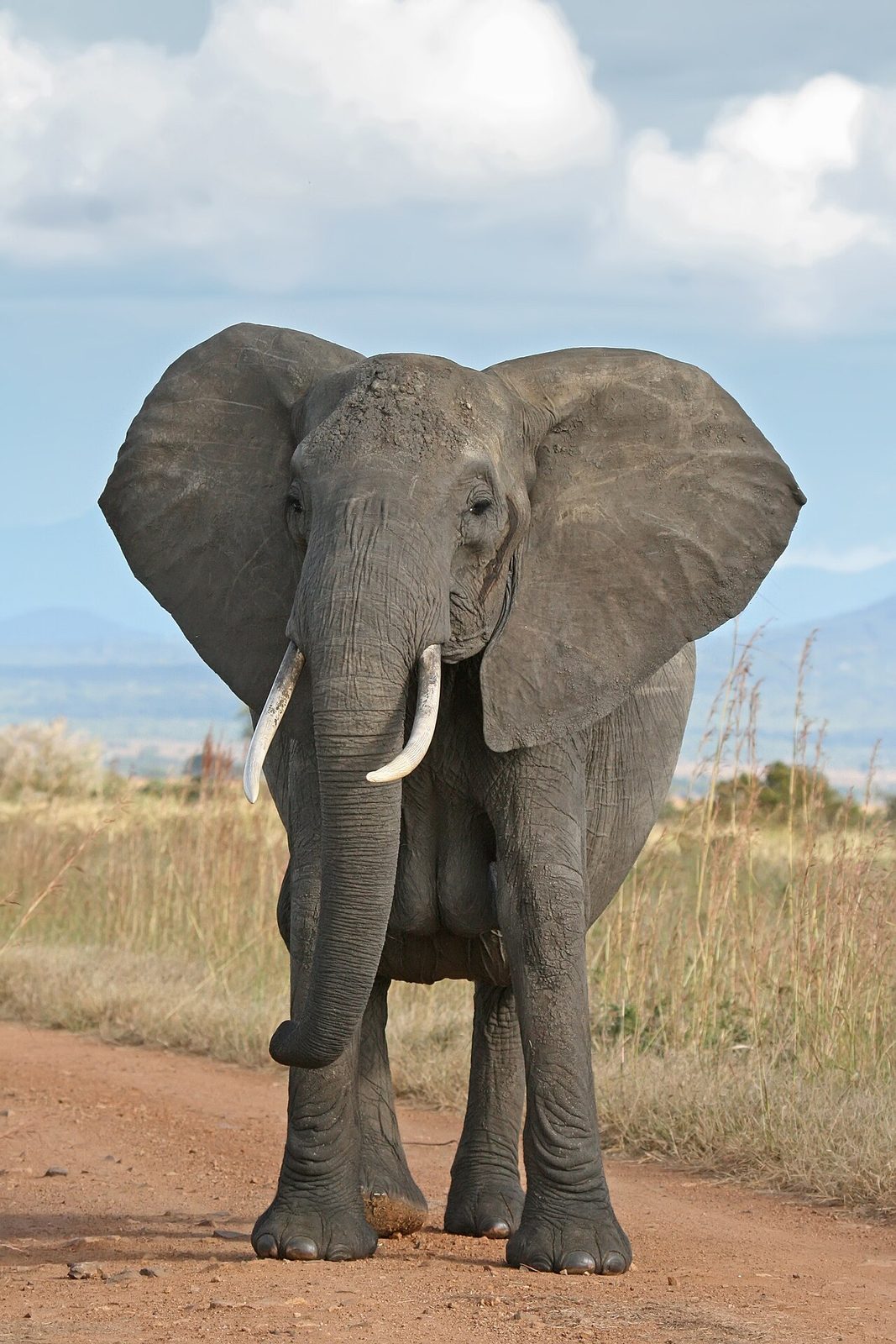
Botswana Elephant — 10 Days
10 days · Botswana
Ten days tracking a trophy elephant bull on foot in Chobe or Okavango fringe mopane — Botswana's premier dangerous-game concession hunt.
$54,500 – $55,800
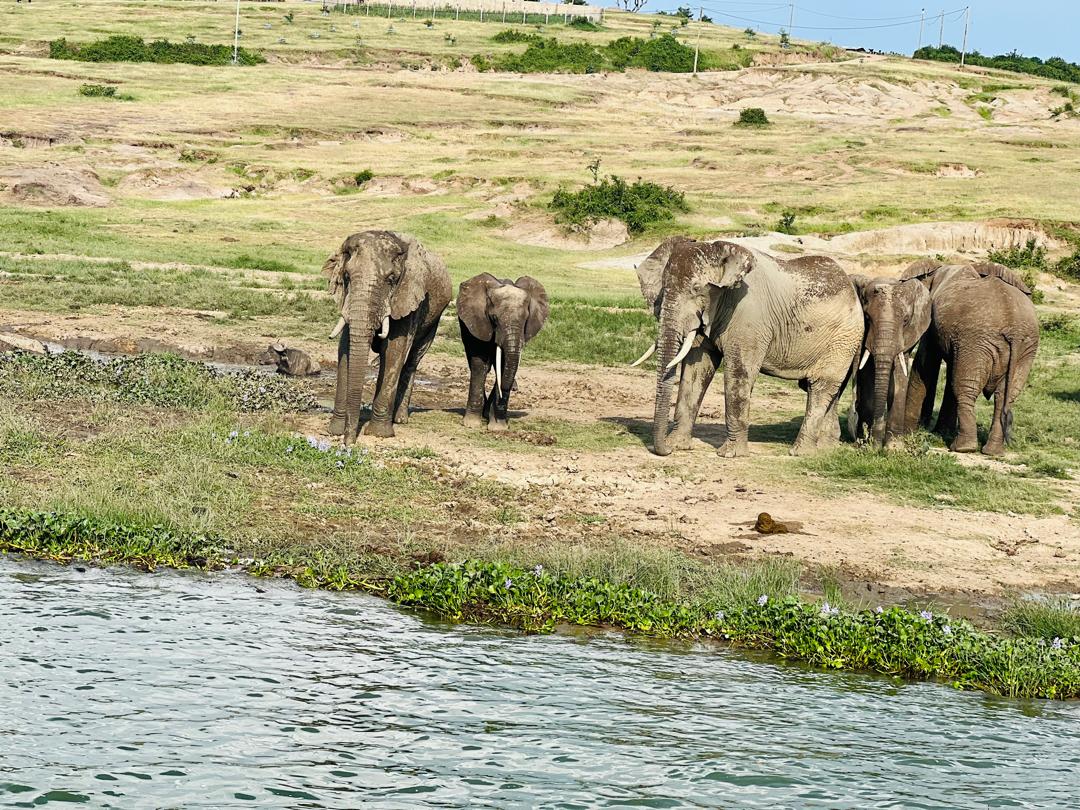
Mashonaland West Elephant — 10 Days
10 days · Zimbabwe
10-day mashonaland west elephant — african elephant in Mashonaland West Zambezi fringe.
$52,000 – $56,000
Plan Your African Elephant Hunt
Submit a free enquiry and we'll match you with outfitters who hunt African Elephant in your region.
Sign Up to Enquire African Lion
 Black Rhinoceros
 Cape Buffalo
 Forest Buffalo
 Giant Forest Hog
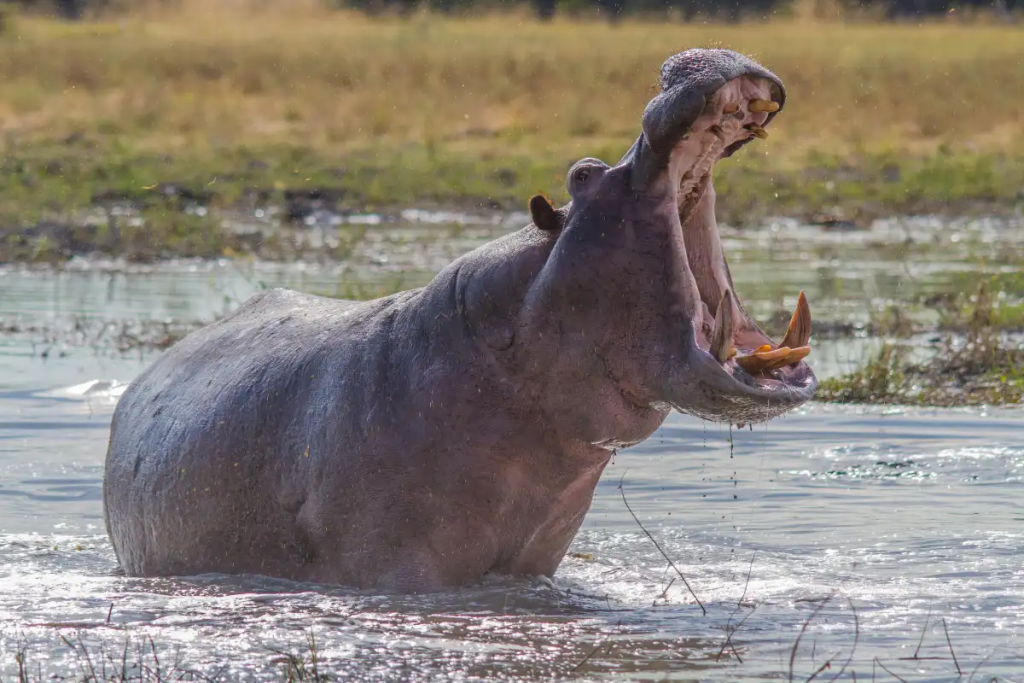 Hippopotamus