Black Wildebeest Hunting
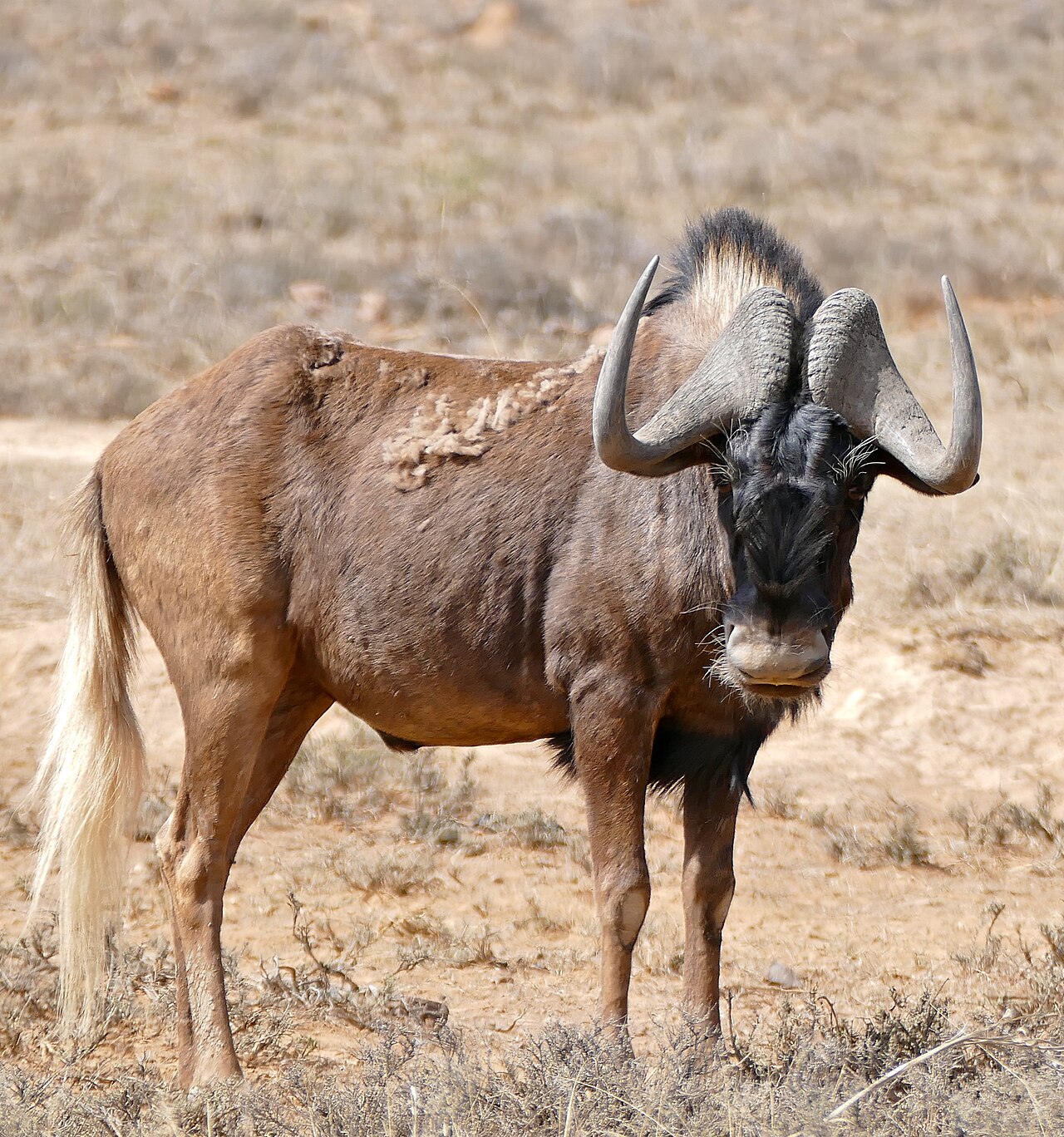
Connochaetes gnou
The black wildebeest, also known as the white-tailed gnu (Connochaetes gnou), is a striking antelope that captivates hunters with its rugged appearance and spirited nature. Physically, these animals boast a muscular build, standing about 4 feet at the shoulder and weighing between 300 to 400 pounds for mature bulls, with cows slightly smaller at 250 to 350 pounds. Their coat is a deep, glossy black or dark brown, contrasting sharply with a distinctive white tail that resembles a horse's mane. Both sexes sport impressive, curved horns that sweep backward and then upward, reaching up to 30 inches in length on trophy bulls, making them a standout feature for any collection. In the wild, black wildebeest thrive in open grasslands and savannas, where they form dynamic herds that can number in the hundreds. They're known for their high-energy behavior, often engaging in playful chases or dramatic stampedes when startled, showcasing incredible speed—up to 50 mph in short bursts. These herbivores graze primarily on short grasses, migrating seasonally in search of fresh pastures, which adds an element of strategy to any hunt. Native to South Africa, their historical range was once limited to the central and eastern parts of the country, but conservation efforts and game ranching have expanded their distribution to private reserves and farms across the region. For hunters, the black wildebeest offers an exhilarating challenge: their keen senses and herd dynamics demand patience, precise stalking, and quick shooting. Spotting a dominant bull with those iconic horns amid a thundering herd is a thrill like no other, and their meat is lean and flavorful, perfect for the table. Once on the brink of extinction in the early 20th century due to overhunting and habitat loss, the black wildebeest has made a remarkable comeback. Today, it's classified as least concern by the IUCN, thanks to sustainable hunting programs and protected populations on game farms, ensuring ethical pursuits for generations of hunters.
Hunt facts
- Countries
- South Africa
- Hunt regions
-
South Africa: Eastern Cape Free State Gauteng North West Northern Cape
- Habitat
- Grassland
- Best time to hunt
- May–October (Dry season)
- Mass
- 110–180 kg (243–397 lb)
- Trophy minimum
-
- SCI (inches): 72
- SCI bow: 63
- Rowland Ward (inches): 23
- Rowland Ward record: 30 7/8
Typical record-book minimums; confirm the current edition with your professional hunter.
Where to Find Black Wildebeest
Black wildebeest, also known as white-tailed gnus, thrive in open grasslands and savanna habitats where they can graze on short grasses and access water sources. These animals are native to southern Africa, particularly regions with semi-arid plains that offer ample visibility and space for their fast, erratic movements during hunts.
The best countries for hunting black wildebeest are South Africa and Namibia, where regulated hunts occur on private game ranches and reserves. In South Africa, prime areas include the Free State, Northern Cape, and Eastern Cape provinces, known for vast open terrains ideal for spot-and-stalk methods. Namibia's central highlands and private farms also provide excellent opportunities, often with outfitters offering guided safaris.
Seasonally, hunting is available year-round in many areas due to private land management, but the dry winter months from May to September are optimal, as animals congregate near waterholes and vegetation is sparse, improving visibility. Avoid the wet summer (November to March) when heavy rains can make tracking difficult and increase insect activity.
The terrain typically features flat to gently rolling plains with acacia scrub and rocky outcrops, requiring hunters to navigate open spaces quietly. For locating them, scan horizons at dawn and dusk when herds are most active; look for dust clouds from moving groups or fresh tracks near watering points. Using elevated vantage points or binoculars helps spot their distinctive white tails and curved horns from afar, enhancing success in these expansive environments.
Why Hunt Black Wildebeest
Hunters are drawn to the Black Wildebeest for its striking trophy qualities, featuring a robust build, distinctive white tail, and impressive, curved horns that can span up to 30 inches. These horns, combined with the animal's dark, shaggy coat and muscular frame, make for a trophy that stands out in any collection, symbolizing a true test of skill.
The pursuit offers an exhilarating challenge, as Black Wildebeest are incredibly fast and agile, often reaching speeds of 50 mph in the vast African plains. Spotting and stalking these wary animals demands patience, precision shooting, and quick decision-making, heightening the adrenaline rush and sense of accomplishment.
Beyond the hunt, the meat is lean, flavorful, and nutrient-rich, perfect for grilling or slow-cooking into savory dishes like venison steaks or biltong, providing a delicious reward for a successful outing.
Culturally, hunting Black Wildebeest ties into South African traditions, where it's revered as a symbol of resilience and has been part of indigenous lore and colonial hunting heritage.
Through regulated hunting, funds from permits and fees support conservation efforts, helping maintain healthy populations and habitats while controlling overgrazing.
What sets this species apart is the unique thrill of chasing these "clowns of the veld" in their natural savanna, offering unforgettable sunrises, close encounters with other wildlife, and a profound connection to Africa's untamed wilderness.
Black Wildebeest Hunting Tips
Hunting black wildebeest, also known as white-tailed gnus, requires patience and precision due to their speed and alertness in open grasslands. The most effective methods include spot-and-stalk techniques, where you glass from a distance and approach on foot, or using ground blinds near waterholes during dry seasons. Bowhunting is challenging but rewarding for close-range encounters, while rifle hunting dominates for ethical kills at 200-300 yards.
Opt for a flat-shooting rifle in calibers like . 270 Winchester, . 30-06 Springfield, or 7mm Remington Magnum, paired with premium bullets (150-180 grains) for deep penetration. Use high-quality optics, such as 10x binoculars and a variable scope (3-9x or higher), and wear camouflage suited to the savanna terrain.
For shot placement, aim for the vital heart-lung area just behind the shoulder on a broadside shot; avoid head or neck shots unless you're highly experienced, as wildebeest have tough hides and can bolt if wounded.
Tracking involves reading spoor—look for cloven hooves and fresh dung—and stalking low to the ground, using wind direction to mask your scent. Move slowly during approaches to avoid spooking herds.
Hunt during early mornings or late afternoons when they're active, and target the cooler dry season (May to September in South Africa) for better visibility and animal concentration around water.
Common mistakes include rushing shots without confirming range, underestimating their speed (they can sprint up to 50 mph), or ignoring wind shifts that carry your scent.
Safety-wise, always hunt with a licensed guide in permitted areas, maintain firearm discipline, and be aware of other wildlife like buffalo or snakes. Stay hydrated in hot climates and use hearing protection during shoots.
Featured Outfitters for Black Wildebeest
View all



Hunting Tips & Guides
All tips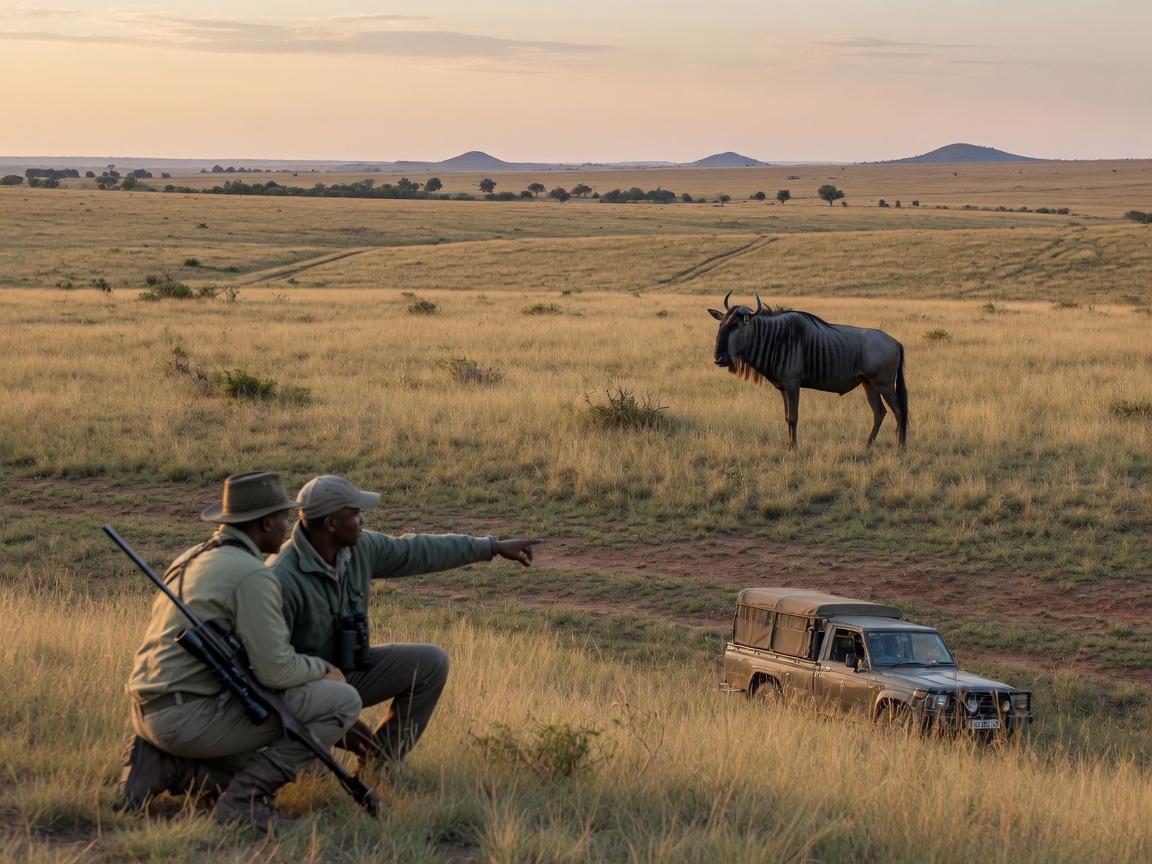
Hunting Blue Wildebeest in Free State Grasslands
Expert guide to hunting blue wildebeest in South Africa's Free State grasslands. Tactics, ethics, gear, and conservation tips for plains …
Read more
How to Prepare for a Plains Game Safari in Eastern Cape
Beginner's guide to preparing for a plains game safari in South Africa's Eastern Cape: permits, gear, ethics, outfitters and tips …
Read moreHunt packages with Black Wildebeest
Curated hunt ideas — no price on the page. Enquire and we'll match outfitters after review.
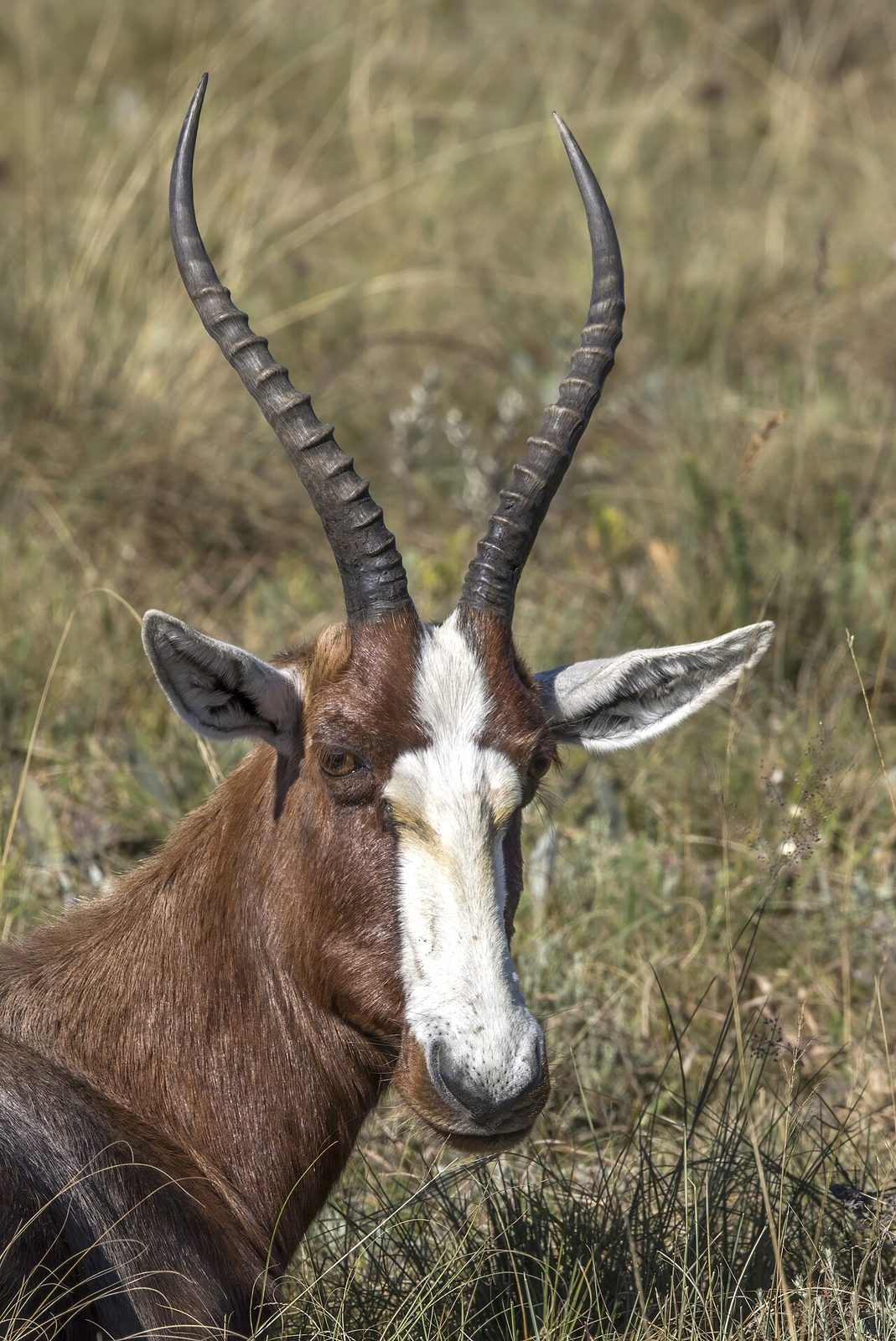
Eastern Cape Plains — 7 Days
7 days · South Africa
Seven days Eastern Cape plains — springbok, blesbok, black wildebeest and mountain reedbuck.
$6,200 – $6,900
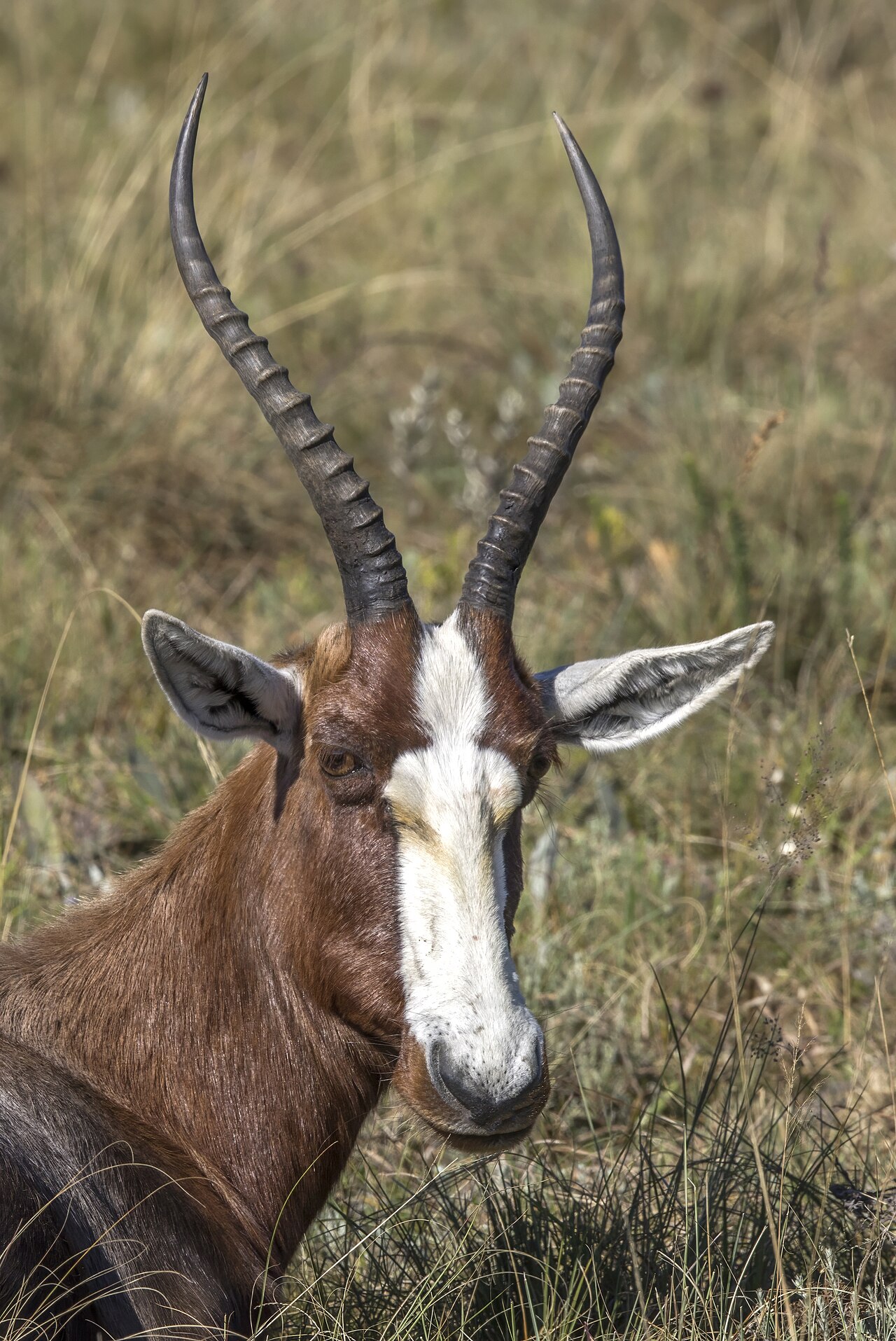
Free State Highveld Plains — 7 Days
7 days · South Africa
7-day free state highveld plains — blesbok, black wildebeest, springbok in Free State highveld grassland.
$7,800 – $8,800
Plan Your Black Wildebeest Hunt
Submit a free enquiry and we'll match you with outfitters who hunt Black Wildebeest in your region.
Sign Up to Enquire Aardwolf
 Abyssinian Bushbuck
 Baboon
 Bat-Eared Fox
 Bay Duiker
 Beisa Oryx