Bat-Eared Fox Hunting
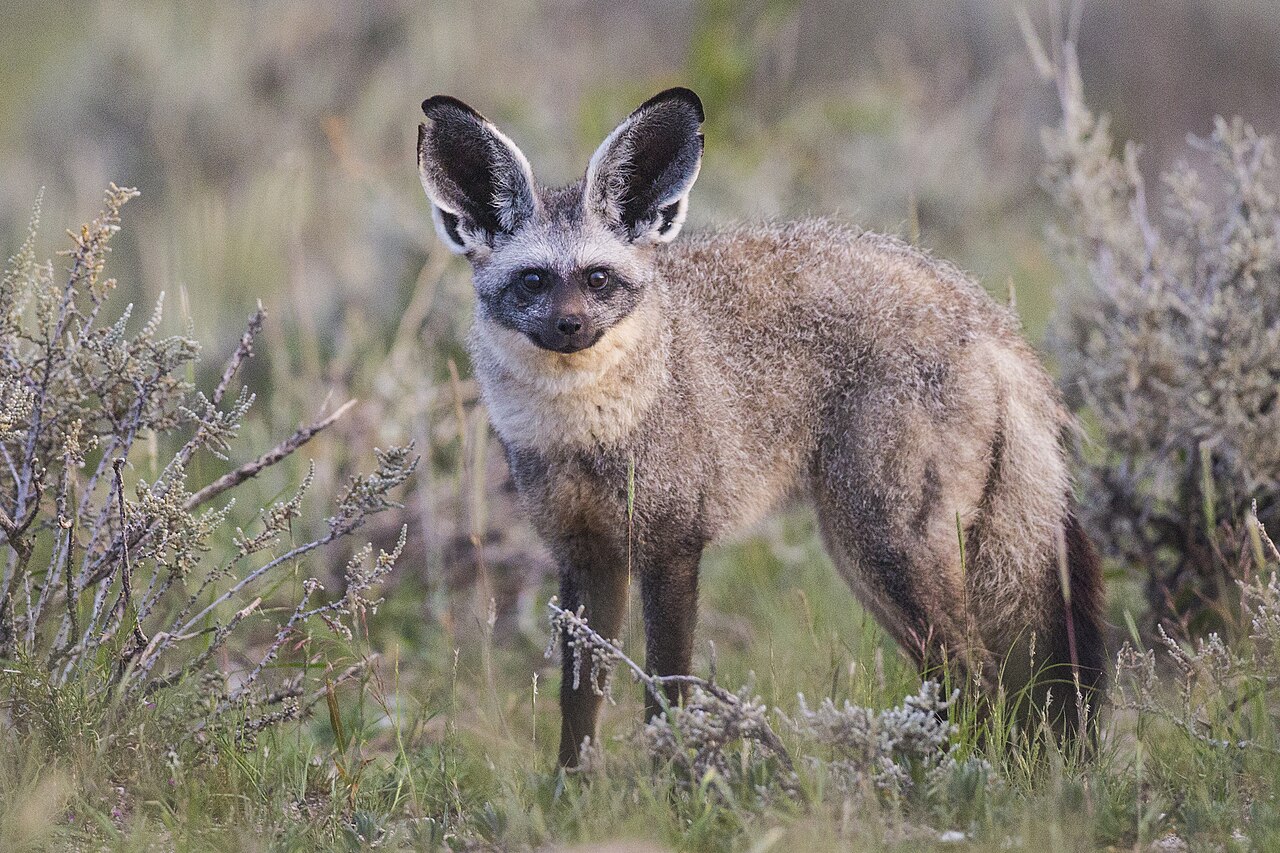
Otocyon megalotis
The bat-eared fox (Otocyon megalotis) is a fascinating small canid that stands out in the African wilderness, making it a unique species for hunters to observe or pursue where permitted. Physically, this fox is compact and agile, with adults typically weighing between 4 to 10 pounds and measuring 18 to 26 inches in body length, plus a bushy tail adding another 9 to 13 inches. Its most striking feature is the enormous, bat-like ears—up to 5 inches long—that not only give it its name but also serve as incredible tools for detecting prey underground. The coat is a grizzled gray or tan with black markings on the legs and face, providing excellent camouflage in open terrains. These foxes thrive in arid savannas, grasslands, and semi-desert regions, where they form small family groups and exhibit highly social behavior. Primarily nocturnal or crepuscular, they spend their days in burrows and emerge at dusk to forage, relying on those oversized ears to pinpoint insects like termites, which make up the bulk of their diet. They're not aggressive toward humans but are incredibly alert and quick to flee, adding an element of challenge for spot-and-stalk enthusiasts. Geographically, bat-eared foxes are distributed across eastern and southern Africa, from Ethiopia and Somalia down to South Africa, with strong populations in countries like Kenya, Tanzania, Botswana, and Namibia. For hunters, notable features include their elusive nature and exceptional hearing, which demands stealthy approaches and keen observation skills—perfect for honing varmint hunting techniques. However, always check local regulations, as they may be protected in some areas to prevent overhunting. Conservation-wise, the species is listed as Least Concern by the IUCN, thanks to stable populations in protected reserves, but habitat loss from agriculture poses ongoing threats. Responsible hunting can play a role in management, ensuring these clever creatures remain a vibrant part of Africa's ecosystems for generations of outdoorsmen.
Hunt facts
- Countries
- Angola Botswana Mozambique Namibia South Africa Tanzania Uganda Zimbabwe
- Hunt regions
-
Angola: Cunene Huíla NamibeBotswana: Central Ghanzi KgalagadiMozambique: GazaNamibia: Erongo Hardap Karas Khomas Kunene Omaheke OtjozondjupaSouth Africa: Free State Gauteng Limpopo Mpumalanga North West Northern CapeTanzania: Arusha Manyara SimiyuUganda: NorthernZimbabwe: Mashonaland West Matabeleland South Midlands
- Habitat
- Grassland Mixed savanna Semi-arid
- Best time to hunt
- May–October (Dry season)
- Mass
- 3–5.5 kg (6.6–12 lb)
Where to Find Bat-Eared Fox
Bat-eared foxes thrive in arid and semi-arid savannas, open grasslands, and scrublands where termite populations are abundant, as insects form the bulk of their diet. They are primarily found in East Africa, including Kenya, Tanzania, and Ethiopia, as well as Southern Africa in countries like South Africa, Botswana, Namibia, and Zimbabwe. For hunting opportunities, focus on private game reserves or farms in South Africa and Namibia, where regulated hunts may be permitted under local wildlife management programs, often as part of pest control or conservation efforts—always check permits and regulations, as they are not traditional game animals and protections vary.
The best seasons for locating them are during the dry months from May to October, when visibility is higher in sparse vegetation and animals congregate near water sources. Avoid rainy seasons (November to April) when flooding can scatter populations and make tracking difficult. Terrain typically includes flat to gently rolling plains with acacia trees, rocky outcrops, and termite mounds, often in hot, dry environments with temperatures exceeding 90°F daytime.
To spot them in the wild, scout at dawn or dusk when they are most active, using binoculars to scan for their large, distinctive ears. Look for burrow systems near termite hills or listen for high-pitched calls. Tracks resemble small dog prints with claw marks, and baiting with insects can help, but ethical hunters prioritize quick, humane methods and adhere to bag limits.
Why Hunt Bat-Eared Fox
Hunters are drawn to the bat-eared fox for its striking trophy qualities, featuring oversized ears that resemble bat wings, a sleek silver-gray coat, and a bushy tail that makes for an eye-catching mount. These unique characteristics set it apart from other small game, offering a distinctive addition to any collection.
The hunting challenge is exhilarating, as bat-eared foxes are incredibly agile and alert, relying on their acute hearing to evade predators in the vast African savannas. Pursuing them demands sharp marksmanship, patience, and strategic calling techniques, turning each hunt into an adrenaline-pumping test of skill against a cunning quarry.
While not prized for meat like larger game, the fox's lean flesh can be prepared in stews or jerky, providing a mild, gamey flavor that's a novel culinary experience for adventurous palates.
In regions like southern Africa, hunting bat-eared foxes holds cultural significance among indigenous communities, symbolizing resourcefulness and harmony with the land, often tied to traditional lore.
Regulated hunting contributes to conservation by funding anti-poaching efforts and habitat preservation, helping maintain balanced ecosystems where these foxes thrive.
Ultimately, the pursuit offers unique nocturnal adventures under starry skies, immersing hunters in the raw beauty of the wild and forging unforgettable memories of Africa's untamed spirit.
Bat-Eared Fox Hunting Tips
Hunting bat-eared foxes, those elusive African canids known for their oversized ears and insectivorous diet, requires patience and precision due to their small size and nocturnal habits. The best methods involve spotlighting at night or calling them in with predator calls mimicking distressed prey, combined with stalking in open savannas. Use a varmint hunting approach, setting up in areas with termite mounds or rodent burrows where they forage.
For equipment, opt for a lightweight rifle like a . 22 Hornet or . 17 HMR for minimal pelt damage, or a . 223 Remington for longer ranges. A quality scope with low-light capabilities and a suppressor can enhance stealth. Shot placement is critical—aim for the chest cavity just behind the shoulder for a quick, humane kill, avoiding the head to preserve the trophy ears.
Tracking tips include looking for small, rounded paw prints in sandy soils and fresh scat filled with insect remains. Stalk quietly at dusk, using the wind to your advantage to mask scent and sound. The prime hunting times are late evenings into night during the dry season (May to October in southern Africa), when food is scarce and they're more active.
Common mistakes include overhunting an area, which scatters packs, or using excessive light that spooks them. Always verify local regulations, as bat-eared foxes may be protected in some regions. Safety-wise, hunt with a partner in remote areas, watch for larger predators like hyenas, and ensure your firearm is securely handled to prevent accidents in low visibility.
Featured Outfitters for Bat-Eared Fox
View allHunt packages with Bat-Eared Fox
Curated hunt ideas — no price on the page. Enquire and we'll match outfitters after review.
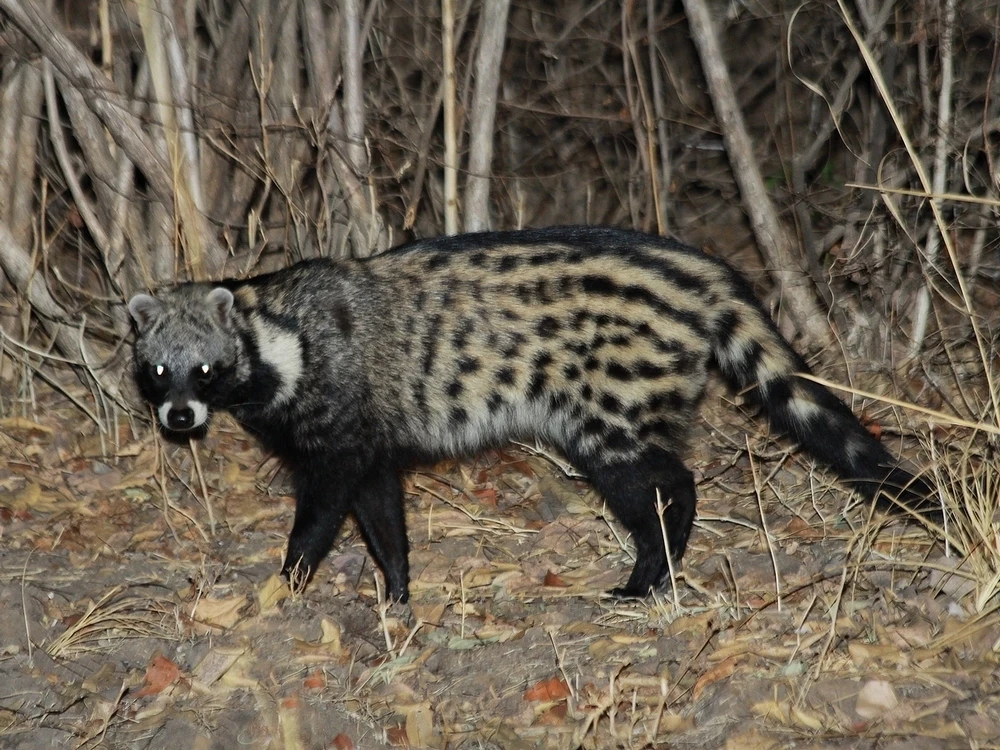
Namibia Night Small Game — 5 Days
5 days · Namibia
5-day namibia night small game — african civet, bat-eared fox, aardwolf in Omaheke farms.
$5,200 – $6,500
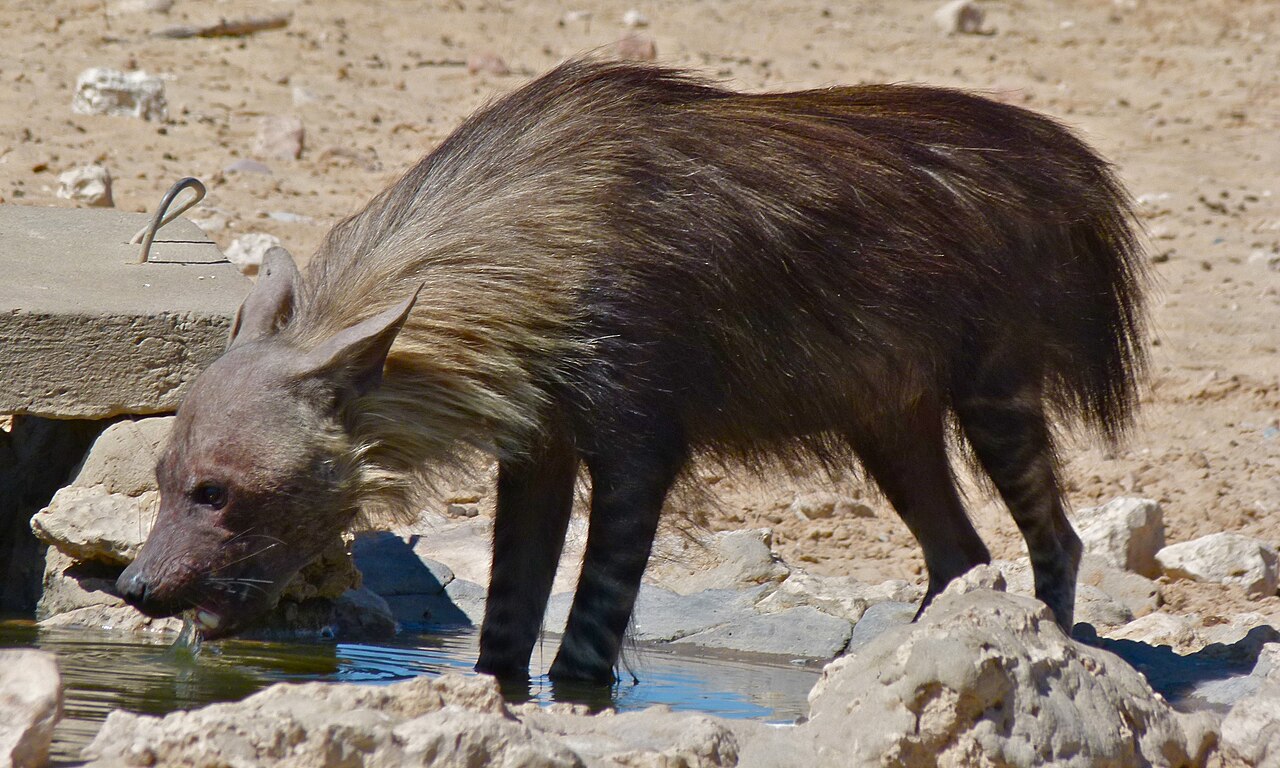
Botswana Hyena & Jackal — 7 Days
7 days · Botswana
7-day botswana hyena & jackal — spotted hyena, brown hyena, black-backed jackal in Central Kalahari fringe.
$8,200 – $9,800
Plan Your Bat-Eared Fox Hunt
Submit a free enquiry and we'll match you with outfitters who hunt Bat-Eared Fox in your region.
Sign Up to Enquire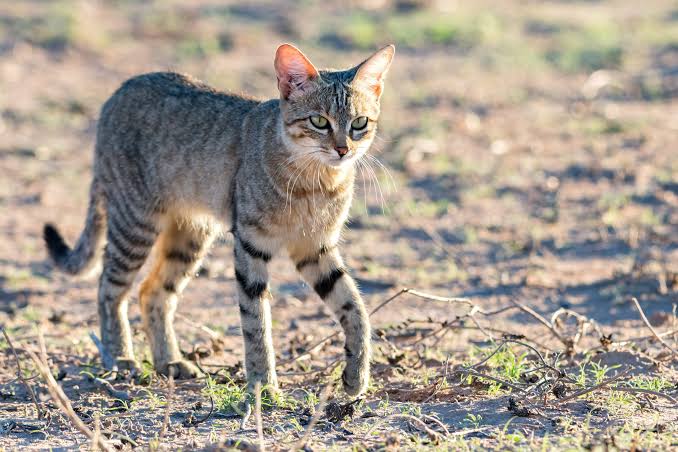 African Wildcat
 Baboon
 Bay Duiker
 Black-Fronted Duiker
 Blue Duiker