Black-Backed Jackal Hunting
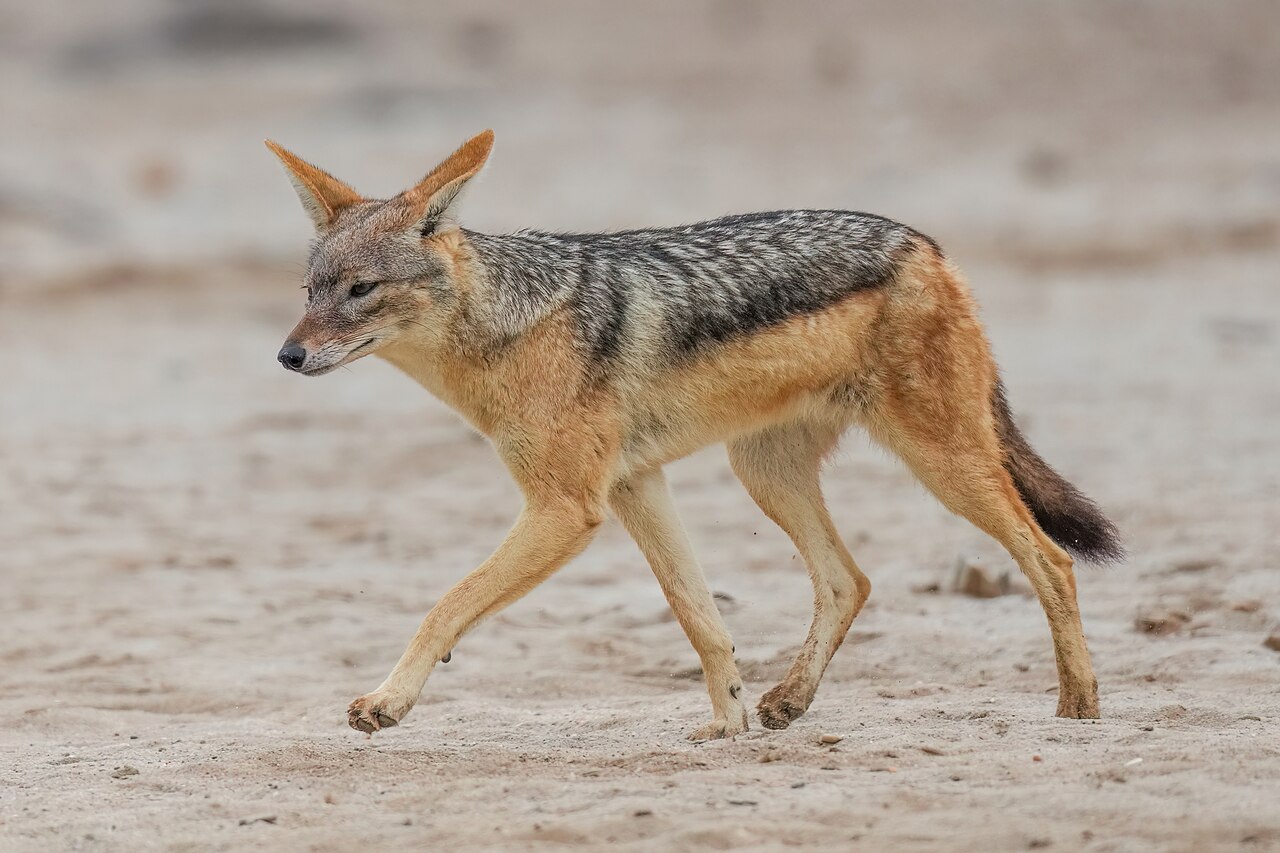
Canis mesomelas
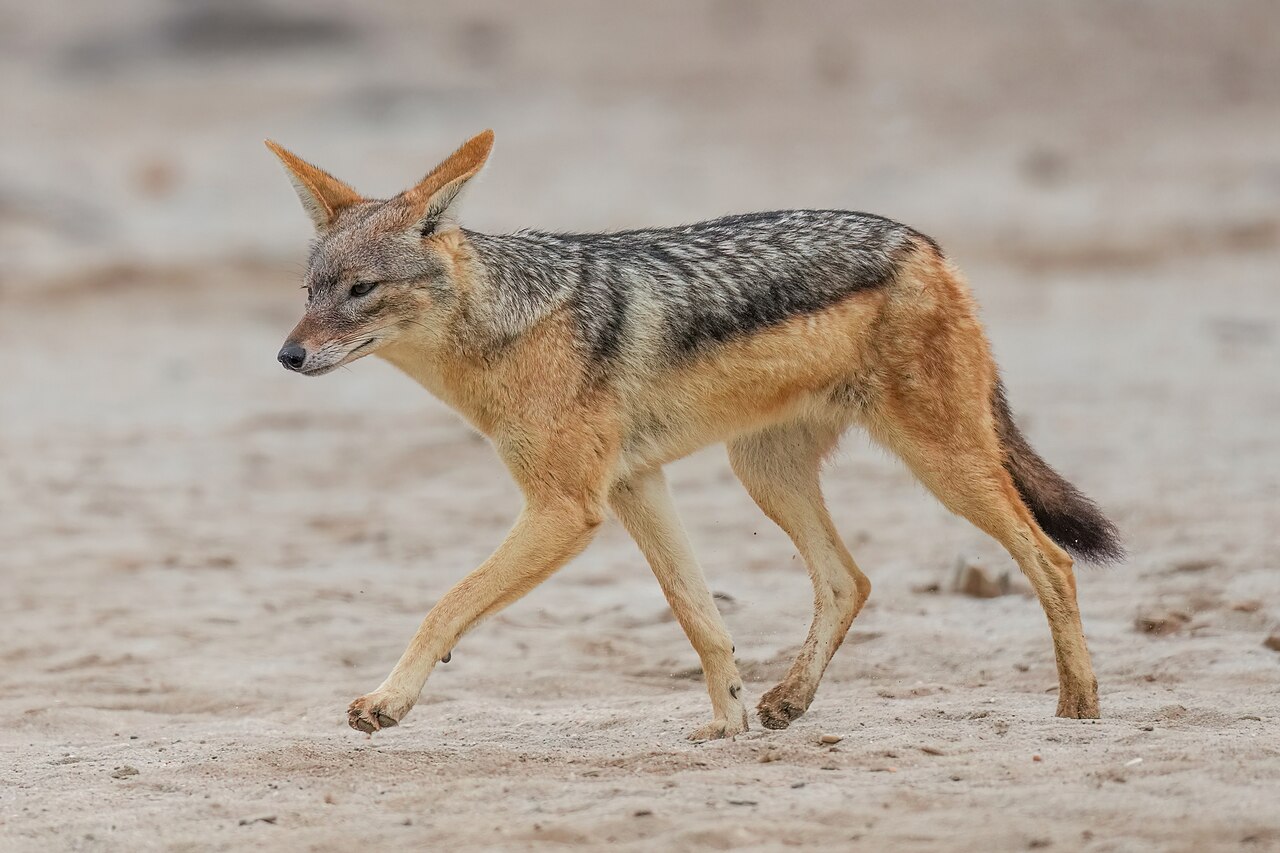
The black-backed jackal (Canis mesomelas) is a cunning and adaptable predator that offers an exciting challenge for hunters across Africa. Physically, this medium-sized canid stands about 16-20 inches at the shoulder and weighs between 15-30 pounds, with males typically larger than females. Its most distinctive feature is the striking black saddle of fur running along its back and sides, contrasting with a reddish-tan body, white underbelly, and bushy tail tipped in black. The jackal's large ears and sharp muzzle give it an alert, fox-like appearance, aiding its keen senses for detecting prey and evading threats. These jackals thrive in a variety of habitats, from savannas and grasslands to semi-deserts and woodlands, where they scavenge, hunt small game like rodents and birds, or even tackle larger prey in packs. Highly opportunistic and intelligent, black-backed jackals are mostly nocturnal but can be active during the day, often forming monogamous pairs or small family groups. Their bold behavior around human settlements makes them notorious for raiding farms, earning them a reputation as clever pests that require sharp tracking skills to outwit. Distributed widely across sub-Saharan Africa, from South Africa and Namibia to Ethiopia and Tanzania, they're absent from dense rainforests and extreme deserts. For hunters, their elusive nature and vocal howls make spotlighting at night or baiting effective strategies, but always check local regulations as they're often classified as vermin in agricultural areas. Conservation-wise, the species is listed as Least Concern by the IUCN, with stable populations, though habitat loss and persecution pose localized threats. Pursuing a black-backed jackal promises an adrenaline-fueled hunt that tests patience and precision, rewarding those who respect its wily ways.
Hunt facts
- Countries
- Botswana Namibia South Africa Zimbabwe
- Hunt regions
-
Botswana: Central Chobe Ghanzi Kgalagadi North WestNamibia: Erongo Hardap Karas Khomas Kunene Omaheke OtjozondjupaSouth Africa: Eastern Cape Free State Gauteng KwaZulu-Natal Limpopo Mpumalanga North West Northern Cape Western CapeZimbabwe: Manicaland Mashonaland Central Mashonaland West Masvingo Matabeleland North Matabeleland South Midlands
- Habitat
- Grassland Mixed savanna Semi-arid
- Best time to hunt
- May–October (Dry season)
- Mass
- 6–13 kg (13–29 lb)
Where to Find Black-Backed Jackal
Black-backed jackals are adaptable predators primarily found in the savannas, woodlands, and semi-arid regions of eastern and southern Africa. They thrive in open grasslands, bushveld, and even mountainous areas with moderate cover, avoiding dense forests and extreme deserts. Key habitats include acacia-dotted plains and thorn scrub where they scavenge and hunt small prey like rodents and birds.
For hunting, the best countries are South Africa, Namibia, and Zimbabwe, where regulated hunts are common on private ranches and game reserves. In South Africa, the Eastern Cape and Limpopo provinces offer prime opportunities, while Namibia's Etosha region and Zimbabwe's Hwange National Park outskirts provide excellent access. Botswana and Tanzania also host populations, though permits may be required.
Seasonally, black-backed jackals are active year-round, but the dry season (May to October) is ideal for spotting them near waterholes when vegetation is sparse. They prefer cooler months to avoid heat stress.
Terrain varies from flat, open savannas to rocky hills with light bush, often near human settlements due to their opportunistic nature. To locate them, scout at dawn or dusk when they're most active—listen for their distinctive yapping calls and look for fresh tracks or scat near trails and water sources. Using bait or calls can draw them in, but always check local regulations for ethical hunting practices.
Why Hunt Black-Backed Jackal
Hunters pursue the black-backed jackal for its striking trophy qualities, featuring a sleek, silver-gray coat accented by a bold black saddle across the back and a bushy, white-tipped tail that makes for an impressive mount. This cunning canid's skull and pelt are prized for their unique aesthetic, symbolizing a successful African safari.
The hunting challenge is exhilarating, as black-backed jackals are intelligent and elusive predators, often active at dusk or night, demanding sharp skills in calling, tracking, and spot-and-stalk tactics. Their wariness and speed add adrenaline-pumping excitement, turning each pursuit into a thrilling test of patience and precision.
While not renowned for gourmet appeal, the meat is lean and gamey, suitable for sausages, stews, or jerky, offering a wild, authentic culinary experience that connects hunters to the bushveld's flavors.
Culturally, these jackals hold traditional significance in African folklore as clever tricksters, embodying resilience and adaptability, which enhances the hunt's narrative depth.
Regulated hunting provides conservation benefits by controlling populations that can prey on livestock and game, generating revenue for habitat protection and anti-poaching efforts.
Unique experiences include nocturnal hunts under starry skies, mimicking their eerie calls, and witnessing their pack dynamics, creating unforgettable memories in Africa's wild heart.
Black-Backed Jackal Hunting Tips
Hunting black-backed jackals requires patience and precision, as these cunning predators are known for their agility and wariness in African savannas and scrublands. The most effective methods include spotlighting at night with a vehicle or on foot, using calls to mimic distressed prey like rabbits or birds to lure them in, and baiting with meat scraps near waterholes. Spot-and-stalk hunting during dawn or dusk works well in open terrain, where you can glass for movement and approach quietly.
For equipment, opt for a reliable rifle in . 223 Remington or . 243 Winchester calibers, which offer flat trajectories and minimal recoil for quick follow-up shots. A suppressor can help reduce noise in populated areas, and pair it with a quality scope (4-12x magnification) for low-light conditions. Don't forget binoculars, a rangefinder, and sturdy boots for rough ground.
Aim for vital shot placement: the chest cavity just behind the shoulder for a heart-lung hit, or the head/neck for an instant drop if you're confident in your accuracy. Avoid gut shots, as jackals can run far even when wounded.
Tracking involves following fresh spoor—look for small, dog-like prints with claw marks—and listening for their distinctive yips. Stalk low and slow, using wind direction to mask your scent, and pause often to scan.
The best times are late evenings or early mornings year-round, but peak seasons are during dry months (June to October) when jackals congregate near water. Avoid common mistakes like overhunting one spot, which scatters packs, or rushing shots that lead to wounding instead of clean kills.
Safety is paramount: always hunt with a partner, inform someone of your plans, and be aware of other wildlife like snakes or larger predators. Check local regulations, as jackals are often considered pests and may require permits.
Featured Outfitters for Black-Backed Jackal
View all


Hunting Tips & Guides
All tips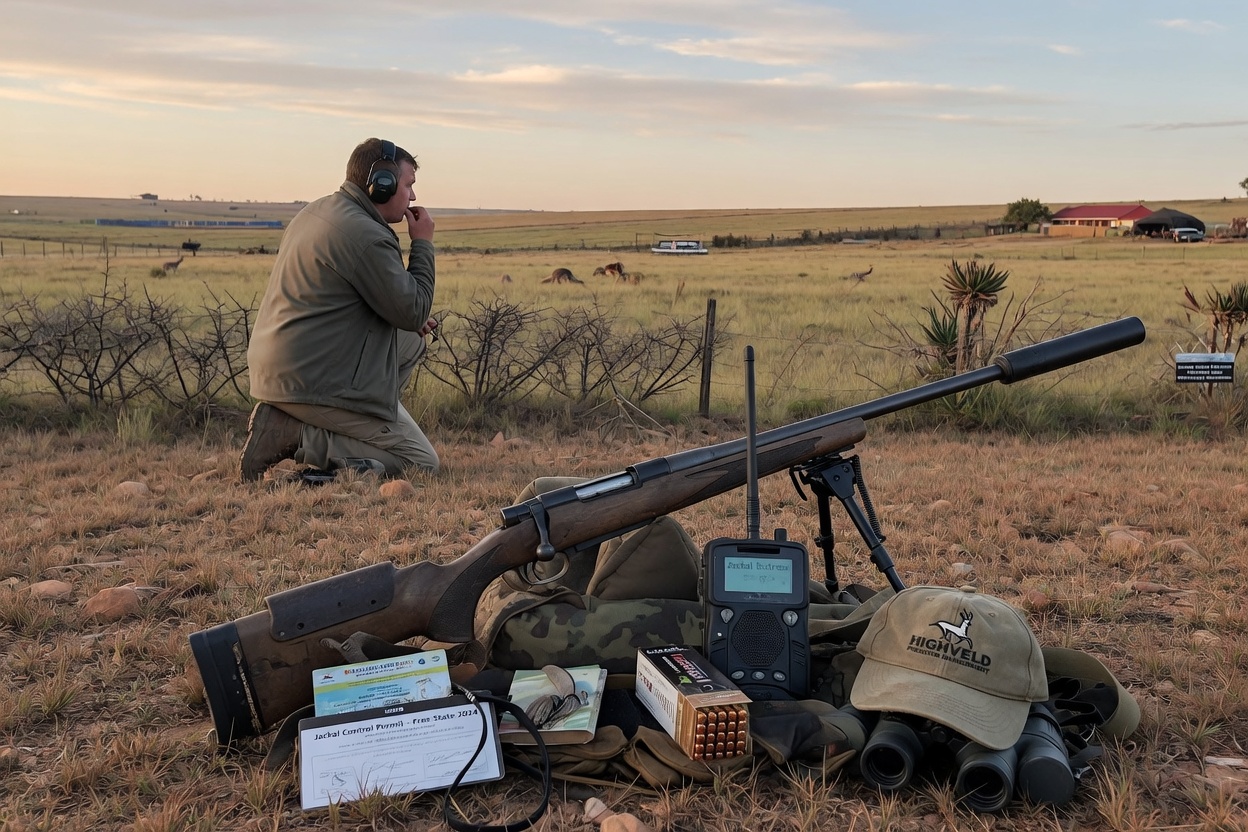
Highveld Jackal Control: Legal Hunting Opportunities
Explore legal jackal control hunts on South African Highveld farms. Expert tips on regulations, calling techniques, ethics, and equipment for …
Read moreHunt packages with Black-Backed Jackal
Curated hunt ideas — no price on the page. Enquire and we'll match outfitters after review.
Khomas Predator Add-On — 5 Days
5 days · Namibia
5-day khomas predator add-on — black-backed jackal, caracal, baboon in Khomas highland farms.
$5,200 – $6,200
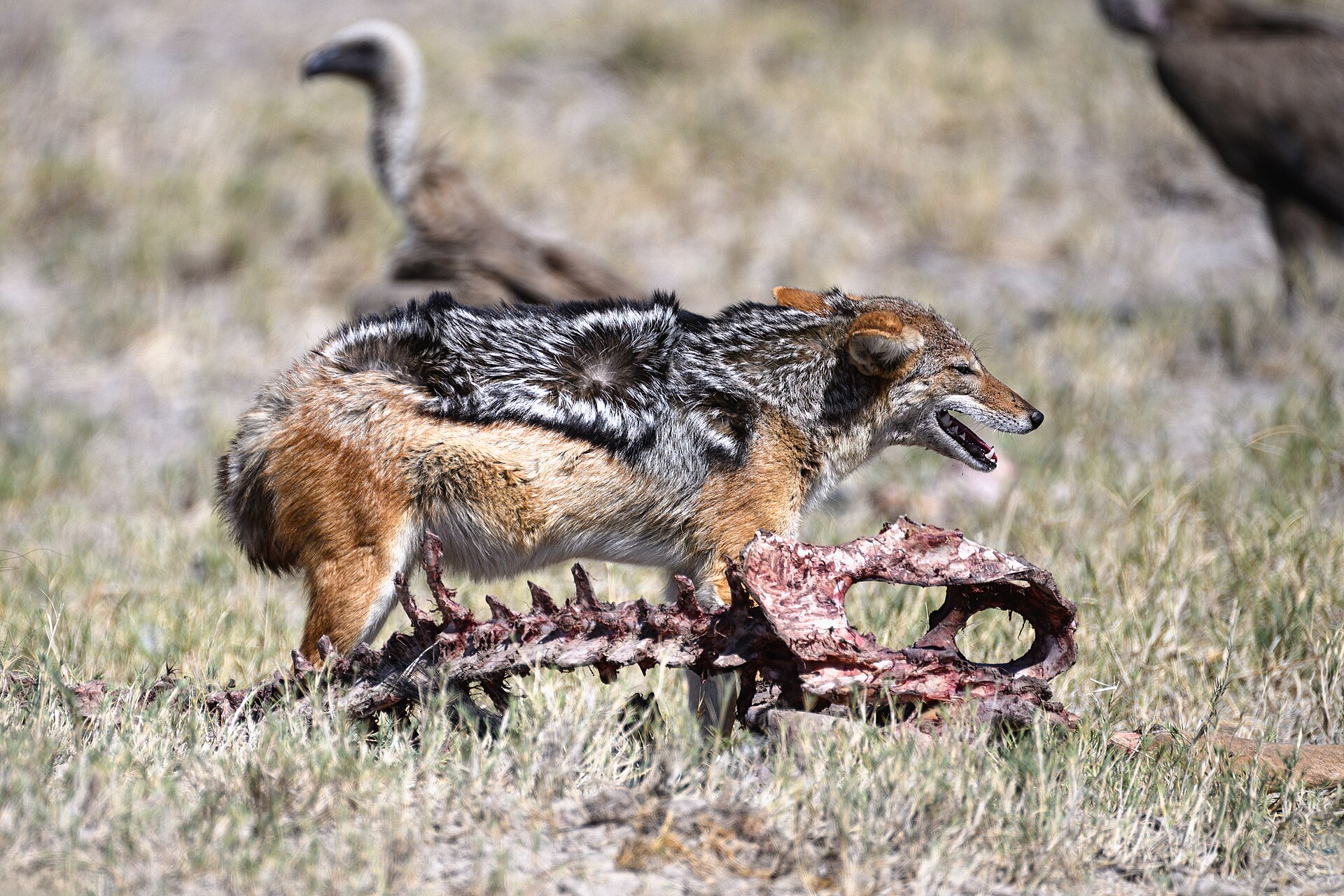
Central Predator Week — 7 Days
7 days · Botswana
7-day central predator week — black-backed jackal, brown hyena, caracal in Central Botswana ranch / fringe.
$7,500 – $8,800
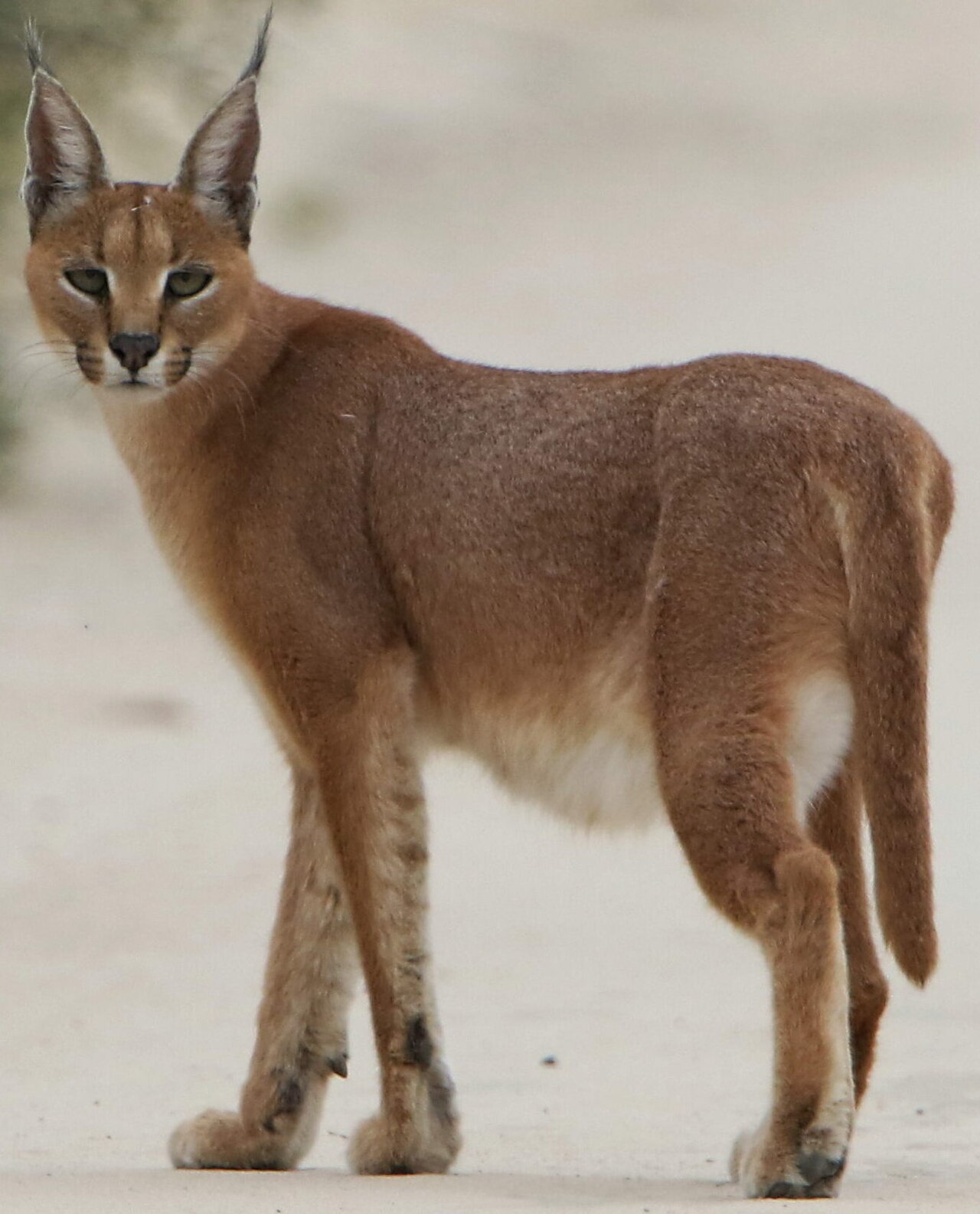
Southern Africa Predator Sampler — 7 Days
7 days · South Africa
7-day southern africa predator sampler — caracal, serval, african wildcat in North West ranch predator.
$7,800 – $9,200
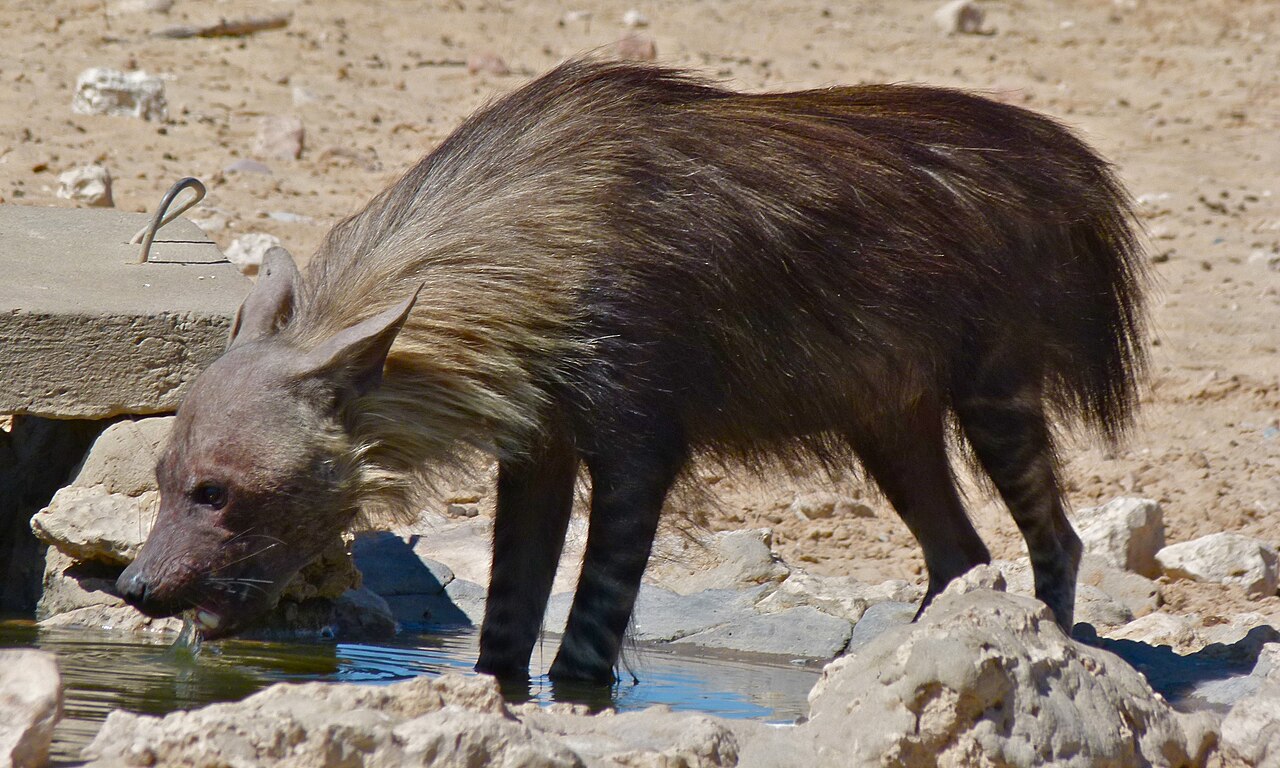
Botswana Hyena & Jackal — 7 Days
7 days · Botswana
7-day botswana hyena & jackal — spotted hyena, brown hyena, black-backed jackal in Central Kalahari fringe.
$8,200 – $9,800
Plan Your Black-Backed Jackal Hunt
Submit a free enquiry and we'll match you with outfitters who hunt Black-Backed Jackal in your region.
Sign Up to Enquire Aardwolf
 Abyssinian Bushbuck
 Baboon
 Bat-Eared Fox
 Bay Duiker
 Beisa Oryx