Black Impala Hunting
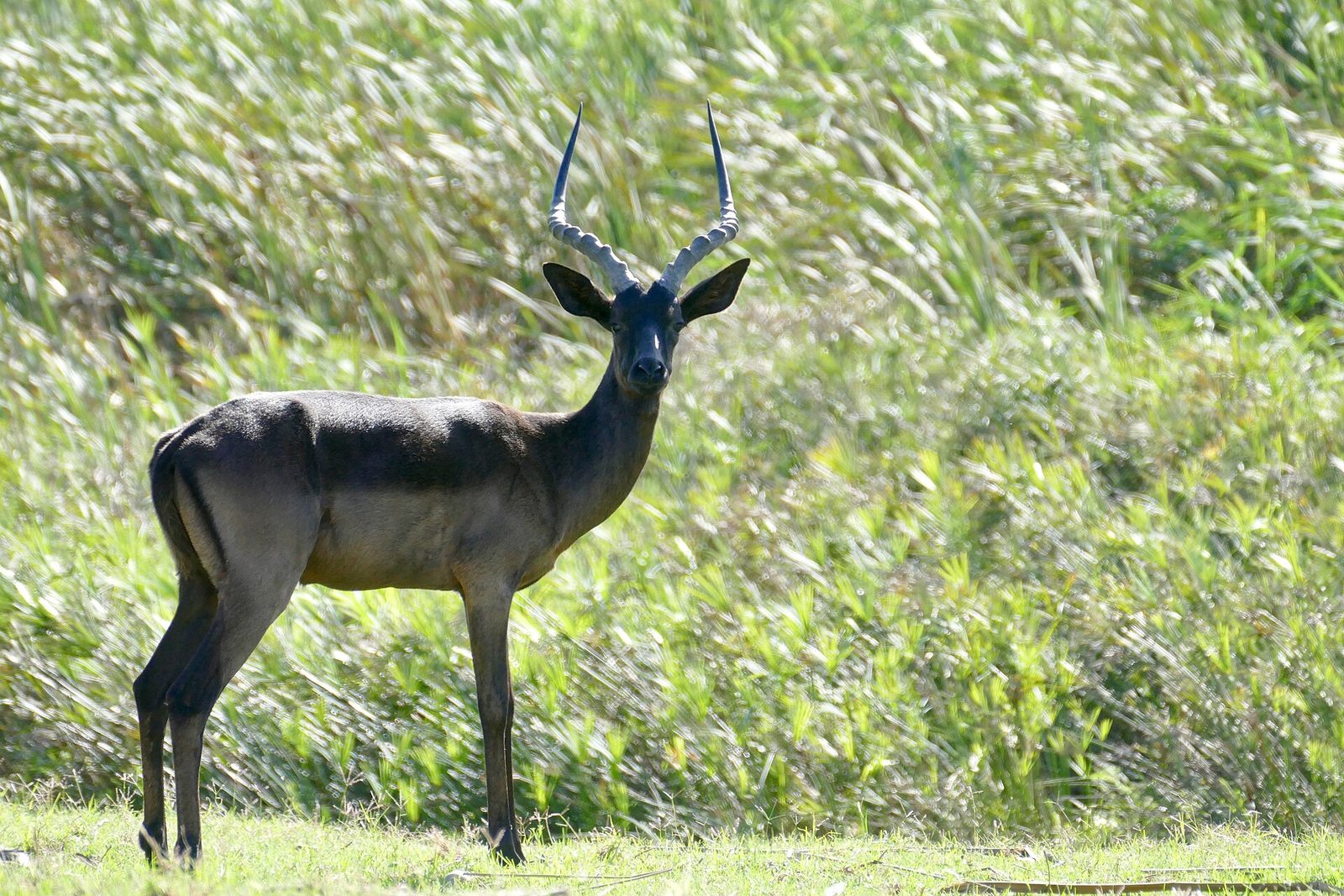
Aepyceros melampus
The Black Impala, scientifically known as Aepyceros melampus petersi, is a striking subspecies of impala that captivates hunters with its unique dark coloration and elusive nature. Adults typically stand about 3 feet at the shoulder, with males weighing up to 165 pounds and females slightly lighter at around 110 pounds. What sets them apart is their glossy black facial mask, contrasting sharply with a reddish-brown coat that darkens toward the rump and legs. Males boast impressive lyre-shaped horns that can reach 24-36 inches in length, curving gracefully backward—perfect for trophy hunters seeking a distinctive rack. These agile antelopes thrive in arid savannas and woodlands, preferring areas with dense bush cover near water sources for quick escapes. They're highly social, often forming herds of 20-50 individuals led by a dominant ram, but rams can be territorial during the rutting season, making for exciting pursuits. Black Impalas are known for their incredible speed, bursting up to 50 mph in short sprints, and their leaping ability—jumping over 10 feet high to evade predators or hunters. Their alert senses and preference for thick vegetation demand patience and stealth from those on the stalk. Native to southwestern Angola and northwestern Namibia, their range is limited, adding to the allure of a specialized hunt in these remote regions. For hunters, the challenge lies in spotting these wary animals amid the scrub; their dark faces blend seamlessly with shadows, requiring keen observation and perhaps a guided safari. Trophy fees and permits are regulated to support conservation efforts. As a vulnerable subspecies per the IUCN Red List, Black Impalas face threats from habitat loss and poaching, but sustainable hunting programs in Namibia help fund anti-poaching initiatives and population monitoring. Pursuing one isn't just about the thrill—it's a chance to contribute to their preservation while bagging a rare gem of the African bush.
Hunt facts
- Countries
- South Africa
- Hunt regions
-
South Africa: Eastern Cape Free State Gauteng Limpopo Mpumalanga North West Northern Cape
- Habitat
- Mixed savanna Bushveld
- Best time to hunt
- May–October (Dry season)
- Mass
- 40–80 kg (88–176 lb)
- Trophy minimum
-
- SCI (inches): 52
- SCI bow: 46
- Rowland Ward (inches): 23 6/8
- Rowland Ward record: 31 3/8
SA ranch melanistic morph of common Impala — not Black-Faced Impala (A. m. petersi)
Typical record-book minimums; confirm the current edition with your professional hunter.
Where to Find Black Impala
Black Impala, a striking color variant of the common impala, are primarily found in managed game reserves and private ranches rather than truly wild populations, as they result from selective breeding for their dark, glossy coats. Their natural habitat mirrors that of standard impalas, favoring savanna grasslands, bushveld, and light woodlands with access to water sources in sub-Saharan Africa.
The best countries for hunting Black Impala are South Africa and Namibia, where specialized outfitters offer guided hunts on fenced properties. In South Africa, prime areas include the Limpopo Province and Eastern Cape, known for high densities on game farms. Namibia's Otjiwarongo region also provides excellent opportunities with vast, semi-arid landscapes.
Seasonal considerations favor the dry winter months from May to September, when vegetation thins out, improving visibility and concentrating animals near waterholes. Avoid the wet summer (November to March) due to denser foliage and potential for heavy rains.
Terrain typically involves flat to gently rolling savannas with acacia thickets and open clearings, often at elevations under 1,500 meters. Environments are warm and dry, with thorny scrub that requires sturdy boots and camouflage gear.
For locating them, scout early mornings or late afternoons near rivers or dams, as Black Impala are diurnal and form small herds. Use elevated blinds or spot-and-stalk methods, listening for alarm calls. Local guides are invaluable for tracking fresh spoor and navigating ethical, fair-chase hunts. Always check permits and regulations to ensure sustainable practices.
Why Hunt Black Impala
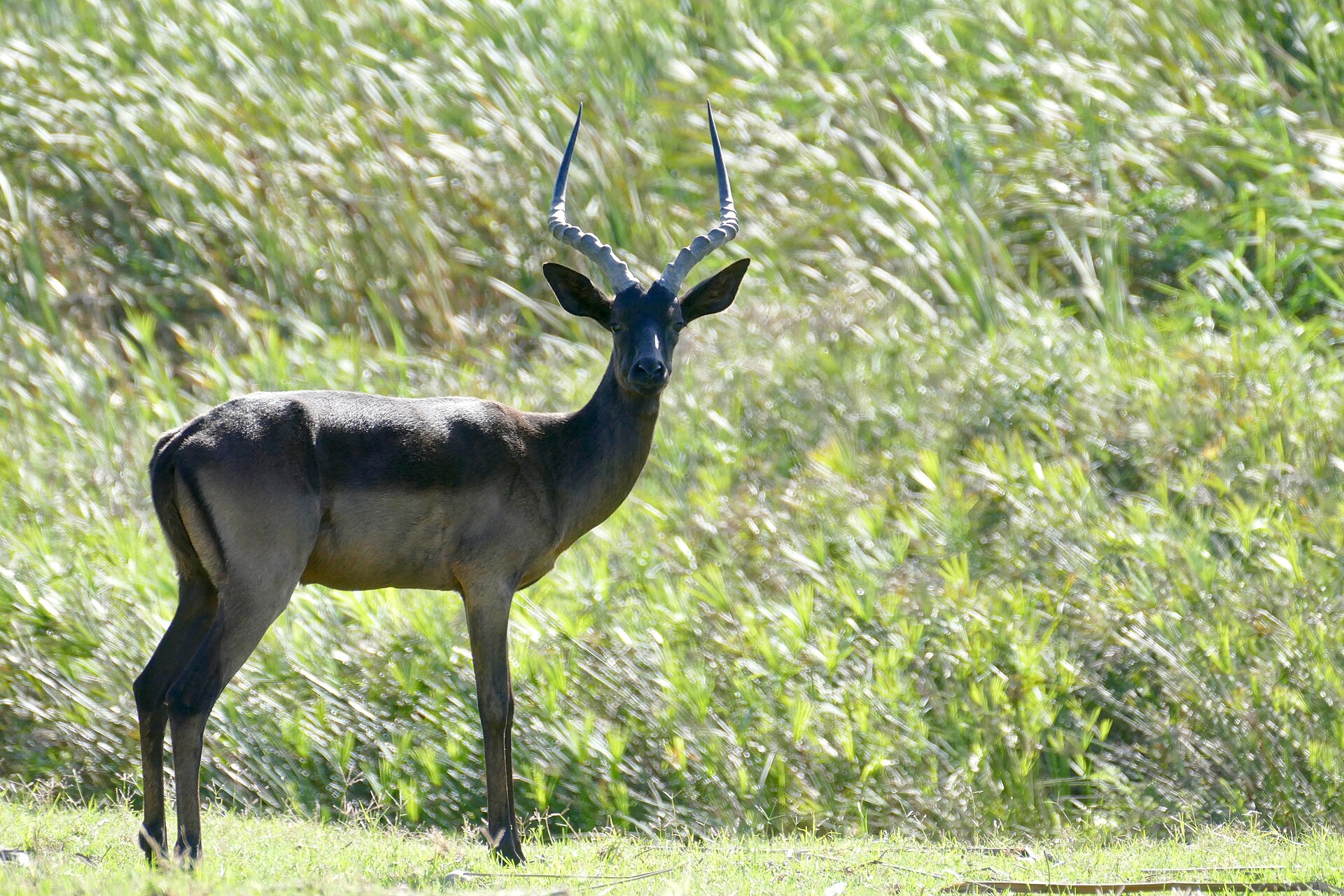
Hunters are drawn to the Black Impala for its stunning trophy qualities, boasting a sleek, jet-black coat that contrasts dramatically with its white underbelly and striking facial markings. This rare color variant, often resulting from selective breeding on game farms, features elegant, lyre-shaped horns that can span up to 36 inches, making it a prized wall mount and a symbol of a successful safari.
The pursuit offers an exhilarating challenge, as Black Impalas are incredibly agile and alert, blending seamlessly into dense bushveld with their dark hides. Spotting and stalking one demands sharp skills, patience, and precision shooting, heightening the adrenaline rush and sense of accomplishment.
Culinary enthusiasts rave about the tender, lean meat, which is low in fat and rich in flavor—perfect for grilling, roasting, or crafting venison sausages with a subtle gamey taste that elevates any wild game feast.
In cultural terms, impala hunting echoes ancient African traditions, where these animals symbolize speed and grace, often featured in folklore and rites of passage for hunters.
Conservation-wise, regulated hunting funds habitat protection and anti-poaching efforts, ensuring sustainable populations while supporting local economies.
Ultimately, chasing Black Impala delivers unique thrills, from the thrill of the stalk in Africa's wild expanses to the pride of harvesting a one-of-a-kind specimen that blends rarity with raw adventure.
Black Impala Hunting Tips
Hunting black impala, a striking color variant of the common impala, requires patience and precision due to their agility and keen senses. The best methods involve spot-and-stalk techniques, where you glass open savannas or bushveld from a vantage point, then quietly close the distance on foot. Bowhunting is viable for skilled archers, but rifle hunting dominates for its range advantage.
For equipment, opt for a flat-shooting rifle in calibers like . 243 Winchester or . 270 for minimal recoil and clean kills, or step up to . 30-06 for larger specimens. A quality scope with 3-9x magnification is essential for spotting their dark coats against varied terrain. Use soft-point bullets for quick expansion.
Shot placement is critical—aim for the heart-lung area just behind the shoulder when broadside, or the base of the neck for a frontal shot to drop them instantly. Avoid gut shots, which can lead to prolonged tracking.
When stalking, move slowly against the wind, using natural cover like acacia trees, and watch for alarm behaviors like tail flicking. Track by following fresh hoof prints in soft soil or droppings, which are small and pellet-like.
Hunt during early mornings or late afternoons when they're most active, and target the dry season (May to September in southern Africa) for better visibility and concentrated water sources.
Common mistakes include rushing the approach, which spooks herds, or ignoring wind direction, alerting the impala. Always scout beforehand to pattern their movements.
Safety-wise, confirm your target to avoid mistaking females or young, wear blaze orange if required, and adhere to local regulations, including permits and ethical harvest limits to ensure sustainable hunting.
Featured Outfitters for Black Impala
View all




Hunt packages with Black Impala
Curated hunt ideas — no price on the page. Enquire and we'll match outfitters after review.
Black Impala Specialty — 5 Days
5 days · South Africa
5-day black impala specialty — black impala, impala, warthog in Limpopo ranch specialty.
$5,500 – $6,500
Plan Your Black Impala Hunt
Submit a free enquiry and we'll match you with outfitters who hunt Black Impala in your region.
Sign Up to Enquire Aardwolf
 Abyssinian Bushbuck
 Baboon
 Bat-Eared Fox
 Bay Duiker
 Beisa Oryx