Aardwolf Hunting
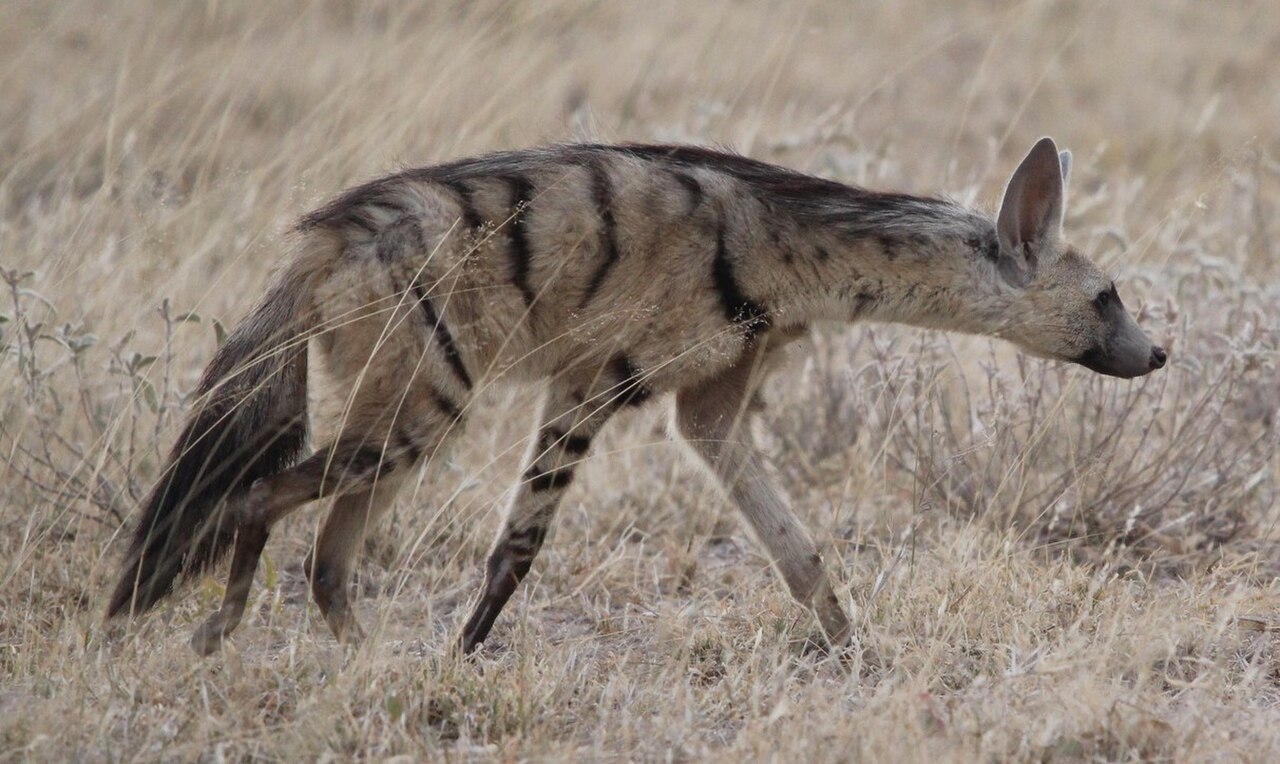
Proteles cristata
The aardwolf, scientifically known as Proteles cristata, is a fascinating member of the hyena family, though it's far more mild-mannered than its spotted cousins. Often mistaken for a small hyena due to its striped coat and bushy tail, the aardwolf sports a slender build with a yellowish-gray fur marked by bold black stripes along its body and legs. Adults typically weigh between 15 to 30 pounds and measure about 2 to 3 feet in length, excluding a tail that adds another foot or so. Their most distinctive feature is a mane of longer hair along the back, which they can raise to appear larger when threatened, paired with specialized teeth adapted for crunching insects rather than tearing meat. These nocturnal creatures thrive in open grasslands, savannas, and semi-arid regions where termites are abundant, as their diet consists almost entirely of these insects—up to 300,000 in a single night! Aardwolves are solitary foragers, using their keen sense of smell to locate termite mounds, and they dig shallow burrows for shelter during the day. They're shy and non-aggressive, often fleeing from larger predators or humans, making them elusive sightings on the trail. Native to eastern and southern Africa, aardwolves range from Ethiopia and Sudan down to South Africa, with populations also in parts of Angola and Zambia. They avoid dense forests and extreme deserts, sticking to areas with reliable termite sources. For hunters, aardwolves aren't typically pursued as game due to their small size and insectivorous habits—they pose no threat to livestock or big game. However, their presence can indicate healthy ecosystems rich in prey like antelope, and spotting one during a safari adds an exciting layer to wildlife observation. Be cautious not to confuse them with more dangerous hyenas at dusk. Conservation-wise, the aardwolf is listed as Least Concern by the IUCN, though habitat loss from agriculture poses ongoing challenges. In many regions, they're protected, so always check local regulations if you're in their territory—respecting these unique critters ensures the wild stays wild for future hunts.
Hunt facts
- Countries
- Botswana Namibia South Africa Zimbabwe
- Hunt regions
-
Botswana: Central Ghanzi KgalagadiNamibia: Erongo Hardap Karas Khomas Kunene Omaheke OtjozondjupaSouth Africa: Free State Gauteng Limpopo Mpumalanga North West Northern CapeZimbabwe: Mashonaland West Matabeleland South Midlands
- Habitat
- Grassland Mixed savanna Semi-arid
- Best time to hunt
- May–October (Dry season)
- Mass
- 7–14 kg (15–31 lb)
Where to Find Aardwolf
Aardwolves, small nocturnal members of the hyena family, are primarily found in open grasslands, savannas, and semi-arid regions where termite mounds are abundant, as these form their main diet. Their range spans southern and eastern Africa, with key habitats in countries like South Africa, Namibia, Botswana, Zimbabwe, and Tanzania. For hunting purposes, focus on private game reserves or licensed areas in South Africa and Namibia, where controlled culling may be permitted under strict regulations due to their protected status in many regions—always check local wildlife laws and obtain necessary permits to avoid legal issues.
The best hunting seasons align with dry periods from May to October, when aardwolves are more active at night and easier to spot near termite colonies. Avoid rainy seasons (November to April), as flooding can scatter populations and make tracking difficult. Terrain typically includes flat to gently rolling plains with scattered bushes, acacia trees, and rocky outcrops, often in environments like the Kalahari Desert or Kruger National Park outskirts.
To locate them, scout at dusk or dawn using spotlights or thermal imaging, focusing on areas with high termite activity. Look for burrows in sandy soils or abandoned aardvark holes, and listen for their distinctive yipping calls. Baiting with termites isn't effective, so patience and night vision gear are key for ethical spotting in low-light conditions.
Why Hunt Aardwolf
Hunters pursue the aardwolf for its exceptional trophy qualities, boasting a striking mane and striped coat that make for a unique display piece, symbolizing the thrill of Africa's lesser-known predators. Though small and hyena-like, its elusive nature adds immense challenge and excitement—tracking this nocturnal insectivore through arid savannas demands sharp night-vision skills, patience, and expert stalking, turning each hunt into an adrenaline-fueled adventure that tests even seasoned pros.
On the culinary side, aardwolf meat is lean and gamey, often compared to wild pork with a subtle earthy flavor from its termite diet. It's best prepared slow-roasted or in stews, offering a rare delicacy for those seeking exotic bush cuisine.
Culturally, in some African traditions, the aardwolf represents cunning and survival, with hunts tied to rites of passage or folklore about nocturnal spirits. From a conservation standpoint, regulated hunting supports anti-poaching efforts and habitat preservation, as fees fund wildlife programs ensuring sustainable populations.
What truly sets aardwolf hunting apart is the immersive experience: silent nights under starlit skies, the rustle of the bush, and the satisfaction of outwitting a clever survivor—it's an unforgettable journey into the heart of untamed wilderness.
Aardwolf Hunting Tips
Hunting aardwolves, the elusive termite-eating members of the hyena family found in southern and eastern Africa, requires patience and precision due to their nocturnal, solitary nature. The best methods involve spotlighting at night or using bait like termite mounds to draw them out, combined with still-hunting from a blind or elevated stand to minimize disturbance. Stalking on foot works well in open grasslands, but move slowly and use the wind to your advantage to avoid detection.
For equipment, opt for a lightweight rifle in . 223 or . 22-250 caliber for clean, ethical kills at moderate ranges—up to 200 yards—paired with a high-quality scope for low-light conditions and a suppressor to reduce noise. A reliable flashlight or night-vision gear is essential for spotting their distinctive striped coats.
Shot placement is critical: aim for the vital zone just behind the shoulder for a heart-lung shot, as aardwolves are small (around 20-30 pounds) and quick to flee if wounded. Avoid headshots unless at close range to prevent suffering.
Tracking tips include looking for fresh paw prints near termite hills or water sources, and listening for their soft growls or scent-marking behaviors. Stalk quietly at dusk or dawn when they're most active, using binoculars to scan ahead.
Hunt during the dry season (June to October) when food is scarce, forcing them into more predictable patterns, and focus on nighttime hours from 8 PM to 4 AM.
Common mistakes include rushing shots, which leads to poor accuracy, or ignoring wind direction, alerting the animal. Always check local regulations, as aardwolves may be protected in some areas.
Safety-wise, wear blaze orange if hunting with partners, carry a first-aid kit for thorny terrain, and be aware of other predators like lions in shared habitats—never hunt alone without communication devices.
Featured Outfitters for Aardwolf
View all


Hunt packages with Aardwolf
Curated hunt ideas — no price on the page. Enquire and we'll match outfitters after review.
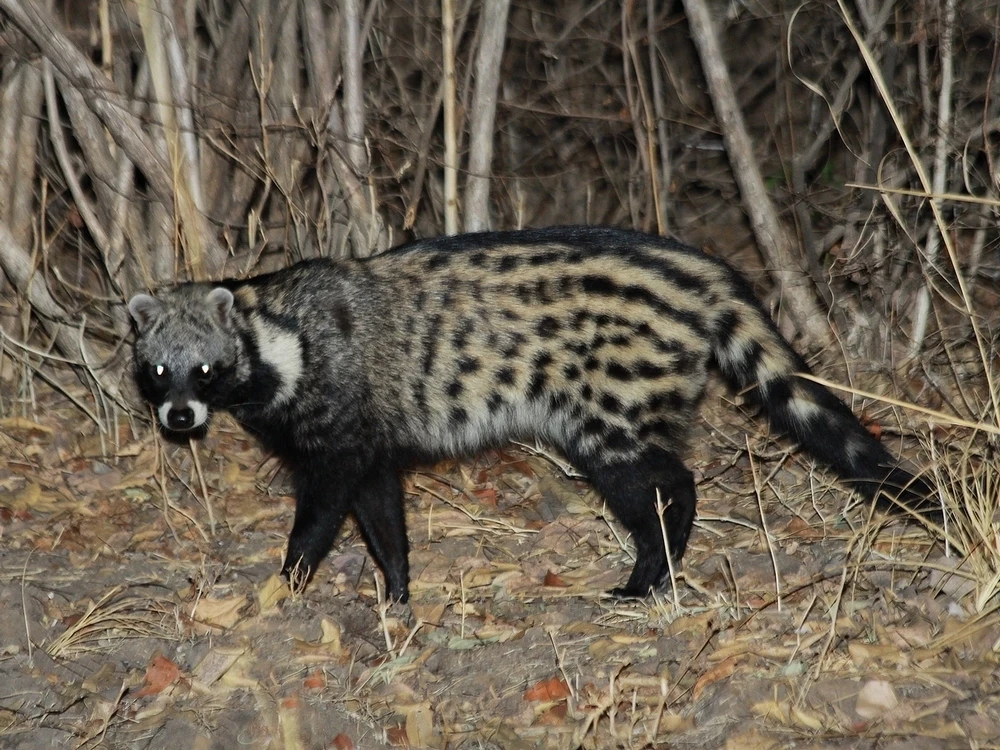
Namibia Night Small Game — 5 Days
5 days · Namibia
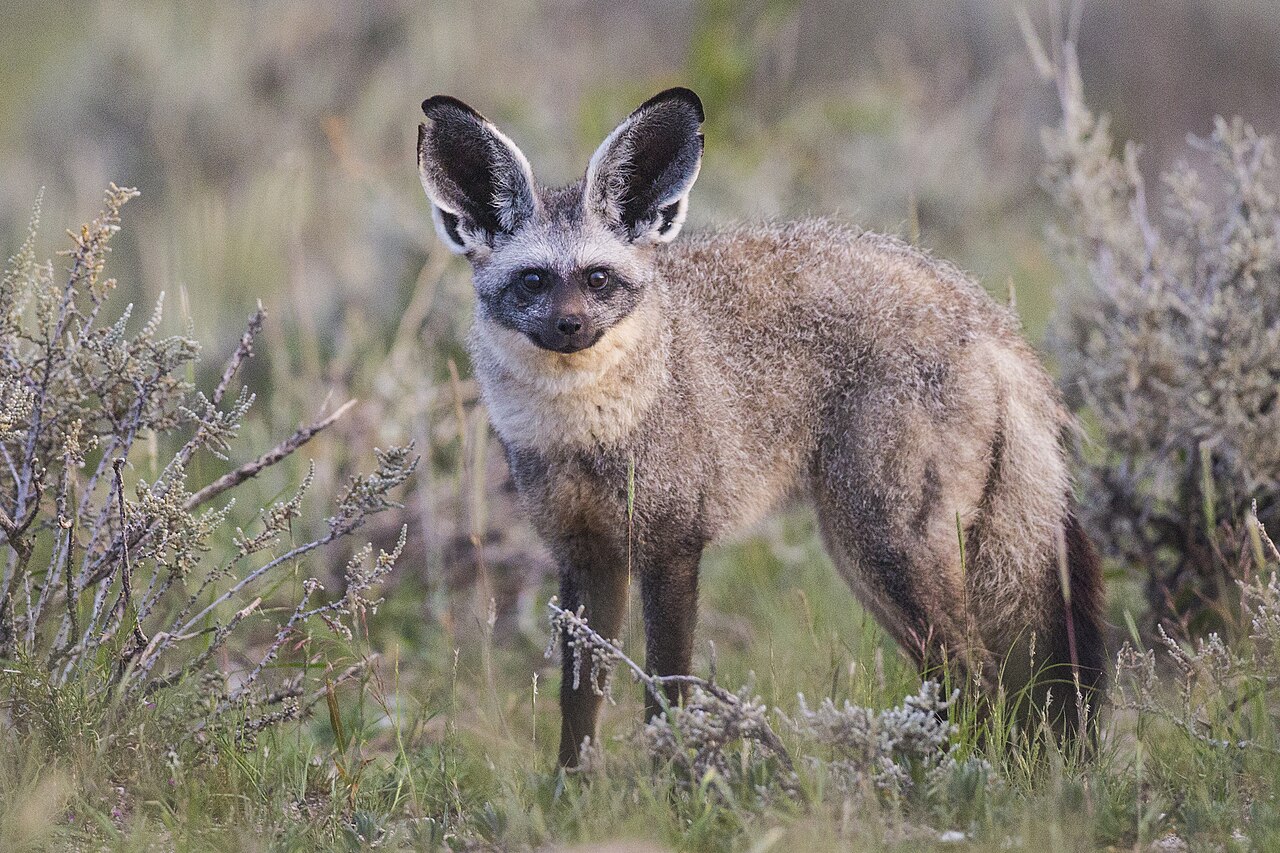
5-day namibia night small game — african civet, bat-eared fox, aardwolf in Omaheke farms.
$5,200 – $6,500
Plan Your Aardwolf Hunt
Submit a free enquiry and we'll match you with outfitters who hunt Aardwolf in your region.
Sign Up to Enquire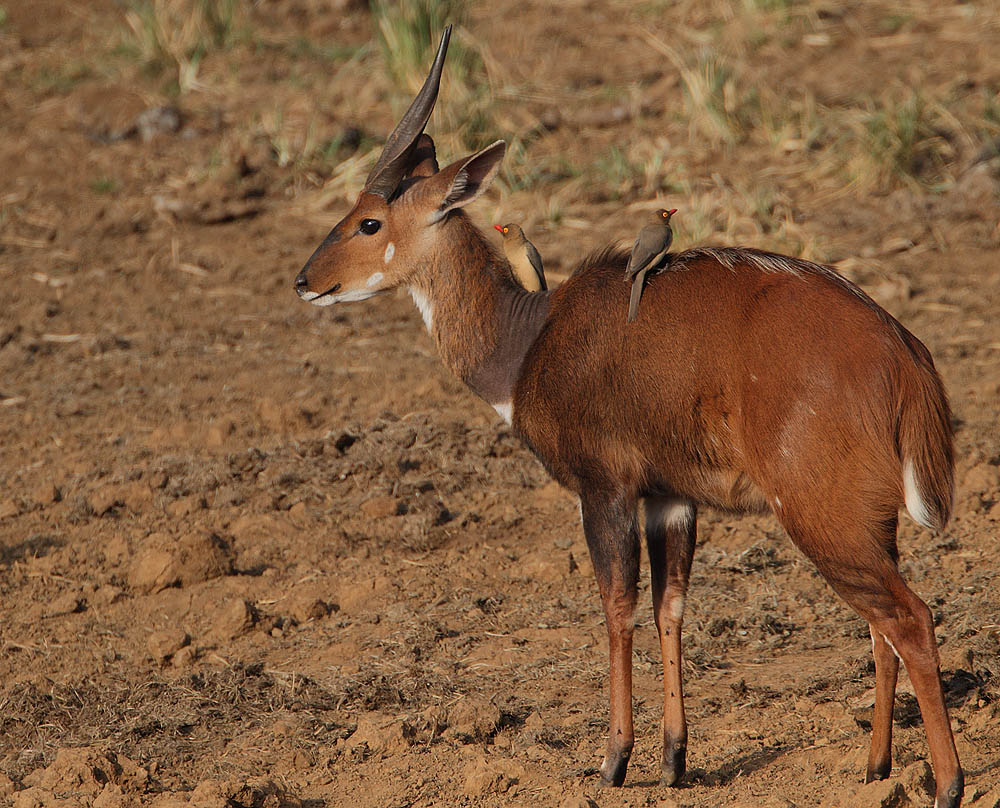 Abyssinian Bushbuck
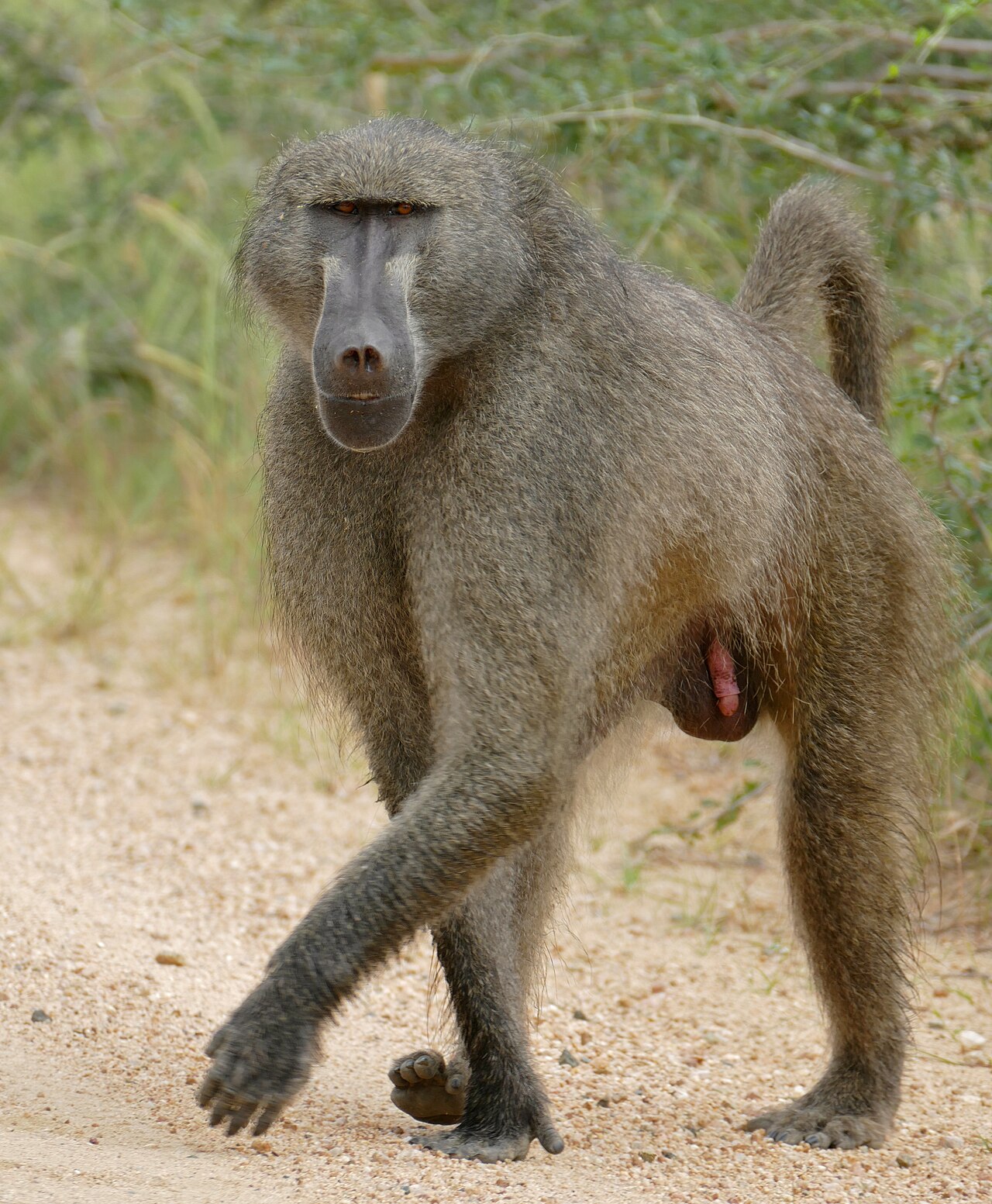 Baboon
 Bat-Eared Fox
 Bay Duiker
 Beisa Oryx
 Black Impala