African Wildcat Hunting
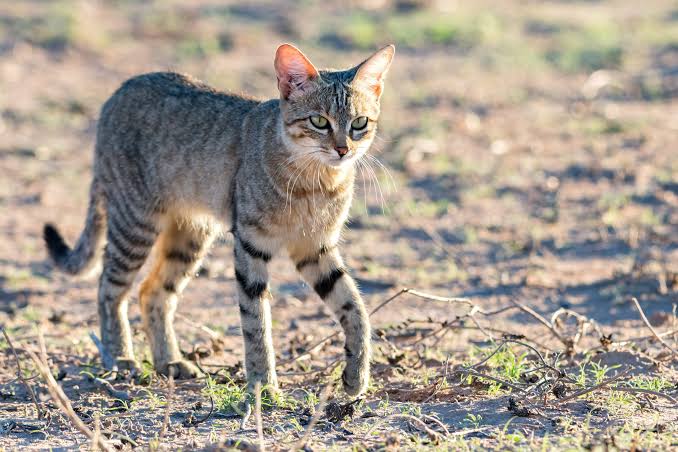
Felis lybica
The African wildcat, scientifically known as Felis lybica, is a fascinating small feline that serves as the ancestor to our domestic cats, making it a unique target for hunters seeking a challenging pursuit. Physically, these cats are sleek and agile, with a slender build resembling a house cat but with longer legs and a more athletic frame. They typically weigh between 6 to 14 pounds, stand about 10 to 14 inches at the shoulder, and measure 18 to 30 inches in body length, plus a tail of 10 to 14 inches. Their coat is short and varies from sandy yellow to grayish-brown, often with faint stripes or spots that provide excellent camouflage in their natural environments. These elusive predators thrive in a variety of habitats across Africa, from arid deserts and savannas to grasslands and semi-arid scrublands. They're adaptable survivors, also found in parts of the Middle East and southwestern Asia. Nocturnal by nature, African wildcats are solitary hunters that stalk small prey like rodents, birds, and insects with stealth and precision. Their behavior includes marking territories with scent and avoiding human contact, though they can hybridize with feral domestic cats, which sometimes blurs identification in the field. For hunters, the African wildcat offers a test of skill due to its cunning evasion tactics and keen senses—spotting one requires patience, sharp tracking, and knowledge of their crepuscular activity patterns. They're not big game, but pursuing them hones stealth hunting techniques, often using calls or bait in permitted areas. Distribution spans much of Africa, excluding dense rainforests and extreme deserts, with populations extending into the Arabian Peninsula and as far as parts of Europe through ancient introductions. Conservation-wise, the species is listed as Least Concern by the IUCN, but local regulations vary—hunting is restricted or prohibited in many regions to prevent overhunting and protect genetic purity from domestic cat interbreeding. Always check permits and ethical guidelines to ensure sustainable practices.
Hunt facts
- Countries
- Angola Botswana Mozambique Namibia South Africa Tanzania Uganda Zambia Zimbabwe
- Hunt regions
-
Angola: Cuando Cubango Cunene Huíla Moxico NamibeBotswana: Central Chobe Ghanzi Kgalagadi North WestMozambique: Gaza Manica Niassa Sofala Tete ZambeziaNamibia: Erongo Hardap Karas Khomas Kunene Omaheke OtjozondjupaSouth Africa: Eastern Cape Free State Gauteng KwaZulu-Natal Limpopo Mpumalanga North West Northern Cape Western CapeTanzania: Arusha Katavi Lindi Manyara Morogoro Pwani Rukwa Simiyu Singida TaboraUganda: Central Northern WesternZambia: Central Eastern Luapula Muchinga North-Western Southern WesternZimbabwe: Manicaland Mashonaland Central Mashonaland West Masvingo Matabeleland North Matabeleland South Midlands
- Habitat
- Grassland Mixed savanna Semi-arid
- Best time to hunt
- May–October (Dry season)
- Mass
- 3–6.5 kg (6.6–14 lb)
Where to Find African Wildcat
The African Wildcat, a small, elusive feline resembling a domestic tabby, thrives in diverse habitats across Africa and parts of the Middle East and Asia. Primary habitats include savannas, grasslands, semi-deserts, and open woodlands, where they avoid dense rainforests and extreme arid zones. They prefer areas with ample cover like rocky outcrops, bushy thickets, and riverine vegetation for hunting small prey such as rodents and birds.
For hunting opportunities, focus on countries where regulated hunts are permitted, often as part of pest control or safari packages. South Africa, Namibia, and Botswana stand out as top destinations, with regions like the Kalahari Desert fringes and the savannas of the Okavango Delta offering prime spots. In North Africa, Morocco and Algeria have populations, though access may require local guides and permits. Always check local regulations, as hunting is restricted in many areas to protect genetics from hybridization with feral cats.
Seasonally, target dry seasons (May to October in southern Africa) when water sources concentrate wildlife, making cats easier to spot near dams or rivers. They're nocturnal, so dawn and dusk hunts yield best results. Terrain varies from flat, open plains to hilly, rocky escarpments—scout for tracks, scat, and scratch marks on trees. Use spot-and-stalk methods or bait with small game calls, and employ night vision for ethical, low-impact hunting in low-light conditions.
Why Hunt African Wildcat
Hunters pursue the African Wildcat for its exceptional trophy qualities, boasting a sleek, muscular build with striking tabby markings and piercing eyes that make for a unique display piece. This small feline, often weighing under 15 pounds, offers a compact yet elegant trophy that symbolizes stealth and agility in the wild.
The hunting challenge is immense, as these elusive cats are masters of camouflage and nocturnal hunters, demanding sharp tracking skills and patience in Africa's diverse terrains. The excitement comes from the adrenaline of spot-and-stalk pursuits or baited hunts, where every rustle could signal a fleeting opportunity, turning each outing into a thrilling test of wits.
While not renowned for abundant meat, the wildcat's lean, gamey flesh provides a delicate flavor akin to rabbit, perfect for exotic stews or grilled delicacies that add a gourmet twist to post-hunt feasts.
Culturally, hunting African Wildcats ties into ancient African traditions where they represent cunning and survival, often featured in folklore as symbols of the untamed bush.
Through regulated hunting, fees support conservation efforts, funding anti-poaching patrols and habitat preservation, ensuring sustainable populations.
Ultimately, pursuing the African Wildcat delivers unique experiences like immersive night hunts under starry skies, forging deep connections with Africa's raw wilderness and the primal thrill of outsmarting a true survivor.
African Wildcat Hunting Tips
Hunting the African wildcat, a small and elusive feline found in savannas and semi-arid regions, requires patience and precision due to its nocturnal habits and quick movements. The best methods involve spot-and-stalk techniques or calling with predator calls mimicking distressed prey like rodents or birds to draw them out. Use a varmint rifle for ethical shots at distances up to 200 yards; recommended calibers include . 22 Hornet, . 223 Remington, or . 17 HMR for minimal pelt damage. Equip yourself with a quality scope for low-light conditions, binoculars, and camouflage clothing that blends with dry grasslands.
For shot placement, aim for the vital zone behind the shoulder to ensure a quick, humane kill—avoid headshots unless at very close range to prevent unnecessary suffering. Tracking tips include looking for small paw prints (about 1. 5 inches wide) in sandy soil, scat resembling domestic cat droppings, and signs of scratched trees. Stalk quietly at dusk or dawn, moving slowly against the wind to avoid detection, as these cats have keen senses.
The prime hunting times are during the dry season (May to October in southern Africa) when visibility is better, and early morning or late evening when they're most active. Common mistakes to avoid include overhunting areas, which can deplete populations, or using excessive light that spooks them—stick to red-filtered lights for night hunts. Safety considerations are crucial: always confirm local regulations, as wildcats may be protected in some regions; wear snake-proof boots in venomous areas; and hunt with a partner to prevent getting lost in remote terrains. Respect the ecosystem by taking only sustainable numbers.
Featured Outfitters for African Wildcat
View allHunt packages with African Wildcat
Curated hunt ideas — no price on the page. Enquire and we'll match outfitters after review.
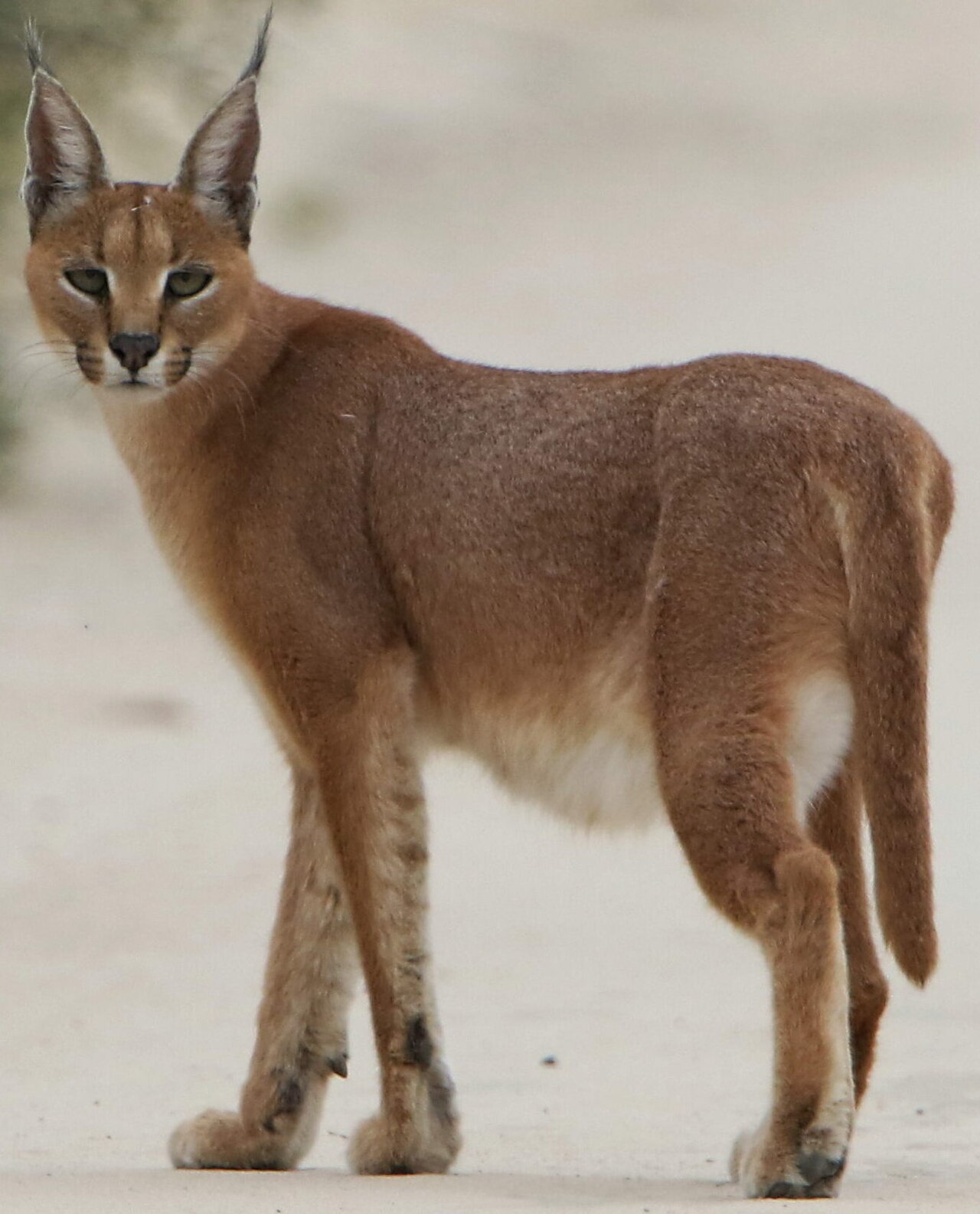
Southern Africa Predator Sampler — 7 Days
7 days · South Africa
7-day southern africa predator sampler — caracal, serval, african wildcat in North West ranch predator.
$7,800 – $9,200
Plan Your African Wildcat Hunt
Submit a free enquiry and we'll match you with outfitters who hunt African Wildcat in your region.
Sign Up to Enquire African Civet
 Baboon
 Bat-Eared Fox
 Bay Duiker
 Black-Fronted Duiker
 Blue Duiker