Baboon Hunting
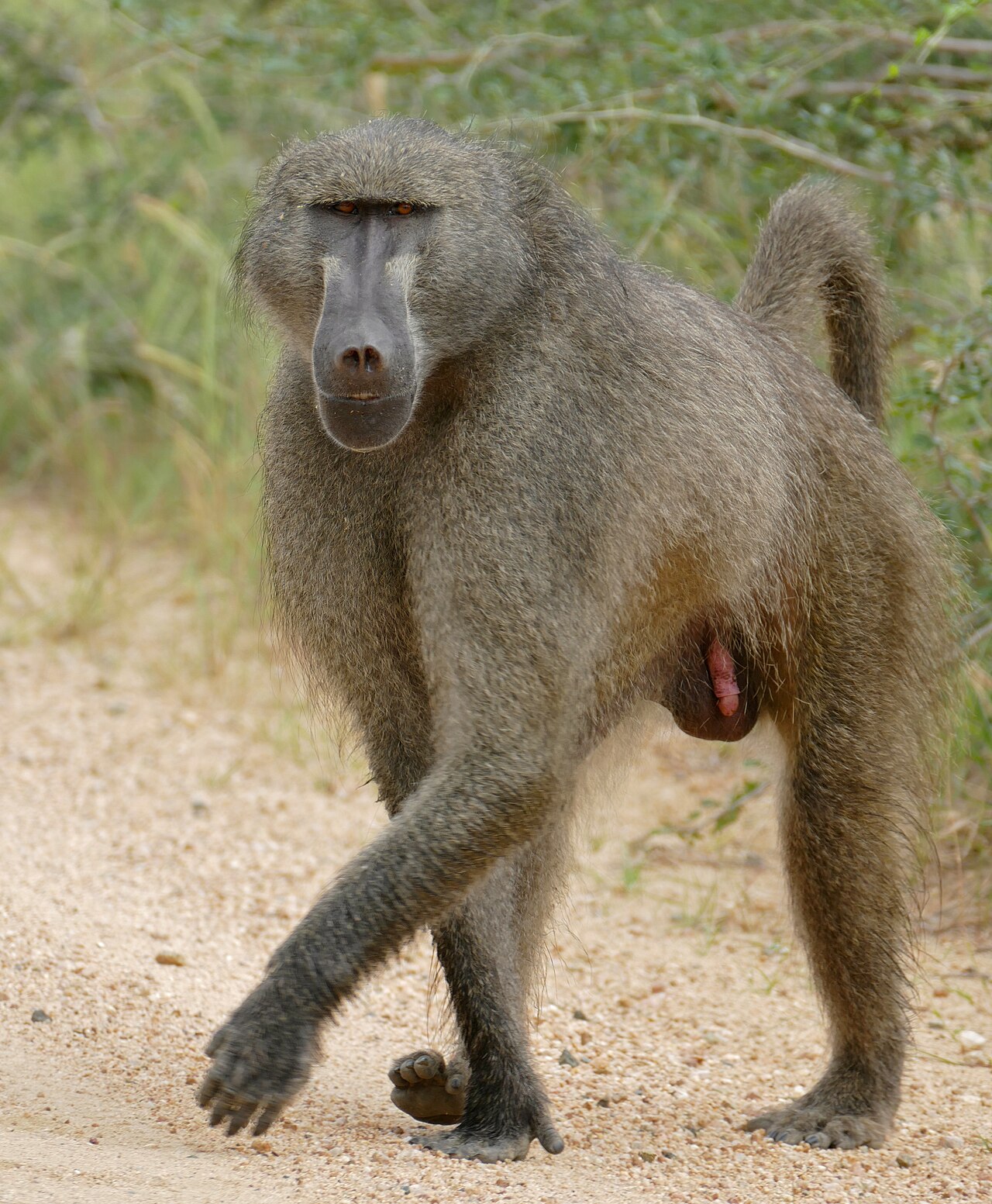
Papio spp.
Baboons (Papio spp.) are among the most adaptable and formidable primates in the wild, making them a thrilling challenge for hunters seeking an intelligent quarry. These robust monkeys vary by species, but males typically weigh 40-90 pounds and measure up to 3 feet in body length, with a tail adding another 2 feet. Females are smaller, around 20-40 pounds. Their muscular builds, dog-like muzzles, and colorful faces—often red, blue, or yellow—give them a striking appearance, while their sharp canines and powerful limbs make them capable of fierce defense. Thick fur ranges from olive to yellowish-brown, providing camouflage in diverse terrains. Found in troops of 20 to 150 individuals, baboons thrive in savannas, woodlands, rocky hills, and semi-arid regions across sub-Saharan Africa, with some species like the Hamadryas extending into the Arabian Peninsula. They're highly social, with complex hierarchies led by dominant males, and exhibit diurnal behavior—active during the day, foraging for fruits, seeds, insects, and small animals. Omnivorous and opportunistic, they raid crops and scavenge, which can lead to conflicts with humans. Their intelligence shines in problem-solving and evasion tactics, often climbing trees or cliffs to escape threats. For hunters, baboons offer an exciting pursuit due to their keen senses, group dynamics, and agility. Spotting tracks, scat, or alarm calls is key, as troops move quickly and can turn aggressive if provoked. Ethical hunting focuses on sustainable culling in overpopulated areas, using rifles for clean shots at 100-200 yards. Always prioritize safety—their strength and bites demand respect. Conservation-wise, most baboon species are listed as least concern by the IUCN, thanks to their wide range and adaptability. However, local overhunting or habitat loss in regions like East Africa warrants regulated management to maintain healthy populations. In countries like South Africa and Namibia, guided hunts help control numbers while supporting wildlife economies.
Hunt facts
- Countries
- Angola Botswana Mozambique Namibia South Africa Tanzania Uganda Zambia Zimbabwe
- Hunt regions
-
Angola: Cuando Cubango Cunene Huíla Moxico NamibeBotswana: Central Chobe Ghanzi Kgalagadi North WestMozambique: Gaza Manica Niassa Sofala Tete ZambeziaNamibia: Erongo Hardap Karas Kavango East Kavango West Khomas Kunene Omaheke Otjozondjupa ZambeziSouth Africa: Eastern Cape Free State Gauteng KwaZulu-Natal Limpopo Mpumalanga North West Northern Cape Western CapeTanzania: Arusha Katavi Lindi Manyara Morogoro Pwani Rukwa Simiyu Singida TaboraUganda: Central Northern WesternZambia: Central Eastern Luapula Muchinga North-Western Southern WesternZimbabwe: Manicaland Mashonaland Central Mashonaland West Masvingo Matabeleland North Matabeleland South Midlands
- Habitat
- Mixed savanna Woodland Rocky outcrop
- Best time to hunt
- May–October (Dry season)
- Mass
- 20–40 kg (44–88 lb)
Where to Find Baboon
Baboons are highly adaptable primates found primarily in sub-Saharan Africa, thriving in a variety of habitats including savannas, woodlands, rocky hillsides, and semi-arid regions. They prefer areas with access to water sources, cliffs for safety, and abundant vegetation for foraging. Key regions include East Africa, such as Kenya and Tanzania, and Southern Africa, encompassing South Africa, Namibia, Zimbabwe, and Botswana, where they roam in troops across open grasslands and bushveld.
For hunting, the best countries are South Africa and Namibia, offering regulated safaris with professional guides. These areas provide ample opportunities due to healthy populations and legal hunting permits. Zimbabwe and Tanzania also stand out for trophy hunts, particularly in game reserves.
Seasonal considerations favor the dry months from May to October, when baboons congregate near rivers and waterholes, making them easier to spot. Avoid rainy seasons, as flooding can disperse troops and complicate access.
Terrain varies from flat savannas to rugged escarpments; hunters should prepare for thorny acacia scrub and uneven rocky ground. To locate them, scout early mornings or late afternoons when troops are active. Look for fresh tracks, droppings, or fruit remnants near baobab trees. Listen for their distinctive barks and grunts, and use elevated vantage points to glass for movement in the underbrush. Always prioritize ethical practices and local regulations for sustainable hunting.
Why Hunt Baboon
People hunt baboons for several reasons. These primates are clever and live in groups, making them a unique target for hunters. Their intelligence sets them apart from other game animals. Baboons can spot danger quickly and use the terrain to escape, which adds excitement.
Hunting baboons is fun because it's challenging. You need sharp skills in tracking and patience. Their unpredictable behavior keeps things thrilling. Spotting a big male with impressive fangs feels rewarding.
Good reasons include controlling populations. Baboons often raid farms and damage crops in Africa. Hunting helps protect local communities and wildlife balance. In some areas, it's part of sustainable management. Plus, baboon meat can be a food source, and hides are used for crafts. Always follow local laws for ethical hunting.
Baboon Hunting Tips
Hunting baboons can be an exciting challenge, as these intelligent primates are often considered pests in regions like South Africa and Namibia, where they're hunted for crop protection or sport. The best methods include spot-and-stalk techniques, where you glass open areas from a vantage point and approach quietly on foot. Baiting with fruits or vegetables near water sources can also work, but always check local regulations, as baiting may be restricted.
For equipment, opt for a reliable bolt-action rifle in calibers like . 243 Winchester or . 308 for clean, ethical kills at ranges up to 200 yards. A scope with 3-9x magnification is ideal for variable terrain, and don't forget binoculars for scouting. Use expanding bullets to minimize suffering.
Shot placement is crucial—aim for the chest cavity to hit the heart and lungs, avoiding headshots unless you're extremely accurate, as baboons have thick skulls. A broadside shot is best; if the animal is facing you, target the base of the neck.
When tracking and stalking, move slowly and use natural cover like bushes or rocks to stay concealed. Baboons have keen senses, so hunt with the wind in your face to avoid detection. Listen for their alarm calls, which can alert the troop.
The prime times are early morning or late afternoon when baboons are foraging or heading to water. Seasons vary by location, but dry periods from May to September in southern Africa often yield better opportunities due to concentrated activity around resources.
Common mistakes include underestimating their speed and group dynamics—never approach a troop aggressively, as they can mob threats. Rushing shots leads to wounding, so patience is key.
Safety first: Baboons, especially large males, can be aggressive if cornered, so carry a sidearm for backup and hunt with a partner. Respect wildlife laws, obtain permits, and prioritize ethical practices to ensure sustainable hunting.
Featured Outfitters for Baboon
View all
Hunting Tips & Guides
All tips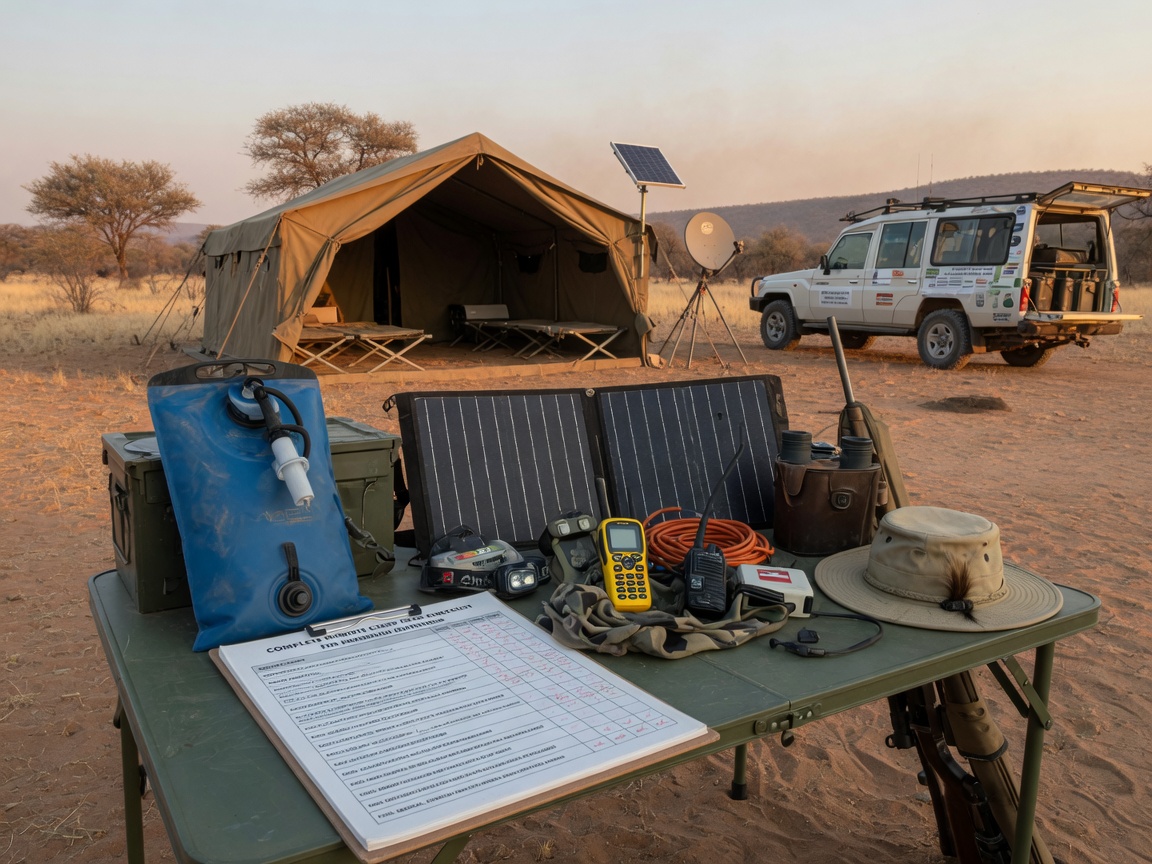
Complete Remote Camp Gear Checklist for Namibian Outfitters
Essential remote camp gear checklist for Namibian outfitters covering water, solar power, comms and safety for ethical hunts in Namibia's …
Read moreHunt packages with Baboon
Curated hunt ideas — no price on the page. Enquire and we'll match outfitters after review.
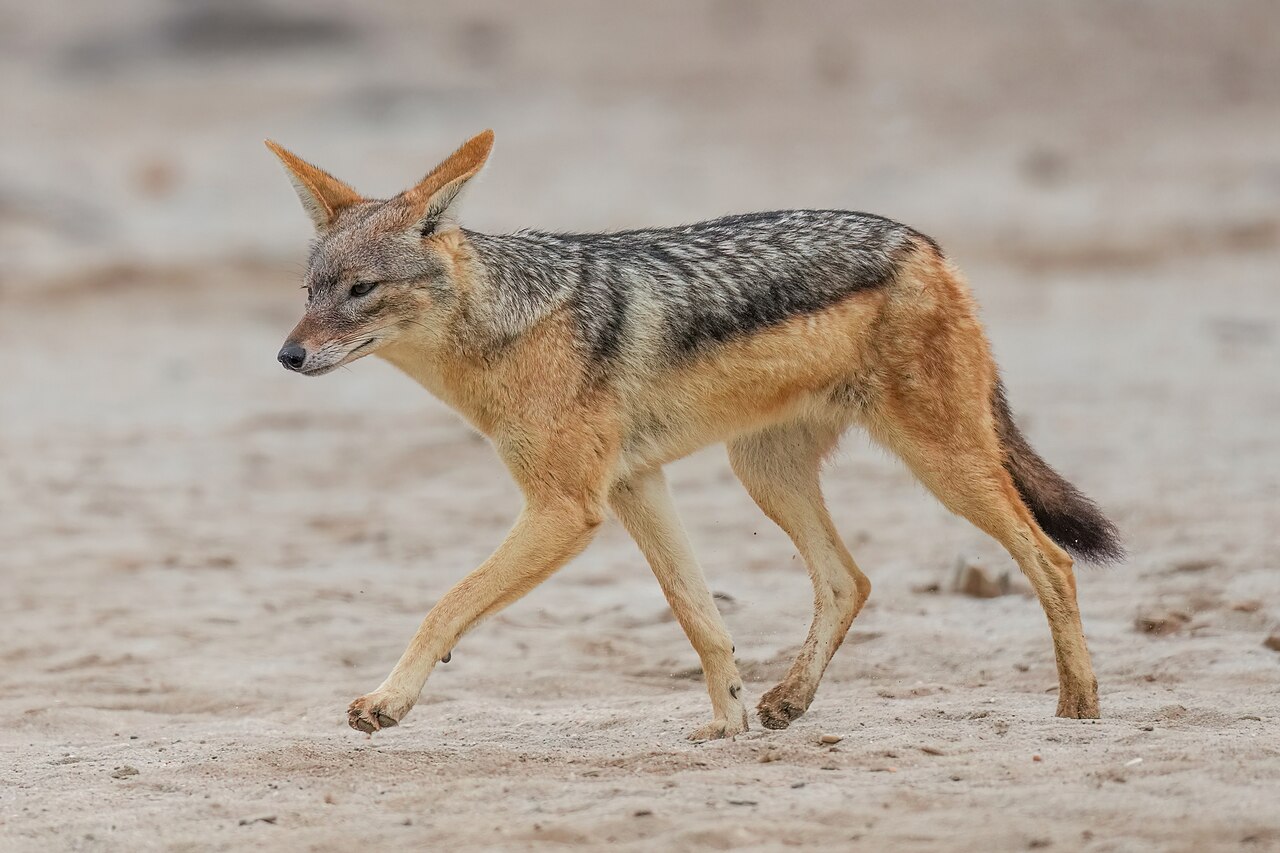
Khomas Predator Add-On — 5 Days
5 days · Namibia
5-day khomas predator add-on — black-backed jackal, caracal, baboon in Khomas highland farms.
$5,200 – $6,200
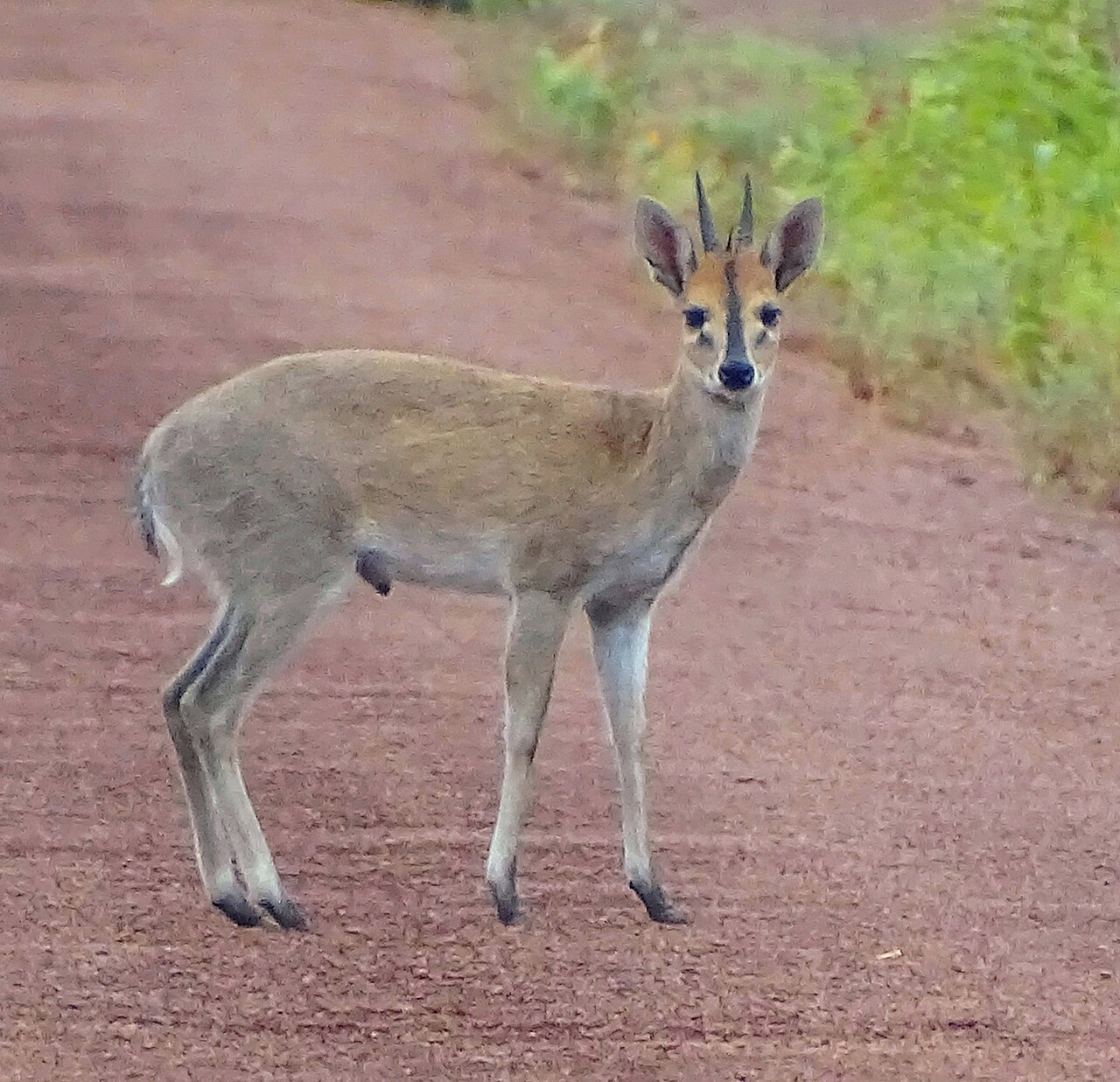
ZA Ranch Small Game — 5 Days
5 days · South Africa
5-day za ranch small game — common duiker, steenbok, porcupine in Free State farm small game.
$4,800 – $5,800
Cameroon Savanna Plains — 10 Days
10 days · Cameroon
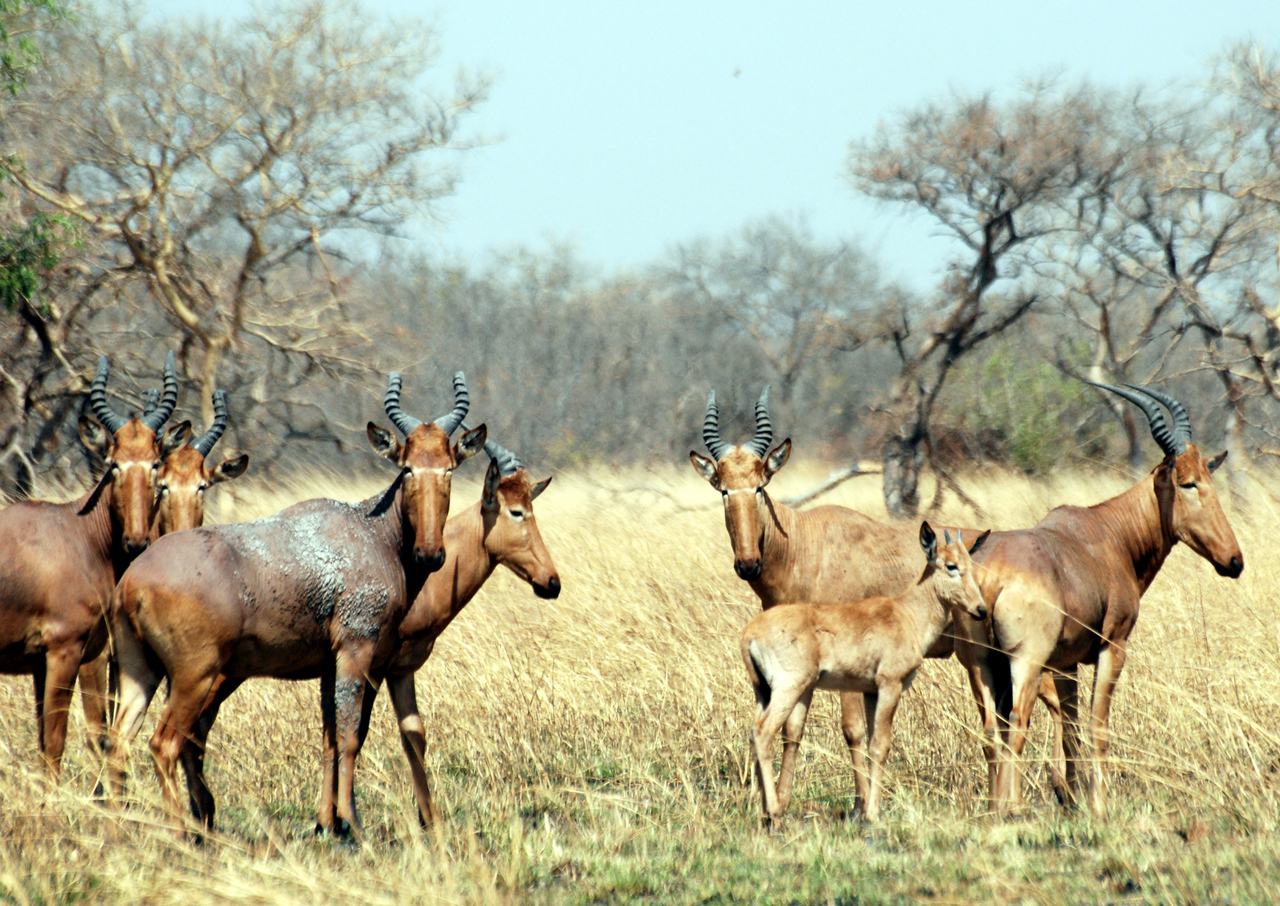
10-day cameroon savanna plains — western hartebeest, buffon's kob, harnessed bushbuck in North Cameroon savanna.
$16,000 – $20,000
Benin Atakora Bow Small Game — 7 Days
7 days · Benin
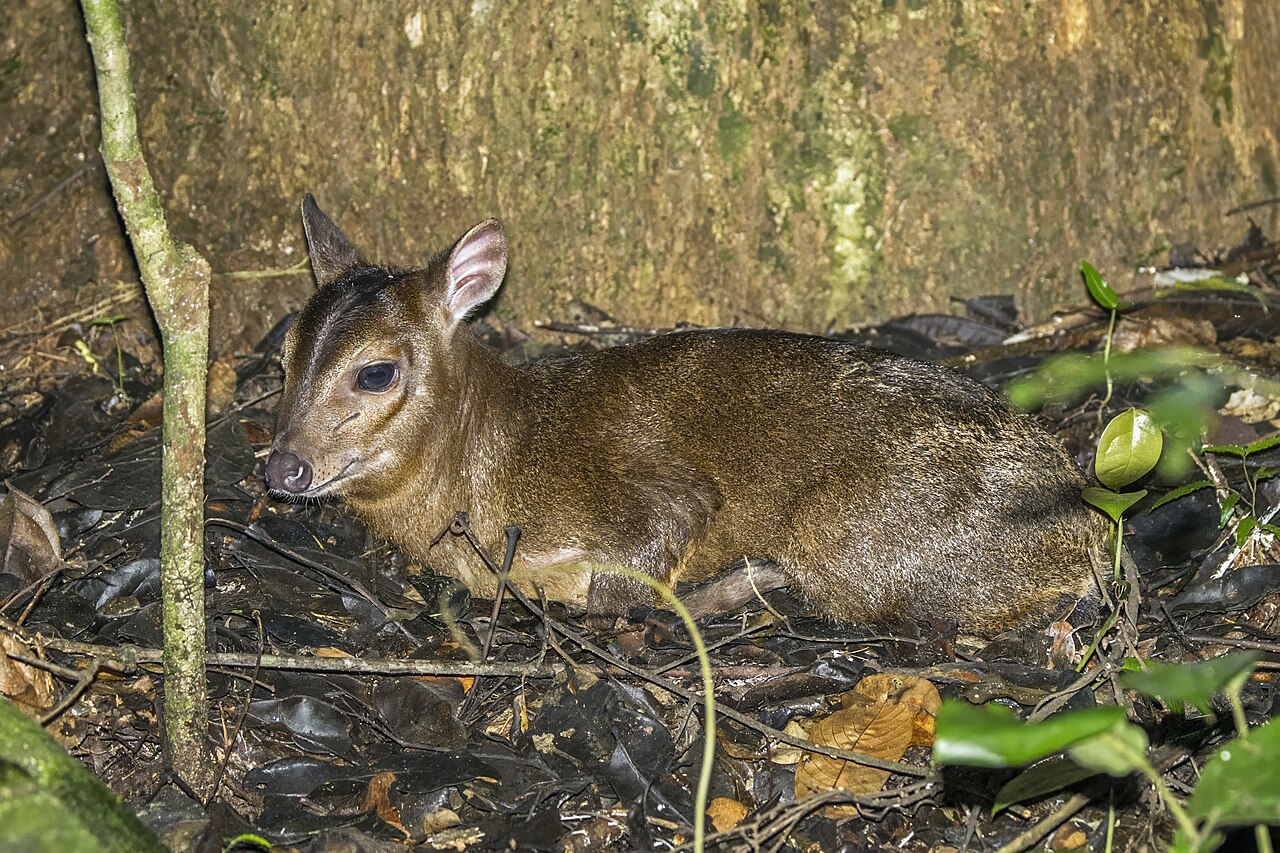
7-day benin atakora bow small game — maxwell's duiker, western bush duiker, baboon in Atakora hills (bow).
$8,500 – $11,000
Adamawa Plains — 8 Days
8 days · Cameroon
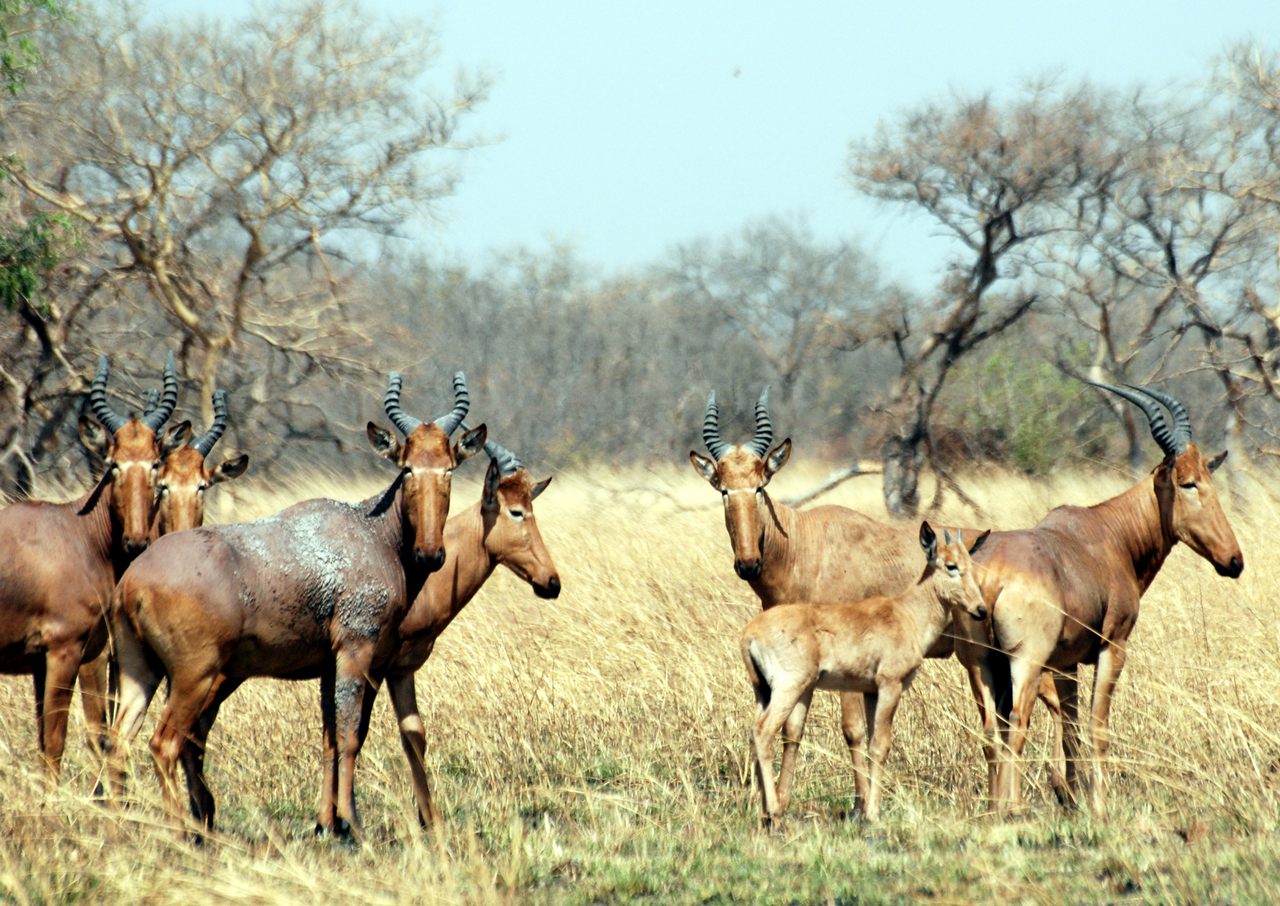
Eight days Adamawa — western hartebeest, harnessed bushbuck and small game.
$12,000 – $15,000
Plan Your Baboon Hunt
Submit a free enquiry and we'll match you with outfitters who hunt Baboon in your region.
Sign Up to Enquire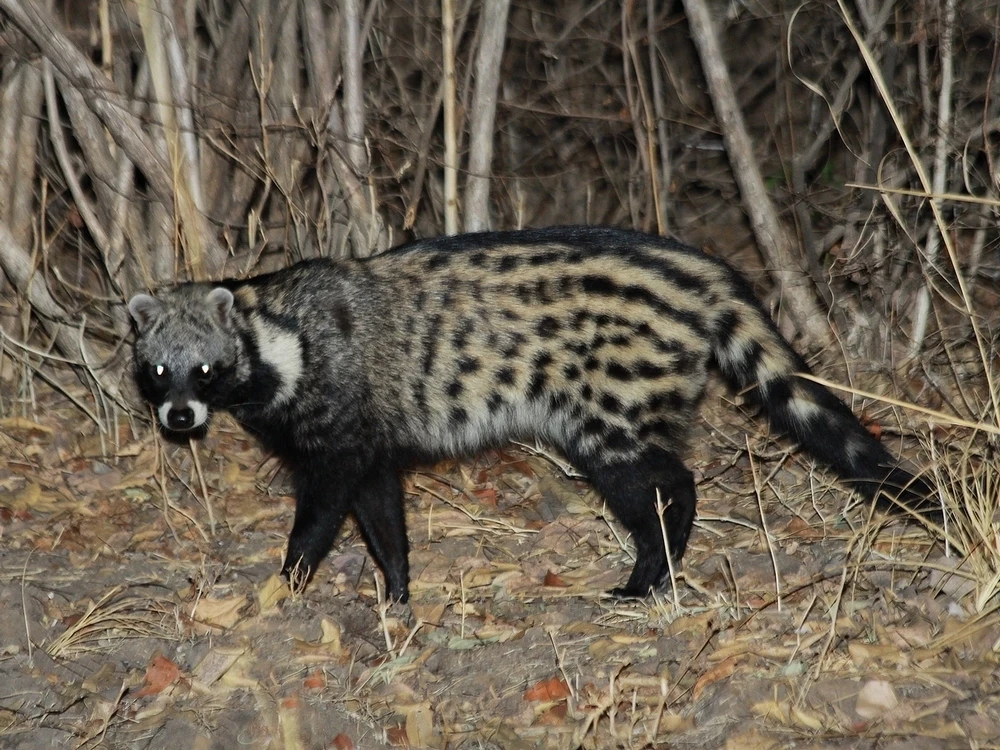 African Civet
 African Wildcat
 Bat-Eared Fox
 Bay Duiker
 Black-Fronted Duiker
 Blue Duiker