African Lion Hunting
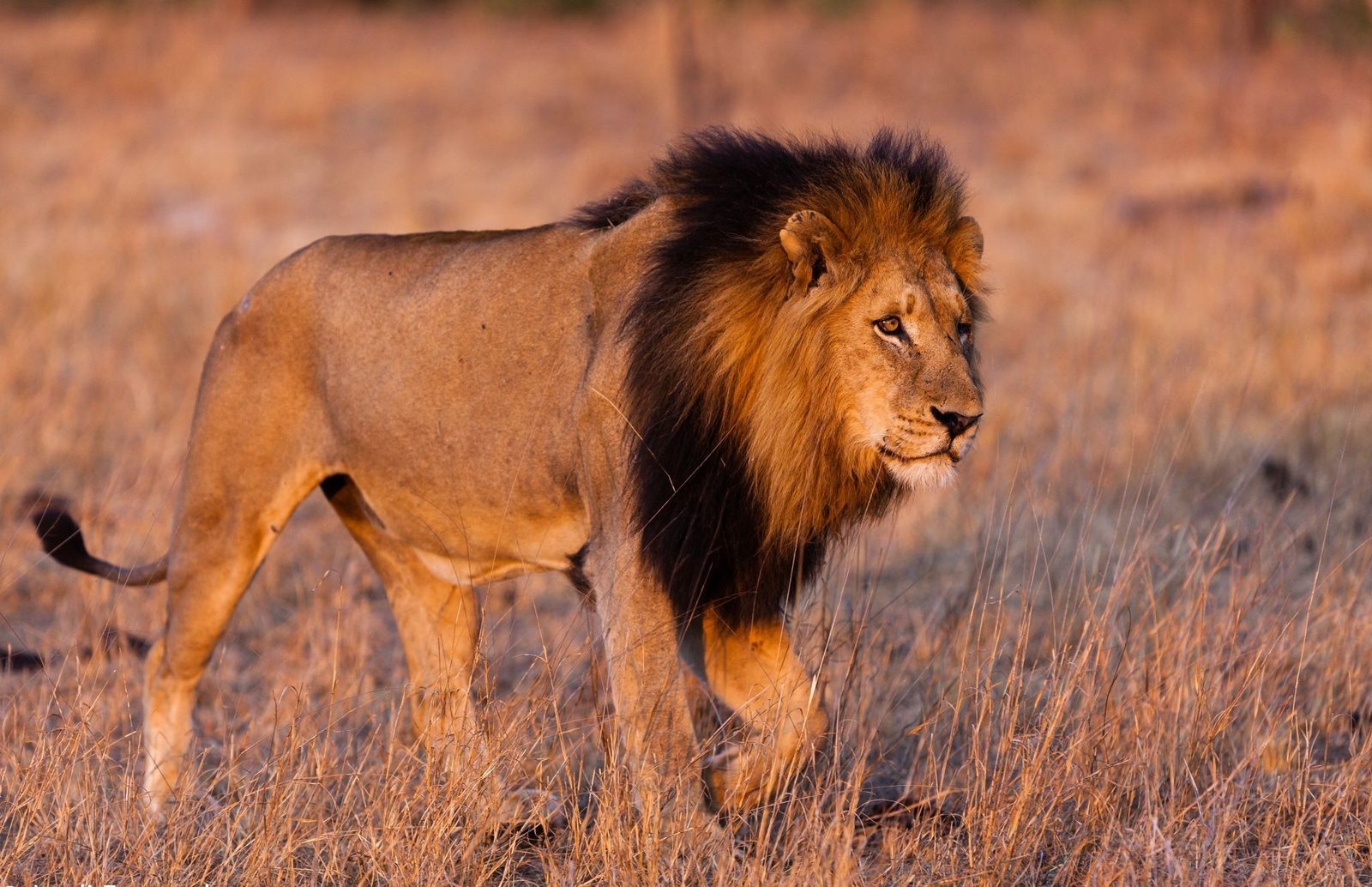
Panthera leo
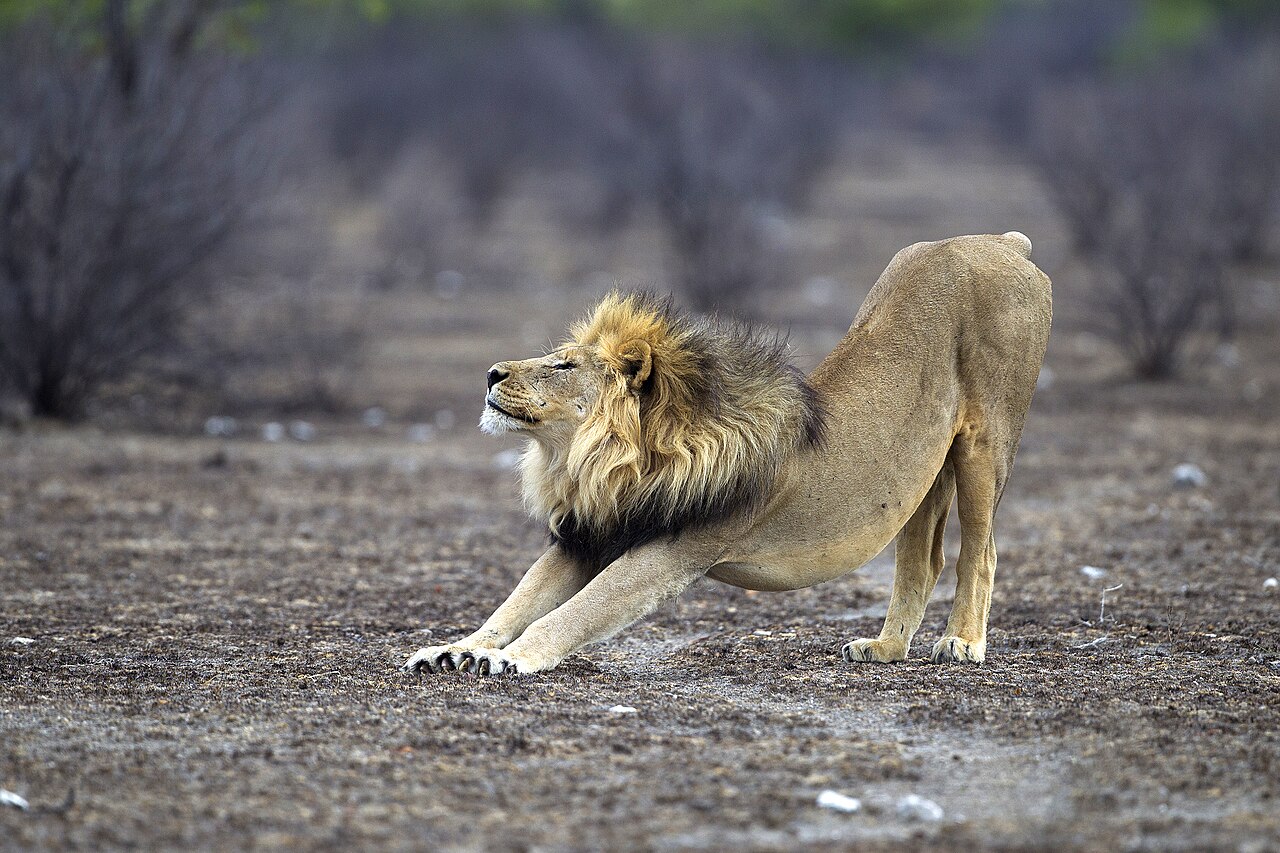
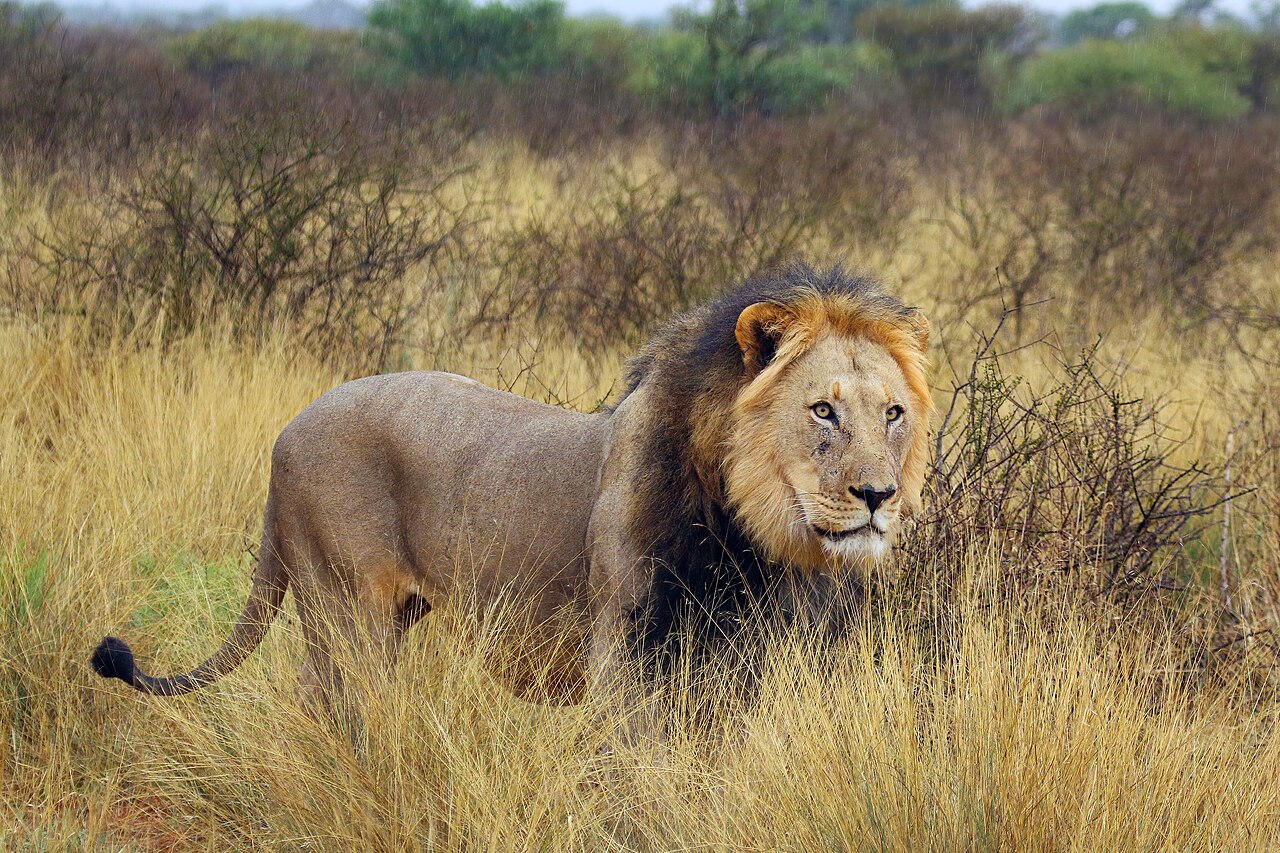
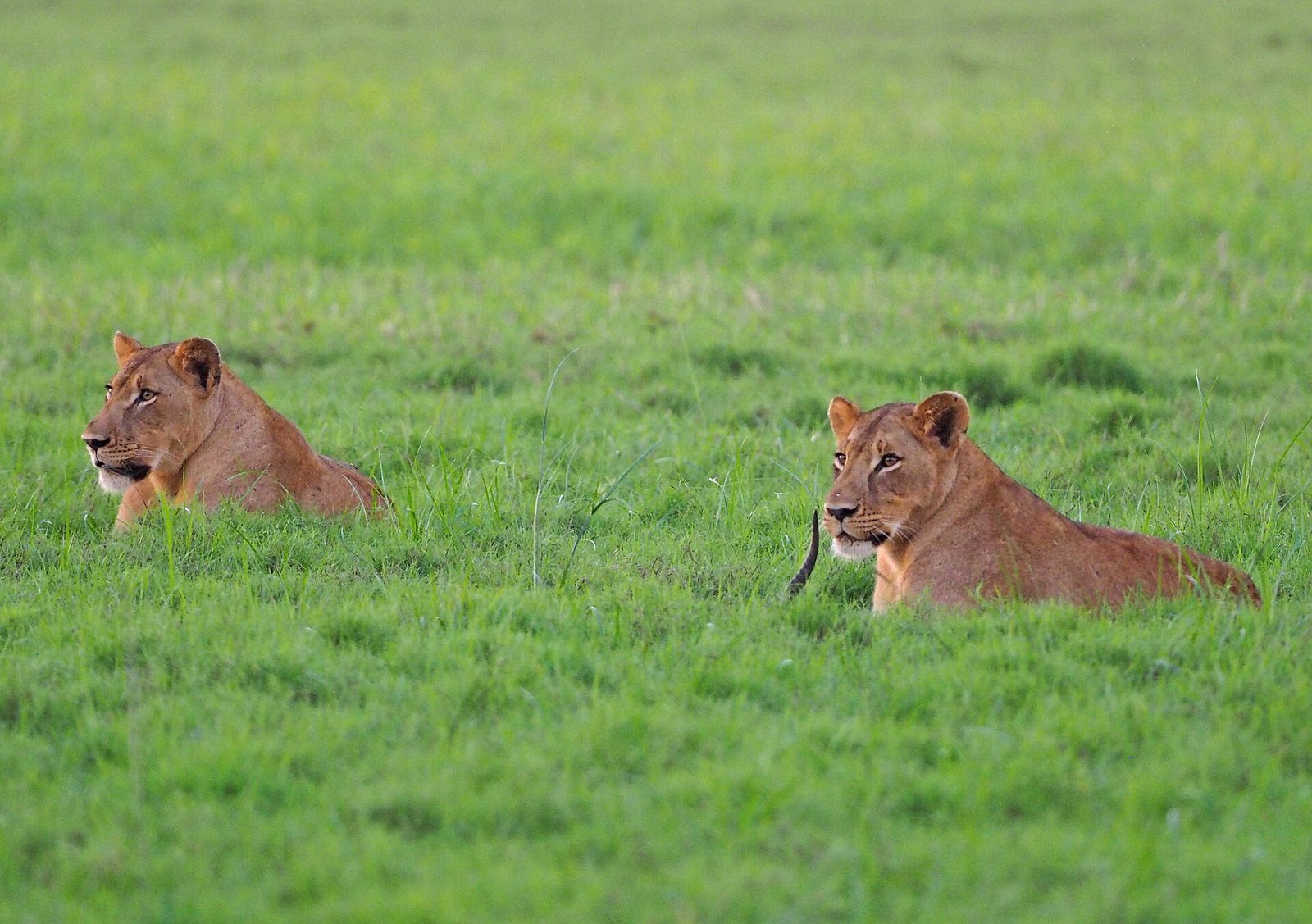
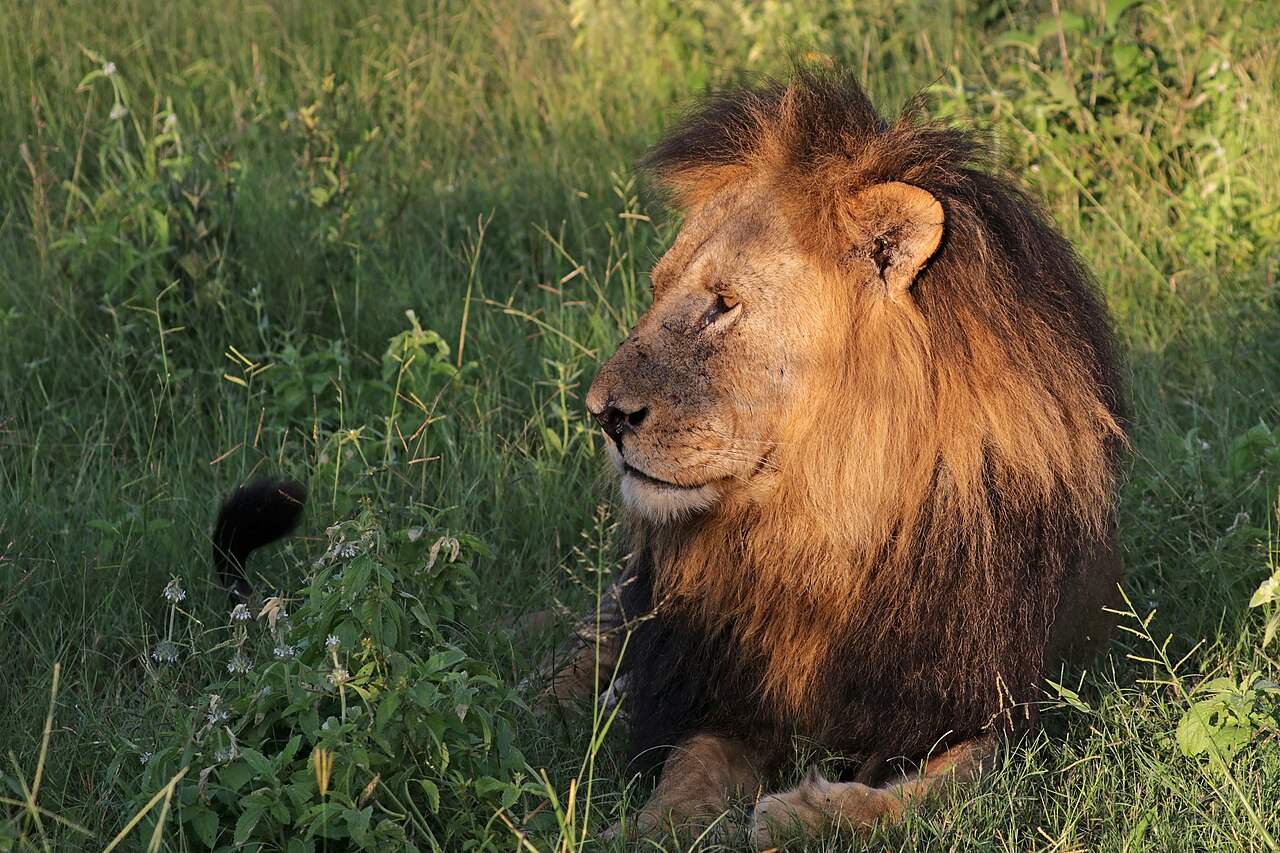
African Lion (Panthera leo): The King of the Hunt The African Lion, *Panthera leo*, stands as the ultimate symbol of raw power and majesty in the wild. Males boast an impressive mane that frames their head like a crown, ranging from golden to deep brown, while females are sleek and agile without it. Adults measure 8-10 feet in length, including the tail, with males weighing 330-550 pounds and females 265-420 pounds. Their muscular builds, tawny coats, and piercing amber eyes make them a sight to behold—and a formidable challenge. Lions thrive in Africa's diverse savannas, grasslands, and semi-arid regions, from open plains to scrublands. As social icons of the animal kingdom, they live in prides of 10-20 members, led by a coalition of males who defend territory through thunderous roars audible up to five miles away. Behaviorally, they're crepuscular hunters, ambushing prey like zebras and wildebeest in coordinated group efforts, showcasing strategy and brute strength that demand respect from any tracker. Their range spans sub-Saharan Africa, with core populations in countries like Tanzania, Kenya, Botswana, and South Africa, though fragmented habitats limit them to about 20,000-30,000 individuals today. For hunters, the lion's keen senses—superior night vision and acute hearing—make it a pinnacle trophy. Ethical pursuits in regulated areas like South Africa's reserves target problem animals or via permits, emphasizing fair chase with high-caliber rifles for humane harvests. Spotting a pride's territorial marks or fresh kills can guide your stalk, but always prioritize safety; these apex predators command the landscape. Conservation-wise, lions are Vulnerable per the IUCN, facing threats from habitat loss and human-wildlife conflict. Sustainable hunting supports anti-poaching efforts, ensuring the king's legacy endures for future generations.
Hunt facts
- Countries
- Angola Benin Botswana Burkina Faso Cameroon Central African Republic Ethiopia Mozambique Namibia South Africa Tanzania Uganda Zambia Zimbabwe
- Hunt regions
-
Angola: Cuando Cubango MoxicoBenin: Alibori Atakora BorgouBotswana: Chobe North WestCameroon: Adamawa Far North NorthCentral African Republic: Bamingui-Bangoran Haute-Kotto VakagaEthiopia: Benishangul-GumuzMozambique: Manica Niassa SofalaNamibia: Kavango East Kavango West ZambeziSouth Africa: Eastern Cape KwaZulu-Natal Limpopo Mpumalanga North WestTanzania: Katavi Lindi Morogoro Pwani Rukwa Singida TaboraUganda: NorthernZambia: Central Eastern Muchinga North-Western SouthernZimbabwe: Manicaland Mashonaland Central Mashonaland West Masvingo Matabeleland North
- Habitat
- Mixed savanna Woodland Bushveld
- Best time to hunt
- May–October (Dry season)
- Mass
- 150–250 kg (331–551 lb)
- Trophy minimum
-
- SCI (skull): 23
- SCI bow: 22 8/16
- Rowland Ward (skull): 24
- Rowland Ward record: 28 12/16
Typical record-book minimums; confirm the current edition with your professional hunter.
Where to Find African Lion
Hunting the African Lion: Prime Locations and Strategies
The African Lion (*Panthera leo*) thrives in diverse savanna habitats across sub-Saharan Africa, favoring open grasslands, woodlands, and semi-arid regions where prey like zebras and wildebeest abound. Primary habitats include acacia-dotted plains and riverine areas, avoiding dense rainforests.
For hunting, the best countries are South Africa, Zimbabwe, Tanzania, Namibia, and Botswana, where regulated trophy hunts occur on private reserves or concessions. South Africa's Eastern Cape and Limpopo provinces offer accessible, high-success hunts, while Zimbabwe's Matetsi and Save Valley areas provide prime lion territories. Tanzania's Selous Game Reserve is renowned for free-range pursuits, though quotas are strict.
Seasonal timing peaks during the dry season (June to October), when lions concentrate near water sources, making them easier to track. Avoid wet seasons (November-May) due to dispersed herds and challenging conditions.
Terrain varies from flat savannas to rocky outcrops (kopjes), where lions den during the day. Hunts often involve 4x4 vehicles for spotting in golden-hour light, with guides using calls or bait stations.
**Tips for Locating Lions:** Scout waterholes at dawn/dusk for prides on the move. Look for fresh tracks, kills, or vocalizations (roars carry 5 miles). Employ experienced trackers to interpret signs in grassy expanses, and prioritize ethical, licensed operators to ensure sustainability. Always respect CITES regulations for legal trophies..
Why Hunt African Lion
Why Hunt the African Lion? The Ultimate Predator Pursuit
The African Lion (*Panthera leo*) stands as the pinnacle of big-game trophies, embodying raw power with its majestic mane, muscular 400-pound frame, and piercing amber eyes—a symbol of Africa's wild heart that commands respect in any trophy room.
Hunting lions delivers unmatched excitement: these apex predators are cunning stalkers, requiring expert tracking in vast savannas or bushveld. The adrenaline surge from a close-quarters charge or silent ambush tests your skill, stamina, and nerve, often in guided hunts across Zimbabwe or South Africa's prime territories.
Beyond the thrill, lion meat offers a lean, gamey delicacy—rich in protein and grilled or slow-cooked into flavorful stews, appealing to adventurous palates seeking sustainable wild fare.
Culturally, lion hunts echo ancient rites of passage for Maasai warriors, fostering a deep connection to Africa's heritage and the thrill of becoming part of timeless traditions.
Critically, regulated trophy hunting funds conservation: fees support anti-poaching and habitat protection, sustaining populations in areas like the Zambezi Valley where lions thrive under CITES oversight.
This pursuit gifts unparalleled experiences—sunrise game drives, immersive wildlife encounters, and the profound bond with nature's king—making every hunt an epic saga for the discerning sportsman.
African Lion Hunting Tips
Hunting African Lions: Practical Strategies and Tips
Hunting the African lion (Panthera leo) demands respect for its power and cunning. Always prioritize ethical, licensed hunts in regulated areas like South Africa or Tanzania, guided by professionals to ensure conservation compliance.
**Best Hunting Methods and Techniques:** Spot-and-stalk is ideal in open savannas, using vehicles to locate prides then approaching on foot. Baiting with game carcasses at waterholes works well for nocturnal hunters, setting up tree blinds. Bowhunting requires extreme caution due to the lion's charge speed (up to 50 mph).
**Recommended Equipment and Calibers:** Opt for a high-powered rifle like a .375 H&H Magnum or .416 Rigby for reliable stopping power; .458 Winchester Magnum for larger males. Use quality scopes (3-9x magnification) and suppressors for stealth. Essential gear includes binoculars (10x42), rangefinder, and a sturdy knife for field dressing.
**Shot Placement Advice:** Aim for the heart-lung area, just behind the shoulder at a broadside angle, for a clean kill. Avoid headshots—lions have thick skulls. If charging, target the chest to disrupt the heart.
**Tracking and Stalking Tips:** Follow fresh pugmarks (4-5 inches wide) and claw drags in soft soil; listen for roars at dawn/dusk. Stalk into the wind, using cover like acacias, moving slowly (under 100 yards/hour) to avoid detection.
**Best Times:** Dry season (June-October) when lions concentrate near water; hunt evenings or early mornings when active. Avoid wet season floods.
**Common Mistakes to Avoid:** Underestimating speed—never turn your back. Skipping trackers leads to lost trails. Overlooking group dynamics; hunt lone males to minimize pride disruption.
**Safety Considerations:** Always hunt with armed guides; carry a secondary firearm. Lions charge silently—stay alert, use lion-specific calls sparingly. Post-hunt, test for diseases like rabies.
Master these for a safe, successful hunt—lions are apex predators, so preparation saves lives.
Featured Outfitters for African Lion
View allHunting Tips & Guides
All tips
CITES Permits for SA Trophies: Beginner’s Essential Guide
Navigate CITES permits for South African trophy exports easily. Beginner's tips on legal processes, conservation, and bringing home your ethical …
Read moreHunt packages with African Lion
Curated hunt ideas — no price on the page. Enquire and we'll match outfitters after review.
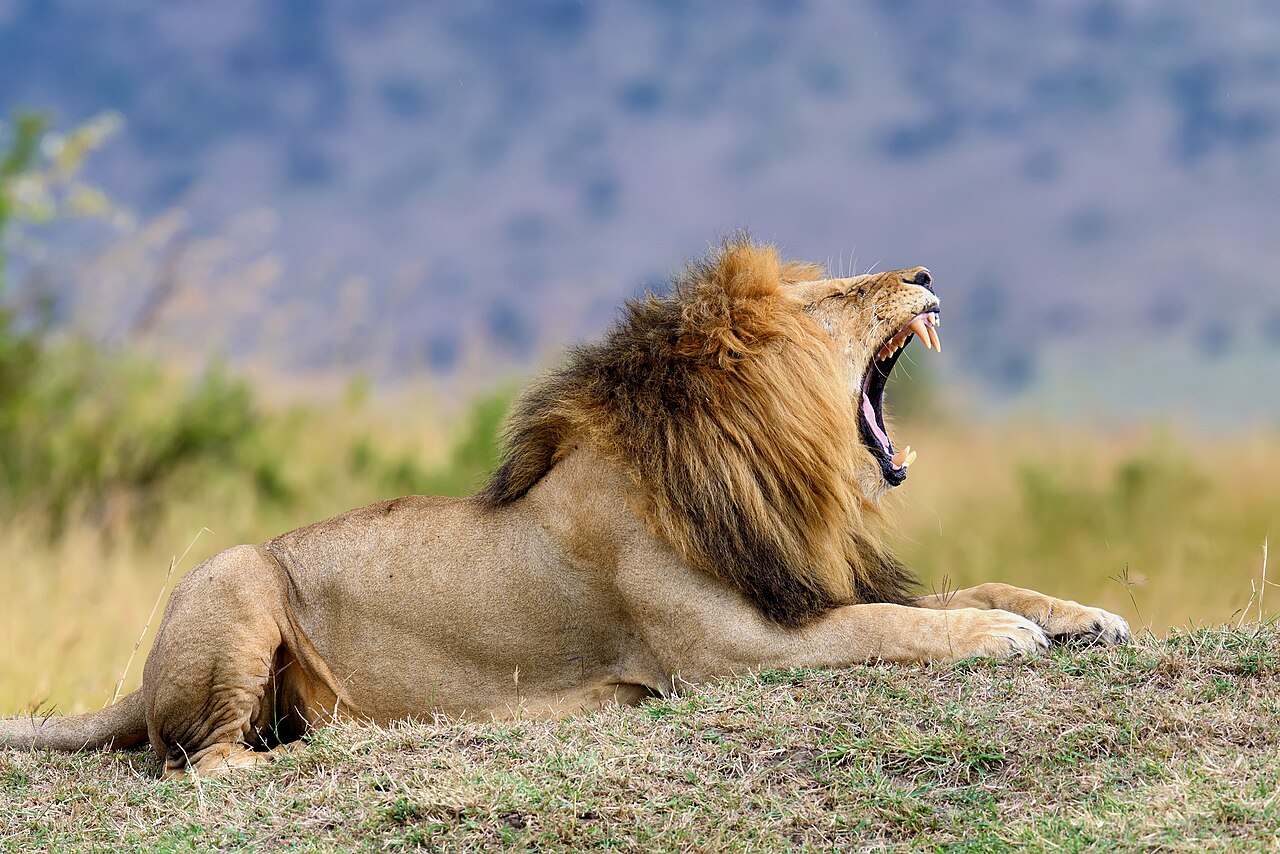
Zambezi Lion & Buffalo — 21 Days
21 days · Zimbabwe
Twenty-one days Zambezi Valley — lion and buffalo dangerous-game combo.
$55,000 – $60,000
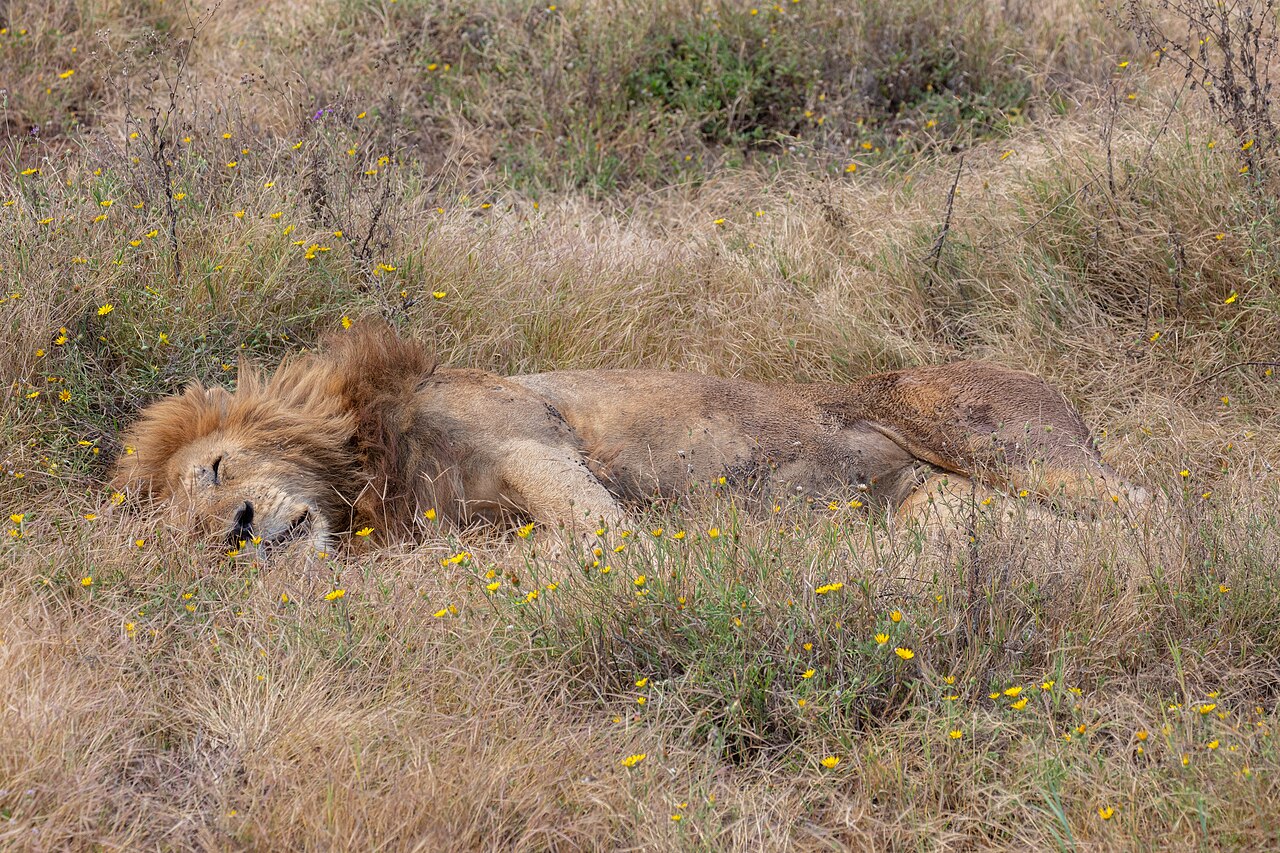
Western Tanzania Lion & Buffalo — 21 Days
21 days · Tanzania
Twenty-one days western Tanzania — lion and buffalo on the same miombo blocks.
$72,000 – $78,000
Botswana Lion & Buffalo — 14 Days
14 days · Botswana
Fourteen days Chobe/NG — lion and buffalo dangerous-game combo.
POA
Zambia Lion & Buffalo — 21 Days
21 days · Zambia
Twenty-one days Zambia — lion and buffalo on Luangwa or Kafue blocks.
$58,000 – $64,000
Mozambique Lion & Buffalo — 21 Days
21 days · Mozambique
Twenty-one days Niassa — lion and buffalo dangerous-game combo.
$52,000 – $57,000
Northern Lion Quest — 21 Days
21 days · Uganda
21-day northern lion quest — african lion, nile buffalo in Northern Uganda (Karamoja / Kidepo fringe).
$48,000 – $55,000
Plan Your African Lion Hunt
Submit a free enquiry and we'll match you with outfitters who hunt African Lion in your region.
Sign Up to Enquire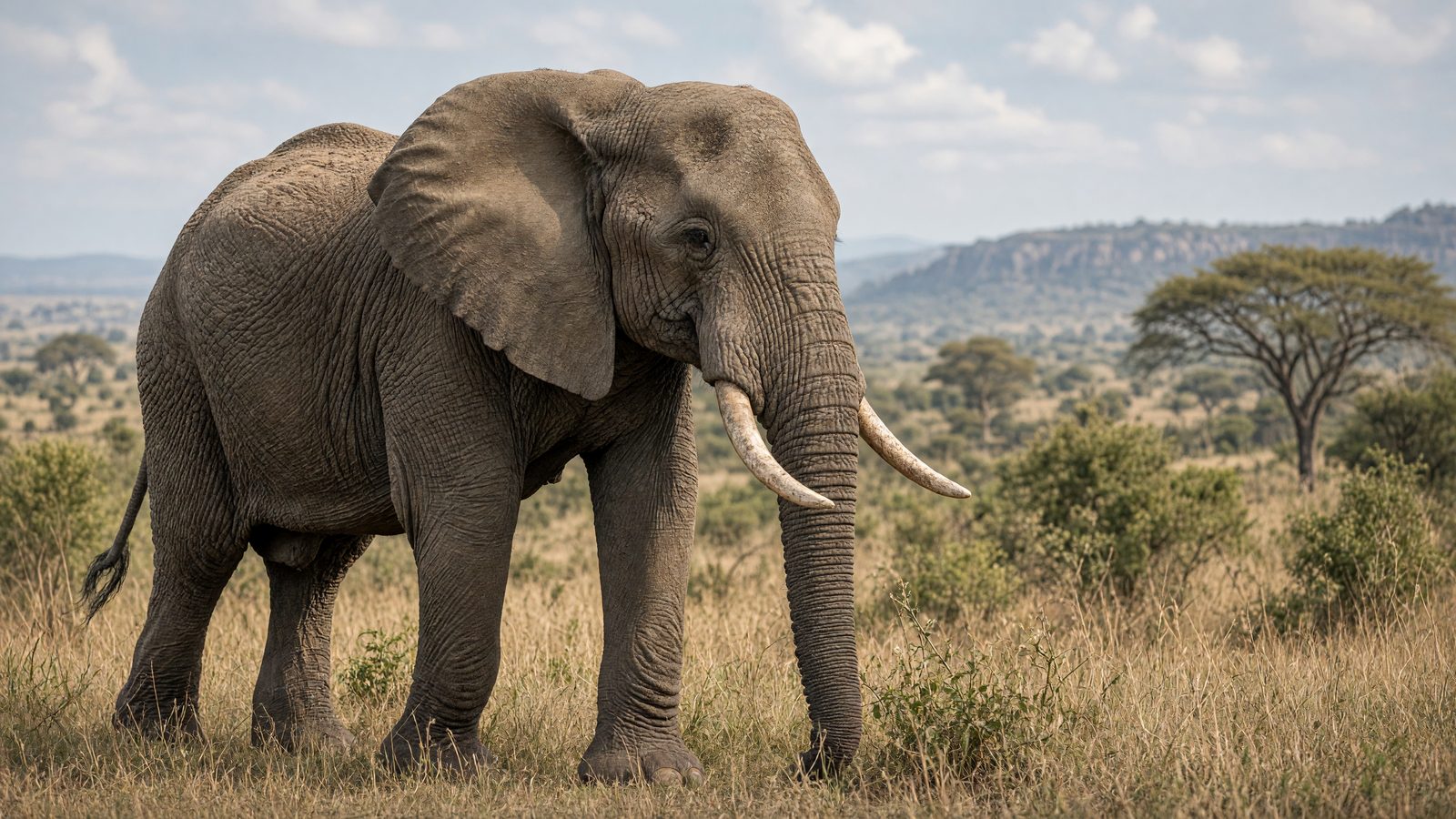 African Elephant
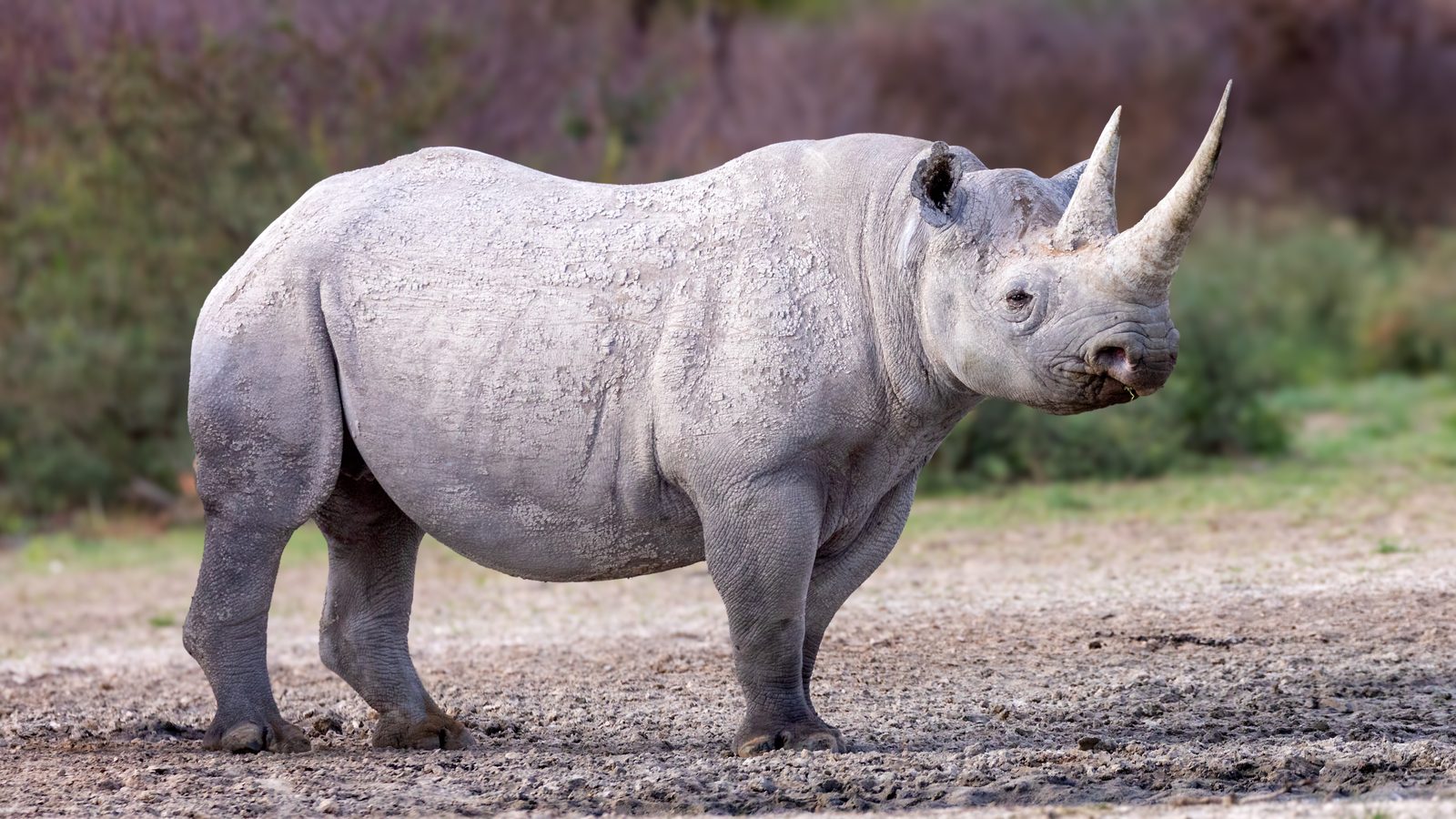 Black Rhinoceros
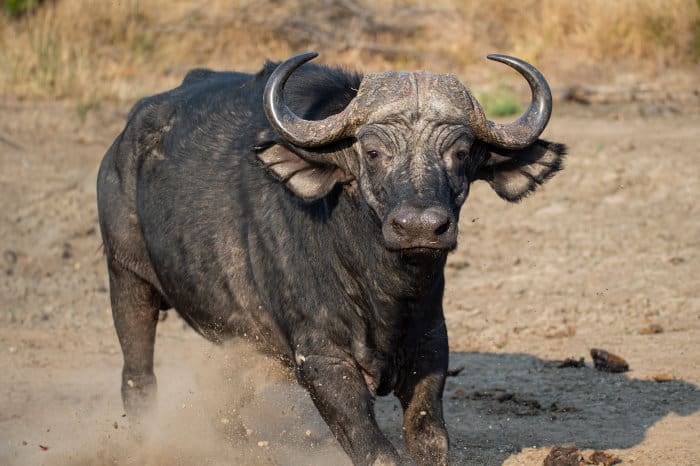 Cape Buffalo
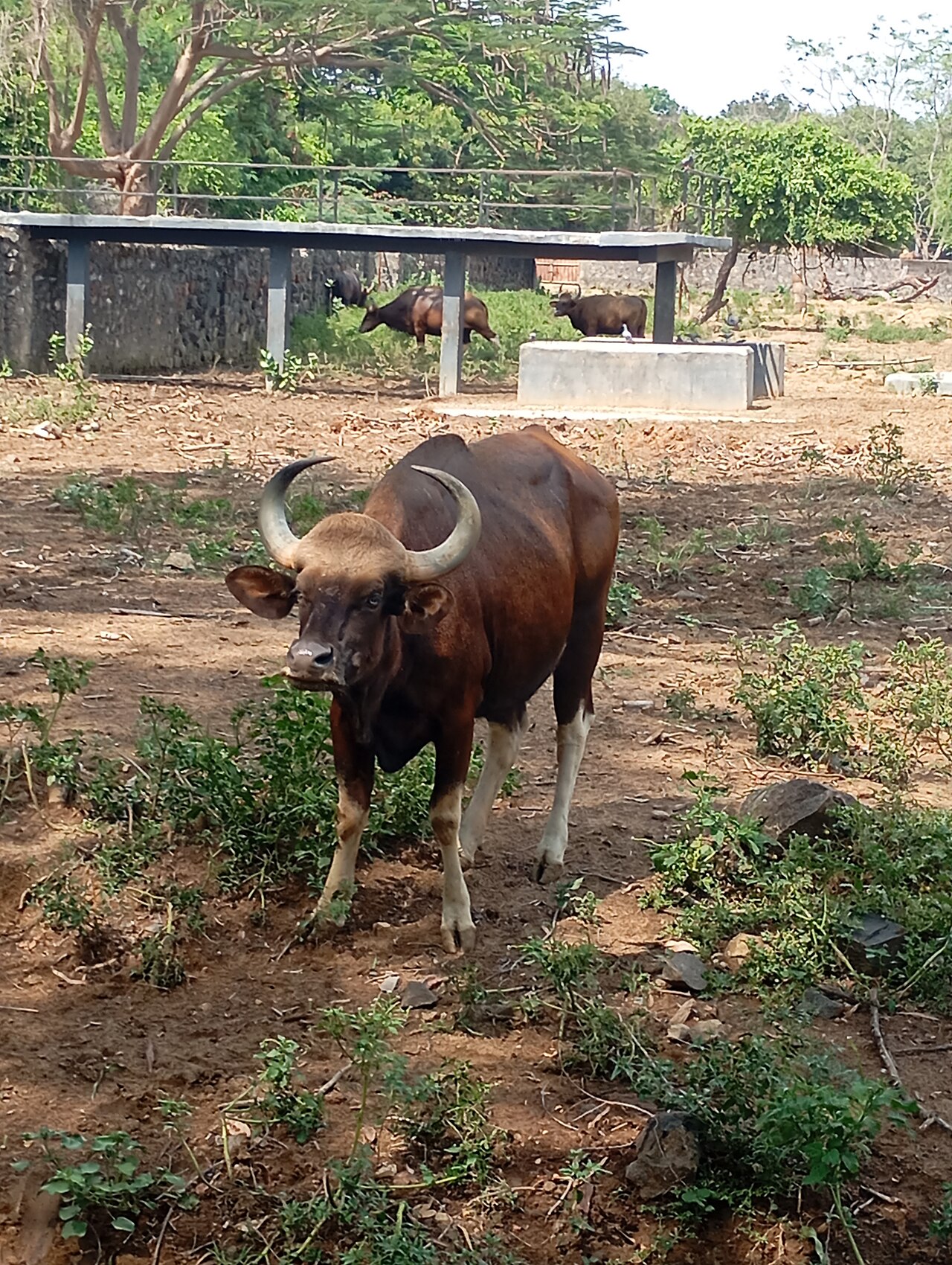 Forest Buffalo
 Giant Forest Hog
 Hippopotamus