Black Rhinoceros Hunting
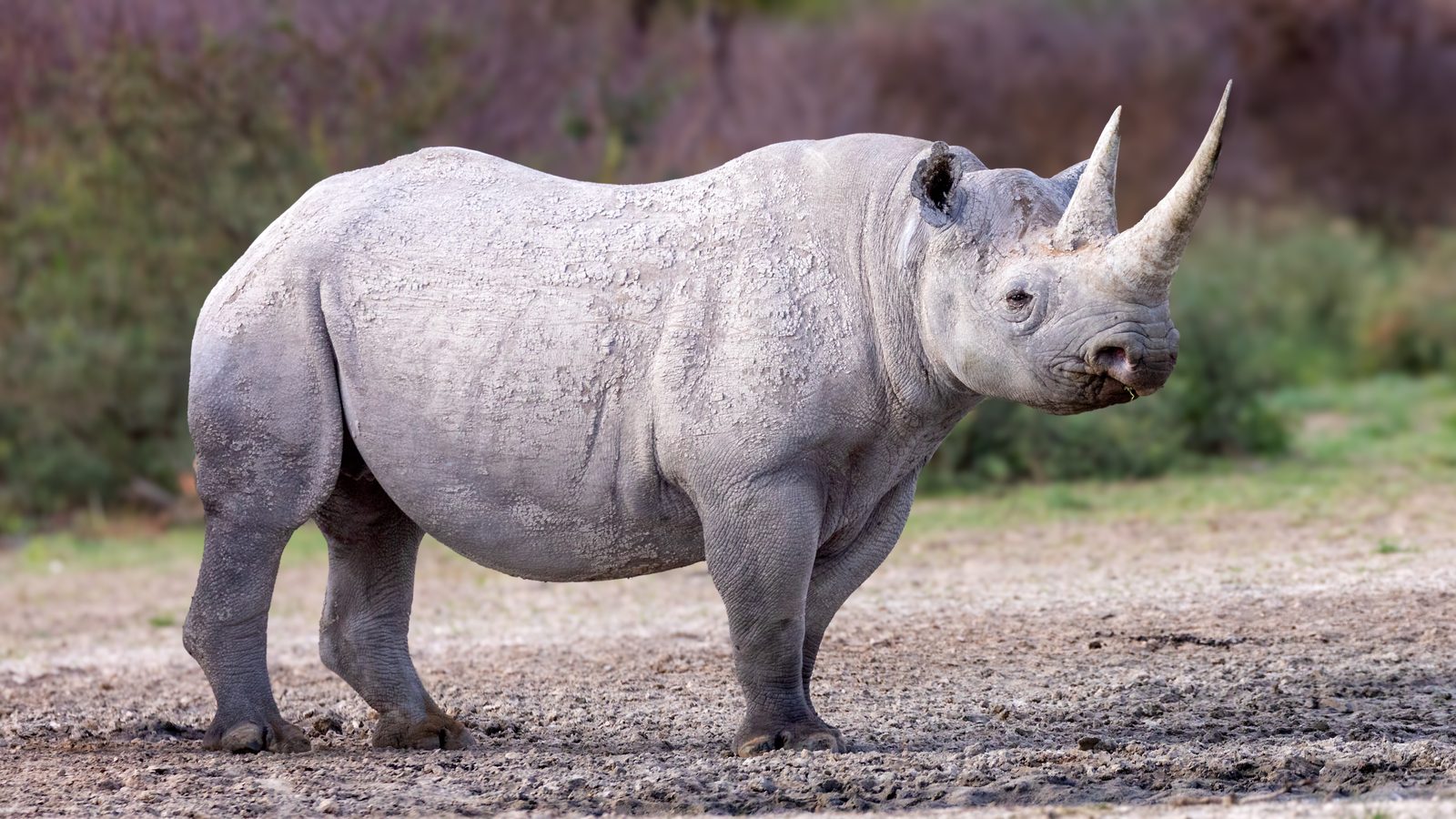
Diceros bicornis
The black rhinoceros, scientifically known as Diceros bicornis, is a majestic and formidable species that commands respect in the wild. This prehistoric-looking beast typically weighs between 1,800 and 3,000 pounds, with males often larger than females. Standing about 5 to 6 feet tall at the shoulder and stretching up to 12 feet in length, the black rhino is distinguished by its two prominent horns—the front one can grow up to 4 feet long, while the rear is shorter and more rounded. Its thick, grayish skin forms protective folds, giving it an armored appearance, and unlike its white rhino cousin, the black rhino has a hooked upper lip adapted for browsing on leaves and twigs. Black rhinos thrive in diverse habitats across sub-Saharan Africa, from dense bushlands and savannas to arid deserts and mountainous regions. They are solitary creatures, known for their aggressive temperament and quick charges when threatened, making them one of the most unpredictable animals in the bush. Primarily browsers, they feed on a variety of vegetation, and their keen sense of smell and hearing compensates for poor eyesight. These rhinos are most active during cooler parts of the day, often wallowing in mud to regulate body temperature and ward off parasites. Their distribution has shrunk dramatically due to poaching and habitat loss, with populations now concentrated in protected areas of countries like South Africa, Namibia, Kenya, Zimbabwe, and Tanzania. For hunters, the black rhino's elusive nature, powerful build, and lightning-fast speed—up to 35 mph in short bursts—present an ultimate challenge, though ethical considerations are paramount. Spotting fresh tracks, dung, or browse signs is key, but their territorial behavior demands expert tracking skills and utmost caution to avoid dangerous encounters. Critically endangered according to the IUCN, with fewer than 6,000 individuals left in the wild, black rhino conservation is a global priority. Legal hunting is extremely rare and tightly regulated, often limited to specific management programs in Namibia or South Africa where permits fund anti-poaching efforts and habitat protection. Responsible hunters play a vital role in these initiatives, ensuring the species' survival for future generations while experiencing the thrill of Africa's untamed wilderness.
Hunt facts
- Countries
- Angola Botswana Mozambique Namibia South Africa Tanzania Zambia Zimbabwe
- Hunt regions
-
Angola: Cuando Cubango MoxicoBotswana: Chobe North WestMozambique: Manica SofalaNamibia: Erongo KuneneSouth Africa: Eastern Cape KwaZulu-Natal LimpopoTanzania: Lindi Morogoro PwaniZambia: Eastern MuchingaZimbabwe: Manicaland Masvingo
- Habitat
- Woodland Bushveld Semi-arid
- Best time to hunt
- May–October (Dry season)
- Mass
- 800–1400 kg (1764–3086 lb)
- Trophy minimum
-
- Rowland Ward (inches): 22
Rowland Ward horn
Typical record-book minimums; confirm the current edition with your professional hunter.
Where to Find Black Rhinoceros
Black rhinoceros, a critically endangered species, are primarily found in sub-Saharan Africa, inhabiting savannas, woodlands, and semi-arid bushlands. Their preferred habitats include dense thorn scrub, acacia thickets, and riverine forests where they browse on leaves, twigs, and fruits. Key regions are eastern and southern Africa, with populations in protected reserves and national parks.
For legal hunting, opportunities are extremely limited and strictly regulated for conservation purposes. Namibia and South Africa offer rare, permit-based hunts through government auctions, targeting post-reproductive males to fund anti-poaching efforts. These are not typical hunts and require significant fees, often exceeding $300,000, with proceeds supporting wildlife protection. Avoid Zimbabwe or Kenya, where hunting is illegal and poaching is rampant.
Seasonal factors favor dry seasons (June to October) when water sources concentrate animals, making them easier to track. Terrain is rugged, with rocky hills, dry riverbeds, and thick vegetation requiring sturdy vehicles or foot tracking. For locating them, scout near waterholes at dawn or dusk, look for fresh tracks (three-toed prints), dung middens, and rubbed trees. Use experienced guides and binoculars for ethical spotting, always prioritizing conservation laws to prevent illegal activity.
Why Hunt Black Rhinoceros
Pursuing the Black Rhinoceros is a pinnacle experience for elite hunters, driven by its legendary status in the big game world. As a trophy, the Black Rhino boasts impressive qualities like its massive, curved horns—often exceeding two feet—and rugged, prehistoric hide, making it a symbol of raw power and rarity. These features create stunning mounts that embody triumph over one of Africa's most formidable creatures.
The hunting challenge is unparalleled, blending high excitement with intense strategy. Black Rhinos are aggressive, unpredictable browsers with keen senses, charging at speeds up to 35 mph in dense bushveld terrain. Tracking them demands expert stalking skills, patience, and nerves of steel, turning each hunt into an adrenaline-fueled adventure that tests a hunter's limits.
While not primarily sought for meat, Black Rhino offers lean, gamey flesh with a unique flavor profile—tough yet tender when slow-cooked, often compared to wild beef. Culinary enthusiasts prize it for exotic dishes like rhino stew or grilled steaks, adding a gourmet dimension to the harvest.
Culturally, hunting Black Rhinos ties into ancient African traditions, where warriors revered them as emblems of strength and resilience, echoing rites of passage in tribal lore.
Importantly, regulated hunts provide vital conservation benefits. In regions like Namibia, permit fees fund anti-poaching efforts, habitat protection, and community programs, directly supporting rhino populations by culling older males and generating revenue for sustainability.
The unique experience lies in the profound connection to wilderness—witnessing these ancient survivors up close, contributing to their future while etching an unforgettable story of ethical pursuit and legacy.
Black Rhinoceros Hunting Tips
Hunting black rhinoceros is an extremely rare and highly regulated activity, typically only permitted through conservation programs in countries like Namibia or South Africa, where limited permits are issued to fund anti-poaching efforts. Always ensure you have legal authorization, as poaching is illegal and contributes to the species' critically endangered status. For ethical hunters participating in sanctioned hunts, focus on guided expeditions with professional hunters who prioritize conservation.
The best methods involve spot-and-stalk techniques in dense bushveld terrain, using elevated vantage points to locate rhinos without disturbing them. Bow hunting is uncommon due to the animal's thick hide; rifle hunting is preferred for quick, humane kills. Recommended equipment includes heavy-caliber rifles like . 375 H&H Magnum or . 416 Rigby for sufficient stopping power, paired with premium expanding bullets weighing at least 300 grains. Optics such as 3-9x scopes and binoculars are essential for long-range spotting.
For shot placement, aim for the heart-lung area just behind the front shoulder when broadside, or the brain if facing head-on—avoid spine shots unless absolutely necessary to minimize suffering. Tracking requires patience; look for fresh spoor like three-toed tracks and dung piles, following quietly downwind to avoid detection by their keen sense of smell. Stalking should be slow and silent, using natural cover and maintaining a safe distance of at least 50 yards.
Hunt during early morning or late afternoon when rhinos are active, ideally in the dry season (May to October) for better visibility in savanna habitats. Common mistakes include underestimating their aggression—black rhinos can charge without warning—or rushing shots, leading to wounded animals. Always prioritize safety: hunt with experienced guides, carry backup firearms, and be prepared for charges by climbing trees or using vehicles. Remember, these hunts emphasize sustainability over trophies, supporting wildlife preservation.
Featured Outfitters for Black Rhinoceros
View allPlan Your Black Rhinoceros Hunt
Submit a free enquiry and we'll match you with outfitters who hunt Black Rhinoceros in your region.
Sign Up to Enquire African Elephant
 African Lion
 Cape Buffalo
 Forest Buffalo
 Giant Forest Hog
 Hippopotamus