Bontebok Hunting
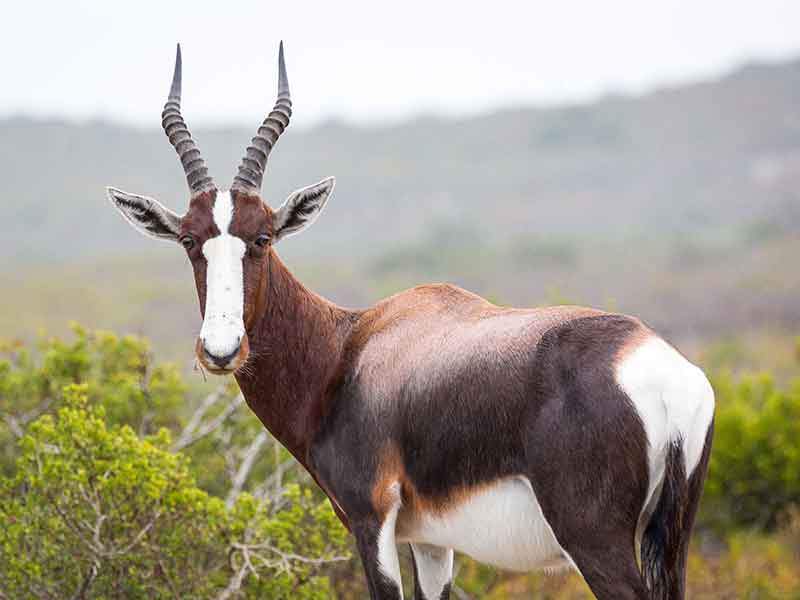
Damaliscus pygargus pygargus
The bontebok (Damaliscus pygargus pygargus) is a striking antelope species that captivates hunters with its unique appearance and elusive nature. Physically, these animals boast a glossy, reddish-brown coat with a distinctive white blaze running from the horns down to the muzzle, accented by white patches on the rump and underbelly. Males and females both sport lyre-shaped horns that curve backward, with males' horns typically reaching 14-18 inches in length. Adults stand about 3. 5 to 4 feet at the shoulder, weighing between 130 to 220 pounds, making them a medium-sized quarry that's agile and alert. Native to the fynbos vegetation of South Africa's Western Cape, bonteboks thrive in open grasslands and shrublands where they can graze on short grasses and herbs. They're social creatures, often forming small herds of 6 to 30 individuals led by a dominant male, but they can be territorial during mating seasons. Their behavior includes keen vigilance against predators, with a habit of standing still to blend into the landscape before bolting at high speeds—up to 50 mph—making them a thrilling pursuit for spot-and-stalk hunters. Historically, bonteboks were confined to a tiny range in the Cape region, nearly driven to extinction in the 19th century due to overhunting and habitat loss. Today, their distribution has expanded through conservation efforts to protected reserves and private game farms across South Africa, with some populations introduced to Namibia and Botswana. For hunters, the bontebok's sharp senses and speedy escapes demand patience and precision, often requiring long-range shots or careful tracking. Their horns make for impressive trophies, symbolizing a successful ethical hunt. Conservation-wise, the species has bounced back from the brink and is now classified as Least Concern by the IUCN, though regulated hunting plays a key role in sustainable management, ensuring populations remain healthy while supporting local economies. Always check local regulations for permits to hunt this resilient beauty responsibly.
Hunt facts
- Countries
- South Africa
- Hunt regions
-
South Africa: Western Cape
- Habitat
- Grassland Coastal
- Best time to hunt
- May–August (Cape winter)
- Mass
- 50–80 kg (110–176 lb)
- Trophy minimum
-
- SCI (inches): 36
- SCI bow: 32
- Rowland Ward (inches): 14
- Rowland Ward record: 16 6/8
Typical record-book minimums; confirm the current edition with your professional hunter.
Where to Find Bontebok
Bontebok, a striking antelope known for its glossy coat and white facial markings, are primarily found in the fynbos and renosterveld habitats of South Africa's Western Cape province. These open grasslands and shrublands provide ideal cover and foraging grounds, with the species thriving in coastal plains and valleys where protea and restio plants dominate the landscape.
For hunting, South Africa stands out as the premier destination, particularly in the Western Cape around areas like the Bontebok National Park vicinity and private game ranches in the Overberg region. Some opportunities exist on managed farms in the Eastern Cape, but always check local regulations and obtain permits through licensed outfitters. Hunting is not widely available elsewhere, as bontebok are endemic to this area and protected outside South Africa.
Seasonally, the dry summer months from November to March offer the best visibility, with animals congregating near water sources amid sparse vegetation. Winter rains from May to August can make terrain muddy and tracking more challenging, so plan accordingly.
The terrain features rolling hills, sandy soils, and low-lying bushes, often with rocky outcrops for vantage points. To locate them, scout early mornings or late afternoons when herds graze in open clearings. Look for fresh tracks near dams or rivers, and use binoculars to spot their distinctive white rumps from elevated positions. Patience is key, as bontebok are alert and often mingle with other antelope like blesbok for added camouflage.
Why Hunt Bontebok
People hunt Bontebok for several exciting reasons. This South African antelope stands out with its glossy brown coat, white face blaze, and curved horns. These features make it a prized trophy for hunters who value unique and beautiful animals.
Hunting Bontebok is fun and challenging. They are fast and alert, living in open grasslands. You need sharp stalking skills and patience to get close. Spotting one in the wild adds thrill to the adventure.
There are good reasons to hunt this species. Sustainable hunting helps control populations and supports conservation efforts. It also brings money to local communities through eco-tourism and permits. Plus, it connects hunters with nature and promotes wildlife management. Overall, Bontebok hunting combines excitement, skill, and positive impact.
Bontebok Hunting Tips
Hunting Bontebok, a striking South African antelope known for its white blaze and glossy coat, requires patience and respect for conservation efforts, as they are a protected species with limited permits available. The best methods involve spot-and-stalk techniques, where you glass open grasslands from a vantage point, then approach quietly on foot. Bowhunting is possible for skilled archers, but rifle hunting dominates due to the animal's alertness and the need for precision at 150-300 yards.
For equipment, opt for a flat-shooting rifle in calibers like . 243 Winchester, 6. 5 Creedmoor, or . 270 Winchester, paired with a quality scope (3-9x or variable) for clear shots in varied terrain. Use premium bullets like Barnes TTSX for ethical kills. Shot placement is critical: aim for the heart-lung area just behind the shoulder when broadside, or the base of the neck for a quick drop if facing you. Avoid gut shots, as they lead to prolonged suffering and lost animals.
Tracking and stalking tips include moving slowly against the wind, using natural cover like bushes or ridges, and watching for herd behavior—Bontebok often alert with a stiff-legged trot. Hunt during early mornings or late afternoons when they're most active, and target the dry winter season (May to August) for better visibility and milder weather in their native fynbos habitat.
Common mistakes to avoid: rushing shots, underestimating their speed (they can bolt at 50 mph), or ignoring permit regulations, which could result in fines. Safety considerations are paramount—always confirm your target and beyond, wear blaze orange if required, and hunt with a guide in unfamiliar areas to prevent accidents or encounters with other wildlife like cape buffalo. Remember, ethical hunting preserves this beautiful species for future generations.
Featured Outfitters for Bontebok
View all



Hunt packages with Bontebok
Curated hunt ideas — no price on the page. Enquire and we'll match outfitters after review.
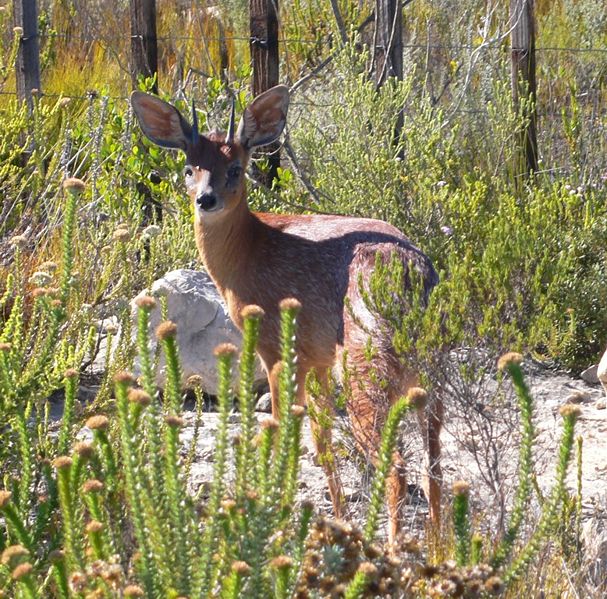
Western Cape Mountain & Plains — 7 Days
7 days · South Africa
7-day western cape mountain & plains — bontebok, cape grysbok, springbok in Western Cape fynbos and Karoo fringe.
$9,200 – $10,800
Plan Your Bontebok Hunt
Submit a free enquiry and we'll match you with outfitters who hunt Bontebok in your region.
Sign Up to Enquire Aardwolf
 Abyssinian Bushbuck
 Baboon
 Bat-Eared Fox
 Bay Duiker
 Beisa Oryx