Blesbok Hunting
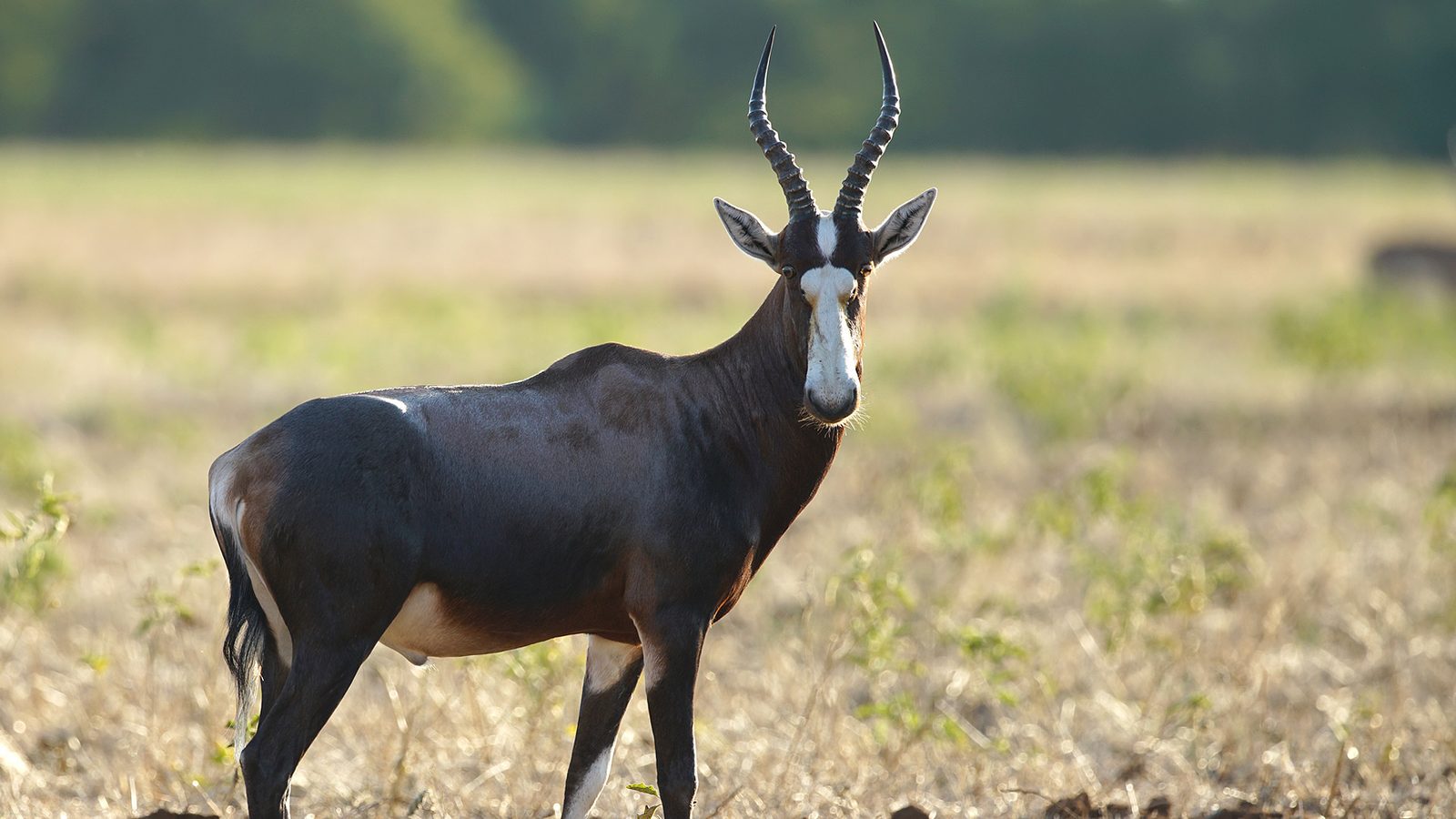
Damaliscus pygargus phillipsi
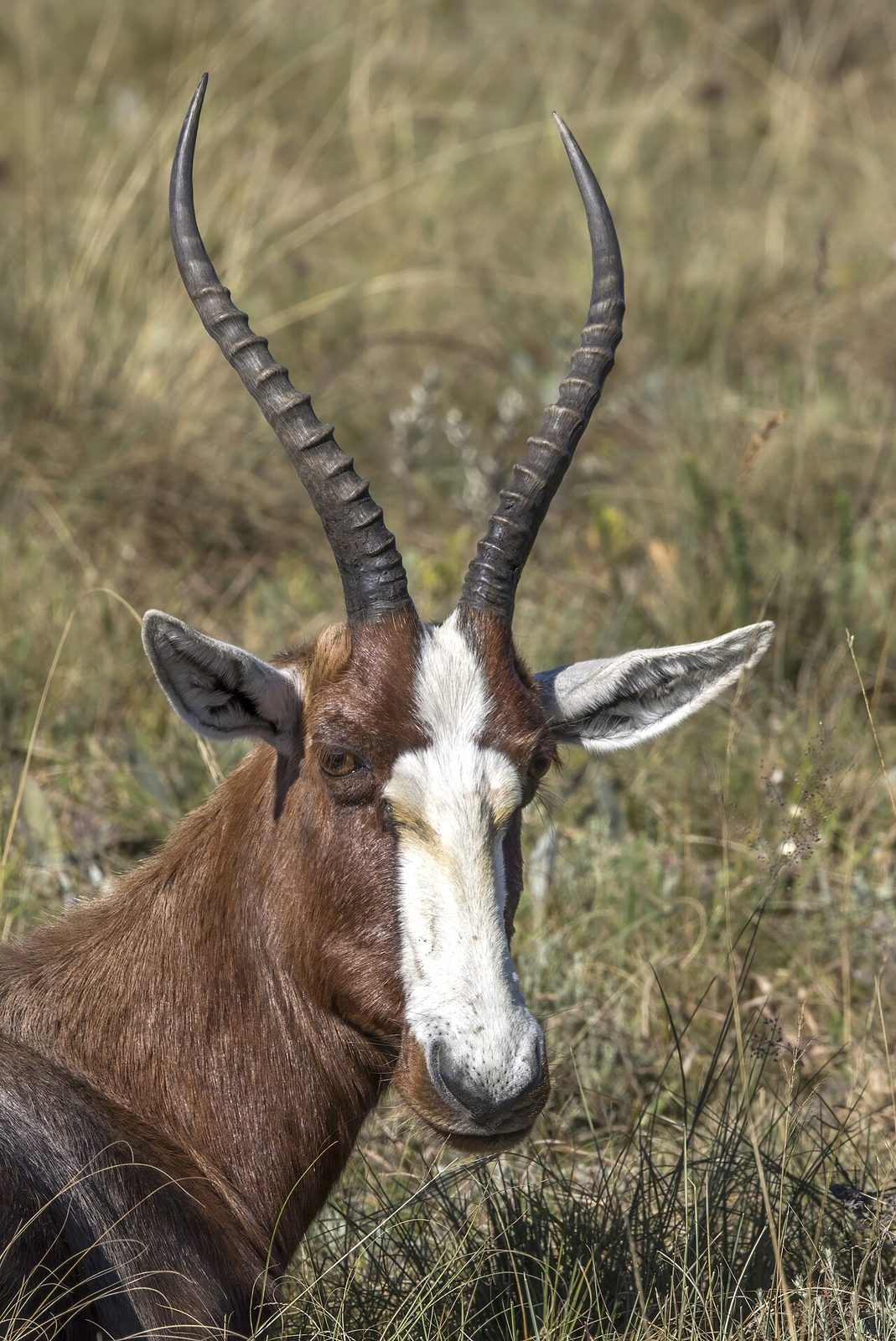
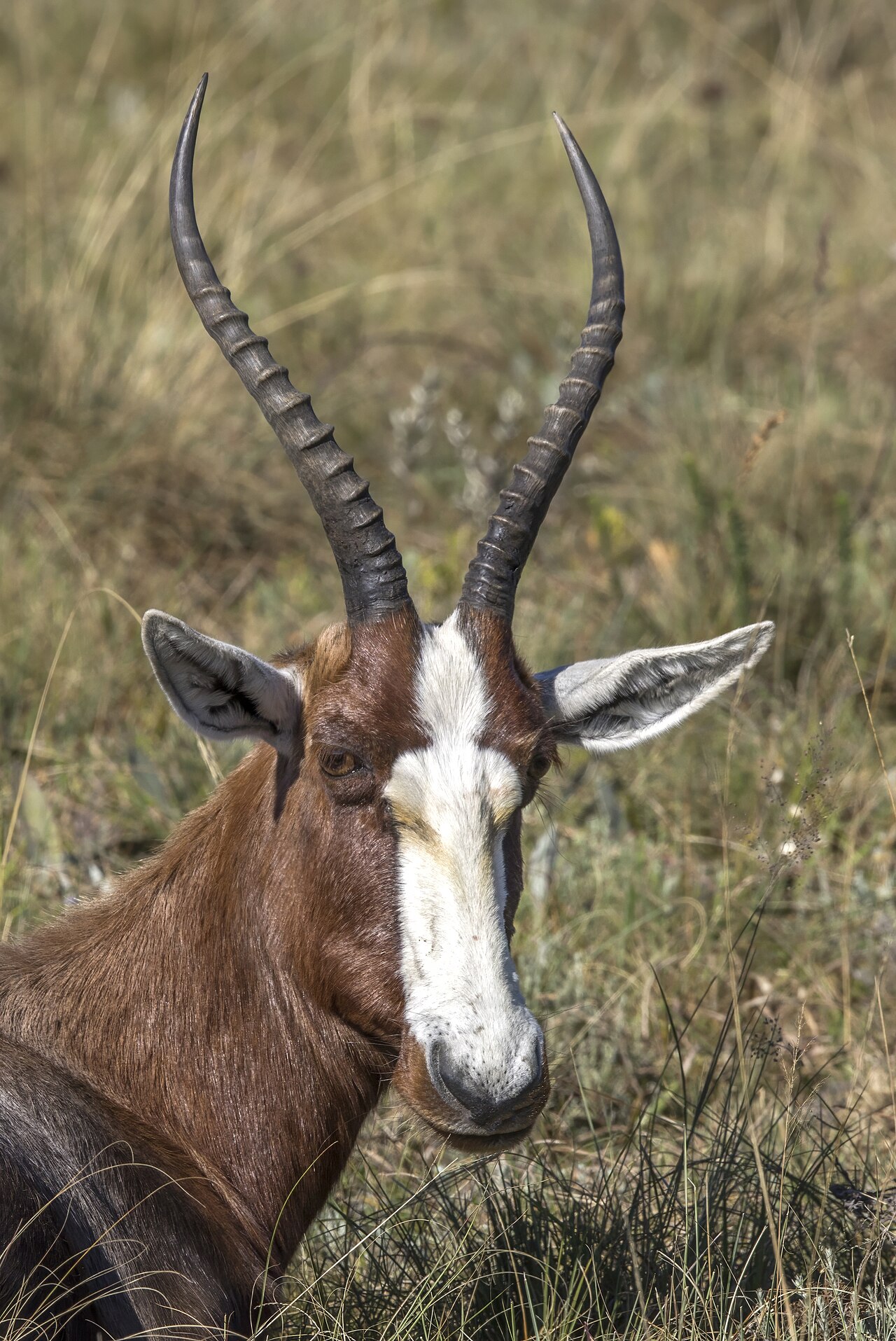
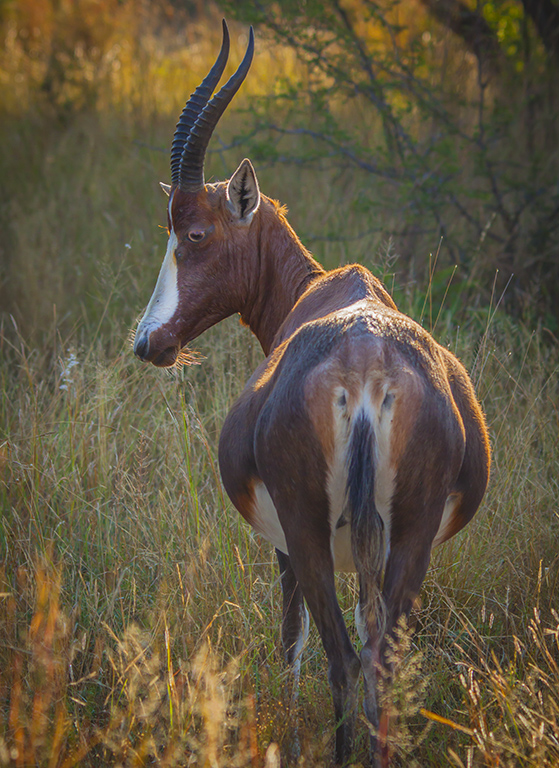
The blesbok, scientifically known as Damaliscus pygargus phillipsi, is a striking antelope that captivates hunters with its unique appearance and challenging pursuit. Native to the grasslands of South Africa, this medium-sized species stands out for its glossy reddish-brown coat, contrasted by a bright white face, underbelly, and rump patch that resembles a saddle. Adult males typically weigh between 120 and 180 pounds, with a shoulder height of 33 to 39 inches, while females are slightly smaller. Both sexes sport ringed horns, but those on mature rams curve gracefully backward and inward, often measuring 14 to 18 inches—making them a coveted trophy for any safari enthusiast. Blesbok thrive in open savannas and highveld grasslands, where they graze on short grasses and form large herds for protection against predators like lions and hyenas. They're known for their alertness and speed, capable of reaching bursts up to 40 mph, which adds an element of thrill to the hunt. Territorial during the rut, males engage in dramatic displays and clashes, providing hunters with opportunities to observe fascinating behaviors before taking a shot. Their keen senses mean a stalk must be precise and patient, often requiring long-range marksmanship in vast, open terrain. Primarily distributed across South Africa's Free State, Eastern Cape, and Gauteng provinces, blesbok have also been introduced to private game ranches and reserves in Namibia and Botswana for sustainable hunting programs. For hunters, the blesbok's distinctive blaze and robust build make it an ideal entry-level plains game species, offering high success rates yet demanding respect for its agility. Conservation-wise, the species is listed as Least Concern by the IUCN, thanks to effective management through regulated hunting and ranching, which has bolstered populations from near-extinction in the early 20th century to over 50,000 today. Pursuing a blesbok not only delivers an exhilarating experience but also supports vital wildlife conservation efforts in Africa.
Hunt facts
- Countries
- South Africa
- Hunt regions
-
South Africa: Eastern Cape Free State Gauteng Limpopo Mpumalanga North West Northern Cape
- Habitat
- Grassland
- Best time to hunt
- May–October (Dry season)
- Mass
- 55–80 kg (121–176 lb)
- Trophy minimum
-
- SCI (inches): 40
- SCI bow: 35
- Rowland Ward (inches): 16 4/8
- Rowland Ward record: 20 5/8
Typical record-book minimums; confirm the current edition with your professional hunter.
Where to Find Blesbok
Blesbok, a striking antelope species known for its white face blaze and lyre-shaped horns, thrive primarily in open grasslands and savanna habitats across southern Africa. These animals prefer short-grass plains where they can graze on fresh vegetation and spot predators from afar, often in areas with scattered acacia trees or light bush for minimal cover.
The best countries for hunting blesbok are South Africa and Namibia, with South Africa offering the most opportunities on private game ranches and reserves. Prime areas include the Free State province, Eastern Cape, and parts of the Karoo region in South Africa, where populations are abundant due to conservation efforts and introductions. Namibia's central highlands and private farms also host healthy herds, though permits are required.
Hunting seasons vary by location but are often year-round on private land in South Africa; however, the dry winter months from May to September are ideal, as blesbok congregate near waterholes and are more visible in sparse vegetation. Avoid the wet summer (November to March) when grass is tall and animals disperse.
Terrain typically features flat to rolling open plains with red soil, dry riverbeds, and occasional rocky outcrops, creating an arid to semi-arid environment with temperatures ranging from cool mornings to hot afternoons.
For locating them, scout early morning or late afternoon when herds are active and grazing. Focus on water sources like dams or rivers, as blesbok drink regularly. Use binoculars to scan horizons for their distinctive white markings, and approach from downwind to avoid detection in the open landscape. Patience is key, as they often form large groups for safety.
Why Hunt Blesbok
Hunters are drawn to the blesbok for its striking trophy qualities, featuring a distinctive white blaze on the face that contrasts beautifully against its reddish-brown coat, along with elegant, lyre-shaped horns that can reach up to 18 inches. These attributes make for an impressive mount that showcases the animal's unique beauty and symmetry, appealing to collectors who value rarity and aesthetics.
The hunting challenge adds immense excitement, as blesbok are alert and swift, often found in open grasslands where spotting and stalking demand sharp skills and patience. Their herd dynamics create thrilling pursuits, with the adrenaline rush of a well-executed spot-and-stalk hunt in vast African plains, testing marksmanship and endurance against evasive prey.
Culinary enthusiasts prize blesbok meat for its lean, tender quality and mild, gamey flavor, perfect for venison-style dishes like grilled steaks or hearty stews. It's a healthy, sustainable protein source that's low in fat and rich in nutrients, elevating post-hunt meals to gourmet experiences.
Culturally, blesbok hunting ties into South African traditions, symbolizing a connection to the land and heritage of early settlers and indigenous trackers, fostering respect for wildlife through time-honored practices.
From a conservation standpoint, regulated hunting supports blesbok populations by funding habitat protection and anti-poaching efforts, ensuring thriving herds while promoting ethical wildlife management.
What sets blesbok apart is the unique experience of immersing in the savanna's raw beauty, from dawn patrols amid acacia trees to the camaraderie of sharing stories around a campfire, creating unforgettable memories that blend adventure with nature's splendor.
Blesbok Hunting Tips
Hunting blesbok, a striking South African antelope known for its white face and blaze, requires patience and precision. The best methods involve spot-and-stalk techniques, where you glass open grasslands from a vantage point, then quietly approach within 200-300 yards. Bowhunting is viable for skilled archers, but rifle hunting dominates due to the animal's alertness and speed.
For equipment, opt for a flat-shooting rifle in calibers like . 243 Winchester, . 270, or 7mm Remington Magnum, paired with a quality scope (3-9x or similar) for accurate long-range shots. Use expanding bullets around 100-150 grains to ensure ethical kills.
Shot placement is crucial: aim for the vital heart-lung area just behind the shoulder when broadside, or the base of the neck for a frontal shot to drop them quickly and minimize suffering.
When tracking and stalking, move slowly against the wind to avoid detection, as blesbok have keen senses. Look for fresh tracks in sandy soil or near waterholes, and use binoculars to spot herds from afar. Early mornings and late afternoons are prime times, when they're active and feeding; hunt during the dry season (May to September in South Africa) for better visibility and animal concentration around water.
Common mistakes include rushing shots, which spook the herd, or ignoring wind direction, leading to scented alerts. Always confirm your target to avoid shooting similar species like bontebok.
Safety first: follow local regulations, hunt with a licensed guide if required, wear blaze orange where mandated, and never shoot without a clear backstop to prevent accidents. Respect the animal and environment for a sustainable hunt.
Featured Outfitters for Blesbok
View all




Hunting Tips & Guides
All tips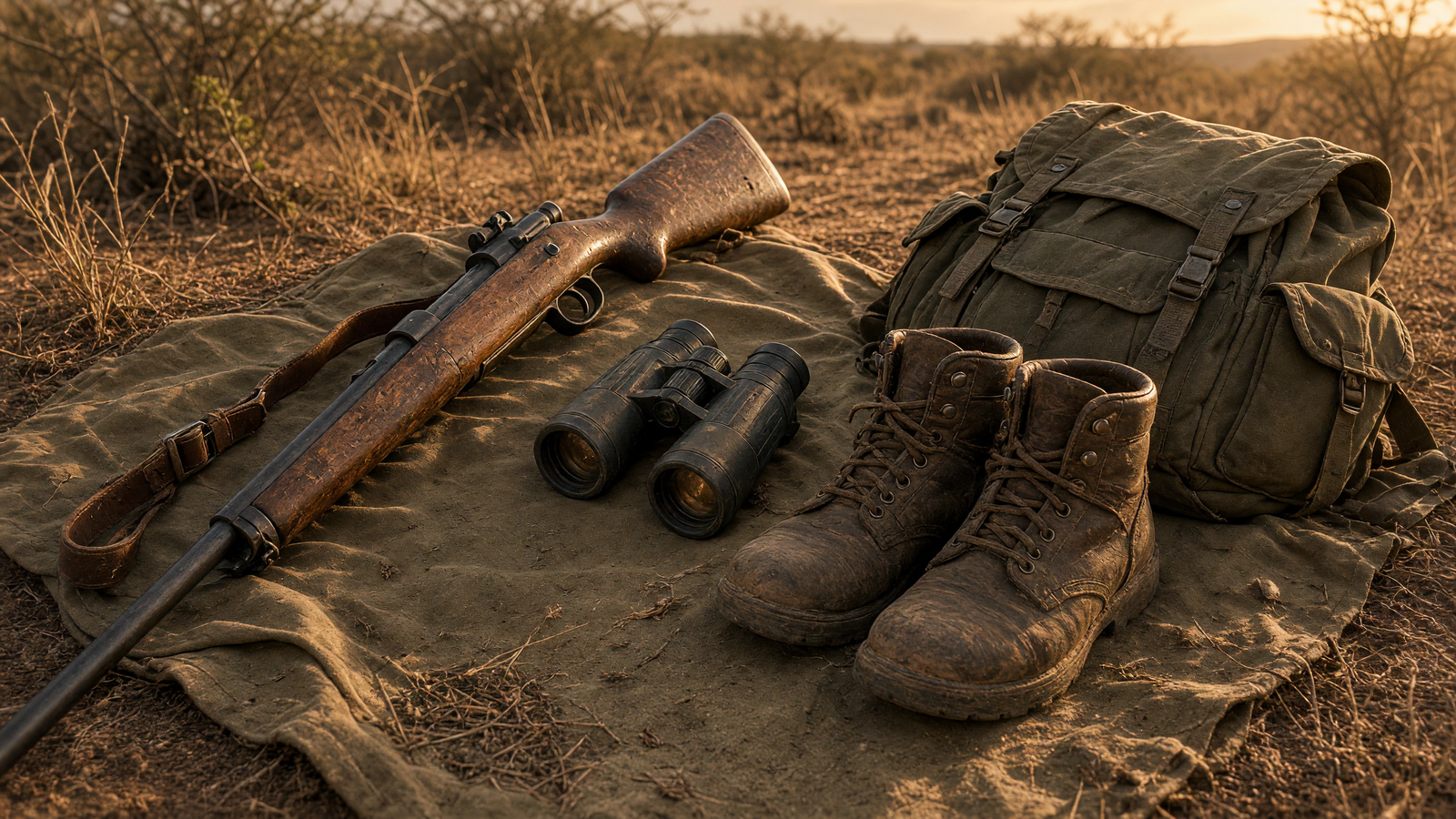
Essential Gear for Your First Hunt
When preparing for your first hunting trip, having the right gear is crucial for both success and safety. Here's a …
Read more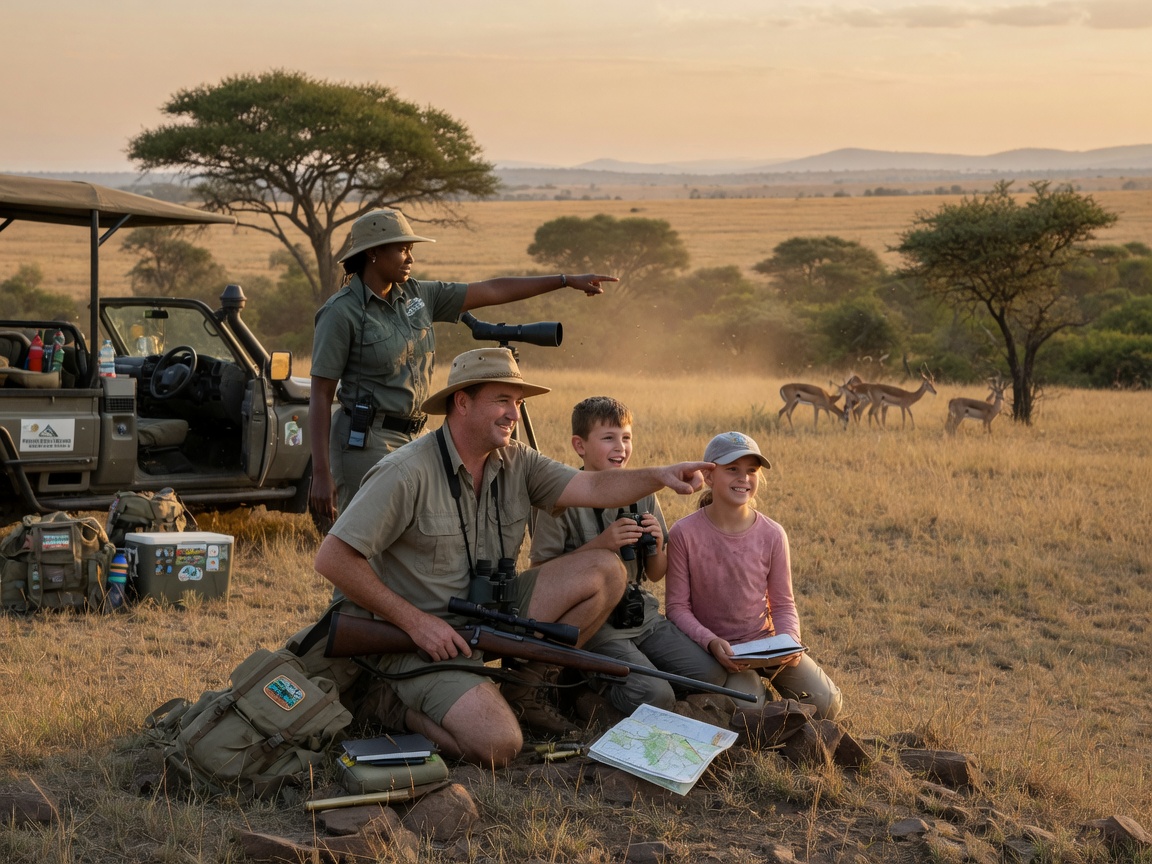
Family Safari Hunts: What Beginners Should Expect
Learn what beginners should expect on family safari hunts, including planning tips, daily experiences, ethics, costs, and conservation benefits for …
Read more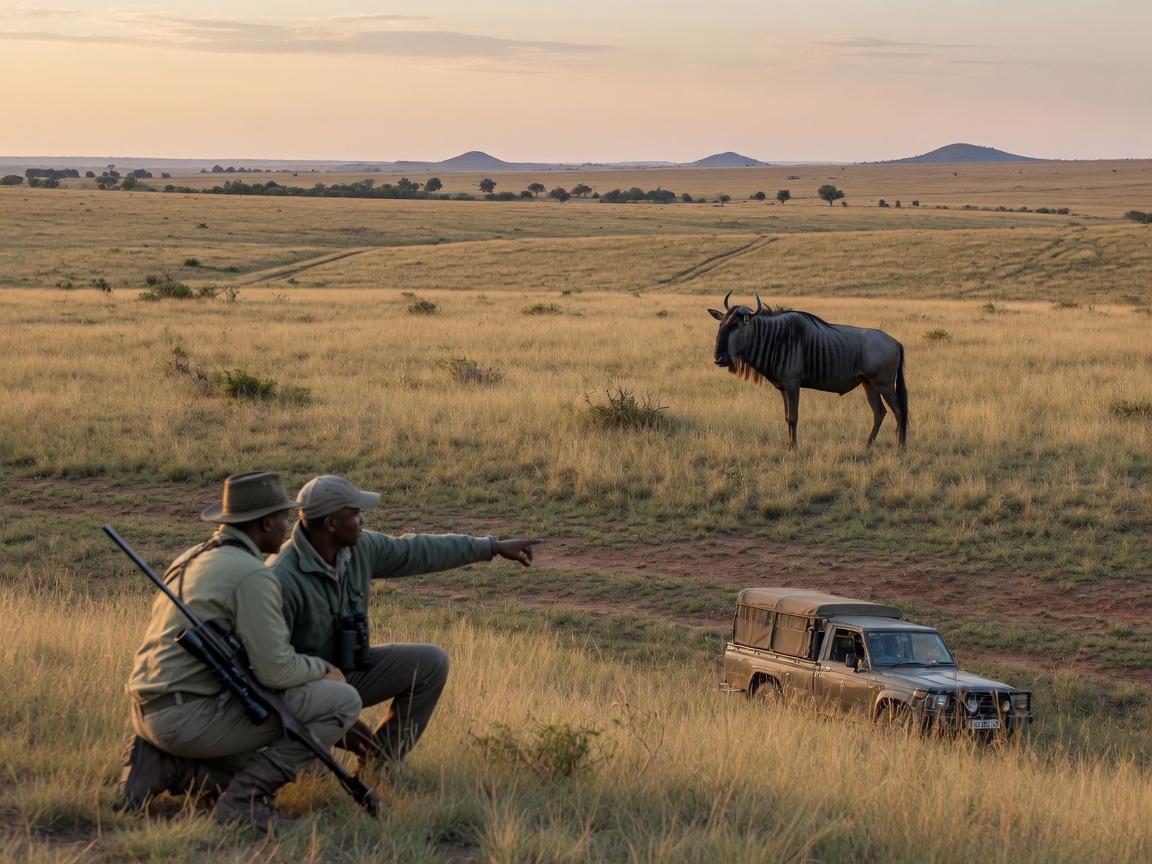
Hunting Blue Wildebeest in Free State Grasslands
Expert guide to hunting blue wildebeest in South Africa's Free State grasslands. Tactics, ethics, gear, and conservation tips for plains …
Read moreHunt packages with Blesbok
Curated hunt ideas — no price on the page. Enquire and we'll match outfitters after review.
 Featured
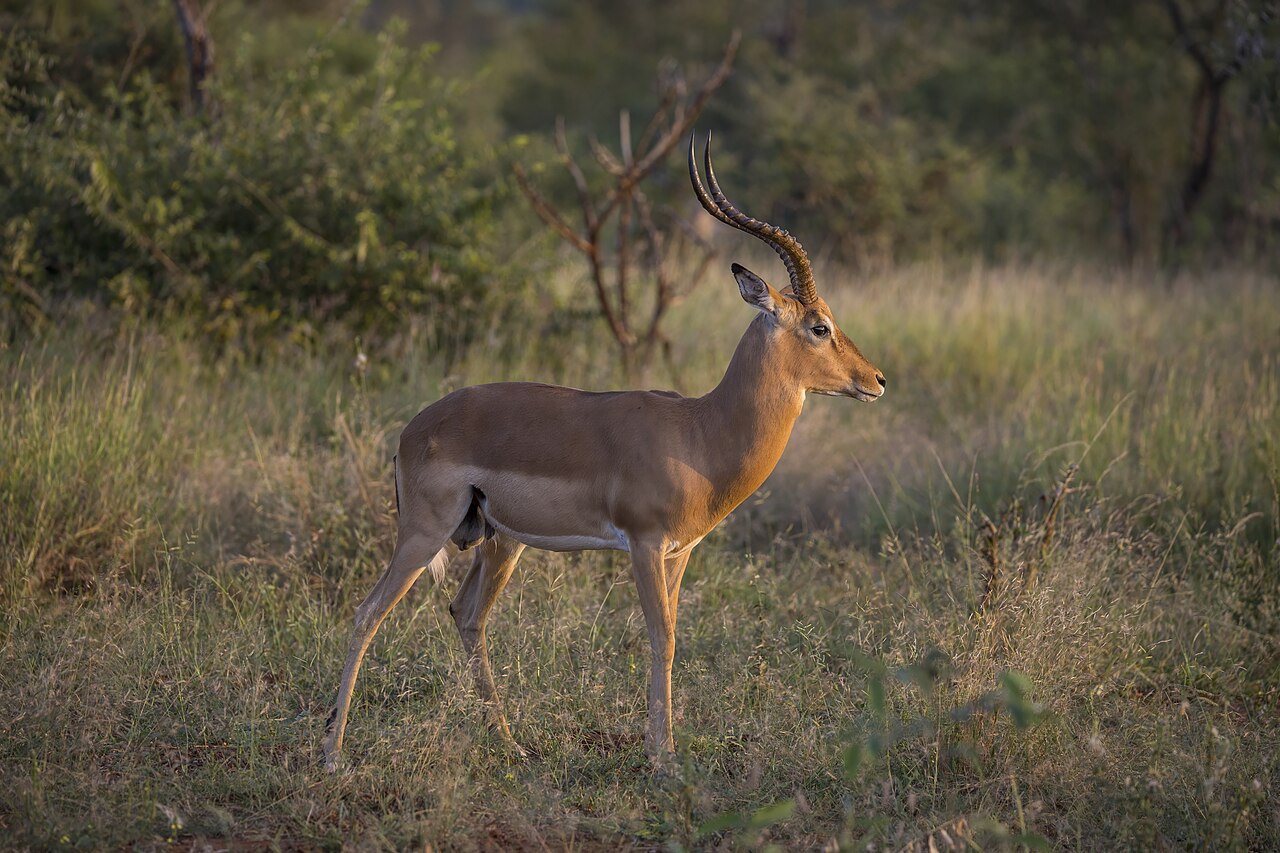
South Africa Plains Game — 10 Days
10 days · South Africa
Ten days on a Limpopo bushveld ranch — impala, blesbok, wildebeest, warthog and nyala from the same acacia savanna and riverine valleys.
$8,800 – $9,700
Eastern Cape Plains — 7 Days
7 days · South Africa
Seven days Eastern Cape plains — springbok, blesbok, black wildebeest and mountain reedbuck.
$6,200 – $6,900
Free State Highveld Plains — 7 Days
7 days · South Africa
7-day free state highveld plains — blesbok, black wildebeest, springbok in Free State highveld grassland.
$7,800 – $8,800
Free State Colour Variants — 7 Days
7 days · South Africa
7-day free state colour variants — white blesbok, copper blesbok, yellow blesbok in Free State ranch plains.
$8,500 – $9,800
Gauteng Day-Drive Plains — 5 Days
5 days · South Africa
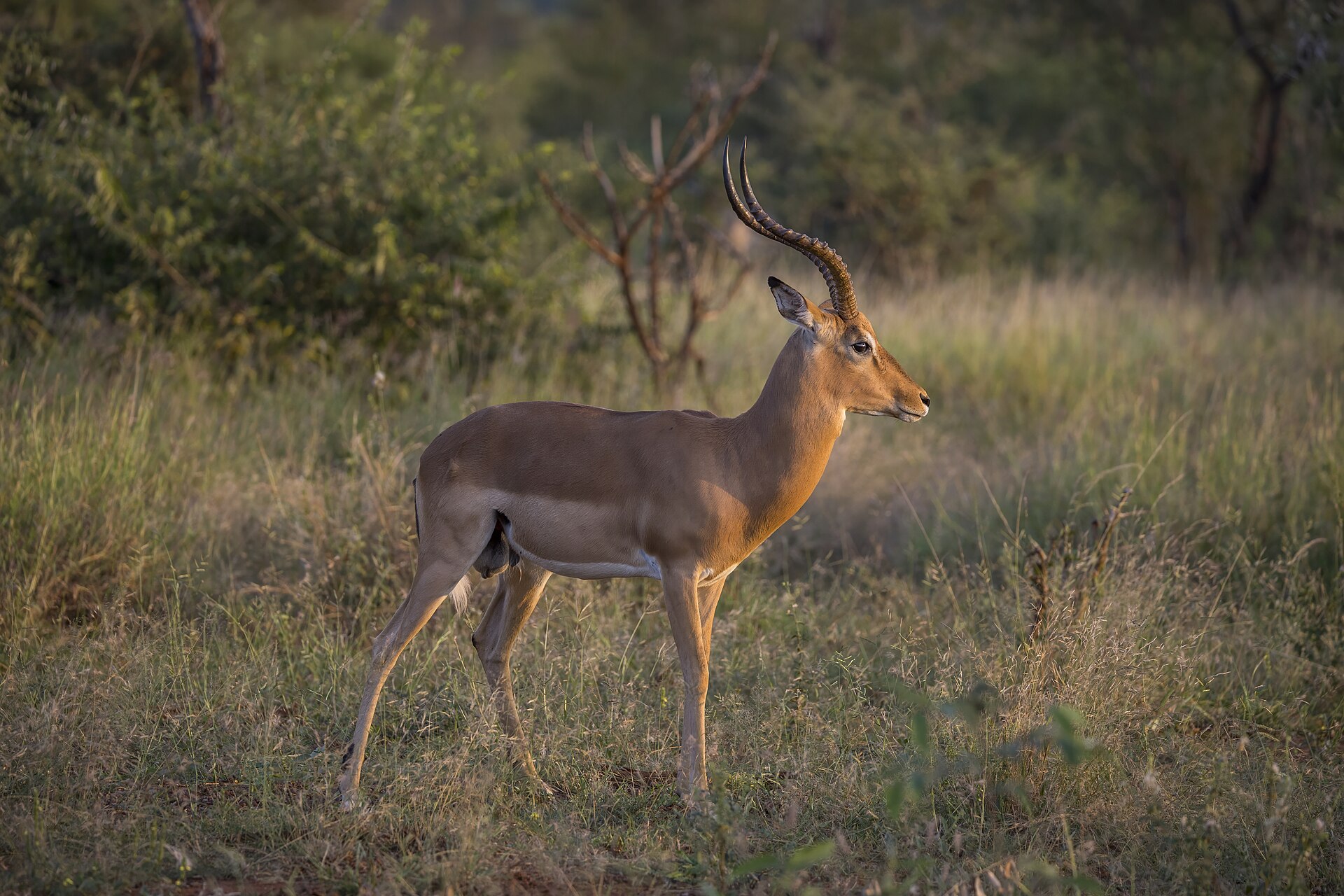
5-day gauteng day-drive plains — impala, blesbok, warthog in Gauteng highveld / bushveld fringe.
$5,500 – $6,500
Eastern Cape Bow Mountain — 7 Days
7 days · South Africa
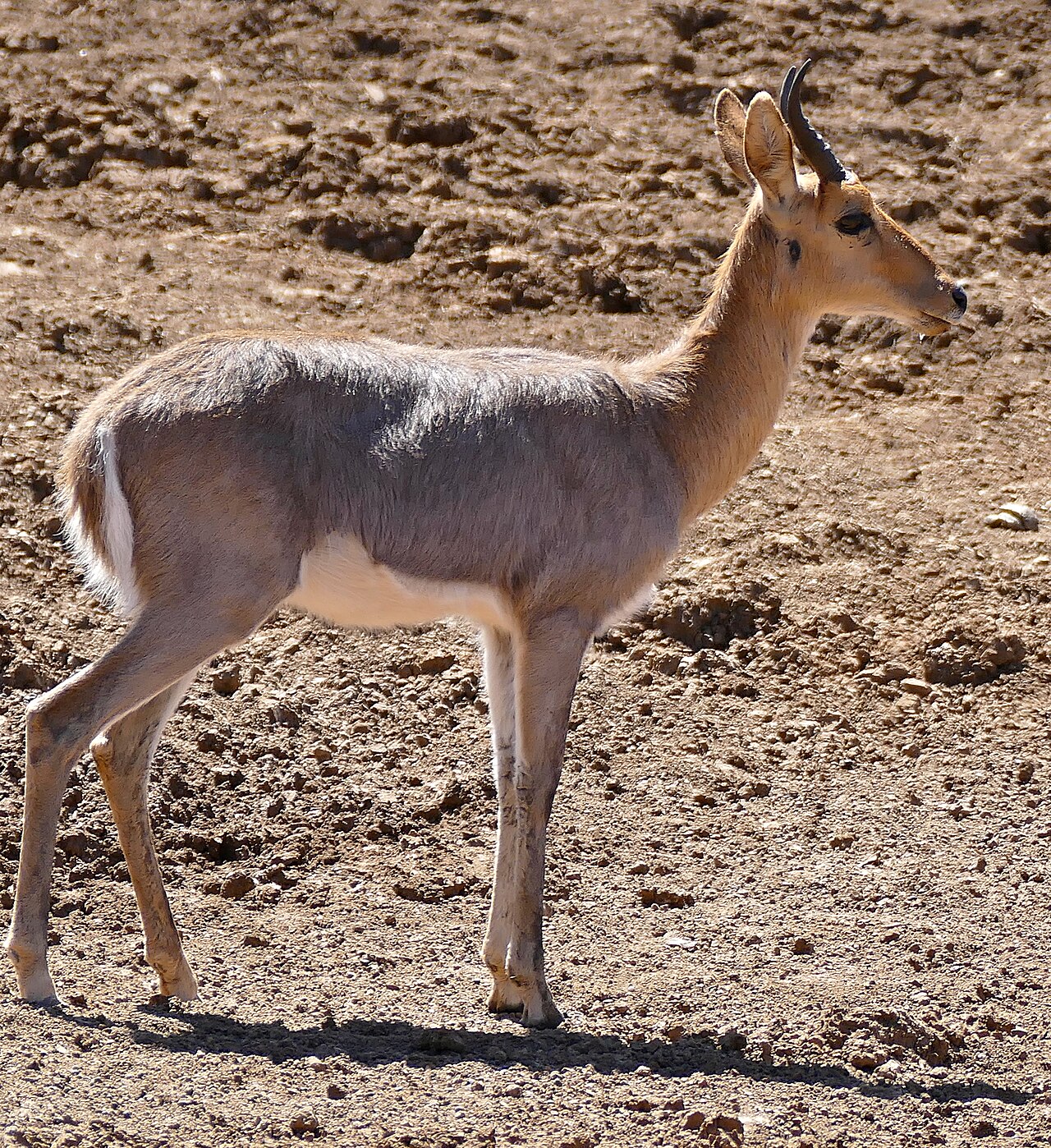
7-day eastern cape bow mountain — mountain reedbuck, springbok, blesbok in Eastern Cape ridges (bow).
$8,200 – $9,400
Plan Your Blesbok Hunt
Submit a free enquiry and we'll match you with outfitters who hunt Blesbok in your region.
Sign Up to Enquire Aardwolf
 Abyssinian Bushbuck
 Baboon
 Bat-Eared Fox
 Bay Duiker
 Beisa Oryx