Bushpig Hunting
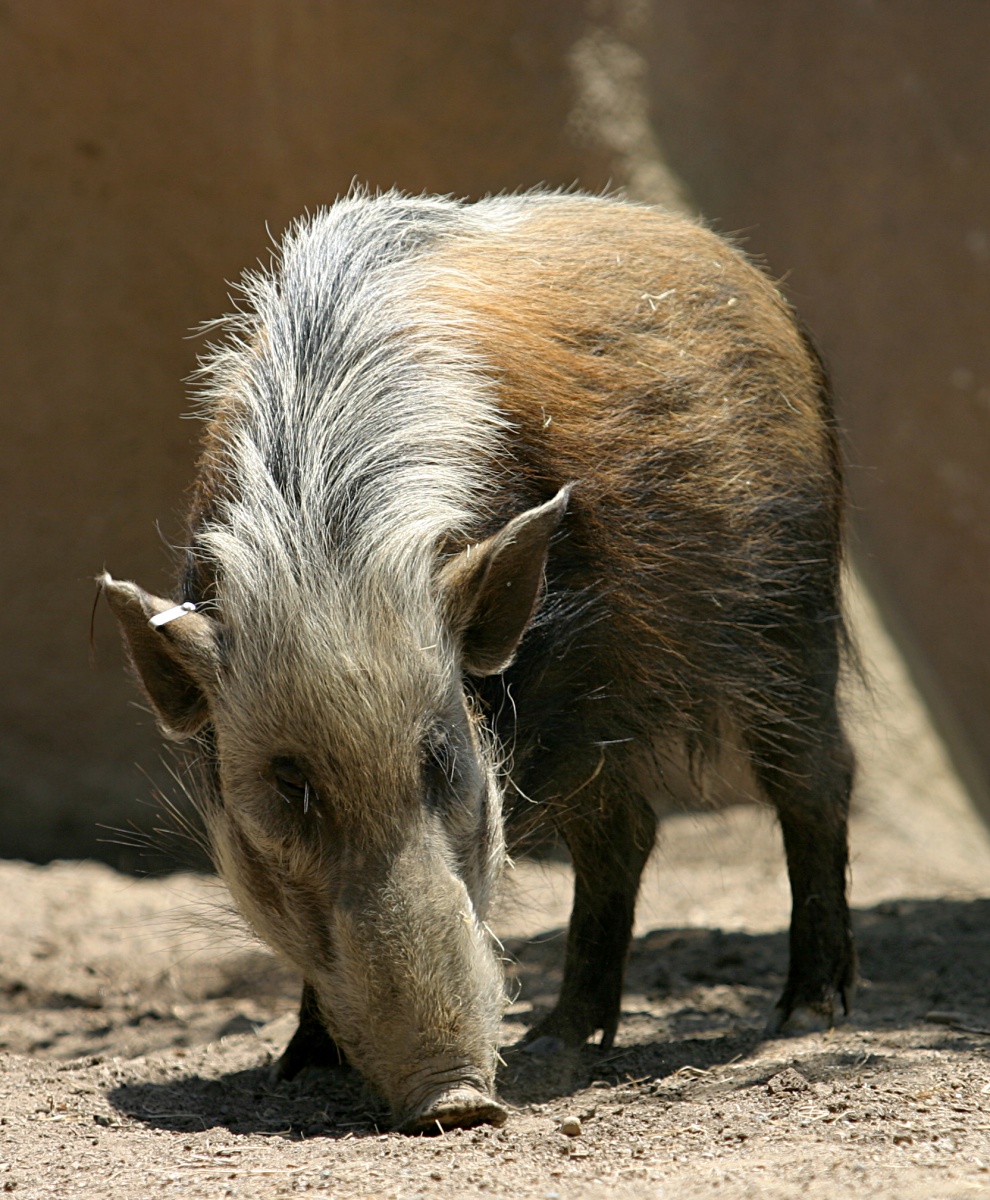
Potamochoerus larvatus
The bushpig (Potamochoerus larvatus) is a rugged and elusive wild swine that offers hunters an exhilarating challenge in the African bush. Physically, these pigs are stocky with a coarse, reddish-brown to dark gray coat that helps them blend into dense vegetation. Males are larger, weighing between 130 to 330 pounds and measuring up to 5 feet in length, while females are slightly smaller at 120 to 220 pounds. Both sexes sport sharp tusks, but the males' can grow up to 10 inches, curving outward for defense. Their distinctive white facial mask and mane of stiff hair along the back add to their fierce appearance, making them a striking trophy. Bushpigs thrive in thick forests, woodlands, and bushy savannas where they can root for food like tubers, fruits, and small animals. They're primarily nocturnal, foraging in family groups called sounders of up to a dozen individuals, led by a dominant sow. Known for their intelligence and wariness, they evade predators with speed and agility, often charging aggressively if cornered—hunters beware, as those tusks can inflict serious wounds. Native to sub-Saharan Africa, their range spans from South Africa northward through countries like Zimbabwe, Mozambique, Tanzania, and Kenya, with populations also in parts of Ethiopia and Sudan. They adapt well to human-altered landscapes, sometimes raiding crops, which can lead to permitted culls. For hunters, bushpigs are a prime target due to their cunning nature and the thrill of tracking them through dense cover. Spot-and-stalk methods or baiting work best, but patience is key—their keen senses make them tough to approach. The meat is lean and flavorful, similar to wild boar, perfect for bushveld barbecues. Conservation-wise, the species is listed as Least Concern by the IUCN, with stable populations, though sustainable hunting practices are encouraged to manage local overabundance and support wildlife economies. Pursuing a bushpig isn't just a hunt; it's a test of skill against one of Africa's wiliest survivors.
Hunt facts
- Countries
- Botswana Mozambique South Africa Tanzania Uganda Zambia Zimbabwe
- Hunt regions
-
Botswana: Chobe North WestMozambique: Gaza Manica Niassa Sofala Tete ZambeziaSouth Africa: Eastern Cape Gauteng KwaZulu-Natal Limpopo Mpumalanga North West Western CapeTanzania: Arusha Katavi Lindi Manyara Morogoro Pwani Rukwa Simiyu Singida TaboraUganda: Central Northern WesternZambia: Central Eastern Luapula Muchinga North-Western Southern WesternZimbabwe: Manicaland Mashonaland Central Mashonaland West Masvingo
- Habitat
- Bushveld Forest Riverine
- Best time to hunt
- May–October (Dry season)
- Mass
- 60–150 kg (132–331 lb)
- Trophy minimum
-
- SCI (inches): 12
- SCI bow: 9
- Rowland Ward (inches): 6
- Rowland Ward record: 9
Typical record-book minimums; confirm the current edition with your professional hunter.
Where to Find Bushpig
Bushpigs, also known as Potamochoerus larvatus, thrive in dense, vegetative habitats across sub-Saharan Africa, favoring riverine forests, thick bushlands, and wooded savannas where cover is abundant. They prefer areas with ample water sources like rivers, swamps, and seasonal wetlands, often overlapping with agricultural lands where they raid crops.
Prime hunting destinations include South Africa, particularly in the Limpopo and Eastern Cape provinces, as well as Zimbabwe's lowveld regions, Tanzania's Selous Game Reserve, and Mozambique's Niassa Reserve. These areas offer regulated hunts with outfitters specializing in bushpig pursuits.
Hunting is viable year-round, but the dry season (May to October) is optimal when pigs concentrate near waterholes and visibility improves in sparser foliage. Wet seasons can make tracking harder due to mud and dense growth.
Terrain typically involves rugged, thorny bush with uneven ground, requiring sturdy boots and quiet movement. Bushpigs are nocturnal, so hunts often occur at dawn, dusk, or via baited blinds near feeding sites.
To locate them, scout for fresh tracks—distinct cloven hooves with dew claws—and signs of rooting in soil or wallows. Listen for grunts or rustling in thickets, and check crop edges or fruiting trees where they forage. Using trail cameras or local guides enhances success in these elusive environments.
Why Hunt Bushpig
Bushpigs, the elusive wild boars of Africa's dense bushlands, draw hunters with their impressive trophy qualities. Boasting razor-sharp tusks that can exceed 10 inches and a robust, muscular build often tipping the scales at over 200 pounds, a mature bushpig boar makes for a striking mount, symbolizing raw power and resilience.
The thrill of the hunt is unmatched—bushpigs are nocturnal masters of evasion, charging through thick undergrowth with ferocious speed and aggression when cornered. Tracking them demands sharp skills in spotting signs like rootings and wallows, often leading to heart-pounding close-quarters encounters that test a hunter's nerve and precision.
Culinary rewards are equally enticing; their lean, flavorful meat rivals premium pork, perfect for sausages, roasts, or slow-cooked stews infused with African spices, providing a true farm-to-table experience from the wild.
In many African cultures, bushpig hunting holds deep traditional significance, woven into rites of passage and community feasts that honor ancestral practices.
Regulated hunting supports conservation by funding anti-poaching efforts and habitat protection, while culling helps maintain balanced ecosystems and reduces crop damage for local farmers.
What sets bushpig pursuits apart is the immersive adventure—stalking under starlit skies, navigating thorny thickets, and emerging with stories of a beast that embodies Africa's untamed spirit, creating memories that last a lifetime.
Bushpig Hunting Tips
Bushpigs, known for their elusive and aggressive nature, are thrilling to hunt in African bushveld. The best methods include spot-and-stalk or baiting near waterholes and feeding areas, as they are nocturnal and prefer dense cover. Driven hunts with dogs can flush them out, but require experienced handlers to avoid chaos.
For equipment, use a reliable bolt-action rifle in calibers like . 308 Winchester or . 30-06 Springfield for sufficient stopping power; opt for heavy, expanding bullets around 180 grains to penetrate thick hides. A sturdy scope with low-light capabilities is essential, along with a good knife for field dressing.
Aim for vital shot placement: target the heart-lung area just behind the shoulder for a quick, ethical kill. Avoid headshots due to their tough skulls, which can deflect bullets.
Tracking involves following fresh spoor in muddy areas or along game trails, moving quietly upwind to avoid detection. Stalk slowly in thick vegetation, listening for grunts or rustling.
Hunt during early mornings or late evenings when bushpigs are active; the dry season (May to October) is ideal as they concentrate near water sources.
Common mistakes include underestimating their speed and aggression—never approach a wounded pig without caution, as they can charge. Rushing shots in low light often leads to poor hits.
Safety is paramount: always hunt with a partner, wear blaze orange for visibility, and carry a first-aid kit. Be aware of other dangerous game in the area, and ensure you're licensed and following local regulations to hunt sustainably.
Featured Outfitters for Bushpig
View allHunting Tips & Guides
All tips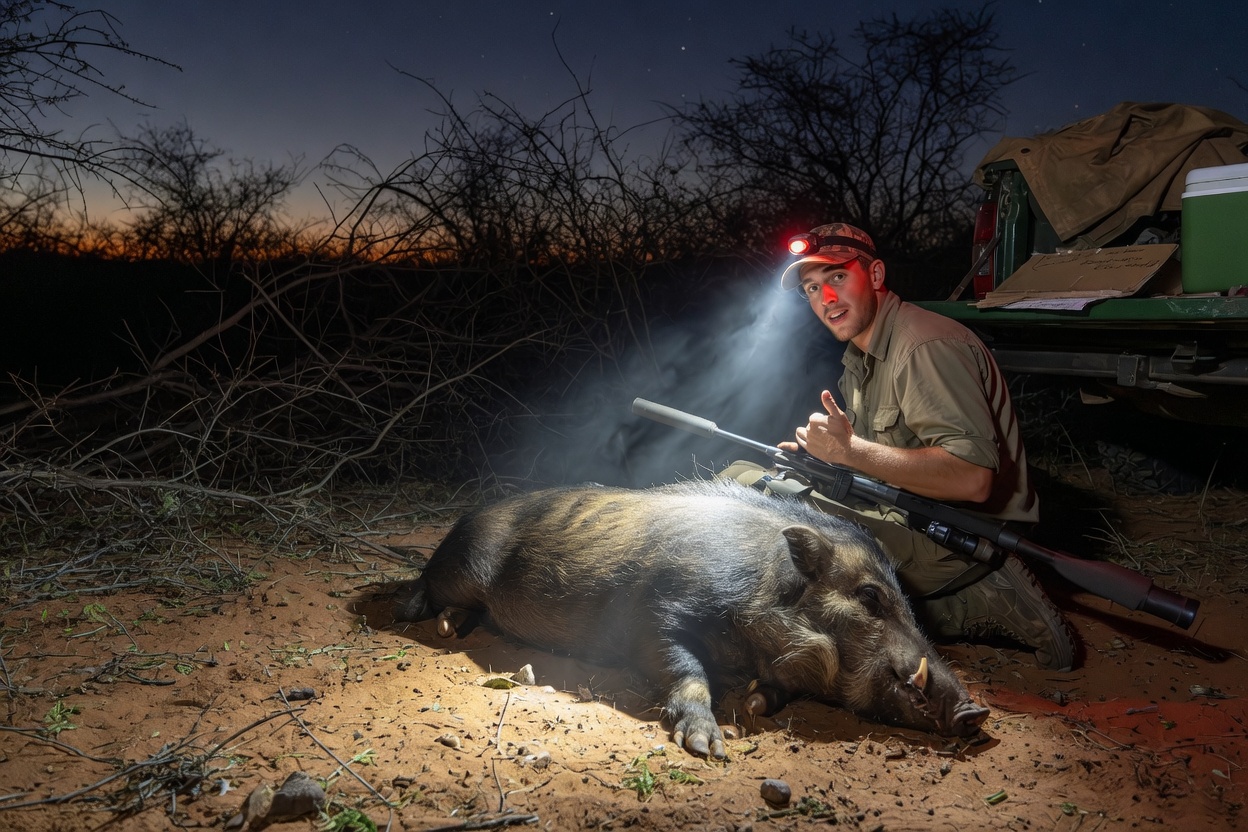
Thrilling First Night Hunt for Bushpig in Limpopo
Join a beginner's thrilling night hunt for bushpig in Limpopo's wild bushveld. Discover tips, ethics, and the adventure of African …
Read moreHunt packages with Bushpig
Curated hunt ideas — no price on the page. Enquire and we'll match outfitters after review.
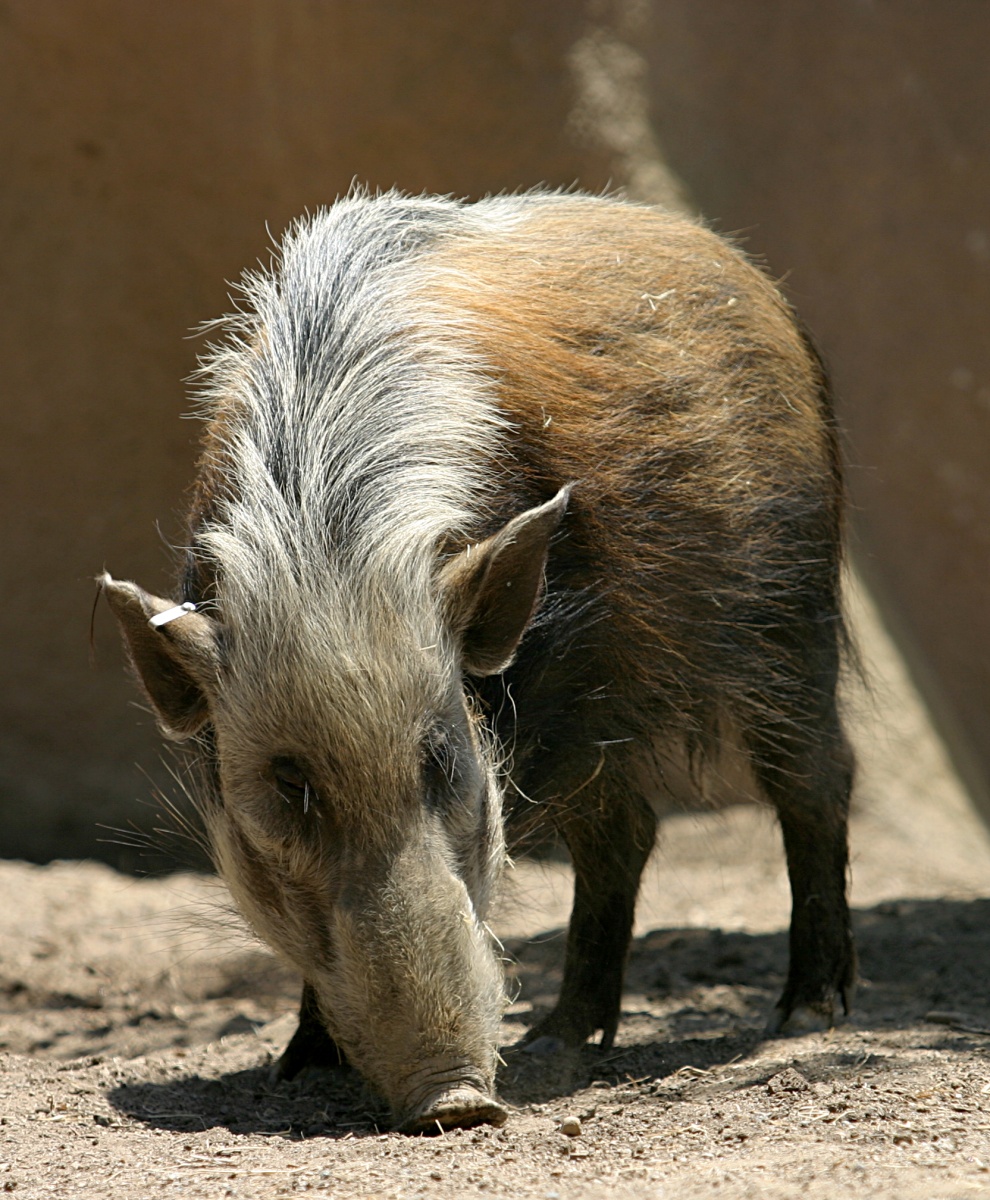
Midlands Bushpig Night — 5 Days
5 days · Zimbabwe
5-day midlands bushpig night — bushpig, warthog, bushbuck in Midlands woodland.
$5,500 – $6,500
Plan Your Bushpig Hunt
Submit a free enquiry and we'll match you with outfitters who hunt Bushpig in your region.
Sign Up to Enquire African Civet
 African Wildcat
 Baboon
 Bat-Eared Fox
 Bay Duiker
 Black-Fronted Duiker