Hippopotamus Hunting
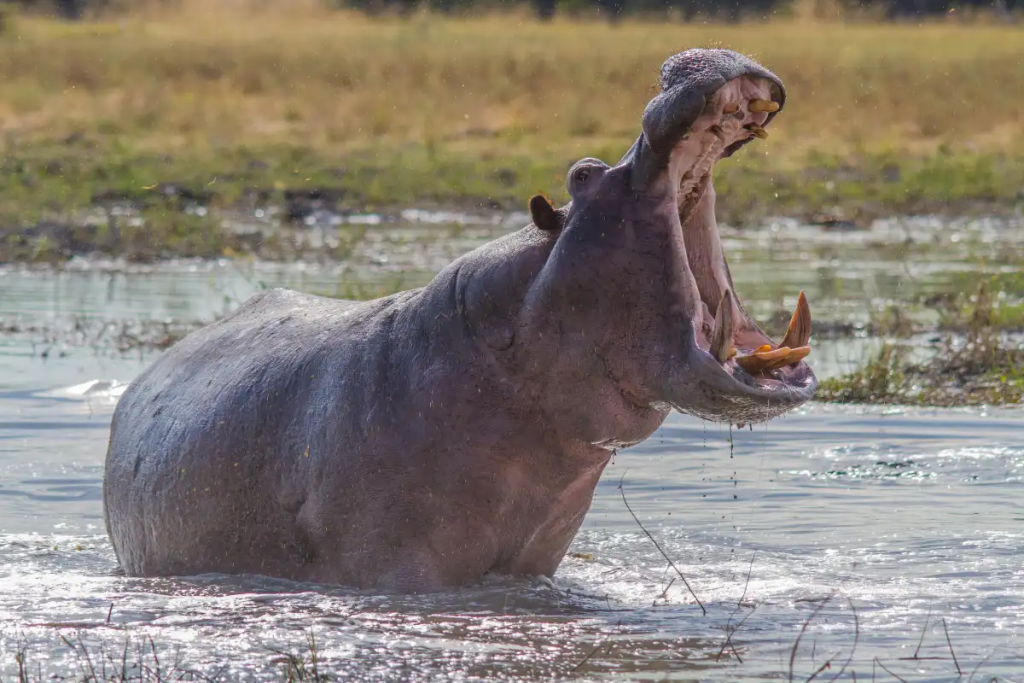
Hippopotamus amphibius
The hippopotamus, or Hippopotamus amphibius, is a colossal force of nature that commands respect from any hunter bold enough to pursue it. These massive semi-aquatic mammals can weigh up to 4,000 pounds, with males reaching lengths of 16 feet and standing 5 feet tall at the shoulder. Their barrel-shaped bodies are covered in thick, grayish-pink skin that secretes a reddish "blood sweat" to protect against sunburn and dehydration, giving them an almost otherworldly sheen. Short legs and a wide mouth lined with enormous tusks—up to 20 inches long—make them look like living tanks, capable of opening their jaws to a 150-degree angle for a bite that could crush a small boat. Hippos thrive in Africa's rivers, lakes, and swamps, where they spend their days submerged to stay cool, emerging at dusk to graze on grasses for up to five hours, consuming 100 pounds nightly. They're surprisingly territorial, especially in water, where dominant males defend harems aggressively. This behavior makes them unpredictable and dangerous; hippos cause more human fatalities in Africa than any other large animal, charging with startling speed on land—up to 20 mph—despite their bulk. Found across sub-Saharan Africa, from the Nile Delta to the Cape, hippos inhabit freshwater systems in countries like Zambia, Tanzania, and South Africa, though populations have dwindled in some arid regions due to habitat loss. For hunters, their sheer power and aggression are the draw—legal hunts often target problem animals in controlled areas, requiring heavy calibers like . 375 H&H for ethical takedowns. Spot their massive forms wallowing in rivers at dawn or hear their thunderous grunts echoing across the savanna, and you'll understand why they're a bucket-list trophy, demanding skill, patience, and profound respect for the wild. Conservation-wise, hippos are listed as vulnerable by the IUCN, with poaching for meat and ivory threatening their numbers, alongside damming and pollution. Responsible hunters support anti-poaching efforts, ensuring these river giants endure for future generations.
Hunt facts
- Countries
- Angola Botswana Mozambique Namibia South Africa Tanzania Uganda Zambia Zimbabwe
- Hunt regions
-
Angola: Cuando Cubango MoxicoBotswana: Chobe North WestMozambique: Manica Sofala Tete ZambeziaNamibia: Kavango East Kavango West ZambeziSouth Africa: KwaZulu-Natal Limpopo MpumalangaTanzania: Katavi Lindi Morogoro Pwani Rukwa Singida TaboraUganda: Northern WesternZambia: Eastern Muchinga SouthernZimbabwe: Mashonaland Central Mashonaland West Matabeleland North
- Habitat
- Wetland Riverine
- Best time to hunt
- June–October (Low water)
- Mass
- 1300–1800 kg (2866–3968 lb)
- Trophy minimum
-
- SCI (inches): 50
- SCI bow: 45
- Rowland Ward (inches): 24
- Rowland Ward record: 35 5/16
Lower tusk / typical hippo score
Typical record-book minimums; confirm the current edition with your professional hunter.
Where to Find Hippopotamus
Hippopotamuses, often referred to as hippos, are semi-aquatic mammals primarily found in sub-Saharan Africa, where they inhabit rivers, lakes, and swamps. Their core habitats include permanent bodies of water like the Nile River basin, Lake Victoria, and the Zambezi River system, which provide the deep pools they need for submerging during the day to avoid sunburn and regulate body temperature. These areas feature lush, grassy floodplains nearby for their nocturnal grazing, consuming up to 150 pounds of vegetation per night.
For hunting purposes, the best countries include South Africa, Zimbabwe, Zambia, Botswana, and Tanzania, where regulated safaris offer opportunities for licensed hunters. South Africa's Kruger National Park and private reserves, or Zimbabwe's Mana Pools National Park along the Zambezi, are prime spots due to high hippo populations and established outfitters. Namibia and Mozambique also provide access in regions like the Okavango Delta.
Seasonal considerations favor the dry season from May to October, when receding water levels concentrate hippos in fewer, deeper pools, making them easier to spot and approach. Avoid the wet season (November to April), as flooding disperses them and increases malaria risk.
Terrain typically involves flat, watery savannas with reed beds and mudflats, often in hot, humid environments. Hunt from boats on rivers or elevated blinds near water edges, as hippos are aggressive and territorial.
To locate them in the wild, listen for grunts and splashes at dawn or dusk when they emerge from water. Scout muddy trails leading to grazing areas, and use binoculars from a safe distance—hippos can charge unpredictably over land or water. Always hire experienced guides familiar with local regulations to ensure ethical and legal hunts.
Why Hunt Hippopotamus
Hunting the mighty hippopotamus offers an unparalleled thrill for seasoned adventurers seeking Africa's raw power. These colossal beasts, often weighing over 3,000 pounds, boast impressive trophy qualities with their massive, barrel-shaped bodies, cavernous mouths lined with formidable tusks up to 20 inches long, and scarred hides that tell tales of territorial battles. A hippo trophy symbolizes dominance over one of the continent's most aggressive animals, renowned for their speed on land—up to 20 mph—and underwater prowess, making every pursuit a test of skill and nerve.
The challenge is immense, fueling heart-pounding excitement as hippos are notoriously unpredictable, charging with explosive force from rivers or wallowing spots. Hunters must navigate murky waters and dense vegetation, often using boats for a close-quarters stalk that demands precision marksmanship and quick reflexes, turning each safari into a high-stakes adrenaline rush.
Beyond the hunt, hippo meat provides a unique culinary reward—lean, flavorful, and versatile for grilling or stews, with a taste akin to beef but milder, appealing to those exploring wild game cuisine. Culturally, in regions like Zimbabwe and South Africa, hippo hunting honors ancient traditions of human-wildlife coexistence, where communities view sustainable harvests as a rite of respect for nature's giants.
Sustainable hunting contributes to conservation by funding anti-poaching efforts and habitat protection for this vulnerable species, ensuring their survival while balancing populations that can devastate crops. Ultimately, pursuing hippos delivers a singular experience: the fusion of danger, beauty, and legacy in Africa's untamed wilds, creating memories that echo for a lifetime.
Hippopotamus Hunting Tips
Hunting hippopotamus is an extreme endeavor reserved for experienced professionals in regions like Africa where it's legally permitted under strict regulations. The best methods involve boat-based approaches due to hippos' semi-aquatic habitat in rivers and lakes, allowing for a clean shot from a safe distance. Stalking on foot is rare and highly dangerous, as hippos charge unpredictably and can outrun humans on land. Use a guided safari with spot-and-stalk techniques, positioning yourself upwind to avoid detection by their keen sense of smell.
Recommended equipment includes a heavy-duty rifle with a caliber of . 375 H&H Magnum or larger, such as . 416 Rigby or . 458 Winchester Magnum, paired with solid or soft-point bullets for deep penetration. A sturdy boat with an elevated shooting platform, binoculars, and a suppressor for reduced noise are essential. High-powered scopes (3-10x) ensure accuracy at 50-100 yards.
For shot placement, target the brain (small, located high on the head) or the heart-lung area behind the front shoulder when the hippo is facing you or broadside in shallow water. Avoid body shots as their thick hide and fat layers can deflect bullets; always aim for vitals to prevent a wounded animal from submerging and becoming unrecoverable.
Track submerged hippos by watching for bubbles or ripples, but never pursue into deep water. Stalk during dry periods when they venture onto land at night. The best time is early morning or late evening in the dry season (June to October), when hippos are more exposed and less submerged.
Common mistakes include underestimating their speed (up to 30 mph on land) or hunting alone. Always avoid solo hunts and respect no-hunt zones near villages.
Safety is paramount: Hippos kill more people in Africa than any other large animal. Maintain 100+ yards distance, use armed guides, carry a sidearm like a . 44 Magnum, and evacuate immediately if charged. Follow all local laws and ethical guidelines to ensure conservation.
Featured Outfitters for Hippopotamus
View allHunt packages with Hippopotamus
Curated hunt ideas — no price on the page. Enquire and we'll match outfitters after review.
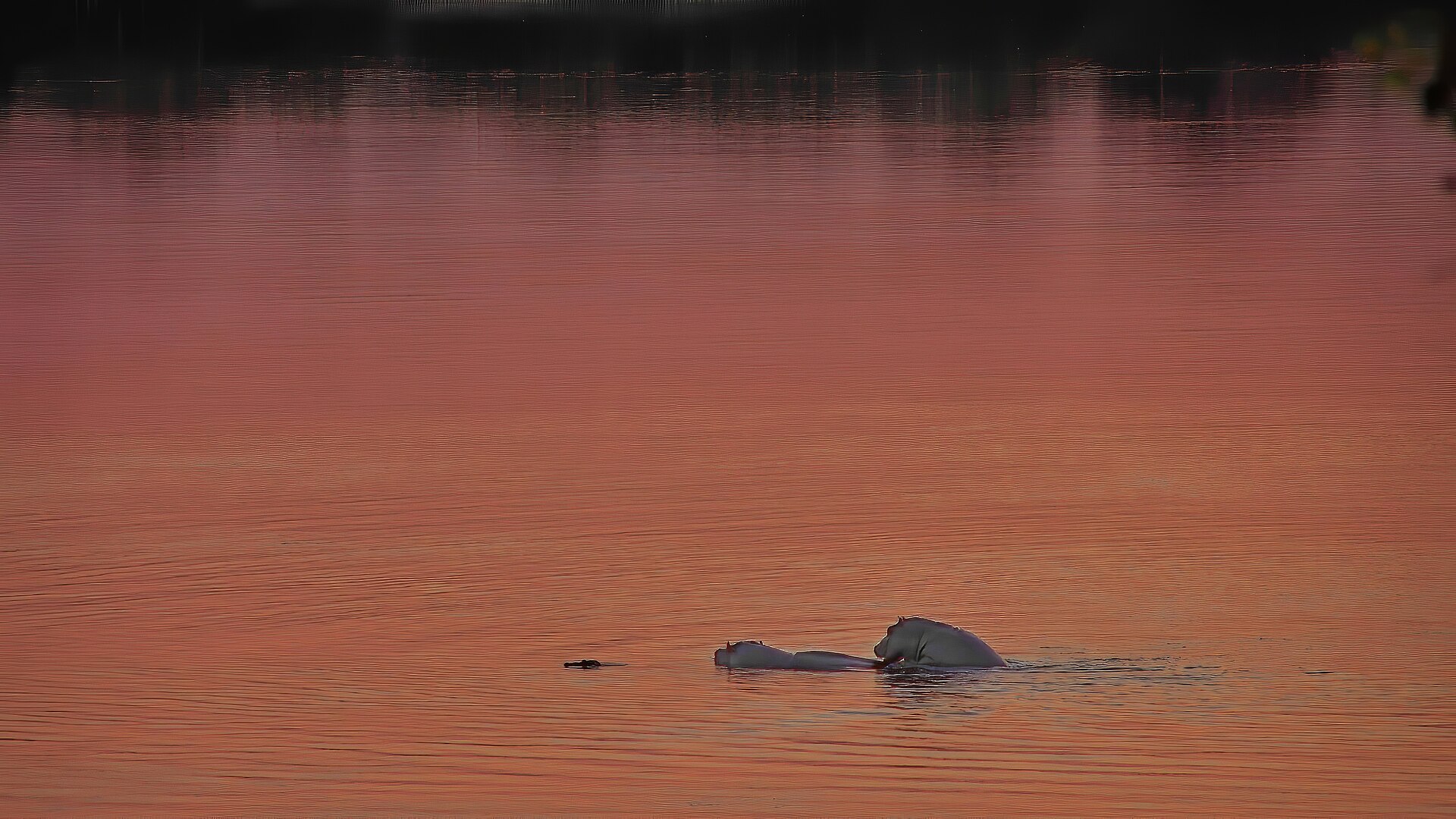
Zambezi Hippo & Plains — 10 Days
10 days · Namibia
10-day zambezi hippo & plains — hippopotamus, impala, warthog in Zambezi floodplain edge.
$22,000 – $24,500
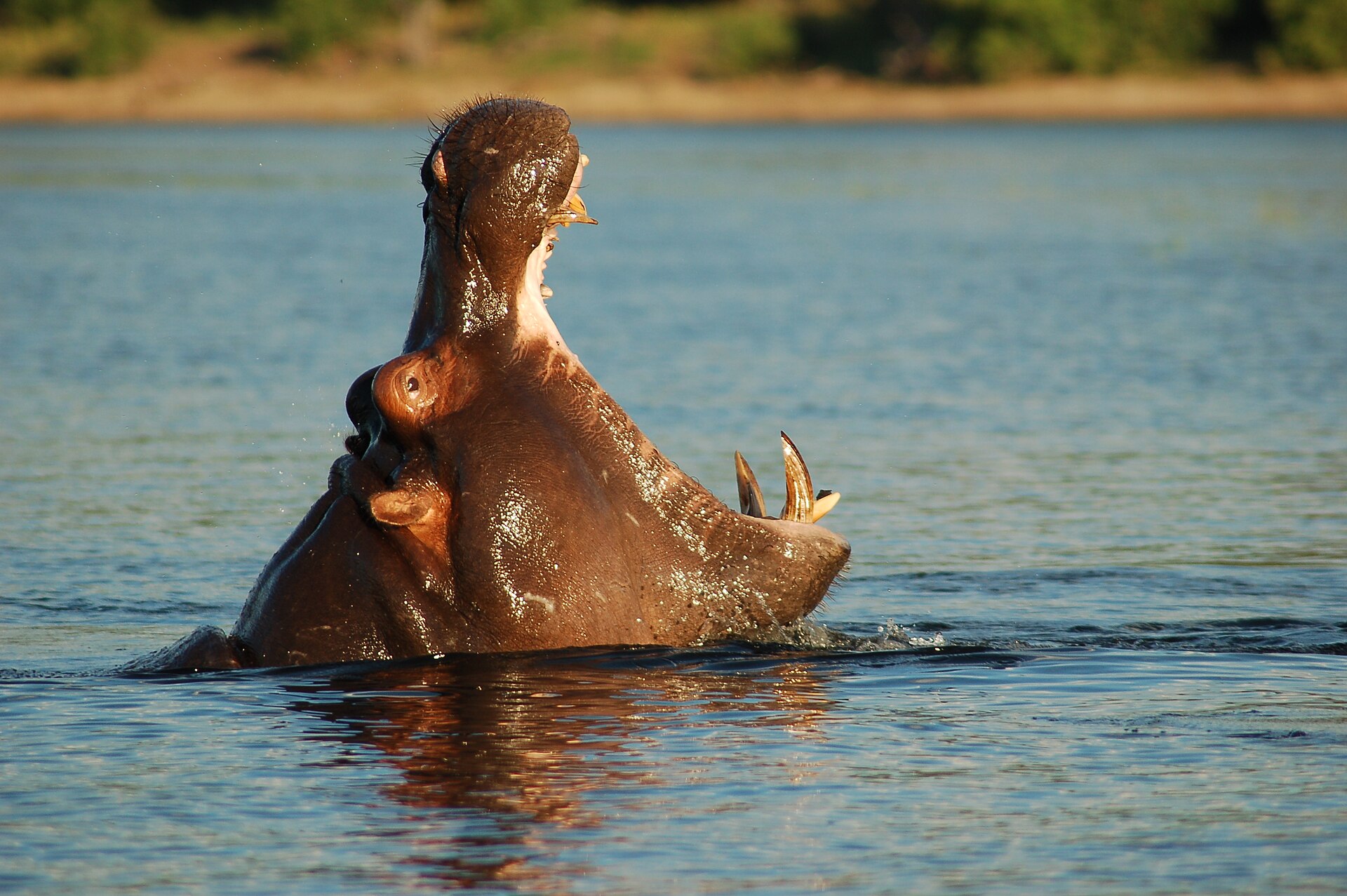
Chobe Hippo Focus — 10 Days
10 days · Botswana
10-day chobe hippo focus — hippopotamus, cape buffalo, impala in Chobe riverine mopane.
$24,500 – $27,000
Plan Your Hippopotamus Hunt
Submit a free enquiry and we'll match you with outfitters who hunt Hippopotamus in your region.
Sign Up to Enquire African Elephant
 African Lion
 Black Rhinoceros
 Cape Buffalo
 Forest Buffalo
 Giant Forest Hog