Klipspringer Hunting
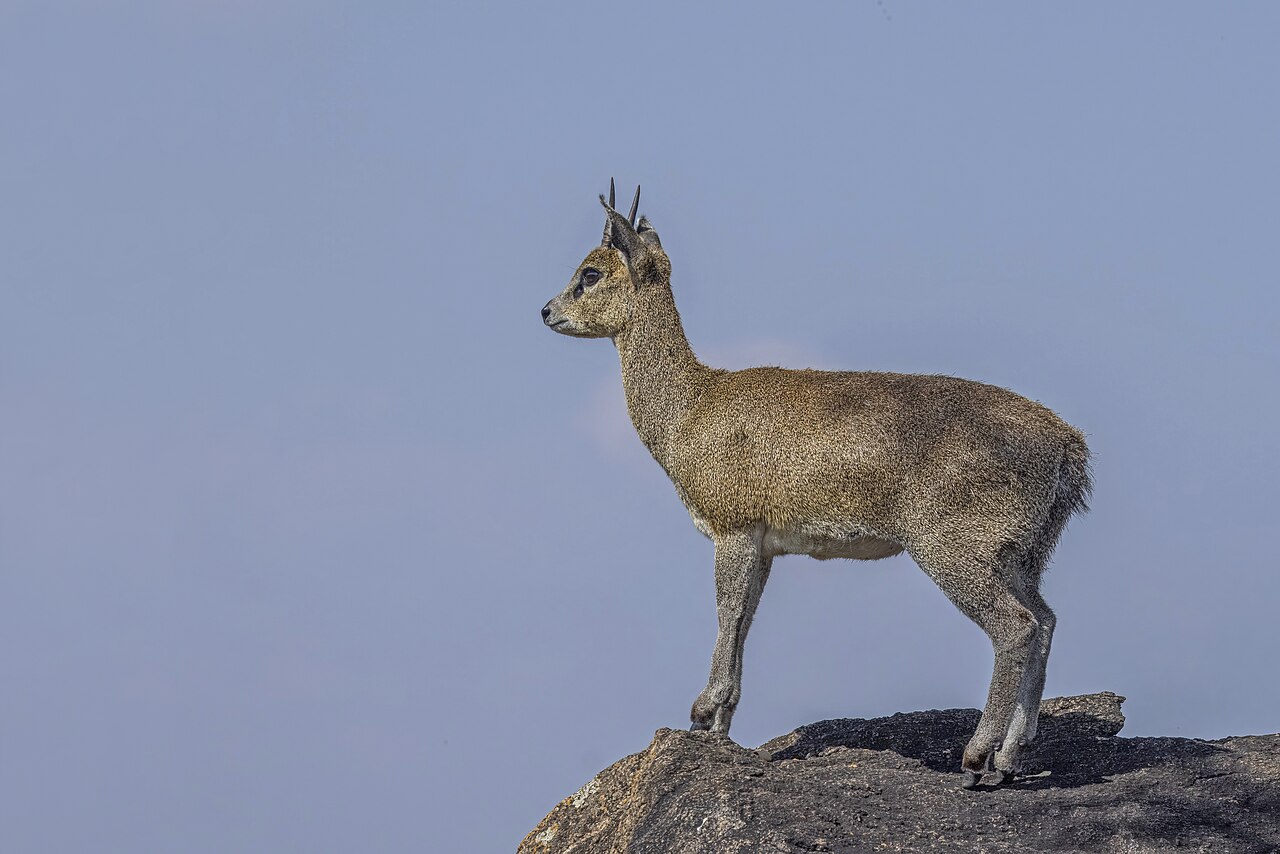
Oreotragus oreotragus
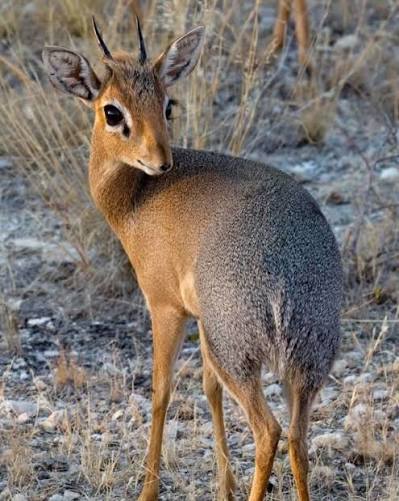
The klipspringer, scientifically known as Oreotragus oreotragus, is a fascinating small antelope that offers hunters a unique and demanding pursuit. Often called the "rock jumper," this agile creature stands about 20 to 23 inches at the shoulder and weighs between 18 and 40 pounds, with females slightly larger than males. Its coat is a grizzled yellowish-brown, providing excellent camouflage against rocky backdrops, and it features a short, rounded tail. Males sport straight, spiky horns that average 3 to 4 inches long, making for a distinctive trophy. One of its most striking traits is its specialized hooves, which are rubbery and adapted for gripping sheer surfaces, allowing it to bound effortlessly across precarious terrain. Klipspringers thrive in rugged, mountainous habitats where they can evade predators with their incredible leaping ability—jumping up to 25 feet horizontally or 10 feet vertically. They're typically found in monogamous pairs or small family groups, marking territories with scent glands and standing sentinel on rock outcrops. These antelopes are browsers, feeding on leaves, fruits, and herbs, and they're most active during cooler parts of the day, often resting in shaded crevices. Native to eastern and southern Africa, their range spans from Ethiopia and Sudan down through Kenya, Tanzania, and into South Africa, with populations also in Angola and Namibia. They prefer arid, rocky hillsides and koppies, avoiding open plains. For hunters, the klipspringer presents an exhilarating challenge that tests stalking skills and endurance in steep, unforgiving landscapes. Spotting one requires sharp eyes, as they blend seamlessly into their environment, and a successful hunt often involves long hikes and precise shots from afar. Patience is key, as they can detect movement from great distances. Conservation-wise, the species is listed as Least Concern by the IUCN, with stable populations in protected areas, though habitat loss and poaching pose localized threats. Responsible hunting through regulated safaris helps support conservation efforts, ensuring this remarkable antelope remains a thrill for generations of adventurers.
Hunt facts
- Countries
- Angola Central African Republic Ethiopia Namibia South Africa Zambia Zimbabwe
- Hunt regions
-
Angola: Cunene Huíla NamibeCentral African Republic: Bamingui-Bangoran Haute-Kotto VakagaEthiopia: Afar Oromia SomaliNamibia: Erongo Karas Kunene OtjozondjupaSouth Africa: Eastern Cape Limpopo Mpumalanga North West Northern CapeZambia: Eastern Muchinga SouthernZimbabwe: Manicaland Mashonaland Central Mashonaland West Masvingo
- Habitat
- Mountain Rocky outcrop Semi-arid
- Best time to hunt
- May–October (Dry season)
- Mass
- 10–18 kg (22–40 lb)
- Trophy minimum
-
- SCI (inches): 10
- SCI bow: 9
- Rowland Ward (inches): 4 2/16
- Rowland Ward record: 6 6/16
Typical record-book minimums; confirm the current edition with your professional hunter.
Where to Find Klipspringer
Klipspringers, agile small antelopes known for their rock-hopping abilities, thrive in rugged, rocky habitats across eastern and southern Africa. Their primary environments include steep hillsides, mountainous regions, and rocky outcrops in savanna and bushveld areas, where they find shelter and browse on sparse vegetation like shrubs and grasses.
For hunting, the best countries are South Africa, Namibia, Tanzania, and Zimbabwe, with prime areas in South Africa's Eastern Cape and Limpopo provinces, Namibia's Erongo Mountains, and Tanzania's rocky highlands. These regions offer regulated hunting safaris with permits, often on private ranches or conservancies.
Seasonally, klipspringers can be hunted year-round, but the dry season (May to October) is ideal as reduced foliage improves visibility and animals concentrate near water sources. Avoid wet seasons when terrain becomes slippery and tracking is harder.
The terrain is typically steep and boulder-strewn, requiring sturdy boots and careful navigation to avoid falls. They prefer elevations from 500 to 2,000 meters, often in arid or semi-arid zones with minimal tree cover.
To locate them, scan rocky kopjes and cliffs with binoculars during dawn or dusk when they're most active. Look for fresh droppings resembling small pellets or hoof marks on rocks. Approach quietly from downwind, as their keen senses and camouflage make them elusive—patience and elevation are key for a successful spot-and-stalk hunt.
Why Hunt Klipspringer
People hunt Klipspringer because it's a unique and exciting challenge. This small antelope lives in rocky, mountainous areas of Africa. Its name means "rock jumper," and it can leap easily on steep cliffs.
What makes it special for hunters is its agility and camouflage. Klipspringers blend into rocks, making them hard to spot. Their curved horns are prized as trophies.
Hunting them is fun and challenging. You need to hike rough terrain and stalk quietly. It tests your patience, fitness, and shooting skills. One wrong move, and they bound away.
Good reasons include conservation. Regulated hunting provides funds for wildlife protection. It also helps control populations in some areas. Plus, the meat is lean and tasty, adding to the reward. Overall, it's a thrilling adventure for skilled hunters.
Klipspringer Hunting Tips
Hunting klipspringer, those agile rock-jumping antelopes of southern Africa's rugged terrains, demands patience and precision due to their elusive nature in steep, rocky habitats. The best methods involve spot-and-stalk techniques, where you glass from a distance using binoculars to locate them on cliffs or koppies, then carefully approach on foot. Bowhunting is challenging but rewarding for close-range shots, while rifle hunting allows for longer distances up to 200 yards.
Opt for lightweight equipment suited to mountainous treks: a bolt-action rifle in calibers like . 243 Winchester or 6. 5 Creedmoor for minimal recoil and flat trajectories, paired with a quality scope (4-12x magnification) and sturdy boots for traction on rocks. For bows, use compound models with 50-60 lb draw weights and broadheads for clean kills.
Shot placement is critical—aim for the high shoulder or heart-lung area to anchor them quickly, as they can bound away even when hit. Avoid headshots due to their small size and quick movements.
Tracking requires spotting fresh droppings or hoof prints on rocky ledges; stalk quietly, using wind direction to your advantage and moving during low-light periods to avoid detection. Hunt early mornings or late afternoons when they're most active, and target the dry season (May to October) for better visibility and easier access in regions like Namibia or South Africa.
Common mistakes include rushing shots, underestimating terrain difficulty, or ignoring weather changes that can make rocks slippery. Always prioritize safety: inform someone of your plans, carry a GPS and first-aid kit, watch for venomous snakes in rocky areas, and ensure you're licensed with a professional guide to comply with regulations and minimize risks.
Featured Outfitters for Klipspringer
View allHunt packages with Klipspringer
Curated hunt ideas — no price on the page. Enquire and we'll match outfitters after review.
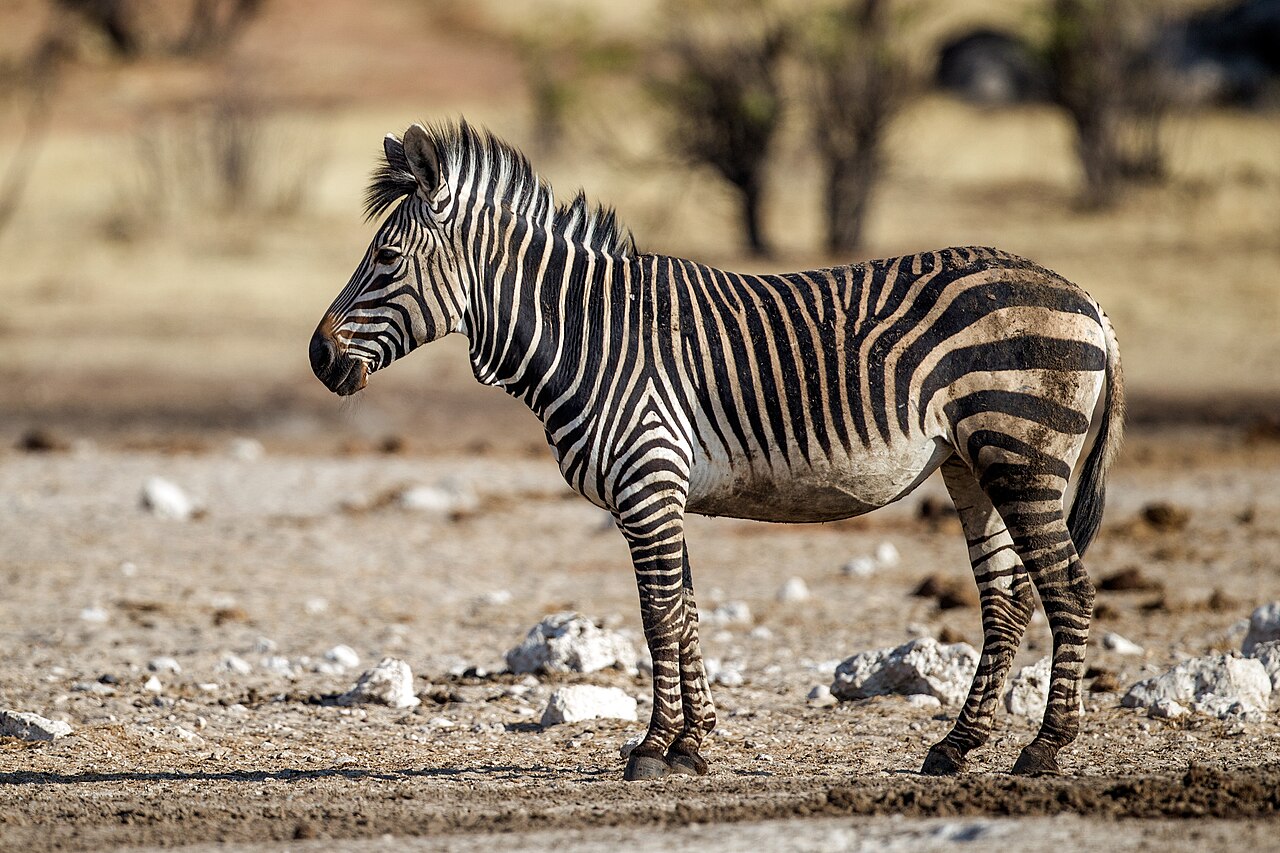
Namibia Damara Specialty — 8 Days
8 days · Namibia
Eight days for Hartmann’s zebra, mountain reedbuck, klipspringer and springbok on the Damara escarpment.
$9,200 – $10,200
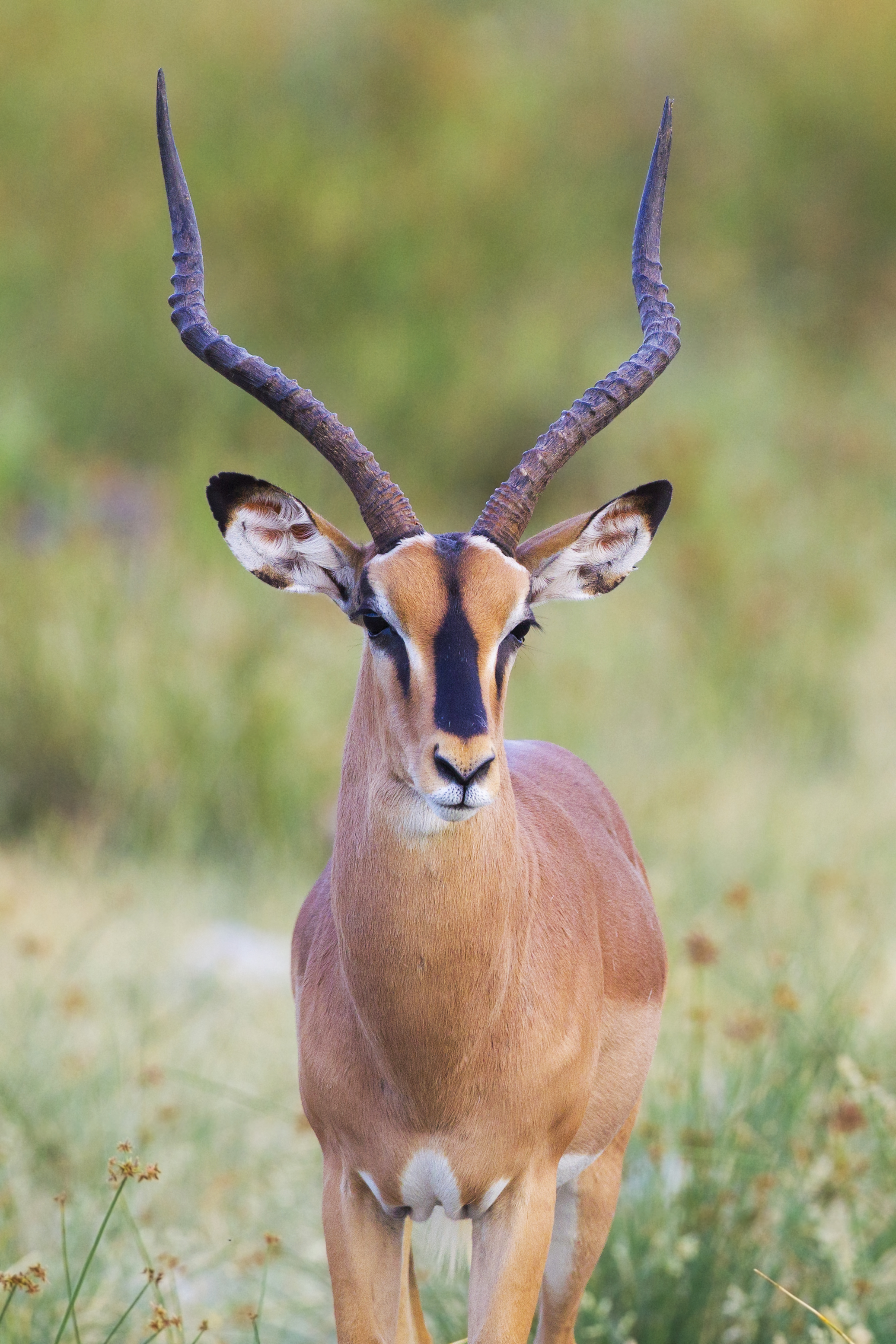
Kunene Black-Faced Impala — 8 Days
8 days · Namibia
8-day kunene black-faced impala — black-faced impala, hartmann's mountain zebra, klipspringer in Kunene escarpment and arid valleys.
$10,500 – $11,800
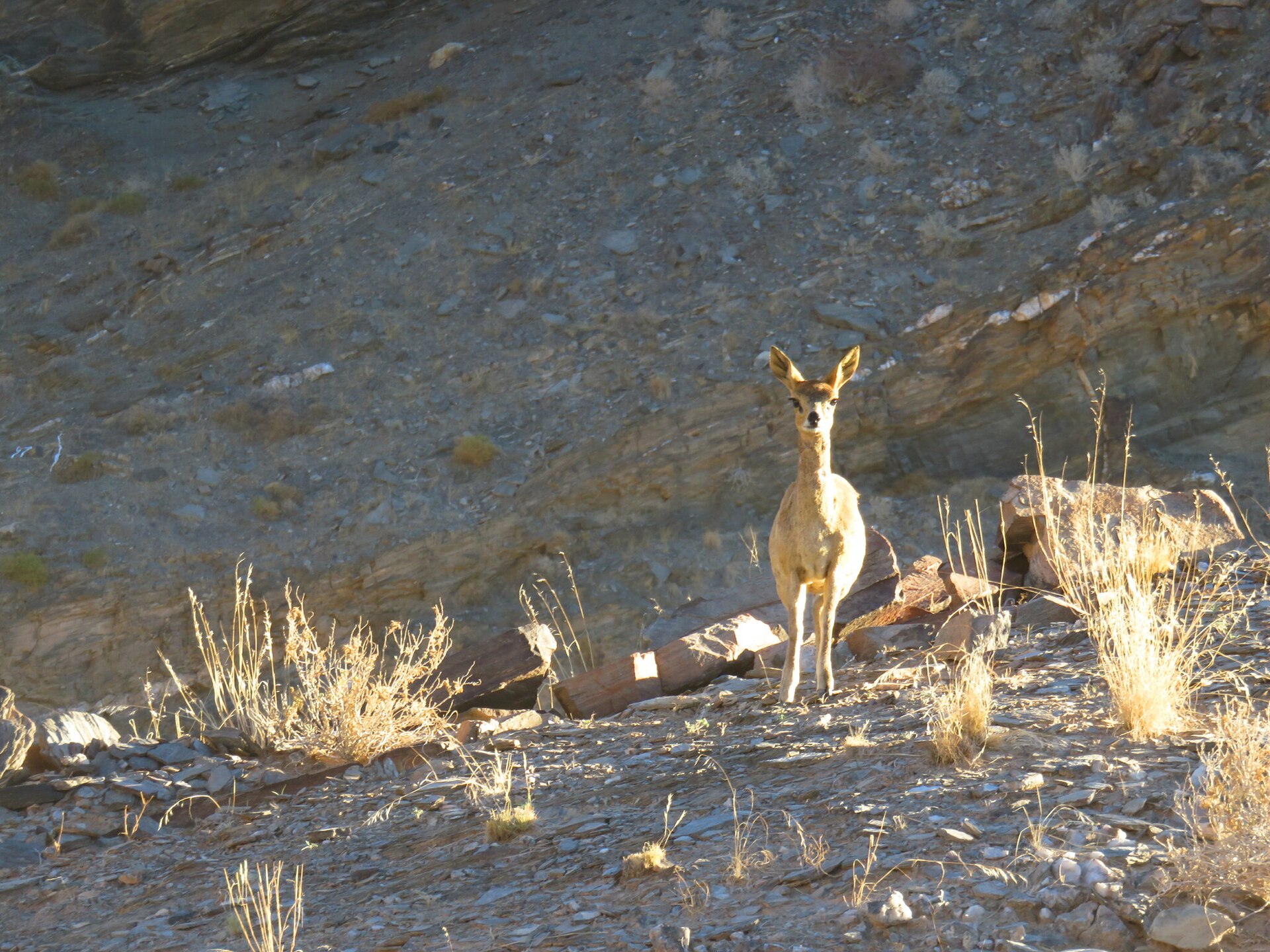
Namibe Mountain Zebra — 8 Days
8 days · Angola
8-day namibe mountain zebra — hartmann's mountain zebra, klipspringer, springbok in Namibe escarpment.
$12,000 – $14,000
Plan Your Klipspringer Hunt
Submit a free enquiry and we'll match you with outfitters who hunt Klipspringer in your region.
Sign Up to Enquire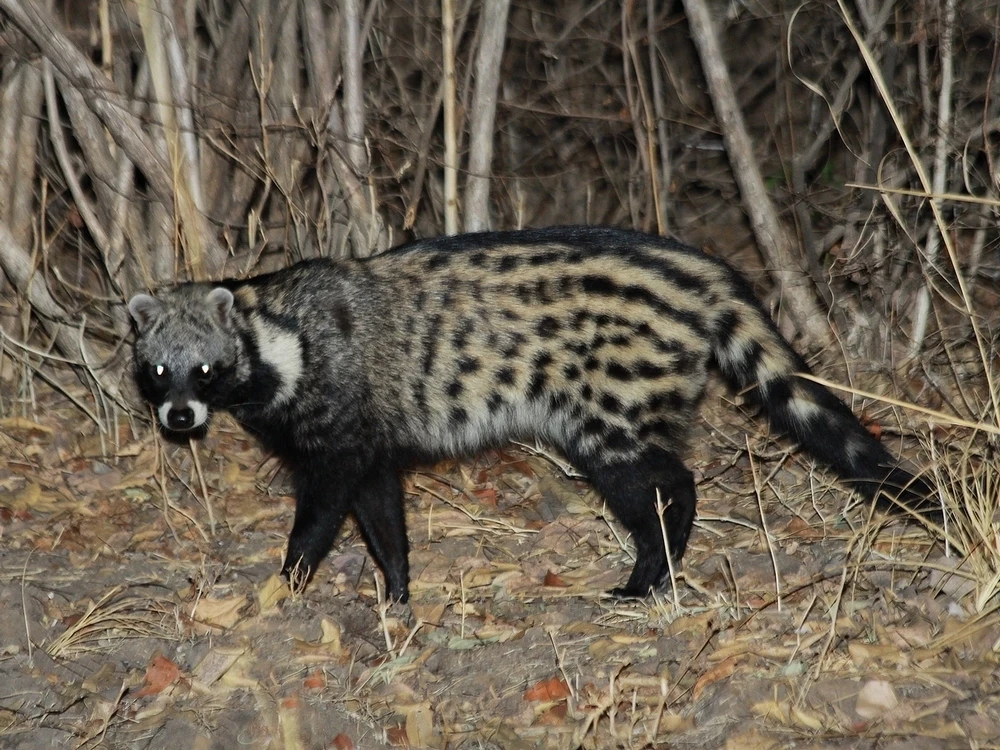 African Civet
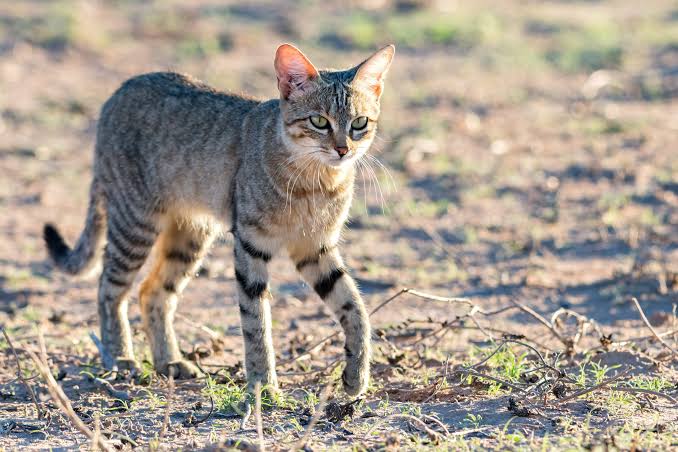 African Wildcat
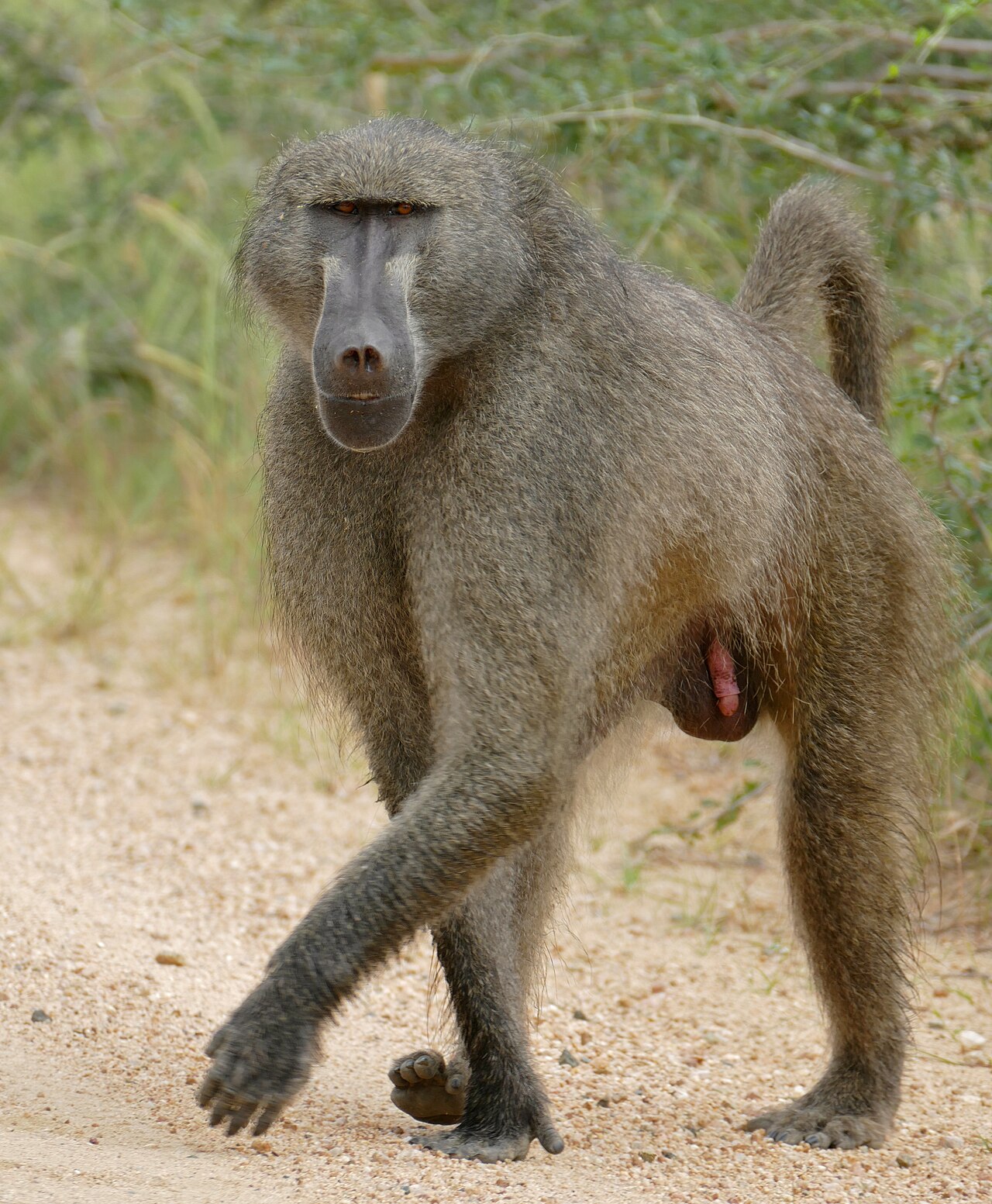 Baboon
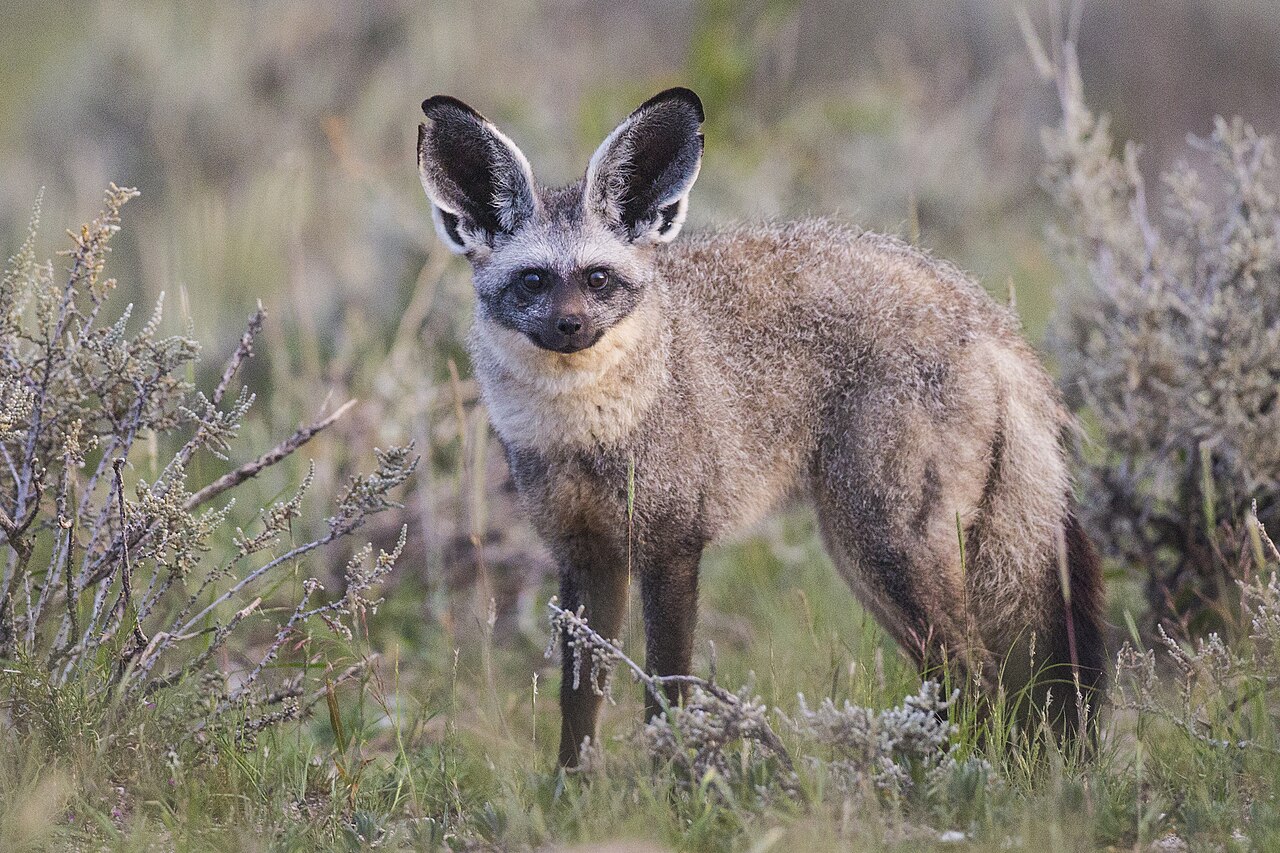 Bat-Eared Fox
 Bay Duiker
 Black-Fronted Duiker