Cape Grysbok Hunting
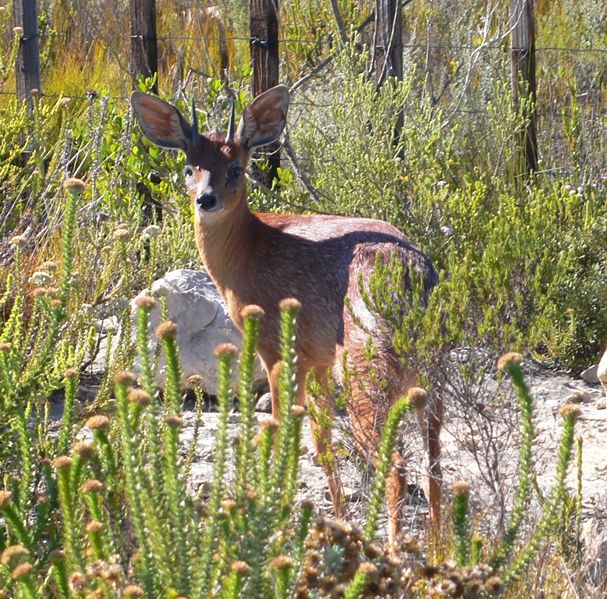
Raphicerus melanotis
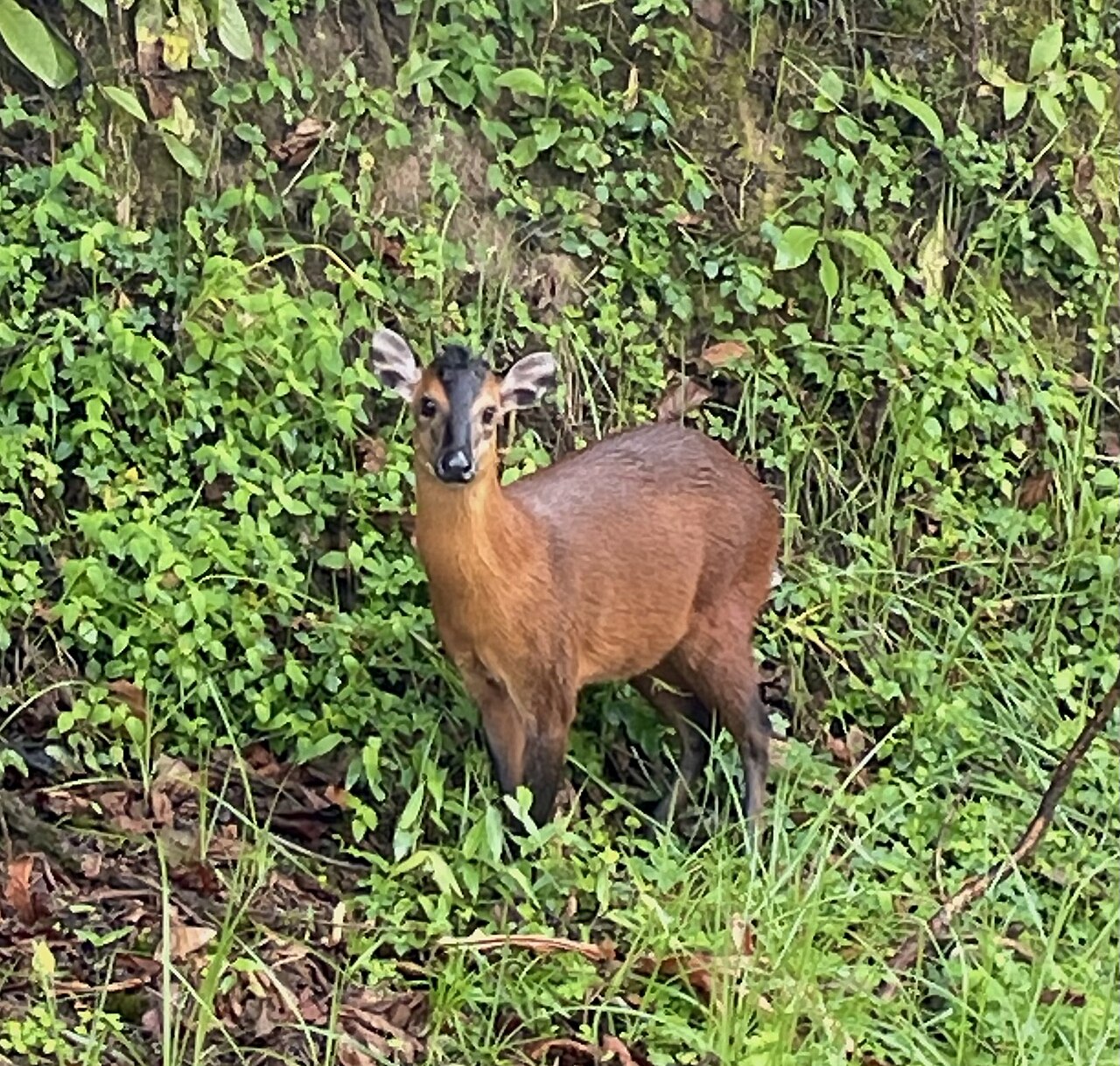
The Cape Grysbok, scientifically known as Raphicerus melanotis, is a diminutive antelope that offers a thrilling challenge for hunters seeking a true test of stealth and patience. Standing just 18-22 inches at the shoulder and weighing between 18-26 pounds, this compact creature is one of the smallest antelopes in southern Africa. Males sport short, straight horns measuring 2-3 inches, while females are hornless. Their reddish-brown coat, flecked with white, provides excellent camouflage, blending seamlessly into thick vegetation, with distinctive white markings around the eyes and a black stripe along the muzzle adding to their elusive allure. These shy, solitary animals thrive in dense fynbos shrublands, coastal thickets, and mountainous terrains where cover is abundant. Primarily nocturnal and crepuscular, Cape Grysbok are active at dawn and dusk, spending days hidden in thick brush. They're browsers, feeding on leaves, shoots, and fruits, and their territorial nature means males defend small home ranges fiercely, often marking boundaries with dung middens. Hunters will appreciate their wariness—spotting one requires sharp eyes and quiet movement, as they bolt at the slightest disturbance. Endemic to South Africa's Western Cape province, their range is limited to the southwestern tip of the continent, from the Cape Peninsula northward to the Cederberg Mountains. This restricted distribution makes them a prized trophy for those pursuing regional specialties. For hunters, the Cape Grysbok's small size and lightning-fast reflexes demand precision shooting and expert tracking skills. Spot-and-stalk methods in thick cover are ideal, often requiring a . 22 or small-caliber rifle for ethical harvests. Their meat is tender and flavorful, a rewarding bonus. Conservation-wise, they're listed as Least Concern by the IUCN, but regulated hunting through permits helps sustain populations amid habitat pressures from agriculture and urbanization. Pursuing a Cape Grysbok isn't just a hunt—it's an immersion in the wild beauty of the Cape's unique ecosystems.
Hunt facts
- Countries
- South Africa
- Hunt regions
-
South Africa: Eastern Cape Western Cape
- Habitat
- Semi-arid Coastal
- Best time to hunt
- May–August (Cape winter)
- Mass
- 8–12 kg (18–26 lb)
- Trophy minimum
-
- SCI (inches): 4
- SCI bow: 3
- Rowland Ward (inches): 3
- Rowland Ward record: 5 4/16
Typical record-book minimums; confirm the current edition with your professional hunter.
Where to Find Cape Grysbok
The Cape Grysbok, a small and elusive antelope, thrives in dense, shrubby habitats where it can find ample cover and browse. Its primary habitats include fynbos vegetation, thick bushveld, and coastal thickets, predominantly in the southern regions of South Africa. These areas provide the low-lying shrubs, grasses, and fruits that make up its diet, while offering protection from predators.
For hunting, the best countries and areas are focused in South Africa, particularly the Western Cape and Eastern Cape provinces. Key spots include private game farms near Cape Town, the Garden Route, and reserves in the Karoo region. Hunting is typically regulated through permits, so check with local outfitters or the South African Department of Forestry, Fisheries, and the Environment for legal access.
Seasonal considerations favor the cooler months from May to September, when vegetation is less dense, improving visibility and tracking. Avoid the rainy summer season (November to March), as heavy foliage and wet conditions make spotting them harder.
The terrain is often rugged, featuring hilly landscapes, rocky outcrops, and valleys with thorny acacia or protea-dominated environments. These antelopes prefer elevations up to 1,500 meters, staying hidden in thick undergrowth during the day.
To locate them in the wild, focus on dawn and dusk when they're most active. Look for small, rounded droppings and fresh tracks in sandy paths or near water sources. Stalking quietly through dense cover or using elevated blinds can be effective, and listening for their sharp alarm calls helps pinpoint their location. Patience is key, as they're solitary and quick to flee.
Why Hunt Cape Grysbok
People hunt Cape Grysbok for many reasons. This small antelope lives in South Africa's dense forests and thickets. It is special for hunters because of its beautiful, short horns and elusive nature. These animals are rare and make great trophies.
Hunting Cape Grysbok is fun and challenging. They are very shy and quick to hide. You need sharp eyes and quiet steps to track them. Spotting one in thick bush feels like a real achievement. It tests your skills in stalking and patience.
There are good reasons to hunt this species. Sustainable hunting helps control their numbers. It prevents overpopulation and habitat damage. Hunters also support local conservation efforts. Plus, the meat is tasty and lean. Overall, it's an exciting way to connect with nature.
Cape Grysbok Hunting Tips
Hunting Cape Grysbok, a small and elusive antelope native to South Africa's fynbos and thicket regions, requires patience and precision due to their shy, nocturnal nature. The best methods involve spot-and-stalk techniques in dense bushveld, where you quietly glass for movement at dawn or dusk. Bowhunting is popular for the challenge, but rifle hunting with a lightweight setup allows for quick, ethical shots in tight cover. Use camouflage that blends with the scrubby terrain and move slowly against the wind to avoid detection.
For equipment, opt for a flat-shooting rifle in . 243 Winchester or 6. 5 Creedmoor calibers, which provide enough power for clean kills without excessive recoil—ideal for the Grysbok's 20-25 pound size. Pair it with a quality scope like a 3-9x for low-light conditions, and don't forget binoculars for spotting their telltale white underbellies.
Shot placement is critical: aim for the heart-lung area just behind the shoulder for a broadside shot, or the base of the neck if head-on, ensuring a quick drop to minimize suffering. When tracking, look for small, rounded hoof prints in sandy soil and fresh droppings; stalk silently, using natural cover and pausing often to listen for rustling.
Hunt during the cooler months of May to August when Grysbok are more active, focusing on early morning or late evening hours. Avoid common mistakes like rushing shots in thick vegetation, which can lead to wounding, or ignoring wind direction that carries your scent. Safety-wise, always confirm your target to prevent accidents with similar species, wear blaze orange if required, and hunt with a partner in remote areas to handle emergencies like snake encounters or rough terrain.
Featured Outfitters for Cape Grysbok
View all




Hunt packages with Cape Grysbok
Curated hunt ideas — no price on the page. Enquire and we'll match outfitters after review.
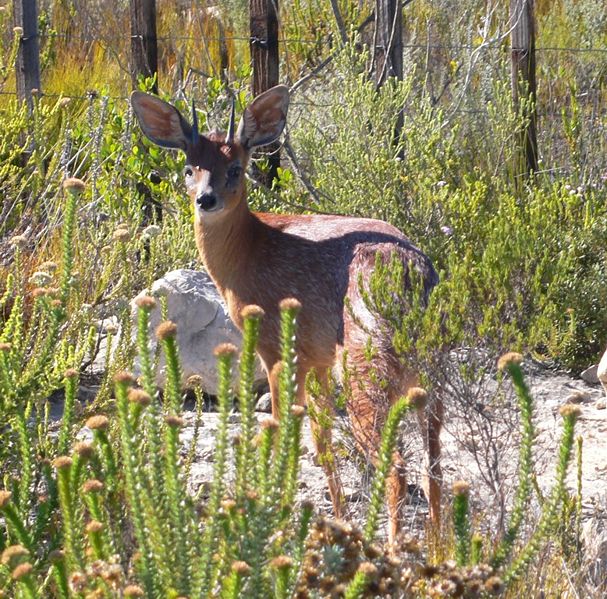
Western Cape Mountain & Plains — 7 Days
7 days · South Africa
7-day western cape mountain & plains — bontebok, cape grysbok, springbok in Western Cape fynbos and Karoo fringe.
$9,200 – $10,800
Plan Your Cape Grysbok Hunt
Submit a free enquiry and we'll match you with outfitters who hunt Cape Grysbok in your region.
Sign Up to Enquire African Civet
 African Wildcat
 Baboon
 Bat-Eared Fox
 Bay Duiker
 Black-Fronted Duiker