Leopard Hunting
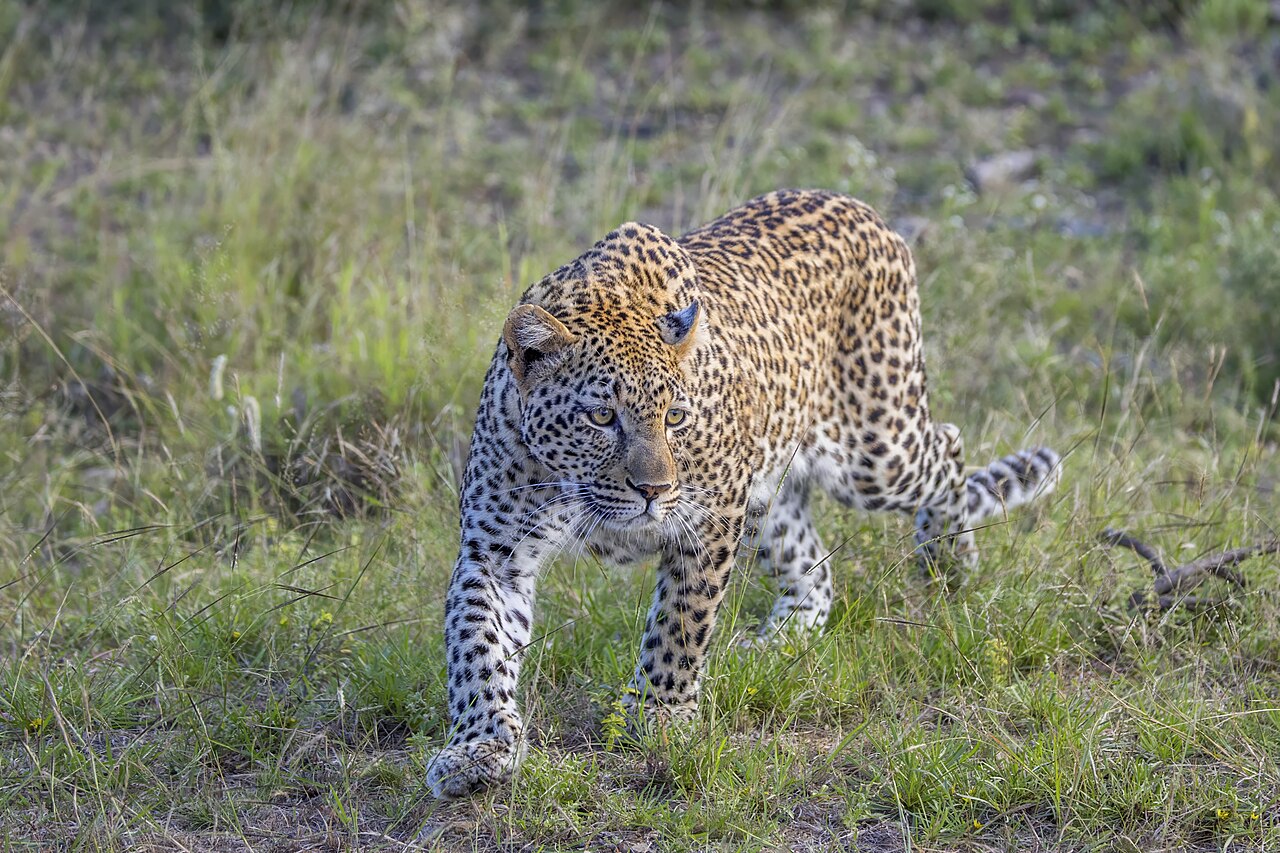
Panthera pardus
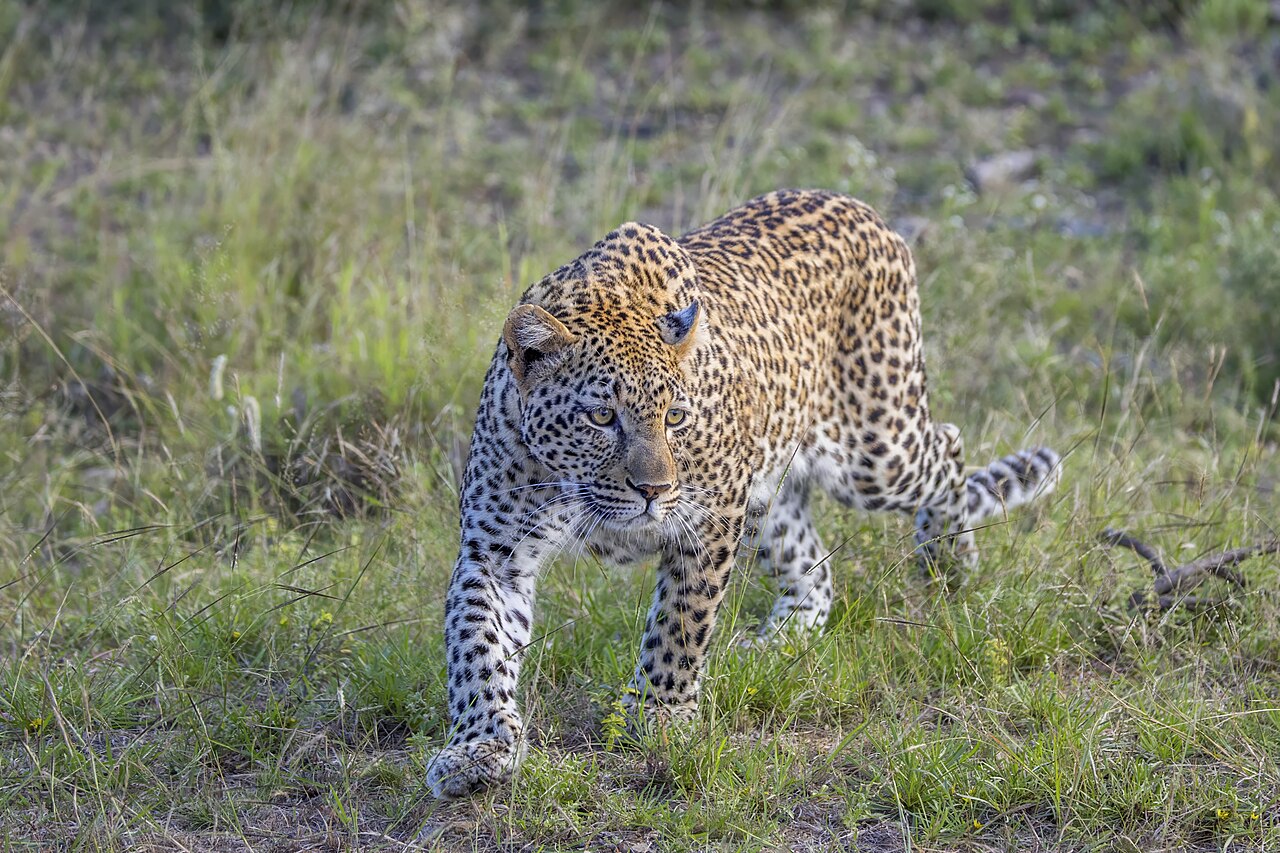
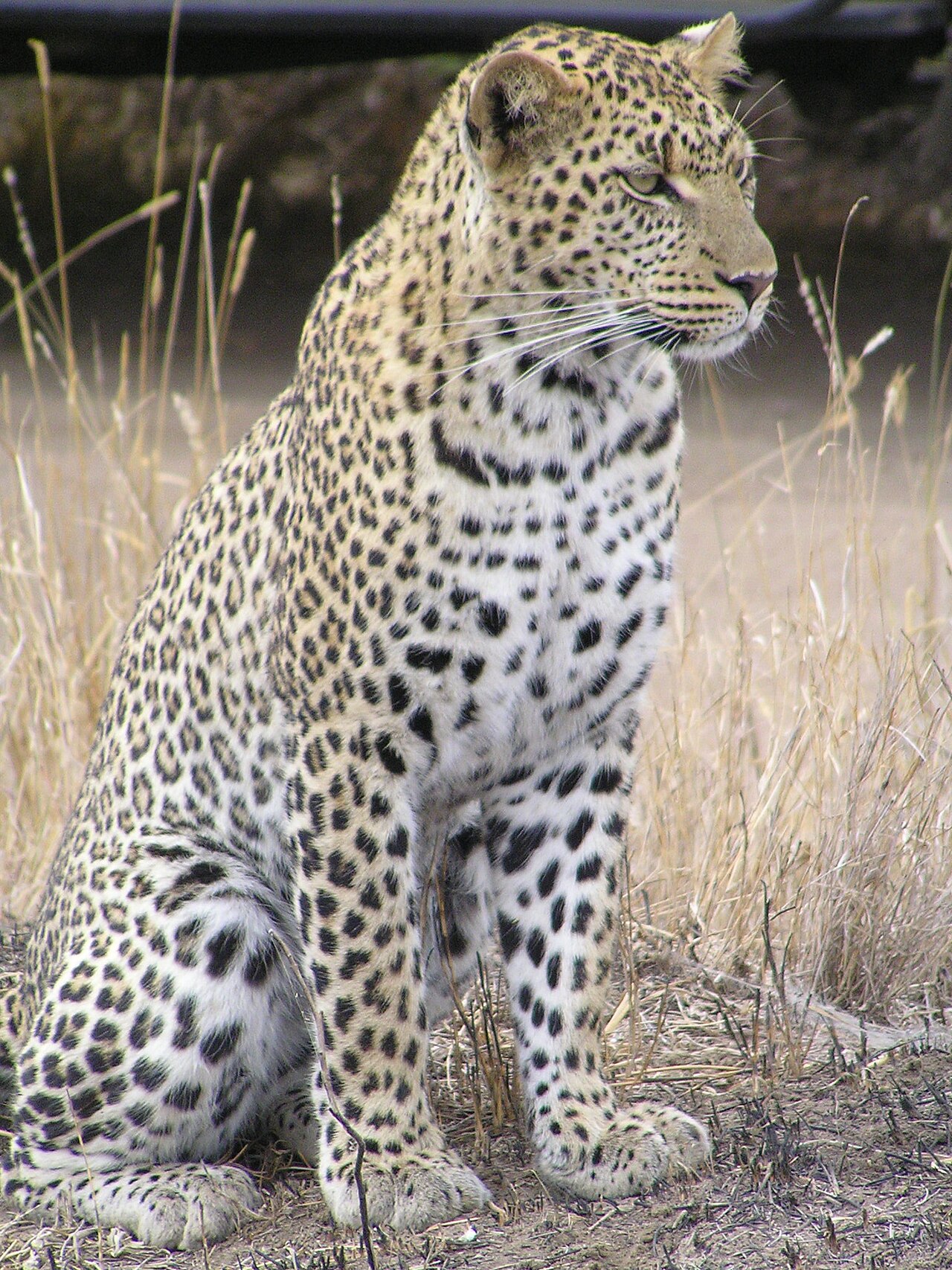
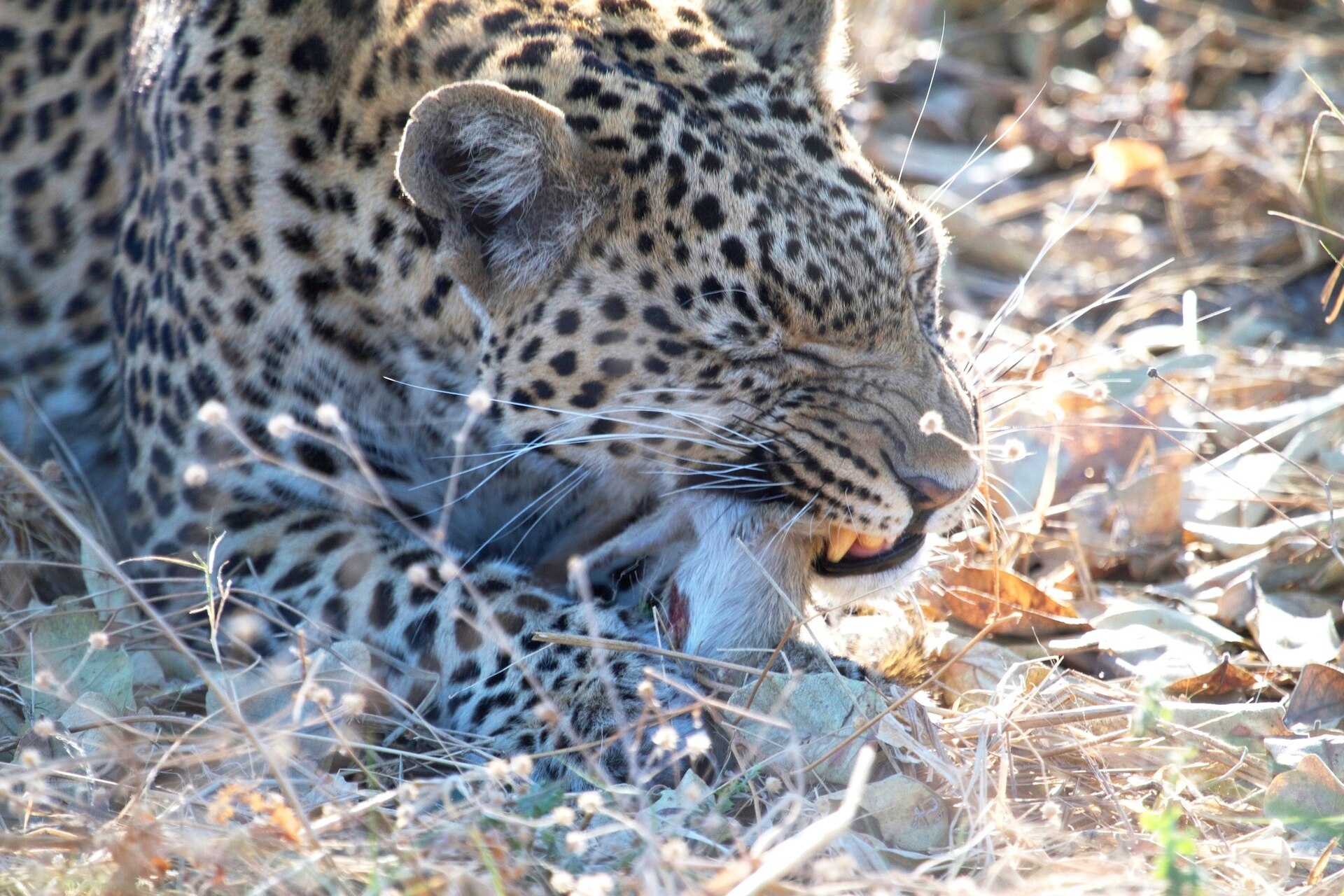
The leopard (Panthera pardus) is one of Africa's most elusive and formidable big cats, a true test of a hunter's skill and patience. Renowned for its adaptability and raw power, the leopard stands out with its sleek, muscular build, covered in a coat of pale yellow to tawny fur rosetted with black spots that provide near-perfect camouflage in diverse environments. Males typically measure 4. 5 to 6 feet in body length, with tails adding another 3 feet, and weigh 130 to 200 pounds, while females are slightly smaller at 60 to 130 pounds. Their broad heads house powerful jaws capable of crushing bone, and retractable claws make them agile climbers, often dragging kills into trees to evade scavengers. Leopards thrive in a wide array of habitats, from dense rainforests and savannas to arid scrublands and even mountainous regions up to 15,000 feet. Nocturnal by nature, they are solitary ambush predators, relying on stealth and explosive bursts of speed—up to 36 miles per hour—to take down prey like antelope, monkeys, or warthogs. Their behavior is cunning; they avoid open confrontations, preferring to stalk silently and strike from cover, which makes them incredibly challenging quarry for ethical hunters. Distributed across sub-Saharan Africa, parts of the Middle East, and southern Asia—from the Arabian Peninsula to Sri Lanka and the Russian Far East—the leopard's range spans over 20 million square kilometers, though populations are fragmented. For hunters, notable features include their elusive nature, requiring expert tracking via spoor, scat, or territorial scrapes on trees. They demand spot-and-stalk techniques in rugged terrain, often at dawn or dusk, with a focus on fair chase to respect their intelligence. Conservation-wise, leopards are listed as Vulnerable by the IUCN due to habitat loss, poaching for skins, and human-wildlife conflict, emphasizing the need for sustainable, regulated hunts in permitted areas to support anti-poaching efforts. Pursuing a leopard isn't just a hunt—it's a thrilling encounter with nature's ultimate survivor.
Hunt facts
- Countries
- Angola Benin Botswana Burkina Faso Cameroon Central African Republic Ethiopia Mozambique Namibia South Africa Tanzania Uganda Zambia Zimbabwe
- Hunt regions
-
Angola: Cuando Cubango Cunene Huíla Moxico NamibeBenin: Alibori Atakora BorgouBotswana: Central Chobe Ghanzi Kgalagadi North WestCameroon: Adamawa East Far North North SouthCentral African Republic: Bamingui-Bangoran Haute-Kotto Sangha-Mbaéré VakagaEthiopia: Afar Benishangul-Gumuz Oromia SomaliMozambique: Gaza Manica Niassa Sofala Tete ZambeziaNamibia: Erongo Hardap Karas Kavango East Kavango West Khomas Kunene Omaheke Otjozondjupa ZambeziSouth Africa: Eastern Cape Gauteng KwaZulu-Natal Limpopo Mpumalanga North West Northern CapeTanzania: Arusha Katavi Lindi Manyara Morogoro Pwani Rukwa Simiyu Singida TaboraUganda: Central Northern WesternZambia: Central Eastern Luapula Muchinga North-Western Southern WesternZimbabwe: Manicaland Mashonaland Central Mashonaland West Masvingo Matabeleland North Matabeleland South Midlands
- Habitat
- Woodland Bushveld Mountain Rocky outcrop
- Best time to hunt
- May–October (Dry season)
- Mass
- 30–70 kg (66–154 lb)
- Trophy minimum
-
- SCI (skull): 14
- SCI bow: 12
- Rowland Ward (skull): 15 4/16
- Rowland Ward record: 19
Typical record-book minimums; confirm the current edition with your professional hunter.
Where to Find Leopard
Leopards, elusive big cats known for their spotted coats and solitary nature, are primarily found in diverse habitats across sub-Saharan Africa and parts of Asia. Their preferred environments include savannas, woodlands, rainforests, and mountainous regions with dense vegetation for cover and ample prey like antelope, monkeys, and rodents. In Africa, they thrive in acacia-dotted grasslands and riverine forests, while in Asia, they inhabit tropical forests and rocky terrains up to 5,000 meters in elevation.
The best countries for leopard hunting are South Africa, Namibia, Zimbabwe, and Tanzania in Africa, where regulated safaris offer opportunities through licensed outfitters. In Asia, limited hunts occur in India and Pakistan, though quotas are strict due to conservation efforts. Always verify legal permits, as leopard hunting is heavily regulated under CITES to prevent poaching.
Seasonal considerations vary: in southern Africa, the dry season (May to October) is ideal, as leopards congregate near water sources and are easier to spot in thinned foliage. Avoid wet seasons when thick cover hides them. Terrain often features rocky outcrops, thickets, and riverbeds—use elevated blinds or tracking dogs in these areas. To locate them, scout at dawn or dusk when they're active, follow tracks (large paw prints with claw marks) or scat near kills, and listen for alarm calls from prey animals. Patience is key, as leopards are nocturnal and masters of camouflage.
Why Hunt Leopard
Leopards captivate hunters with their unparalleled trophy qualities, boasting sleek, muscular builds, piercing yellow eyes, and those iconic spotted coats that symbolize raw power and elegance. A mature male's imposing size—up to 200 pounds and six feet long—makes for a stunning mount, a testament to the hunter's prowess in Africa's wild heartlands.
The challenge is electrifying: these elusive cats are masters of stealth, blending into dense bush or rocky terrain, demanding razor-sharp tracking skills, patience, and split-second decisions during heart-pounding stalks or baited ambushes. The thrill of outwitting a predator that hunts silently under cover of night turns every expedition into an adrenaline-fueled adventure.
Beyond the chase, leopard meat offers a lean, flavorful reward—tender when prepared rare with African spices, providing a wild, gamey delicacy that connects you to the savanna's essence. Culturally, pursuing leopards echoes ancient traditions among tribes like the Maasai, where the leopard's spirit represents bravery and guardianship, adding profound depth to the hunt.
Sustainable trophy hunting funds vital conservation, generating revenue for anti-poaching patrols and habitat protection, ensuring leopards thrive amid threats like habitat loss. This pursuit delivers a unique, immersive experience: silent nights by glowing bait sites, the symphony of the bush, and the raw bond with one of nature's most cunning icons— an unforgettable saga for the bold.
Leopard Hunting Tips
Hunting leopards requires skill, patience, and strict adherence to legal quotas in regions like Africa where they are protected. Always obtain permits and hunt ethically with licensed outfitters to avoid contributing to poaching. The best method is spot-and-stalk, using elevated blinds or vehicles to observe their elusive, solitary nature in savannas or woodlands. Baiting with meat can lure them to fixed sites, but combine it with careful scouting to minimize disturbance.
Recommended equipment includes a high-quality bolt-action rifle in calibers like . 375 H&H Magnum or . 416 Rigby for reliable stopping power at close ranges (under 100 yards). Use premium expanding bullets for deep penetration. Optics should be a 3-10x scope with good low-light performance, paired with binoculars for spotting. Carry a sturdy knife, rangefinder, and camouflage clothing suited to the terrain.
For shot placement, aim for the heart-lung area just behind the shoulder, entering broadside at a slight downward angle to account for their crouched posture. A neck shot can work if the animal is quartering away, but avoid headshots due to their skull's toughness.
Tracking involves reading spoors—large, rounded prints with claw marks—and following fresh blood trails quietly, using wind direction to stay downwind. Stalk slowly, pausing to glass thickets where they hide.
Hunt during the dry season (May to October) when visibility improves and leopards concentrate near water. Dawn and dusk are prime times, as they are crepuscular.
Common mistakes include underestimating their speed—don't rush shots—and ignoring terrain hazards. Always hunt with a guide to avoid getting lost.
Safety first: Leopards can charge unexpectedly; keep a round chambered and maintain 20-yard minimum distance. Watch for territorial behavior like growling, and prioritize de-escalation over engagement. Vaccinate against diseases and carry anti-venom if in snake-prone areas.
Featured Outfitters for Leopard
View allHunting Tips & Guides
All tips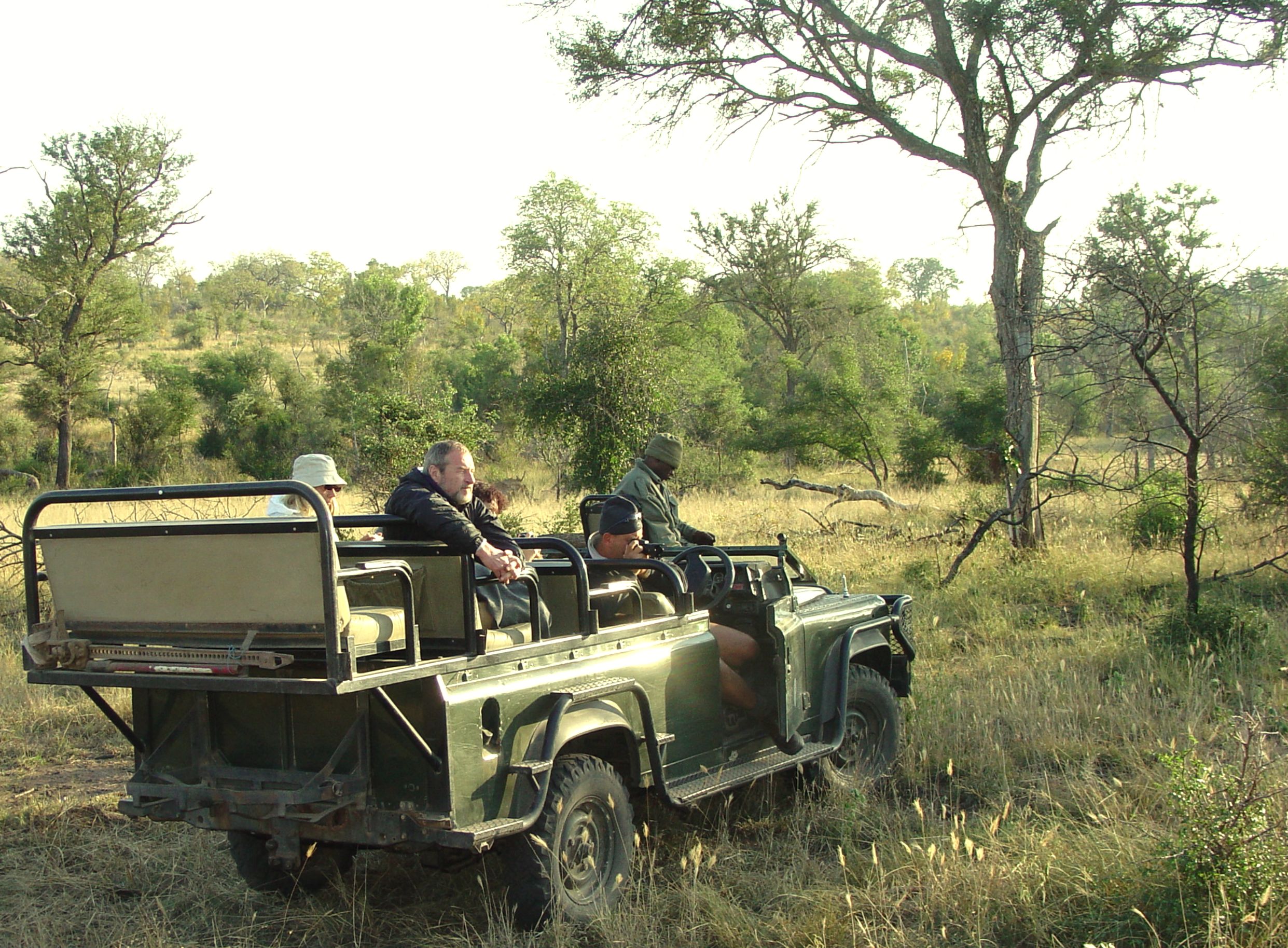
Wildlife Conservation Through Hunting
Hunters play a crucial role in wildlife conservation efforts worldwide. Understanding this connection helps justify and improve our hunting practices. …
Read more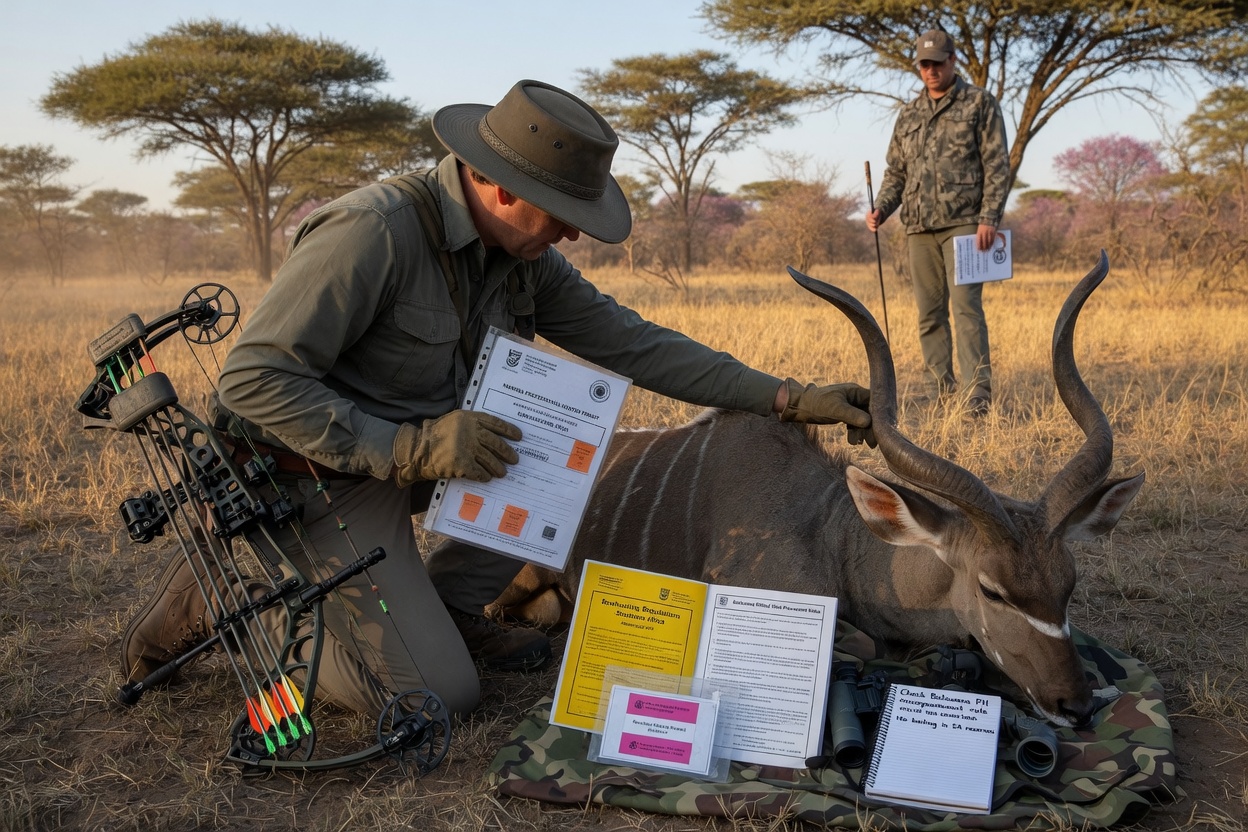
Southern Africa Bowhunting Rules Hunters Must Know
Essential bowhunting regulations, permits and ethics across South Africa, Namibia, Botswana and neighboring nations. Plan your legal African hunt.
Read more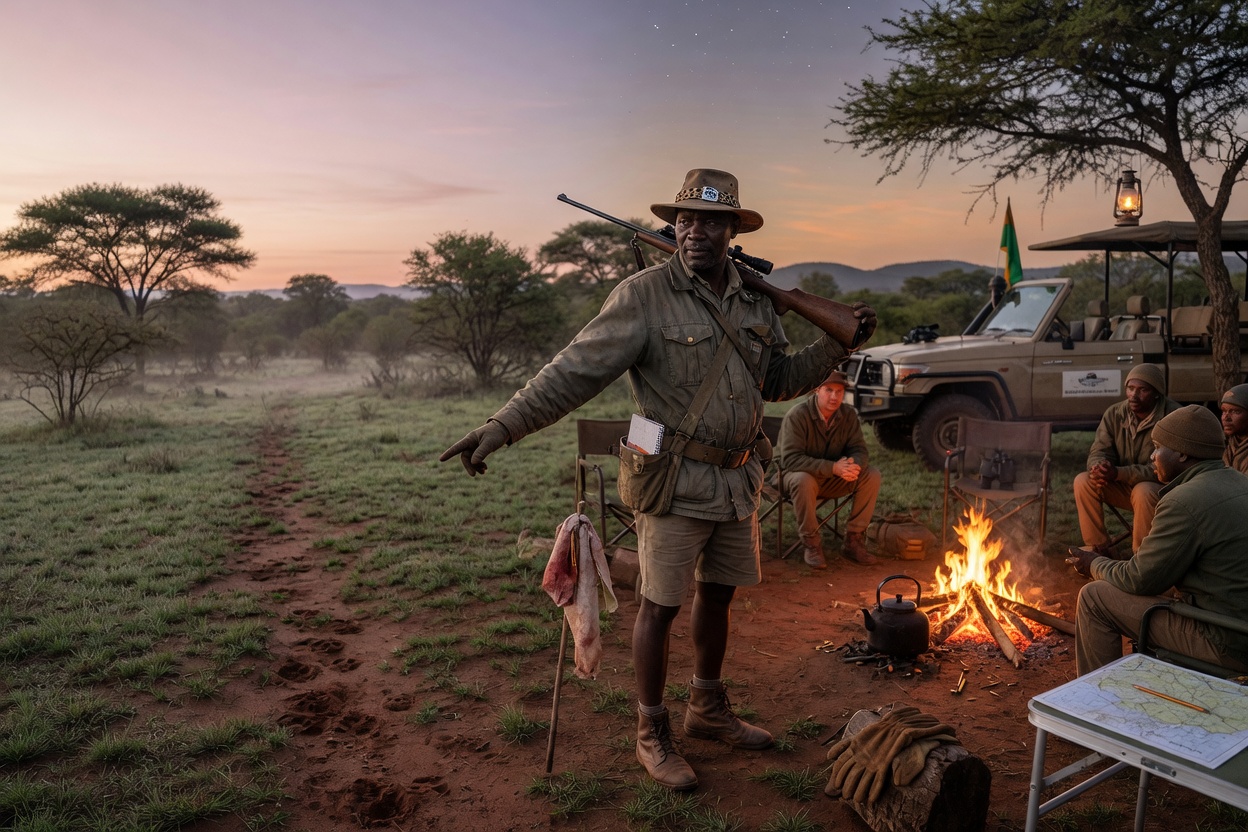
Dawn to Dusk: A Zambian Professional Hunter's Day
Follow a licensed Zambian professional hunter from pre-dawn tracking to campfire stories, exploring ethics, conservation, and safari life in Africa.
Read moreHunt packages with Leopard
Curated hunt ideas — no price on the page. Enquire and we'll match outfitters after review.
Namibia Leopard — 14 Days
14 days · Namibia
Fourteen days dedicated leopard hunting in Namibian mopane and ridge country.
$28,500 – $31,500
Limpopo Leopard — 14 Days
14 days · South Africa
14-day limpopo leopard — leopard in Limpopo rocky bushveld.
$28,500 – $31,500
Chobe Leopard — 14 Days
14 days · Botswana
14-day chobe leopard — leopard in Chobe mopane ridges.
$29,500 – $32,500
Plan Your Leopard Hunt
Submit a free enquiry and we'll match you with outfitters who hunt Leopard in your region.
Sign Up to Enquire African Elephant
 African Lion
 Black Rhinoceros
 Cape Buffalo
 Forest Buffalo
 Giant Forest Hog