Nile Crocodile Hunting
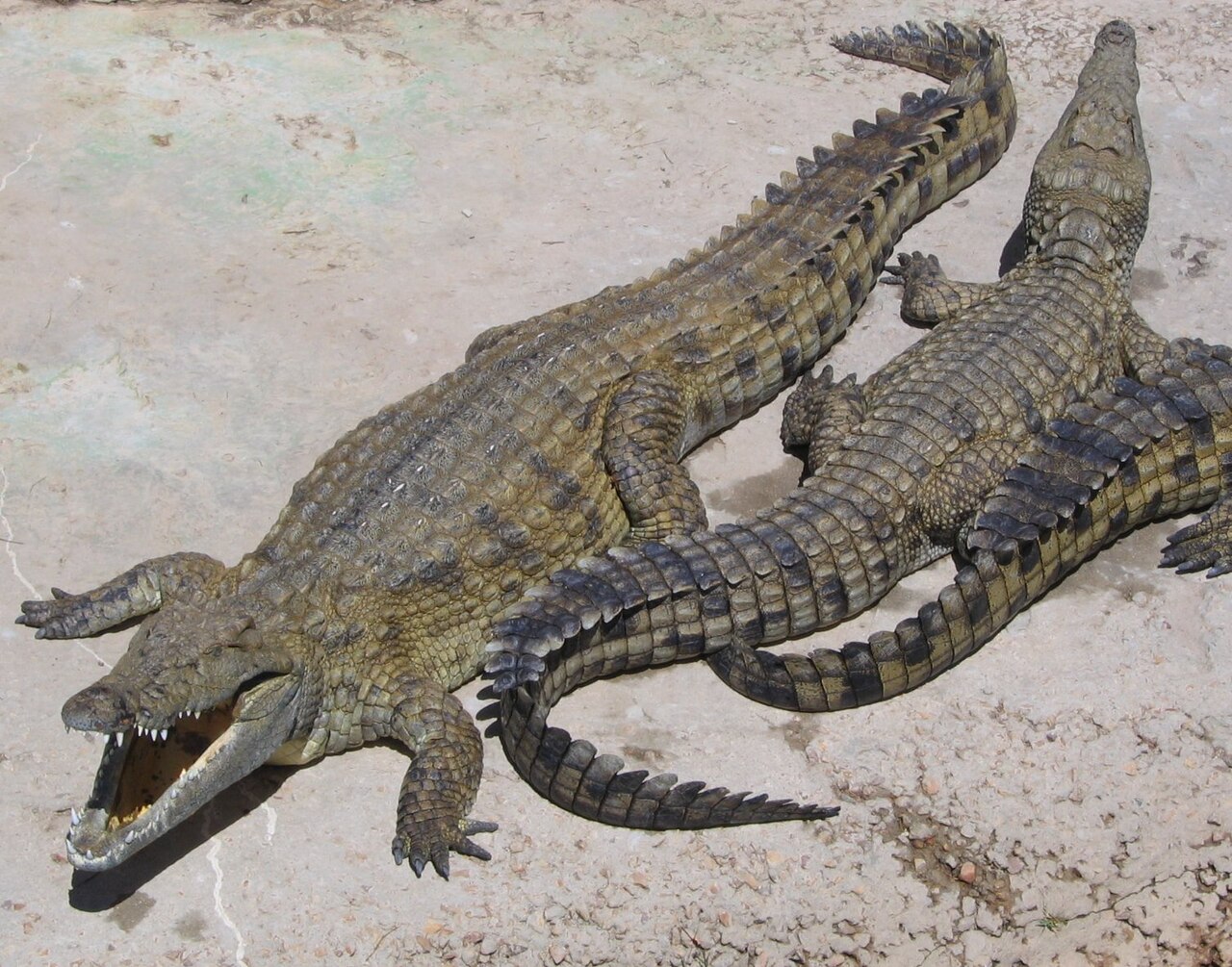
Crocodylus niloticus
The Nile crocodile, Crocodylus niloticus, stands as one of Africa's most formidable predators, a true apex hunter that commands respect from seasoned big game enthusiasts. These massive reptiles can grow up to 20 feet in length and weigh over 1,500 pounds, with males typically larger and more imposing than females. Their armored bodies are covered in tough, scaly skin that ranges from olive-green to dark brown, providing excellent camouflage in aquatic environments. Broad snouts packed with up to 68 conical teeth deliver a bite force exceeding 3,700 pounds per square inch, capable of crushing bones or dragging prey underwater in a signature "death roll." Males boast prominent dorsal ridges and a more robust build, making them prized trophies for their sheer size and prehistoric allure. Inhabiting a variety of freshwater and brackish habitats, Nile crocs thrive in rivers, lakes, marshes, and estuaries across sub-Saharan Africa. They are ambush predators, often lurking motionless with only their eyes and nostrils above water, striking with explosive speed to seize antelope, fish, or even unwary humans. Behaviorally, they are territorial and aggressive, especially during breeding season when males bellow to defend nesting sites. Females lay clutches of up to 60 eggs in sandy banks, fiercely guarding them against rivals. Distributed widely from the Nile River basin in Egypt southward through East and West Africa to Madagascar and even parts of the Middle East, their range spans over 20 countries, though populations vary due to human encroachment. For hunters, notable features include their elusive nature—requiring expert guides for ethical, regulated hunts often involving baited lines or spotlighting at night—and the challenge of harvesting a clean shot to avoid damaging the valuable hide. Conservation-wise, the Nile crocodile is listed as Least Concern by the IUCN, but local populations face threats from poaching and habitat loss; sustainable trophy hunting in controlled areas supports anti-poaching efforts and community benefits. Approach with extreme caution—these ancient survivors demand skill, patience, and unwavering respect.
Hunt facts
- Countries
- Angola Botswana Mozambique Namibia South Africa Tanzania Uganda Zambia Zimbabwe
- Hunt regions
-
Angola: Cuando Cubango MoxicoBotswana: Chobe North WestMozambique: Manica Sofala Tete ZambeziaNamibia: Kavango East Kavango West ZambeziSouth Africa: KwaZulu-Natal Limpopo MpumalangaTanzania: Katavi Lindi Morogoro Pwani Rukwa Singida TaboraUganda: Central Northern WesternZambia: Eastern Muchinga SouthernZimbabwe: Mashonaland Central Mashonaland West Matabeleland North
- Habitat
- Wetland Riverine
- Best time to hunt
- June–October (Low water)
- Mass
- 200–500 kg (441–1102 lb)
- Trophy minimum
-
- SCI (feet): 9'7"
- SCI bow: 8'7"
- Rowland Ward (feet): 13.5 feet
- Rowland Ward record: 17 ft 9 in
Body length
Typical record-book minimums; confirm the current edition with your professional hunter.
Where to Find Nile Crocodile
The Nile crocodile (Crocodylus niloticus) thrives in freshwater and brackish habitats across sub-Saharan Africa, favoring large rivers, lakes, swamps, and marshes with abundant prey like fish, birds, and mammals. Primary regions include the Nile River basin, Lake Victoria, and the Zambezi River system, where they bask on sandy banks or hide in dense reed beds. For hunting purposes, the best countries are South Africa (Kruger National Park and private reserves), Zimbabwe (along the Zambezi), Tanzania (Selous Game Reserve), Zambia, and Botswana (Okavango Delta), where regulated safaris offer trophy opportunities through licensed outfitters. These areas provide controlled culling to manage populations.
Seasonally, the dry season (May to October) is ideal, as receding waters concentrate crocs in deeper pools, making them easier to spot from boats or elevated blinds. During the wet season (November to April), flooding disperses them into flooded grasslands, increasing encounter risks but complicating access. Terrain varies from flat floodplains and savannas to rugged river gorges, with environments featuring hot, humid conditions and thick vegetation—always hunt near water edges where crocs ambush prey.
To locate them in the wild, scout muddy riverbanks at dawn or dusk when they bask or hunt; listen for splashes or watch for eyes and nostrils breaking the surface in lagoons. Use experienced guides with spotters to avoid ambushes, and employ calls or baited lines in permitted zones for ethical, safe pursuits. Always prioritize legal permits and conservation guidelines to ensure sustainable hunting.
Why Hunt Nile Crocodile
Hunters are drawn to the Nile crocodile for its raw, primal allure as one of Africa's most formidable predators. As the largest crocodilian on the continent, it boasts impressive trophy qualities: males can exceed 20 feet in length and weigh over 1,500 pounds, with a rugged, armored hide and massive jaws that symbolize ultimate dominance. Securing such a trophy demands skill and precision, often in remote riverine habitats where the beast lurks just beneath the surface.
The hunting challenge is exhilarating, blending stealth, patience, and split-second decisions during baited hookups or spot-and-stalk approaches in crocodile-infested waters. One wrong move, and you're facing a lightning-fast ambush—pure adrenaline that tests even seasoned hunters.
Beyond the thrill, Nile crocodile meat offers a surprising culinary reward: tender, white flesh akin to lean pork or veal, perfect for grilling, stewing, or making flavorful sausages. It's low in fat and rich in protein, turning your hunt into a gourmet feast.
Culturally, pursuing the Nile crocodile taps into ancient African traditions where it represents power and survival, revered in rituals and folklore across Nile Basin communities.
Sustainable hunting plays a key role in conservation, generating revenue for anti-poaching efforts and habitat protection, ensuring these icons endure for future generations.
What sets it apart is the unique immersion: tracking ancient rivers at dawn, witnessing the savanna's wild pulse, and claiming a story etched in scales and scars that few can match.
Nile Crocodile Hunting Tips
Hunting the Nile crocodile requires expertise, patience, and strict adherence to local regulations, as these massive predators can reach lengths of over 20 feet and weigh up to 1,500 pounds. The best methods involve baited hooks or harpoons from boats in rivers and lakes, or spot-and-stalk approaches along shorelines during low water levels. For baiting, suspend large chunks of meat from a tree or float line at night, checking lines at dawn to avoid peak activity. Stalking demands silent movement in shallow water or mudflats, using cover like reeds or fallen logs to close distances without alerting the croc's keen senses.
Recommended equipment includes a reliable boat with a quiet outboard motor, heavy-duty rifles in calibers like . 375 H&H Magnum, . 458 Winchester Magnum, or . 416 Rigby for stopping power against tough hides. Use solids or deep-penetrating bullets, paired with binoculars, a spotlight for night hunts, and a crocodile-specific tag or permit. For close encounters, a . 44 Magnum revolver as backup is wise.
Aim for shot placement at the brain, located behind the eye socket, or the spinal column just behind the skull for an ethical kill—never the body, as it may lead to incomplete penetration. Tracking involves following slide marks or submerged trails in mud, but always approach from the water's edge to avoid ambushes.
Hunt during the dry season (June to October) when crocs congregate in shrinking waterholes, and target early morning or late evening when they're basking or feeding. Avoid midday heat when they submerge.
Common mistakes include underestimating size and speed—crocs can lunge 10 feet in seconds—or hunting without a guide, leading to lost baits or escapes. Always prioritize safety: hunt in pairs, maintain 50-foot distances on land, and carry a first-aid kit for potential bites. Never handle a croc alone, and respect no-hunt zones to preserve populations. With preparation, Nile croc hunts can be thrilling yet responsible endeavors.
Featured Outfitters for Nile Crocodile
View allHunt packages with Nile Crocodile
Curated hunt ideas — no price on the page. Enquire and we'll match outfitters after review.
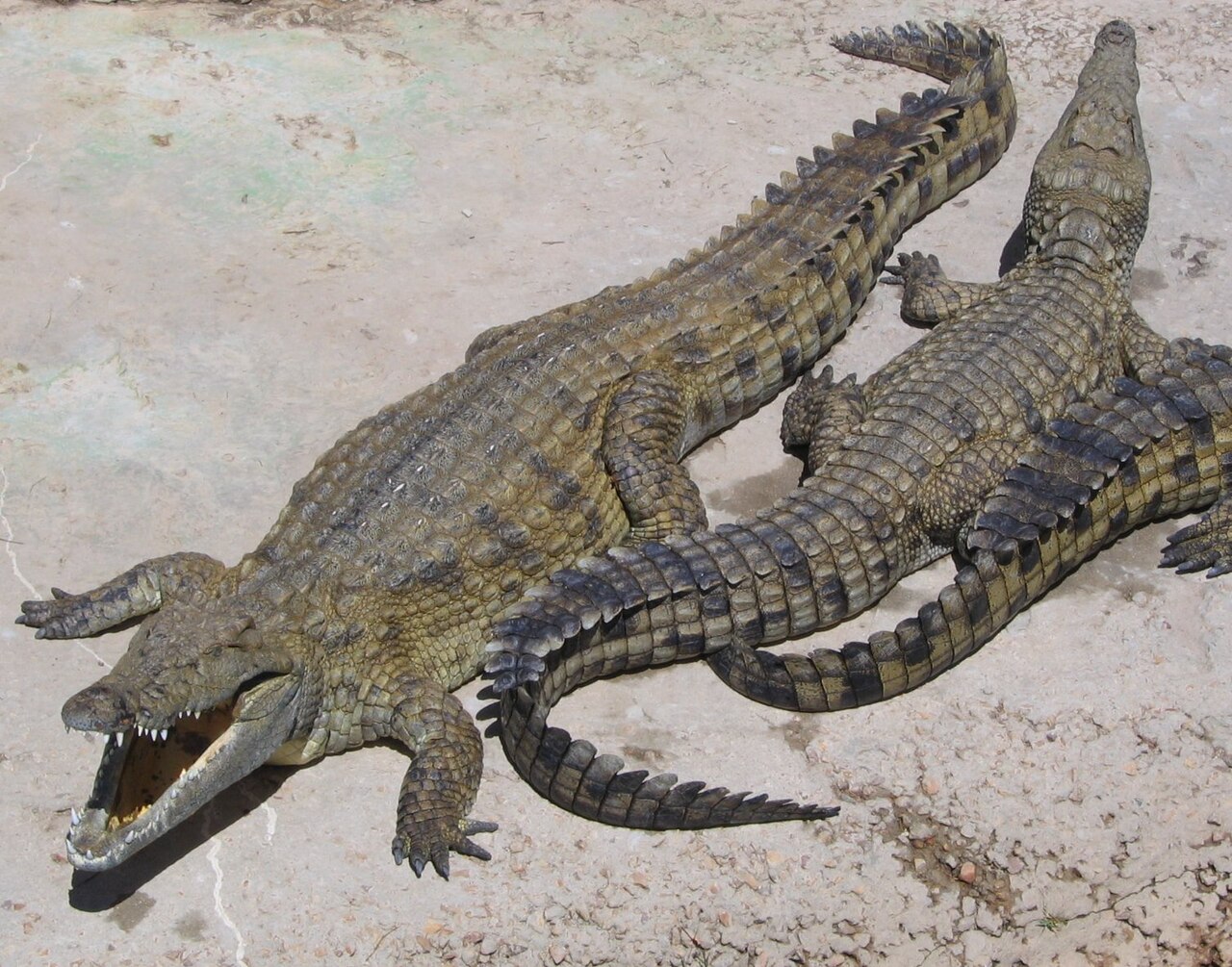
Multi-country Crocodile Focus — 7 Days
7 days · Mozambique
7-day multi-country crocodile focus — nile crocodile, waterbuck, impala in Sofala river systems.
$12,000 – $14,500
Plan Your Nile Crocodile Hunt
Submit a free enquiry and we'll match you with outfitters who hunt Nile Crocodile in your region.
Sign Up to Enquire African Elephant
 African Lion
 Black Rhinoceros
 Cape Buffalo
 Forest Buffalo
 Giant Forest Hog