Spotted Hyena Hunting
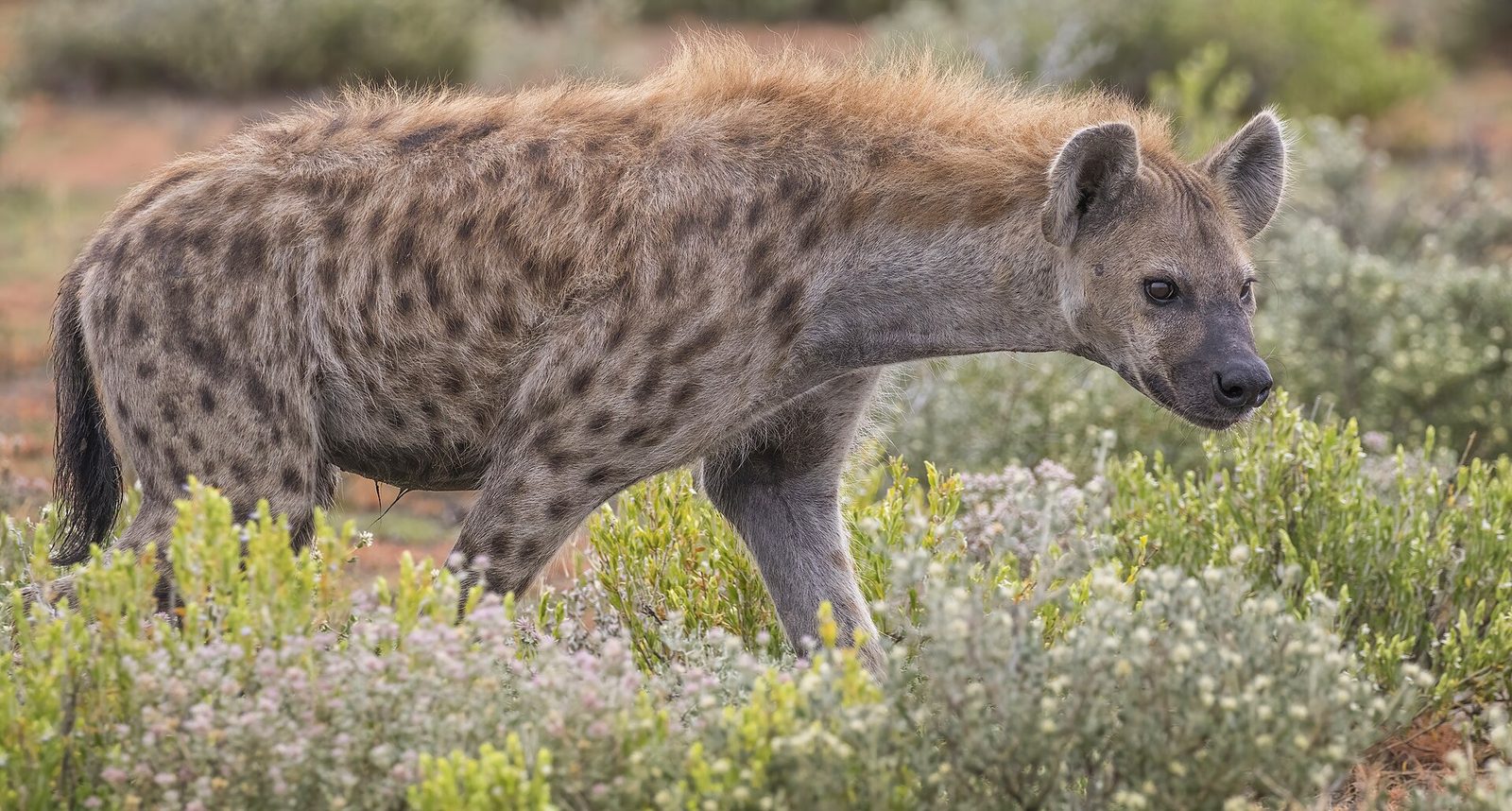
Crocuta crocuta
The spotted hyena (Crocuta crocuta), often misunderstood as mere scavengers, is a formidable predator that commands respect in the African wilderness. Physically, these robust animals boast a distinctive spotted coat ranging from yellowish-gray to brown, with black spots that provide excellent camouflage. They have a bear-like build with powerful forequarters, sloping backs, and enormous heads equipped with jaws capable of crushing bone—delivering a bite force of over 1,000 psi, stronger than a lion's. Adults typically measure 3 to 5. 5 feet in body length, stand about 2. 5 to 3 feet at the shoulder, and weigh between 90 and 190 pounds, with females notably larger and more dominant than males. Spotted hyenas thrive in diverse habitats including savannas, grasslands, woodlands, and even semi-deserts, where they form matriarchal clans of up to 80 individuals. Highly social and intelligent, they are both skilled hunters and opportunistic scavengers, often taking down prey like wildebeest or zebra through endurance pursuits rather than speed. Nocturnal by nature, they communicate with eerie whoops and giggles that echo across the night, adding to the thrill of tracking them. Their range spans sub-Saharan Africa, from Senegal in the west to Ethiopia in the east and down to South Africa, though populations are denser in game-rich areas like Tanzania's Serengeti or Kenya's Maasai Mara. For hunters, spotted hyenas present a unique challenge: their keen senses, pack dynamics, and resilience make them elusive and tough to approach. Look for fresh tracks—rounded paw prints about 4 inches wide with claw marks—or listen for their vocalizations at dusk. Baiting near waterholes can be effective, but always prioritize ethical practices and local regulations, as hyenas are often hunted to manage livestock conflicts. Conservation-wise, the species is listed as Least Concern by the IUCN, with stable global numbers around 27,000 to 47,000, though habitat loss and human persecution threaten some local groups. Pursuing a spotted hyena isn't just about the trophy; it's a test of patience and respect for one of Africa's most adaptable survivors.
Hunt facts
- Countries
- Angola Botswana Mozambique Namibia South Africa Tanzania Uganda Zambia Zimbabwe
- Hunt regions
-
Angola: Cuando Cubango MoxicoBotswana: Central Chobe Ghanzi Kgalagadi North WestMozambique: Gaza Manica Niassa Sofala Tete ZambeziaNamibia: Kavango East Kavango West Kunene ZambeziSouth Africa: Eastern Cape KwaZulu-Natal Limpopo Mpumalanga North WestTanzania: Arusha Katavi Lindi Manyara Morogoro Pwani Rukwa Simiyu Singida TaboraUganda: Central Northern WesternZambia: Central Eastern Luapula Muchinga North-Western Southern WesternZimbabwe: Manicaland Mashonaland Central Mashonaland West Masvingo Matabeleland North Matabeleland South Midlands
- Habitat
- Mixed savanna Woodland Bushveld
- Best time to hunt
- May–October (Dry season)
- Mass
- 45–85 kg (99–187 lb)
- Trophy minimum
-
- SCI (skull): 15
- SCI bow: 15
- Rowland Ward (skull): 16
- Rowland Ward record: 19 12/16
Typical record-book minimums; confirm the current edition with your professional hunter.
Where to Find Spotted Hyena
Spotted hyenas, known for their distinctive spotted coats and powerful builds, thrive in a variety of habitats across sub-Saharan Africa. Their primary environments include open savannas, grasslands, semi-arid bushlands, and light woodlands, where they scavenge and hunt in packs. They avoid dense forests and extreme deserts but can adapt to human-altered landscapes near farms or game reserves.
For hunting, the best countries are those with regulated programs, such as South Africa, Namibia, Zimbabwe, and Tanzania. In South Africa, the Limpopo and North West provinces offer prime opportunities on private ranches, while Namibia's communal conservancies in the northeast provide vast hunting concessions. Zimbabwe's Matabeleland region and Tanzania's Selous Game Reserve are also hotspots, with permits required through licensed outfitters to ensure sustainable practices.
Seasonally, the dry months from May to October are ideal, as reduced vegetation improves visibility and animals congregate around water sources. Wet seasons (November to April) can make tracking harder due to mud and dense foliage.
Terrain varies from flat, open plains dotted with acacia trees to rocky hills and thorny scrub, often with termite mounds and dry riverbeds. Hyenas prefer areas with abundant prey like antelope and zebra.
To locate them, scout at dawn or dusk when they're most active. Look for fresh tracks—large, rounded paw prints with claw marks—or listen for their eerie whoops and giggles. Focus on kill sites, waterholes, or den areas in rocky outcrops. Using bait stations or spot-and-stalk methods with experienced guides enhances success while respecting local regulations.
Why Hunt Spotted Hyena
Hunters pursue the spotted hyena for its impressive trophy qualities, including a robust, muscular build, distinctive spotted coat, and a massive skull that makes for a striking mount. These cunning predators, often weighing over 150 pounds, embody raw power and resilience, appealing to collectors seeking unique African game.
The hunting challenge is unmatched, with hyenas' intelligence, nocturnal habits, and pack dynamics creating high-stakes pursuits. Tracking them through dense bush at night, anticipating their eerie calls and sudden charges, delivers adrenaline-pumping excitement that tests even seasoned hunters' skills and nerves.
While not renowned for prime cuts, hyena meat offers a lean, gamey flavor that's surprisingly versatile in stews or jerky, providing a novel culinary adventure for those who enjoy wild game.
Culturally, hyenas hold significance in African traditions as symbols of endurance and cunning, often featured in folklore, making the hunt a deeper cultural immersion.
Regulated hunting supports conservation by funding anti-poaching efforts and habitat protection in regions like Tanzania, where fees contribute to sustainable wildlife management.
Ultimately, pursuing spotted hyenas offers unique experiences, from moonlit stalks to witnessing their social behaviors up close, forging unforgettable stories of Africa's wild heart.
Spotted Hyena Hunting Tips
Hunting spotted hyenas requires patience and respect for these resilient predators, commonly pursued in regions like Namibia or South Africa under guided safaris. The best methods include baiting with fresh kills to draw them in, combined with spot-and-stalk techniques in open savannas. Night hunting is effective using spotlights or thermal optics, as hyenas are nocturnal scavengers. For techniques, use calls mimicking distressed animals to lure them closer, and always hunt from an elevated blind for safety.
Recommended equipment includes a reliable bolt-action rifle in calibers like . 300 Winchester Magnum or . 375 H&H for sufficient stopping power against their tough hides. Pair it with a high-quality scope for low-light conditions and soft-point bullets for expansion. A sturdy bipod and suppressor can aid in stealthy shots.
For shot placement, aim for the heart-lung area just behind the shoulder when broadside, or the neck for a quick drop. Avoid headshots unless at close range, as hyenas have thick skulls.
Tracking tips involve following fresh paw prints (round with claw marks) and scat piles near waterholes. Stalk quietly upwind, using terrain for cover, and listen for their distinctive whoops.
Hunt during the dry season (May to October) when game concentrates around water, and focus on dusk to dawn for peak activity.
Common mistakes include underestimating their speed and pack behavior—never approach a wounded hyena alone. Also, avoid overhunting bait sites to prevent habituation.
Safety is paramount: always hunt with an experienced guide, carry a backup firearm, and maintain distance, as hyenas can be aggressive if cornered or protecting cubs. Check local regulations and obtain permits to ensure ethical practices.
Featured Outfitters for Spotted Hyena
View allHunting Tips & Guides
All tips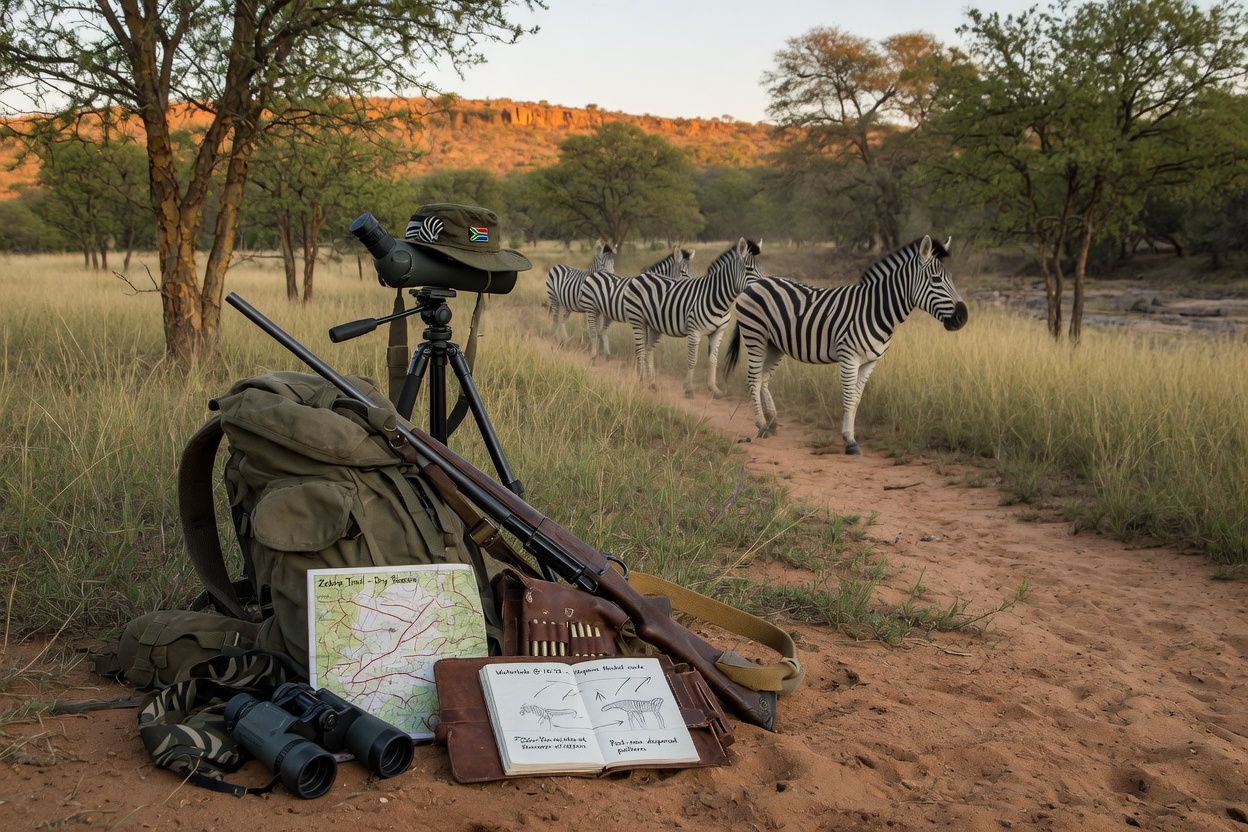
Unlocking Zebra Movements for Lowveld Hunting Success
Learn zebra movement patterns in South Africa's Lowveld to boost ethical hunting success. Seasonal tips, daily routines, and conservation insights …
Read moreHunt packages with Spotted Hyena
Curated hunt ideas — no price on the page. Enquire and we'll match outfitters after review.
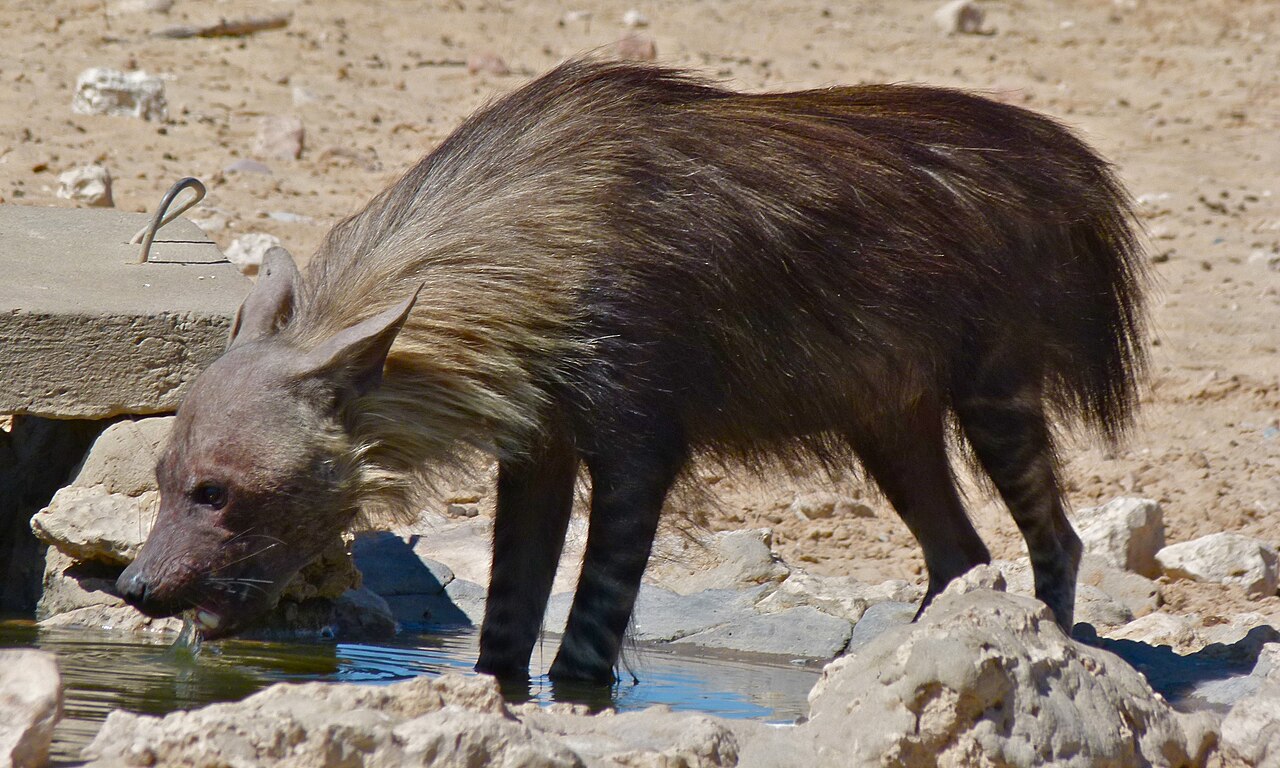
Botswana Hyena & Jackal — 7 Days
7 days · Botswana
7-day botswana hyena & jackal — spotted hyena, brown hyena, black-backed jackal in Central Kalahari fringe.
$8,200 – $9,800
Plan Your Spotted Hyena Hunt
Submit a free enquiry and we'll match you with outfitters who hunt Spotted Hyena in your region.
Sign Up to Enquire African Elephant
 African Lion
 Black Rhinoceros
 Cape Buffalo
 Forest Buffalo
 Giant Forest Hog