Black-Faced Impala Hunting
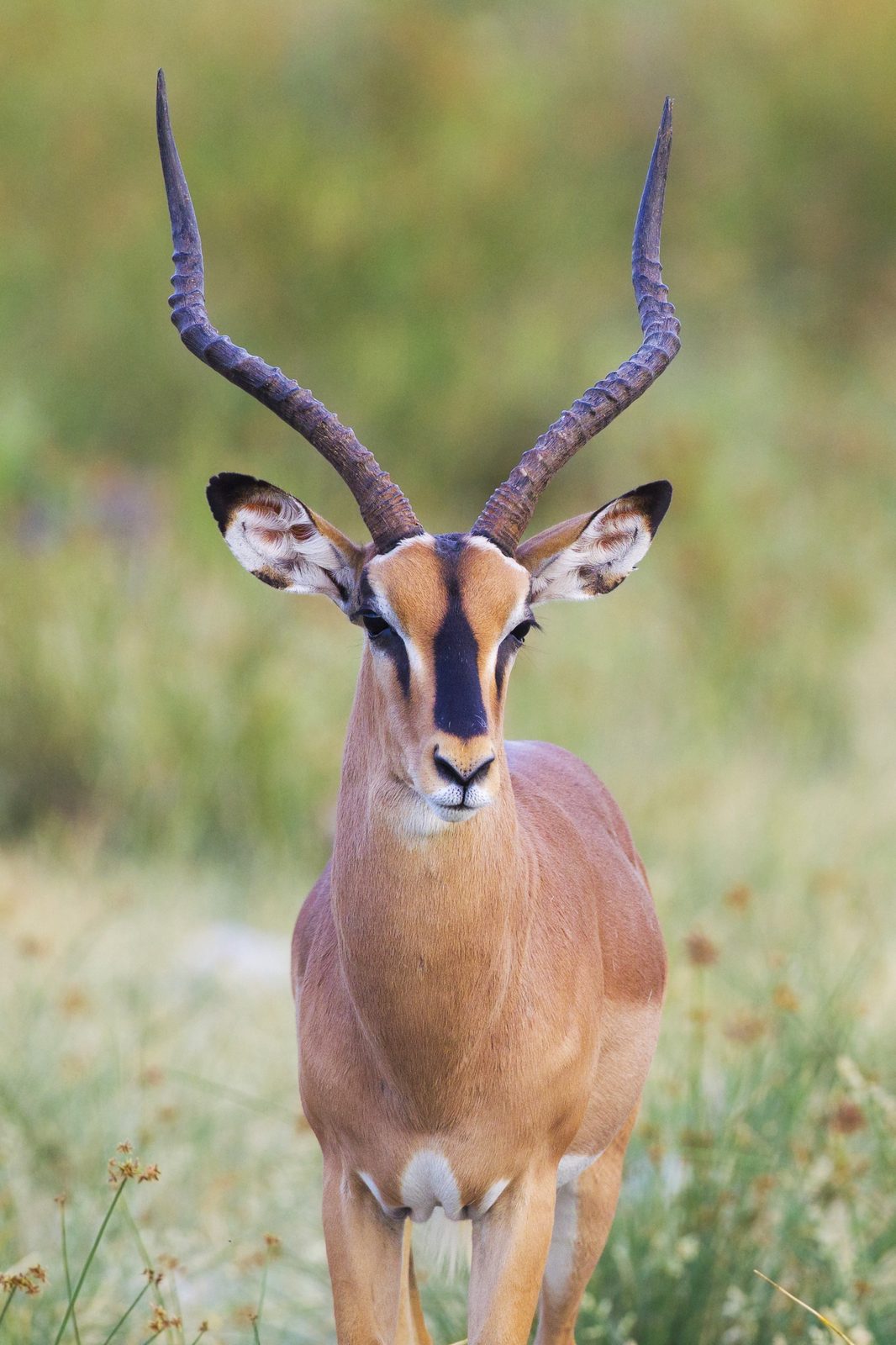
Aepyceros melampus petersi
The black-faced impala, scientifically known as Aepyceros melampus petersi, is a striking subspecies of impala that captivates hunters with its unique appearance and elusive nature. Physically, these antelopes stand about 33 to 37 inches at the shoulder, with males weighing up to 175 pounds and females slightly lighter at around 110 pounds. Their glossy reddish-brown coats contrast sharply with a distinctive black facial mask, white underbelly, and black-tipped ears. Rams boast impressive lyre-shaped horns that can spiral up to 36 inches, making them a prized trophy, while ewes are hornless. Found primarily in the arid savannas and thornbush woodlands of northwestern Namibia and southwestern Angola, black-faced impalas thrive in rugged terrains near water sources. They're highly social, often forming herds of up to 100 individuals, but rams become fiercely territorial during the rutting season from March to May, engaging in dramatic displays of strength. These animals are incredibly agile, capable of leaping over 30 feet in a single bound and reaching speeds of 50 mph, which adds an exhilarating challenge to any stalk. Hunters should note their keen senses—sharp eyesight and hearing make them quick to bolt at the slightest disturbance, so patience and stealth are key. Their distribution is limited, with the largest populations in Namibia's Etosha National Park and private conservancies, where regulated hunting helps support conservation efforts. As a vulnerable subspecies, black-faced impalas face threats from habitat loss and poaching, but sustainable trophy hunting programs contribute to their protection by funding anti-poaching initiatives and habitat restoration. For hunters seeking an ethical adventure, pursuing a black-faced impala offers not just a beautiful mount but a chance to engage with Africa's wild heritage—always check local regulations and opt for guided hunts to ensure responsible practices.
Hunt facts
- Countries
- Angola Namibia
- Hunt regions
-
Angola: Cunene Huíla NamibeNamibia: Erongo Kunene
- Habitat
- Mixed savanna Woodland
- Best time to hunt
- May–October (Dry season)
- Mass
- 40–75 kg (88–165 lb)
- Trophy minimum
-
- SCI (inches): 52
- SCI bow: 46
- Rowland Ward (inches): 21
Black-faced impala subspecies
Typical record-book minimums; confirm the current edition with your professional hunter.
Where to Find Black-Faced Impala
Black-faced impala, a subspecies of impala known for their striking dark facial markings, thrive in arid savanna and semi-desert habitats, often in mopane woodlands and thornbush areas. They are primarily found in southwestern Africa, with the core populations in northwestern Namibia and southern Angola, where they adapt to rugged, water-scarce environments.
For hunting, Namibia stands out as the premier destination, offering regulated opportunities on private ranches and conservancies in the Kunene Region, including areas around Etosha National Park and the Kaokoveld. Angola has limited access due to infrastructure challenges, but Namibia provides well-managed hunts with permits. South Africa occasionally offers introduced populations on game farms, though these are less authentic.
Seasonally, the dry months from May to October are ideal, as impala congregate near remaining water sources, making them easier to spot. Avoid the wet season (November to April) when vegetation is dense and animals disperse.
The terrain features rocky hills, dry riverbeds, and sparse acacia scrub, requiring sturdy boots and vehicles for navigation. To locate them, scout early mornings or late afternoons near waterholes and salt licks, following fresh tracks in sandy soils. Use binoculars from elevated vantage points to scan for herds, and listen for alarm calls that signal their presence. Always hunt ethically with licensed outfitters to ensure sustainability.
Why Hunt Black-Faced Impala
Hunters are drawn to the black-faced impala for its striking trophy qualities, featuring elegant, lyre-shaped horns that can span up to 36 inches, paired with a distinctive black facial blaze that sets it apart from common impala subspecies. This makes it a prized addition to any collection, symbolizing a true African safari achievement.
The pursuit offers an exhilarating challenge, as these agile antelopes thrive in the rugged, arid landscapes of Namibia, demanding sharp stalking skills and quick reflexes amid thorny bushveld. The thrill of spotting a mature ram in a herd, navigating unpredictable winds and keen senses, keeps adrenaline pumping for even seasoned hunters.
Beyond the hunt, black-faced impala provide excellent meat—lean, tender, and mildly gamey, perfect for grilling or slow-roasting into savory dishes that elevate wild game cuisine.
Culturally, they hold significance in Namibian traditions, representing resilience and the spirit of the wild, often featured in local lore and sustainable harvesting practices.
Regulated hunting contributes directly to conservation, funding anti-poaching efforts and habitat preservation for this vulnerable subspecies, ensuring future generations can experience them.
What truly sets it apart is the unique immersion in Etosha's vast savannas, where the hunt blends adventure with profound wildlife encounters, creating unforgettable stories of Africa's untamed heart.
Black-Faced Impala Hunting Tips
Hunting black-faced impala, a rare subspecies native to Namibia and Angola, requires patience and precision due to their elusive nature and arid habitats. The best methods involve spot-and-stalk techniques, where hunters glass from elevated vantage points to locate herds, then approach quietly on foot. Bowhunting is popular for the challenge, but rifle hunting dominates for its range in open savannas.
For equipment, opt for a flat-shooting rifle in calibers like . 270 Winchester or 7mm Remington Magnum, paired with a quality scope (3-9x or similar) for shots up to 300 yards. Use premium bullets like 140-grain soft points for clean kills. Lightweight binoculars and rangefinders are essential for spotting and judging distances.
Shot placement is critical: aim for the heart-lung area just behind the shoulder for a broadside shot, avoiding the high shoulder to prevent meat damage. For quartering angles, target the off-shoulder to penetrate vitals.
Tracking and stalking tips include moving slowly against the wind, using natural cover like acacia bushes, and watching for alarm signals like raised tails. Follow fresh tracks in sandy soil, noting the impala's distinctive heart-shaped hoof prints.
Hunt during early mornings or late afternoons when impala are most active, avoiding midday heat. The dry season (May to October) is ideal, as animals concentrate near water sources.
Common mistakes include rushing shots, underestimating wind drift, or ignoring permit regulations—always hunt with a licensed guide. For safety, maintain firearm discipline, wear blaze orange if required, and be aware of venomous snakes and other wildlife in the bush. Respect conservation efforts, as black-faced impala are vulnerable and hunts support habitat protection.
Featured Outfitters for Black-Faced Impala
View all


Hunt packages with Black-Faced Impala
Curated hunt ideas — no price on the page. Enquire and we'll match outfitters after review.
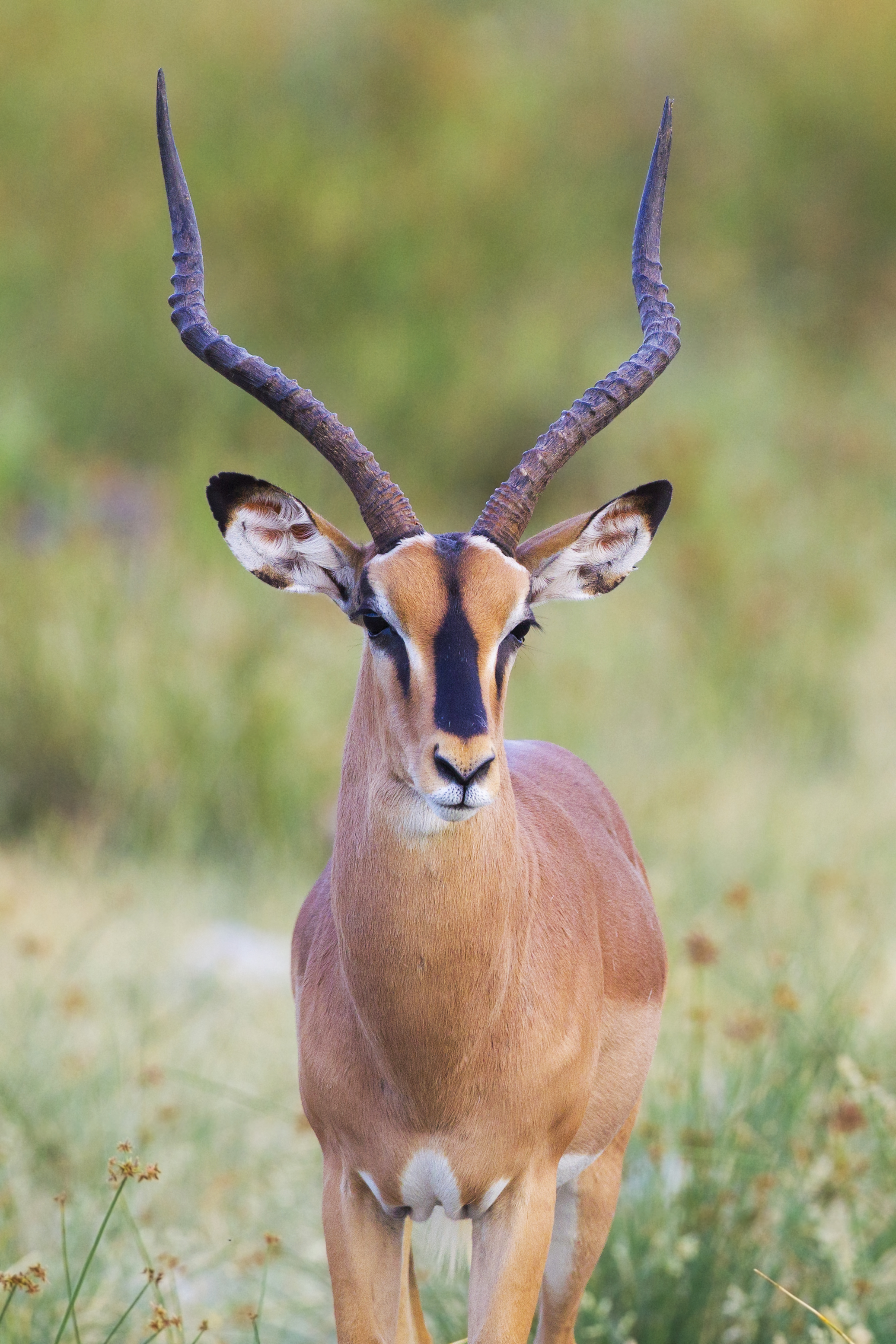
Kunene Black-Faced Impala — 8 Days
8 days · Namibia
8-day kunene black-faced impala — black-faced impala, hartmann's mountain zebra, klipspringer in Kunene escarpment and arid valleys.
$10,500 – $11,800
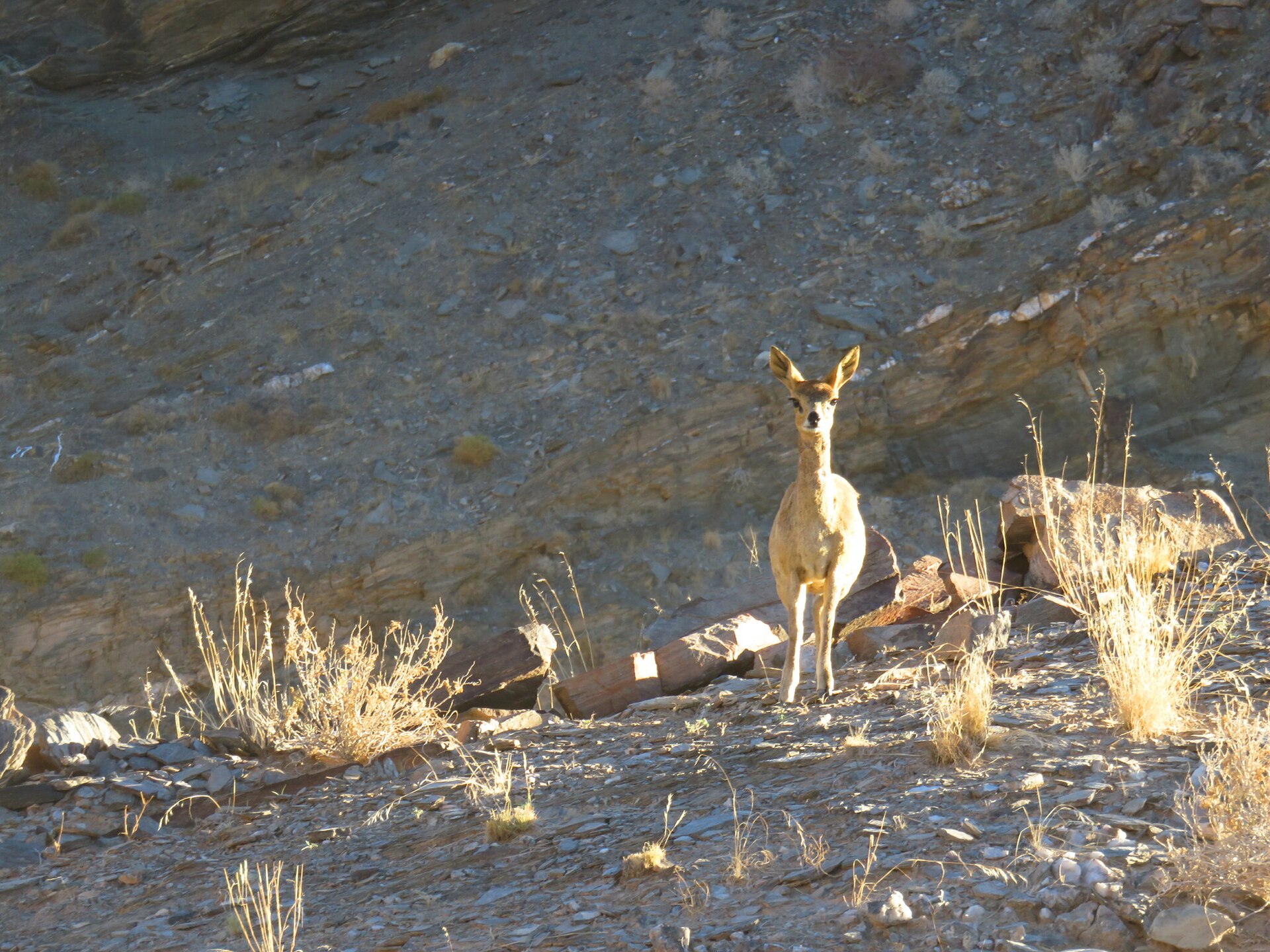
Namibe Mountain Zebra — 8 Days
8 days · Angola
8-day namibe mountain zebra — hartmann's mountain zebra, klipspringer, springbok in Namibe escarpment.
$12,000 – $14,000
Plan Your Black-Faced Impala Hunt
Submit a free enquiry and we'll match you with outfitters who hunt Black-Faced Impala in your region.
Sign Up to Enquire Aardwolf
 Abyssinian Bushbuck
 Baboon
 Bat-Eared Fox
 Bay Duiker
 Beisa Oryx