Cape Mountain Zebra Hunting
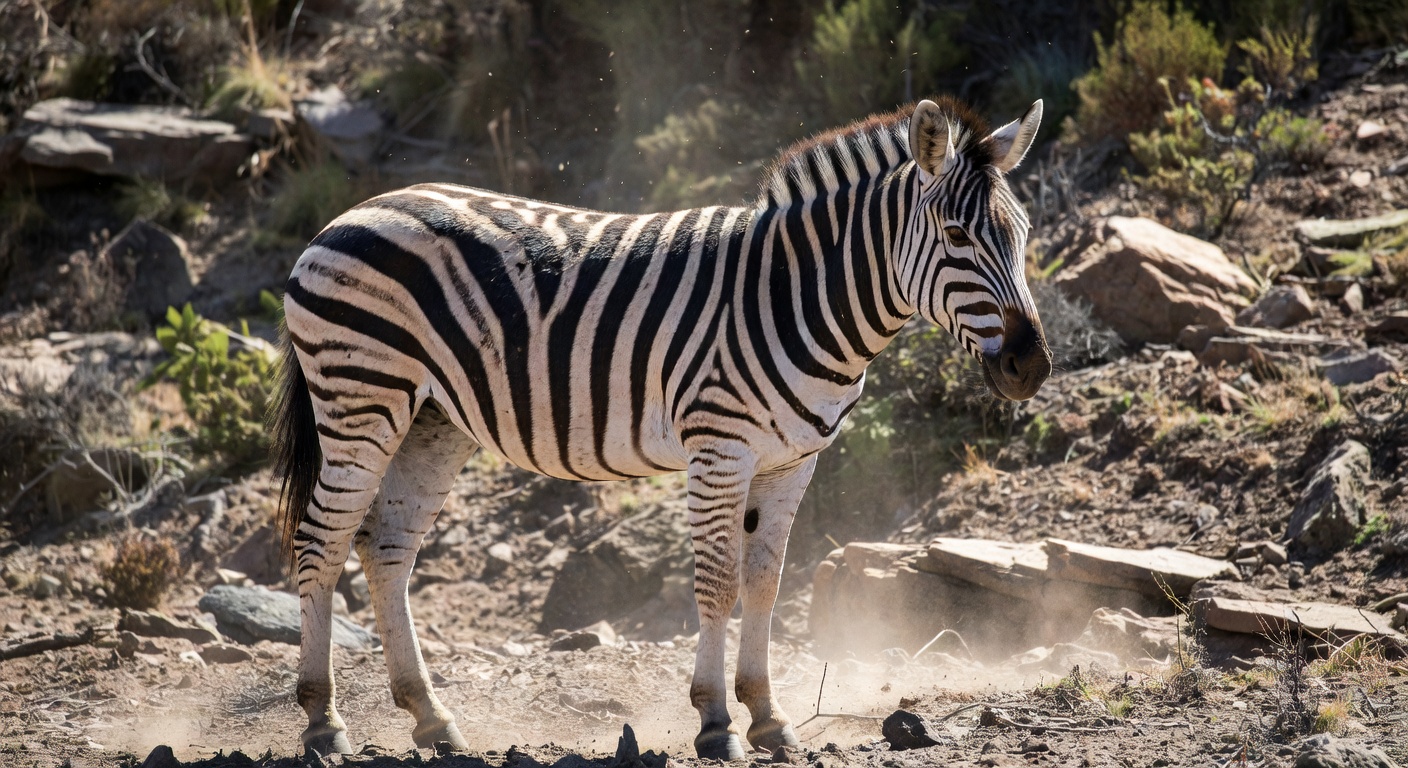
Equus zebra zebra
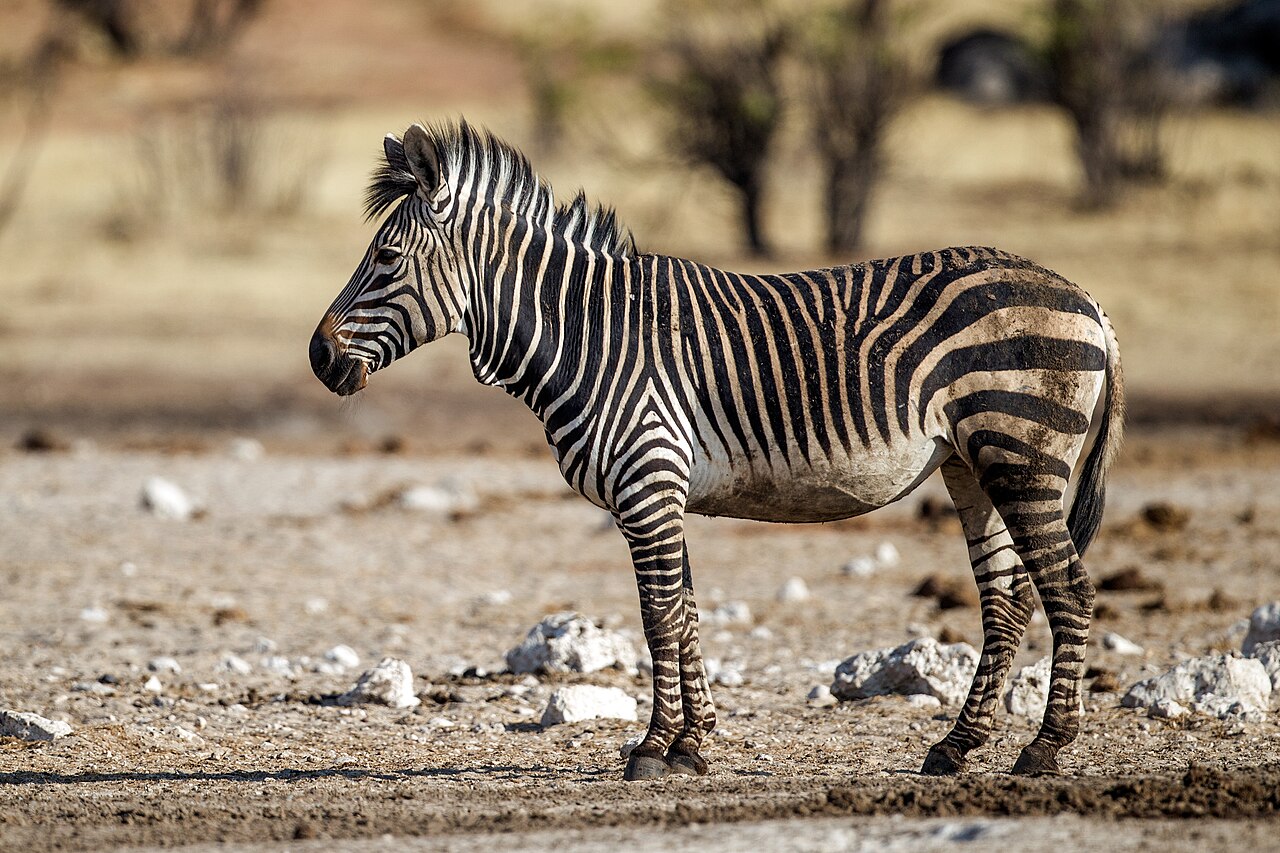
The Cape Mountain Zebra (Equus zebra zebra) is a striking and resilient subspecies of zebra, prized by hunters for its unique appearance and challenging pursuit. Physically, these zebras stand out with their bold black-and-white stripes that are narrower and more defined than those of plains zebras, extending all the way down their legs to form "shadow stripes." Adults typically measure 7-8 feet in length, stand about 4-5 feet at the shoulder, and weigh between 500-800 pounds, with males slightly larger than females. Their compact, muscular build and distinctive dewlap (a fold of skin under the throat) give them a rugged, almost pony-like profile, adapted for rugged terrain. Native to the mountainous regions of South Africa, Cape Mountain Zebras thrive in steep, rocky habitats like fynbos shrublands and grasslands at elevations up to 6,500 feet. They are highly social animals, forming small family groups or harems led by a dominant stallion, and exhibit vigilant behavior, often fleeing at the first sign of danger with impressive speed and agility over uneven ground. This makes them a test of a hunter's stalking skills and patience, as they prefer remote, inaccessible areas and have keen senses to detect threats from afar. Their distribution is limited to protected areas in the Western and Eastern Cape provinces of South Africa, with populations rebounding in places like the Mountain Zebra National Park and private reserves. For hunters, notable features include their trophy-quality hides and the thrill of pursuing them in dramatic landscapes—spotting a herd against a rocky backdrop is unforgettable. However, conservation is key: once on the brink of extinction with fewer than 100 individuals in the 1930s, the Cape Mountain Zebra is now classified as Vulnerable by the IUCN, with a global population around 5,000. Hunting is strictly regulated and typically only permitted on select private game farms under sustainable management programs to support conservation efforts. Ethical hunters should always verify permits and contribute to habitat preservation for this iconic species.
Hunt facts
- Countries
- South Africa
- Hunt regions
-
South Africa: Eastern Cape Northern Cape Western Cape
- Habitat
- Mountain Rocky outcrop Semi-arid
- Best time to hunt
- May–August (Cape winter)
- Mass
- 230–260 kg (507–573 lb)
Where to Find Cape Mountain Zebra
Cape Mountain Zebras are primarily found in the rugged mountainous regions of South Africa, thriving in fynbos and karoo shrubland habitats where they graze on grasses and browse on shrubs. These hardy animals prefer elevations between 500 and 2,000 meters, often in areas with steep slopes, rocky outcrops, and sparse vegetation that provides cover from predators.
The best countries for hunting Cape Mountain Zebras are exclusively in South Africa, with prime areas including the Western Cape Province, such as the Cape Fold Mountains and reserves like the Gamkaberg Nature Reserve, as well as parts of the Eastern Cape. Private game ranches in these regions often offer controlled hunts under conservation permits, ensuring sustainable population management.
Seasonal considerations favor the dry winter months from May to September, when vegetation is thinner, improving visibility and animal movement to water sources. Avoid the wet summer season (November to March) due to denser foliage and potential for heavy rains that make tracking difficult.
The terrain is challenging—expect steep, rocky hillsides with loose shale and thorny bushes, requiring sturdy boots and good physical fitness. For locating them, scout early mornings or late afternoons near perennial streams or dams where they drink. Look for fresh tracks, droppings, or dust baths on ridges. Use binoculars to glass open slopes from vantage points, and listen for their distinctive barking calls. Patience is key, as these zebras are wary and quick to flee into inaccessible terrain.
Why Hunt Cape Mountain Zebra
People hunt Cape Mountain Zebra for several reasons. This animal is special because of its unique black and white stripes and its status as a rare subspecies found mainly in South Africa's rugged mountains. Hunters prize it for its beautiful hide and as a trophy that shows skill.
Hunting them is fun and challenging. They live in steep, rocky terrain, so tracking and stalking require good fitness and patience. Spotting one from afar and closing in quietly adds excitement. It's a test of endurance and marksmanship.
Good reasons include conservation. Regulated hunts help control populations and provide funds for wildlife protection. The meat is also lean and tasty, making it a sustainable food source. Overall, it's an adventurous way to connect with nature while supporting eco-balance.
Cape Mountain Zebra Hunting Tips
Hunting Cape Mountain Zebra requires patience and precision, as these agile animals inhabit rugged, mountainous terrain in South Africa. The most effective method is spot-and-stalk hunting, where you glass from high vantage points to locate herds, then approach on foot using natural cover like rocks and bushes. Bowhunting is possible but challenging due to their keen senses; rifles are preferred for ethical, long-range shots.
Equip yourself with a reliable bolt-action rifle in calibers like . 270 Winchester or . 30-06 Springfield, which offer sufficient power for clean kills at 200-300 yards. Use premium bullets such as 150-grain soft points for expansion. Optics are crucial—opt for a 3-9x scope and binoculars with at least 10x magnification. Pack lightweight gear, including sturdy boots for steep hikes and camouflage suited to arid landscapes.
For shot placement, aim for the vital heart-lung area just behind the shoulder when the zebra is broadside. Avoid head or neck shots to prevent wounding. If tracking a hit animal, look for bright red blood indicating a lung hit, and follow spoor carefully in rocky areas.
Stalk quietly against the wind to mask scent and noise, moving slowly during dawn or dusk when zebras are most active. The best season is the dry winter months (May to September) for better visibility and animal concentration near water sources.
Common mistakes include underestimating the terrain's difficulty, leading to fatigue, or taking hasty shots without confirming range. Always prioritize safety: treat every firearm as loaded, be aware of loose rocks to avoid falls, and hunt with a guide in unfamiliar areas to navigate regulations and prevent accidents. Respect bag limits and ethical practices for sustainable hunting.
Featured Outfitters for Cape Mountain Zebra
View all



Hunt packages with Cape Mountain Zebra
Curated hunt ideas — no price on the page. Enquire and we'll match outfitters after review.
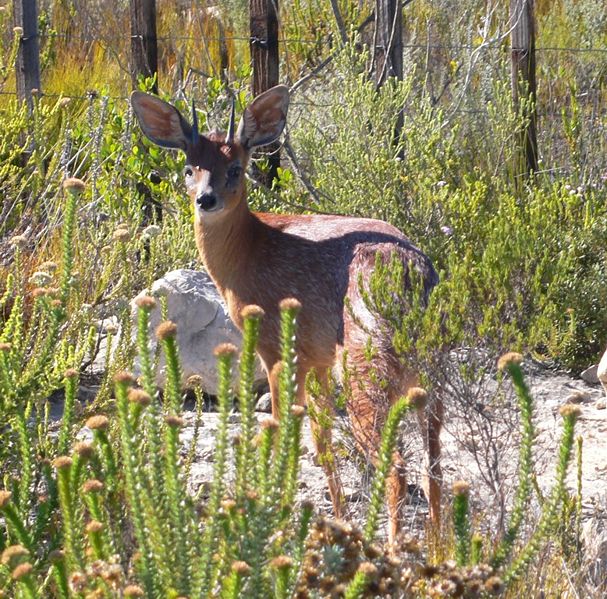
Western Cape Mountain & Plains — 7 Days
7 days · South Africa
7-day western cape mountain & plains — bontebok, cape grysbok, springbok in Western Cape fynbos and Karoo fringe.
$9,200 – $10,800
Plan Your Cape Mountain Zebra Hunt
Submit a free enquiry and we'll match you with outfitters who hunt Cape Mountain Zebra in your region.
Sign Up to Enquire Baboon
 Bushbuck
 Grey Rhebok
 Hartmann's Mountain Zebra
 Klipspringer
 Menelik's Bushbuck