Caracal Hunting
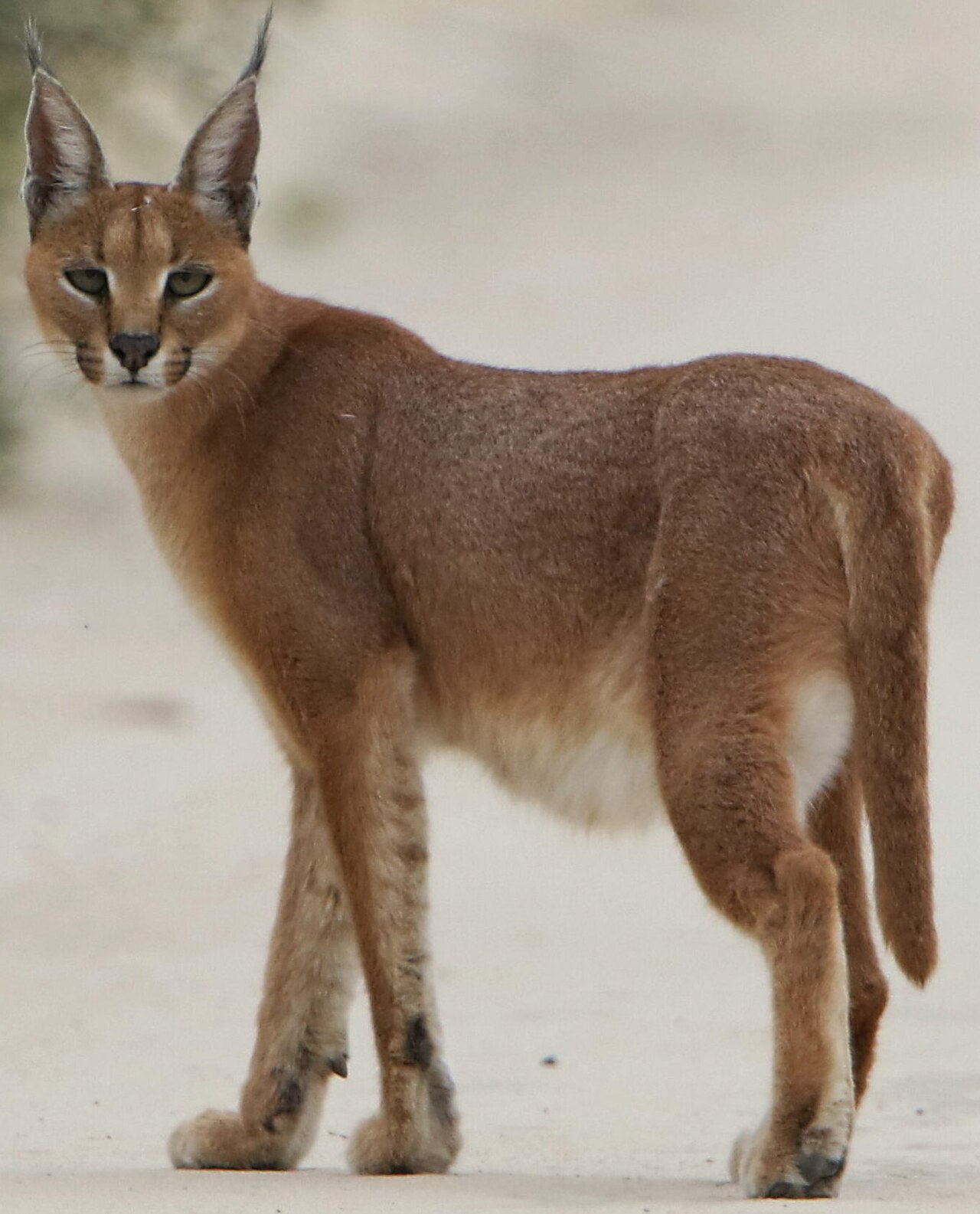
Caracal caracal
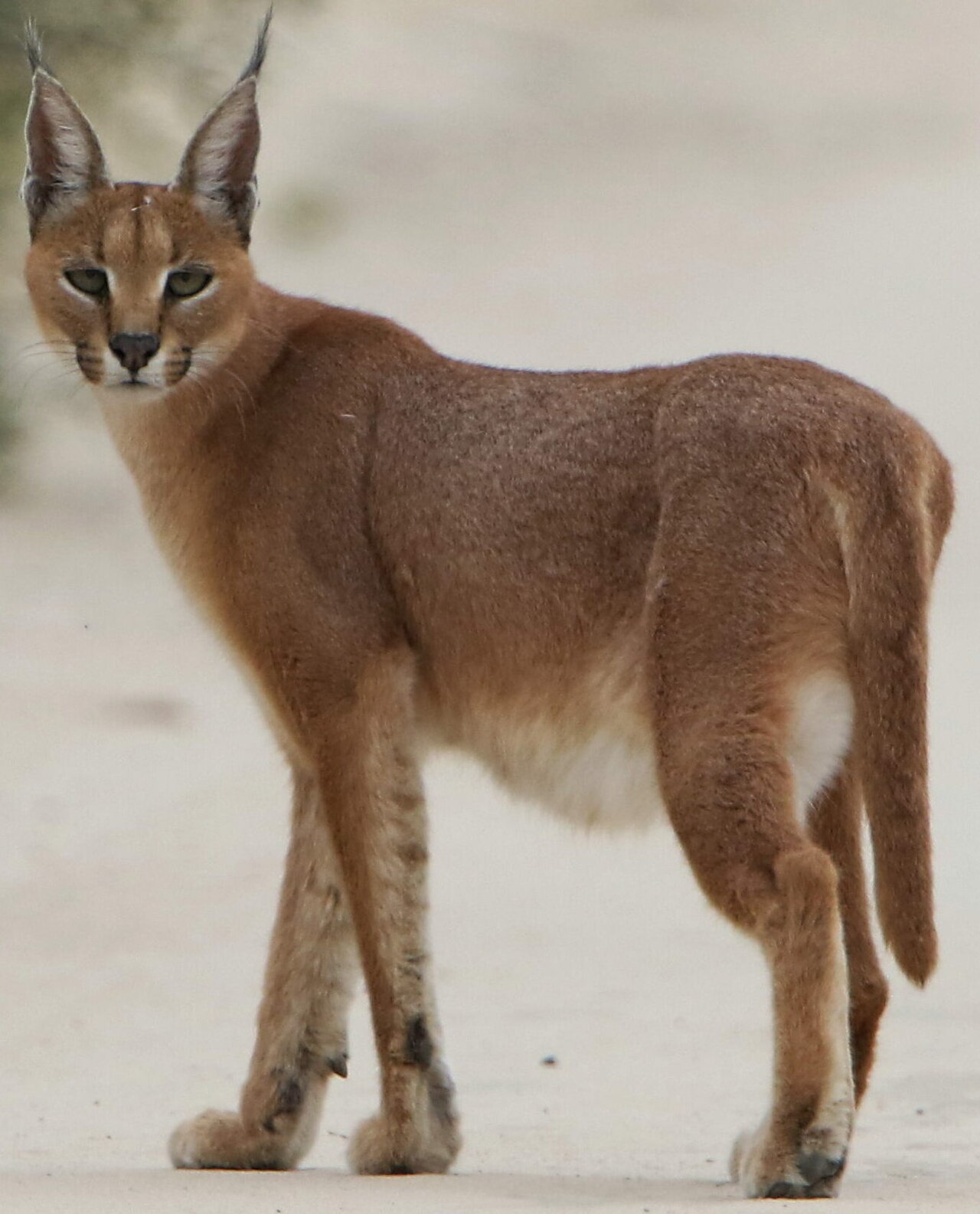
The caracal, scientifically known as Caracal caracal, is a sleek and agile wild cat that captivates hunters with its elusive nature and impressive athleticism. Physically, this medium-sized feline boasts a slender build, with adults typically weighing between 13 to 40 pounds and measuring 23 to 36 inches in body length, plus a short tail of about 9 to 12 inches. Its most striking feature is the long, black-tufted ears that can reach up to 3 inches, aiding in acute hearing. The coat is a uniform reddish-brown or tawny color, providing excellent camouflage in dry landscapes, while its powerful hind legs enable leaps of up to 10 feet to snatch birds mid-flight. Caracals thrive in a variety of habitats, including savannas, woodlands, scrublands, and semi-desert regions, where they exhibit solitary and primarily nocturnal behavior. These stealthy predators are masterful hunters themselves, preying on small mammals, birds, and reptiles with lightning-fast pounces and bursts of speed up to 50 mph in short sprints. They're known for their territorial ways, marking areas with urine and scratches, and while generally avoiding humans, they can become bold around livestock, making them a target for controlled hunts in some regions. Geographically, caracals are widely distributed across sub-Saharan Africa, extending into North Africa, the Arabian Peninsula, and parts of India and Central Asia. For hunters, the caracal presents a thrilling challenge due to its keen senses, camouflage, and evasive tactics—spotting one requires patience, expert tracking, and often the use of calls or baits during dawn or dusk. Ethical hunting focuses on sustainable practices, as overhunting in certain areas has led to local declines. Regarding conservation, the caracal is listed as Least Concern by the IUCN overall, but habitat loss and retaliatory killings pose threats in fragmented populations. In regulated hunting zones, such as parts of South Africa and Namibia, permits ensure populations remain stable, allowing hunters to pursue this magnificent cat while contributing to wildlife management efforts. Always check local regulations to hunt responsibly and preserve the thrill for future generations.
Hunt facts
- Countries
- Angola Botswana Mozambique Namibia South Africa Tanzania Uganda Zambia Zimbabwe
- Hunt regions
-
Angola: Cunene Huíla NamibeBotswana: Central Chobe Ghanzi Kgalagadi North WestMozambique: Gaza Manica Niassa Sofala Tete ZambeziaNamibia: Erongo Hardap Karas Khomas Kunene Omaheke OtjozondjupaSouth Africa: Eastern Cape Free State Gauteng KwaZulu-Natal Limpopo Mpumalanga North West Northern Cape Western CapeTanzania: Arusha Manyara SimiyuUganda: NorthernZambia: Central Eastern Luapula Muchinga North-Western Southern WesternZimbabwe: Manicaland Mashonaland Central Mashonaland West Masvingo Matabeleland North Matabeleland South Midlands
- Habitat
- Mixed savanna Rocky outcrop Semi-arid
- Best time to hunt
- May–October (Dry season)
- Mass
- 8–19 kg (18–42 lb)
- Trophy minimum
-
- SCI (skull): 6
- SCI bow: 5
- Rowland Ward (skull): 7
- Rowland Ward record: 11 12/16
Typical record-book minimums; confirm the current edition with your professional hunter.
Where to Find Caracal
Caracals, medium-sized wild cats known for their tufted ears and agile hunting prowess, thrive in arid and semi-arid habitats across Africa, the Middle East, and parts of Asia. They prefer savannas, scrublands, woodlands, and rocky terrains where they can stalk small mammals, birds, and reptiles, often avoiding dense forests or extremely wet areas.
For hunting, the best opportunities are in southern and eastern Africa, particularly South Africa, Namibia, and Zimbabwe, where regulated hunts are permitted on private game ranches or conservancies. These countries offer trophy hunting packages with professional guides, ensuring sustainable practices under CITES regulations. Avoid regions like India or the Middle East, where caracals are protected and hunting is illegal.
Seasonally, dry periods from May to October are ideal, as reduced vegetation improves visibility and animals concentrate around water sources. Hunts often occur at dawn, dusk, or night, given their nocturnal nature.
Terrain-wise, focus on open grasslands with acacia bushes, rocky outcrops, or dry riverbeds for ambush spots. Tips for locating them include scanning for fresh tracks (similar to a large domestic cat with claw marks), listening for their distinctive hisses or growls, and using predator calls to mimic prey. Baiting near waterholes or employing spot-and-stalk methods from elevated hides can increase success, but always prioritize ethical hunting and local permits.
Why Hunt Caracal
Hunters pursue the elusive caracal for its exceptional trophy qualities, boasting a sleek, tawny coat, striking black ear tufts, and a powerful build that makes for an impressive mount or rug. This medium-sized wild cat, often called the "desert lynx," offers a stunning display of nature's elegance, with its piercing gaze and agile form symbolizing the untamed African wilderness.
The hunting challenge is unparalleled, as caracals are masters of stealth and speed, capable of leaping up to 10 feet to snatch birds mid-flight. Tracking them through dense bush or arid savannas demands sharp skills, patience, and quick reflexes, delivering heart-pounding excitement that tests even seasoned hunters. Spot-and-stalk methods or baiting add to the thrill, often culminating in a high-stakes encounter.
While not primarily hunted for meat, caracal offers lean, gamey flesh that's surprisingly tender when prepared right—think slow-roasted or grilled with herbs for a unique culinary adventure that echoes exotic African flavors.
Culturally, caracals hold significance in African folklore as symbols of cunning and grace, with traditional hunts honoring tribal heritage. Regulated hunting contributes to conservation by funding anti-poaching efforts and habitat protection in regions like Namibia and South Africa, ensuring sustainable populations.
Ultimately, pursuing caracal provides unique experiences like witnessing their acrobatic prowess in the wild or sharing stories around a campfire, forging unforgettable bonds with nature's fierce beauty.
Caracal Hunting Tips
Hunting caracal, the elusive African wildcat known for its agility and striking ear tufts, requires patience and precision, as these nocturnal predators are often hunted in regions like South Africa or Namibia where permits are available. The best methods involve spot-and-stalk techniques, using elevated vantage points to scan for movement in arid savannas or rocky hillsides. Baiting with small game can draw them in, but always check local regulations. For equipment, opt for a lightweight rifle in . 223 Remington or . 22-250 caliber for clean, ethical kills—pair it with a quality scope for low-light conditions and a suppressor to minimize disturbance. Shot placement is critical: aim for the vital chest area behind the shoulder to target the heart and lungs, avoiding headshots due to their small size and quick reflexes.
Tracking caracal demands keen observation of paw prints, which resemble large domestic cat tracks with no claw marks, and scat containing fur or feathers. Stalk slowly and silently, using natural cover like bushes or rocks, and employ calls mimicking distressed prey to lure them closer. Hunt during crepuscular hours at dawn or dusk when they're most active, with the dry season (May to September in southern Africa) offering better visibility and less vegetation.
Common mistakes include rushing shots, which can wound rather than kill, or underestimating their speed—always confirm the kill before approaching. Safety is paramount: caracals can be aggressive if cornered, so carry a sidearm, hunt with a partner, and respect their habitat to avoid encounters with larger predators like lions. Prioritize ethical practices and conservation to sustain populations.
Featured Outfitters for Caracal
View allHunting Tips & Guides
All tips
Karoo Drought Hunting: Game Effects and Smart Planning
Learn how droughts impact Karoo game populations and get practical tips for ethical hunt planning and conservation in South Africa's …
Read more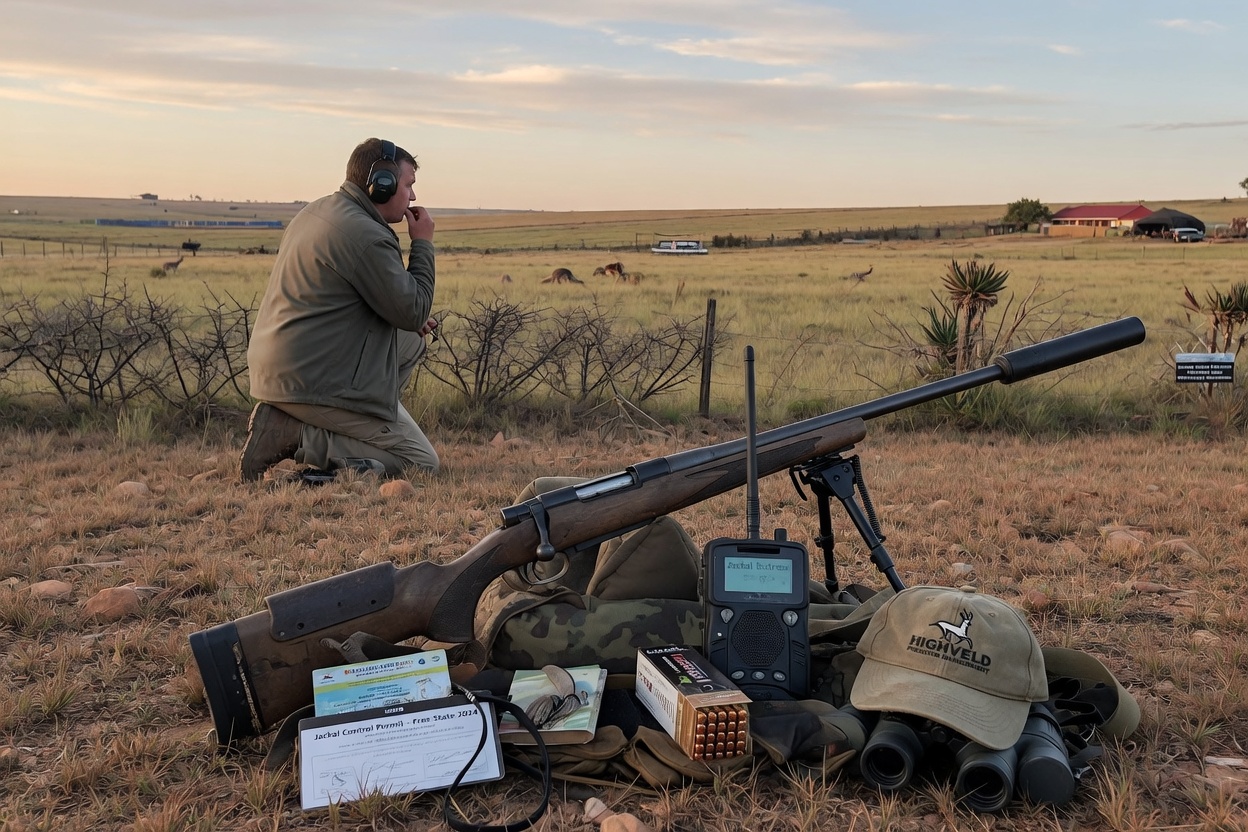
Highveld Jackal Control: Legal Hunting Opportunities
Explore legal jackal control hunts on South African Highveld farms. Expert tips on regulations, calling techniques, ethics, and equipment for …
Read moreHunt packages with Caracal
Curated hunt ideas — no price on the page. Enquire and we'll match outfitters after review.
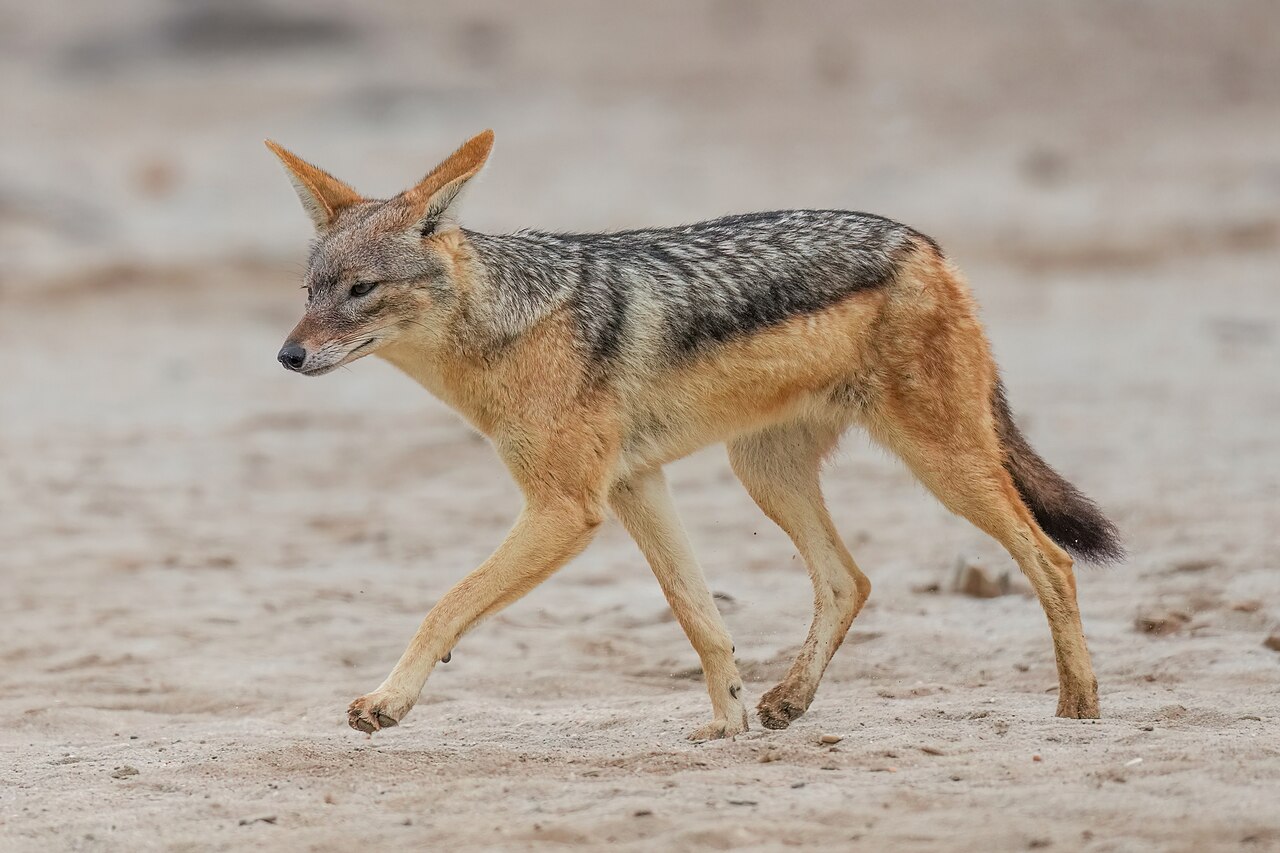
Khomas Predator Add-On — 5 Days
5 days · Namibia
5-day khomas predator add-on — black-backed jackal, caracal, baboon in Khomas highland farms.
$5,200 – $6,200
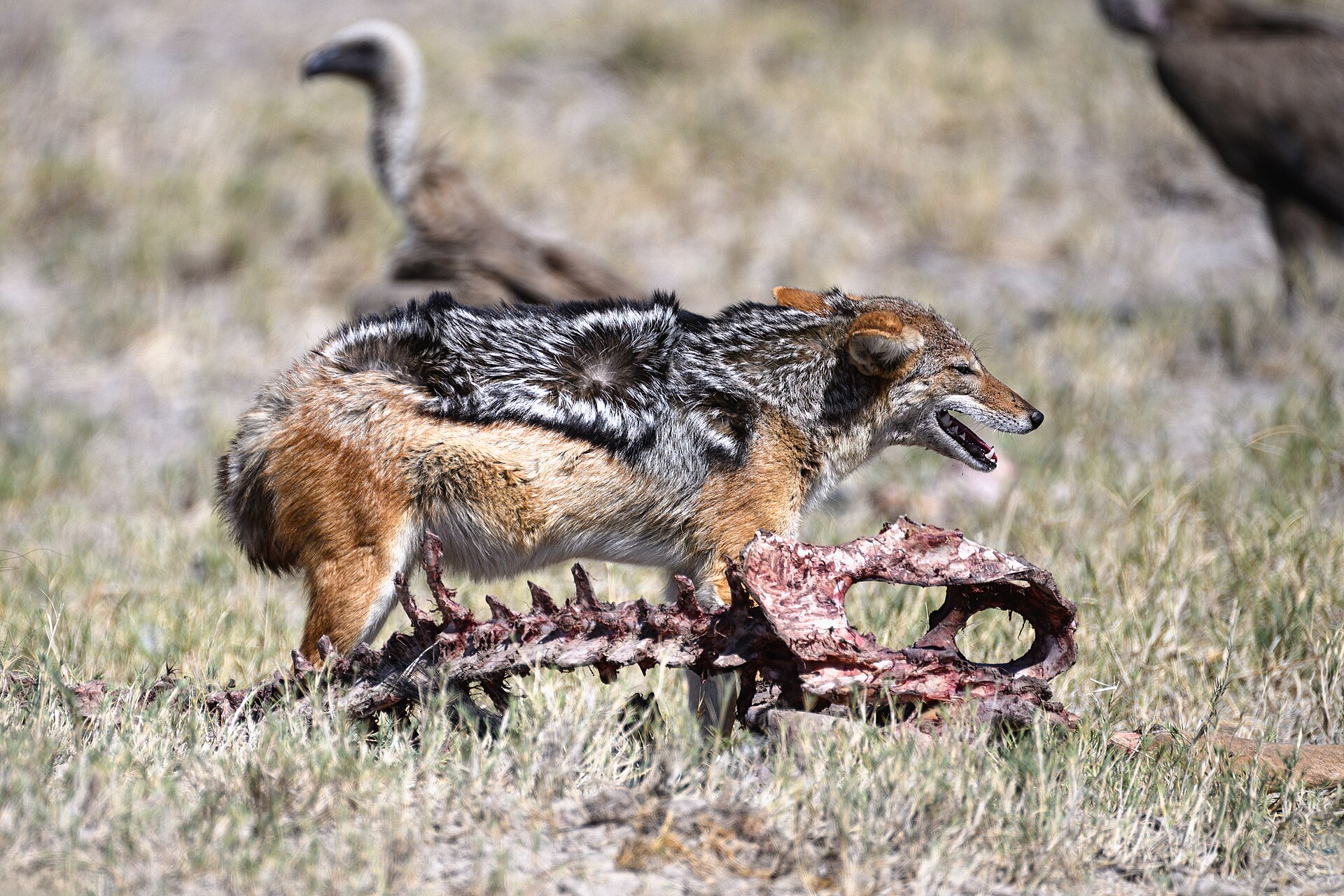
Central Predator Week — 7 Days
7 days · Botswana
7-day central predator week — black-backed jackal, brown hyena, caracal in Central Botswana ranch / fringe.
$7,500 – $8,800
Southern Africa Predator Sampler — 7 Days
7 days · South Africa
7-day southern africa predator sampler — caracal, serval, african wildcat in North West ranch predator.
$7,800 – $9,200
Plan Your Caracal Hunt
Submit a free enquiry and we'll match you with outfitters who hunt Caracal in your region.
Sign Up to Enquire African Civet
 African Wildcat
 Baboon
 Bat-Eared Fox
 Bay Duiker
 Black-Fronted Duiker