Common Duiker Hunting
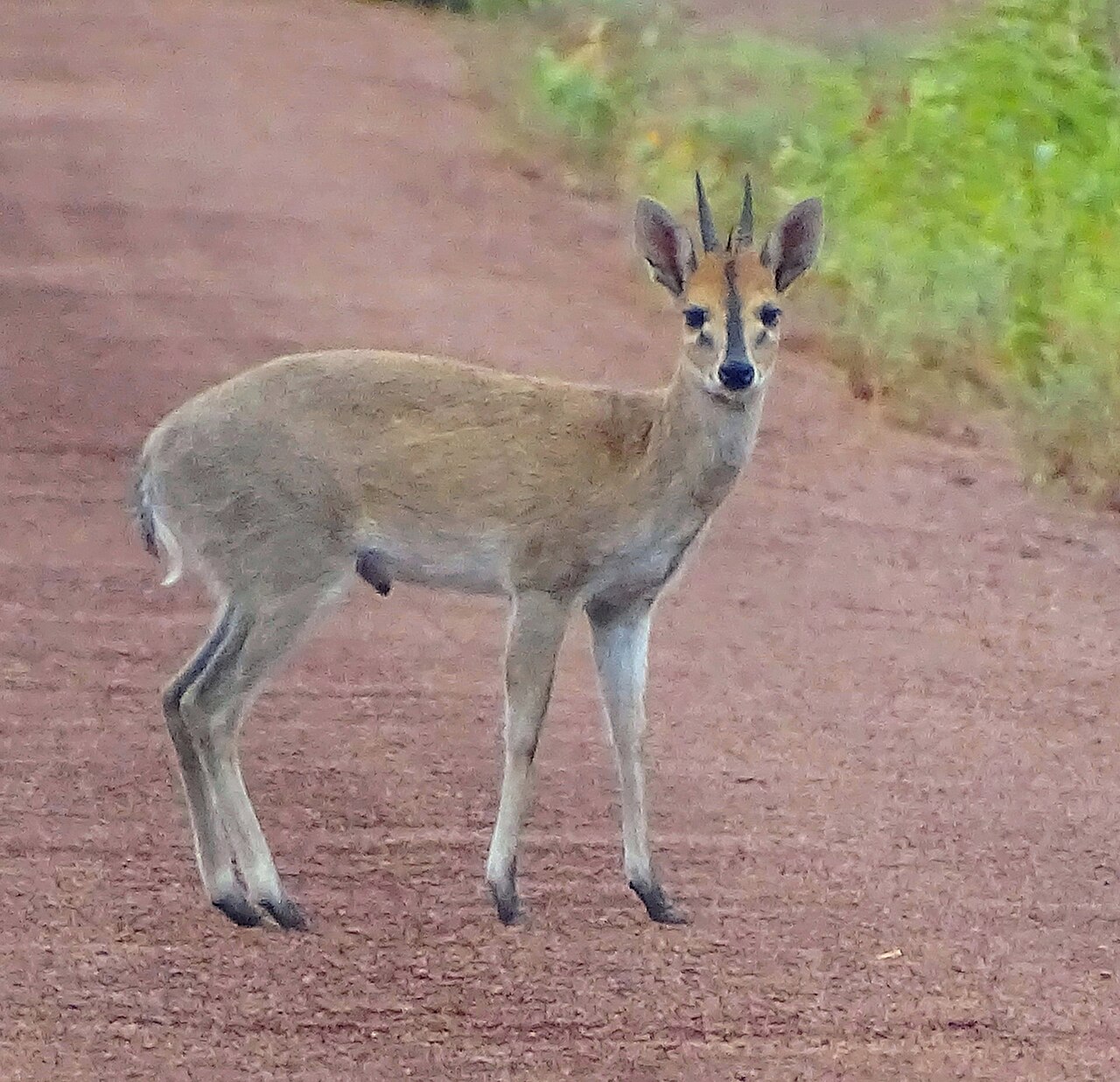
Sylvicapra grimmia
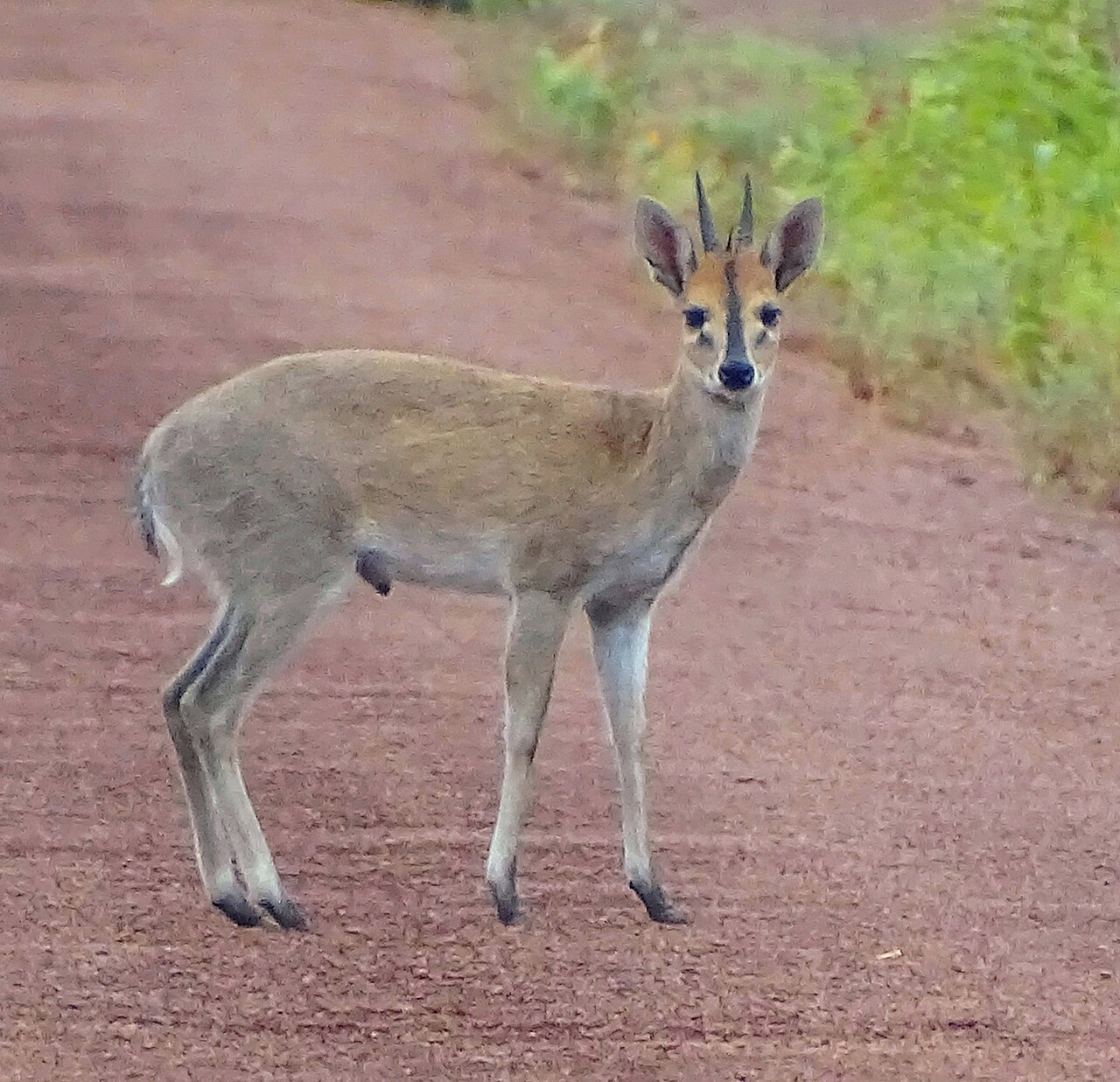
The common duiker, scientifically known as Sylvicapra grimmia, is a compact and elusive antelope that offers hunters an exciting challenge in the African bush. Often called the gray duiker or bush duiker, this species is one of the most widespread small antelopes, making it a popular target for both novice and seasoned hunters seeking a rewarding stalk. Physically, common duikers are small, standing about 18-24 inches at the shoulder and weighing between 25-55 pounds, with females slightly smaller than males. They have a stocky build, short legs, and a coat that ranges from reddish-brown to grayish, providing excellent camouflage in dense vegetation. Males sport straight, spike-like horns that measure 3-7 inches, while females are usually hornless. Their large, rounded ears and alert eyes give them a vigilant appearance, always ready to bolt at the slightest disturbance. These antelopes thrive in a variety of habitats, from savannas and woodlands to thick bush and even mountainous areas, as long as there's ample cover and browse. They're primarily solitary and crepuscular, active at dawn and dusk, spending days hidden in thickets to avoid predators. Duikers are browsers, feeding on leaves, fruits, and shoots, and they're known for their "duiking" behavior—diving into cover when startled, which adds to the thrill of the hunt. Distributed across sub-Saharan Africa, from Senegal to Ethiopia and south to South Africa, the common duiker has a vast range, though populations can vary by region due to habitat loss and overhunting. For hunters, key features include their sharp senses and speed, requiring patient stalking or the use of calls to mimic distress sounds. A well-placed shot is essential, as they can vanish in seconds. Spotting fresh tracks or droppings in game trails is a great way to locate them. Conservation-wise, the common duiker is listed as Least Concern by the IUCN, with stable populations in many areas, but sustainable hunting practices and local regulations are crucial to prevent overhunting in vulnerable spots. Pursuing this nimble quarry not only tests your skills but also connects you to the raw essence of African wildlife.
Hunt facts
- Countries
- Angola Botswana Mozambique Namibia South Africa Tanzania Uganda Zambia Zimbabwe
- Hunt regions
-
Angola: Cuando Cubango Cunene Huíla Moxico NamibeBotswana: Central Chobe Ghanzi Kgalagadi North WestMozambique: Gaza Manica Niassa Sofala Tete ZambeziaNamibia: Erongo Hardap Karas Kavango East Kavango West Khomas Kunene Omaheke Otjozondjupa ZambeziSouth Africa: Eastern Cape Free State Gauteng KwaZulu-Natal Limpopo Mpumalanga North West Northern Cape Western CapeTanzania: Arusha Katavi Lindi Manyara Morogoro Pwani Rukwa Simiyu Singida TaboraUganda: Central Northern WesternZambia: Central Eastern Luapula Muchinga North-Western Southern WesternZimbabwe: Manicaland Mashonaland Central Mashonaland West Masvingo Matabeleland North Matabeleland South Midlands
- Habitat
- Mixed savanna Woodland Bushveld
- Best time to hunt
- May–October (Dry season)
- Mass
- 15–25 kg (33–55 lb)
- Trophy minimum
-
- SCI (inches): 11
- SCI bow: 9
- Rowland Ward (inches): 4 8/16
- Rowland Ward record: 7 2/16
Typical record-book minimums; confirm the current edition with your professional hunter.
Where to Find Common Duiker
The common duiker, a small and elusive antelope, thrives in a variety of habitats across sub-Saharan Africa, making it a popular target for hunters seeking a challenging pursuit. Primary habitats include savannas, woodlands, bushveld, and thorny scrub, where dense vegetation provides cover. They are also found in riverine forests and hilly terrains, avoiding open deserts and dense rainforests.
For the best hunting opportunities, focus on countries like South Africa, Namibia, Zimbabwe, and Tanzania, where populations are robust and regulated hunts are readily available through outfitters. In South Africa, the Eastern Cape and Limpopo provinces offer excellent spots, while Namibia's communal conservancies provide affordable options. Zimbabwe's savanna regions and Tanzania's Selous Game Reserve are prime for trophy hunts.
Seasonally, duikers can be hunted year-round in many areas, but the dry season (May to October) is ideal as animals concentrate near waterholes and visibility improves in thinned vegetation. Wet seasons may limit access due to muddy tracks.
Terrain varies from flat grasslands to rugged hills with thick underbrush, requiring stealthy approaches. To locate them, scout early morning or late afternoon when they're most active, following fresh tracks or droppings along game trails. Listen for alarm calls from birds or use a duiker call to draw them out—patience and quiet stalking are key in their secretive world.
Why Hunt Common Duiker
People hunt Common Duiker for many reasons. This small antelope lives in Africa and is known for its quick movements and shy nature. What makes it special for hunters is its tasty meat and beautiful horns. The meat is lean and flavorful, often used in local dishes.
Hunting Common Duiker is fun because it's challenging. These animals hide in thick bushes and forests. Hunters must be patient and skilled at tracking. Spotting one requires sharp eyes and quiet steps. It's exciting to outsmart such a clever creature.
Good reasons for hunting include population control. In some areas, duikers can overpopulate and damage crops. Regulated hunting helps balance ecosystems. It also supports conservation through fees that fund wildlife protection. Plus, it provides food and income for local communities. Always hunt ethically and follow laws to keep populations healthy.
Common Duiker Hunting Tips
Hunting the common duiker, a small and elusive antelope found in dense African bushveld, requires patience and precision. The best methods involve spot-and-stalk techniques, where you quietly glass thickets from a distance and then creep in for a close shot, often under 100 yards. Bowhunting is also effective for those seeking a challenge, using blinds near waterholes or trails.
For equipment, opt for a lightweight rifle in calibers like . 223 Remington or . 243 Winchester, which provide flat trajectories and minimal recoil without over-penetration on this pint-sized game. A quality scope with 2-7x magnification helps in low-light conditions, and don't forget binoculars for spotting their subtle movements.
Shot placement is critical—aim for the heart-lung area just behind the shoulder for a quick, ethical kill. Avoid headshots due to the duiker's small size and quick reflexes.
Tracking and stalking tips include moving slowly against the wind, watching for fresh tracks in soft soil, and listening for alarm calls from birds or monkeys that might signal a duiker's presence. Use natural cover and pause frequently to scan.
Hunt during early mornings or late afternoons when duikers are most active, feeding in cooler hours. The best seasons are typically dry periods from May to September in southern Africa, when visibility improves and animals concentrate near water.
Common mistakes to avoid include rushing your approach, which spooks them easily, or underestimating their speed—always confirm the animal is down before advancing. Safety considerations are paramount: wear blaze orange if required, inform others of your location, and handle firearms responsibly, ensuring a clear backstop to prevent accidents in thick vegetation. Always respect local regulations and hunt ethically to sustain populations.
Featured Outfitters for Common Duiker
View all
Hunt packages with Common Duiker
Curated hunt ideas — no price on the page. Enquire and we'll match outfitters after review.
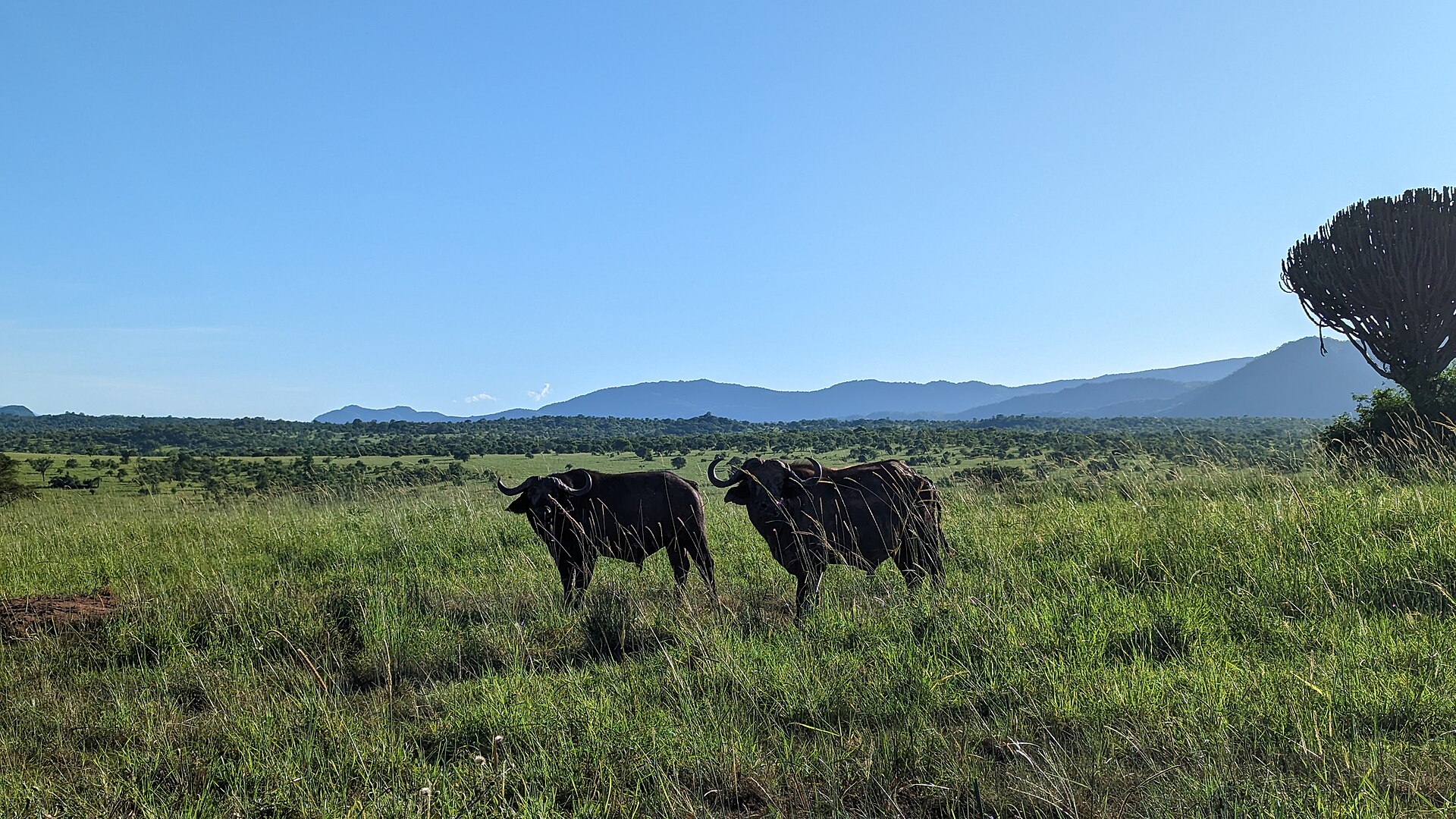
Kavango East Buffalo Intro — 10 Days
10 days · Namibia
10-day kavango east buffalo intro — cape buffalo, impala, warthog in Kavango East mopane fringe.
$18,500 – $20,500
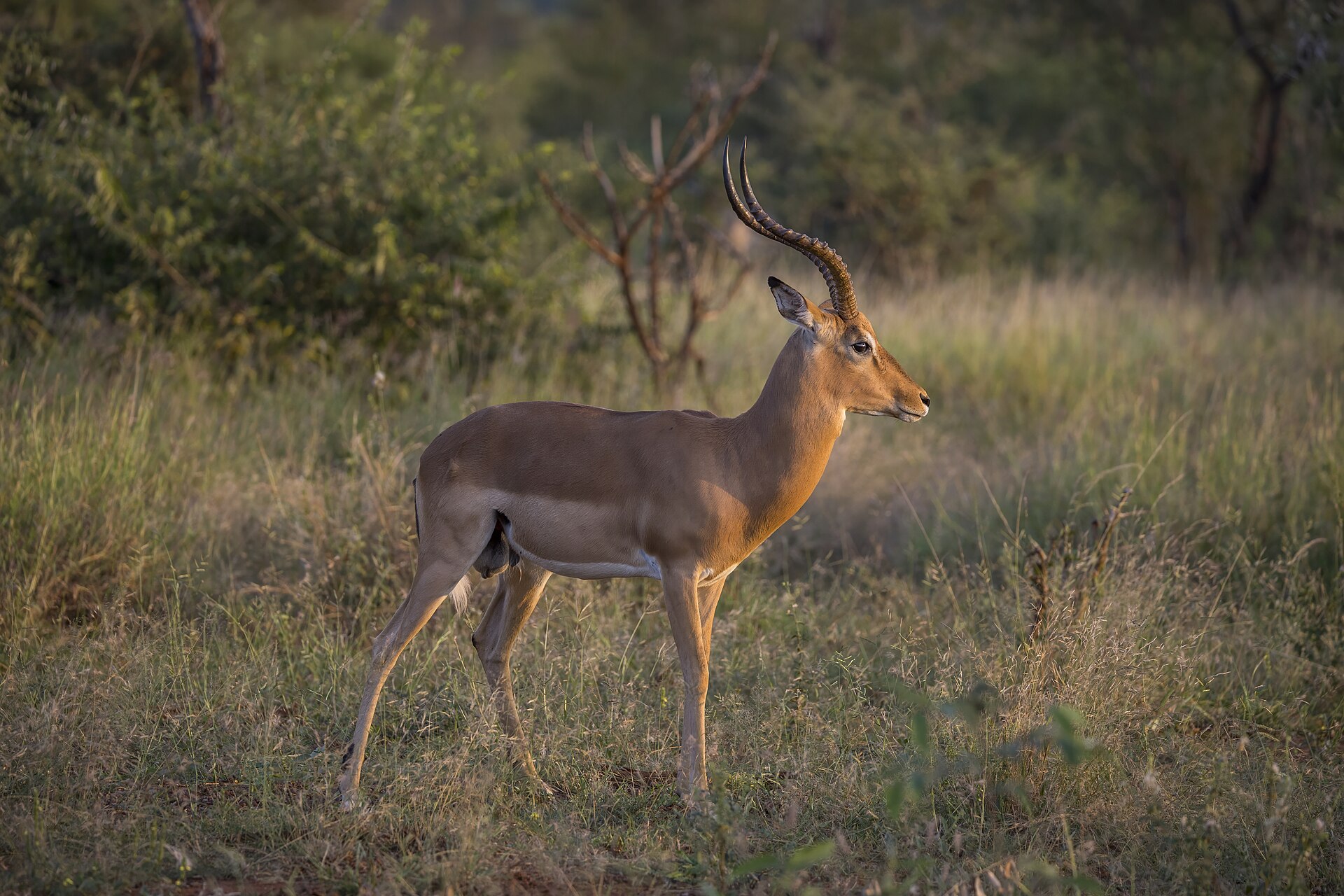
Gauteng Day-Drive Plains — 5 Days
5 days · South Africa
5-day gauteng day-drive plains — impala, blesbok, warthog in Gauteng highveld / bushveld fringe.
$5,500 – $6,500
ZA Ranch Small Game — 5 Days
5 days · South Africa
5-day za ranch small game — common duiker, steenbok, porcupine in Free State farm small game.
$4,800 – $5,800
Mashonaland Central Plains — 8 Days
8 days · Zimbabwe
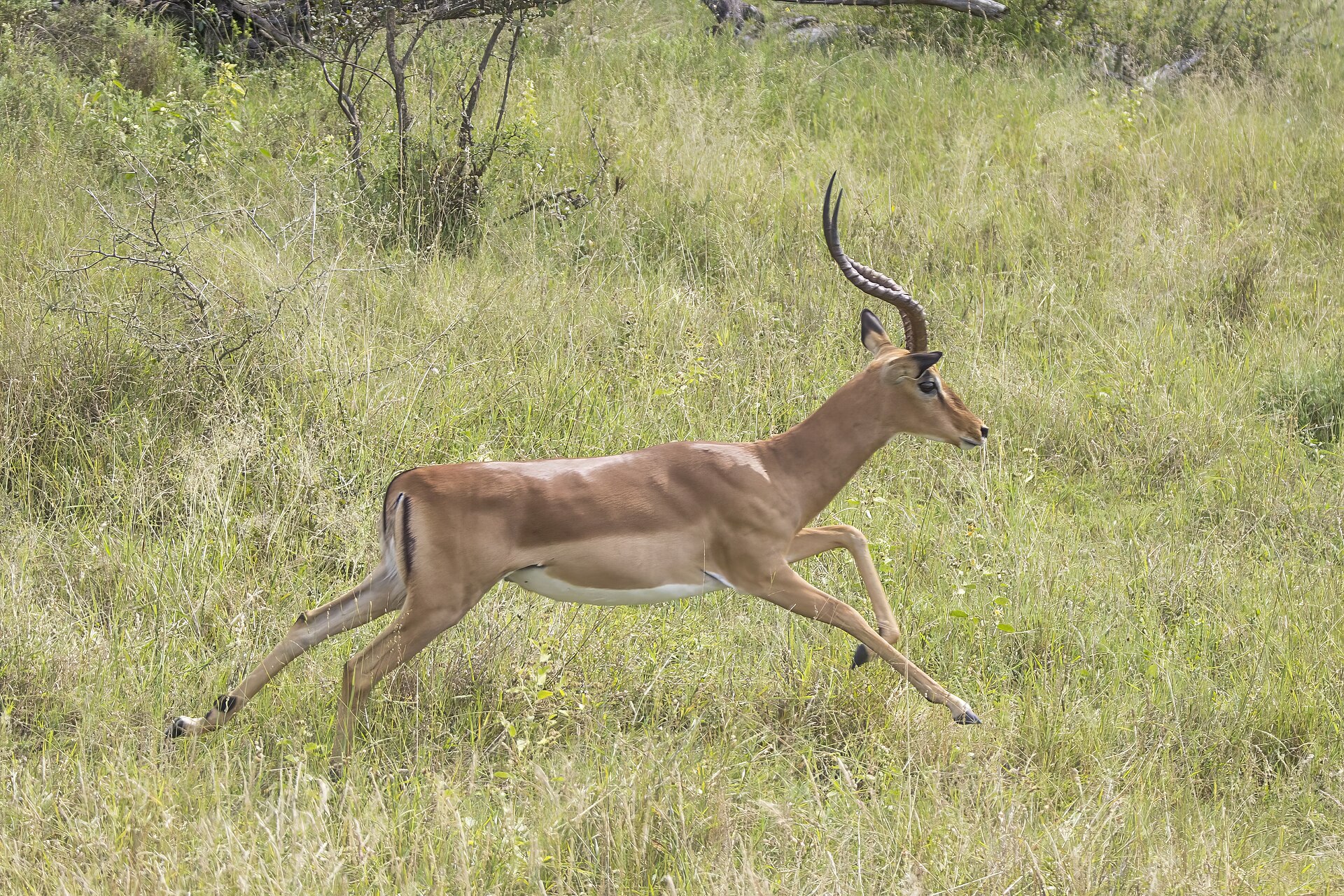
8-day mashonaland central plains — impala, greater kudu, warthog in Mashonaland Central miombo.
$10,200 – $11,600
Midlands Bushpig Night — 5 Days
5 days · Zimbabwe
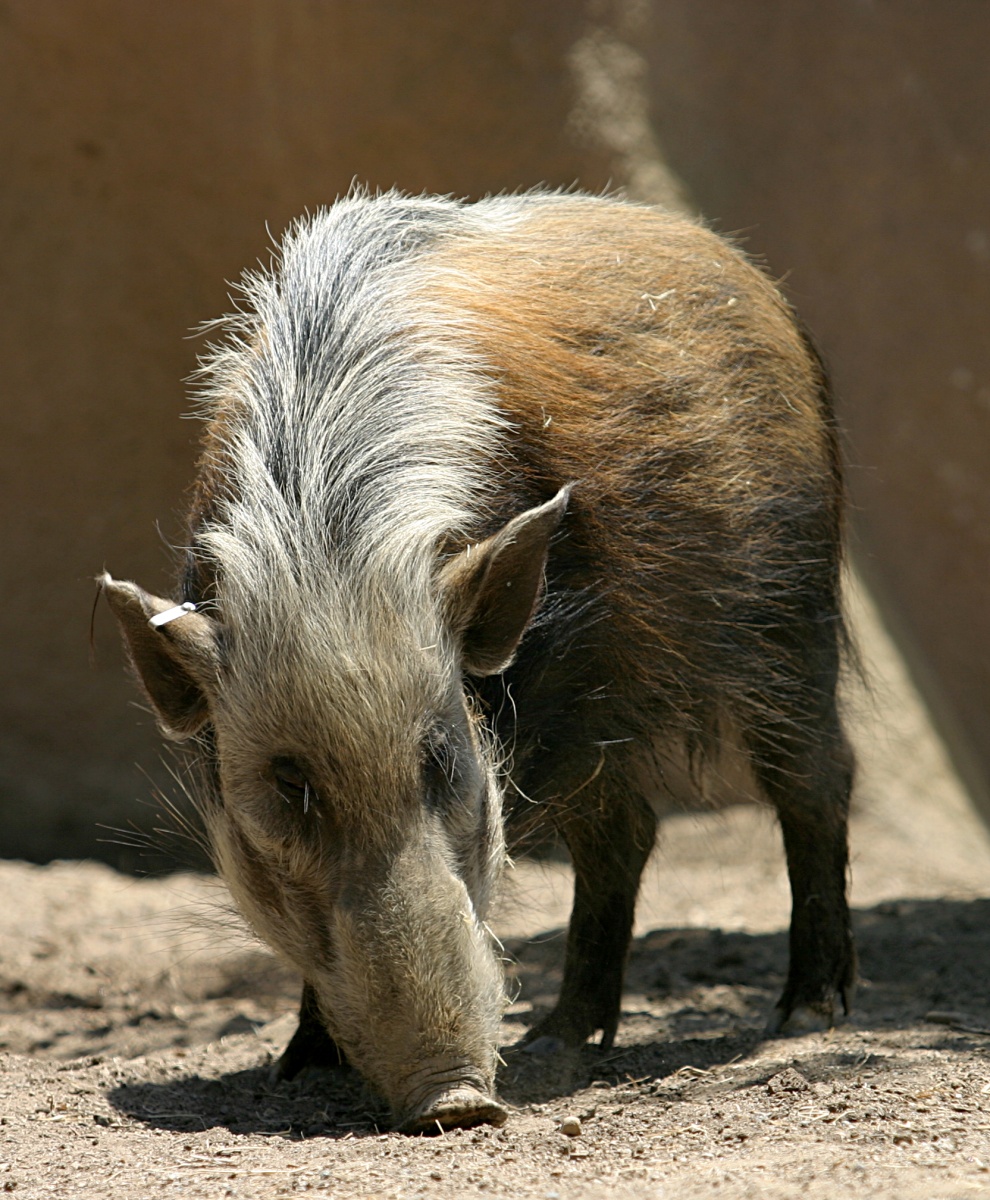
5-day midlands bushpig night — bushpig, warthog, bushbuck in Midlands woodland.
$5,500 – $6,500
Central Bow Plains — 8 Days
8 days · Zambia
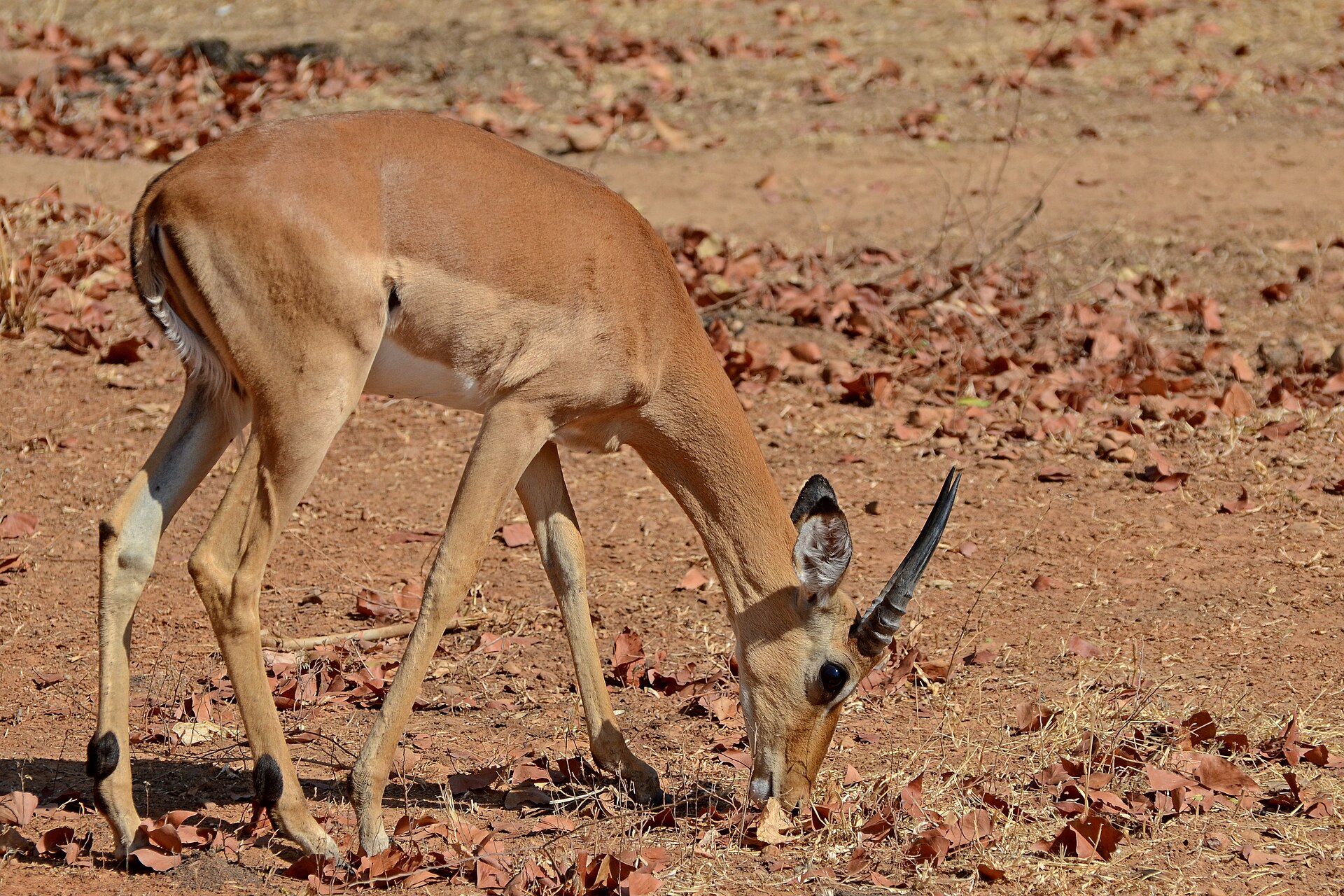
8-day central bow plains — impala, warthog, puku in Central Zambia woodland (bow).
$9,800 – $11,200
Plan Your Common Duiker Hunt
Submit a free enquiry and we'll match you with outfitters who hunt Common Duiker in your region.
Sign Up to Enquire African Civet
 African Wildcat
 Baboon
 Bat-Eared Fox
 Bay Duiker
 Black-Fronted Duiker