Common Reedbuck Hunting
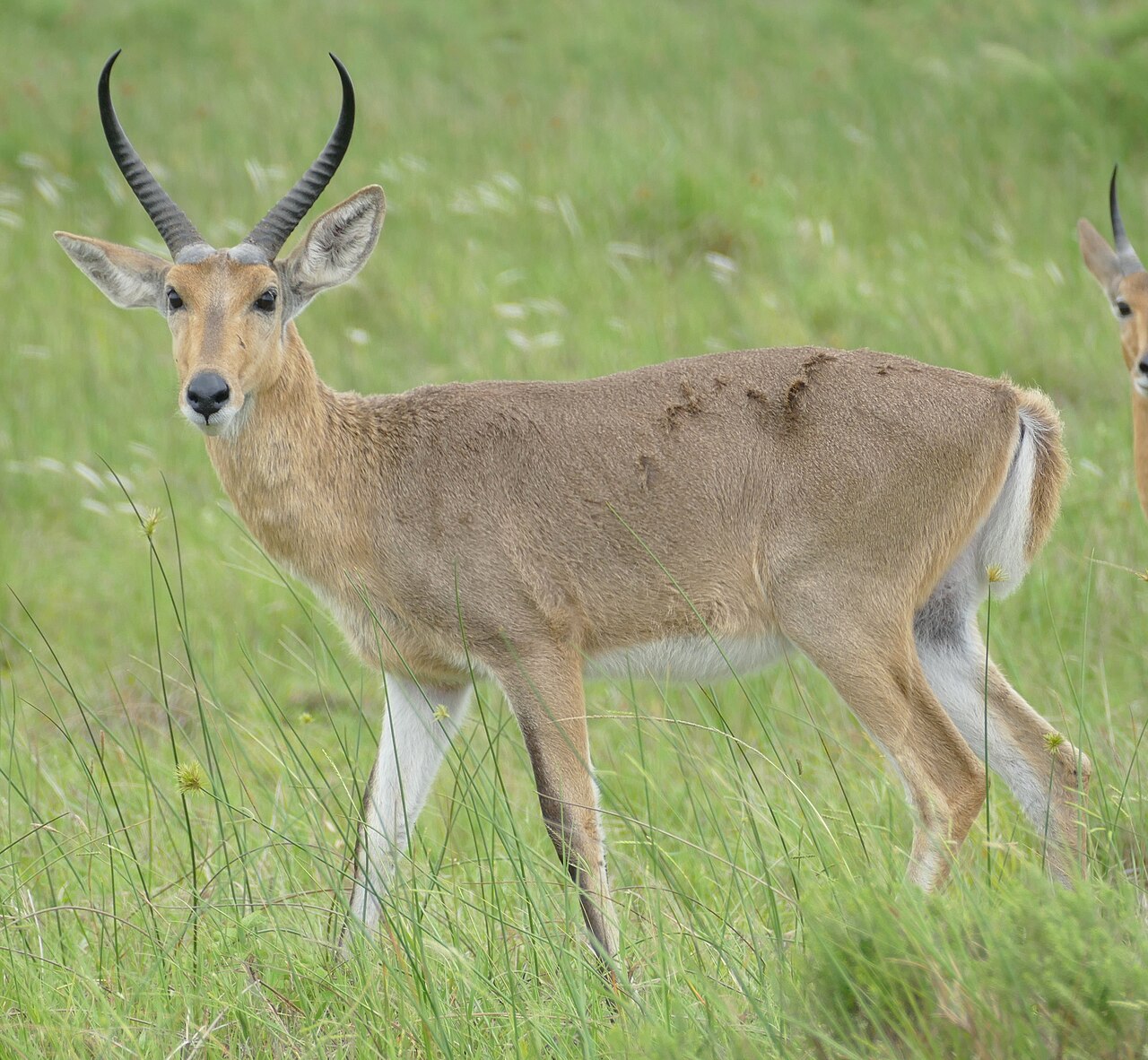
Redunca arundinum
The common reedbuck (Redunca arundinum) is a thrilling quarry for hunters seeking a challenging pursuit in Africa's wetlands. This medium-sized antelope boasts a sleek, reddish-brown coat that blends seamlessly with reedbeds, providing excellent camouflage. Males typically stand 80-95 cm at the shoulder and weigh 50-80 kg, while females are slightly smaller at 40-60 kg. What sets the males apart are their forward-curving horns, which can reach 25-35 cm in length, making for an impressive trophy. Their large ears and alert eyes enhance their vigilance, and a distinctive white ring around the tail serves as a warning signal when they flee. These elusive animals thrive in marshy habitats, favoring tall grasses, reedbeds, and floodplains near rivers and lakes where they can graze on tender shoots and aquatic plants. They're primarily crepuscular, most active at dawn and dusk, and often solitary or in small family groups. Reedbucks are strong swimmers, using water as an escape route from predators, which adds an element of strategy to any hunt. Their behavior demands patience—spotting one requires glassing from a distance, as they bolt at the slightest disturbance, emitting a sharp whistle to alert others. Widely distributed across sub-Saharan Africa, from South Africa up through Zimbabwe, Zambia, and into Tanzania, the common reedbuck is most abundant in regions like the Okavango Delta and Kruger National Park. For hunters, key features include their wariness and speed, making spot-and-stalk tactics ideal, especially during the dry season when they're concentrated around water sources. Bowhunters will appreciate the close-range opportunities in thick cover, while rifle enthusiasts can test their marksmanship on longer shots. Conservation-wise, the species is listed as Least Concern by the IUCN, with stable populations in protected areas, though habitat loss from agriculture poses local threats. Sustainable hunting through regulated permits helps fund conservation efforts, ensuring future generations can experience the rush of pursuing this resilient antelope.
Hunt facts
- Countries
- Angola Botswana Mozambique Namibia South Africa Tanzania Zambia Zimbabwe
- Hunt regions
-
Angola: Cuando Cubango MoxicoBotswana: Chobe North WestMozambique: Gaza Manica Niassa Sofala Tete ZambeziaNamibia: Kavango East Kavango West ZambeziSouth Africa: Eastern Cape KwaZulu-Natal Limpopo MpumalangaTanzania: Katavi Lindi Morogoro Pwani Rukwa Singida TaboraZambia: Central Eastern Luapula Muchinga North-Western Southern WesternZimbabwe: Manicaland Mashonaland Central Mashonaland West Masvingo
- Habitat
- Grassland Wetland Riverine
- Best time to hunt
- May–October (Dry season)
- Mass
- 50–95 kg (110–209 lb)
- Trophy minimum
-
- SCI (inches): 21
- SCI bow: 18
- Rowland Ward (inches): 13
- Rowland Ward record: 19 4/8
Typical record-book minimums; confirm the current edition with your professional hunter.
Where to Find Common Reedbuck
The Common Reedbuck, a medium-sized antelope prized for its elusive nature and impressive horns, thrives in wetland habitats across sub-Saharan Africa. Primary habitats include reed beds, floodplains, tall grasslands, and areas near rivers, lakes, or swamps where dense vegetation provides cover and forage. They prefer regions with abundant water sources and avoid arid deserts or dense forests.
For hunting, the best countries are South Africa, Zimbabwe, Zambia, Tanzania, and Mozambique, where regulated hunts are common on private ranches or game reserves. In South Africa, the Eastern Cape and KwaZulu-Natal provinces offer prime opportunities, while Zimbabwe's Zambezi Valley and Tanzania's Selous Game Reserve are hotspots. Permits are required, and outfitters often guide hunts to ensure ethical practices.
Seasonal considerations favor the dry season (May to October in southern Africa), when reedbuck concentrate near remaining waterholes, making them easier to spot. Avoid rainy seasons when flooding disperses herds and complicates access.
Terrain is typically marshy and uneven, with thick reeds and grassy plains that demand sturdy boots and quiet stalking. Environments feature high humidity, insects, and potential encounters with other wildlife like crocodiles.
To locate them, scout early morning or late afternoon when they're active, look for fresh tracks and droppings near water edges, and listen for their distinctive whistling alarm calls. Using elevated blinds or spot-and-stalk methods in open grasslands can improve success rates, always prioritizing safety and conservation guidelines.
Why Hunt Common Reedbuck
Hunters are drawn to the Common Reedbuck for its impressive trophy qualities, boasting long, spiraled horns that can reach up to 16 inches, set against a sleek, reddish-brown coat that makes for a striking mount. These antelopes embody grace and agility, turning any successful harvest into a prized display of skill.
The pursuit offers a thrilling challenge, as reedbucks thrive in dense reed beds and wetlands, demanding expert stalking and patience. Their keen senses and elusive nature heighten the excitement, often leading to heart-pounding encounters in Africa's lush riverine habitats, where a single misstep can end the hunt.
Beyond the thrill, reedbuck meat is a culinary delight—lean, tender, and mildly gamey, perfect for grilling or slow-roasting into savory stews. It's a healthy, sustainable protein source that elevates any post-hunt feast.
Culturally, reedbuck hold significance in African traditions, symbolizing resilience and often featured in folklore as cunning survivors, adding a layer of heritage to the experience.
Regulated hunting supports conservation by funding anti-poaching efforts and habitat preservation, ensuring healthy populations through sustainable culling.
Ultimately, chasing reedbuck delivers unique adventures, from navigating misty marshes at dawn to the satisfaction of ethical harvest, forging unforgettable memories in the wild.
Common Reedbuck Hunting Tips
Hunting the common reedbuck, a elusive antelope found in wetland and grassland habitats across Africa, requires patience and precision. The best methods involve spot-and-stalk hunting, where you glass for animals from elevated vantage points and approach quietly on foot. Blind hunting near water sources or reed beds can also be effective, especially during dry seasons when reedbuck frequent these areas for hydration and cover. For techniques, move slowly against the wind to avoid detection, using natural cover like tall grasses for concealment.
Recommended equipment includes a reliable bolt-action rifle in calibers like . 270 Winchester or . 308 Winchester, which offer flat trajectories and sufficient knockdown power for clean kills at 100-300 yards. Pair it with a quality scope (3-9x magnification) for low-light conditions, and don't forget binoculars for spotting. Use soft-point bullets for ethical harvesting.
For shot placement, aim for the vital zone behind the shoulder to hit the heart and lungs, ensuring a quick, humane kill. Avoid head or neck shots unless you're extremely confident, as reedbuck are quick to bolt.
Tracking and stalking tips: Look for fresh tracks near water edges—reedbuck leave distinctive heart-shaped hoof prints. Stalk during early morning or late afternoon when they're most active, approaching from downwind and pausing frequently to listen for alarm calls.
Hunt during the dry season (May to October in southern Africa) for better visibility, and focus on dawn and dusk for peak activity. Common mistakes include rushing the stalk, which spooks the animal, or underestimating wind direction, leading to scent betrayal. Always scout beforehand to understand terrain.
Safety considerations: Wear blaze orange for visibility if hunting in groups, check local regulations and permits, and never shoot without positive identification to avoid accidents. Practice firearm safety and be mindful of wet, slippery terrain to prevent falls.
Featured Outfitters for Common Reedbuck
View allHunt packages with Common Reedbuck
Curated hunt ideas — no price on the page. Enquire and we'll match outfitters after review.
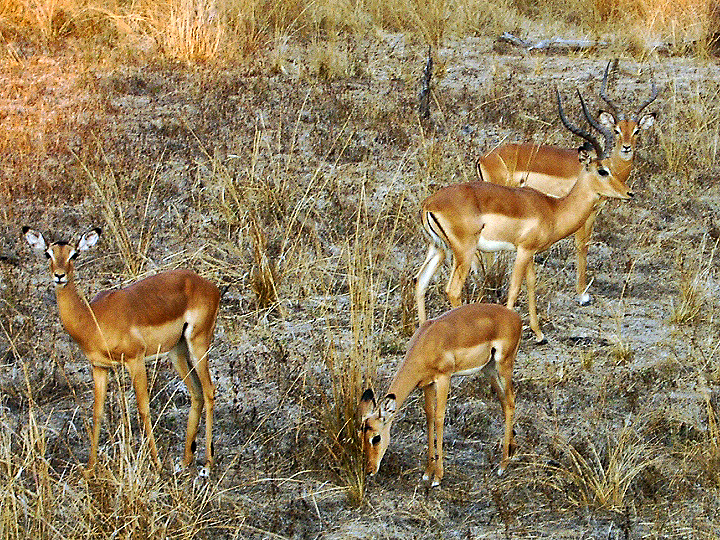
Kafue Plains — 10 Days
10 days · Zambia
Ten days Kafue plains — impala, puku, hartebeest, warthog and reedbuck.
$14,500 – $16,000
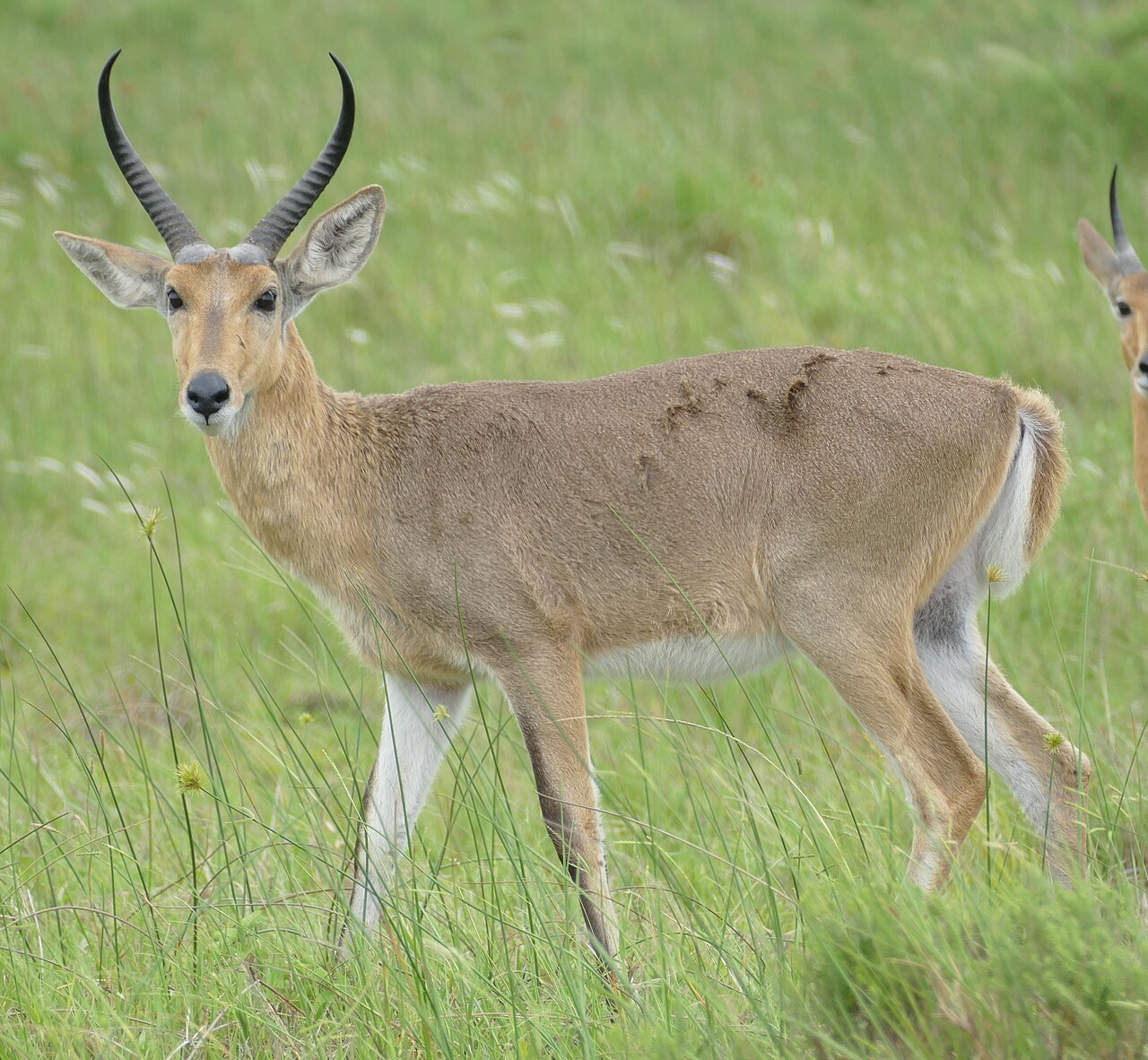
Coutada Plains — 10 Days
10 days · Mozambique
Ten days Coutada plains — impala, reedbuck, warthog, bushbuck and waterbuck.
$13,500 – $14,900
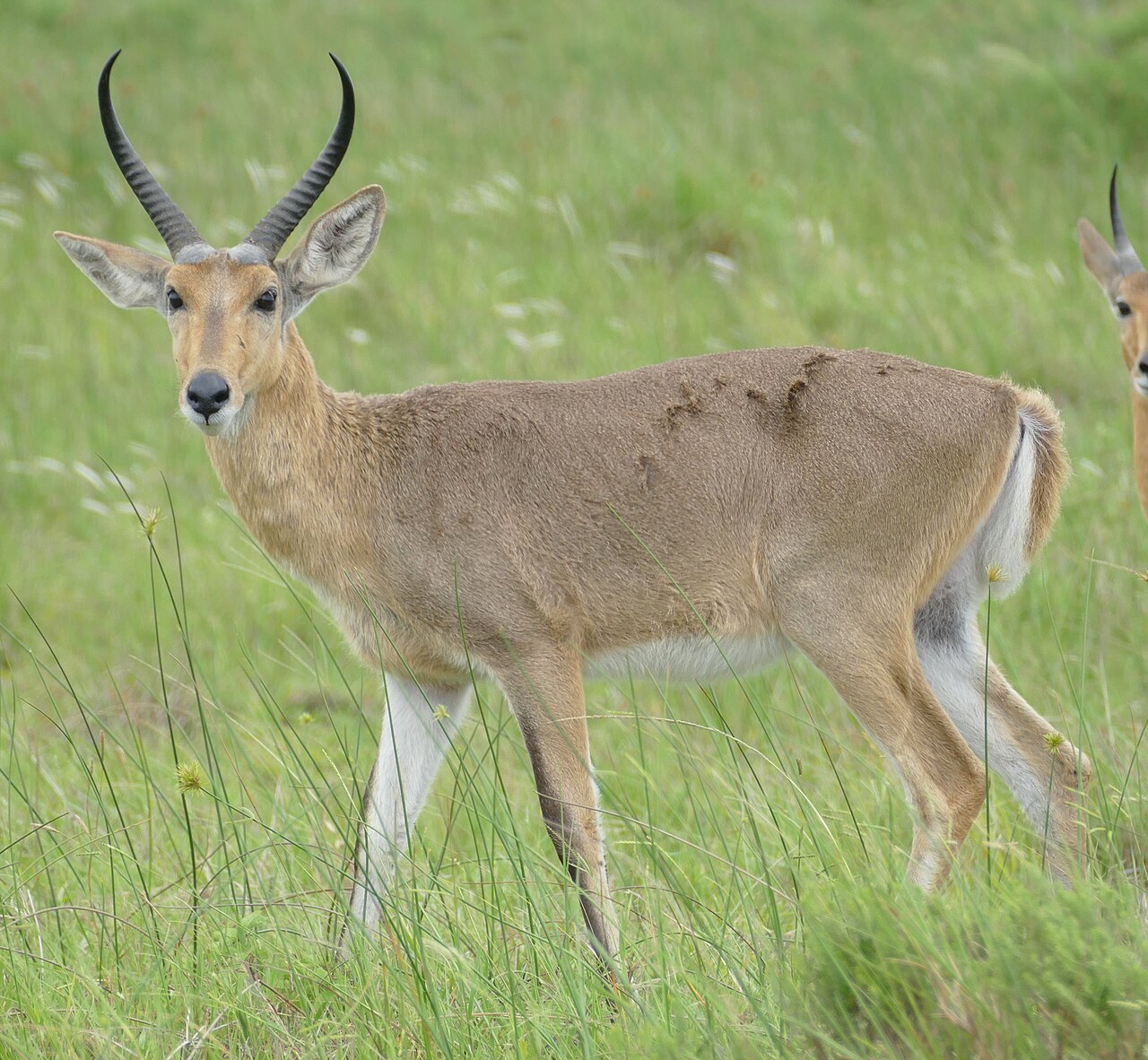
Coastal Reedbuck — 7 Days
7 days · Mozambique
Seven days coastal floodplain — reedbuck, suni, bushbuck and warthog.
$8,500 – $9,400
Cuando Cubango Plains — 10 Days
10 days · Angola
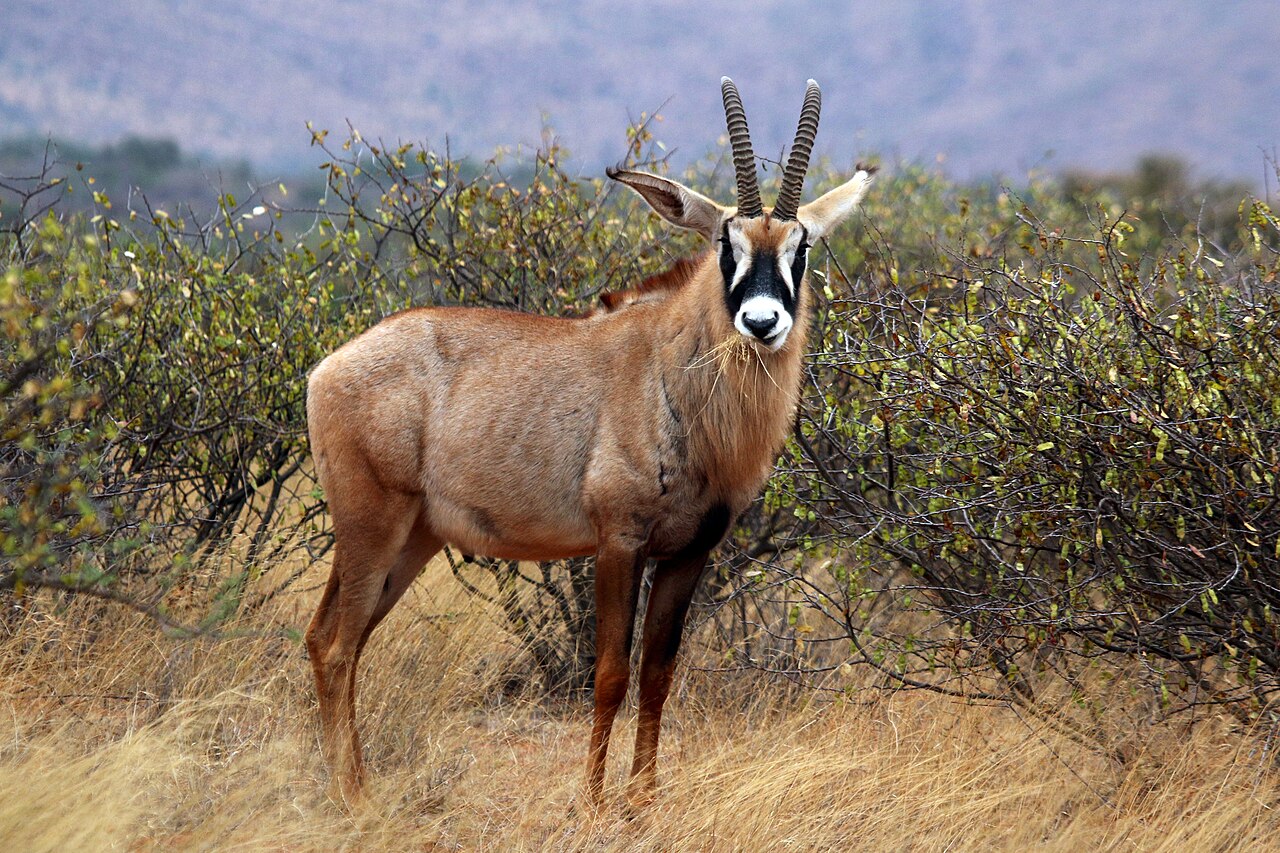
Ten days Cuando Cubango — roan, tsessebe, reedbuck and warthog.
$18,500 – $20,500
Angola Lechwe — 7 Days
7 days · Angola
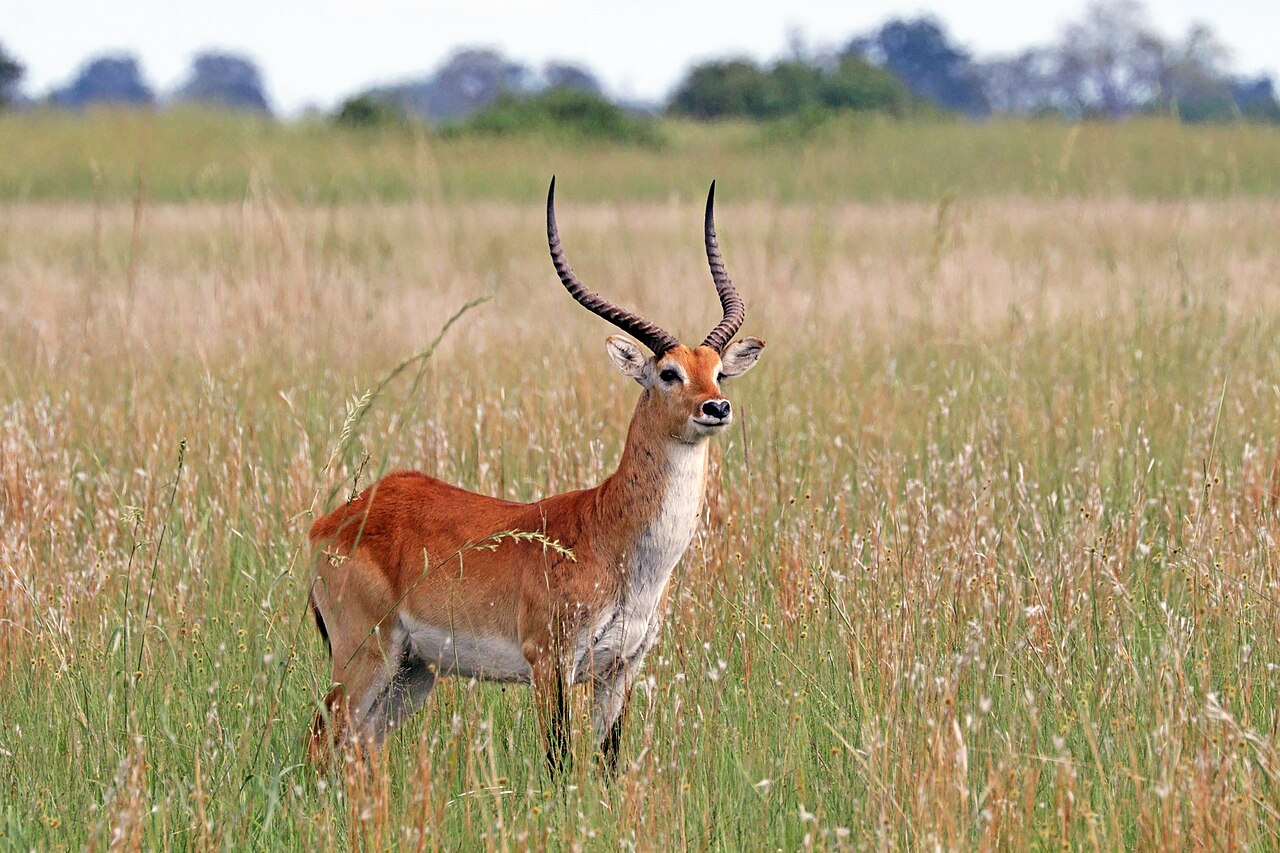
Seven days floodplain specialty — red lechwe, sitatunga and reedbuck.
$14,500 – $16,000
Kavango West Plains — 8 Days
8 days · Namibia
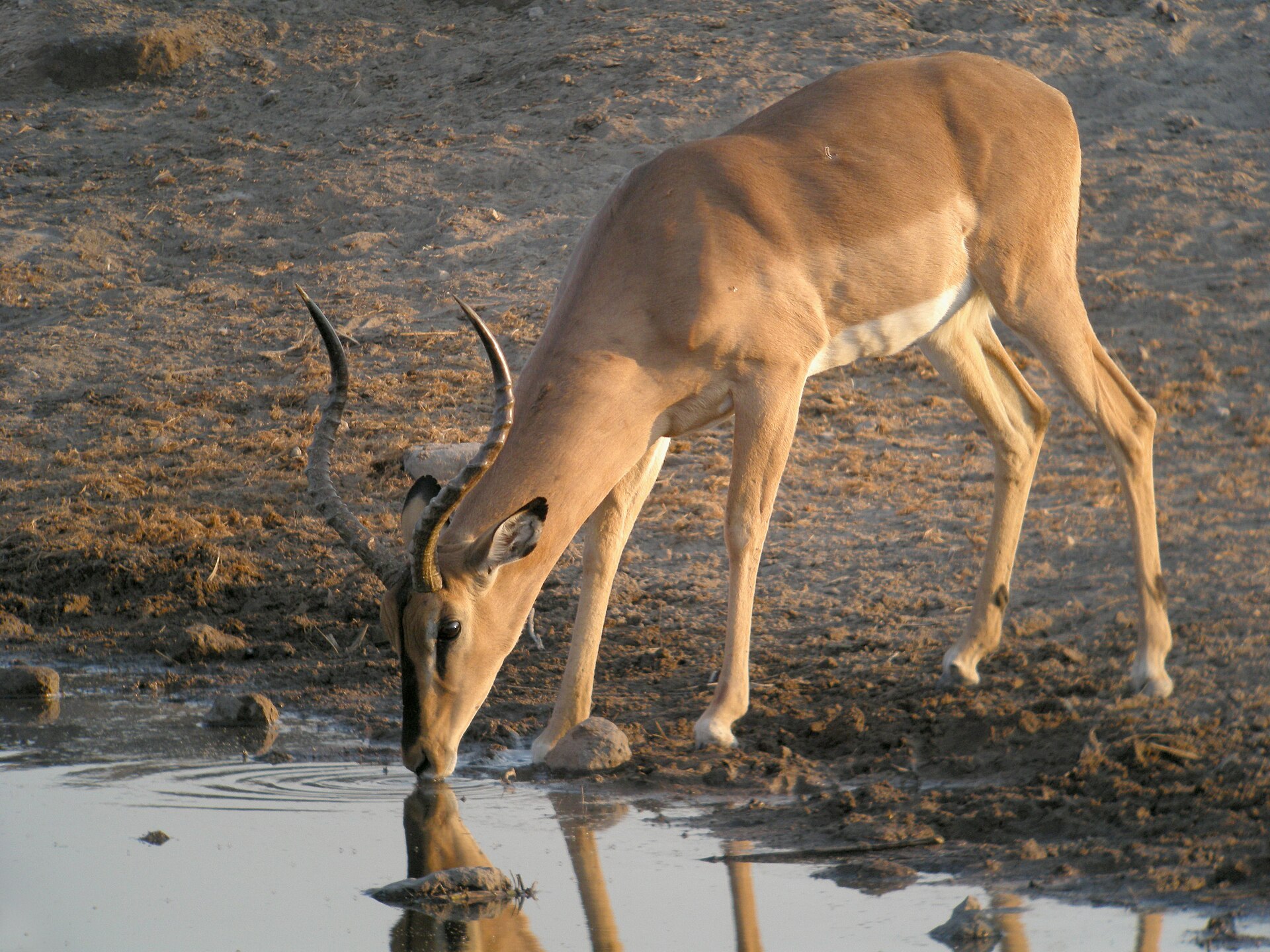
8-day kavango west plains — impala, greater kudu, warthog in Kavango West woodland.
$9,800 – $11,000
Plan Your Common Reedbuck Hunt
Submit a free enquiry and we'll match you with outfitters who hunt Common Reedbuck in your region.
Sign Up to Enquire Aardwolf
 Abyssinian Bushbuck
 Baboon
 Bat-Eared Fox
 Bay Duiker
 Beisa Oryx