Eland (Cape) Hunting
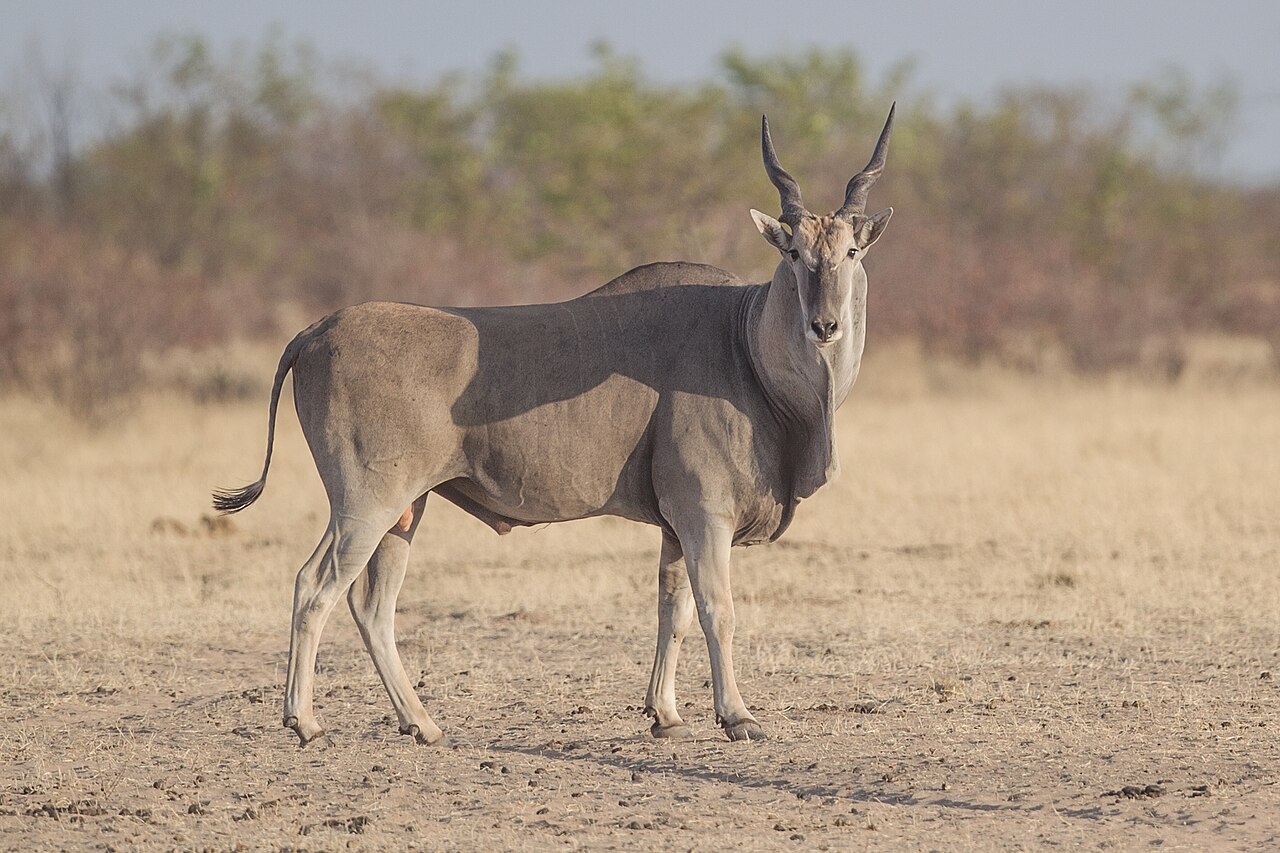
Tragelaphus oryx
The Cape eland, scientifically known as Tragelaphus oryx, stands as the largest antelope species in Africa, making it a prized trophy for hunters seeking a true test of skill and endurance. Males can tip the scales at up to 2,000 pounds and reach a shoulder height of nearly six feet, with females being slightly smaller but no less impressive. Their robust bodies are covered in a short, tawny coat that often features faint vertical stripes on the flanks, and both sexes sport distinctive, tightly spiraled horns that can grow up to 3 feet long in mature bulls. A prominent dewlap hangs from the neck, adding to their majestic silhouette, while their powerful legs enable remarkable speed and agility despite their size. These nomadic herbivores thrive in open savannas, woodlands, and semi-arid grasslands, where they graze on grasses, leaves, and shrubs. Eland are highly adaptable, often forming loose herds of up to 500 individuals, though older bulls may wander solitarily. They're known for their keen senses and wariness, making them elusive prey—they can leap over obstacles as high as 8 feet and cover vast distances in search of water and forage. This behavior demands patience from hunters, who must track them across rugged terrain, often in the early morning or late afternoon when they're most active. Native to southern and eastern Africa, including countries like South Africa, Namibia, Botswana, and Zimbabwe, the Cape eland has a wide distribution but prefers areas with moderate human presence. For hunters, the allure lies in their massive size and the challenge of a fair-chase pursuit; a mature bull's horns and sheer bulk make for an unforgettable trophy, but their alertness requires expert stalking or spot-and-stalk techniques. Conservation-wise, the species is listed as Least Concern by the IUCN, with sustainable hunting programs in many regions helping to fund habitat protection and anti-poaching efforts. Pursuing a Cape eland isn't just about the harvest—it's about immersing yourself in Africa's wild heart and respecting a resilient giant of the plains.
Hunt facts
- Countries
- Angola Botswana Namibia South Africa Zimbabwe
- Hunt regions
-
Angola: Cunene Huíla NamibeBotswana: Central Ghanzi KgalagadiNamibia: Erongo Hardap Karas Khomas Kunene Omaheke OtjozondjupaSouth Africa: Eastern Cape Free State Gauteng KwaZulu-Natal Limpopo Mpumalanga North West Northern Cape Western CapeZimbabwe: Mashonaland West Matabeleland South Midlands
- Habitat
- Grassland Mixed savanna Semi-arid
- Best time to hunt
- May–October (Dry season)
- Mass
- 400–900 kg (882–1984 lb)
- Trophy minimum
-
- SCI (inches): 77
- SCI bow: 69
- Rowland Ward (inches): 35
- Rowland Ward record: 47 4/8
Typical record-book minimums; confirm the current edition with your professional hunter.
Where to Find Eland (Cape)
The Cape eland, also known as the common eland, thrives in a variety of habitats across southern and eastern Africa, making it a sought-after species for hunters. Primary habitats include open savannas, grasslands, woodlands, and semi-arid bushveld, where they can find ample grazing and cover. They prefer areas with mixed vegetation for browsing on leaves, shoots, and grasses, often near water sources.
For the best hunting opportunities, focus on countries like South Africa, Namibia, Zimbabwe, and Botswana, where populations are stable and regulated hunts are common on private ranches or game reserves. In South Africa, the Eastern Cape and Limpopo provinces offer prime spots, while Namibia's central highlands and Etosha region are hotspots. Tanzania and Zambia also provide excellent options in miombo woodlands.
Seasonally, the dry months from May to October are ideal, as eland gather around dwindling waterholes, making them easier to spot. Avoid the wet season (November to April) when vegetation is dense and animals disperse.
Terrain varies from flat, open plains to rugged hills and light bush, requiring sturdy boots and possibly a 4x4 vehicle. Environments can be hot and dusty, so pack accordingly.
To locate them, scout for large, cloven-hoof tracks (up to 4 inches wide) and fresh droppings resembling cattle dung. Glass from elevated vantage points at dawn or dusk, when they're most active, and listen for their distinctive clicking knee joints while moving. Patience is key—eland are nomadic and can cover vast distances.
Why Hunt Eland (Cape)
Eland, also known as Cape Eland, are large antelopes found in Africa. They are the biggest antelope species. This makes them special for hunters who seek big game trophies.
Hunting Eland is fun because of their size and strength. They can weigh up to 2,000 pounds. Spotting them in open savannas adds excitement. It's challenging too. Eland have keen senses and can run fast. You need skill to track and approach them quietly.
Good reasons to hunt Eland include conservation. Controlled hunting helps manage populations and funds wildlife protection. Their meat is tasty and lean, providing food. Plus, the hides and horns make great souvenirs. Overall, hunting Eland offers adventure while supporting nature.
Eland (Cape) Hunting Tips
Hunting Cape eland, one of Africa's largest antelopes, requires patience and precision due to their size and keen senses. The best methods include spot-and-stalk techniques in open savanna or bushveld, where you glass from high ground to locate herds, then approach quietly on foot. Ambush hunting near waterholes during dry periods can also be effective, but always prioritize ethical fair-chase practices.
For equipment, opt for a reliable bolt-action rifle in calibers like . 300 Winchester Magnum, . 338 Lapua, or 7mm Remington Magnum to ensure sufficient knockdown power for these massive animals, which can weigh over 2,000 pounds. Use high-quality expanding bullets weighing 180-250 grains, paired with a scope of at least 3-9x magnification for long-range shots up to 300 yards. Don't forget binoculars, rangefinders, and sturdy boots for rugged terrain.
Shot placement is critical—aim for the heart-lung area just behind the shoulder when broadside, or the base of the neck for a spine shot if head-on. Avoid gut shots, as eland are tough and can travel far when wounded.
Tracking involves following large, rounded hoof prints and fresh droppings; move slowly upwind to avoid detection, using cover like acacia trees. Stalk in pairs for safety and better spotting.
Hunt during early mornings or late afternoons when eland are active, ideally in the dry season (May to September in southern Africa) for better visibility and concentrated game near water.
Common mistakes include rushing shots without confirming range or wind, underestimating their speed, or hunting alone in remote areas. Always scout thoroughly and use a guide if unfamiliar with the region.
Safety first: Be aware of dangerous game like lions or elephants in shared habitats, carry a first-aid kit, and practice firearm safety to prevent accidents. Respect local regulations and conservation efforts to sustain eland populations.
Featured Outfitters for Eland (Cape)
View all


Hunt packages with Eland (Cape)
Curated hunt ideas — no price on the page. Enquire and we'll match outfitters after review.
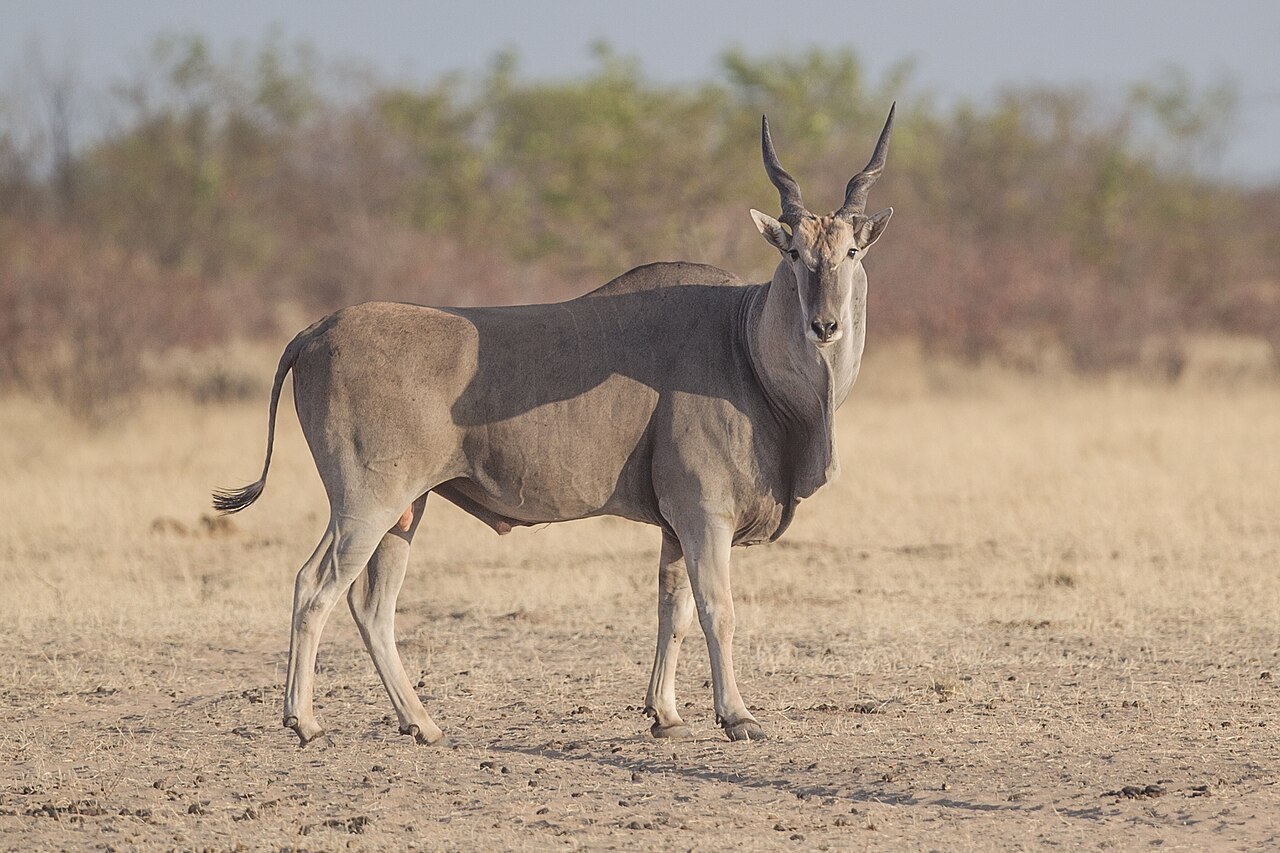
Otjozondjupa Eland Plains — 8 Days
8 days · Namibia
8-day otjozondjupa eland plains — eland (cape), greater kudu, gemsbok in Otjozondjupa bushveld.
$10,200 – $11,500
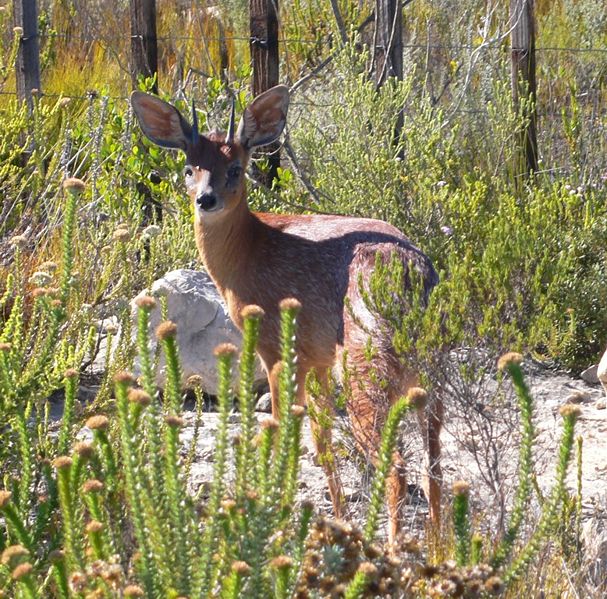
Western Cape Mountain & Plains — 7 Days
7 days · South Africa
7-day western cape mountain & plains — bontebok, cape grysbok, springbok in Western Cape fynbos and Karoo fringe.
$9,200 – $10,800
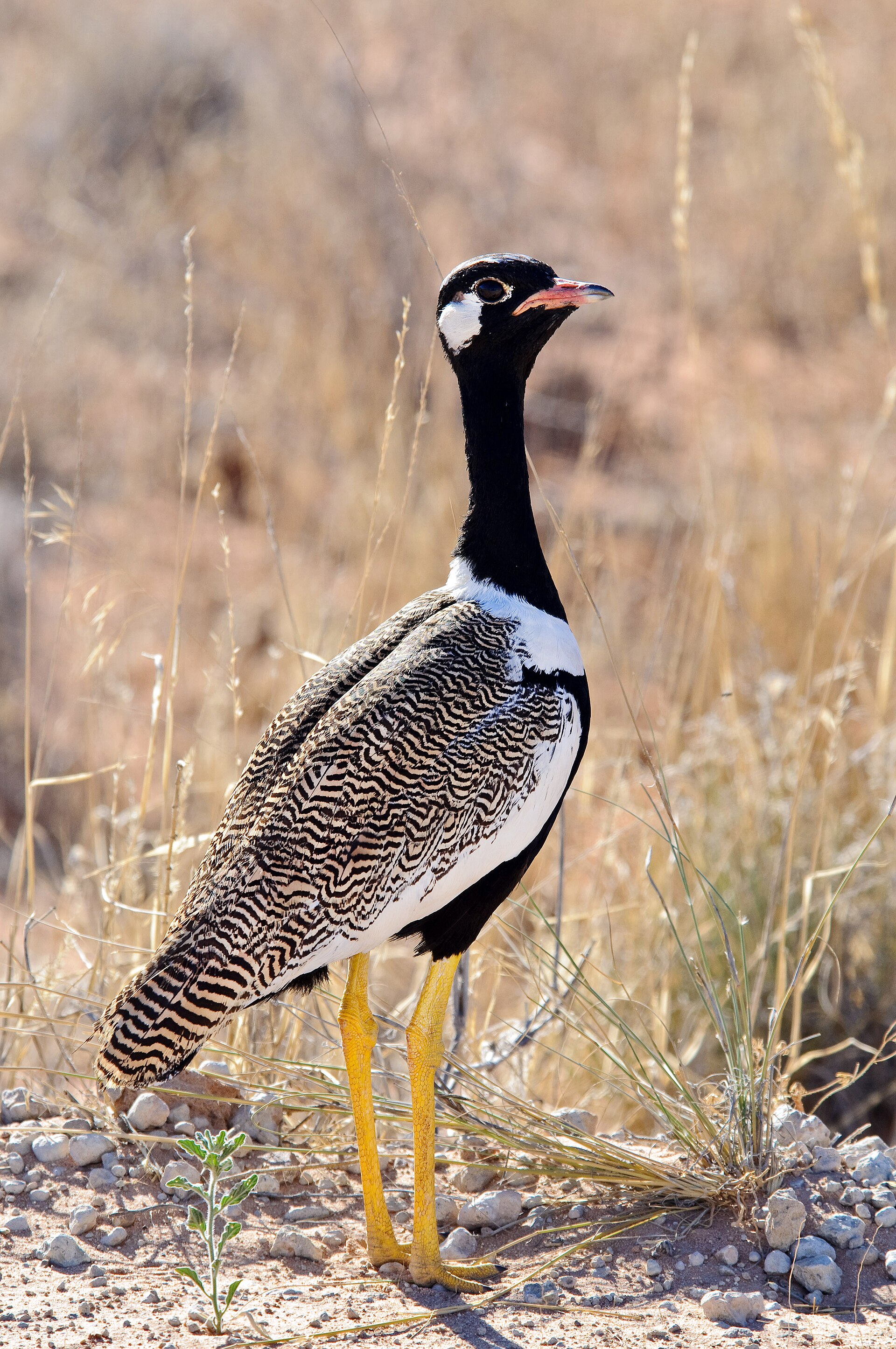
Ghanzi Kalahari Plains — 7 Days
7 days · Botswana
7-day ghanzi kalahari plains — gemsbok, springbok, red hartebeest in Ghanzi Kalahari scrub.
$8,800 – $10,000
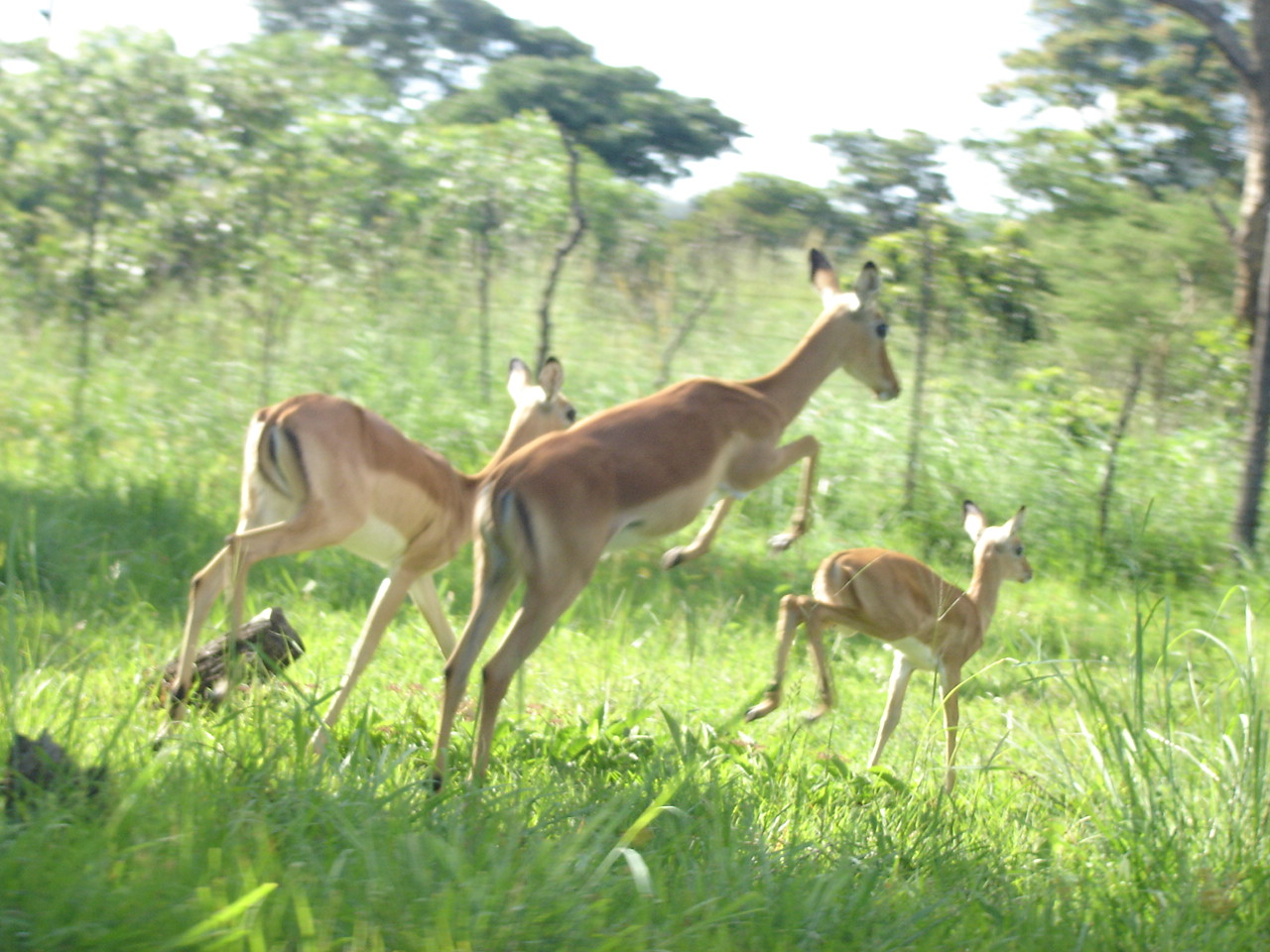
Matabeleland South Ranch — 7 Days
7 days · Zimbabwe
7-day matabeleland south ranch — impala, gemsbok, warthog in Matabeleland South ranch bush.
$8,800 – $10,000
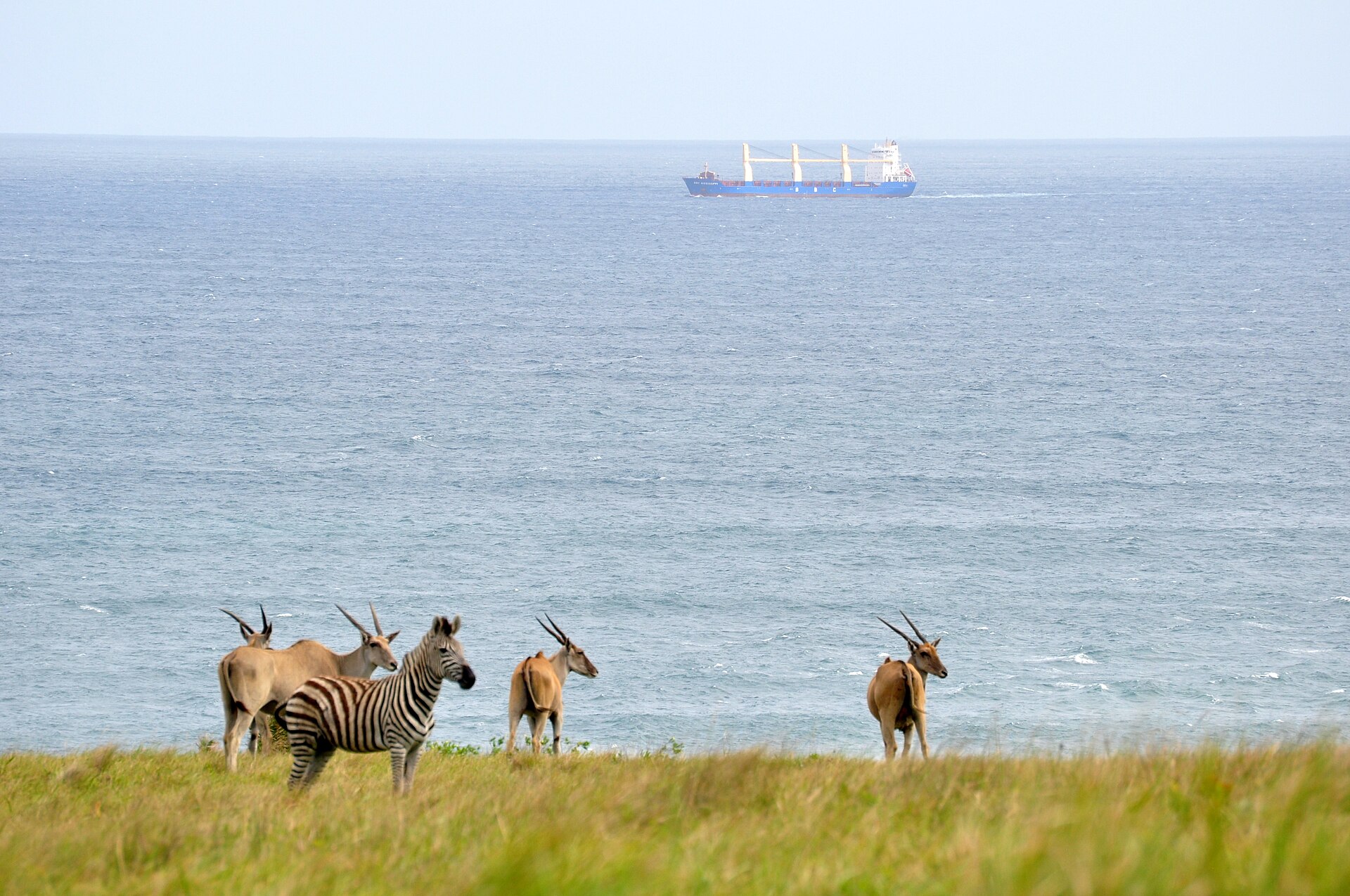
Huíla Highland Plains — 8 Days
8 days · Angola
8-day huíla highland plains — eland (cape), greater kudu, warthog in Huíla highland mosaic.
$11,000 – $13,000
Plan Your Eland (Cape) Hunt
Submit a free enquiry and we'll match you with outfitters who hunt Eland (Cape) in your region.
Sign Up to Enquire Aardwolf
 Abyssinian Bushbuck
 Baboon
 Bat-Eared Fox
 Bay Duiker
 Beisa Oryx