Gemsbok (Oryx) Hunting
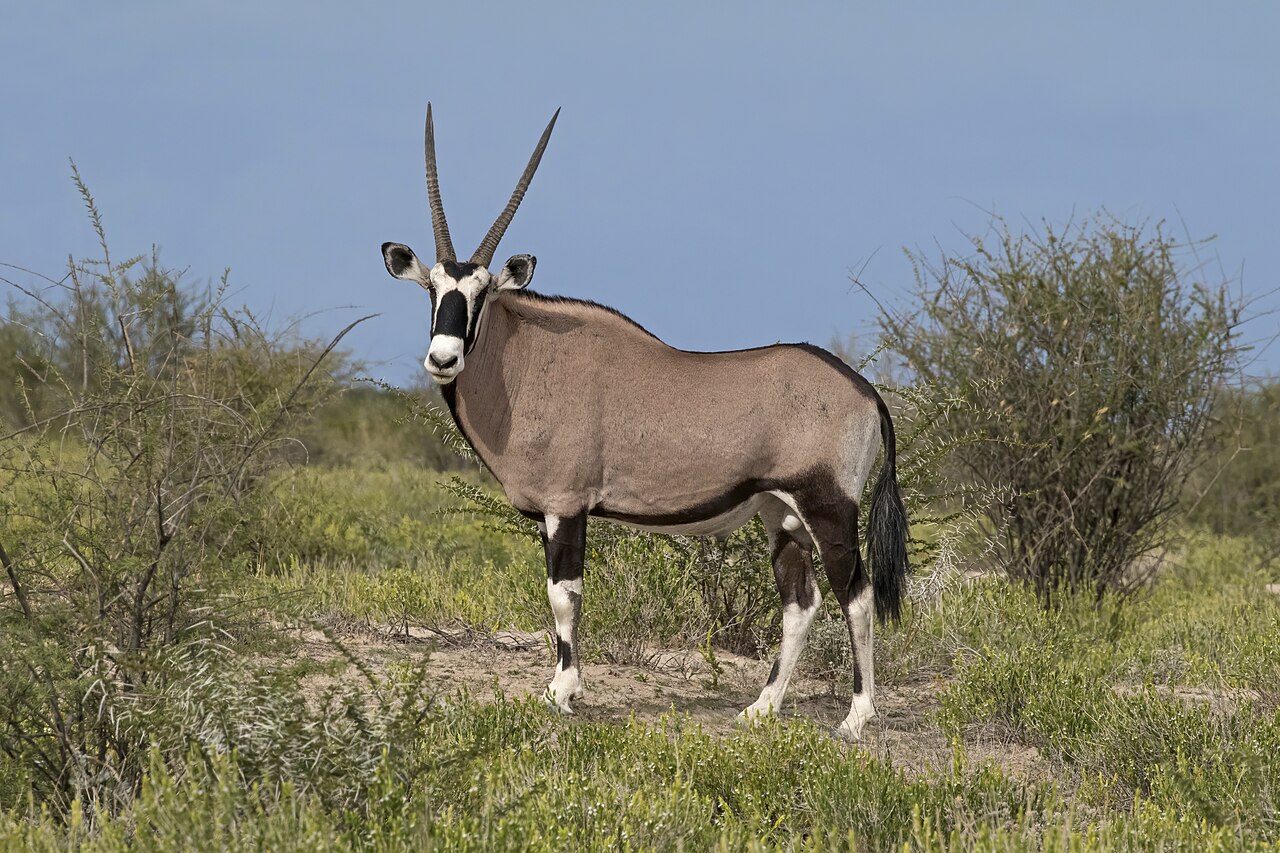
Oryx gazella
The gemsbok, also known as the oryx (Oryx gazella), is a striking antelope that embodies the rugged spirit of the African wilderness, making it a prized pursuit for hunters seeking a true test of skill and endurance. Physically, these animals are built for survival in harsh environments, with a muscular frame covered in a light grayish-tan coat accented by bold black and white markings on the face, legs, and underbelly. Both males and females sport long, straight horns that can reach up to 4 feet in length, serving as both weapons and impressive trophies. Adult gemsboks stand about 4 feet at the shoulder, with males weighing in at 400-500 pounds and females slightly lighter, making them one of the larger antelope species. Adapted to arid habitats, gemsboks thrive in deserts, semi-deserts, and open savannas where water is scarce. They're remarkably resilient, capable of surviving without drinking for weeks by obtaining moisture from vegetation and even tolerating extreme heat. Behaviorally, they form small herds led by a dominant male, but they're known for their alertness and speed—reaching up to 37 mph in short bursts—which adds to the thrill of the hunt. They're most active during cooler parts of the day, grazing on grasses and browsing shrubs, and their keen senses make spotting and stalking them a challenging endeavor. Native to southern Africa, gemsboks are widely distributed across Namibia, Botswana, South Africa, and parts of Angola and Zimbabwe. They've also been successfully introduced to ranches in the southwestern United States, particularly New Mexico, offering North American hunters an exotic opportunity without international travel. For hunters, the gemsbok's most notable features are its iconic, rapier-like horns, which score highly in record books, and its tenacity in evading pursuit across vast, unforgiving terrain. A successful hunt often requires expert tracking, long-range shooting, and respect for the animal's domain. Conservation-wise, the species is listed as Least Concern by the IUCN, with stable populations bolstered by regulated hunting programs that fund habitat protection and anti-poaching efforts. Pursuing a gemsbok isn't just about the harvest—it's about immersing yourself in the raw beauty of the wild and contributing to sustainable wildlife management.
Hunt facts
- Countries
- Botswana Namibia South Africa
- Habitat
- Mixed savanna Semi-arid Desert
- Best time to hunt
- April–September (Dry season)
- Mass
- 180–240 kg (397–529 lb)
- Trophy minimum
-
- SCI (inches): 81
- SCI bow: 72
- Rowland Ward (inches): 40
- Rowland Ward record: 49 4/8
Typical record-book minimums; confirm the current edition with your professional hunter.
Where to Find Gemsbok (Oryx)
Gemsbok, also known as oryx, thrive in arid and semi-arid environments, making them a challenging yet rewarding species for hunters. Their primary habitats include dry savannas, grasslands, and desert fringes where vegetation is sparse and water is limited. Native to southern Africa, they are most commonly found in regions like the Kalahari Desert and Namibian plains, where they adapt well to extreme heat and minimal rainfall.
For the best hunting opportunities, focus on countries such as Namibia, South Africa, and Botswana, which offer regulated hunts on private ranches and game reserves. Namibia stands out for its vast, open landscapes and healthy populations, while South African provinces like the Northern Cape provide accessible outfitters. In the United States, introduced populations in Texas and New Mexico allow for exotic hunts on private lands.
Seasonal factors play a key role; the dry season from May to October is ideal, as gemsbok gather near waterholes and rivers for easier spotting. Avoid the wetter months when they disperse widely. The terrain is typically flat to rolling with sandy dunes, acacia scrub, and rocky outcrops, requiring sturdy vehicles and good optics for glassing.
To locate them, scout early mornings or late afternoons when they're active, following fresh tracks in sandy soil or looking for dust baths. Elevated vantage points help scan vast areas, and listening for their distinctive grunts can pinpoint herds. Always check local regulations and hunt with licensed guides for sustainable practices.
Why Hunt Gemsbok (Oryx)
Hunters are drawn to the majestic Gemsbok, or Oryx, for its unparalleled trophy qualities. With long, straight horns that can exceed 40 inches, these antelope make for stunning mounts, symbolizing strength and grace in the arid landscapes of Africa. Their striking black-and-white facial markings and robust build add to the allure, making them a prized addition to any trophy room.
The pursuit offers an exhilarating challenge, as Gemsbok are incredibly resilient and elusive in harsh desert environments. Spotting and stalking them demands sharp skills, endurance, and patience, with the thrill amplified by their keen senses and ability to sprint at high speeds across vast terrains. This high-stakes hunt tests even seasoned hunters, delivering adrenaline-fueled excitement that's hard to match.
Beyond the chase, Gemsbok provide exceptional meat quality—lean, flavorful venison that's tender and versatile for grilling, roasting, or jerky. It's a healthy, wild protein source that elevates any culinary adventure.
Culturally, hunting Gemsbok echoes ancient traditions of indigenous peoples who revered them for survival and symbolism, adding a layer of historical depth to the experience.
Importantly, regulated hunting supports conservation by funding anti-poaching efforts and habitat preservation, ensuring sustainable populations thrive.
Unique experiences abound, from tracking in Namibia's dunes under starry skies to the profound connection with untamed wilderness, creating memories that last a lifetime.
Gemsbok (Oryx) Hunting Tips
Hunting gemsbok, also known as oryx, requires patience and precision due to their keen senses and resilience in arid environments like southern Africa's Kalahari region. The best methods include spot-and-stalk hunting, where you glass from elevated points to locate herds, then approach on foot using terrain for cover. Bowhunting is challenging but rewarding for close-range encounters, while rifle hunting from blinds near waterholes works well in dry seasons.
Equip yourself with a flat-shooting rifle in calibers like . 300 Winchester Magnum or 7mm Remington Magnum for ethical kills at distances up to 300 yards. Use premium bullets such as Nosler Partition for deep penetration through their tough hides. Optics are crucial—opt for 10x binoculars and a variable scope like 3-9x for versatility.
For shot placement, aim for the heart-lung area just behind the shoulder on a broadside gemsbok; avoid headshots due to their thick skulls. Quartering-away shots are ideal to penetrate vitals without hitting heavy bone.
Tracking involves following fresh spoor in sandy soil, looking for cloven hoof prints about 4 inches long. Stalk quietly, staying downwind, and use acacia bushes for concealment—gemsbok can spot movement from afar.
Hunt early mornings or late afternoons when they're active, and target the dry winter months (May to September) for better visibility and concentrated animals near water. Avoid common mistakes like rushing shots, underestimating their speed (up to 60 km/h), or ignoring wind direction, which can spook herds.
Safety first: Always hunt with a guide in unfamiliar terrain to prevent getting lost, carry plenty of water to combat dehydration, and ensure your firearm is well-maintained to avoid malfunctions. Respect local regulations and practice ethical hunting to sustain populations.
Featured Outfitters for Gemsbok (Oryx)
View all



Plan Your Gemsbok (Oryx) Hunt
Submit a free enquiry and we'll match you with outfitters who hunt Gemsbok (Oryx) in your region.
Sign Up to Enquire