Honey Badger Hunting
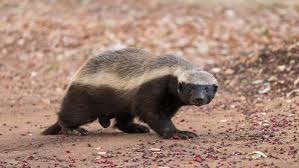
Mellivora capensis
The honey badger, scientifically known as Mellivora capensis, is a tenacious mustelid that embodies the spirit of wilderness survival, making it a fascinating subject for hunters who appreciate a true challenge. Physically, this compact powerhouse measures about 55 to 77 centimeters in body length, with a shoulder height of 23 to 30 centimeters and weights ranging from 5 to 16 kilograms, males typically larger than females. Its stocky build is covered in coarse black fur with a distinctive white or gray mantle extending from the head to the tail, giving it a striking, almost armored appearance. Loose, thick skin allows it to twist and turn even when grabbed, while powerful claws and sharp teeth make it a formidable digger and fighter. Honey badgers thrive in diverse habitats, from arid deserts and savannas to dense forests and mountainous regions, where they exhibit nocturnal and solitary behaviors. They're opportunistic omnivores, famously raiding beehives for honey (hence the name) and preying on everything from rodents and birds to venomous snakes and even young crocodiles. Their legendary fearlessness—often attacking animals much larger than themselves—stems from a high pain tolerance and aggressive defense mechanisms, like emitting a foul odor when threatened. This makes them elusive and unpredictable in the wild, requiring hunters to employ stealth, patience, and respect for their cunning nature. Distributed across sub-Saharan Africa, parts of the Middle East, and into the Indian subcontinent, honey badgers adapt well to human-altered landscapes but can become nuisances near farms by targeting livestock or apiaries. For hunters, notable features include their resilience—stories abound of them surviving snake bites, porcupine quills, and even lion attacks—making ethical pursuit a test of skill rather than sheer firepower. Conservation-wise, the species is listed as Least Concern by the IUCN, though local populations face threats from habitat loss and retaliatory killings. Responsible hunting, where permitted, emphasizes sustainable practices to preserve this iconic survivor of the wild.
Hunt facts
- Countries
- Angola Botswana Mozambique Namibia South Africa Tanzania Uganda Zambia Zimbabwe
- Hunt regions
-
Angola: Cuando Cubango Cunene Huíla Moxico NamibeBotswana: Central Chobe Ghanzi Kgalagadi North WestMozambique: Gaza Manica Niassa Sofala Tete ZambeziaNamibia: Erongo Hardap Karas Kavango East Kavango West Khomas Kunene Omaheke Otjozondjupa ZambeziSouth Africa: Eastern Cape Free State Gauteng KwaZulu-Natal Limpopo Mpumalanga North West Northern Cape Western CapeTanzania: Arusha Katavi Lindi Manyara Morogoro Pwani Rukwa Simiyu Singida TaboraUganda: Central Northern WesternZambia: Central Eastern Luapula Muchinga North-Western Southern WesternZimbabwe: Manicaland Mashonaland Central Mashonaland West Masvingo Matabeleland North Matabeleland South Midlands
- Habitat
- Mixed savanna Bushveld Semi-arid
- Best time to hunt
- May–October (Dry season)
- Mass
- 8–16 kg (18–35 lb)
Where to Find Honey Badger
Honey badgers, known for their tenacity and adaptability, primarily inhabit arid and semi-arid regions, including savannas, grasslands, scrublands, and rocky hillsides. They are widespread across sub-Saharan Africa, with populations extending into parts of the Middle East and the Indian subcontinent, such as India and Nepal.
For hunting purposes, the best countries include South Africa, Namibia, and Zimbabwe, where they can be targeted under regulated permits, often as part of problem animal control or safari packages. In these areas, focus on provinces like Limpopo in South Africa or the Kalahari region in Namibia for higher densities.
Seasonal considerations favor the dry season (May to October in southern Africa), when water sources concentrate wildlife and visibility improves, making tracking easier. Avoid wet seasons, as flooding can scatter populations and complicate access.
The terrain typically features open bushveld, thorny acacia scrub, and rocky outcrops, with badgers favoring burrows in sandy soils or termite mounds for dens. They thrive in environments with abundant prey like insects, reptiles, and small mammals.
To locate them in the wild, scout for fresh tracks—distinctive claw marks and scat near burrows or beehives. Use trail cameras at waterholes or bait stations, and hunt at dawn or dusk when they're most active. Employ experienced trackers to follow signs in rugged, uneven terrain, and always check local regulations for legal hunting quotas.
Why Hunt Honey Badger
Honey badgers are tough, fearless animals found in Africa and parts of Asia. They have thick skin that resists bites and stings. This makes them special for hunters who seek a real challenge.
Hunting a honey badger is fun because they are smart and aggressive. They fight back hard and can escape traps easily. It tests a hunter's skills in tracking and patience. The thrill comes from facing such a bold creature.
Good reasons to hunt them include controlling populations where they raid farms or beehives. In some areas, regulated hunting helps manage wildlife balance. It also provides meat and fur for local use. Always follow laws to protect this unique species.
Honey Badger Hunting Tips
Hunting honey badgers requires patience and respect for their legendary toughness and aggression. The best methods involve spot-and-stalk techniques in their arid or savanna habitats, often in regions like southern Africa where regulated hunts occur. Use baiting with meat scraps near burrows to draw them out, or employ calling with predator sounds to mimic distress calls. For equipment, opt for a bolt-action rifle in . 243 Winchester or . 308 caliber for sufficient stopping power without excessive recoil—pair it with a quality scope for low-light conditions and sturdy boots for rough terrain. Shot placement is critical; aim for the chest or shoulder to hit the heart and lungs, as their thick skin and loose hide can deflect poorly placed shots—avoid headshots unless at close range to prevent glancing blows.
Tracking honey badgers means looking for distinctive claw marks, scat with insect remains, and disturbed soil around dens. Stalk quietly at dawn or dusk when they're most active, moving slowly against the wind to avoid detection. The prime season is dry months from May to October in Africa, when visibility is better and animals concentrate near water sources. Common mistakes include underestimating their speed and ferocity—never approach a "downed" badger without confirming it's dead, as they can feign injury. Safety is paramount: maintain distance, hunt with a partner, and carry a sidearm for defense, since wounded badgers may charge aggressively. Always check local regulations and obtain permits to ensure ethical hunting.
Featured Outfitters for Honey Badger
View allHunt packages with Honey Badger
Curated hunt ideas — no price on the page. Enquire and we'll match outfitters after review.
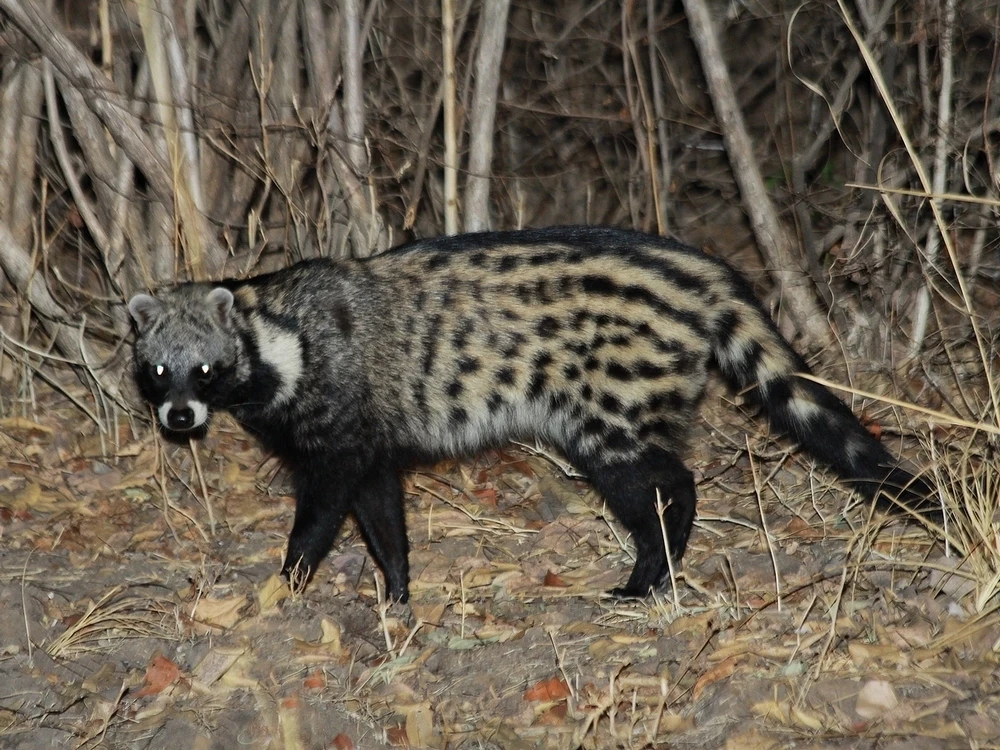
Namibia Night Small Game — 5 Days
5 days · Namibia
5-day namibia night small game — african civet, bat-eared fox, aardwolf in Omaheke farms.
$5,200 – $6,500
Plan Your Honey Badger Hunt
Submit a free enquiry and we'll match you with outfitters who hunt Honey Badger in your region.
Sign Up to Enquire African Wildcat
 Baboon
 Bat-Eared Fox
 Bay Duiker
 Black-Fronted Duiker