Impala Hunting
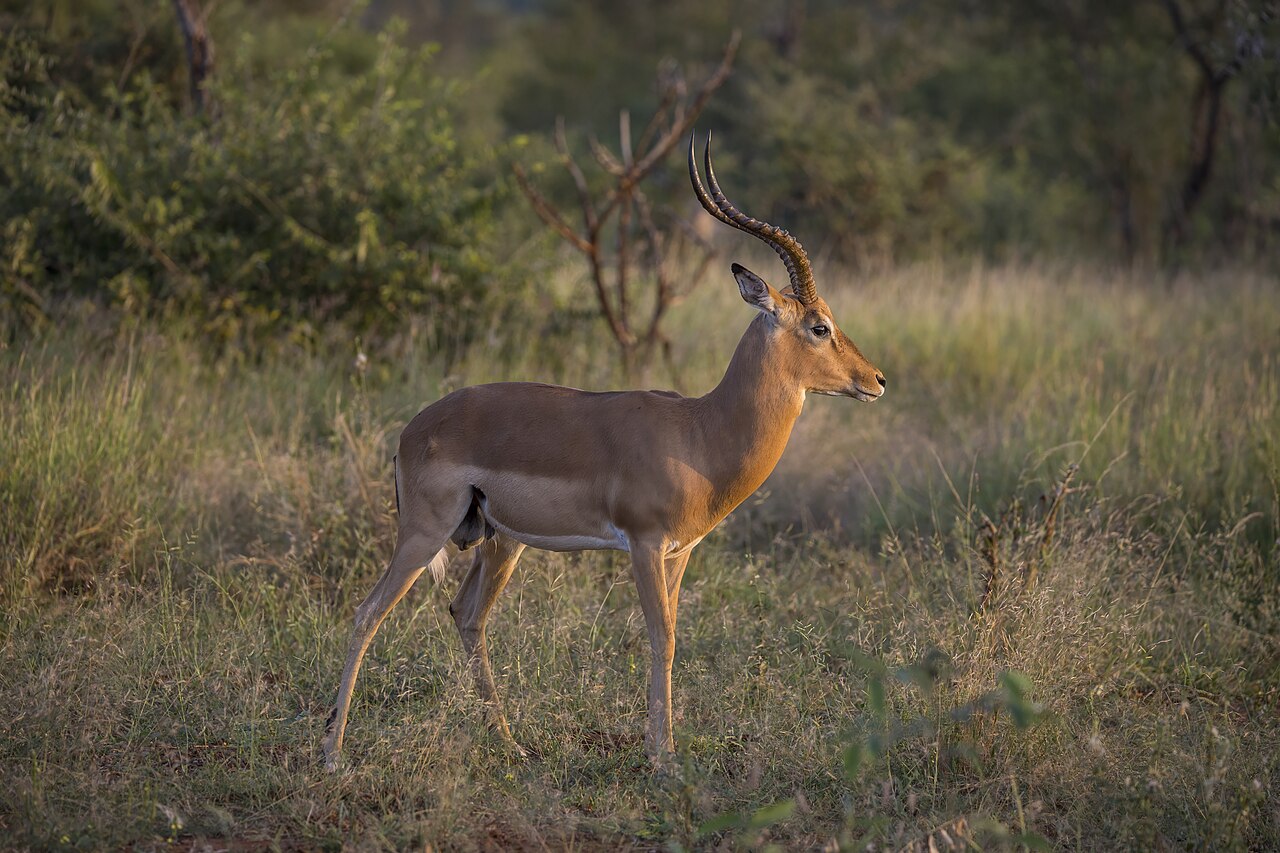
Aepyceros melampus
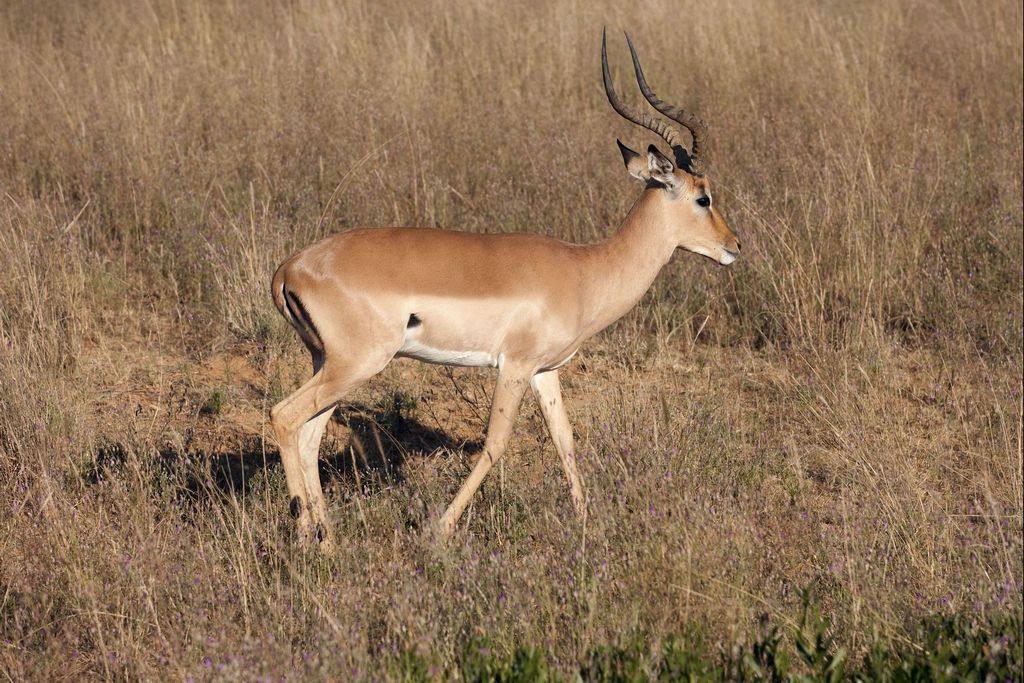
The impala, scientifically known as Aepyceros melampus, is one of Africa's most graceful and abundant antelopes, making it a thrilling pursuit for hunters seeking a classic safari experience. These medium-sized antelopes typically stand about 3 feet at the shoulder, with males weighing up to 165 pounds and females slightly lighter at around 110 pounds. Males are distinguished by their striking lyre-shaped horns, which can grow up to 3 feet long and feature prominent ridges, while females are hornless. Their glossy reddish-brown coats blend seamlessly with savanna grasslands, accented by black markings on the rump and tail that serve as visual signals during flight. Impala thrive in open woodlands, savannas, and grasslands, where they form dynamic herds that can number in the hundreds. Highly social and alert, they are known for their incredible agility—leaping up to 30 feet in a single bound and reaching speeds of 50 mph to evade predators. This behavior makes them a challenging quarry, as they often detect danger early and bolt with explosive energy. They are primarily grazers, feeding on grasses and browsing on leaves, and are most active during dawn and dusk, offering prime hunting windows. Native to eastern and southern Africa, impala range from Kenya and Tanzania south to South Africa, with healthy populations in countries like Zimbabwe, Botswana, and Namibia. For hunters, their abundance and widespread availability make them an accessible trophy, often pursued with rifles in the . 243 to . 30-06 caliber range for ethical shots at 100-200 yards. Their keen senses demand stealth and patience, rewarding successful stalks with a beautiful mount that showcases those elegant horns. Conservation-wise, impala are listed as Least Concern by the IUCN, with stable populations thanks to effective game management in hunting reserves. Sustainable hunting plays a key role in their conservation, funding anti-poaching efforts and habitat protection, ensuring future generations can experience the thrill of the chase.
Hunt facts
- Countries
- Angola Botswana Mozambique Namibia South Africa Tanzania Zambia Zimbabwe
- Hunt regions
-
Angola: Cuando Cubango MoxicoBotswana: Central Chobe Ghanzi Kgalagadi North WestMozambique: Gaza Manica Niassa Sofala Tete ZambeziaNamibia: Erongo Hardap Karas Kavango East Kavango West Khomas Omaheke Otjozondjupa ZambeziSouth Africa: Eastern Cape Gauteng KwaZulu-Natal Limpopo Mpumalanga North WestTanzania: Arusha Katavi Lindi Manyara Morogoro Pwani Rukwa Simiyu Singida TaboraZambia: Central Eastern Luapula Muchinga North-Western Southern WesternZimbabwe: Manicaland Mashonaland Central Mashonaland West Masvingo Matabeleland North Matabeleland South Midlands
- Habitat
- Mixed savanna Woodland Bushveld
- Best time to hunt
- May–October (Dry season)
- Mass
- 40–80 kg (88–176 lb)
- Trophy minimum
-
- SCI (inches): 52
- SCI bow: 46
- Rowland Ward (inches): 23 6/8
- Rowland Ward record: 31 3/8
Typical record-book minimums; confirm the current edition with your professional hunter.
Where to Find Impala
Impala are graceful antelopes commonly found in the savannas, woodlands, and grasslands of eastern and southern Africa, where they thrive in areas with abundant grass and access to water. Their primary habitats include open bushveld, acacia woodlands, and mixed grasslands, often near rivers or seasonal water sources, avoiding dense forests or arid deserts.
For hunting, the best countries include South Africa, Namibia, Zimbabwe, Tanzania, and Botswana, with prime areas like the Limpopo Province in South Africa, the Caprivi Strip in Namibia, and the Selous Game Reserve in Tanzania. These regions offer well-managed hunting safaris with sustainable quotas.
Seasonally, the dry months from May to October are ideal, as impala gather around shrinking waterholes, making them easier to spot. In wet seasons, they disperse into thicker vegetation, complicating hunts.
The terrain is typically flat to gently rolling savanna with scattered trees and bushes, providing cover but allowing for spot-and-stalk approaches. Hunt in environments with miombo woodlands or thornveld for best results.
To locate them, scout near water sources at dawn or dusk when they're most active. Look for fresh tracks, droppings, or dust baths in sandy soil. Use binoculars from elevated hides or vehicles to scan herds, focusing on groups led by dominant rams. Patience and quiet movement are key to avoiding their keen senses.
Why Hunt Impala
Hunters pursue impala for their exceptional trophy qualities, where mature rams boast elegant, lyre-shaped horns that can span up to three feet, making them a striking addition to any collection. These graceful antelopes, with their glossy reddish-brown coats and distinctive black markings, embody the beauty of African wildlife, turning a successful hunt into a lifelong memory.
The challenge of hunting impala adds an adrenaline-fueled excitement that's hard to match. Known for their incredible speed—reaching up to 50 mph—and keen senses, they demand sharp stalking skills and precise marksmanship. Whether spot-and-stalk in open savannas or bowhunting from blinds, the pursuit keeps you on edge, rewarding patience with heart-pounding action.
Beyond the thrill, impala offer superb meat quality—lean, tender venison with a mild, gamey flavor that's versatile in the kitchen. Grill it as steaks, slow-cook it in stews, or make jerky; it's a healthy, delicious harvest that elevates any table.
Culturally, impala hold traditional significance in African lore, symbolizing agility and survival, often featured in rites of passage for indigenous hunters. Today, regulated hunting supports conservation by funding anti-poaching efforts and habitat protection, ensuring sustainable populations.
What sets impala hunting apart is the unique experience of immersing in vibrant ecosystems, observing herd dynamics, and feeling the raw pulse of the wild—perfect for hunters seeking both adventure and ethical reward.
Impala Hunting Tips
Hunting impala, the graceful antelope of African savannas, requires patience and precision due to their speed and alertness. The best methods include spot-and-stalk techniques, where you glass from a vantage point, then close in quietly on foot. Bowhunting works well for close-range encounters, while rifle hunting from blinds near waterholes is effective during dry seasons.
For equipment, opt for a flat-shooting rifle in calibers like . 243 Winchester or . 270 for minimal recoil and clean kills, or step up to . 308 or 7mm for longer ranges. Use high-quality optics like 8x42 binoculars and a variable scope (3-9x) for spotting. Soft-point bullets in 100-150 grains ensure ethical expansion.
Shot placement is crucial: aim for the vital zone behind the shoulder for heart-lung shots, avoiding head or neck unless at very close range to prevent wounding. A broadside stance is ideal; if quartering, adjust for the off-shoulder.
Tracking and stalking tips: Approach downwind to avoid scent detection, move slowly with natural cover, and watch for ear flicks or tail twitches signaling alarm. After the shot, note blood trails—bright red for lung hits—and follow quietly without rushing.
Hunt during early mornings or late afternoons when impala are active at water sources. The best season is the dry winter months (May to September) in southern Africa, when visibility is high and animals concentrate around water.
Common mistakes include rushing shots, ignoring wind direction, or overhunting pressured areas, which spooks herds. Always scout ethically.
Safety first: Wear blaze orange if required, confirm your target and beyond, and hunt with a guide in unfamiliar terrain to avoid dangerous wildlife encounters like buffalo or snakes. Respect local regulations for sustainable hunting.
Featured Outfitters for Impala
View all
Hunting Tips & Guides
All tips
Wildlife Conservation Through Hunting
Hunters play a crucial role in wildlife conservation efforts worldwide. Understanding this connection helps justify and improve our hunting practices. …
Read more
Understanding Animal Behavior Patterns
Success in hunting often comes down to understanding the behavioral patterns of your target species. Each animal has unique habits …
Read more
Hunter Safety in Remote Areas
Hunting in remote areas presents unique challenges and risks. Proper preparation and safety protocols can prevent emergencies and save lives. …
Read moreHunt packages with Impala
Curated hunt ideas — no price on the page. Enquire and we'll match outfitters after review.
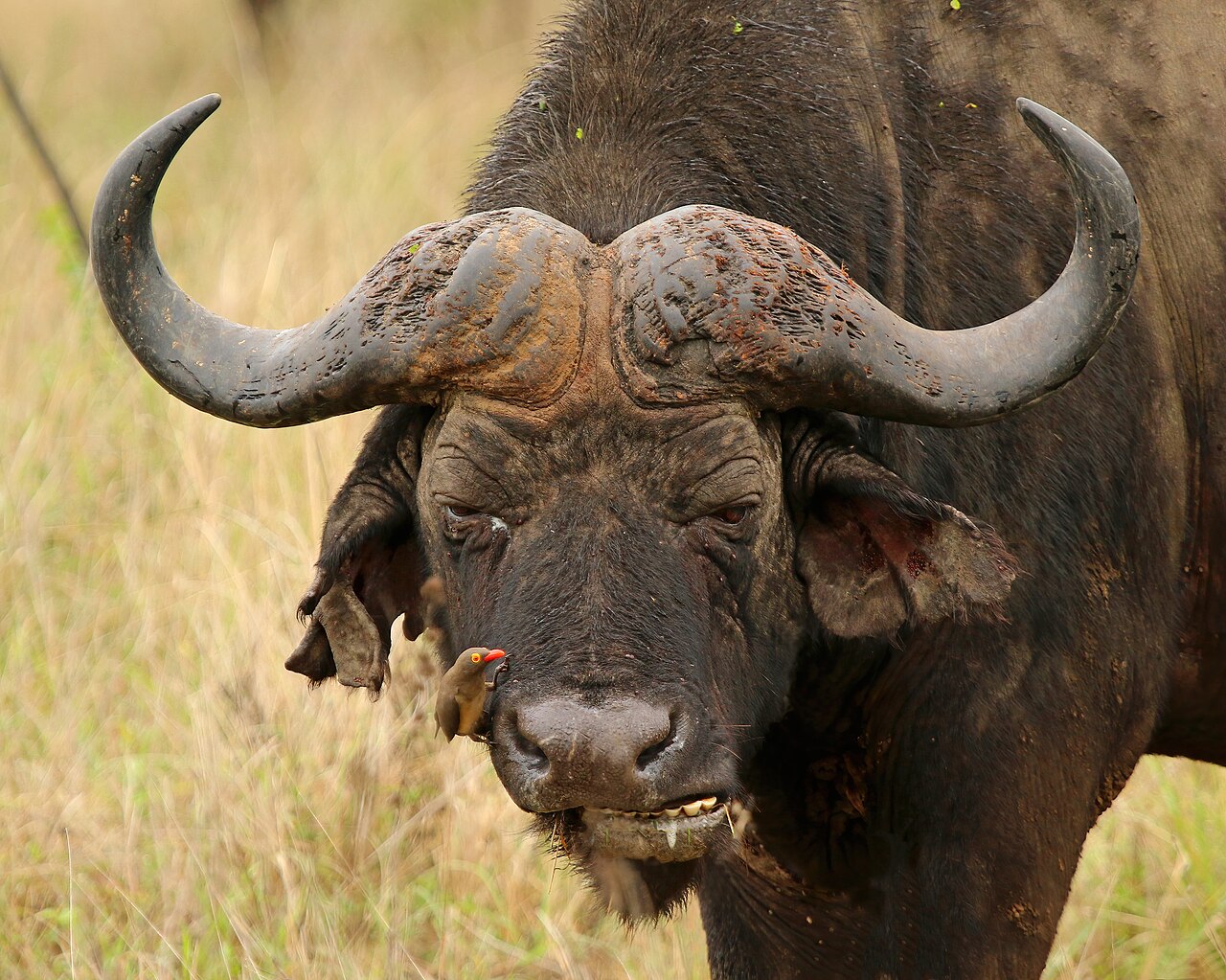
Namibia Buffalo Intro — 10 Days
10 days · Namibia
Ten days Caprivi buffalo with impala and warthog on the same mopane floodplain fringe.
$18,500 – $20,500
 Featured
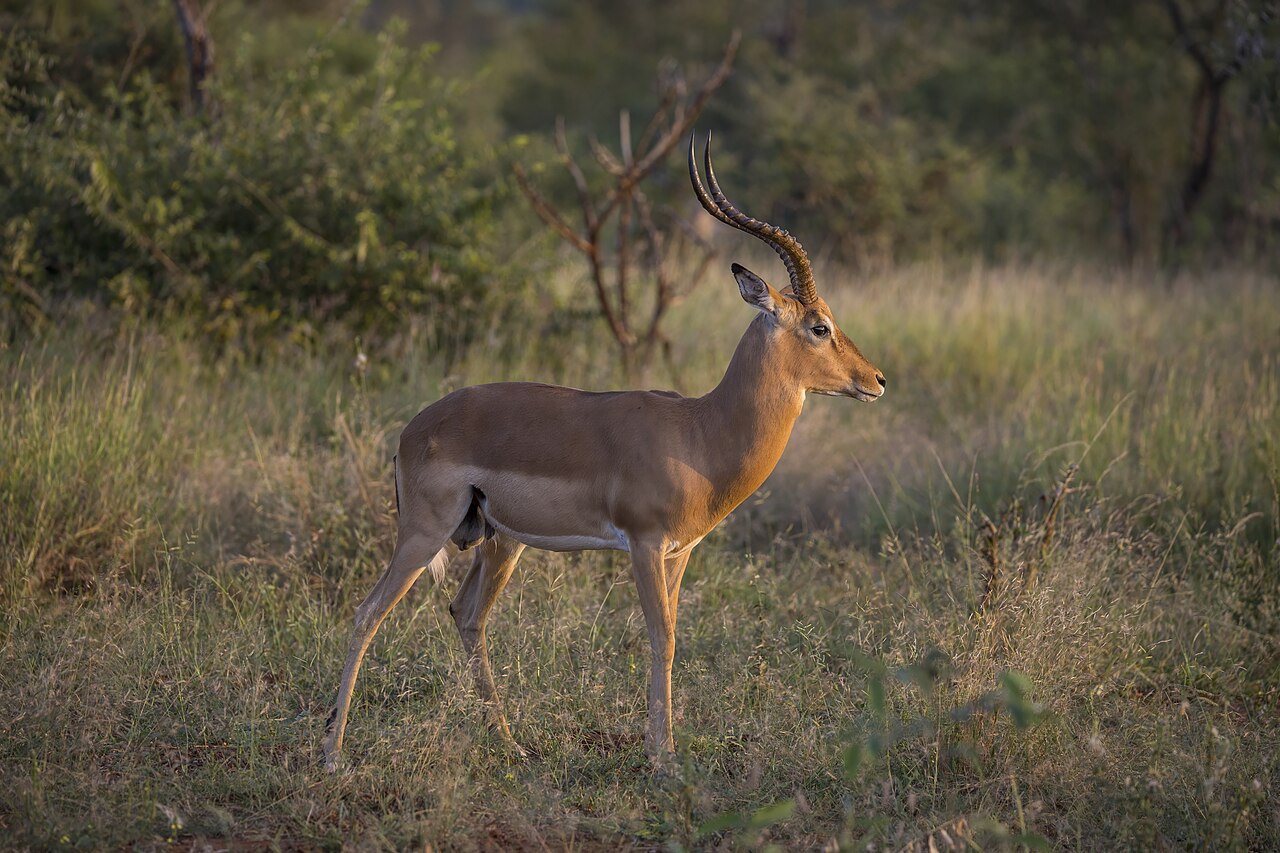
South Africa Plains Game — 10 Days
10 days · South Africa
Ten days on a Limpopo bushveld ranch — impala, blesbok, wildebeest, warthog and nyala from the same acacia savanna and riverine valleys.
$8,800 – $9,700
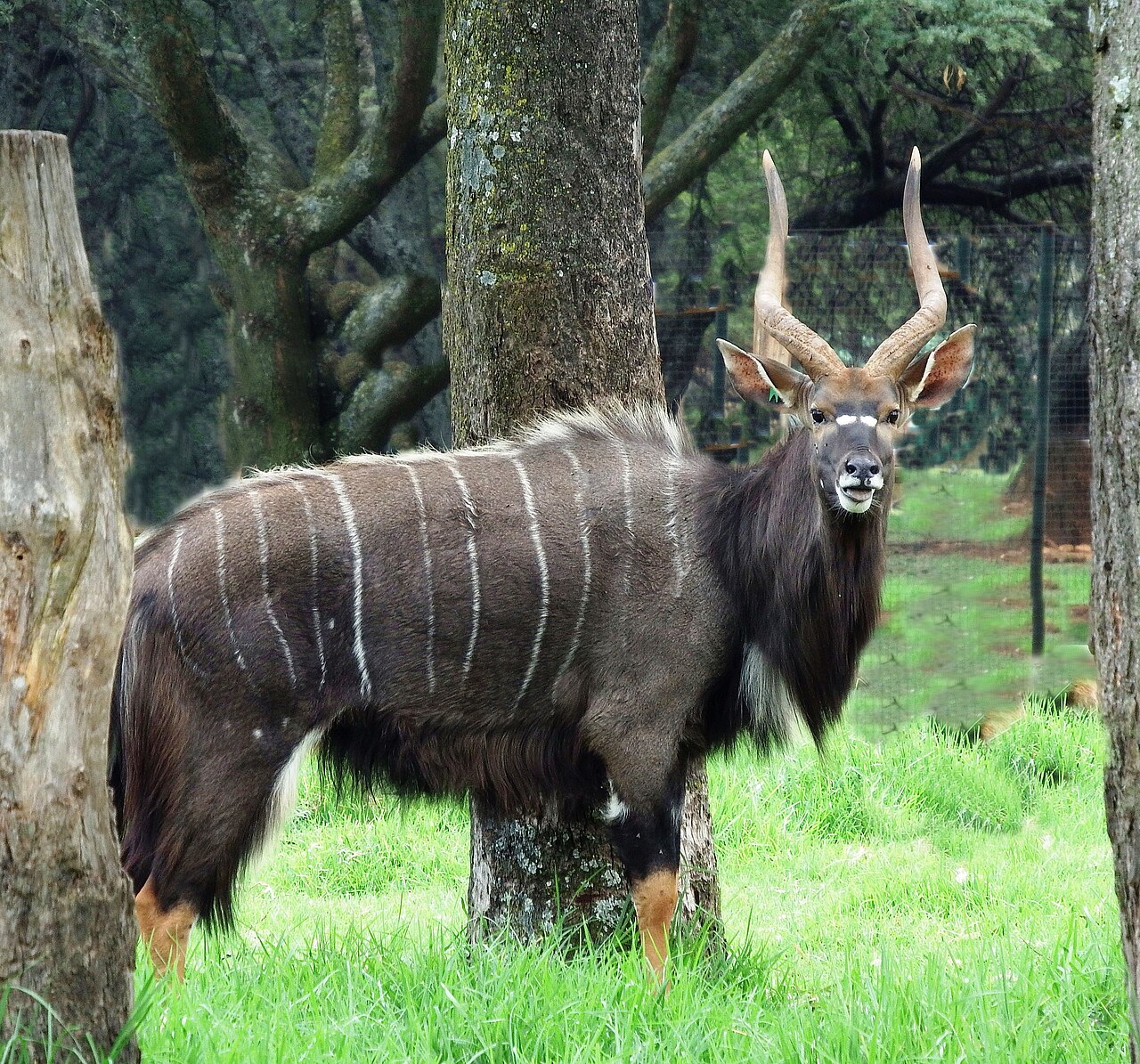
Waterberg Nyala Focus — 7 Days
7 days · South Africa
Seven days Waterberg riverine — nyala, bushbuck, impala and warthog.
$7,800 – $8,600
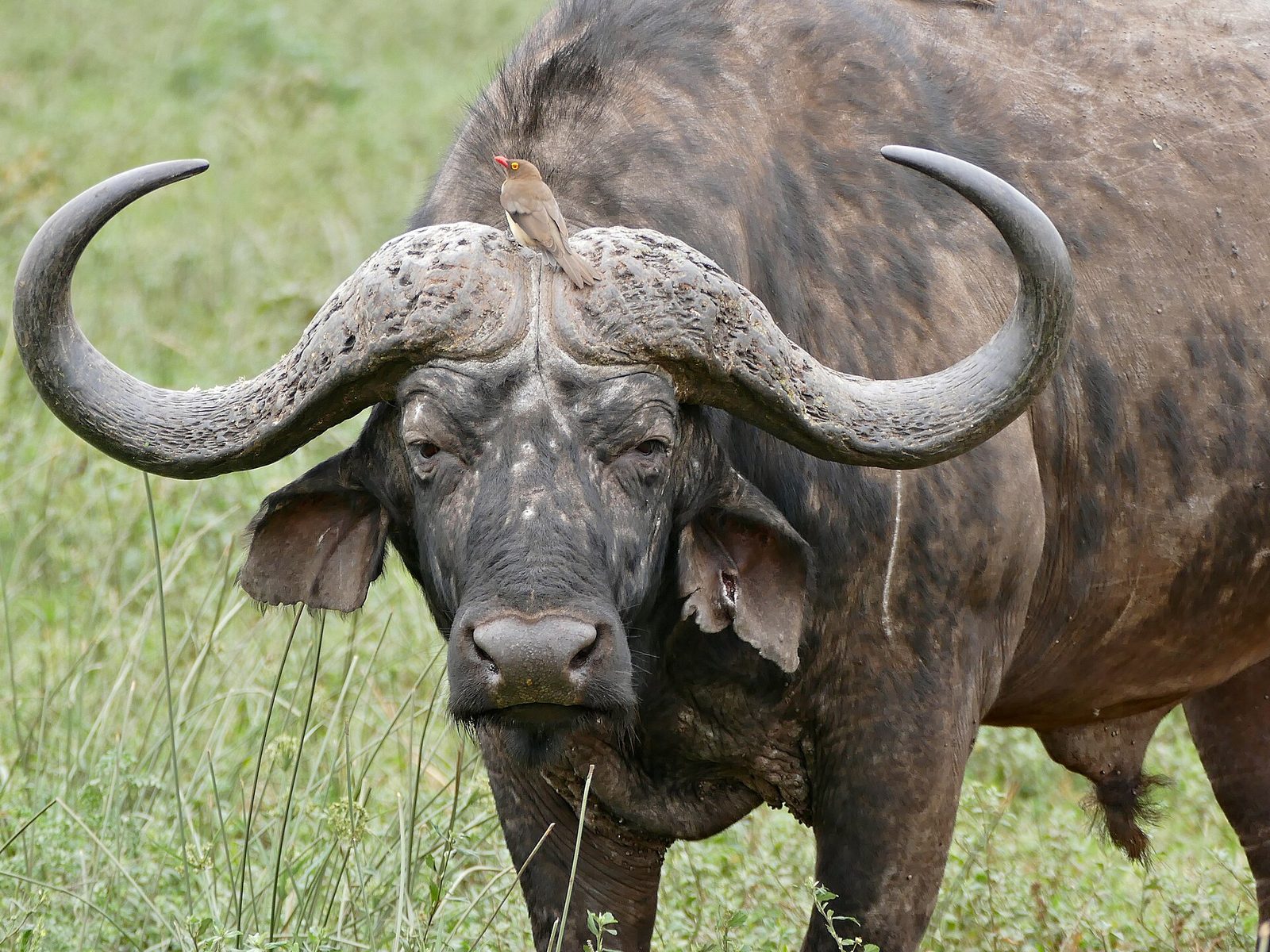
South Africa Buffalo Plains — 10 Days
10 days · South Africa
Ten days South African buffalo with impala, warthog and wildebeest on the same bushveld ranch.
$16,800 – $18,500
South Africa Bow Safari — 10 Days
10 days · South Africa
Ten days Limpopo bowhunting — impala, warthog, wildebeest and kudu.
$9,500 – $10,500
 Featured
Zimbabwe Buffalo & Plains Game — 14 Days
14 days · Zimbabwe
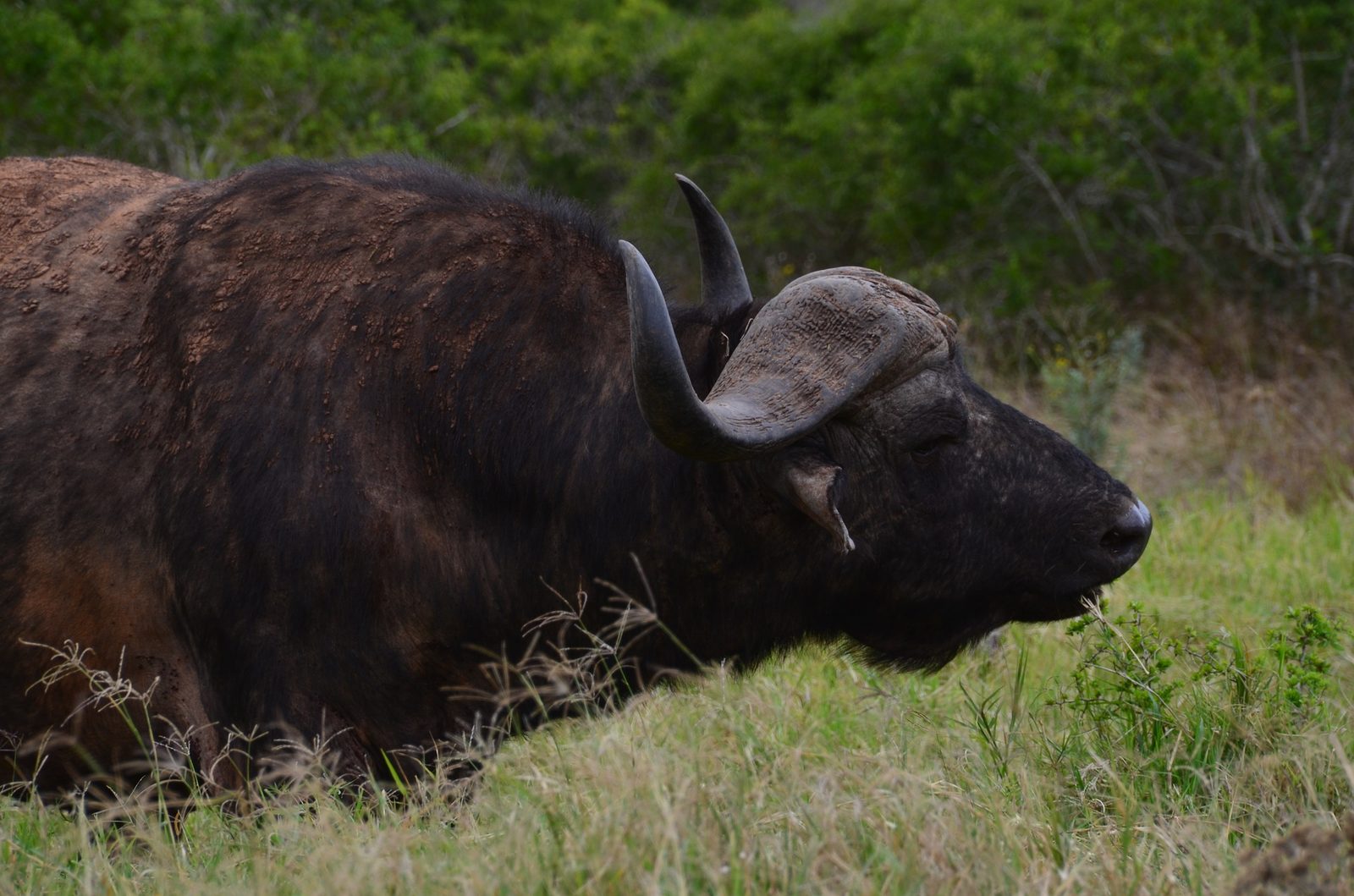
Fourteen days in the Zambezi Valley — Cape buffalo plus impala, waterbuck and bushbuck from the same mopane concession.
$24,800 – $26,900
Plan Your Impala Hunt
Submit a free enquiry and we'll match you with outfitters who hunt Impala in your region.
Sign Up to Enquire Aardwolf
 Abyssinian Bushbuck
 Baboon
 Bat-Eared Fox
 Bay Duiker
 Beisa Oryx