Greater Kudu Hunting
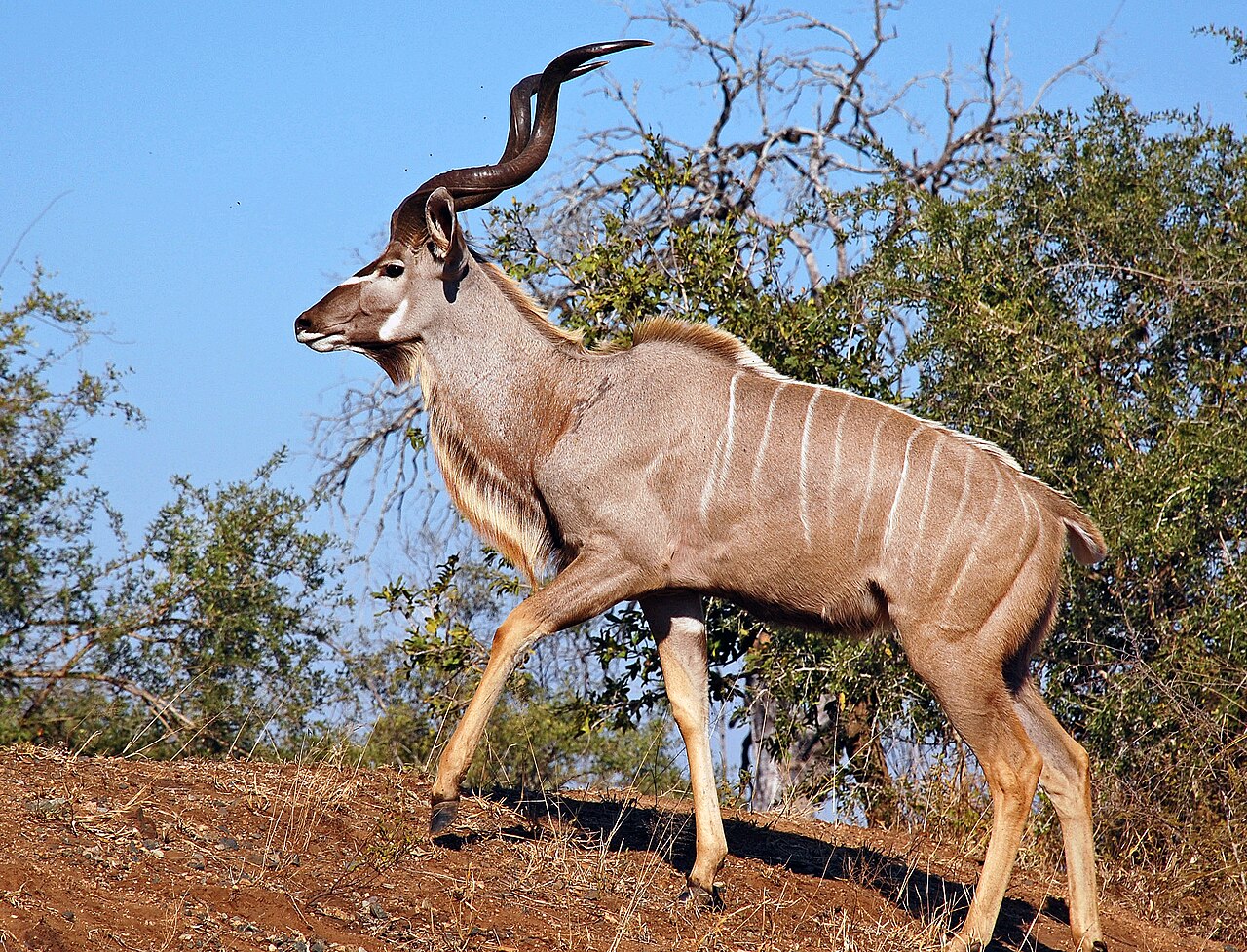
Tragelaphus strepsiceros
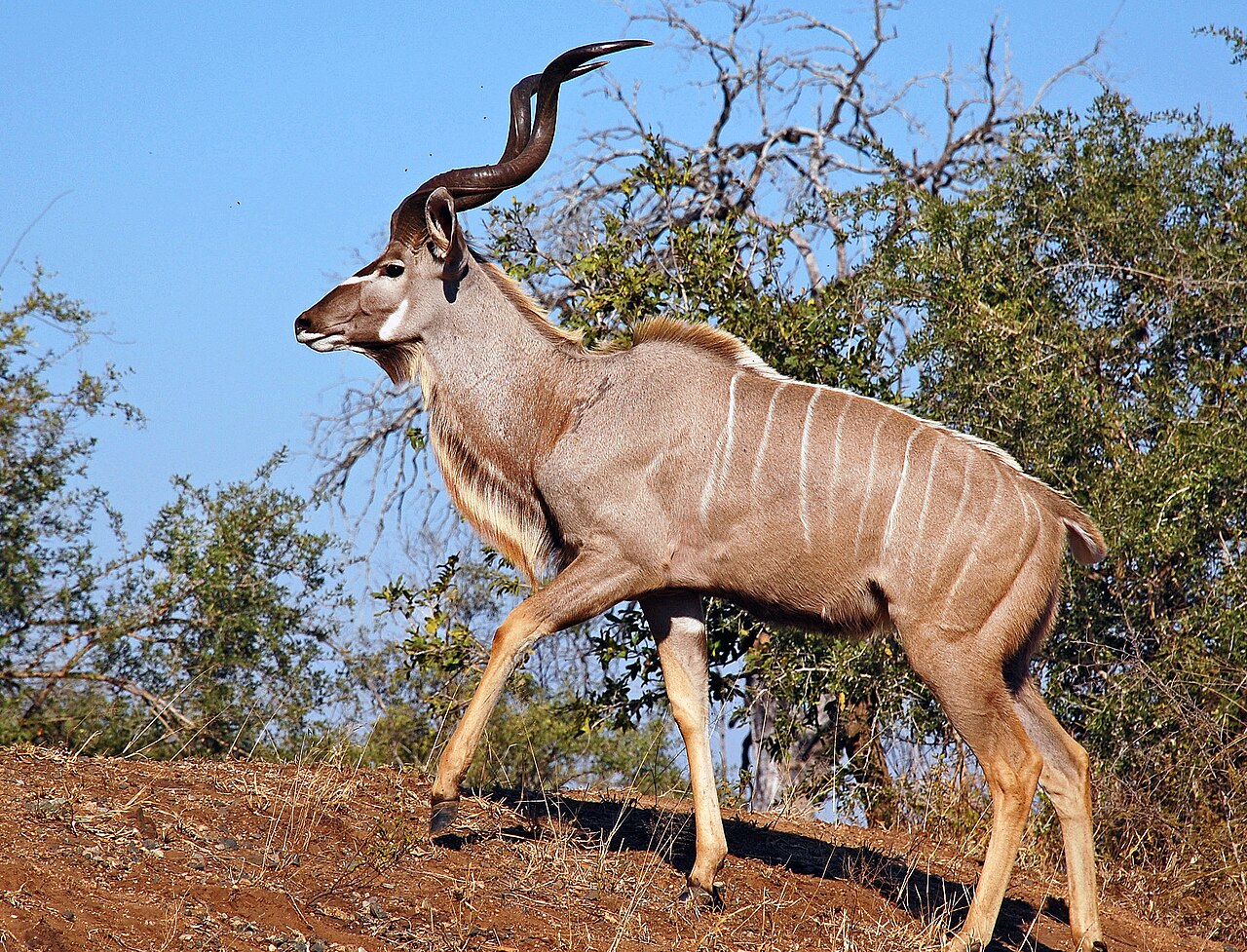
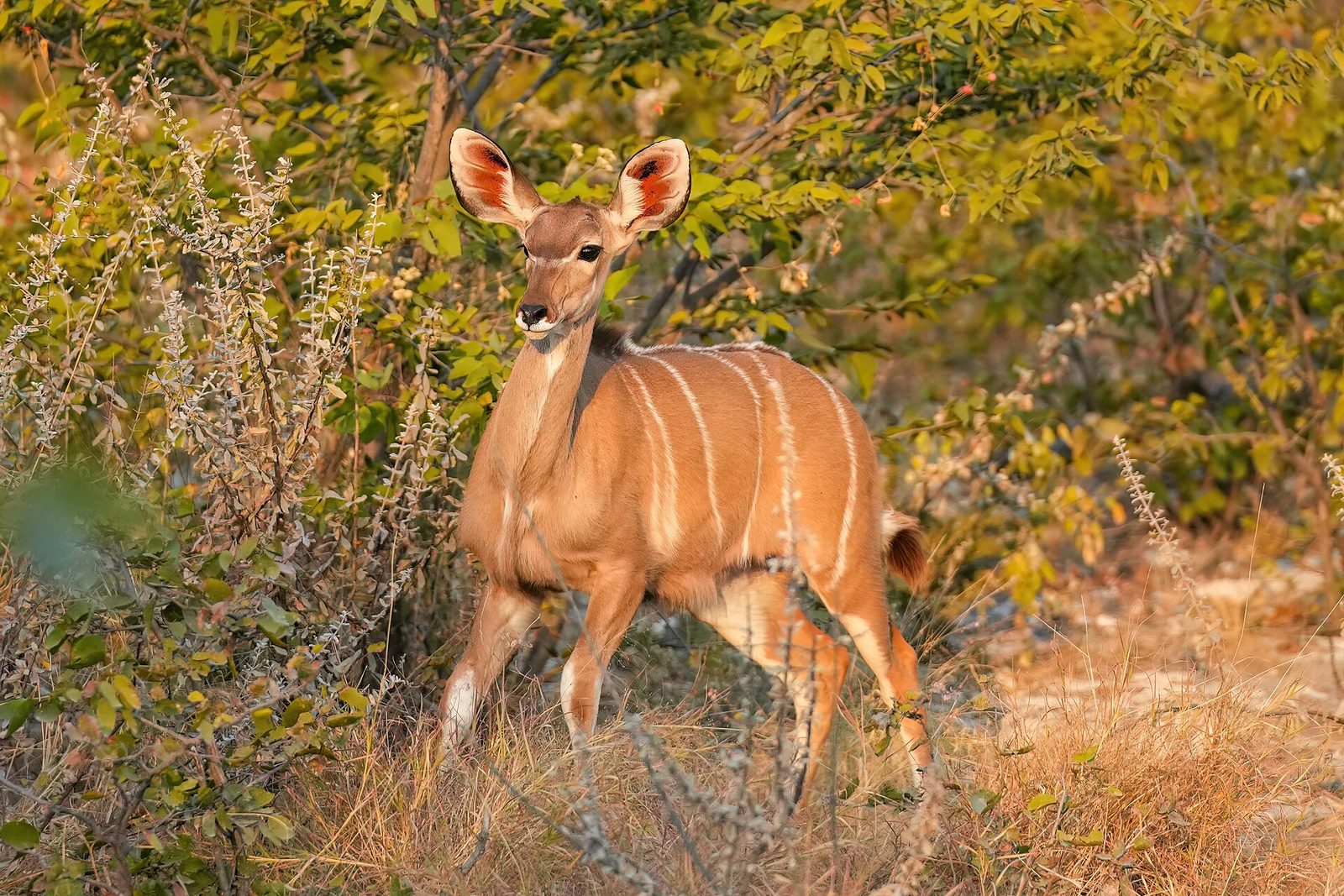
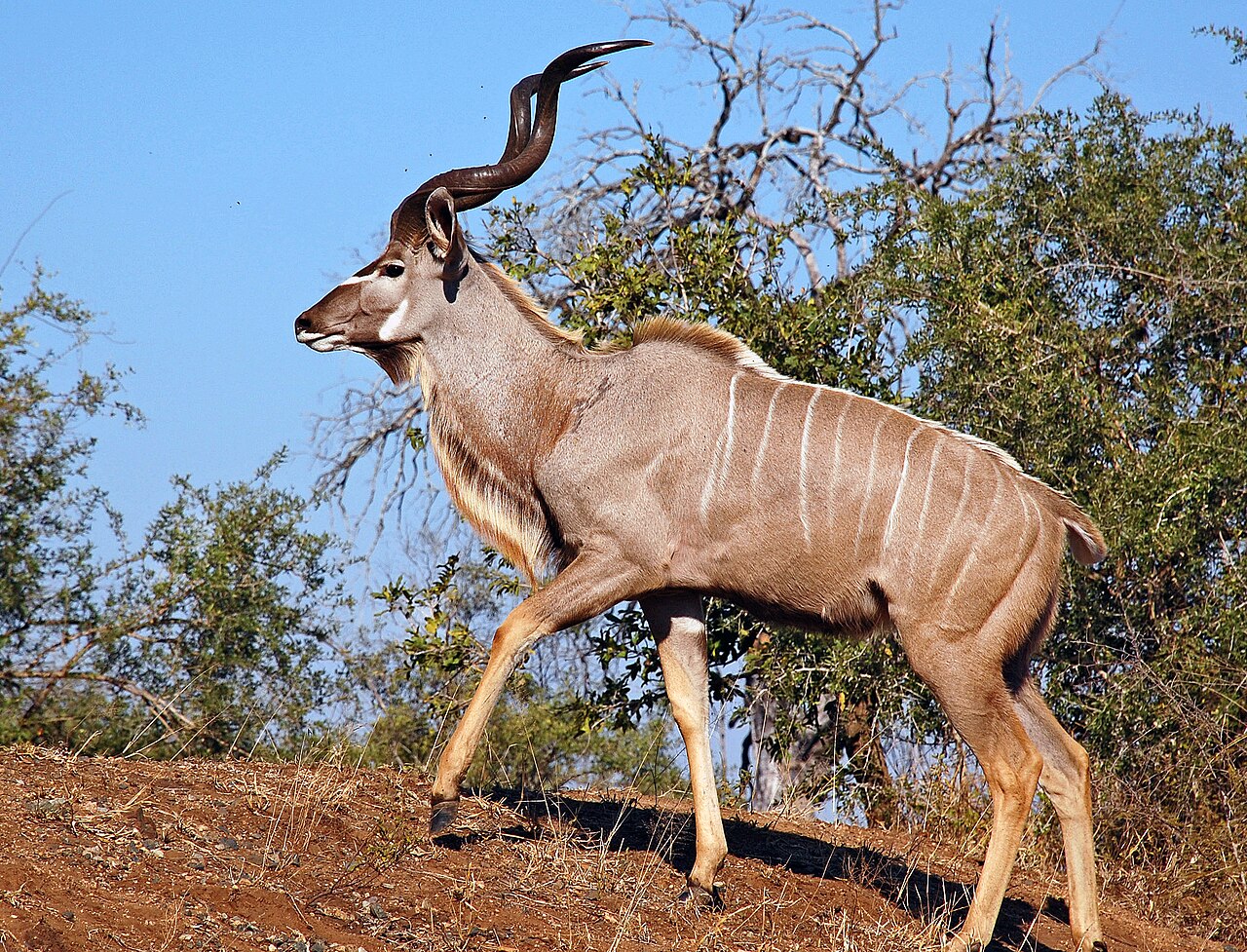
The Greater Kudu, scientifically known as Tragelaphus strepsiceros, is one of Africa's most majestic antelopes, often called the "grey ghost" for its elusive nature and striking appearance. Males are particularly impressive, standing up to 8 feet at the shoulder and weighing between 500 and 800 pounds, while females are smaller, typically around 400 pounds. Their coat is a sleek grayish-brown with vertical white stripes along the sides, providing excellent camouflage in bushy terrain. The standout feature is the males' long, spiraled horns, which can reach up to 72 inches in length with two to three twists, making them a trophy hunter's dream. Females lack horns but share the elegant, slender build. These antelopes thrive in woodland savannas, thick bushveld, and hilly regions where they can browse on leaves, shoots, and fruits from acacia trees and other vegetation. Greater Kudus are primarily solitary or found in small groups, with bulls often roaming alone except during mating season. They're known for their incredible agility, capable of leaping over 8-foot obstacles, and their keen senses make them wary of predators and hunters alike. Behaviorally, they're crepuscular, most active at dawn and dusk, which adds to the challenge of spotting them. Native to eastern and southern Africa, their range spans from Ethiopia and Tanzania down to South Africa, with healthy populations in countries like Namibia, Zimbabwe, and Botswana where regulated hunting is permitted. For hunters, the Greater Kudu offers an exhilarating pursuit—its alertness demands stealthy stalking or patient blind setups, and those massive, cork-screw horns are a hallmark of a world-class trophy. Conservation-wise, the species is listed as Least Concern by the IUCN, thanks to sustainable management in game reserves and private ranches, where ethical hunting contributes to habitat protection and anti-poaching efforts. Pursuing a Greater Kudu isn't just about the harvest; it's about immersing yourself in the wild beauty of Africa's bush.
Hunt facts
- Countries
- Angola Botswana Mozambique Namibia South Africa Tanzania Uganda Zambia Zimbabwe
- Hunt regions
-
Angola: Cuando Cubango Cunene Huíla Moxico NamibeBotswana: Central Chobe Ghanzi Kgalagadi North WestMozambique: Gaza Manica Niassa Sofala Tete ZambeziaNamibia: Erongo Hardap Karas Kavango East Kavango West Khomas Kunene Omaheke Otjozondjupa ZambeziSouth Africa: Eastern Cape Gauteng KwaZulu-Natal Limpopo Mpumalanga North West Northern CapeTanzania: Katavi Lindi Morogoro Pwani Rukwa Singida TaboraUganda: NorthernZambia: Central Eastern Luapula Muchinga North-Western Southern WesternZimbabwe: Manicaland Mashonaland Central Mashonaland West Masvingo Matabeleland North Matabeleland South Midlands
- Habitat
- Mixed savanna Woodland Bushveld
- Best time to hunt
- May–October (Dry season)
- Mass
- 190–270 kg (419–595 lb)
- Trophy minimum
-
- SCI (inches): 98
- SCI bow: 89
- Rowland Ward (inches): 54
- Rowland Ward record: 73 7/8
Southern / Eastern Cape greater kudu
Typical record-book minimums; confirm the current edition with your professional hunter.
Where to Find Greater Kudu
The Greater Kudu, a majestic spiral-horned antelope, thrives in diverse African habitats, primarily woodlands, savannas, and bushveld regions where dense cover meets open grasslands. These elusive animals prefer areas with ample acacia trees and thorny shrubs for browsing, often in hilly or rocky terrains that provide escape routes from predators.
For hunting, the best countries include South Africa, Namibia, Zimbabwe, and Tanzania, with prime areas like the Limpopo Province in South Africa, the Caprivi Strip in Namibia, and the Selous Game Reserve in Tanzania. These regions offer regulated hunts on private ranches or conservancies, ensuring sustainable populations.
Seasonally, the dry months from May to October are ideal, as kudus congregate near water sources like rivers and dams, making them easier to spot. Avoid wet seasons when vegetation thickens and animals disperse.
In the wild, focus on rugged, undulating terrain with mixed bush and open clearings. Kudus favor elevations for vantage points, so scout ridges and valleys. Tips for locating them include glassing from high ground at dawn and dusk, tracking fresh spoor near waterholes, and listening for alarm calls from other wildlife. Patience is key—move quietly and use camouflage to blend into the thorny environment for a successful stalk.
Why Hunt Greater Kudu
Hunters pursue the Greater Kudu for its unparalleled trophy qualities, boasting massive spiral horns that can exceed 60 inches in length, making it one of Africa's most iconic spiral-horned antelopes. These majestic bulls, with their striking gray coats, vertical white stripes, and elegant manes, represent the pinnacle of a plains game collection, symbolizing prestige and achievement in the hunting world.
The challenge of hunting Greater Kudu is legendary, often called the "gray ghost" for its elusive nature and ability to vanish into thick bushveld. Spotting and stalking these wary animals demands sharp skills, patience, and endurance, delivering heart-pounding excitement through long pursuits and precise shots in rugged terrain.
Beyond the thrill, Kudu meat is prized for its lean, tender quality, offering a mild flavor that's perfect for venison steaks, sausages, or slow-roasted dishes, providing a delicious reward for a successful hunt.
Culturally, the Kudu holds deep significance in African traditions, revered in folklore and art as a symbol of grace and strength, adding a layer of heritage to the experience.
Through regulated hunting, funds from licenses and fees support vital conservation efforts, protecting habitats and anti-poaching initiatives that ensure Kudu populations thrive.
Ultimately, pursuing Greater Kudu offers unique experiences like immersing in Africa's wild savannas, forging bonds with local guides, and creating lifelong memories of ethical adventure and respect for nature.
Greater Kudu Hunting Tips
Hunting the majestic greater kudu, often called the "grey ghost" for its elusive nature, requires patience and skill in the African bushveld. The most effective methods include spot-and-stalk hunting, where you glass from high vantage points to locate bulls before closing in quietly on foot. Bowhunting is also popular for a challenging close-range pursuit, but rifle hunting dominates due to the kudu's keen senses and tendency to bolt at the slightest disturbance.
For equipment, opt for a reliable bolt-action rifle in calibers like . 270 Winchester, . 30-06 Springfield, or . 300 Winchester Magnum, paired with high-quality optics such as a 3-9x scope for precise shots at 200-300 yards. Use premium bullets like Nosler Partition for deep penetration through thick hide and bone.
Shot placement is critical: aim for the heart-lung area just behind the shoulder when broadside, or the base of the neck for a quick drop if facing you. Avoid gut shots, as kudu can run far even when mortally wounded.
Tracking and stalking tips emphasize moving slowly against the wind, using natural cover like acacia thickets, and listening for alarm calls from birds or monkeys that might give away your position. Follow fresh tracks in sandy soil, noting the kudu's distinctive heart-shaped hoof prints.
The best times are during the dry season (May to October) in regions like South Africa or Namibia, when animals concentrate around waterholes. Hunt early mornings or late afternoons when kudu are most active, avoiding midday heat.
Common mistakes include rushing shots, underestimating distances in open terrain, or ignoring wind direction, which can spook herds. Always prioritize safety: wear blaze orange if required, confirm your target and beyond, and hunt with a licensed guide in unfamiliar areas to prevent accidents or ethical lapses. Respect local regulations and practice ethical harvesting to sustain kudu populations.
Featured Outfitters for Greater Kudu
View all
Hunting Tips & Guides
All tips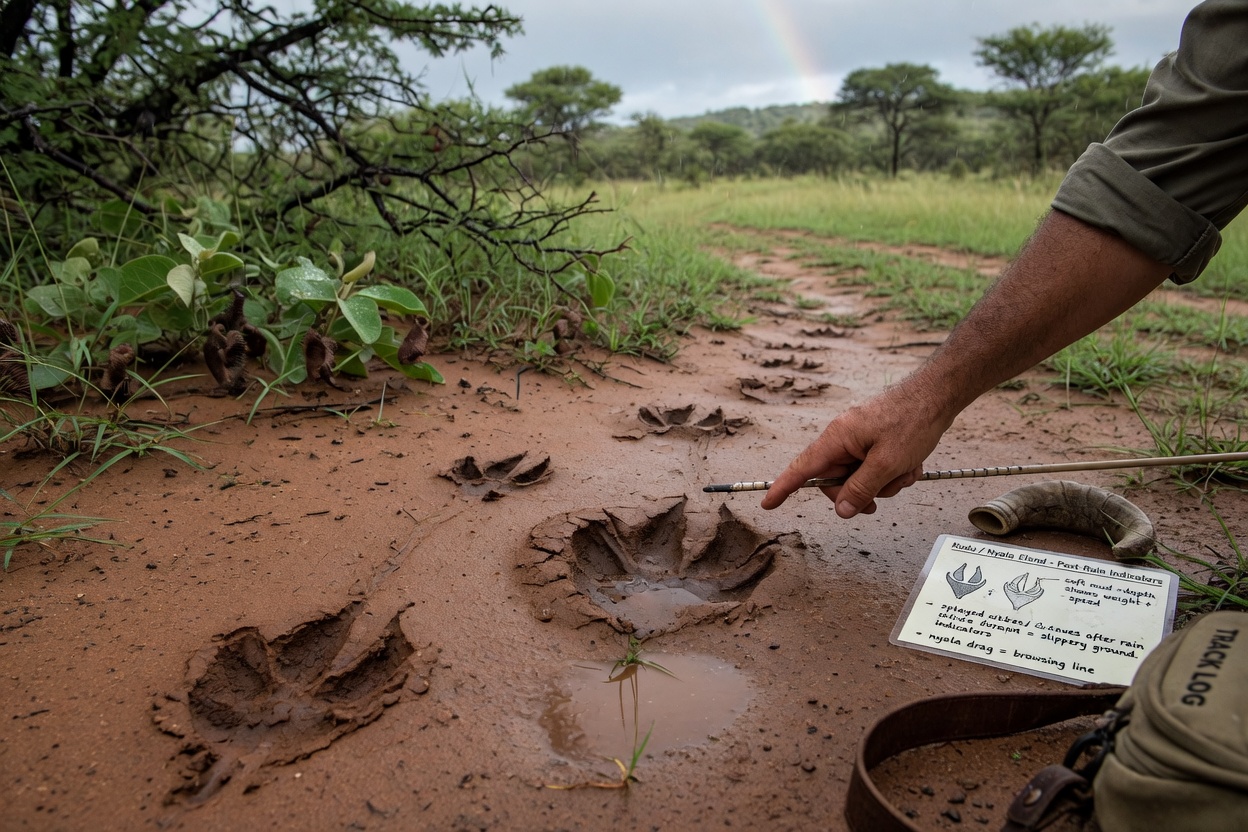
Mastering Tracks of Spiral-Horned Antelope After Rain
Expert hunter's guide to reading spiral-horned antelope tracks after rain. Learn kudu, nyala and eland tracking techniques for ethical African …
Read more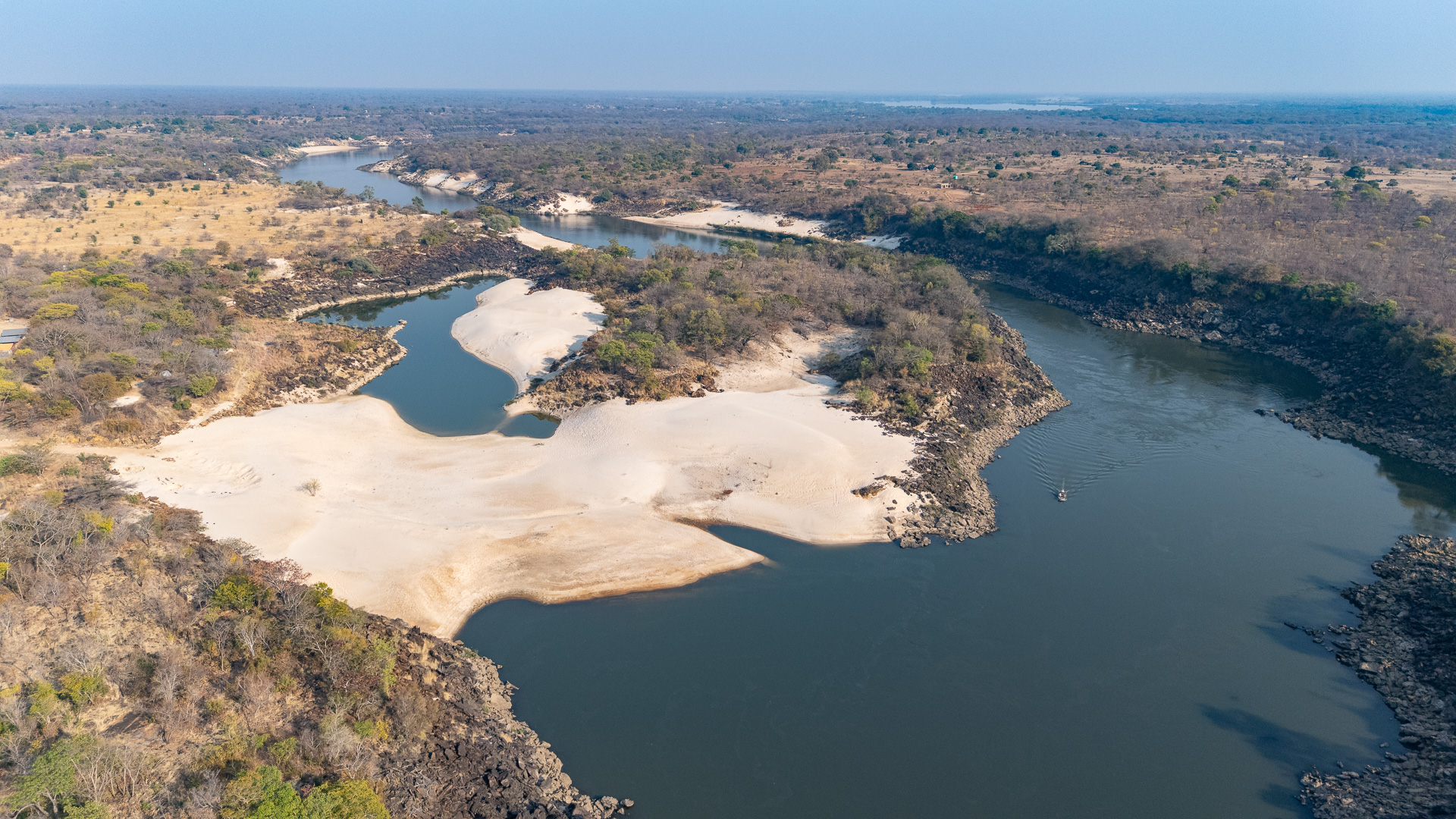
Zambezi Valley Walk-and-Stalk Hunting Adventures
Discover ethical walk-and-stalk hunting in Zimbabwe's Zambezi Valley. Expert tips on buffalo, plains game, seasons, and conservation for serious hunters.
Read more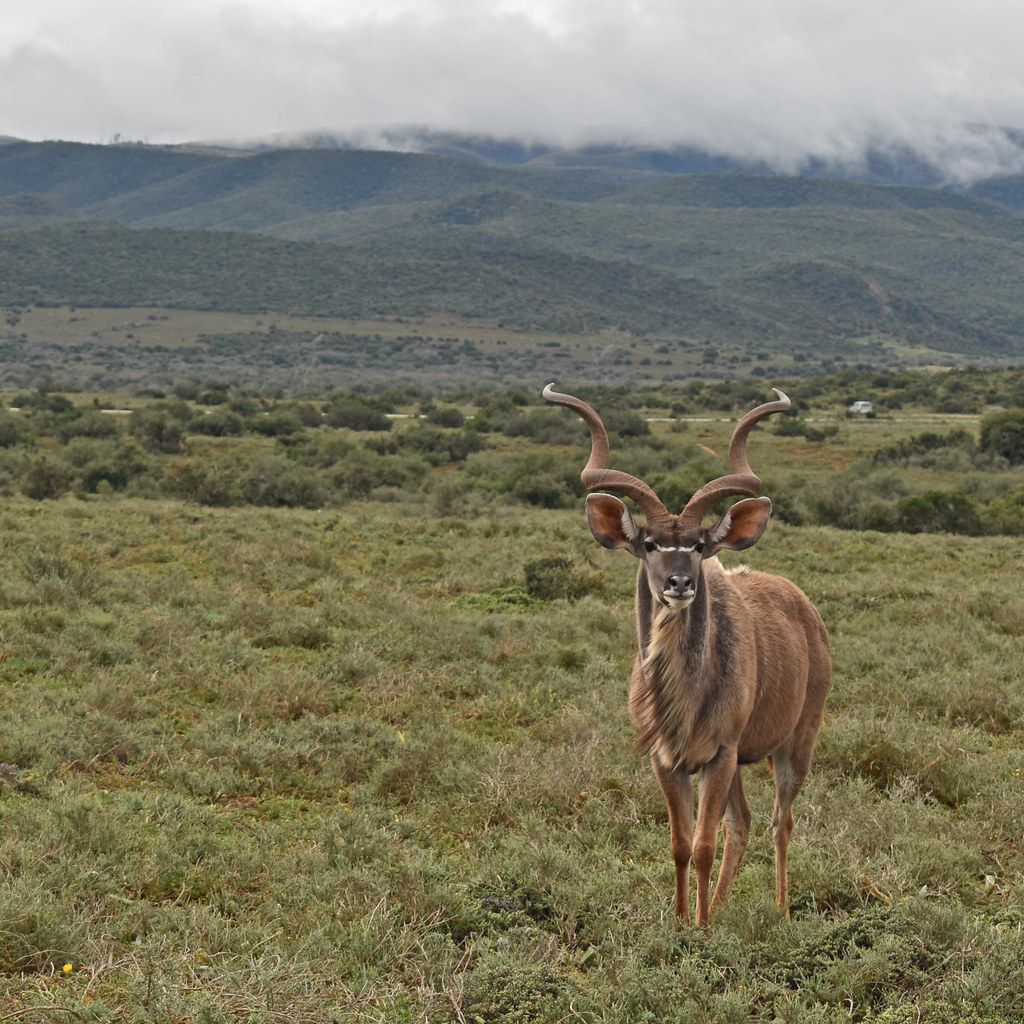
How to Prepare for a Plains Game Safari in Eastern Cape
Beginner's guide to preparing for a plains game safari in South Africa's Eastern Cape: permits, gear, ethics, outfitters and tips …
Read moreHunt packages with Greater Kudu
Curated hunt ideas — no price on the page. Enquire and we'll match outfitters after review.
 Featured
Namibia Plains Game — 7 Days
7 days · Namibia
Seven days on a central Namibian bushveld farm or concession — kudu, gemsbok, springbok, warthog and hartebeest from the same mopane savann…
$8,500 – $9,500
Namibia Bow Plains — 7 Days
7 days · Namibia
Seven days bowhunting kudu, gemsbok, springbok and warthog on central Namibian mopane savanna.
$7,800 – $8,700
South Africa Bow Safari — 10 Days
10 days · South Africa
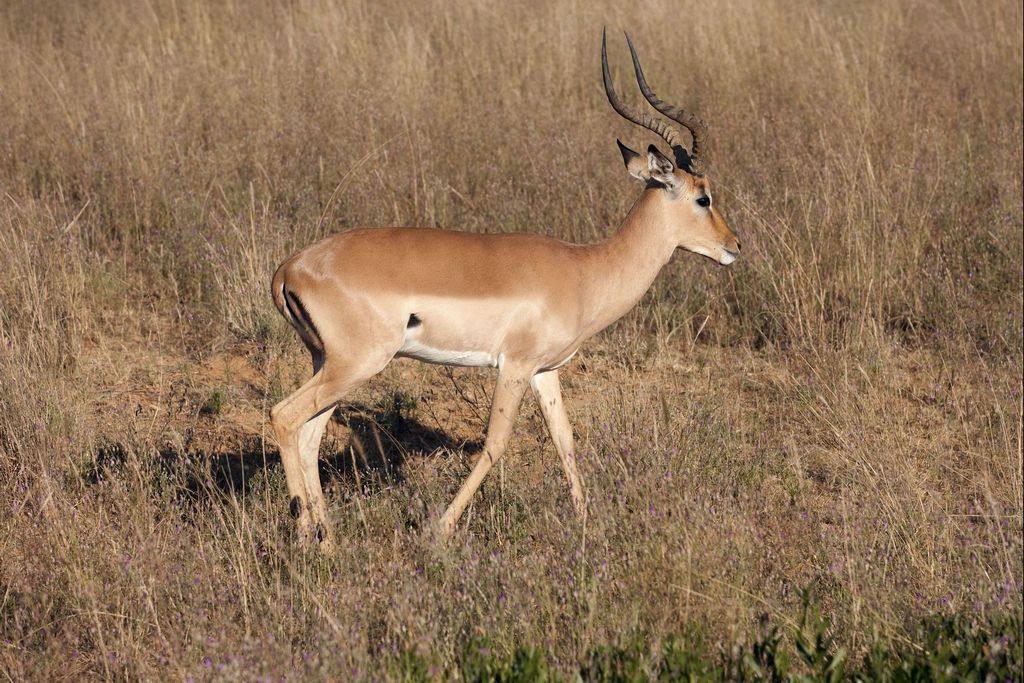
Ten days Limpopo bowhunting — impala, warthog, wildebeest and kudu.
$9,500 – $10,500
Save Valley Plains — 10 Days
10 days · Zimbabwe
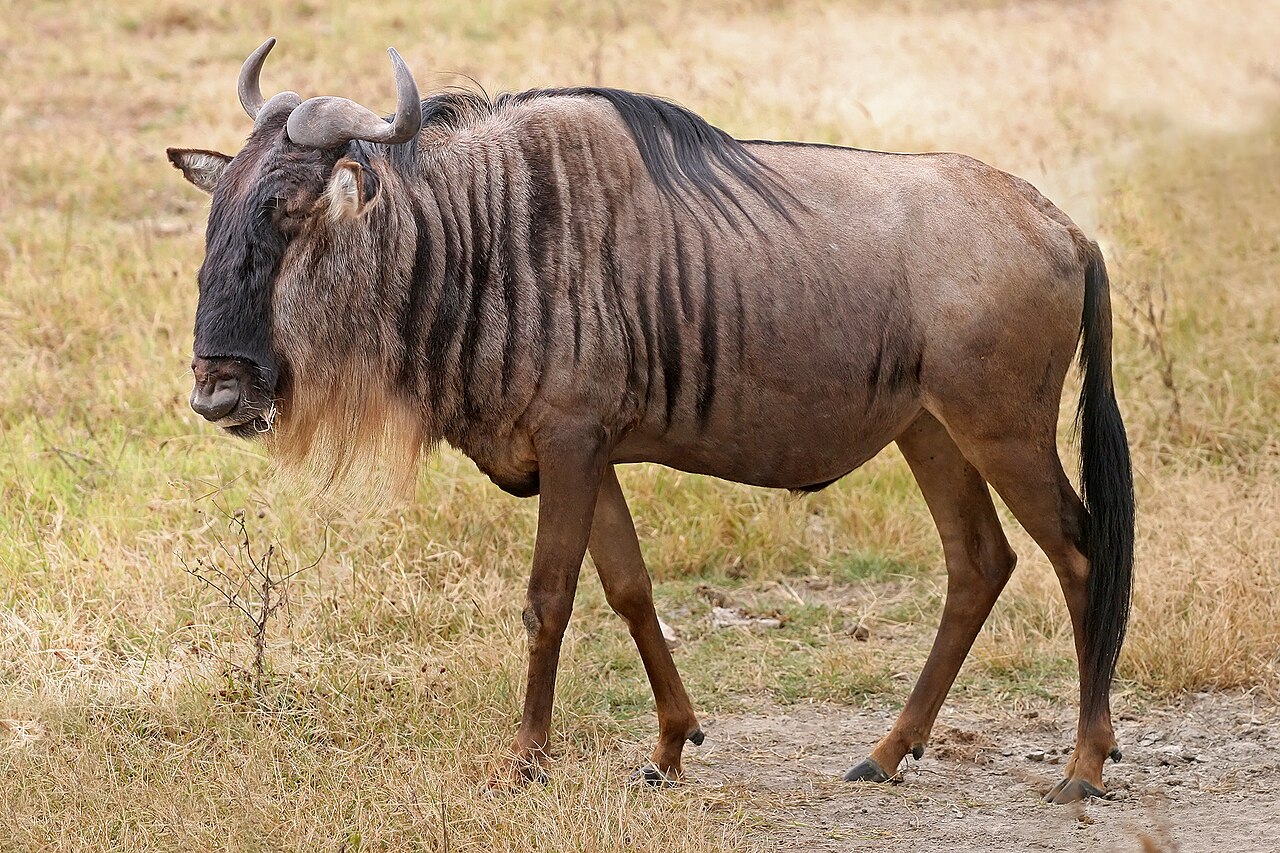
Ten days Save Valley plains — impala, wildebeest, zebra, warthog and kudu.
$12,800 – $14,200
Midlands Plains — 7 Days
7 days · Zimbabwe
Seven days Midlands plains — impala, kudu, warthog and bushbuck.
$7,200 – $7,900
Tanzania Classic Safari — 14 Days
14 days · Tanzania
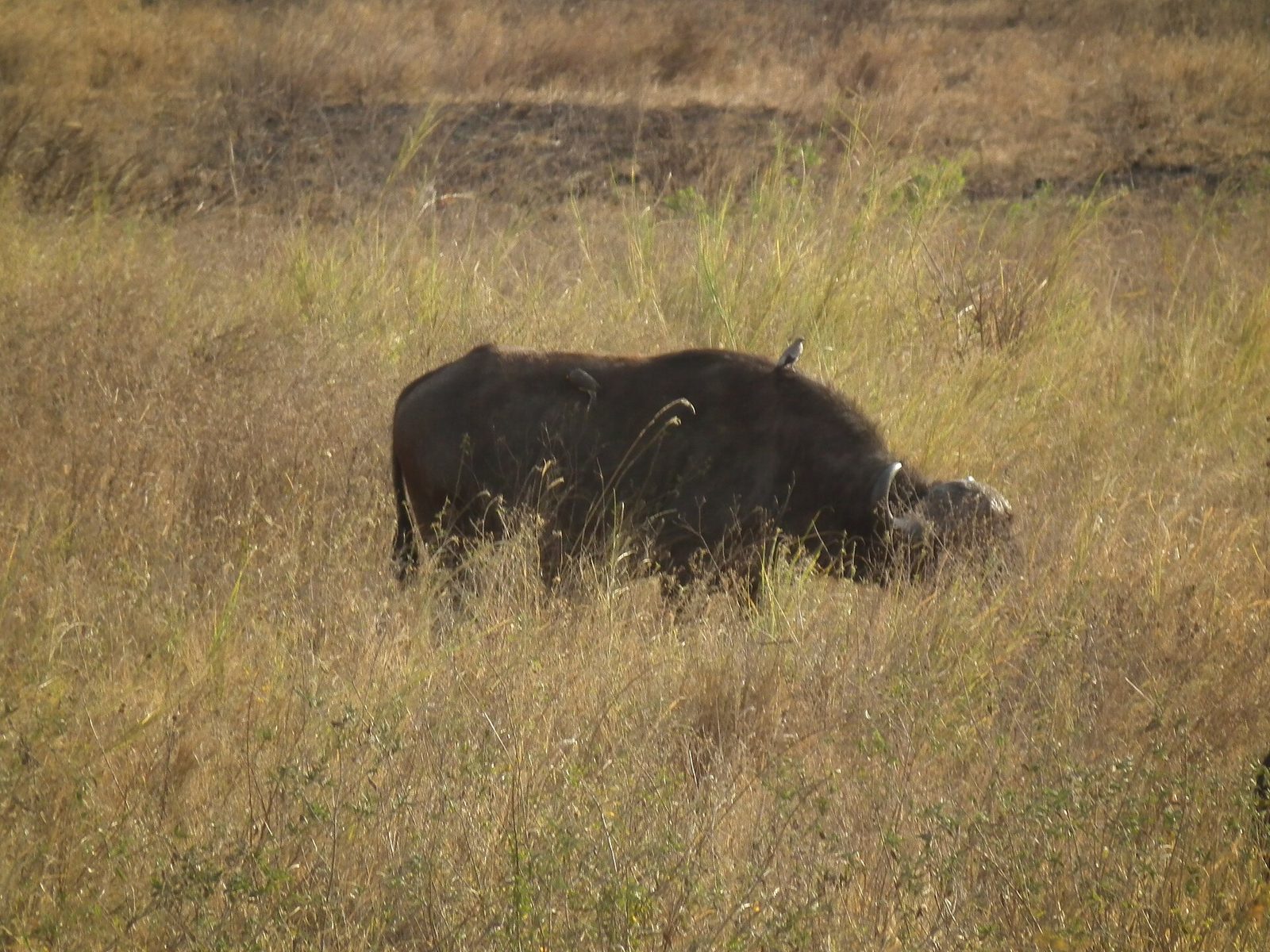
Fourteen days in the Selous/Nyerere ecosystem — buffalo, kudu, impala, Lichtenstein's hartebeest and zebra from the same miombo concession.
$43,800 – $46,200
Plan Your Greater Kudu Hunt
Submit a free enquiry and we'll match you with outfitters who hunt Greater Kudu in your region.
Sign Up to Enquire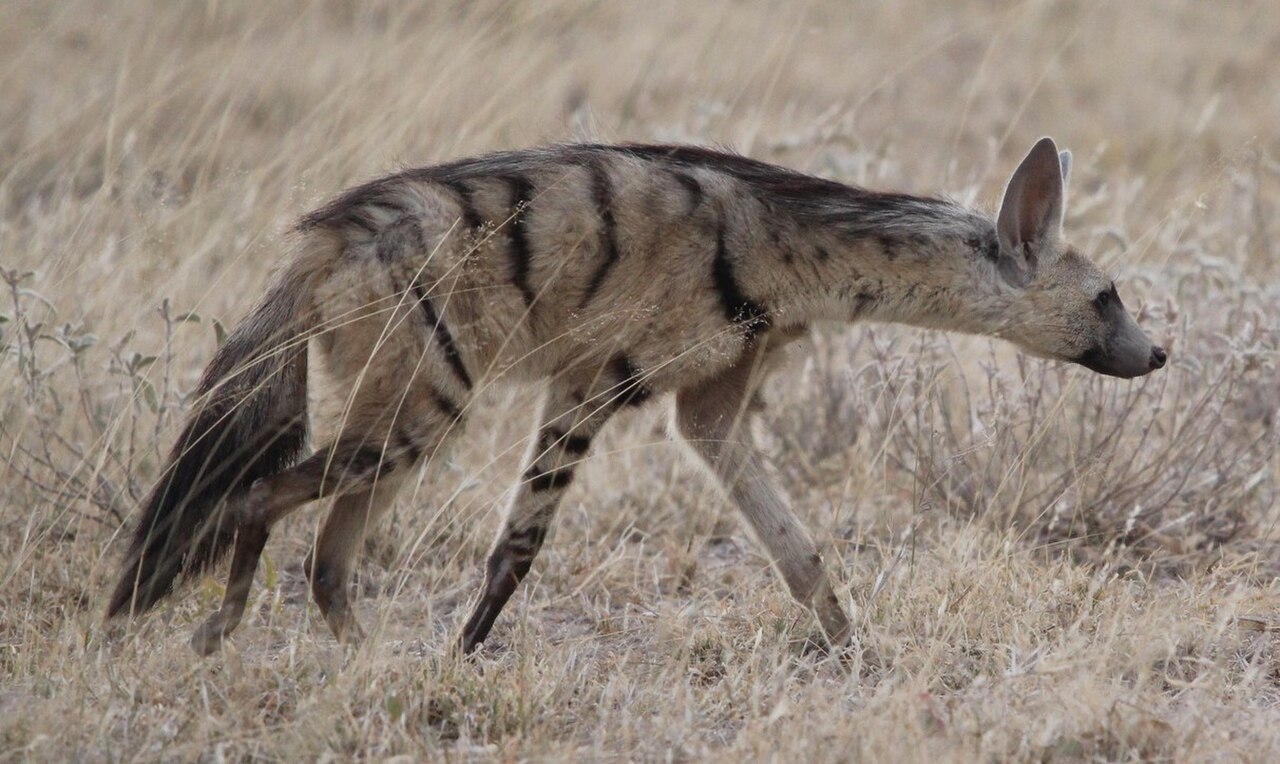 Aardwolf
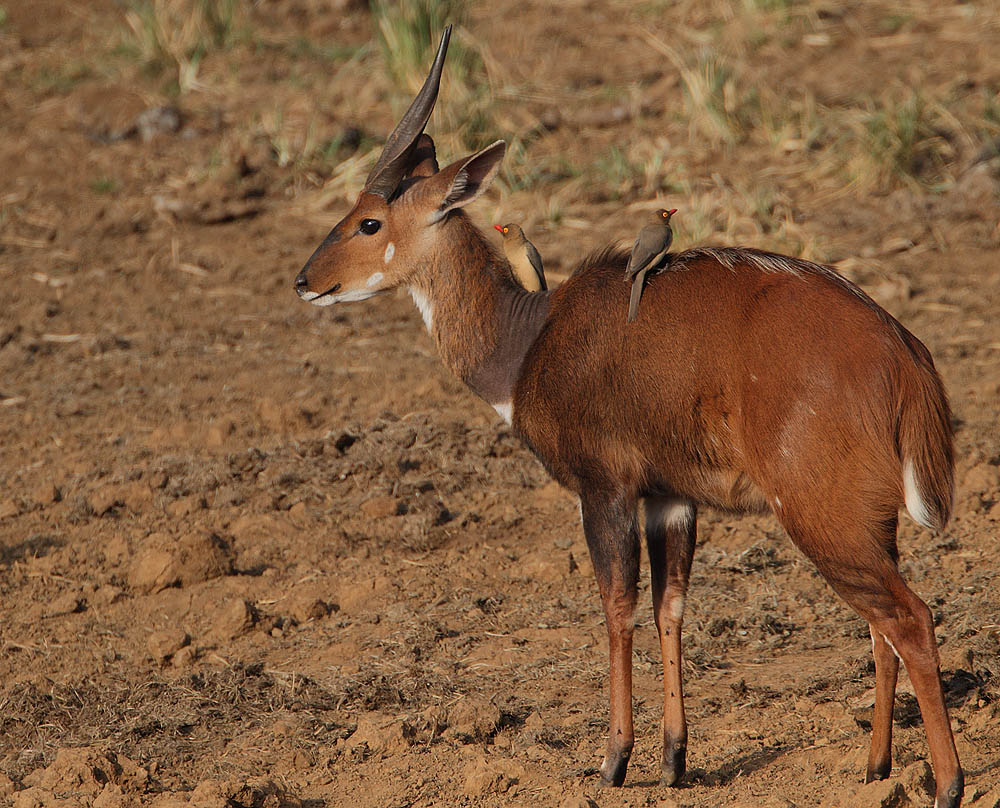 Abyssinian Bushbuck
 Baboon
 Bat-Eared Fox
 Bay Duiker
 Beisa Oryx