Livingstone’s Eland Hunting
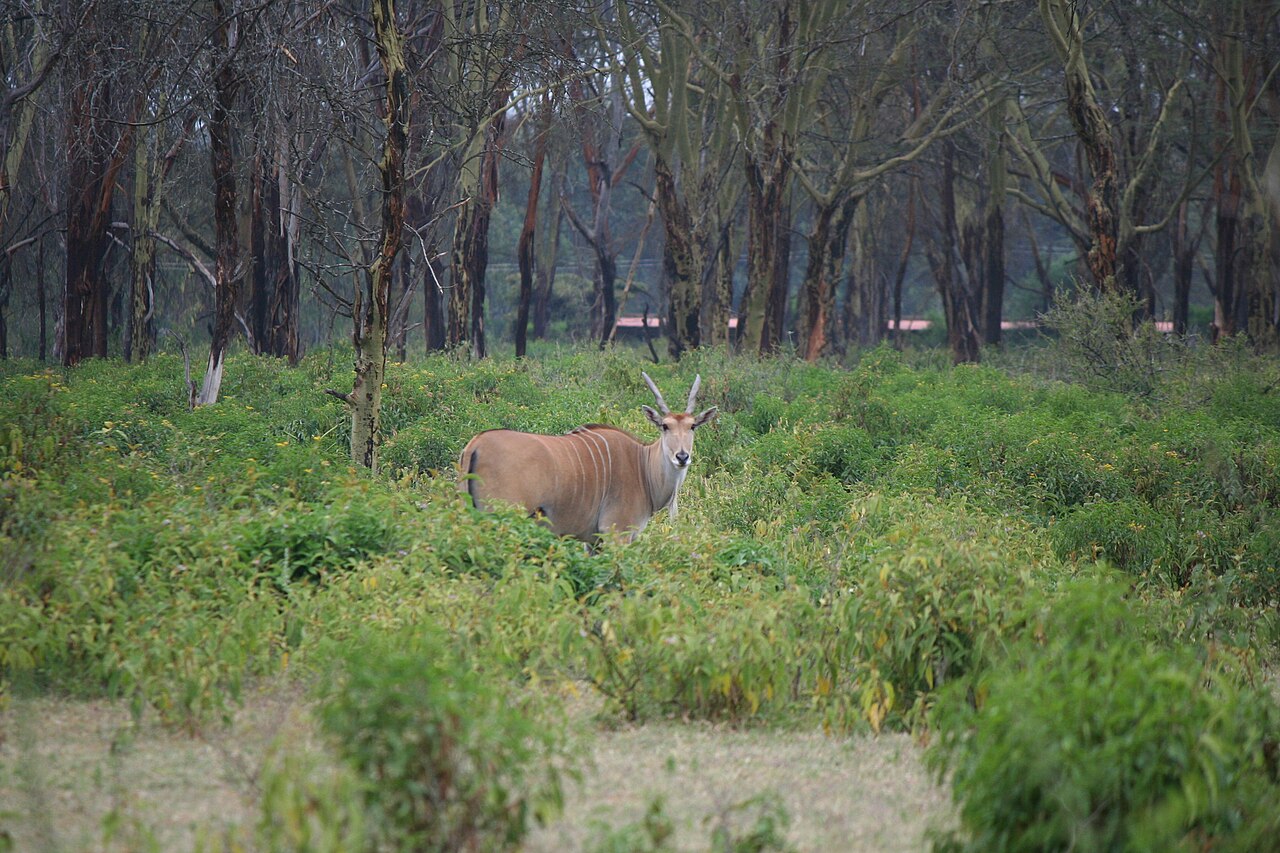
Tragelaphus oryx livingstonii
Livingstone’s Eland, a majestic subspecies of the common eland (Tragelaphus oryx livingstonii), stands as one of Africa’s most impressive big game animals, captivating hunters with its sheer size and elusive nature. Physically, these giants are the largest antelopes on the continent, with mature bulls weighing up to 2,200 pounds and standing over 6 feet at the shoulder. Females are slightly smaller, around 1,300 pounds. Their coats range from tawny to grayish-brown, often with subtle vertical white stripes on the flanks, and both sexes sport striking spiral horns—bulls can boast trophies up to 40 inches long, thick and ridged for an unforgettable rack. These elands thrive in diverse habitats, from open savannas and grasslands to light woodlands and even semi-arid regions, where they roam in loose herds of up to 500 individuals. Behaviorally, they’re nomadic grazers, constantly on the move in search of fresh forage and water, which makes them a thrilling challenge to track. Known for their incredible agility, Livingstone’s elands can leap over 8-foot obstacles and sprint at speeds up to 40 mph, demanding patience and skill from any pursuer. They’re most active during cooler hours, often bedding down in shaded thickets midday. Geographically, this subspecies is primarily found in southern Africa, with strong populations in Zambia, Botswana, Zimbabwe, and parts of South Africa, though they’ve been reintroduced in some reserves for conservation and hunting purposes. For hunters, the Livingstone’s eland offers a premier trophy experience—its massive frame and impressive horns make it a bucket-list pursuit, but success requires expert stalking in vast terrains. Ethical hunts often involve fair-chase methods, emphasizing the animal’s wariness and endurance. Conservation-wise, while not currently endangered, regulated hunting plays a key role in population management and habitat preservation through sustainable programs, ensuring these magnificent beasts remain a highlight for future generations of adventurers.
Hunt facts
- Countries
- Mozambique Tanzania Zambia
- Hunt regions
-
Mozambique: Manica Niassa SofalaTanzania: Katavi Lindi Morogoro Pwani Rukwa Singida TaboraZambia: Central Eastern Muchinga North-Western Southern
- Habitat
- Mixed savanna Woodland
- Best time to hunt
- May–October (Dry season)
- Mass
- 400–900 kg (882–1984 lb)
- Trophy minimum
-
- SCI (inches): 77
- SCI bow: 69
- Rowland Ward (inches): 35
- Rowland Ward record: 47 4/8
Typical record-book minimums; confirm the current edition with your professional hunter.
Where to Find Livingstone’s Eland
Livingstone’s eland, a majestic subspecies of the common eland, thrives in East African savannas, open woodlands, and grassy plains where they can graze on abundant vegetation. These large antelopes prefer semi-arid regions with scattered acacia trees and access to water sources, often migrating between lowlands and higher elevations to follow seasonal rains and fresh forage.
The best countries for hunting Livingstone’s eland include Tanzania, particularly in the Selous Game Reserve and Ruaha National Park, where populations are robust and regulated hunts are available through licensed outfitters. Kenya also offers opportunities in private conservancies like those in the Laikipia Plateau, though permits are stricter. Mozambique and Zambia have viable areas in border regions with Tanzania.
Seasonally, the dry months from June to October are ideal, as eland concentrate around remaining waterholes and rivers, making them easier to spot. Avoid the wet season (November to May) when heavy rains disperse herds and complicate access.
The terrain is typically flat to gently rolling savanna with bushy cover, so hunters should focus on areas near salt licks or riverine forests. For locating them, scout early mornings or late afternoons when they're active; look for large, cloven hoof tracks in muddy spots or follow dust clouds from moving herds. Using binoculars from vantage points like kopjes (rocky outcrops) can help spot their distinctive tan coats and spiral horns from afar. Always hunt with a professional guide to ensure ethical practices and compliance with local regulations.
Why Hunt Livingstone’s Eland
Livingstone’s eland is a prized animal for hunters. It is one of the largest antelopes in Africa, weighing up to 2,000 pounds. What makes it special is its huge size and long, twisted horns that can reach over three feet. These features make it a top trophy for big game enthusiasts.
Hunting Livingstone’s eland is fun and challenging. These animals are smart and fast, often living in tough, remote areas like thick bush or open plains. Hunters must track them on foot for miles, using skill and patience. Spotting one requires sharp eyes and knowledge of their habits, like feeding at dawn or dusk.
There are good reasons to hunt this species. Regulated hunting helps control populations and supports conservation efforts. It brings money to local communities through safari fees, which fund wildlife protection. Plus, it promotes ethical hunting practices that respect nature. Overall, it's an exciting way to connect with the wild.
Livingstone’s Eland Hunting Tips
Hunting Livingstone’s Eland, one of Africa’s largest antelopes, requires patience and precision due to their size, strength, and elusive nature. The best methods involve spot-and-stalk hunting in open savannas or hilly terrain, often with a professional guide in regions like Tanzania or South Africa. Bowhunting is challenging but rewarding for close-range encounters, while rifle hunting allows for longer shots up to 300 yards.
For equipment, opt for a reliable bolt-action rifle in calibers like . 300 Winchester Magnum or . 375 H&H for sufficient stopping power against their tough hides and massive bodies weighing up to 2,000 pounds. Use high-quality optics such as 3-9x scopes for clear sighting, and pack binoculars for spotting herds from afar. Premium expanding bullets ensure ethical kills.
Shot placement is critical: aim for the heart-lung area just behind the shoulder for a broadside shot, or the neck for instant drops if the angle allows. Avoid gut shots, as eland can travel far when wounded.
Tracking and stalking tips include moving quietly at dawn or dusk when they’re active, using wind direction to stay downwind, and following fresh tracks in soft soil or near waterholes. Approach slowly, using natural cover like bushes or termite mounds.
Hunt during the dry season (June to October) for better visibility, and focus on early mornings or late afternoons when eland are feeding.
Common mistakes include rushing shots, underestimating their speed, or not accounting for wind shifts. Always confirm the animal is legal to harvest.
Safety considerations: Follow local regulations, hunt with experienced trackers to avoid dangerous wildlife encounters, and maintain firearm discipline to prevent accidents in remote areas.
Featured Outfitters for Livingstone’s Eland
View all



Hunt packages with Livingstone’s Eland
Curated hunt ideas — no price on the page. Enquire and we'll match outfitters after review.
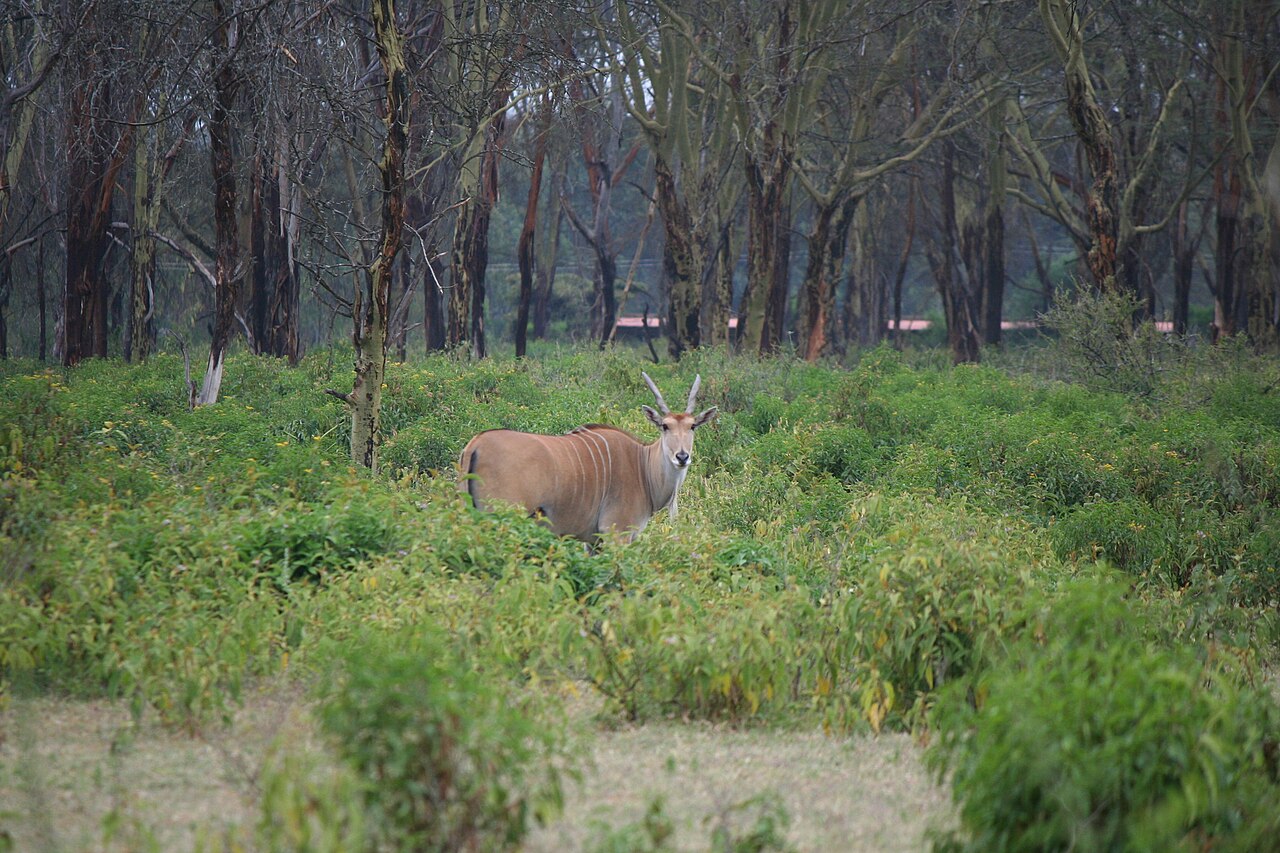
Eastern Livingstone Eland — 10 Days
10 days · Zambia
10-day eastern livingstone eland — livingstone’s eland, impala, warthog in Eastern Luangwa woodland.
$14,500 – $16,500
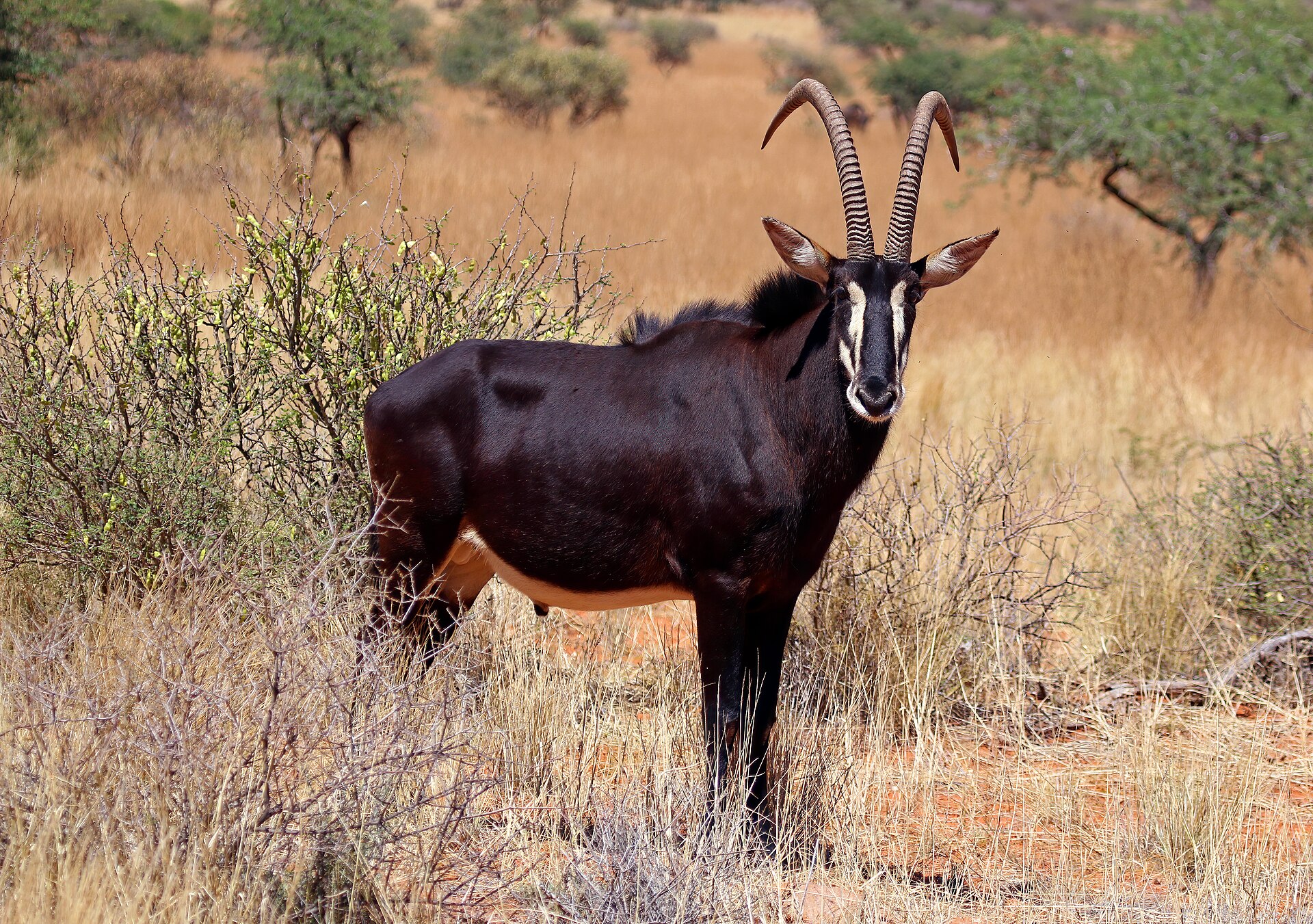
Niassa Livingstone Eland — 12 Days
12 days · Mozambique
12-day niassa livingstone eland — livingstone’s eland, sable antelope, lichtenstein's hartebeest in Niassa miombo.
$18,500 – $21,000
Plan Your Livingstone’s Eland Hunt
Submit a free enquiry and we'll match you with outfitters who hunt Livingstone’s Eland in your region.
Sign Up to Enquire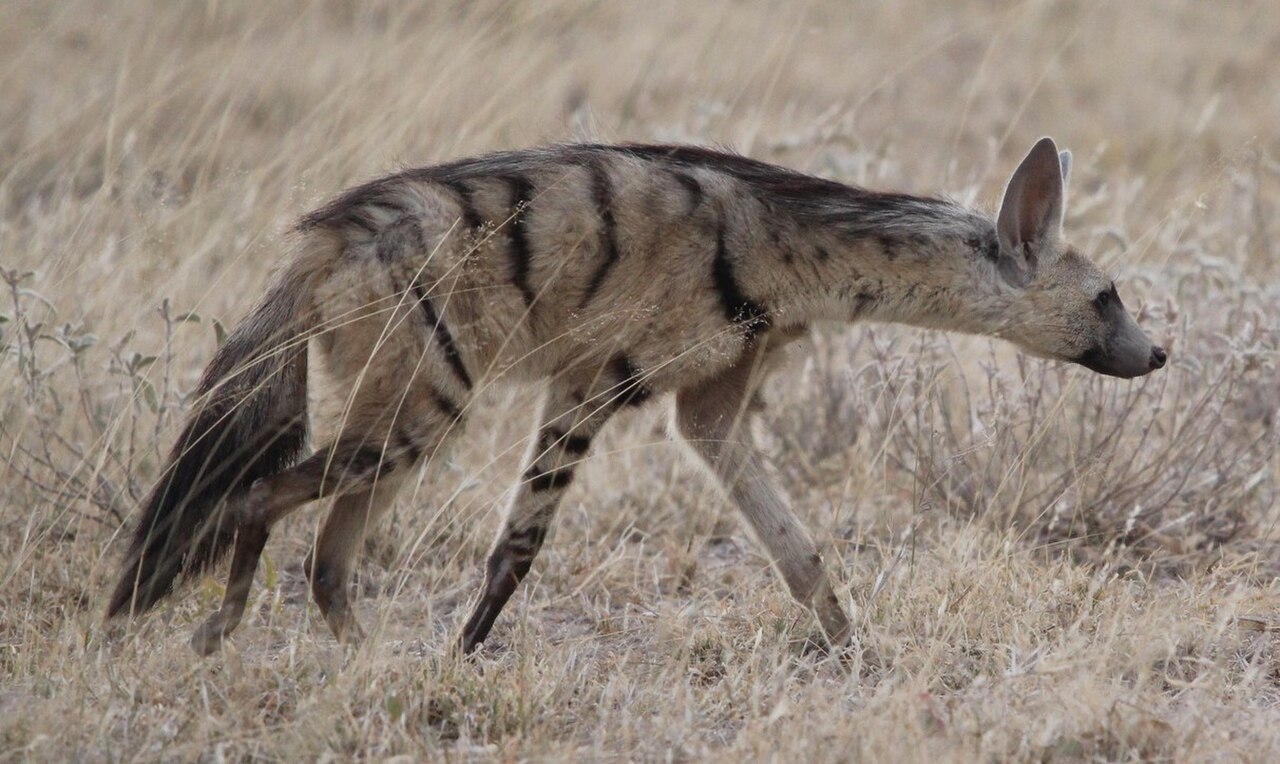 Aardwolf
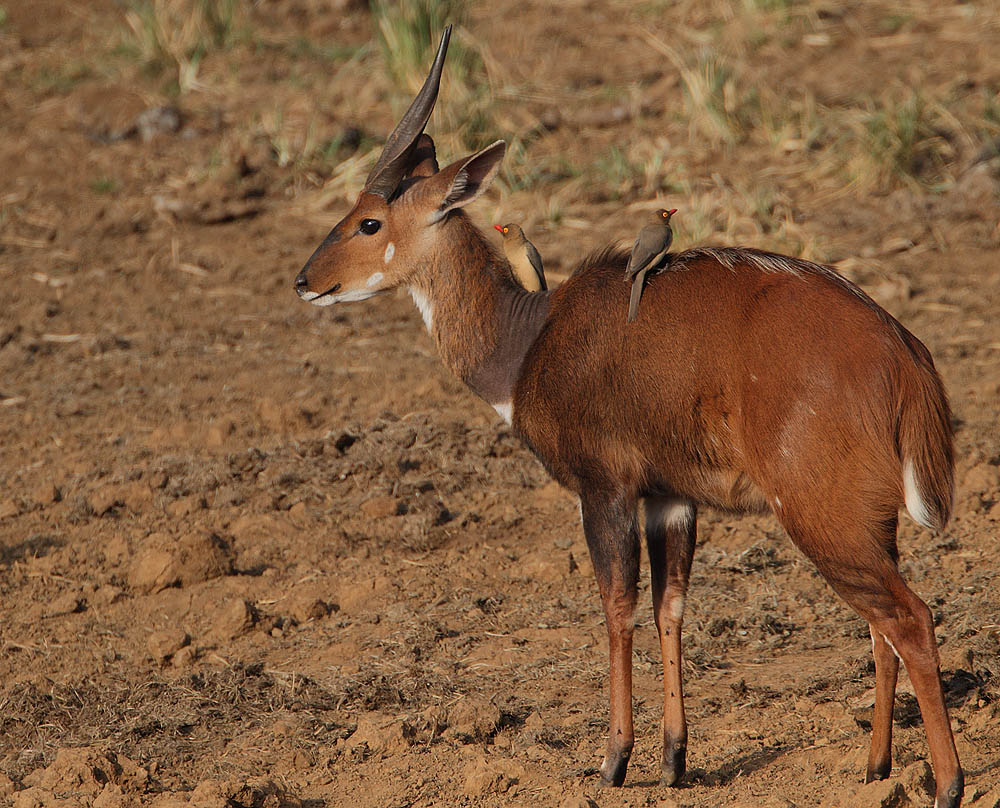 Abyssinian Bushbuck
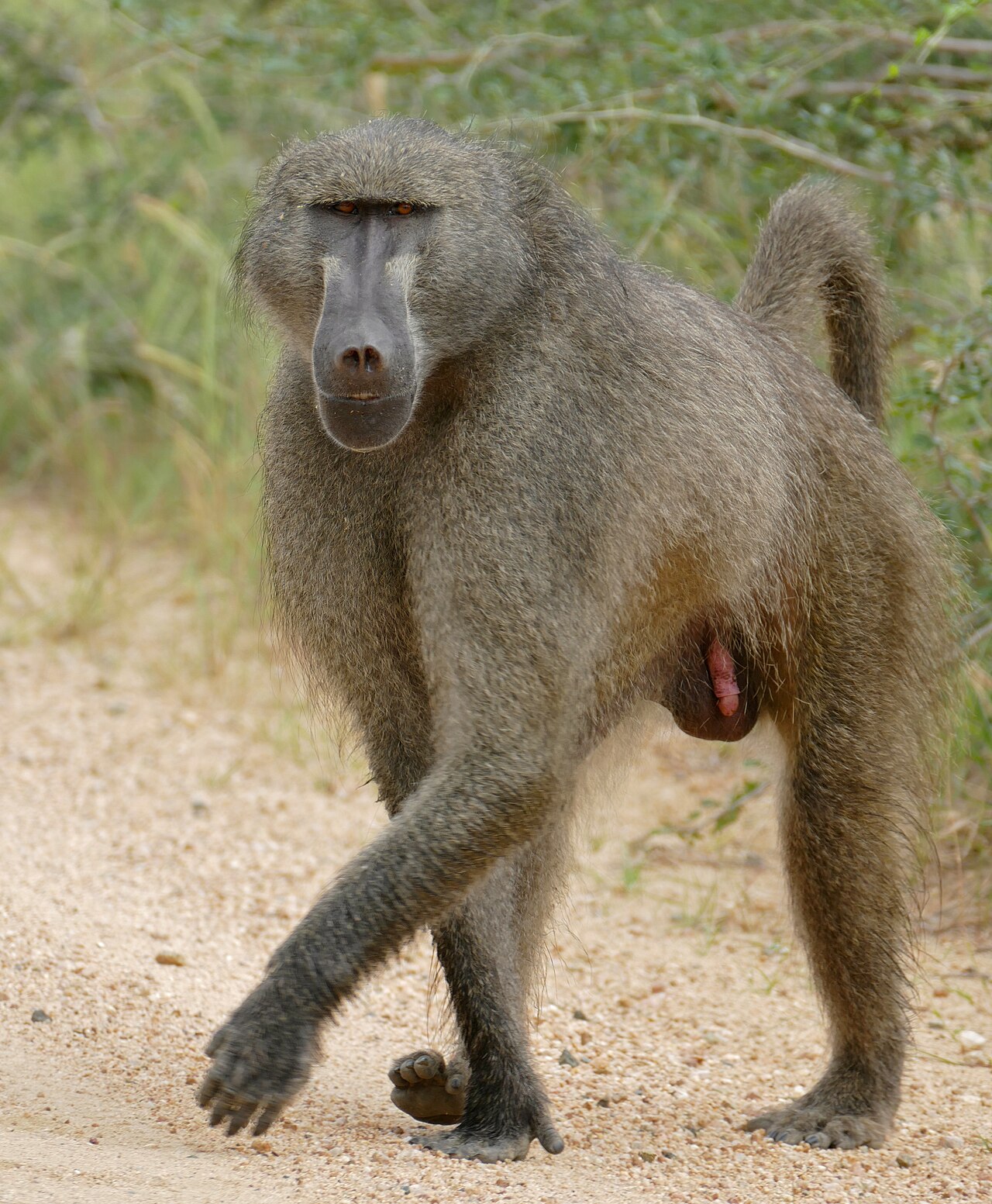 Baboon
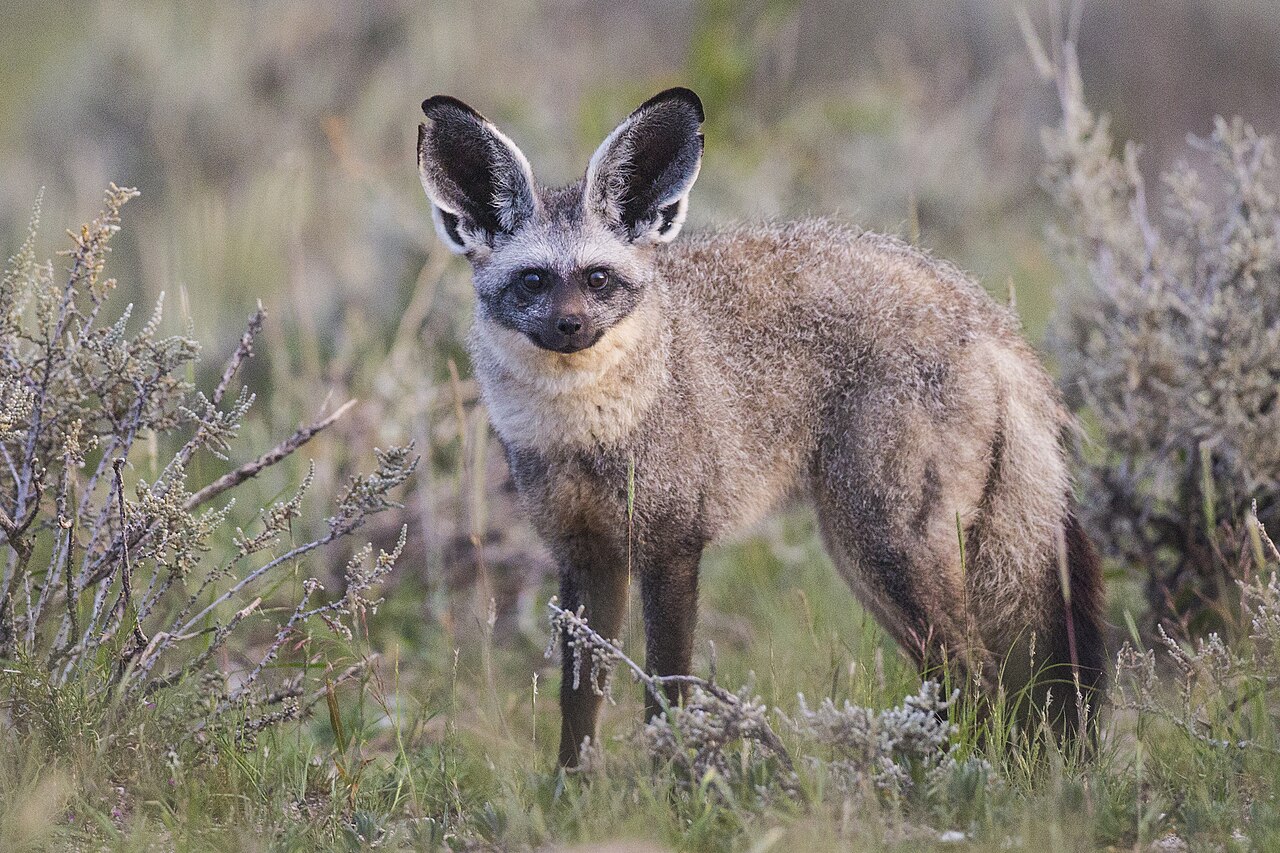 Bat-Eared Fox
 Bay Duiker
 Beisa Oryx