Mountain Reedbuck Hunting
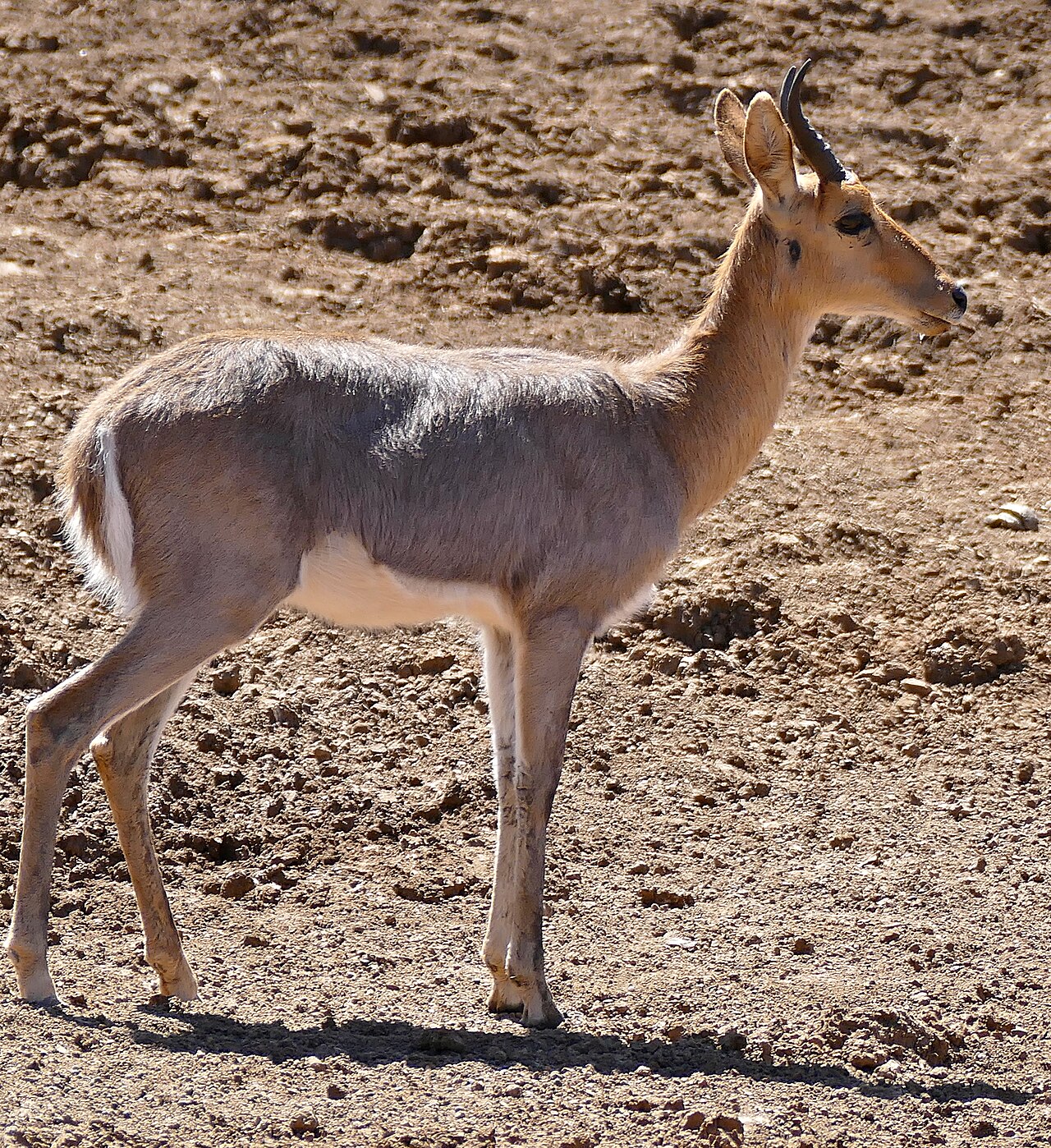
Redunca fulvorufula
The mountain reedbuck, scientifically known as Redunca fulvorufula, is a captivating antelope species that offers hunters an exhilarating challenge in rugged terrains. Physically, these animals are compact and agile, with males typically weighing 50-80 pounds and standing about 2. 5-3 feet at the shoulder. Females are slightly smaller and lack horns. The coat is a grizzled grayish-brown with a distinctive reddish hue on the neck and shoulders, giving them their name—fulvorufula means "reddish-yellow." Males sport short, ringed horns that curve forward, averaging 6-10 inches in length, making for an impressive trophy. Their large ears and white underbellies provide excellent camouflage against rocky backdrops. Mountain reedbucks thrive in mountainous grasslands, rocky hillsides, and escarpments where they can evade predators with their remarkable leaping ability and sure-footedness. They are often solitary or found in small family groups, preferring to graze on grasses and herbs during cooler parts of the day while resting in shaded spots. Their behavior includes a piercing whistle alarm call that can alert others from afar, adding to the stealth required for a successful hunt. These antelopes have keen senses, so hunters must approach with patience, often using spot-and-stalk methods in challenging elevations. Native to southern Africa, their range includes South Africa, Lesotho, Eswatini, and parts of Mozambique and Zimbabwe, where they inhabit both private ranches and protected areas. For hunters, notable features include their elusive nature in steep, open country, which demands physical fitness and sharp marksmanship. A mature ram with well-developed horns is a prized pursuit, often requiring glassing from vantage points at dawn or dusk. Conservation-wise, the species is listed as Least Concern by the IUCN, with stable populations supported by sustainable hunting practices that fund habitat protection. Pursuing mountain reedbuck not only tests your skills but also contributes to wildlife management in these stunning African landscapes.
Hunt facts
- Countries
- Botswana Cameroon Ethiopia South Africa Tanzania Uganda
- Hunt regions
-
Botswana: Central Ghanzi KgalagadiCameroon: Adamawa Far North NorthEthiopia: OromiaSouth Africa: Eastern Cape Free State Limpopo Mpumalanga Northern Cape Western CapeTanzania: Arusha Manyara SimiyuUganda: Northern
- Habitat
- Grassland Mountain Rocky outcrop
- Best time to hunt
- May–October (Dry season)
- Mass
- 25–38 kg (55–84 lb)
- Trophy minimum
-
- SCI (inches): 11
- SCI bow: 9
- Rowland Ward (inches): 6
- Rowland Ward record: 10
Typical record-book minimums; confirm the current edition with your professional hunter.
Where to Find Mountain Reedbuck
Mountain Reedbuck, known for their agility and preference for rugged terrain, are primarily found in mountainous and hilly regions across southern and eastern Africa. Their habitats include rocky slopes, grassy plateaus, and escarpments with ample cover from bushes and tall grasses, often at elevations between 1,500 and 3,000 meters. These antelopes thrive in areas with reliable water sources and avoid dense forests or flat plains.
The best countries for hunting Mountain Reedbuck are South Africa, particularly in the Eastern Cape and Drakensberg Mountains, Namibia's central highlands, and Zimbabwe's Matobo Hills. Tanzania and parts of Zambia also offer opportunities, with guided hunts available through licensed outfitters. Hunting is typically regulated, so check local permits and quotas.
Seasonal factors play a key role; the dry season from May to October is ideal, as reduced vegetation improves visibility and animals concentrate near water. Wet seasons can make terrain slippery and tracking harder.
The environment features steep, boulder-strewn hillsides and open grasslands, requiring hunters to navigate challenging hikes. For locating them, scan ridges and slopes at dawn or dusk when they're most active. Look for fresh tracks, droppings, or alarm calls, and use binoculars from vantage points. Patience is essential, as they often blend into rocky outcrops and bolt quickly when startled.
Why Hunt Mountain Reedbuck
People hunt Mountain Reedbuck for several reasons. This antelope is special because it lives in rugged, mountainous areas of southern Africa. Its grayish-brown coat blends perfectly with rocky slopes, making it hard to spot.
Hunting Mountain Reedbuck is fun and challenging. You need to hike steep hills and stay quiet. These animals are fast and alert, with sharp senses that detect danger quickly. Spotting and stalking one tests your skills and patience, often requiring long-range shots.
Good reasons for hunting include conservation. Regulated hunts help control populations and fund wildlife protection. The meat is lean and tasty, providing a sustainable food source. Plus, it offers an exciting outdoor adventure in beautiful landscapes. Overall, it's a rewarding experience for ethical hunters.
Mountain Reedbuck Hunting Tips
Mountain reedbuck are elusive antelope found in rugged, hilly terrain across southern Africa, making them a challenging yet rewarding hunt. The most effective hunting method is spot-and-stalk, where you glass from high vantage points to locate rams, then carefully approach on foot, using the wind to your advantage and staying low to avoid detection. Bowhunting is possible but requires expert stalking skills due to their keen senses.
For equipment, opt for a lightweight rifle in calibers like . 243 Winchester or . 270 for flat-shooting accuracy at 200-300 yards, paired with a quality scope (3-9x or similar) and binoculars for spotting. Use expanding bullets for ethical kills.
Shot placement is crucial: aim for the heart-lung area just behind the shoulder when broadside, or the base of the neck for a quick drop if facing you. Avoid gut shots, as they lead to prolonged suffering and difficult tracking.
Tracking tips include watching for fresh spoor in grassy slopes and following blood trails patiently, especially in thick cover. Stalk quietly, moving during cooler hours to minimize noise.
Hunt during early mornings or late afternoons when reedbuck are most active, and target the dry season (May to September) for better visibility and trophy quality.
Common mistakes include rushing shots, ignoring wind direction, or overhunting areas, which spooks herds. Always scout thoroughly first.
Safety-wise, wear blaze orange in shared areas, carry a GPS for navigation in remote hills, and hunt with a partner to handle emergencies like slips on steep terrain. Respect local regulations and practice ethical hunting to conserve populations.
Featured Outfitters for Mountain Reedbuck
View allHunting Tips & Guides
All tips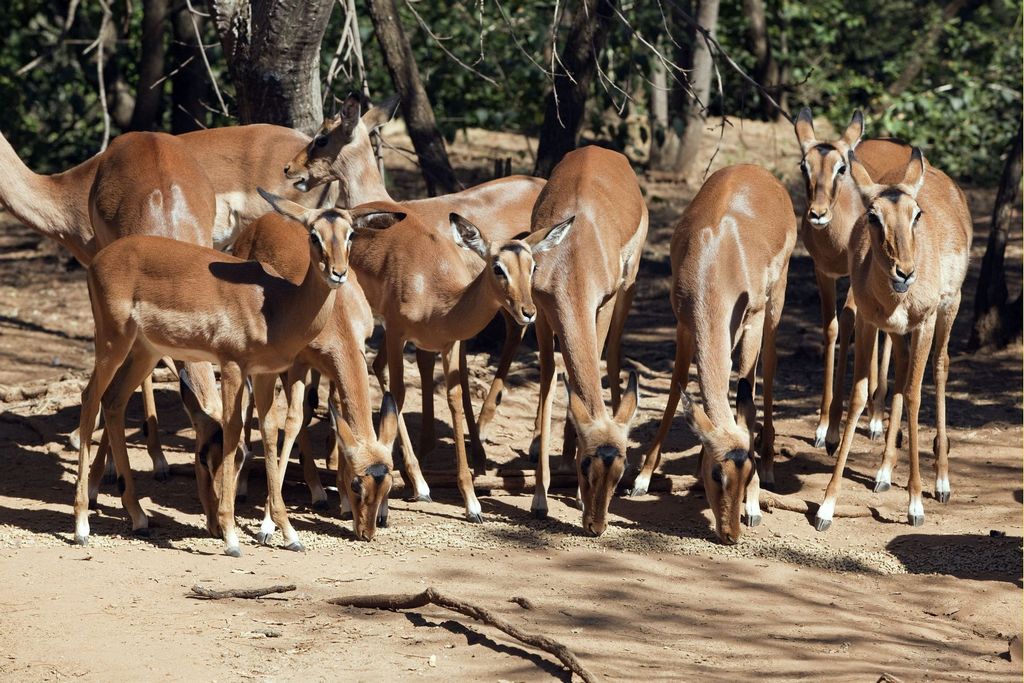
Understanding Animal Behavior Patterns
Success in hunting often comes down to understanding the behavioral patterns of your target species. Each animal has unique habits …
Read more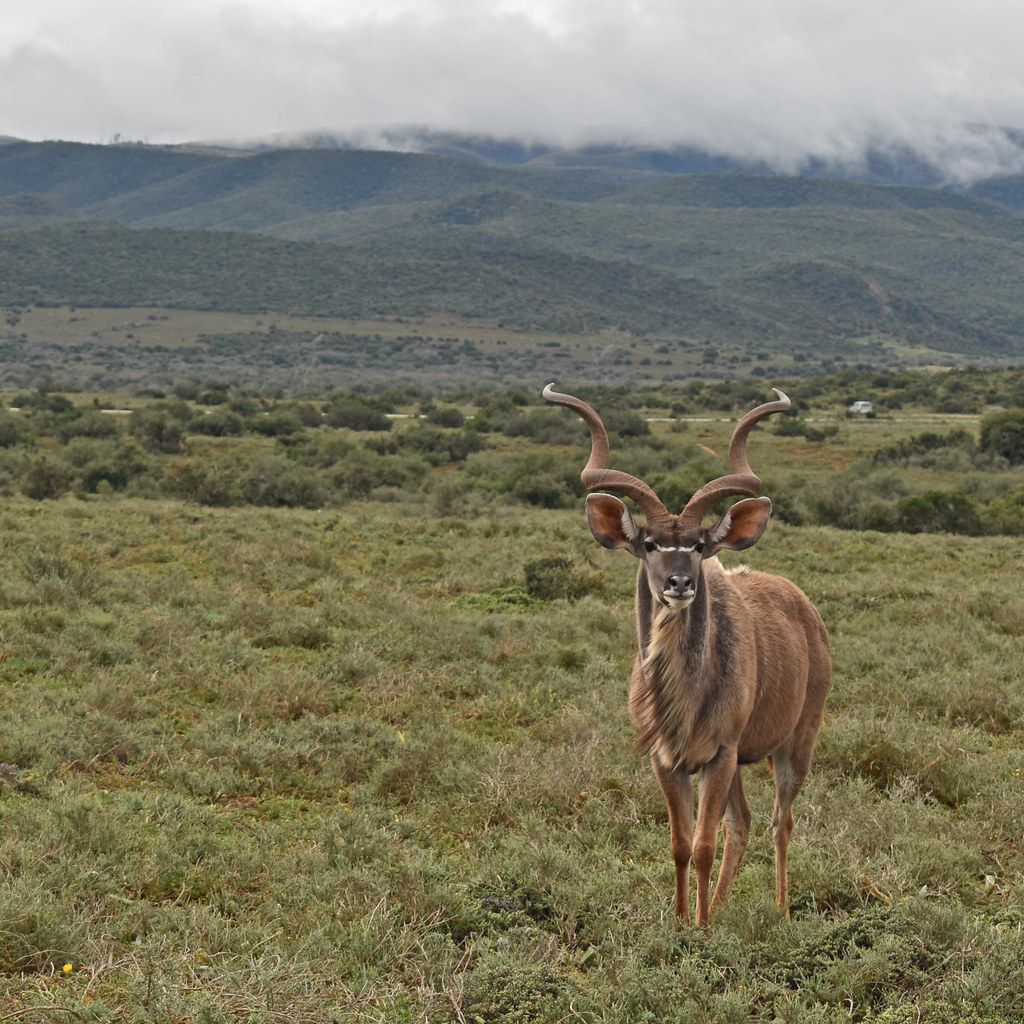
How to Prepare for a Plains Game Safari in Eastern Cape
Beginner's guide to preparing for a plains game safari in South Africa's Eastern Cape: permits, gear, ethics, outfitters and tips …
Read moreHunt packages with Mountain Reedbuck
Curated hunt ideas — no price on the page. Enquire and we'll match outfitters after review.
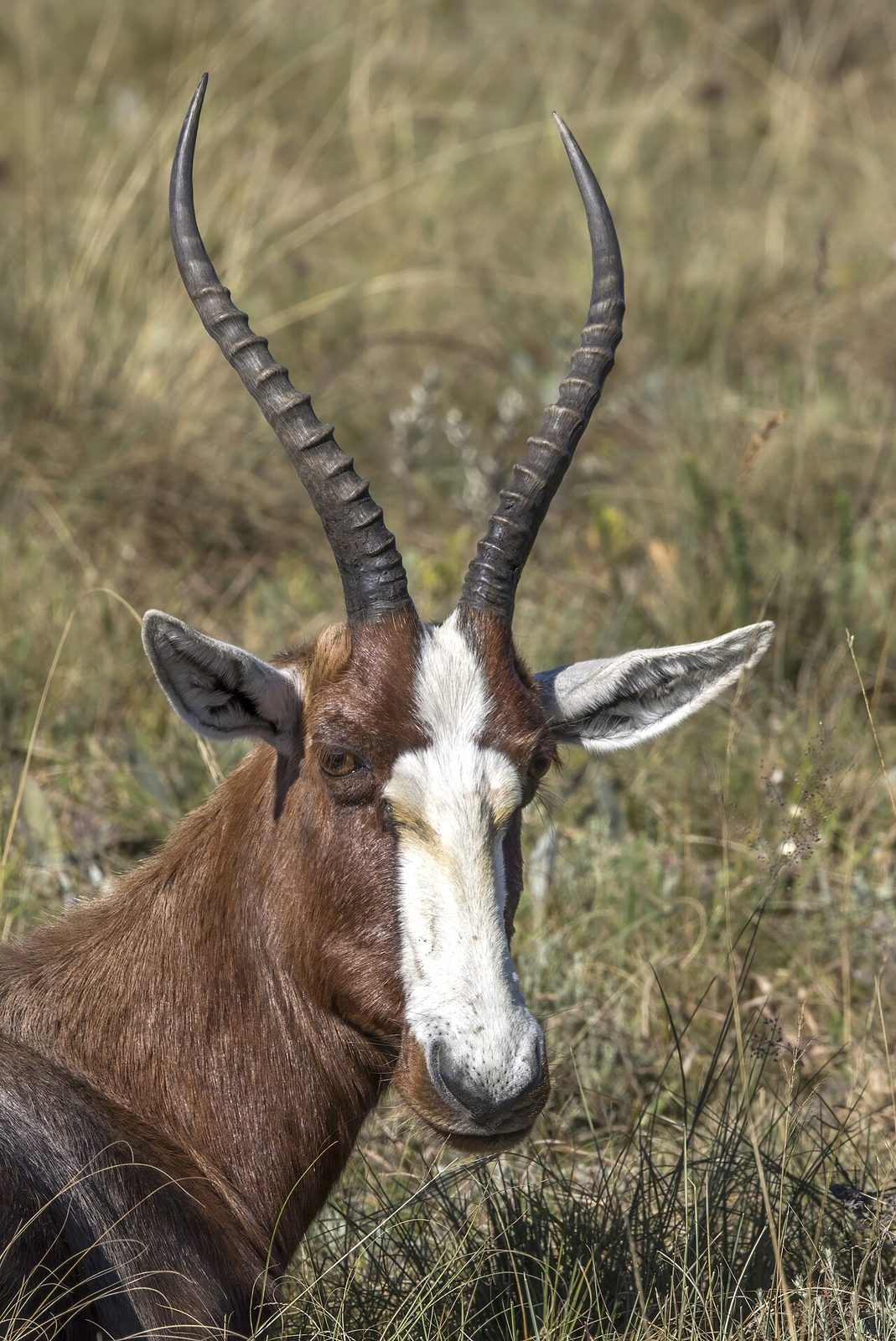
Eastern Cape Plains — 7 Days
7 days · South Africa
Seven days Eastern Cape plains — springbok, blesbok, black wildebeest and mountain reedbuck.
$6,200 – $6,900
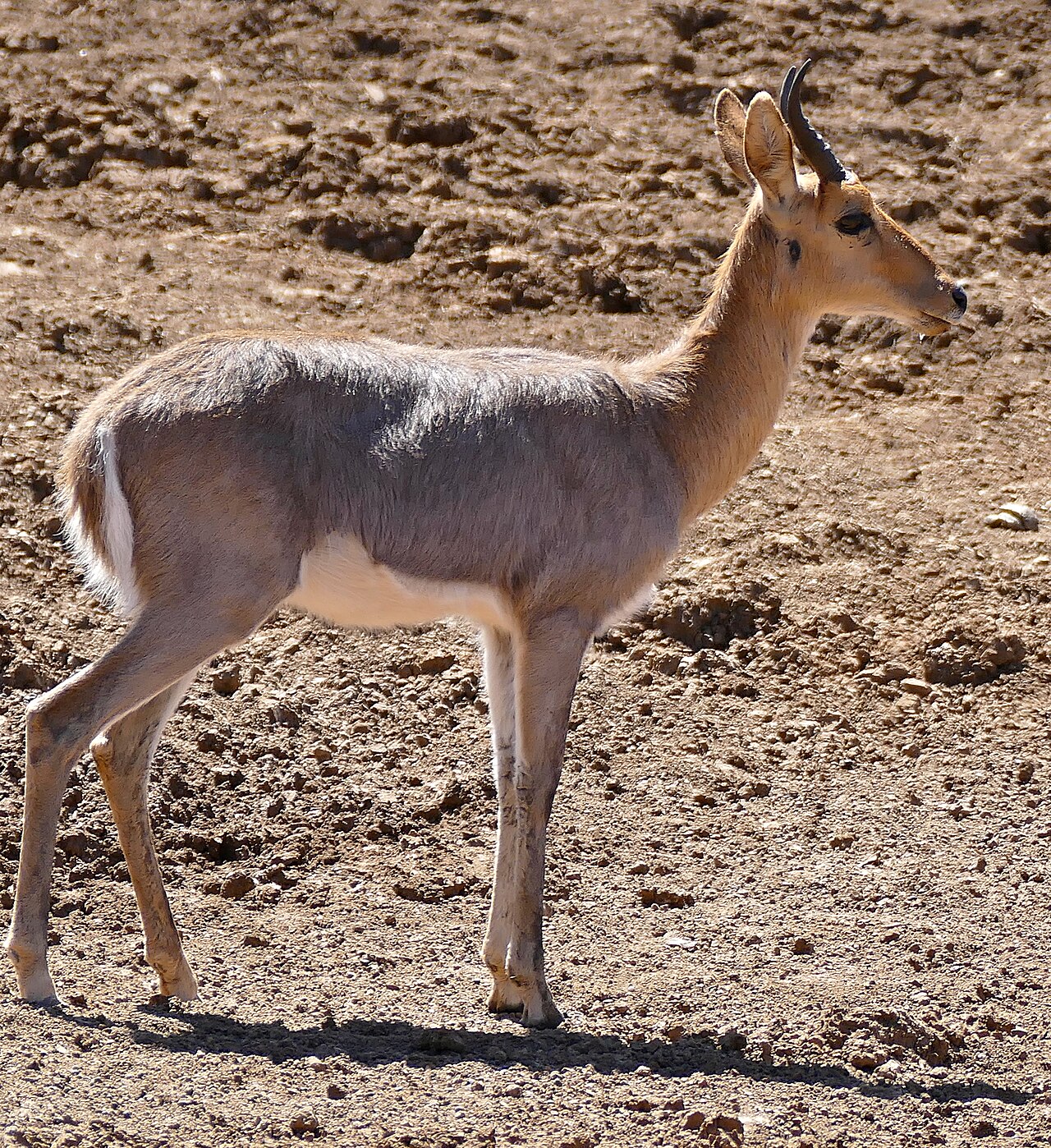
Eastern Cape Bow Mountain — 7 Days
7 days · South Africa
7-day eastern cape bow mountain — mountain reedbuck, springbok, blesbok in Eastern Cape ridges (bow).
$8,200 – $9,400
Plan Your Mountain Reedbuck Hunt
Submit a free enquiry and we'll match you with outfitters who hunt Mountain Reedbuck in your region.
Sign Up to Enquire Baboon
 Bushbuck
 Cape Mountain Zebra
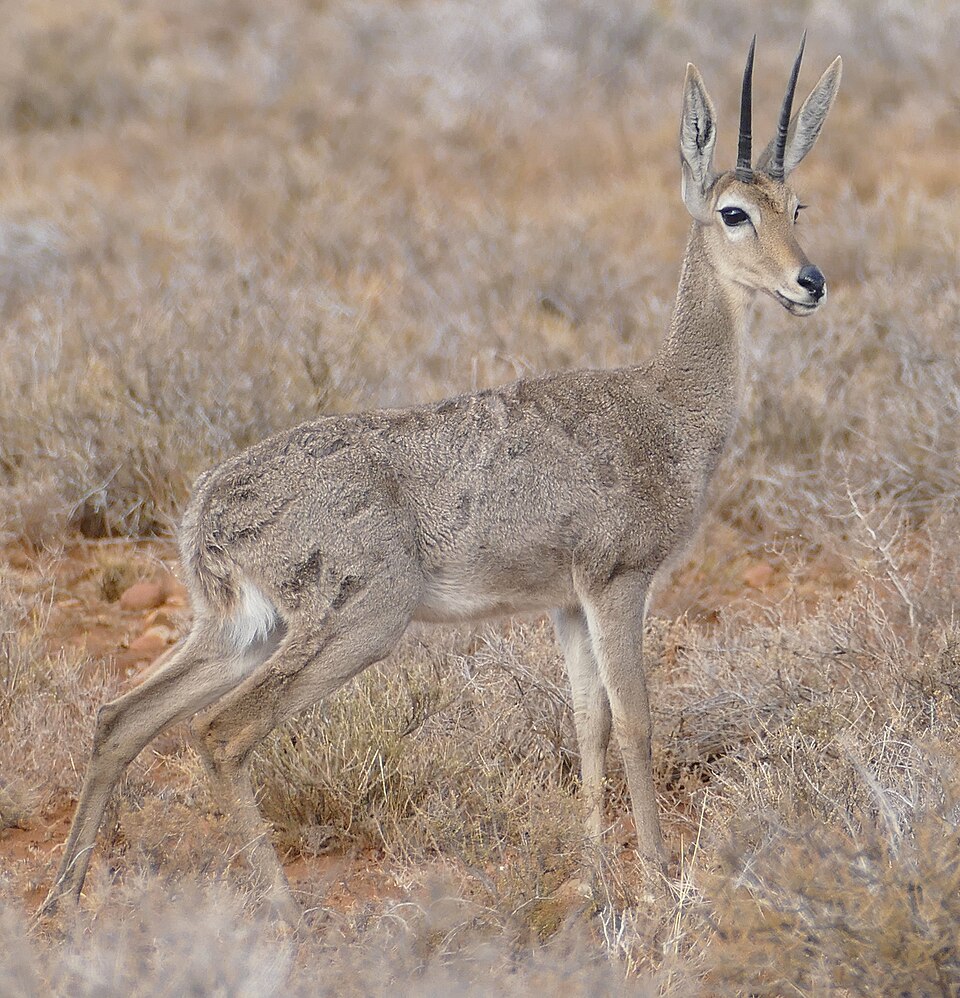 Grey Rhebok
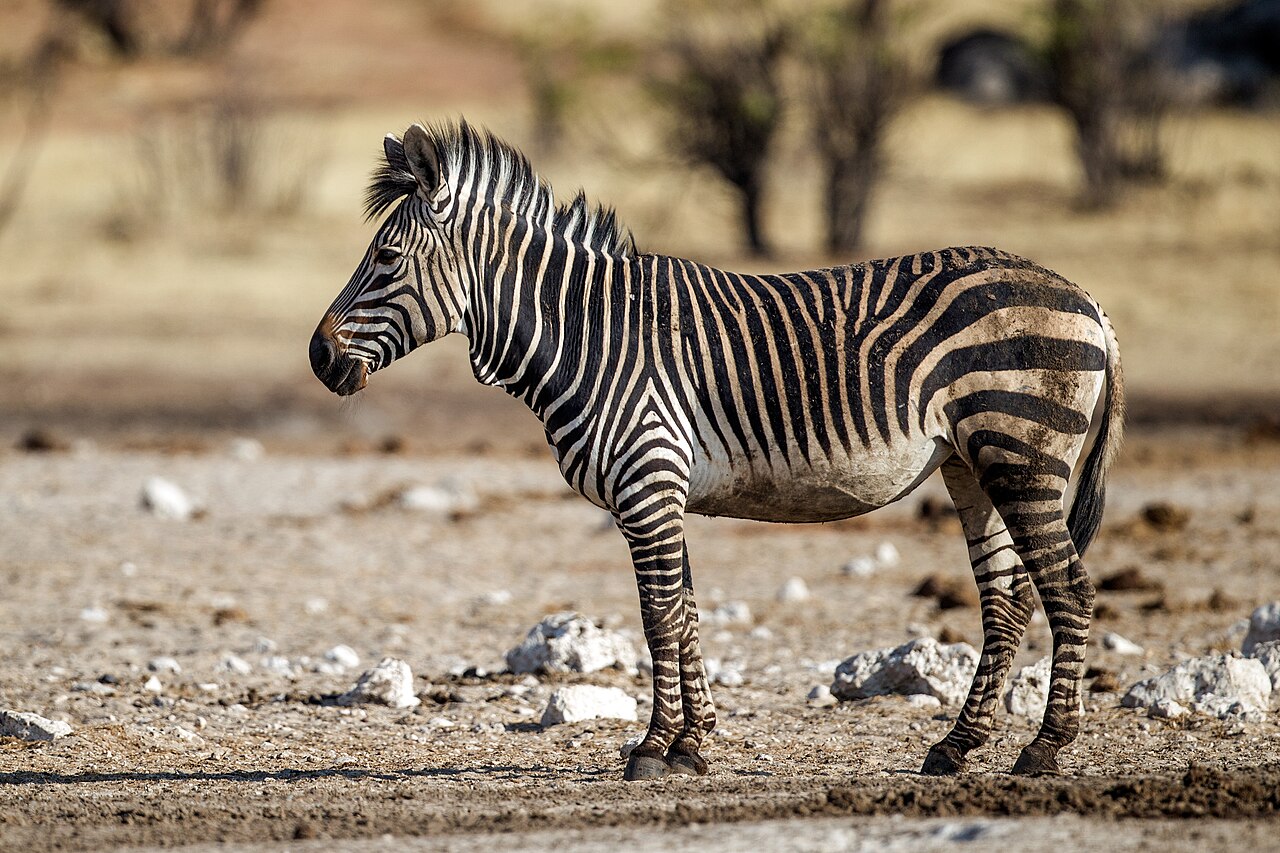 Hartmann's Mountain Zebra
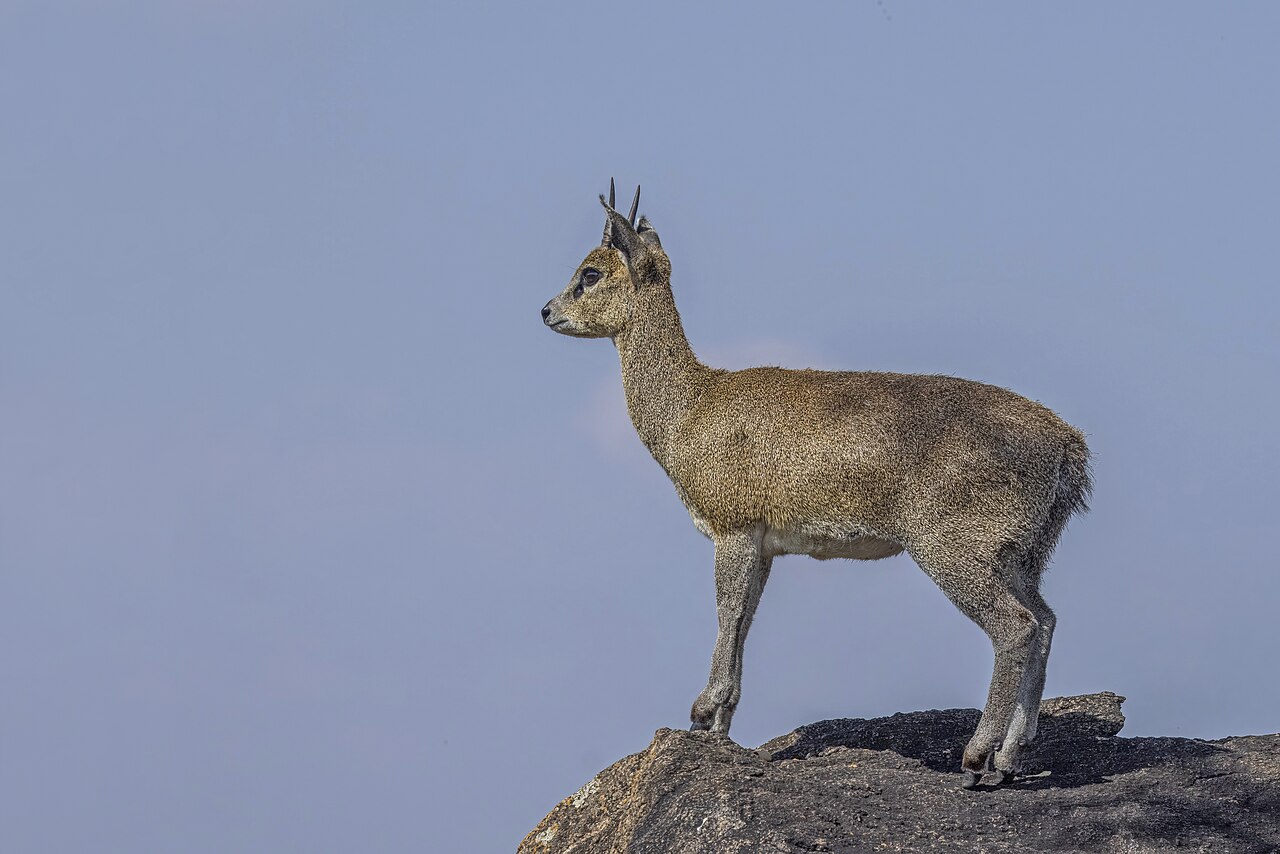 Klipspringer