Nyala Hunting
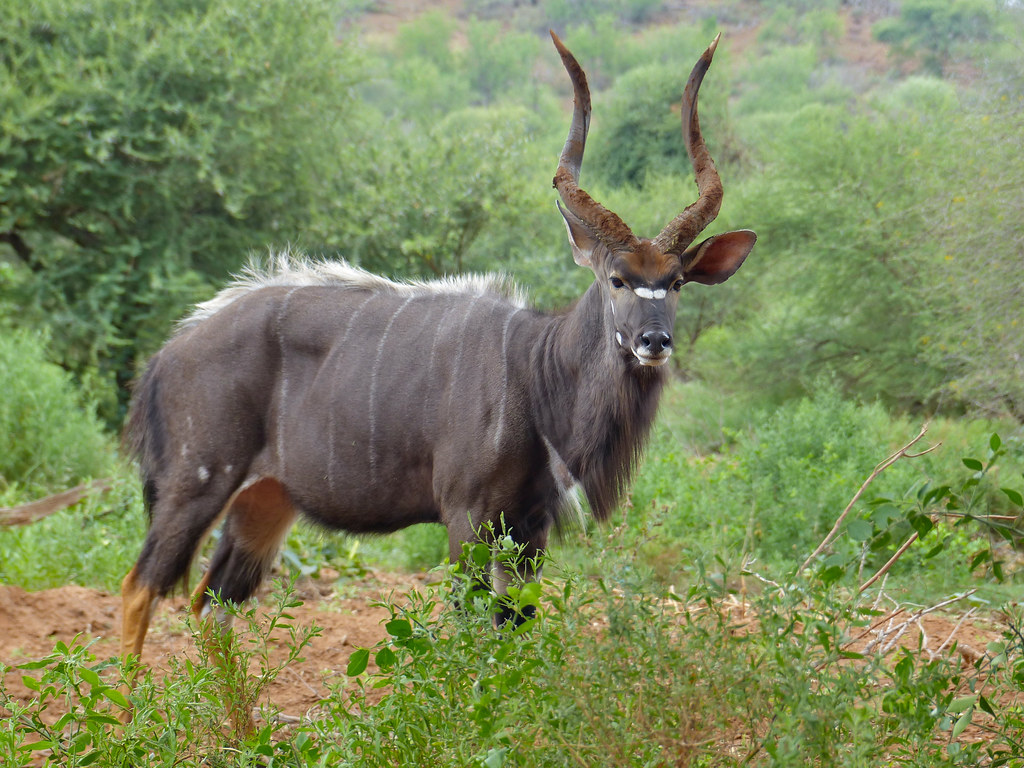
Tragelaphus angasii
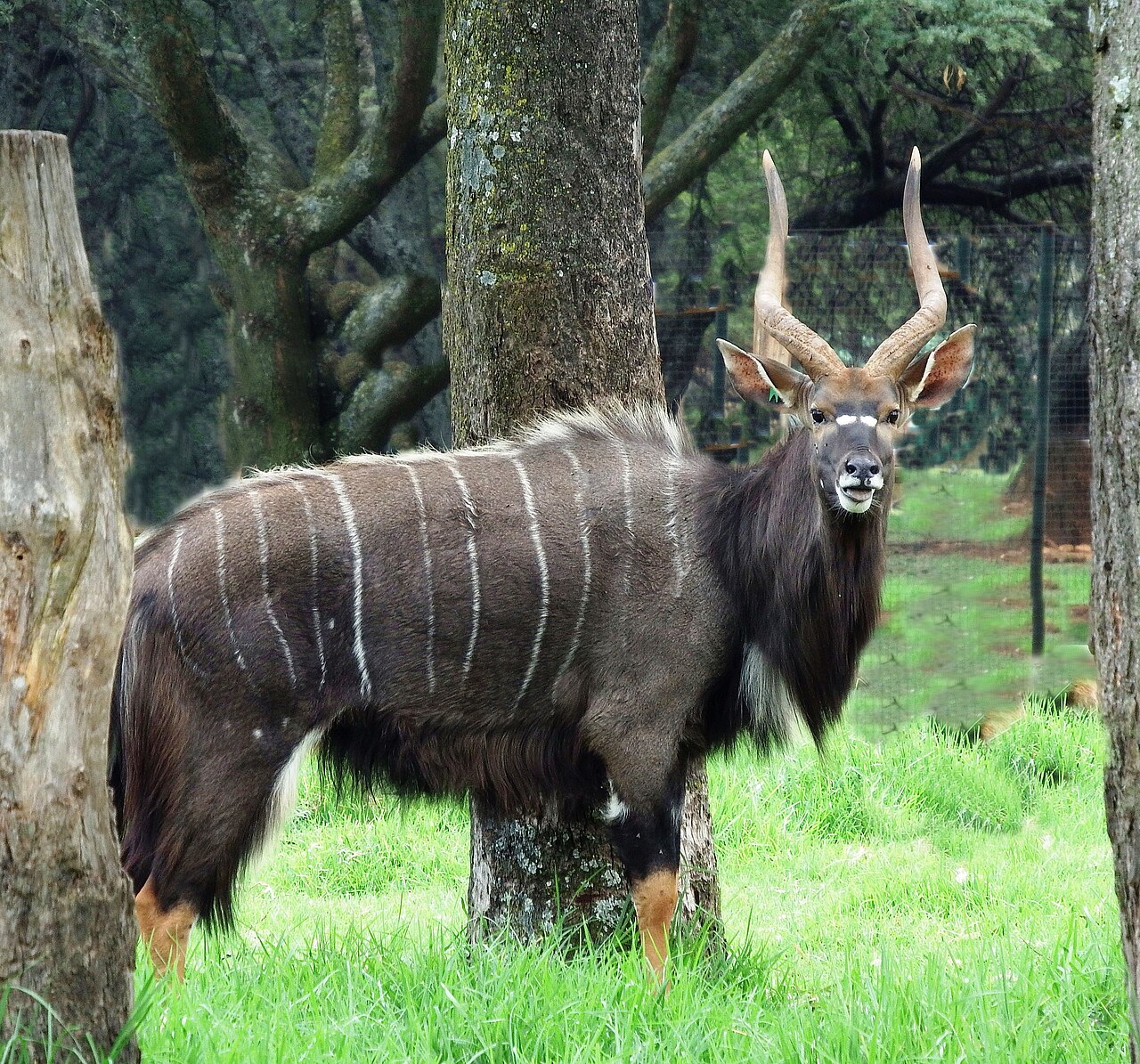
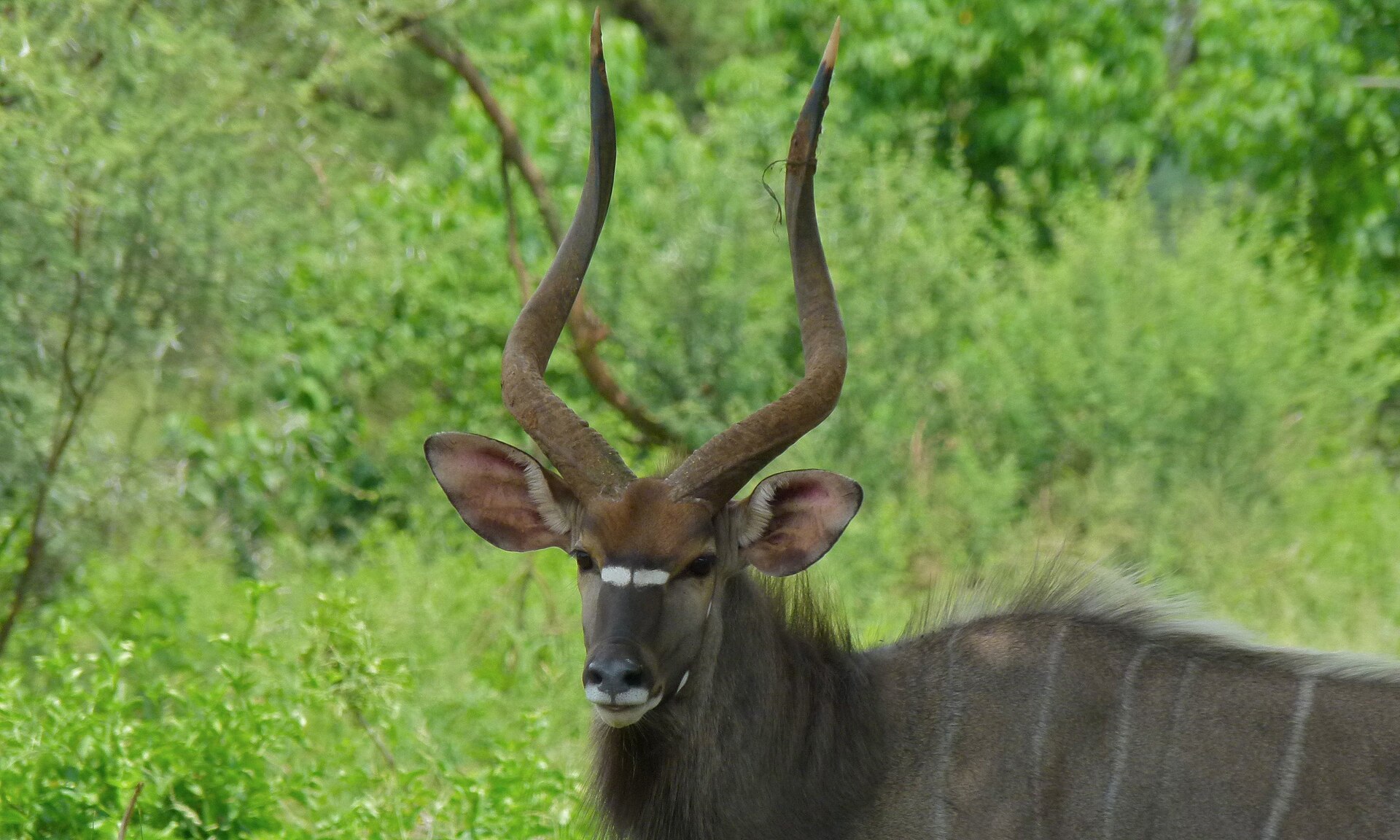
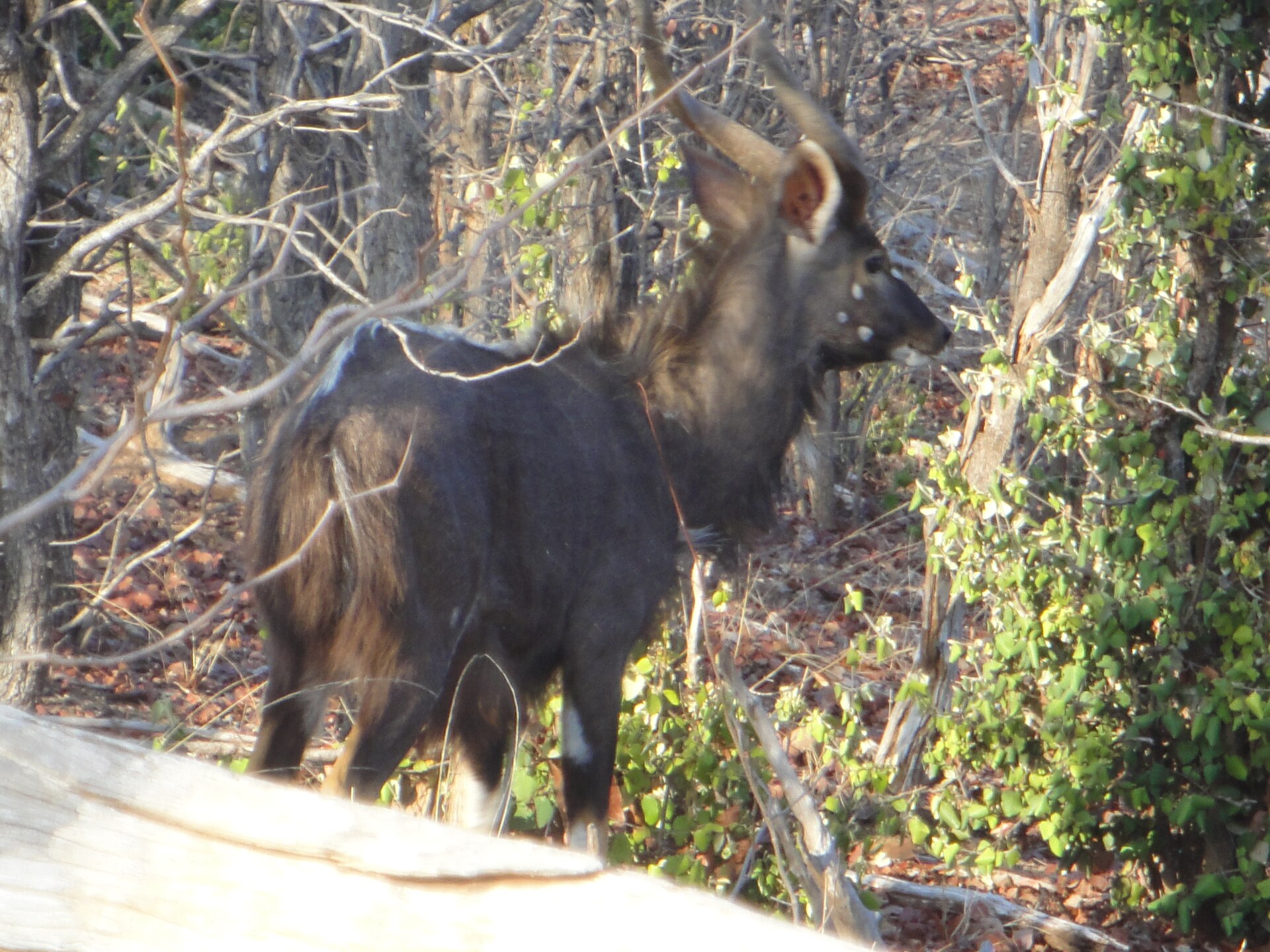
The nyala (Tragelaphus angasii) is a striking spiral-horned antelope that captivates hunters with its elusive nature and impressive trophies. Males are the primary targets, boasting a robust build with shoulder heights reaching up to 43 inches and weights between 200 and 275 pounds. Their coats feature a rich chestnut-brown hue with bold white stripes along the sides, a shaggy mane running down the neck and spine, and long, lyre-shaped horns that spiral up to 35 inches in length. Females are smaller, around 30-35 inches at the shoulder and 120-150 pounds, with a reddish-tan coat and no horns, making them less sought after for sport. Nyala thrive in dense, wooded habitats like riverine forests, thick bushveld, and savanna woodlands, where they browse on leaves, fruits, and grasses. They're often solitary or found in small family groups, with males being particularly territorial during the rut. Their crepuscular habits—active at dawn and dusk—add to the challenge, as they rely on keen senses and quick retreats into thick cover to evade predators and hunters alike. This behavior demands patience and skill from those pursuing them, often involving spot-and-stalk methods in challenging terrain. Native to southeastern Africa, nyala are distributed across South Africa, Mozambique, Zimbabwe, Malawi, and Eswatini, with introduced populations in Namibia and Botswana. For hunters, the nyala's magnificent horns and elusive demeanor make it a prized addition to any African safari. Trophy quality is judged by horn length and spiral tightness, with mature bulls offering a thrilling pursuit that tests woodsmanship. Conservation-wise, the species is listed as Least Concern by the IUCN, thanks to sustainable hunting programs that fund habitat protection and anti-poaching efforts—ensuring future generations can experience the thrill of the hunt.
Hunt facts
- Countries
- Mozambique South Africa Zimbabwe
- Hunt regions
-
Mozambique: Gaza Manica SofalaSouth Africa: KwaZulu-Natal LimpopoZimbabwe: Manicaland Masvingo
- Habitat
- Woodland Bushveld Riverine
- Best time to hunt
- May–October (Dry season)
- Mass
- 90–125 kg (198–276 lb)
- Trophy minimum
-
- SCI (inches): 63
- SCI bow: 56
- Rowland Ward (inches): 27
- Rowland Ward record: 34 4/8
Typical record-book minimums; confirm the current edition with your professional hunter.
Where to Find Nyala
Nyala, a striking spiral-horned antelope, thrive in dense bushveld and woodland habitats across southern Africa, particularly in regions with thick vegetation and access to permanent water sources like rivers and streams. They favor lowland areas with acacia savannas and riverine forests, avoiding open grasslands.
The best countries for hunting nyala include South Africa, especially in the KwaZulu-Natal and Limpopo provinces, as well as Zimbabwe's lowveld regions and parts of Mozambique. These areas offer well-managed game reserves and private ranches with sustainable hunting quotas, often requiring permits through licensed outfitters.
Seasonally, the dry months from May to October are ideal, as nyala concentrate around dwindling waterholes, making them easier to spot. Avoid the wet summer season (November to April) when heavy rains disperse herds and complicate access.
The terrain is typically rugged with thorny thickets, uneven ground, and dense cover, demanding sturdy boots and quiet movement. Environments feature hot, humid climates in lowlands, with elevations rarely exceeding 1,000 meters.
For locating them, scout early mornings or late afternoons near water edges, following fresh tracks and droppings. Use elevated blinds or tree stands for better visibility in thick bush, and listen for alarm calls from birds or monkeys that might signal nearby nyala. Patience is key, as they are elusive and blend into the foliage.
Why Hunt Nyala
Nyala are beautiful antelopes found in southern Africa. Hunters love them for their striking looks. Male nyala have long, spiral horns that twist like corkscrews. Their coats are dark with white stripes, making them a prized trophy.
Hunting nyala is fun and challenging. They live in thick bushes and forests, so you need sharp tracking skills. Spotting one takes patience and stealth. It's exciting to stalk them quietly without being seen.
There are good reasons to hunt nyala. In managed areas, hunting helps control populations and prevents overgrazing. It supports conservation efforts through fees that fund wildlife protection. Plus, nyala provide tasty meat for hunters and locals. Sustainable hunting keeps ecosystems healthy and boosts local economies.
Nyala Hunting Tips
Hunting Nyala, the striking spiral-horned antelope native to southern Africa, requires patience and precision due to their elusive nature in dense bushveld. The best methods involve spot-and-stalk techniques, where you glass from elevated points to locate bulls, then approach quietly on foot. Bowhunting is also effective for close-range encounters, but rifle hunting dominates for its reliability in thick cover.
For equipment, opt for a bolt-action rifle in calibers like . 270 Winchester or . 30-06 Springfield, which provide sufficient knockdown power without excessive recoil. Use premium bullets such as Nosler Partition for deep penetration. A quality scope with 3-9x magnification aids in low-light conditions, and don't forget binoculars, rangefinders, and camouflage clothing that blends with the savanna.
Shot placement is crucial: aim for the heart-lung area just behind the shoulder for a quick, ethical kill. Avoid head or neck shots, as Nyala's thick hides and agility can lead to wounding.
Tracking and stalking tips include moving slowly against the wind to mask scent, using natural cover like acacia trees, and listening for alarm calls from birds or monkeys. Follow fresh tracks in sandy soil, noting the Nyala's distinctive heart-shaped hoof prints.
Prime hunting times are early mornings and late afternoons when Nyala feed actively, with the dry season (May to September) offering better visibility and concentrated animals near water sources.
Common mistakes to avoid: rushing your approach, which spooks the herd, or underestimating distances in open terrain—always use a rangefinder. Overhunting young bulls can harm populations, so target mature trophies ethically.
Safety considerations include hunting with a licensed guide in permitted areas, wearing blaze orange vests for visibility, and ensuring your firearm is unloaded during transport. Be aware of venomous snakes and large predators in Nyala habitats, and always confirm local regulations to hunt sustainably.
Featured Outfitters for Nyala
View all


Hunting Tips & Guides
All tips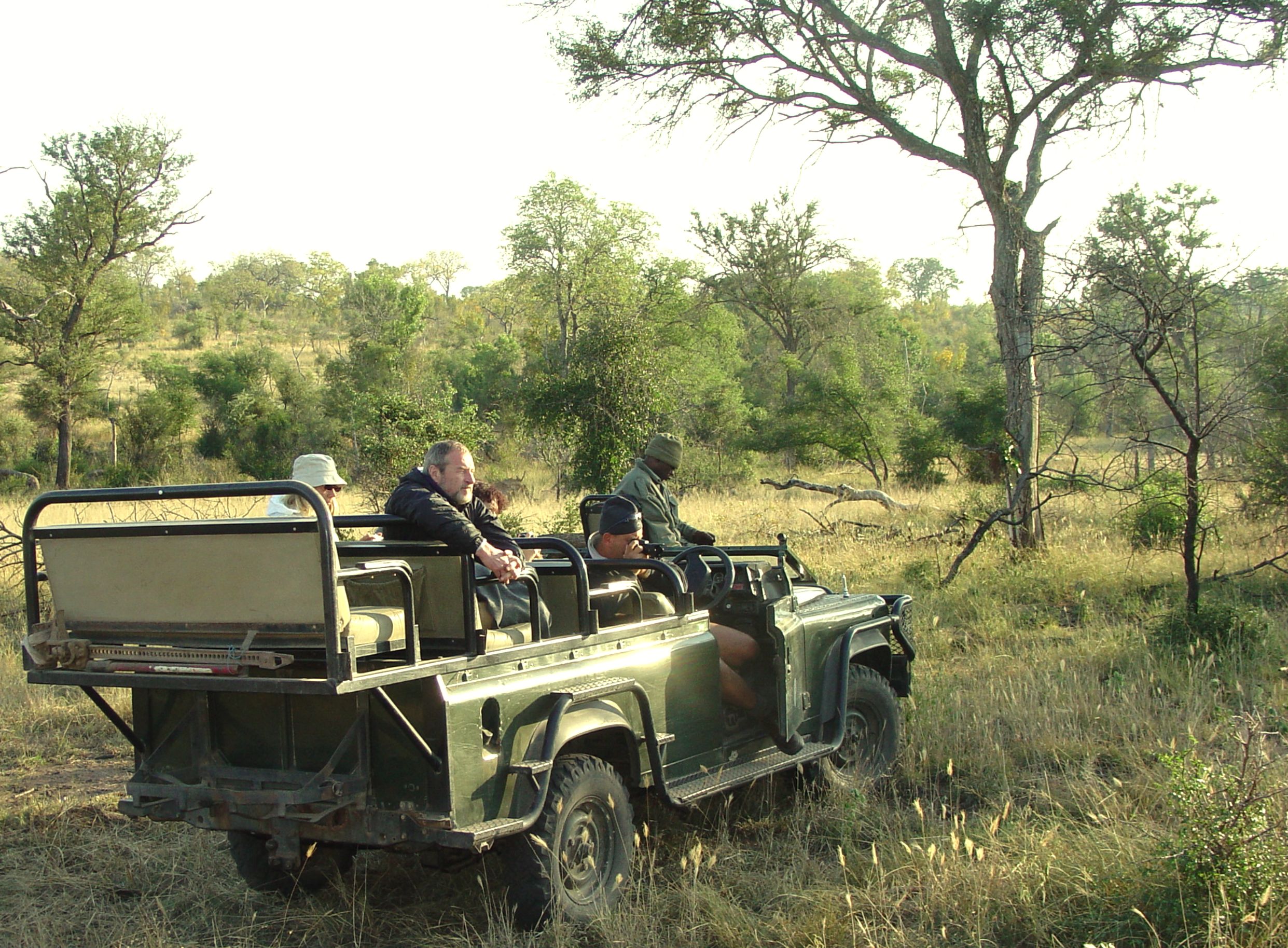
Wildlife Conservation Through Hunting
Hunters play a crucial role in wildlife conservation efforts worldwide. Understanding this connection helps justify and improve our hunting practices. …
Read more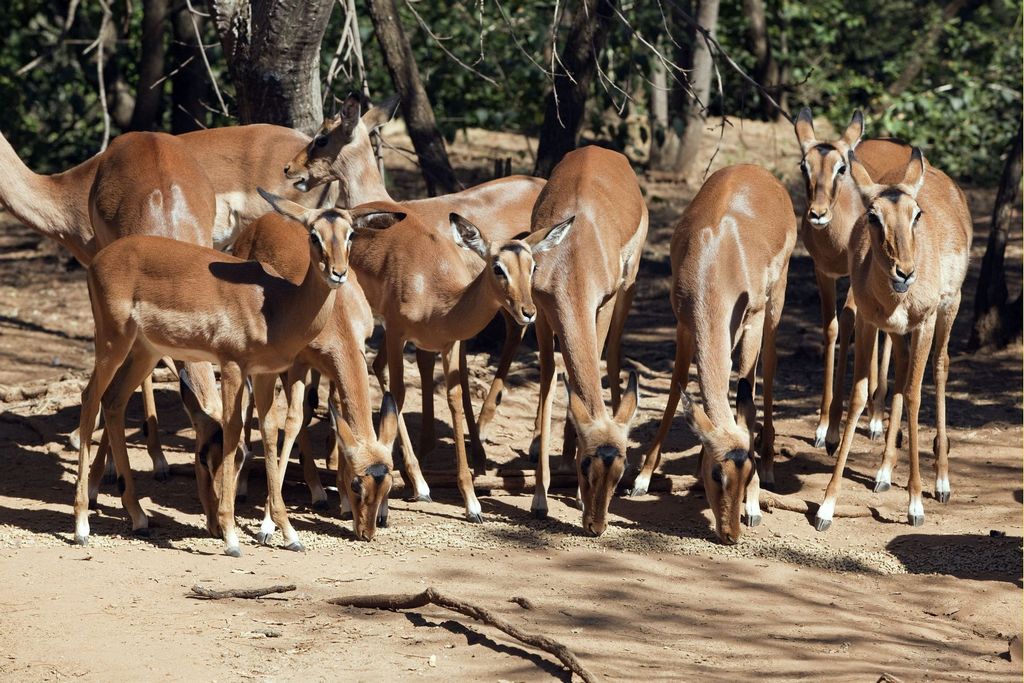
Understanding Animal Behavior Patterns
Success in hunting often comes down to understanding the behavioral patterns of your target species. Each animal has unique habits …
Read more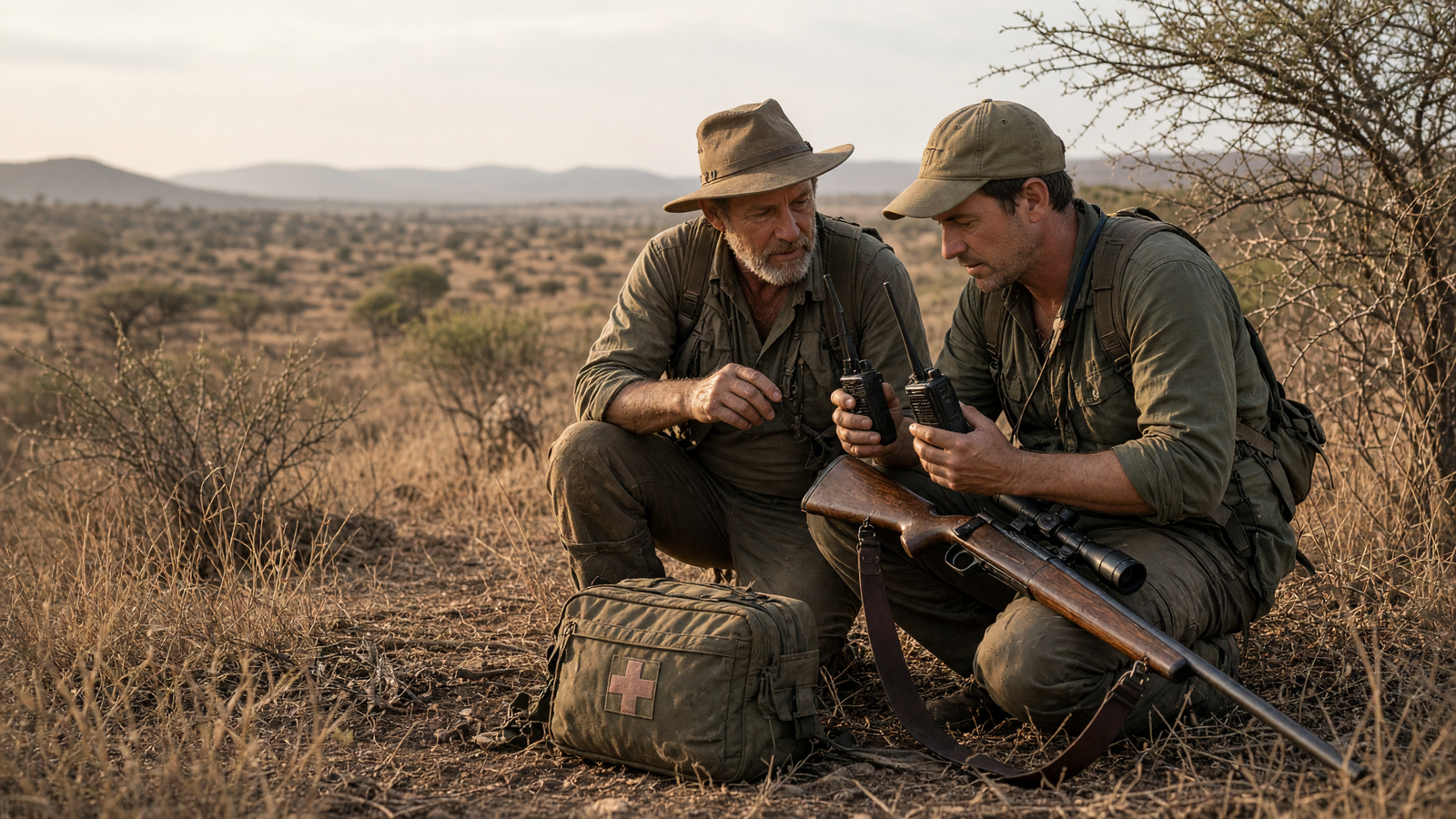
Hunter Safety in Remote Areas
Hunting in remote areas presents unique challenges and risks. Proper preparation and safety protocols can prevent emergencies and save lives. …
Read moreHunt packages with Nyala
Curated hunt ideas — no price on the page. Enquire and we'll match outfitters after review.
 Featured
South Africa Plains Game — 10 Days
10 days · South Africa
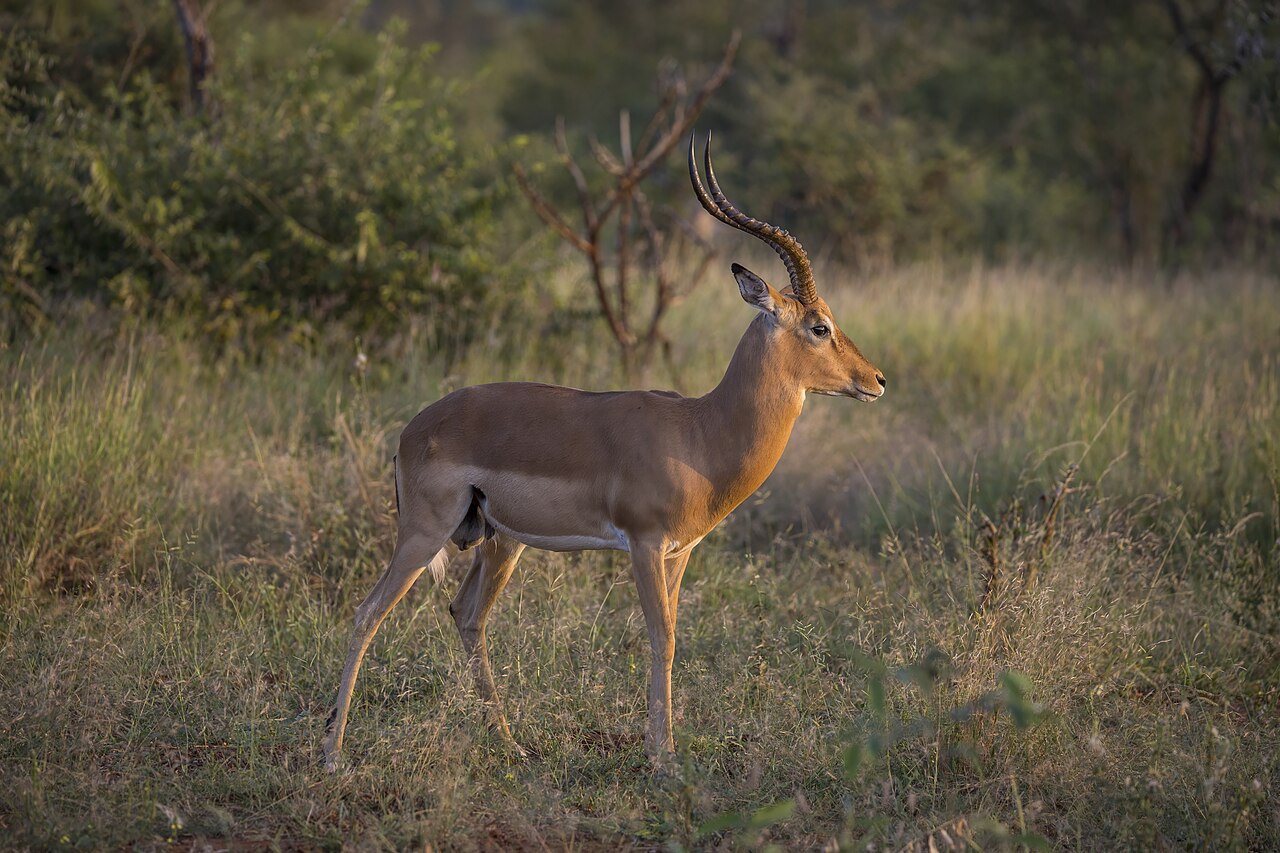
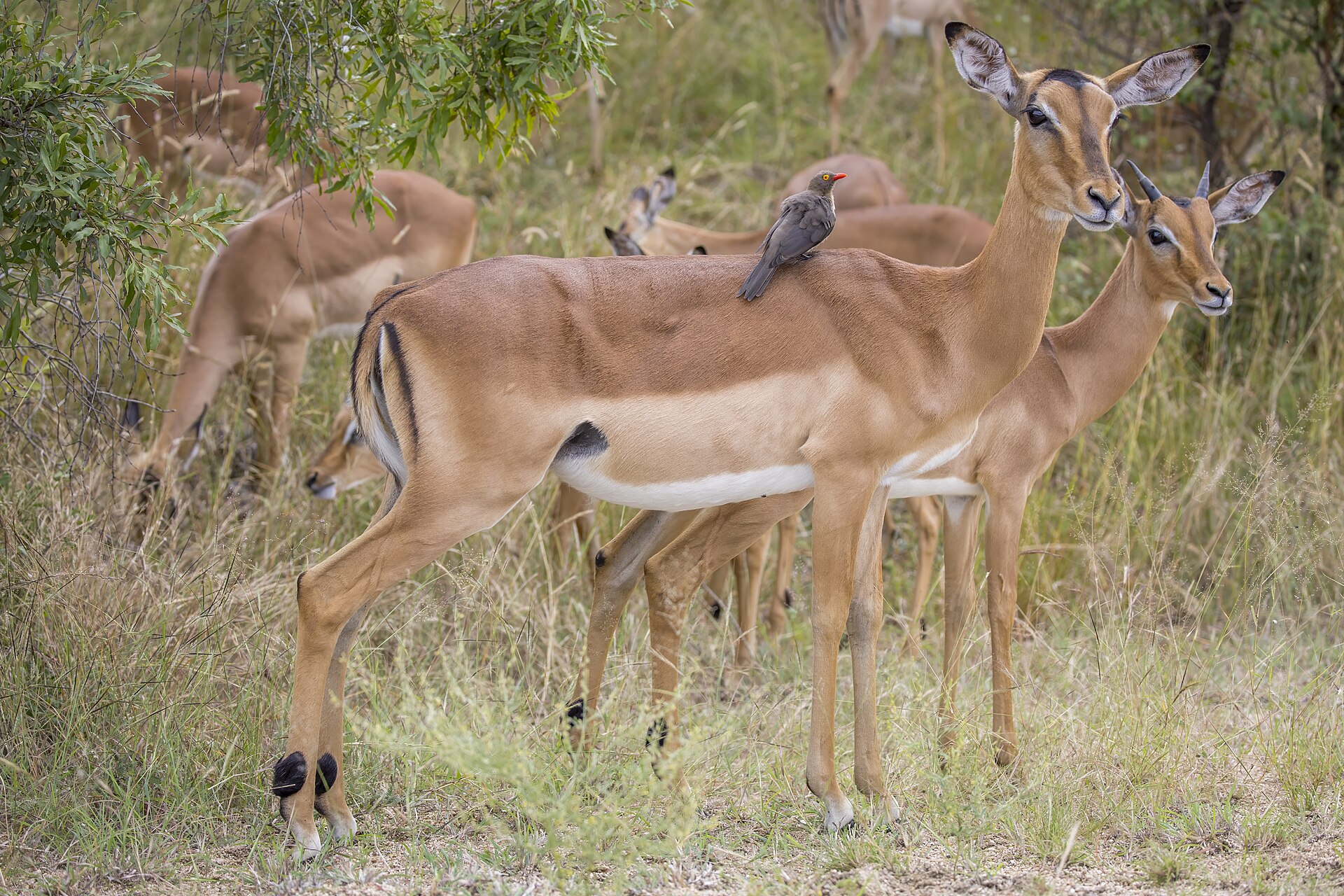
Ten days on a Limpopo bushveld ranch — impala, blesbok, wildebeest, warthog and nyala from the same acacia savanna and riverine valleys.
$8,800 – $9,700
Waterberg Nyala Focus — 7 Days
7 days · South Africa
Seven days Waterberg riverine — nyala, bushbuck, impala and warthog.
$7,800 – $8,600
Mpumalanga Lowveld — 8 Days
8 days · South Africa
8-day mpumalanga lowveld — impala, nyala, bushbuck in Mpumalanga lowveld.
$9,800 – $11,200
KZN Nyala & Bushbuck — 7 Days
7 days · South Africa
7-day kzn nyala & bushbuck — nyala, bushbuck, impala in KwaZulu-Natal coastal bush.
$8,800 – $10,000
Manicaland Nyala Lowveld — 8 Days
8 days · Zimbabwe
8-day manicaland nyala lowveld — nyala, bushbuck, impala in Manicaland eastern highland fringe / lowveld.
$9,800 – $11,200
Gaza Coutada Plains — 10 Days
10 days · Mozambique
10-day gaza coutada plains — impala, nyala, bushbuck in Gaza coutada woodland.
$11,500 – $13,500
Plan Your Nyala Hunt
Submit a free enquiry and we'll match you with outfitters who hunt Nyala in your region.
Sign Up to Enquire Aardwolf
 Abyssinian Bushbuck
 Baboon
 Bat-Eared Fox
 Bay Duiker
 Beisa Oryx