Oribi Hunting
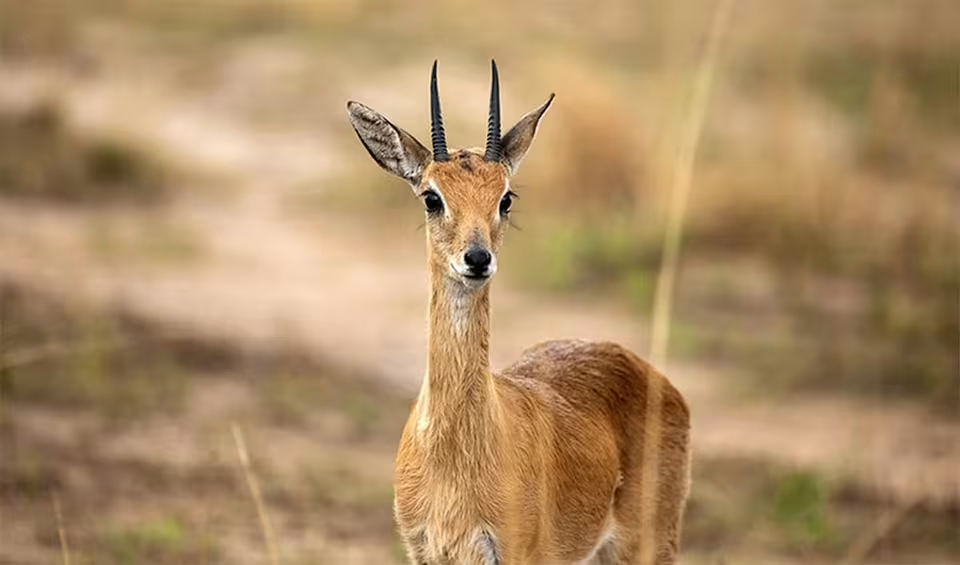
Ourebia ourebi
The oribi, scientifically known as Ourebia ourebi, is a captivating small antelope that offers hunters a thrilling pursuit in Africa's grasslands. Physically, these elegant creatures stand about 20-26 inches at the shoulder and weigh between 26-48 pounds, with males slightly larger than females. Their sleek, reddish-fawn coats blend seamlessly with tall grasses, accented by white underbellies, throats, and eye rings for a striking appearance. Males sport slender, straight horns that can reach 3-7 inches, ringed at the base and pointing skyward—perfect for a modest yet impressive trophy. Oribi thrive in open savannas, floodplains, and lightly wooded grasslands, where they graze on short grasses and herbs. They're highly territorial, often living in monogamous pairs or small family groups, with males fiercely defending their turf through scent marking and vocal whistles. Known for their incredible agility, oribi can sprint up to 30 mph and leap over 6 feet high to evade predators, making them a test of a hunter's stealth and patience. They're most active at dawn and dusk, so early morning stalks or evening ambushes from blinds can yield the best opportunities. Distributed across sub-Saharan Africa, from Senegal and Ethiopia down to South Africa, oribi populations are patchy due to habitat loss, but they're still found in countries like Tanzania, Zambia, and Uganda where regulated hunting is permitted. For hunters, the oribi's keen senses and elusive nature demand precise marksmanship and a deep understanding of wind and terrain—spotting their distinctive black-tipped tails flicking in the grass is a key giveaway. Conservation-wise, the species is listed as Least Concern by the IUCN, though some regional populations face threats from poaching and agriculture. Sustainable hunting through licensed outfitters helps support anti-poaching efforts and habitat preservation, ensuring future generations can experience the rush of pursuing this fleet-footed gem.
Hunt facts
- Countries
- Angola Cameroon Central African Republic Ethiopia South Africa Tanzania Uganda Zambia
- Hunt regions
-
Angola: Cuando Cubango MoxicoCameroon: Adamawa Far North NorthCentral African Republic: Bamingui-Bangoran Haute-Kotto VakagaEthiopia: Benishangul-GumuzSouth Africa: Eastern Cape KwaZulu-NatalTanzania: Katavi Lindi Morogoro Pwani Rukwa Singida TaboraUganda: NorthernZambia: Central North-Western Southern Western
- Habitat
- Grassland Wetland
- Best time to hunt
- May–October (Dry season)
- Mass
- 12–22 kg (26–49 lb)
- Trophy minimum
-
- SCI (inches): 13
- SCI bow: 11 8/16
- Rowland Ward (inches): 5
- Rowland Ward record: 7 8/16
Typical record-book minimums; confirm the current edition with your professional hunter.
Where to Find Oribi
Oribi, a small and agile antelope, thrive in open grasslands, savannas, and lightly wooded areas across sub-Saharan Africa. Their primary habitats include tall grass plains where they can hide and graze, often near water sources for quick escapes from predators. These regions provide the cover and forage they need, with populations concentrated in East and Southern Africa.
For hunting, the best countries include South Africa, particularly in the Eastern Cape and KwaZulu-Natal provinces, as well as Zimbabwe and Tanzania, where regulated hunts are available on private ranches and game reserves. Permits are required, and outfitters often guide hunts in these areas to ensure sustainability.
Seasonal considerations favor the dry season from May to October, when grass is shorter, making oribi easier to spot and track. Avoid rainy seasons, as heavy vegetation obscures visibility and muddies trails.
The terrain is typically flat to gently rolling grasslands with scattered bushes, at elevations up to 2,000 meters. Environments range from arid savannas to more fertile plains, with oribi preferring areas with knee-high grass for bedding down.
To locate them in the wild, scan open fields at dawn or dusk when they're most active. Look for fresh tracks—small, pointed hooves—and listen for their high-pitched alarm whistles. Use binoculars from elevated vantage points, and approach quietly against the wind to avoid detection, as oribi are skittish and rely on speed for evasion.
Why Hunt Oribi
Hunters pursue the oribi, a petite and elusive African antelope, for its exceptional trophy qualities. With sleek, reddish-brown coats and striking black-tipped horns that curve gracefully backward—measuring up to 6 inches in males—the oribi makes for a stunning mount that showcases elegance and rarity. The challenge of hunting oribi is unmatched; these agile creatures inhabit dense grasslands and bushveld, demanding stealthy stalks and precise shots amid their lightning-fast bursts of speed, often exceeding 50 km/h. This pursuit delivers heart-pounding excitement, testing a hunter's patience and skill in Africa's wild terrains.
Beyond the thrill, oribi meat is prized for its tender, lean quality, offering a mild, gamey flavor perfect for grilling, stewing, or jerky. Culinary enthusiasts rave about its versatility in dishes like venison carpaccio or hearty bushveld braais. Culturally, oribi hold traditional significance in African communities, symbolizing agility and grace in folklore and rituals, adding a layer of heritage to the hunt.
Regulated hunting supports oribi conservation by funding anti-poaching efforts and habitat preservation in regions like South Africa and Tanzania, ensuring sustainable populations. The unique experience? Spotting an oribi's distinctive "stotting" leaps through the savanna at dawn, forging unforgettable memories of Africa's untamed beauty.
Oribi Hunting Tips
Hunting Oribi, the small and agile African antelope, requires patience and precision due to their skittish nature and preference for open grasslands. The best methods involve spot-and-stalk techniques, where hunters glass from elevated positions to locate herds, then approach quietly on foot. Bowhunting is popular for a challenge, but rifle hunting dominates for its reliability in vast terrains.
For equipment, opt for lightweight rifles in calibers like . 243 Winchester or 6mm Creedmoor, which provide flat trajectories and minimal recoil for accurate shots at 100-200 yards. Use high-quality optics, such as 8x or 10x binoculars and a variable-power scope, along with camouflage clothing that blends with savanna grasses. A rangefinder is essential to judge distances accurately.
Shot placement is critical on these petite animals—aim for the vital zone just behind the shoulder for a clean heart-lung shot, avoiding the head or neck to prevent unnecessary suffering. For tracking and stalking, move slowly against the wind to avoid detection, using natural cover like bushes or termite mounds. Oribi tracks are small and pointed, often leading to water sources; follow them at dawn or dusk when animals are most active.
The prime hunting season is during the dry months from May to September in regions like South Africa or Zimbabwe, with early morning or late afternoon being the best times as Oribi feed actively then. Avoid common mistakes like rushing shots, which can wound rather than harvest, or ignoring wind direction, spooking the herd prematurely. Overhunting in one area can disrupt populations, so adhere to quotas.
Safety-wise, always hunt with a licensed guide in permitted areas, carry a first-aid kit for remote locations, and practice firearm safety to prevent accidents in uneven terrain. Respect local regulations to ensure sustainable hunting.
Featured Outfitters for Oribi
View allHunt packages with Oribi
Curated hunt ideas — no price on the page. Enquire and we'll match outfitters after review.
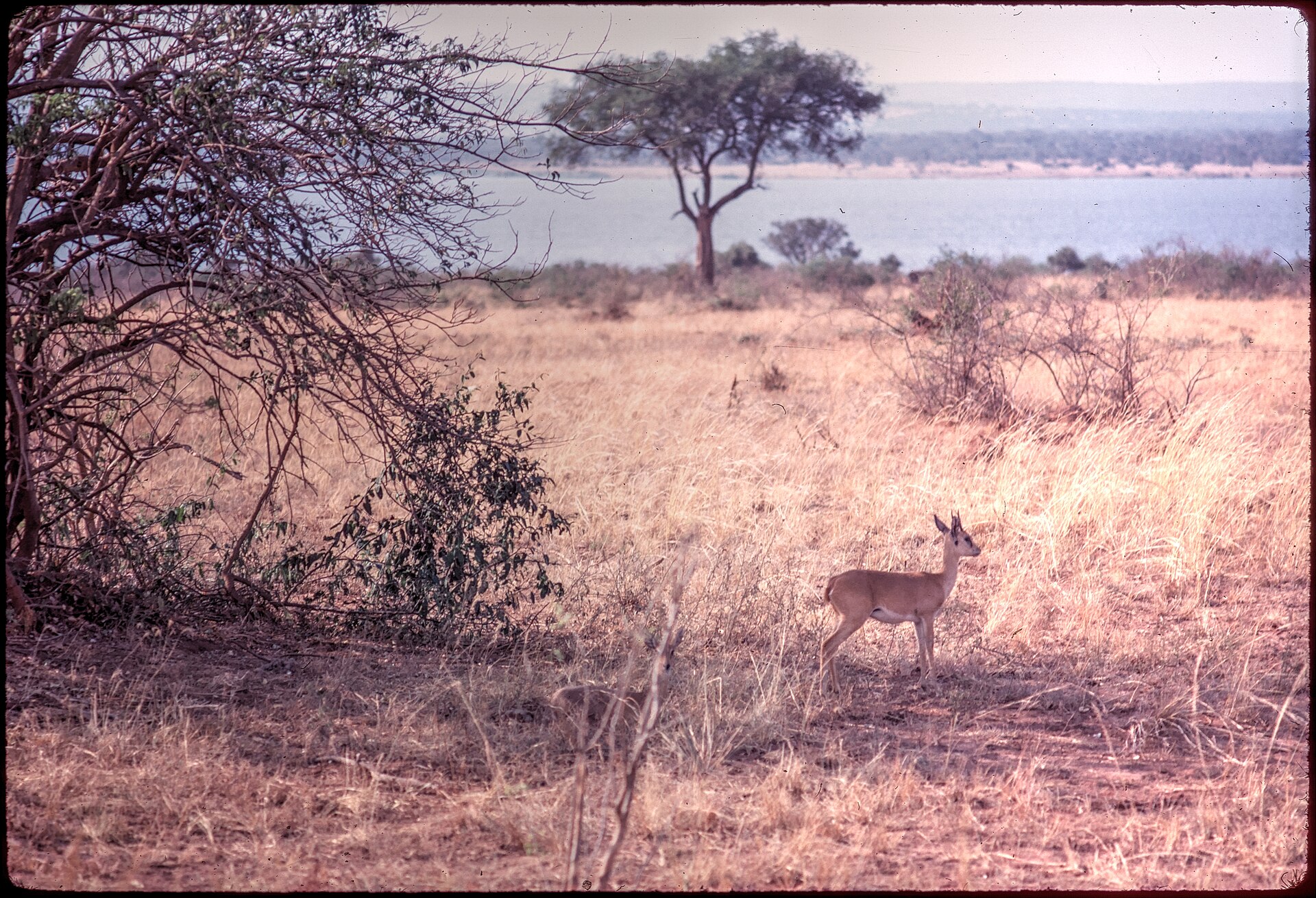
Karamoja Plains — 10 Days
10 days · Uganda
Ten days Karamoja — Grant’s gazelle, oribi, hartebeest and warthog.
$14,800 – $16,300
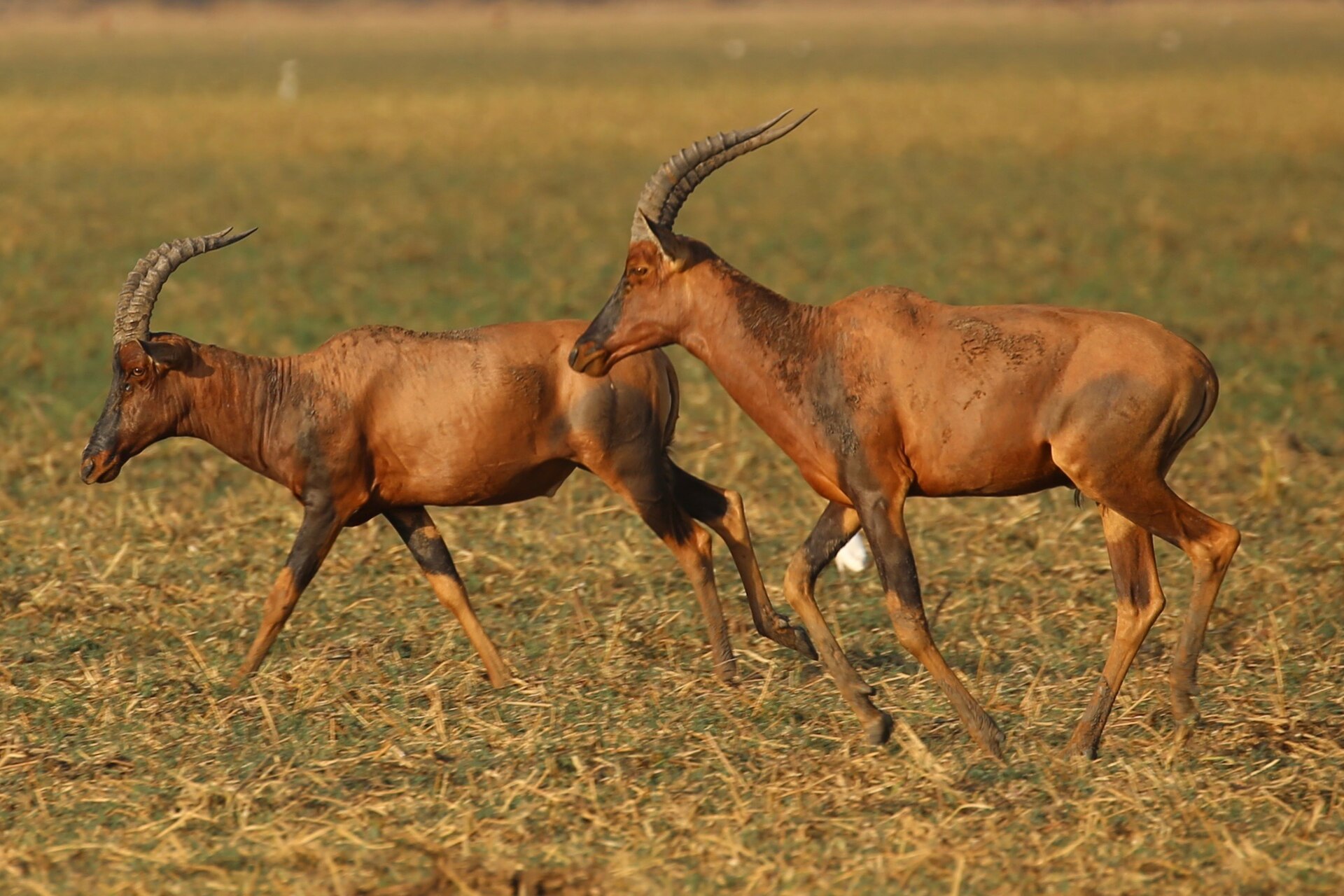
Northern Tiang & Kob — 10 Days
10 days · Uganda
10-day northern tiang & kob — tiang, uganda kob, oribi in Northern Uganda savanna.
$14,800 – $16,800
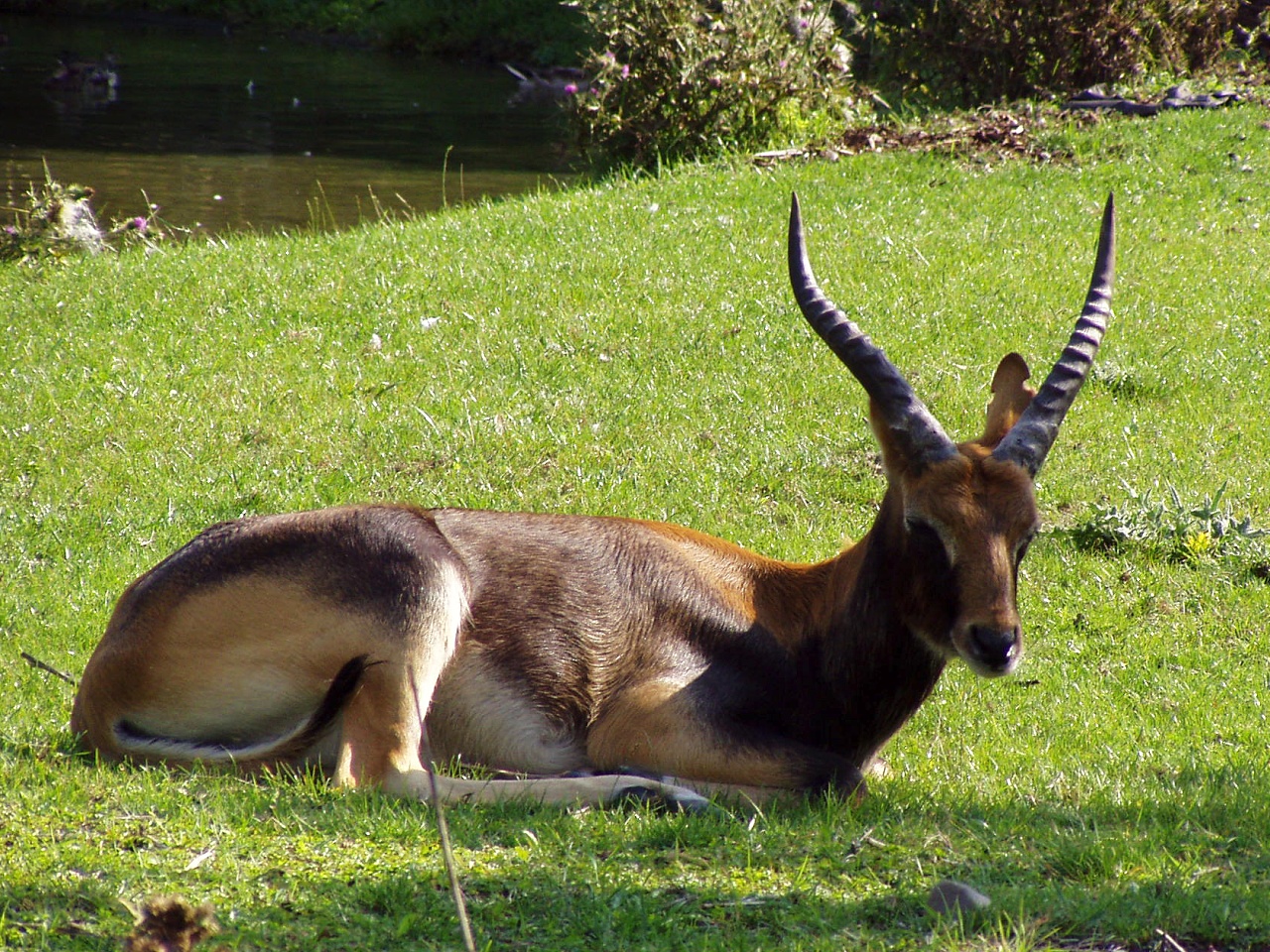
Ethiopia Nile Lechwe — 10 Days
10 days · Ethiopia
10-day ethiopia nile lechwe — nile lechwe, tiang, oribi in Benishangul-Gumuz wetland blocks.
$20,000 – $26,000
CAR Vakaga Savanna — 12 Days
12 days · Central African Republic
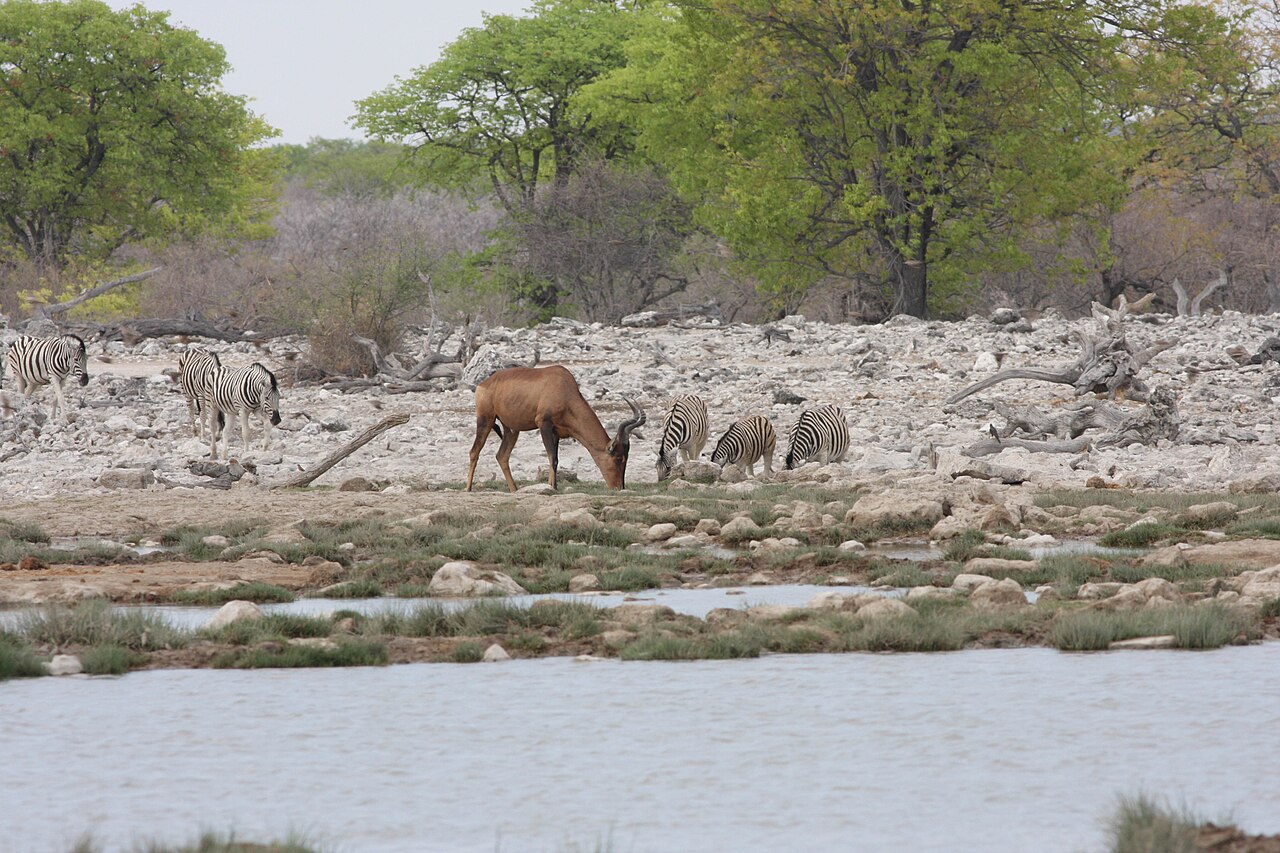
12-day car vakaga savanna — western hartebeest, buffon's kob, harnessed bushbuck in Vakaga savanna.
$22,000 – $28,000
Uganda Guenther Dik-dik — 6 Days
6 days · Uganda
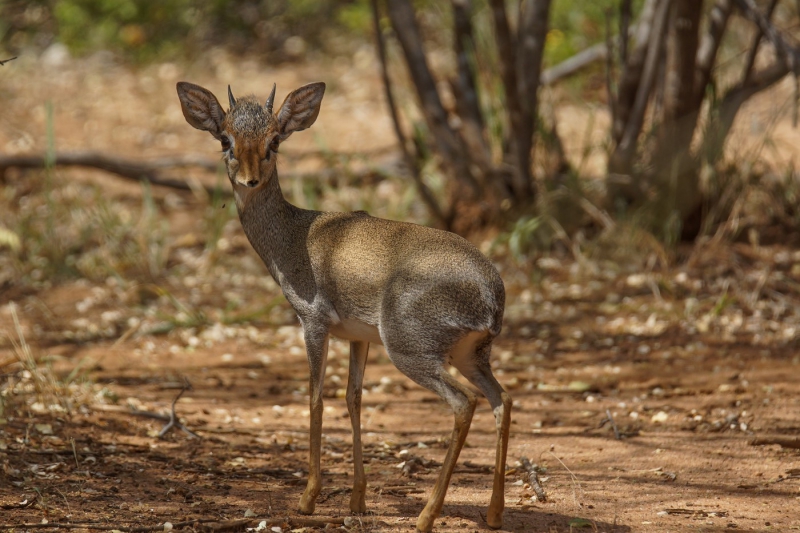
6-day uganda guenther dik-dik — guenther's dik-dik, oribi, common duiker in Northern arid scrub.
$7,000 – $8,500
Plan Your Oribi Hunt
Submit a free enquiry and we'll match you with outfitters who hunt Oribi in your region.
Sign Up to Enquire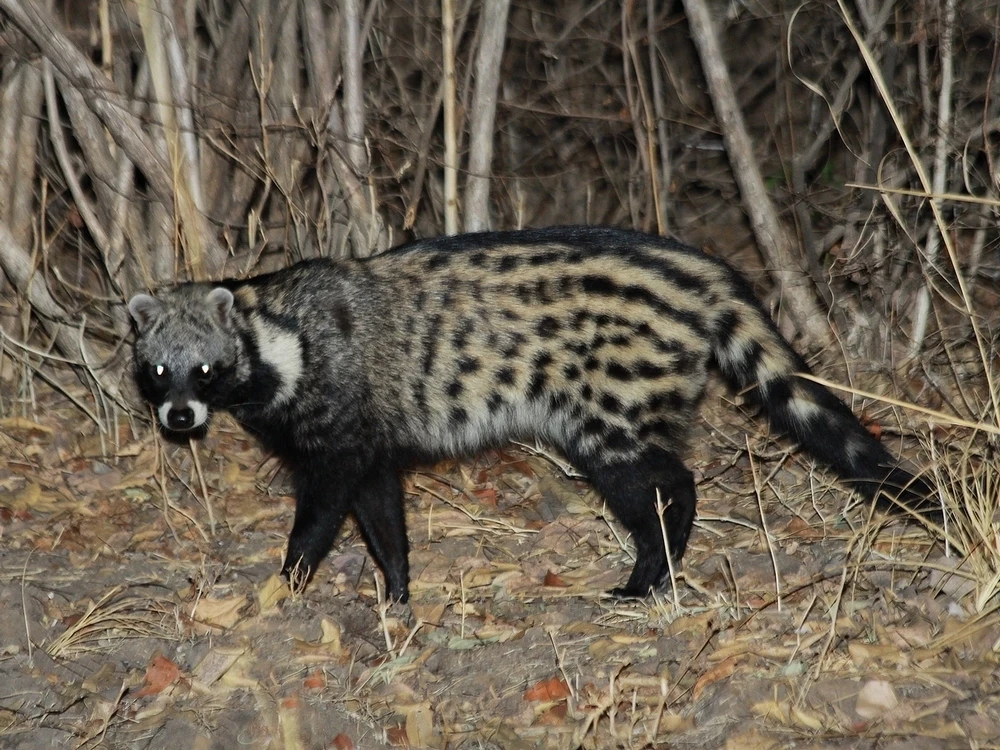 African Civet
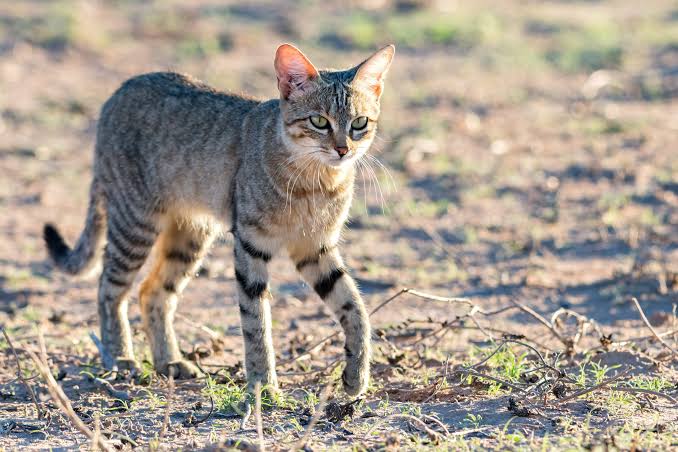 African Wildcat
 Baboon
 Bat-Eared Fox
 Bay Duiker
 Black-Fronted Duiker