Red Hartebeest Hunting
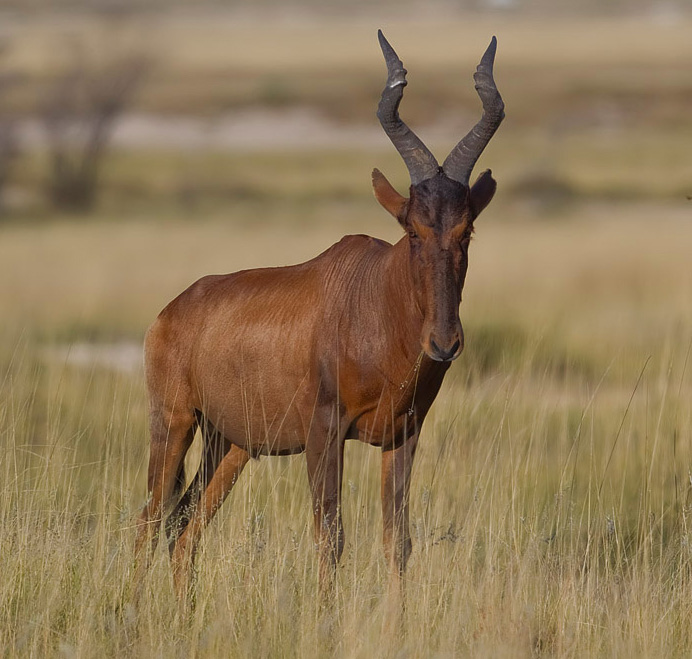
Alcelaphus buselaphus caama
The red hartebeest, scientifically known as Alcelaphus buselaphus caama, is a striking antelope species prized by hunters for its challenging pursuit and impressive trophies. Physically, these animals boast a sleek, reddish-brown coat that gives them their name, with a lighter underbelly and distinctive black markings on the face and legs. They have an elongated, almost horse-like head and stand tall at the shoulder, typically measuring 4 to 5 feet (1. 2 to 1. 5 meters) high. Adults weigh between 220 to 330 pounds (100 to 150 kilograms), with males being slightly larger and more robust than females. Both sexes sport ringed horns that curve gracefully backward and outward, often reaching 20 to 28 inches (50 to 70 cm) in length—making for a coveted trophy. Red hartebeest thrive in open grasslands, savannas, and semi-arid plains where they can spot predators from afar. They're highly social, often forming herds of 20 to 300 individuals, led by a dominant male. Known for their incredible speed—bursting up to 50 mph (80 km/h)—and endurance, they can run for miles without tiring, which adds to the thrill of the hunt. They're most active during cooler parts of the day, grazing on grasses and staying vigilant with their keen senses. This subspecies is primarily distributed across southern Africa, including South Africa, Namibia, Botswana, and parts of Zimbabwe. They're well-adapted to arid regions but require access to water sources. For hunters, the red hartebeest offers an exhilarating challenge due to their wariness and speed; spot-and-stalk methods work best in open terrain, demanding patience and precision shooting. Their horns, with a unique lyre shape, score well in trophy books, and sustainable hunts help manage populations. Conservation-wise, the red hartebeest is listed as Least Concern by the IUCN, thanks to stable numbers in protected areas and game ranches. Regulated hunting plays a key role in their conservation, funding anti-poaching efforts and habitat preservation.
Hunt facts
- Countries
- Angola Botswana Namibia South Africa
- Hunt regions
-
Angola: Cunene Huíla NamibeBotswana: Central Ghanzi KgalagadiNamibia: Erongo Hardap Karas Khomas Kunene Omaheke OtjozondjupaSouth Africa: Eastern Cape Free State Gauteng Limpopo Mpumalanga North West Northern Cape
- Habitat
- Grassland Mixed savanna Semi-arid
- Best time to hunt
- May–October (Dry season)
- Mass
- 120–200 kg (265–441 lb)
- Trophy minimum
-
- SCI (inches): 62
- SCI bow: 53
- Rowland Ward (inches): 23
- Rowland Ward record: 29 4/8
Typical record-book minimums; confirm the current edition with your professional hunter.
Where to Find Red Hartebeest
Red hartebeest, known for their distinctive reddish-brown coats and long, ringed horns, thrive in open grasslands, savannas, and semi-arid plains where they can spot predators from afar. These habitats are common in southern and eastern Africa, particularly in regions with short grasslands and scattered acacia trees.
The best countries for hunting red hartebeest include South Africa, Namibia, and Botswana, where populations are stable and regulated hunts are available on private ranches or game reserves. In South Africa, the Free State and Northern Cape provinces offer prime opportunities, while Namibia's central highlands and Botswana's Kalahari region provide vast, open terrains ideal for spot-and-stalk hunts.
Seasonally, the dry months from May to October are optimal, as animals concentrate around water sources, making them easier to locate. Avoid wet seasons when vegetation is dense and animals disperse.
The terrain is typically flat to gently rolling, with sandy or rocky soils and minimal dense bush, allowing for long-range visibility. For tips on locating them, scout early mornings or late afternoons when herds are active and grazing. Use binoculars to scan open plains from elevated vantage points, look for dust trails from moving groups, and focus on areas near permanent waterholes or salt licks where they gather. Patience is key, as red hartebeest are wary and quick to flee.
Why Hunt Red Hartebeest
Hunters are drawn to the Red Hartebeest for its impressive trophy qualities, featuring long, elegantly curved horns that can span up to 24 inches, with distinctive ringed patterns and a striking reddish-brown coat that makes for a memorable mount. This species offers a thrilling challenge, as these swift antelopes can sprint at speeds over 50 mph across open savannas, demanding sharp stalking skills, precise marksmanship, and patience amid their keen senses and elusive nature—the adrenaline rush of a spot-and-stalk hunt is unmatched.
Beyond the pursuit, the meat is a highlight: lean, tender, and richly flavored with a mild gamey taste, perfect for grilling steaks, making sausages, or slow-cooking roasts that rival premium venison. Culturally, pursuing Red Hartebeest ties into ancient African hunting traditions, symbolizing resilience and the spirit of the wild, often featured in folklore and rites of passage.
From a conservation standpoint, regulated hunting generates vital funds for habitat protection and anti-poaching efforts in regions like Namibia and South Africa, ensuring sustainable populations. What truly sets this hunt apart is the unique experience of immersing in vast grasslands, witnessing dramatic chases, and connecting with Africa's untamed essence—it's not just a trophy, but a profound adventure that leaves lasting memories.
Red Hartebeest Hunting Tips
Red hartebeest are swift, alert antelope found in open savannas, making spot-and-stalk the most effective hunting method. Approach quietly from downwind, using natural cover like bushes or ridges to close within 200-300 yards. Bowhunters can succeed with ambush setups near waterholes, but patience is key as these animals bolt at the slightest disturbance.
For equipment, opt for a flat-shooting rifle like a . 270 Winchester, 7mm Remington Magnum, or . 300 Winchester Magnum for ethical kills at distance. Pair it with a quality scope (4-12x magnification) and binoculars for spotting. Use expanding bullets around 150-180 grains to ensure quick, humane takedowns.
Aim for the vital zone: place shots just behind the shoulder to hit the heart and lungs, avoiding the tough shoulder blade. Quartering-away shots are ideal to minimize meat damage.
When tracking, follow fresh hoof prints—elongated and pointed—in soft soil, and watch for scattered droppings. Stalk slowly, pausing often to glass ahead, and use the wind to mask your scent.
Hunt during early mornings or late afternoons when hartebeest are active and feeding; the dry season (May to October in southern Africa) is prime as they gather near water sources.
Common mistakes include rushing shots, which spook herds, or ignoring wind direction, leading to detection. Underestimating their speed can result in poor shot opportunities.
Safety-wise, always confirm your target to avoid mistaking it for similar species, wear blaze orange if required, and navigate terrain carefully to prevent falls or encounters with dangerous wildlife like snakes or buffalo. Follow local regulations and hunt with a guide if unfamiliar with the area.
Featured Outfitters for Red Hartebeest
View all


Hunting Tips & Guides
All tips
Wildlife Conservation Through Hunting
Hunters play a crucial role in wildlife conservation efforts worldwide. Understanding this connection helps justify and improve our hunting practices. …
Read more
Red Hartebeest Behavior: Karoo Hunting Mastery
Learn red hartebeest behavior in the Eastern Cape Karoo with expert hunting tips on herds, territory, and ethical stalks for …
Read more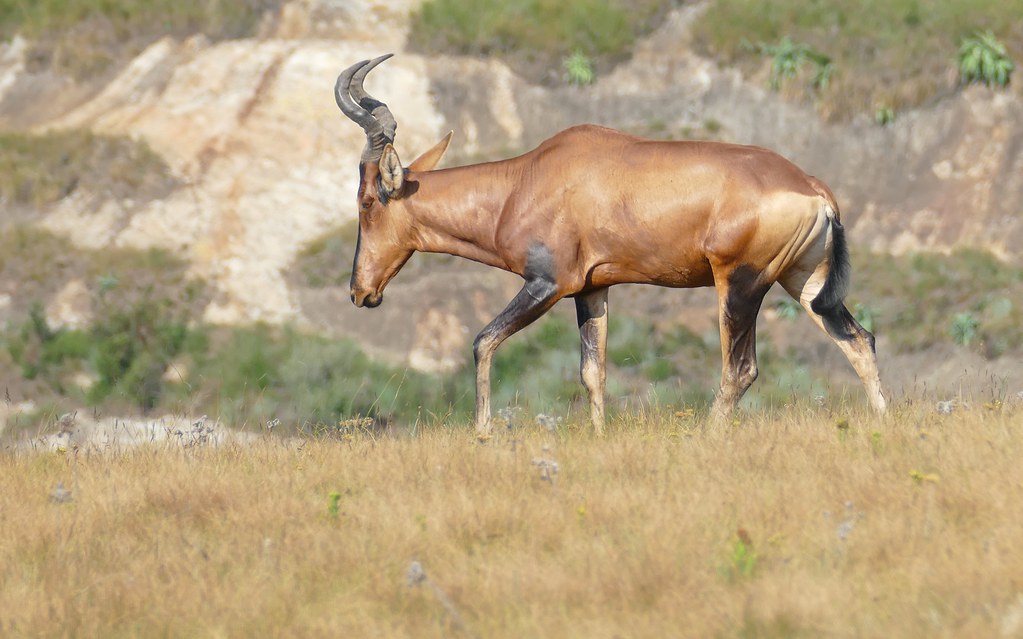
Expert Guide to Red Hartebeest Hunting in Free State
Discover ethical red hartebeest hunting tips in South Africa's Free State grasslands. Learn strategies, gear, conservation facts, and how to …
Read moreHunt packages with Red Hartebeest
Curated hunt ideas — no price on the page. Enquire and we'll match outfitters after review.
 Featured
Namibia Plains Game — 7 Days
7 days · Namibia
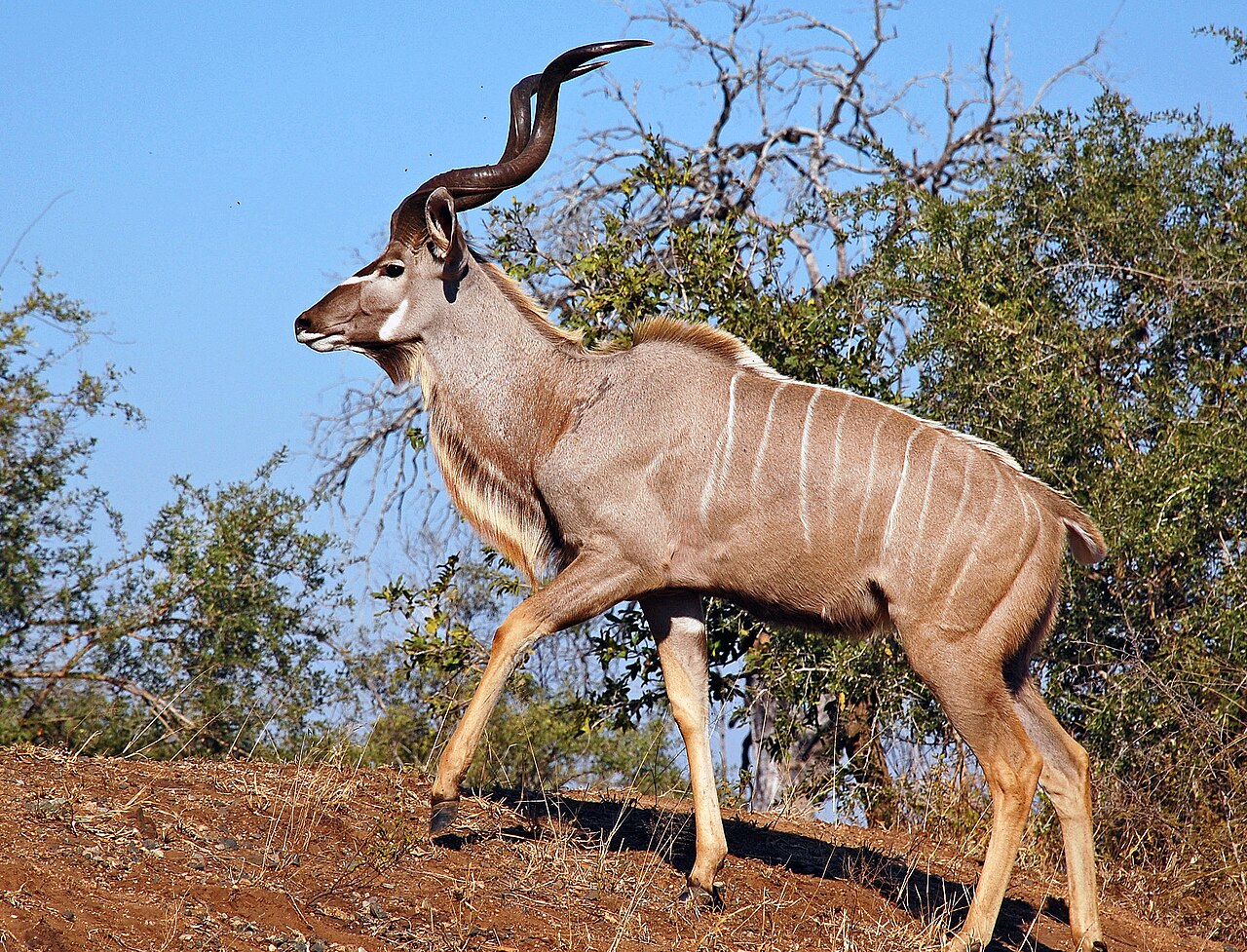
Seven days on a central Namibian bushveld farm or concession — kudu, gemsbok, springbok, warthog and hartebeest from the same mopane savann…
$8,500 – $9,500
Namibia Family Plains — 10 Days
10 days · Namibia
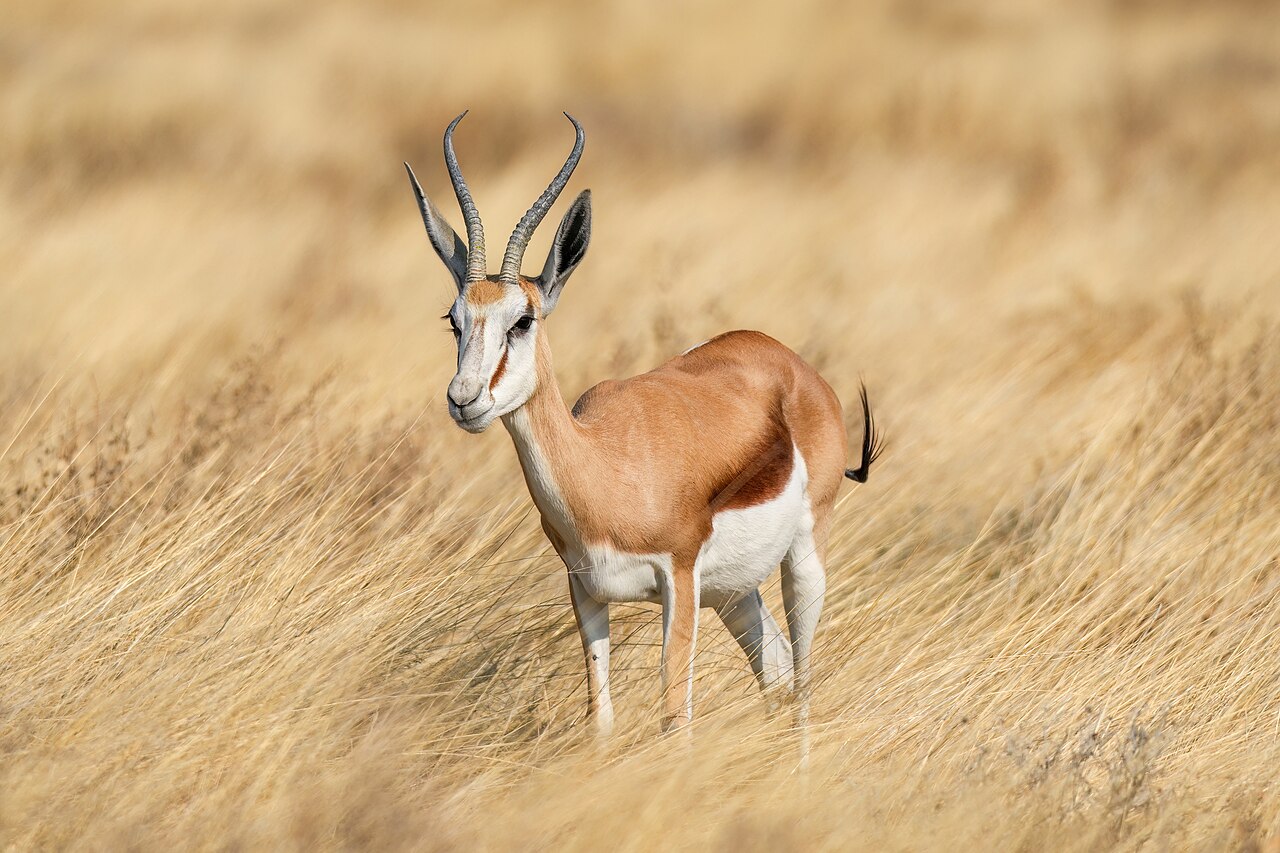
Ten relaxed days on Khomas highland plains — springbok, blesbok, wildebeest, warthog and ostrich.
$11,500 – $12,800
Kalahari Specialty — 7 Days
7 days · South Africa
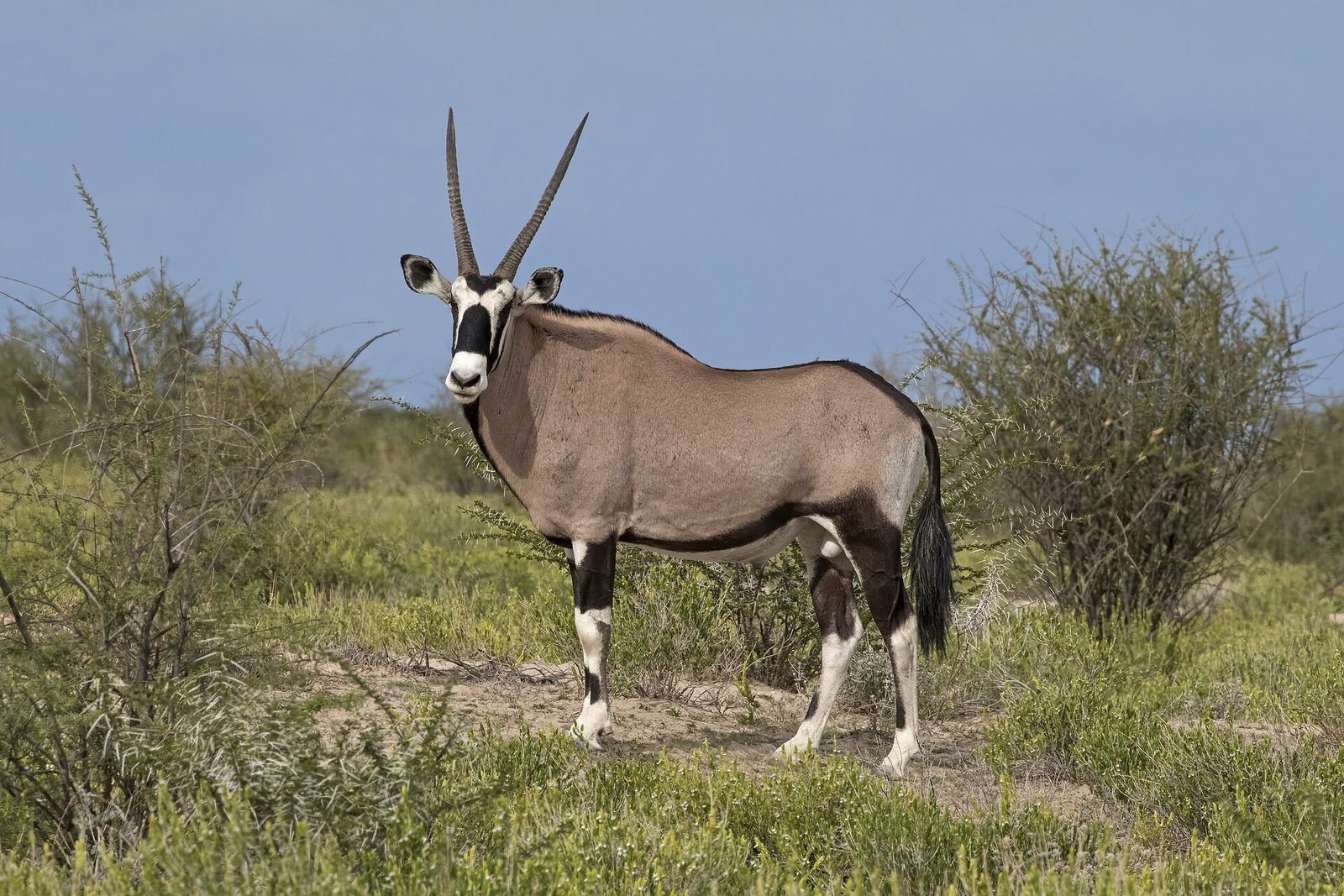
Seven days Kalahari — gemsbok, springbok, red hartebeest and steenbok in arid scrub.
$7,400 – $8,200
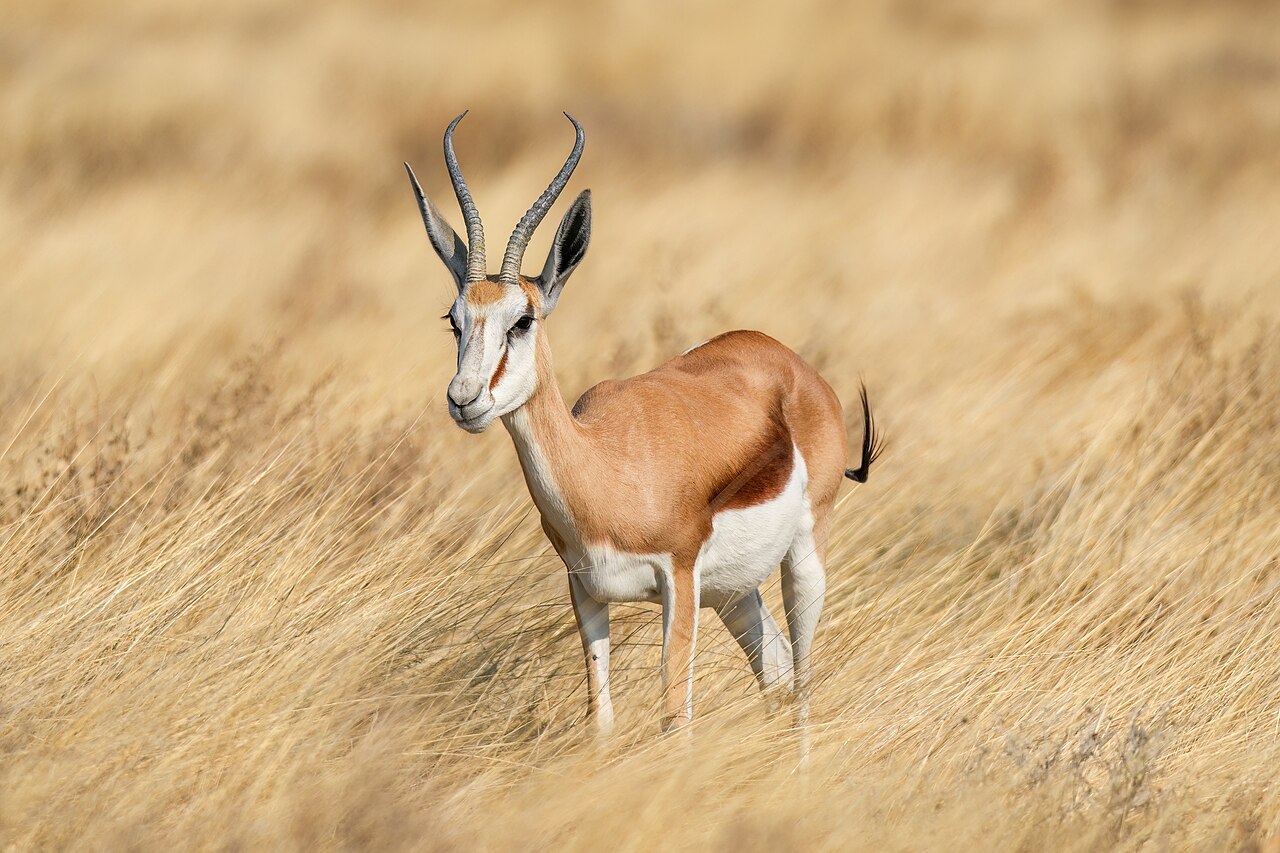
Botswana Kalahari Plains — 7 Days
7 days · Botswana
Seven days Kalahari — gemsbok, springbok, hartebeest and steenbok.
$11,500 – $12,700
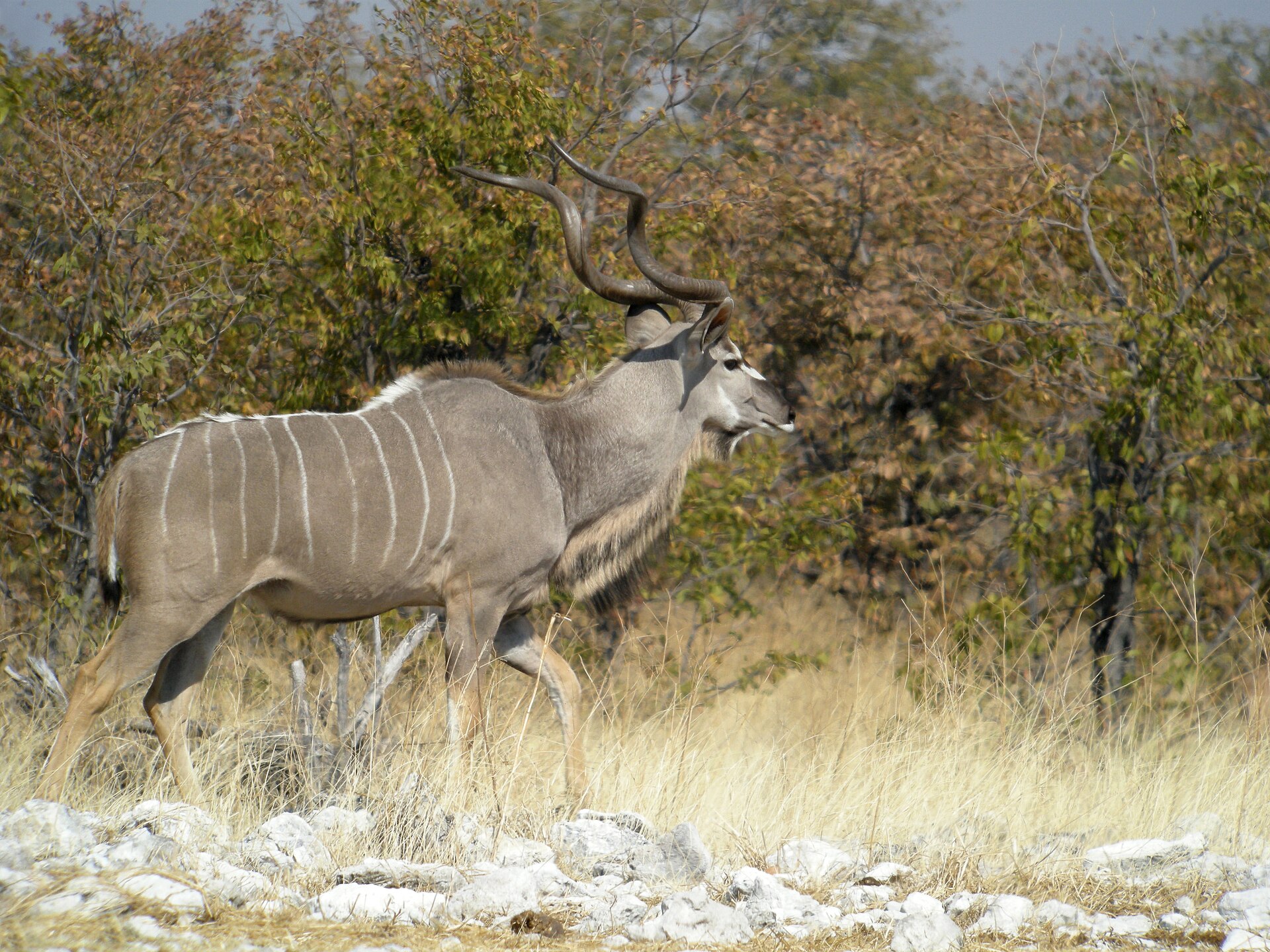
Erongo Plains Classic — 7 Days
7 days · Namibia
7-day erongo plains classic — greater kudu, gemsbok, springbok in Erongo bushveld and granite hills.
$8,200 – $9,200
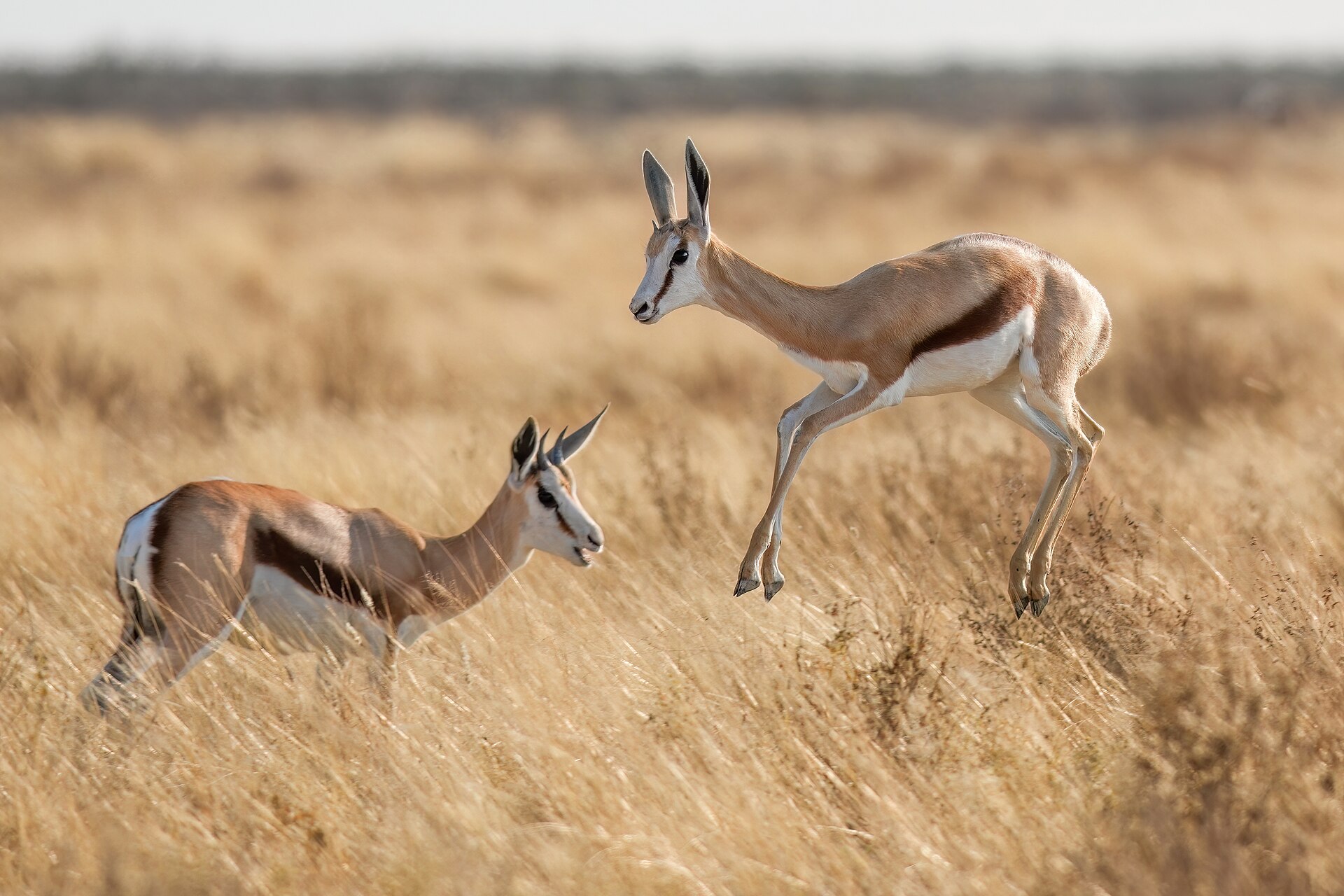
Omaheke Family Plains — 8 Days
8 days · Namibia
8-day omaheke family plains — springbok, gemsbok, red hartebeest in Omaheke cattle-farm plains.
$9,800 – $11,000
Plan Your Red Hartebeest Hunt
Submit a free enquiry and we'll match you with outfitters who hunt Red Hartebeest in your region.
Sign Up to Enquire Aardwolf
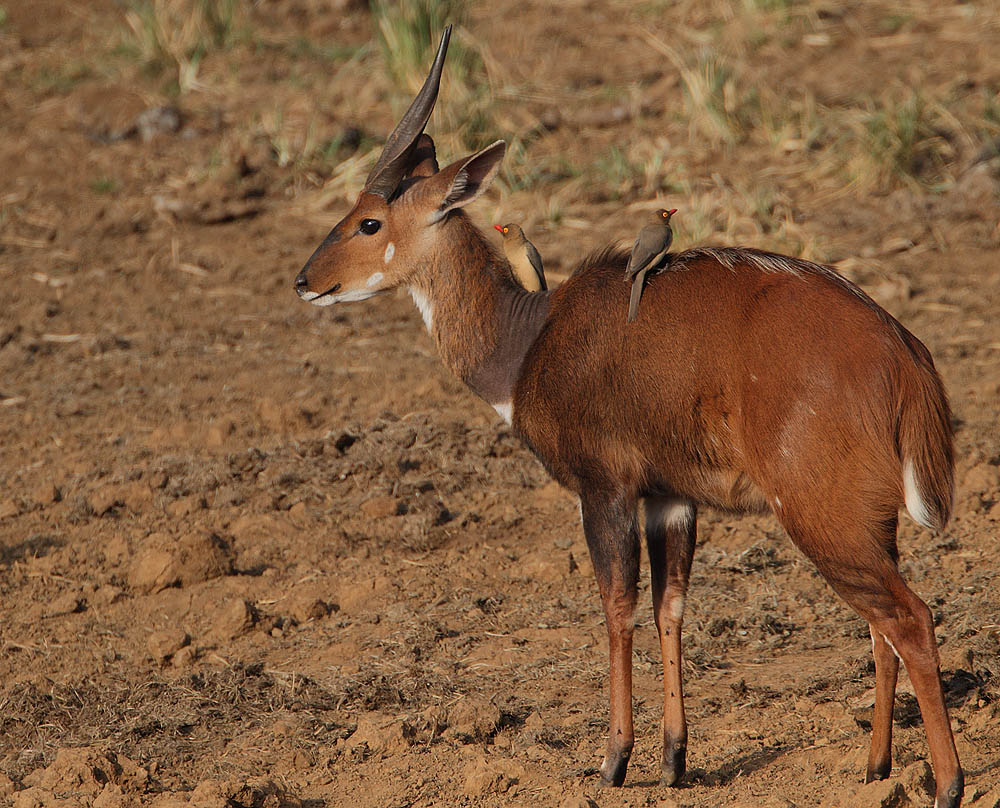 Abyssinian Bushbuck
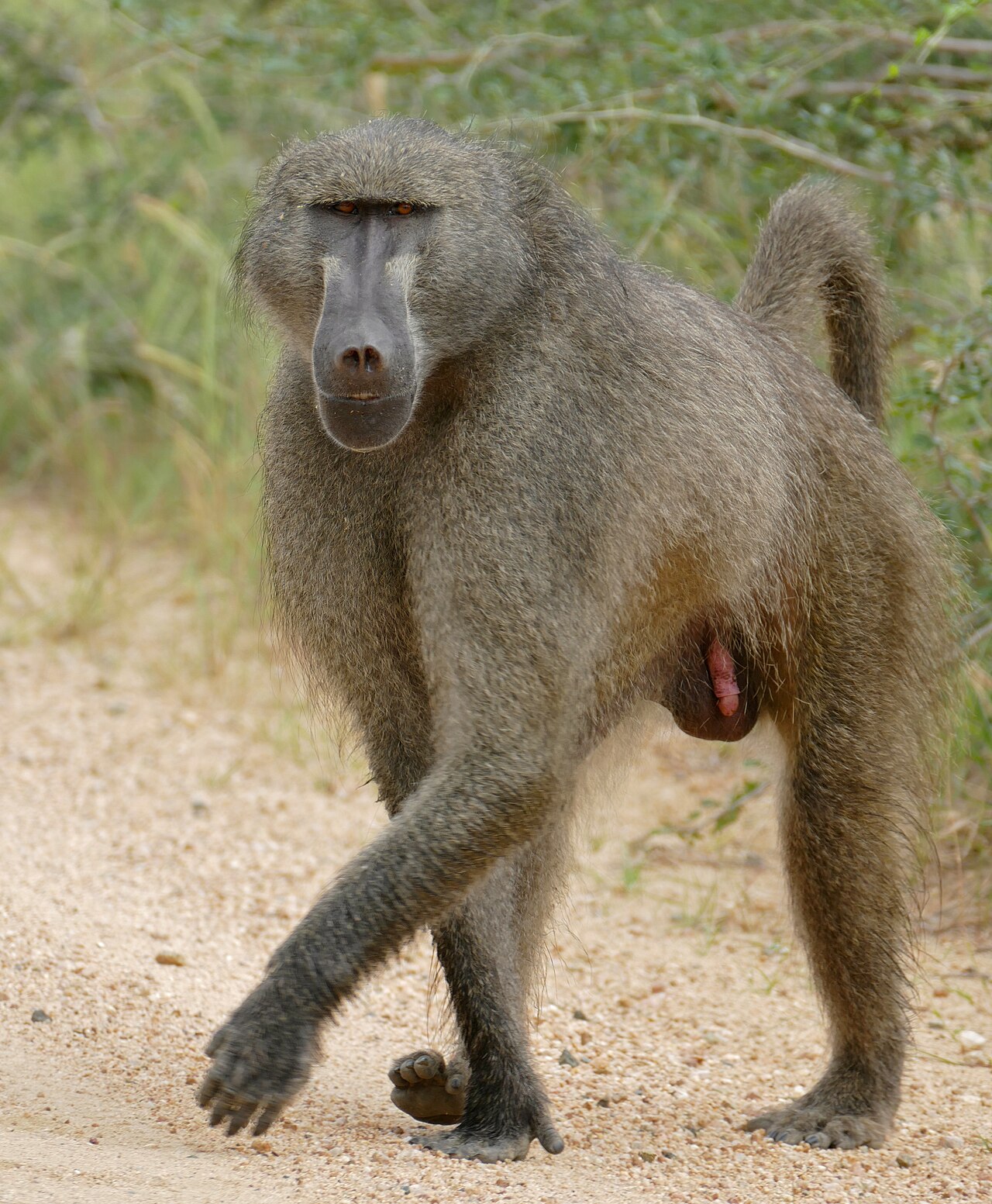 Baboon
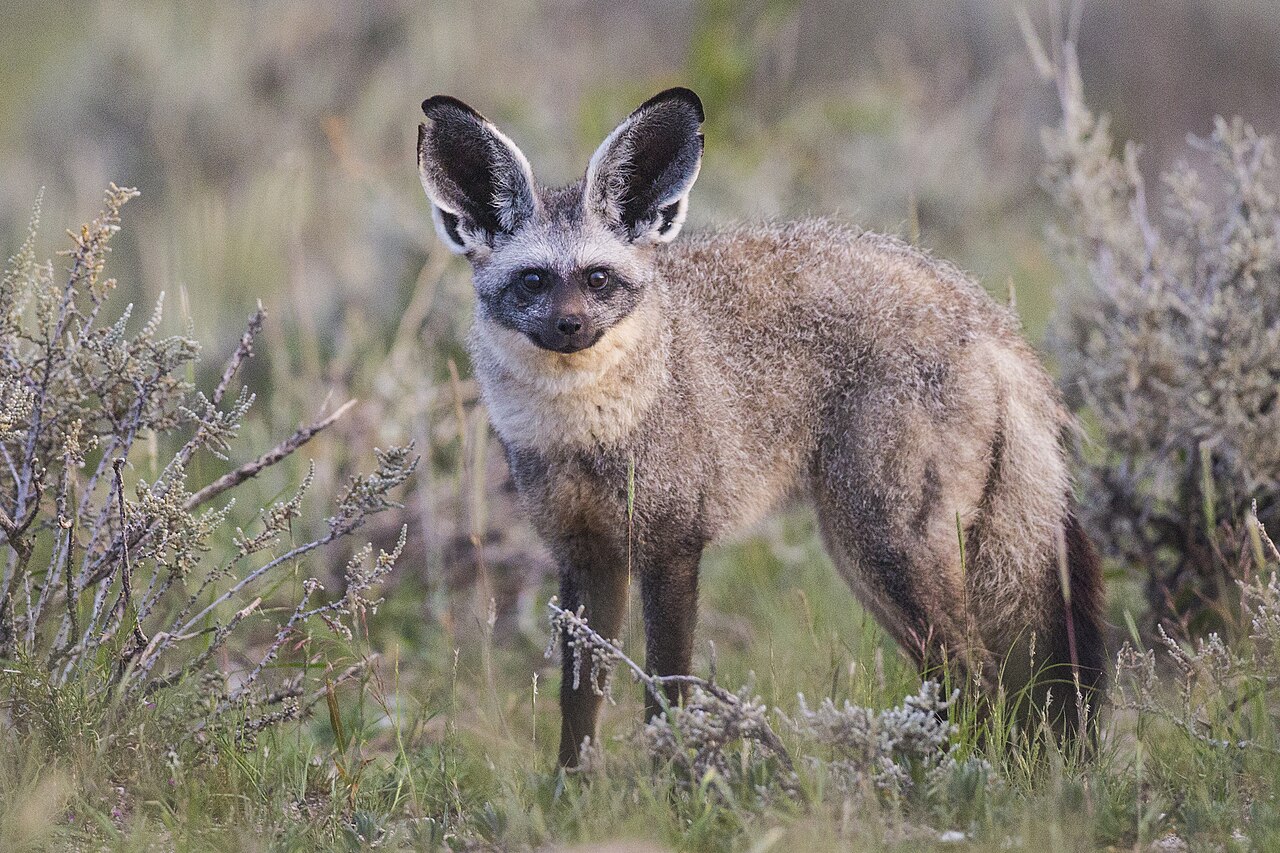 Bat-Eared Fox
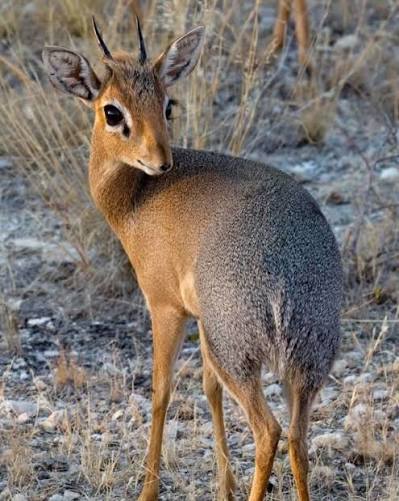 Bay Duiker
 Beisa Oryx