Red Lechwe Hunting
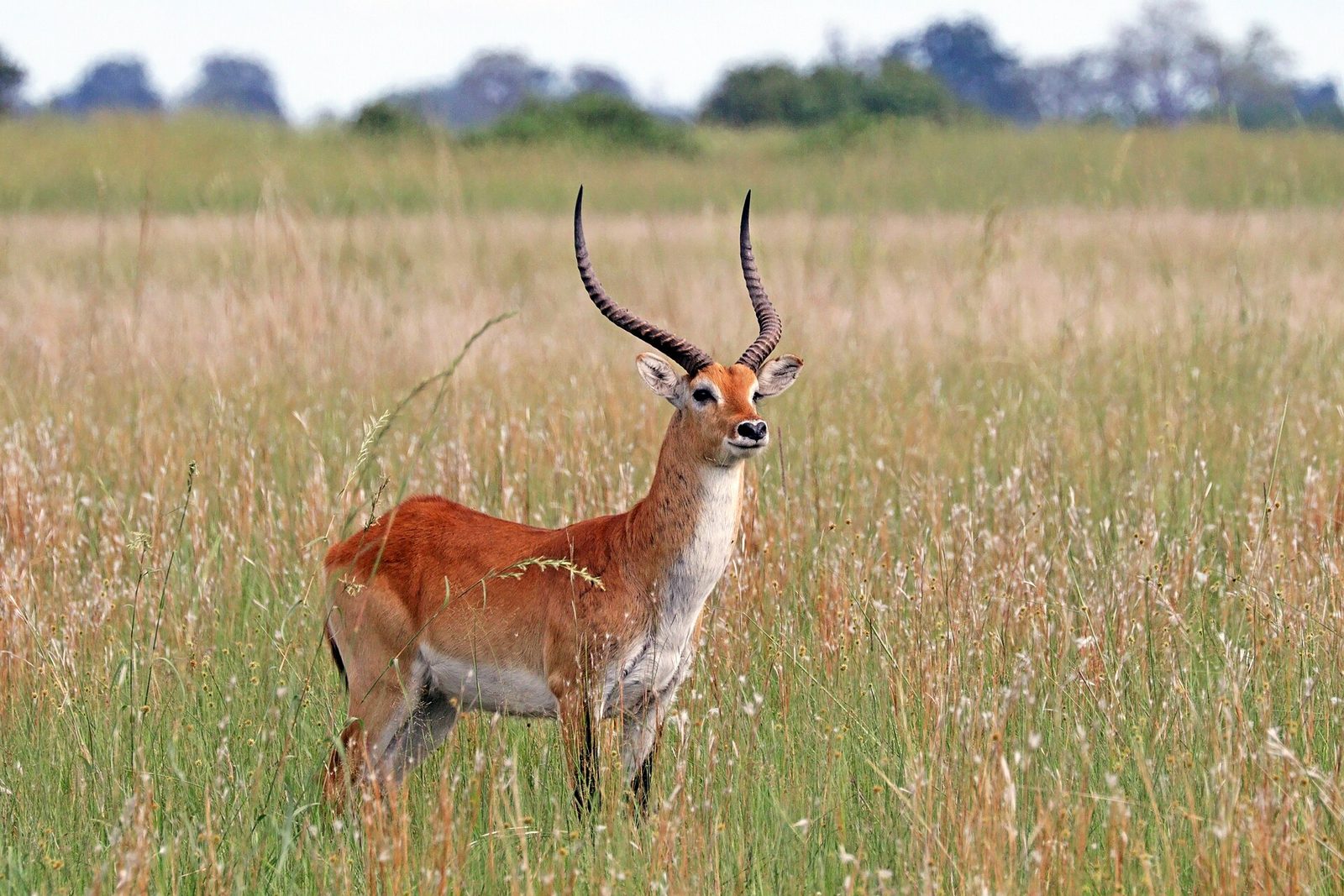
Kobus leche
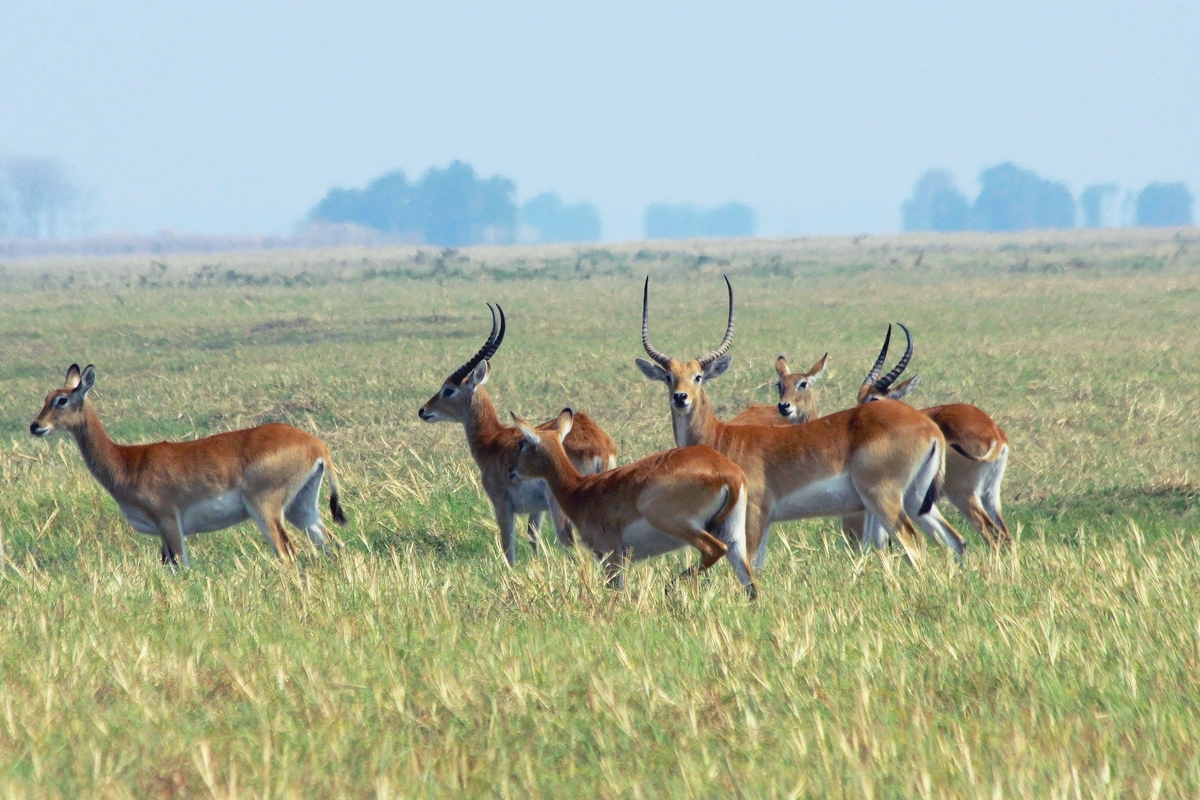
The Red Lechwe, scientifically known as Kobus leche, is a striking antelope that captivates hunters with its elegant form and challenging pursuit. Males typically stand about 3 to 3. 5 feet at the shoulder and weigh between 200 and 260 pounds, while females are slightly smaller at 130 to 200 pounds. Their most distinctive feature is the rich reddish-brown coat that gives them their name, paired with a white underbelly and black markings on the legs. Males boast impressive lyre-shaped horns that curve backward and can reach up to 35 inches in length, making for a prized trophy. These antelopes have long, slender legs adapted for their watery world, allowing them to bound gracefully through marshes. Red Lechwe thrive in wetland habitats like floodplains, swamps, and shallow lakes, where they feed on aquatic grasses and herbs. They're semi-aquatic by nature, often wading chest-deep in water to graze or escape predators, and they're excellent swimmers capable of crossing rivers with ease. Behaviorally, they're gregarious animals, forming large herds of up to several thousand during the dry season, which makes for spectacular sightings. They're most active at dawn and dusk, resting in the heat of the day, and males establish territories during the breeding season with dramatic displays of strength. Native to southern Africa, Red Lechwe are primarily found in countries like Zambia, Botswana, Namibia, and Angola. Key strongholds include the Kafue Flats in Zambia and the Okavango Delta in Botswana, where seasonal floods create ideal conditions. For hunters, the Red Lechwe offers an exhilarating challenge—pursuing them often involves boats, hip waders, or even belly boats to navigate their flooded domains. Spotting a mature bull with sweeping horns amid the reeds is a thrill, but patience is key as they can detect movement from afar. Conservation-wise, while the species is listed as Least Concern overall by the IUCN, some populations like the Kafue Lechwe subspecies face threats from habitat loss and poaching. Sustainable hunting through regulated quotas helps support local communities and conservation efforts, ensuring these magnificent animals remain a highlight of African safaris.
Hunt facts
- Countries
- Angola Botswana Namibia Zambia Zimbabwe
- Hunt regions
-
Angola: Cuando Cubango MoxicoBotswana: Chobe North WestNamibia: Kavango East Kavango West ZambeziZambia: North-Western Southern WesternZimbabwe: Matabeleland North
- Habitat
- Wetland Riverine
- Best time to hunt
- May–October (Dry season)
- Mass
- 80–130 kg (176–287 lb)
- Trophy minimum
-
- SCI (inches): 58
- SCI bow: 52
- Rowland Ward (inches): 26
- Rowland Ward record: 35
Typical record-book minimums; confirm the current edition with your professional hunter.
Where to Find Red Lechwe
Red Lechwe, a striking antelope known for its reddish coat and lyre-shaped horns, thrive in wetland habitats across southern Africa. Their primary environments include floodplains, swamps, and grassy marshes where shallow water and abundant vegetation provide ideal cover and forage. These semi-aquatic animals are most commonly found in regions like the Kafue Flats and Bangweulu Swamps in Zambia, the Okavango Delta in Botswana, and parts of Namibia's Caprivi Strip. Smaller populations exist in Angola and the Democratic Republic of Congo, but access can be limited.
For hunting, Zambia and Botswana offer the best opportunities, with regulated safaris in game management areas. Permits are required, and outfitters often guide hunts in these countries due to their stable populations and established conservation programs. Seasonal timing is crucial: the dry season from May to October is optimal, as receding waters concentrate herds near permanent water sources, making them easier to spot. Avoid the wet season (November to April), when flooding disperses animals and complicates access.
The terrain is typically flat, waterlogged grasslands with knee-deep water, requiring sturdy boots or even boats for navigation. Dense reeds and seasonal islands add to the challenge. To locate them, scout early mornings or late afternoons when herds graze in open areas. Look for tracks in mudflats, listen for alarm calls, and use binoculars from elevated vantage points to scan for their distinctive bounding gait through water. Patience and local guides are key for a successful hunt.
Why Hunt Red Lechwe
Hunters are drawn to the Red Lechwe for its striking trophy qualities, featuring long, lyre-shaped horns that curve gracefully backward, often exceeding 30 inches in mature males. These elegant antelopes, with their reddish-brown coats and white underbellies, make for an impressive mount that showcases the beauty of African wetlands.
The pursuit offers a thrilling challenge, as Red Lechwe inhabit swampy floodplains like Zambia's Bangweulu or Botswana's Okavango Delta, requiring hunters to navigate treacherous terrain by boat or on foot. Their keen senses and swift escapes through water add heart-pounding excitement, demanding patience, stealth, and expert marksmanship for a successful stalk.
Beyond the hunt, their lean, tender meat is a culinary delight, low in fat with a mild flavor perfect for grilling, roasting, or incorporating into stews—ideal for those who value sustainable, wild-sourced protein.
Culturally, hunting Red Lechwe ties into ancient African traditions, where tribes like the Lozi have revered them as symbols of resilience in watery realms, blending heritage with modern sport.
Importantly, regulated hunting supports conservation by funding anti-poaching efforts and habitat protection, ensuring thriving populations while providing economic benefits to local communities.
Ultimately, pursuing Red Lechwe delivers unique experiences, from wading through misty marshes at dawn to witnessing their graceful leaps across water, creating unforgettable adventures that connect hunters deeply with untamed wilderness.
Red Lechwe Hunting Tips
Hunting Red Lechwe, the elegant antelope found in wetland habitats like Zambia's floodplains, requires patience and precision due to their skittish nature and preference for marshy terrain. The best methods involve spot-and-stalk or ambush hunting from elevated blinds near water sources, where they congregate. Use a boat or hip waders for access in flooded areas, and employ calling techniques mimicking distress sounds to draw them closer.
For equipment, opt for a flat-shooting rifle in calibers like . 270 Winchester or . 300 Winchester Magnum, paired with a high-quality scope (at least 3-9x) for long-range shots up to 300 yards. Lightweight, waterproof clothing and binoculars are essential for spotting herds from afar.
Aim for shot placement in the vital zone: heart-lung area just behind the shoulder for a clean, ethical kill. Avoid head or neck shots unless you're highly experienced, as Lechwe can bolt quickly.
Tracking and stalking tips include moving slowly against the wind to mask your scent, using natural cover like reeds, and glassing from a distance to avoid spooking the herd. Follow fresh tracks in mud or along game trails leading to water.
Hunt during the dry season (May to October) when animals are more concentrated, and focus on early mornings or late afternoons when they're most active and visibility is better.
Common mistakes to avoid: rushing shots in excitement, underestimating water hazards, or ignoring wind direction, which can alert the keen-sensed Lechwe.
Safety considerations include wearing blaze orange for visibility, carrying a GPS for navigation in remote wetlands, and being aware of hippos or crocodiles in shared habitats—always hunt with a guide in unfamiliar territory to prevent accidents.
Featured Outfitters for Red Lechwe
View allHunt packages with Red Lechwe
Curated hunt ideas — no price on the page. Enquire and we'll match outfitters after review.
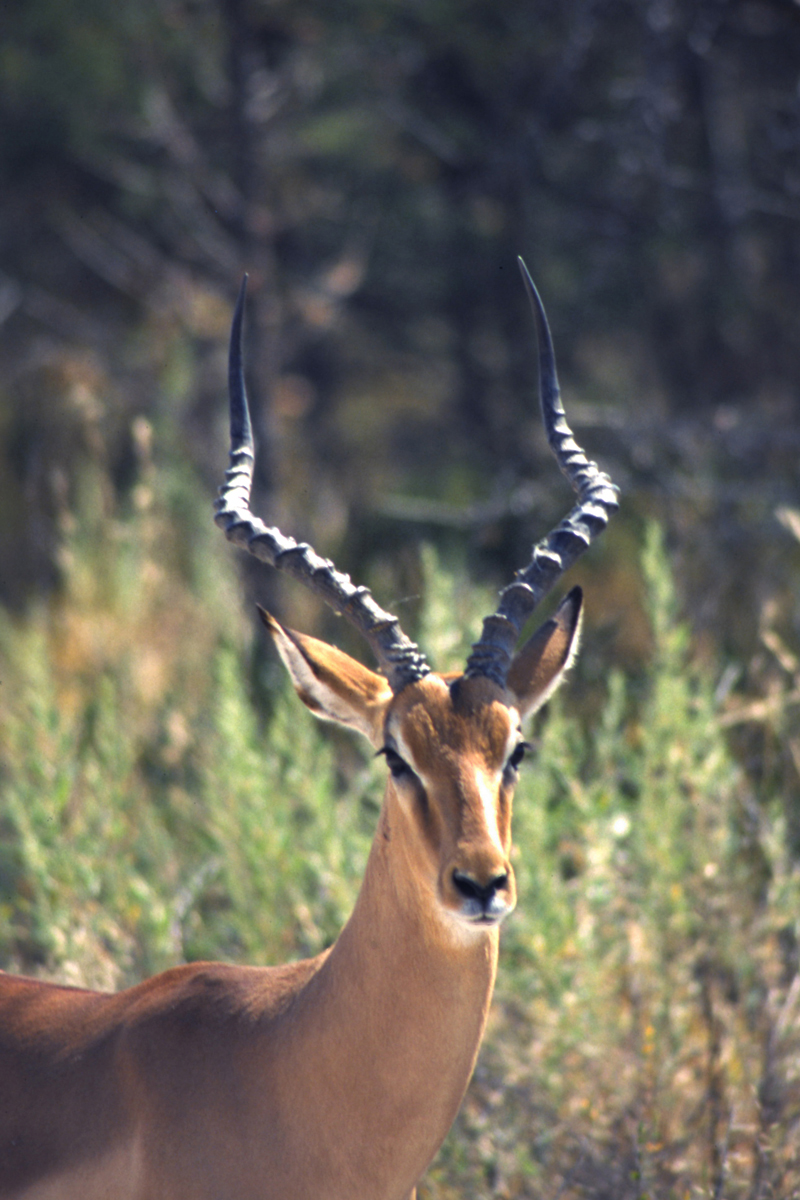
Okavango Plains — 10 Days
10 days · Botswana
Ten days Okavango fringe — impala, lechwe, wildebeest and warthog.
$18,800 – $20,800
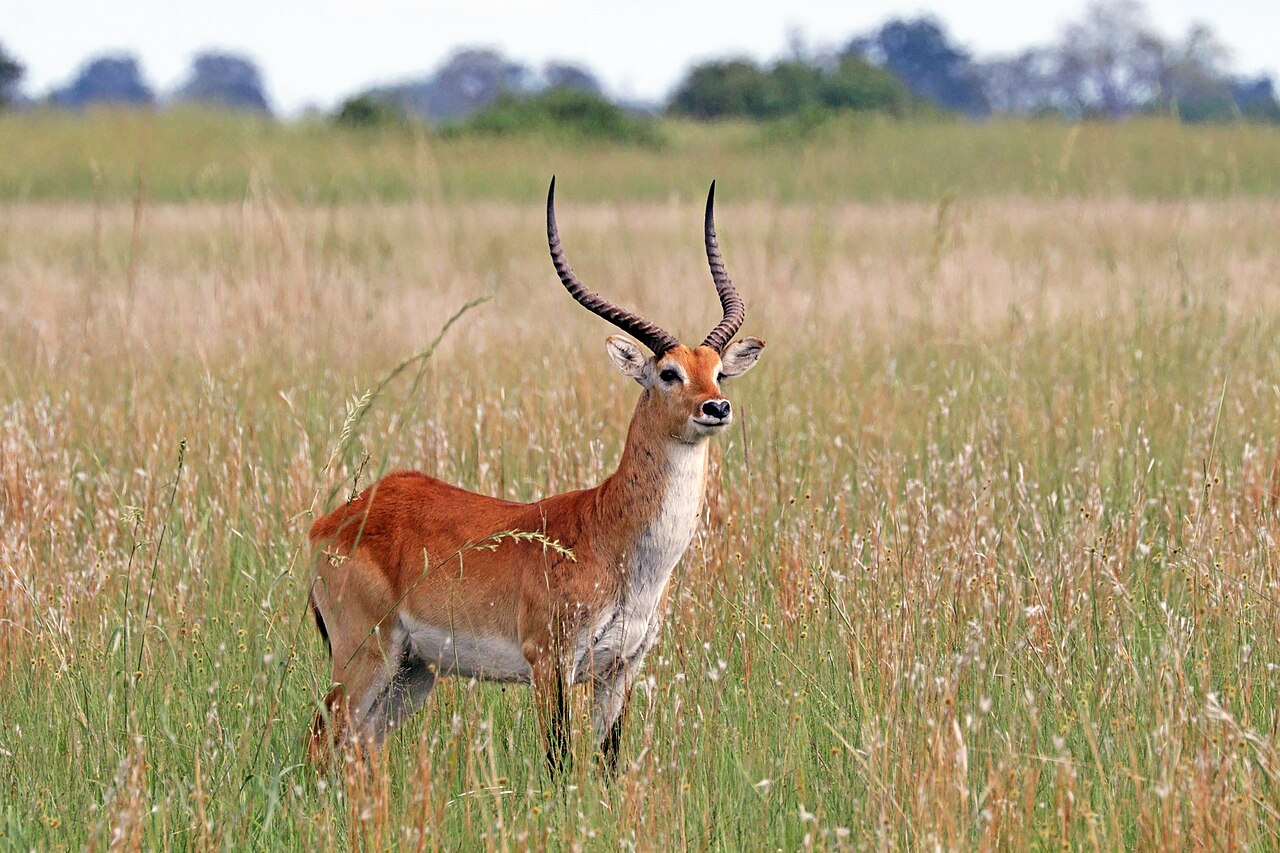
Angola Lechwe — 7 Days
7 days · Angola
Seven days floodplain specialty — red lechwe, sitatunga and reedbuck.
$14,500 – $16,000
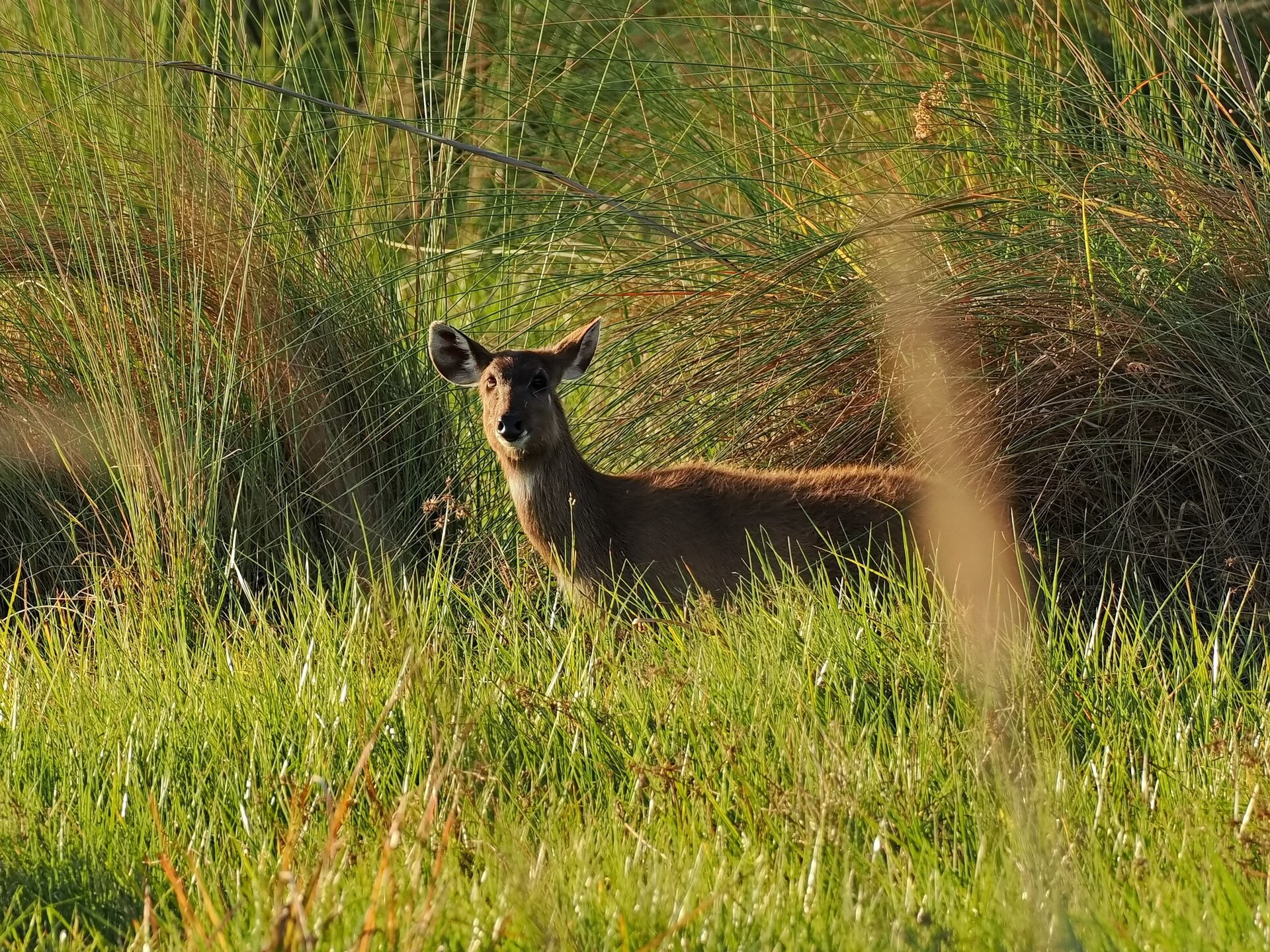
Okavango Sitatunga — 8 Days
8 days · Botswana
8-day okavango sitatunga — sitatunga, red lechwe, puku in North West Okavango swamp fringe.
$13,500 – $15,500
Western Lechwe Floodplain — 8 Days
8 days · Zambia
8-day western lechwe floodplain — red lechwe, sitatunga, common reedbuck in Western floodplain blocks.
$12,500 – $14,500
Plan Your Red Lechwe Hunt
Submit a free enquiry and we'll match you with outfitters who hunt Red Lechwe in your region.
Sign Up to Enquire Aardwolf
 Abyssinian Bushbuck
 Baboon
 Bat-Eared Fox
 Bay Duiker
 Beisa Oryx