Roan Antelope Hunting
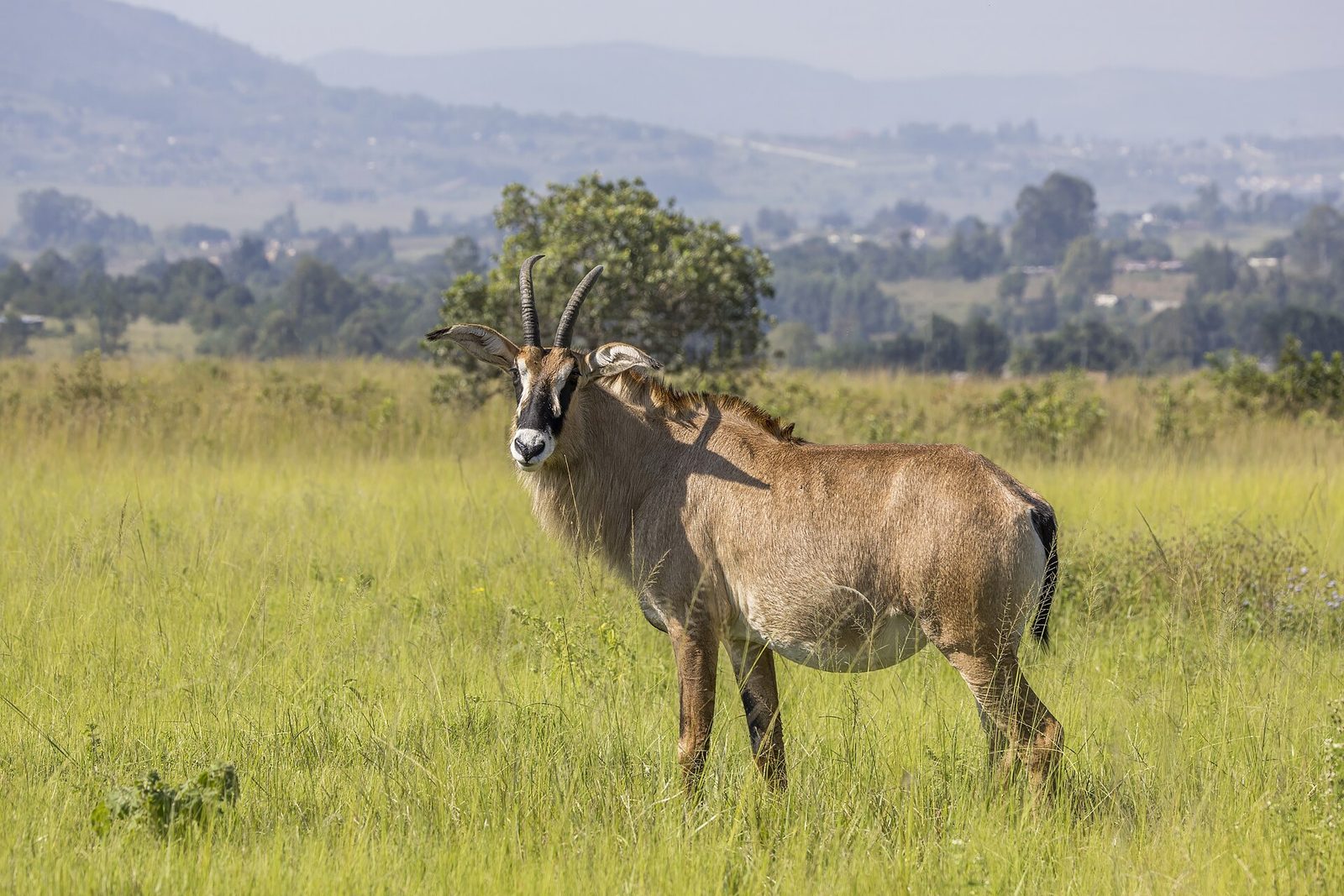
Hippotragus equinus
The roan antelope, scientifically known as Hippotragus equinus, is one of Africa's most impressive and sought-after big game species, offering hunters a true test of skill and patience. This large, horse-like antelope boasts a striking reddish-brown coat that fades to a lighter shade on the underbelly, with a distinctive black-and-white facial mask that resembles a tribal warrior's markings. Adult males can tip the scales at up to 660 pounds and stand about 5 feet at the shoulder, while females are slightly smaller. Both sexes sport long, ringed horns that curve gracefully backward, with trophy bulls often exceeding 30 inches in length—making them a prized addition to any hunter's collection. Roan antelope thrive in open savannas, grasslands, and lightly wooded areas where they can graze on tall grasses and browse shrubs. They're social animals, typically forming small herds of 5 to 15 individuals led by a dominant bull, but they can be elusive and quick to bolt at the first sign of danger. Known for their feisty temperament, roans will stand their ground when threatened, using their sharp horns in defense, which adds an element of excitement and caution to the hunt. They're most active during early mornings and late afternoons, often retreating to shaded spots midday. These majestic creatures are distributed across sub-Saharan Africa, from Senegal in the west to Ethiopia in the east, and southward into countries like Zambia, Tanzania, and South Africa. However, their range has fragmented due to habitat loss and poaching, so hunters should focus on managed conservancies where sustainable practices are in place. For hunters, the roan stands out for its challenging pursuit—requiring long stalks through tough terrain and precise shot placement to avoid wounding this tough-skinned beast. Its scarcity enhances the trophy value, but always check local regulations, as the species is listed as Vulnerable by the IUCN, with hunting quotas ensuring population stability. Pursuing a roan isn't just about the harvest; it's about immersing yourself in the wild heart of Africa.
Hunt facts
- Countries
- Angola Botswana Mozambique Namibia South Africa Tanzania Uganda Zambia Zimbabwe
- Hunt regions
-
Angola: Cuando Cubango MoxicoBotswana: Chobe North WestMozambique: Manica Niassa SofalaNamibia: Kavango East Kavango West Kunene ZambeziSouth Africa: Limpopo North WestTanzania: Katavi Rukwa Singida TaboraUganda: NorthernZambia: Central Eastern Muchinga North-Western SouthernZimbabwe: Mashonaland Central Mashonaland West Matabeleland North
- Habitat
- Mixed savanna Woodland
- Best time to hunt
- May–October (Dry season)
- Mass
- 220–300 kg (485–661 lb)
- Trophy minimum
-
- SCI (inches): 67
- SCI bow: 59
- Rowland Ward (inches): 26 4/8
- Rowland Ward record: 39
Typical record-book minimums; confirm the current edition with your professional hunter.
Where to Find Roan Antelope
Roan antelope, one of Africa's most majestic big game species, thrive in open savannas, woodlands, and lightly forested grasslands where they have access to water and ample grazing. Their primary habitats span sub-Saharan Africa, from West Africa through Central and East Africa to parts of Southern Africa, favoring miombo woodlands and acacia-dotted plains with moderate tree cover for shade and protection.
For hunting, the best countries include Zambia, Tanzania, and South Africa, where regulated safaris offer prime opportunities in areas like the Luangwa Valley, Selous Game Reserve, or private ranches in Limpopo Province. Namibia and Zimbabwe also provide excellent spots, often on conservancies with sustainable quotas to support conservation.
Seasonal factors play a key role; the dry season (May to October) is ideal as roan congregate near rivers, waterholes, and permanent streams, making them easier to locate. Avoid the wet season when vegetation thickens and animals disperse.
The terrain is typically undulating with rocky outcrops, thorny bush, and open clearings, requiring sturdy boots and vehicles for navigation. To locate them, scout early mornings or late afternoons when they're active, following fresh tracks near water sources—look for large, cloven hoof prints about 4-5 inches long. Use binoculars from elevated vantage points to spot their distinctive black-and-white facial masks and long, ringed horns amid the herd. Patience is essential, as roan are wary and often stick to small family groups in remote areas. Always hunt with licensed guides to ensure ethical practices and legal compliance.
Why Hunt Roan Antelope
People hunt Roan Antelope for several exciting reasons. This large African antelope stands out with its striking curved horns and muscular build, making it a prized trophy for hunters. The horns can reach over 30 inches, adding to its appeal as a symbol of a successful hunt.
Hunting Roan Antelope is fun and challenging. These animals are fast and alert, living in open savannas where spotting them requires sharp skills. Stalking them demands patience, good tracking, and precise shooting, which tests a hunter's abilities and creates thrilling adventures.
There are good reasons to hunt this species too. Regulated hunting helps control populations and supports conservation efforts. It also brings money to local communities through tourism and fees, aiding wildlife protection. Overall, it's a rewarding experience that connects hunters with nature.
Roan Antelope Hunting Tips
Hunting Roan Antelope requires patience and precision, as these large, aggressive African herbivores inhabit open savannas and woodlands. The most effective method is spot-and-stalk, where you glass from a distance using binoculars or a spotting scope to locate a mature bull, then approach on foot while staying downwind. In denser areas, still-hunting from elevated blinds can work well, especially near waterholes during dry seasons.
For equipment, opt for a bolt-action rifle in calibers like . 300 Winchester Magnum or 7mm Remington Magnum for sufficient knockdown power at ranges up to 300 yards. Use premium expanding bullets weighing 180-200 grains for clean kills. A quality scope with 3-9x magnification and sturdy binoculars are essential, along with camouflage clothing and scent blockers.
Aim for the vital zone: place shots just behind the shoulder for heart-lung penetration, avoiding the heavy shoulder bones. If the animal is quartering away, target the off-side shoulder exit.
Tracking and stalking demand stealth—move slowly, pause often, and use natural cover like termite mounds or bushes. Watch for fresh tracks, which are large and rounded, and listen for alarm calls from birds or other animals. Hunt during early mornings or late afternoons when Roan are active, ideally in the dry season (June to October in southern Africa) for better visibility and concentrated herds.
Common mistakes include rushing the stalk, which spooks the herd, or taking unethical long-range shots without a steady rest. Always confirm the target's sex and age to avoid juveniles.
Safety is paramount: Roan can charge when wounded, so maintain a safe distance and have a backup plan. Hunt with a guide in unfamiliar terrain, carry a first-aid kit, and be aware of other dangerous game like buffalo or elephants in the area.
Featured Outfitters for Roan Antelope
View allHunt packages with Roan Antelope
Curated hunt ideas — no price on the page. Enquire and we'll match outfitters after review.
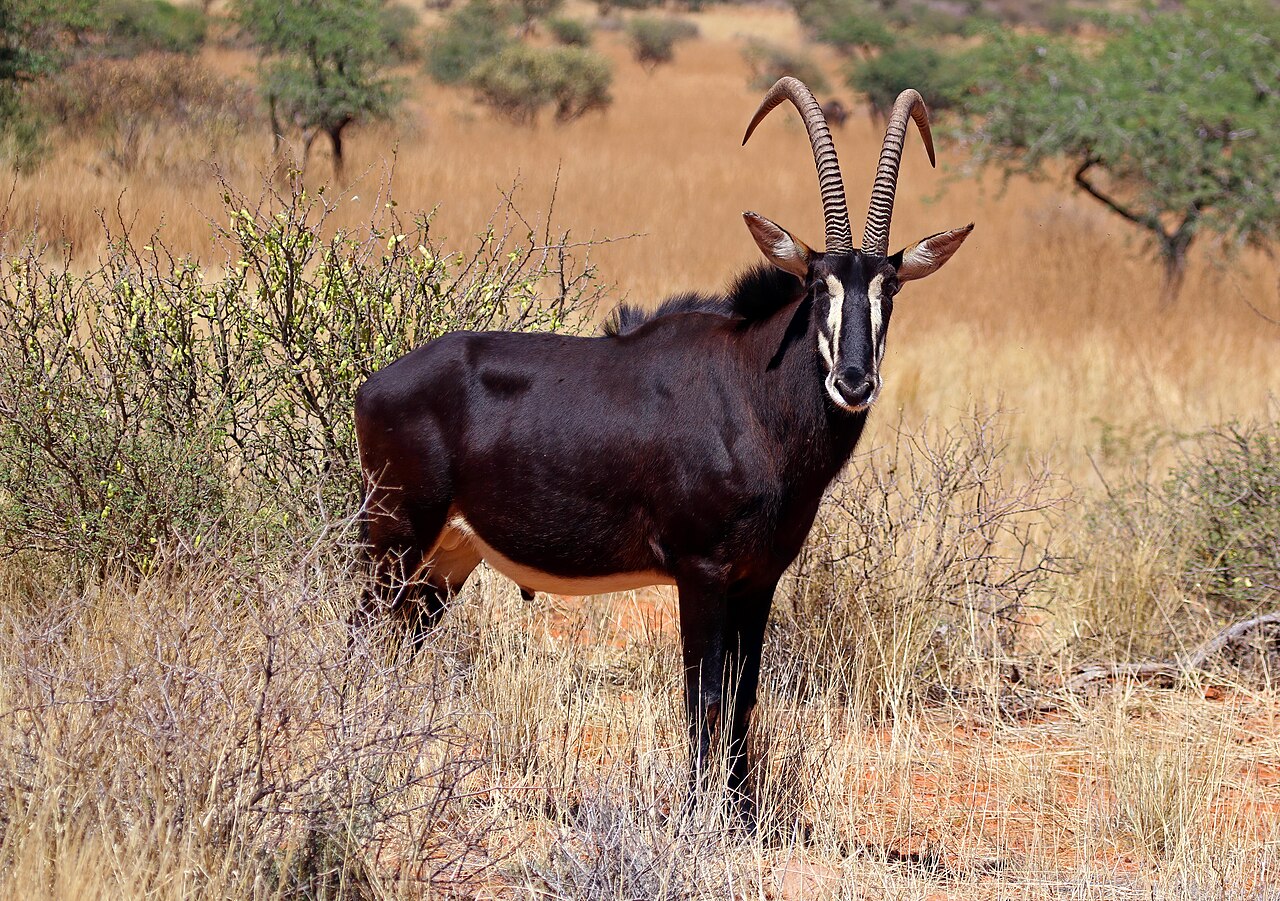
Hwange Sable Specialty — 10 Days
10 days · Zimbabwe
Ten days Hwange fringe — sable, roan, zebra and wildebeest.
$18,500 – $20,500
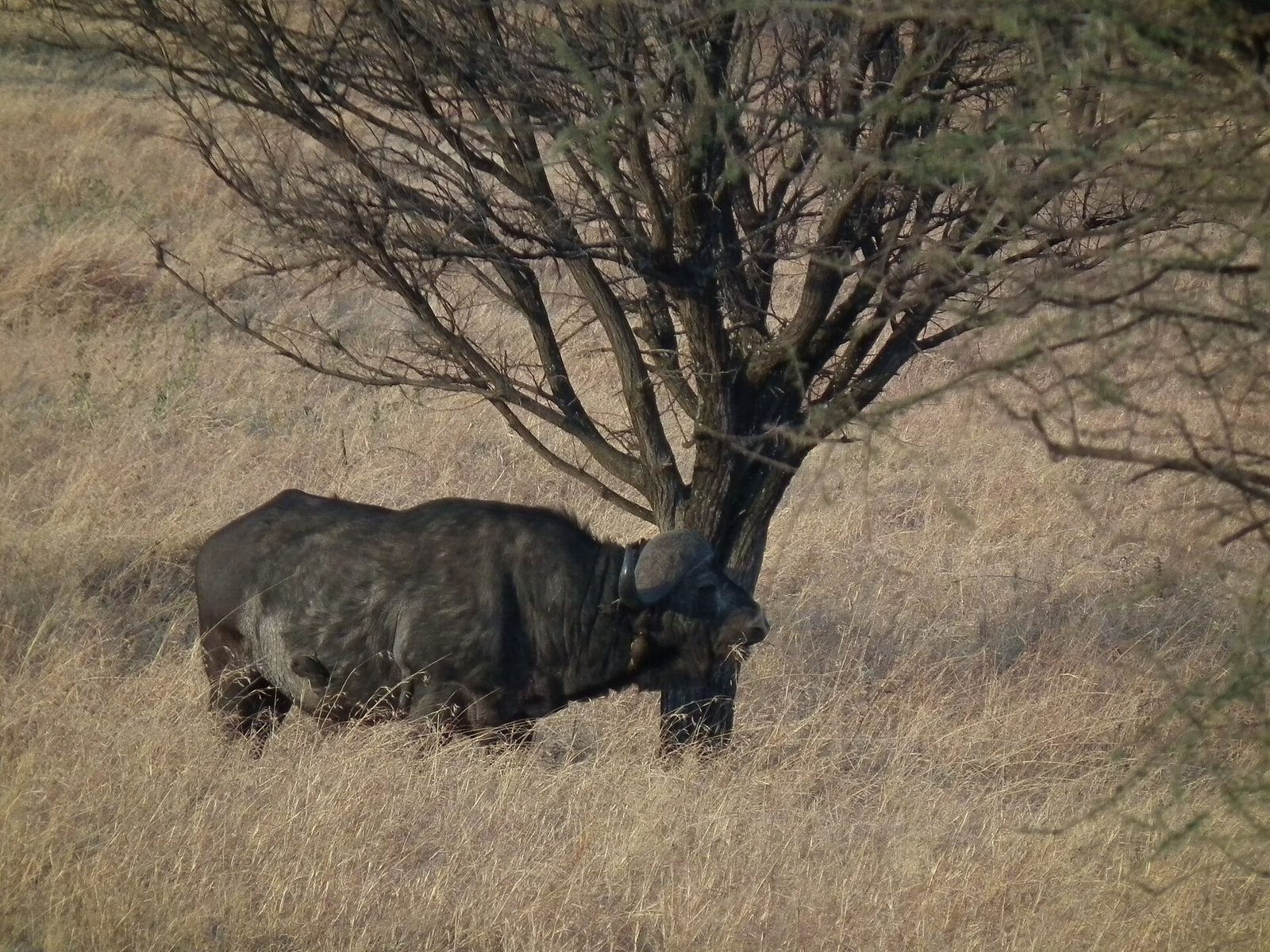
Rungwa Classic — 14 Days
14 days · Tanzania
Fourteen days Rungwa — buffalo, roan, sable, hartebeest and zebra in western miombo.
$48,500 – $52,500
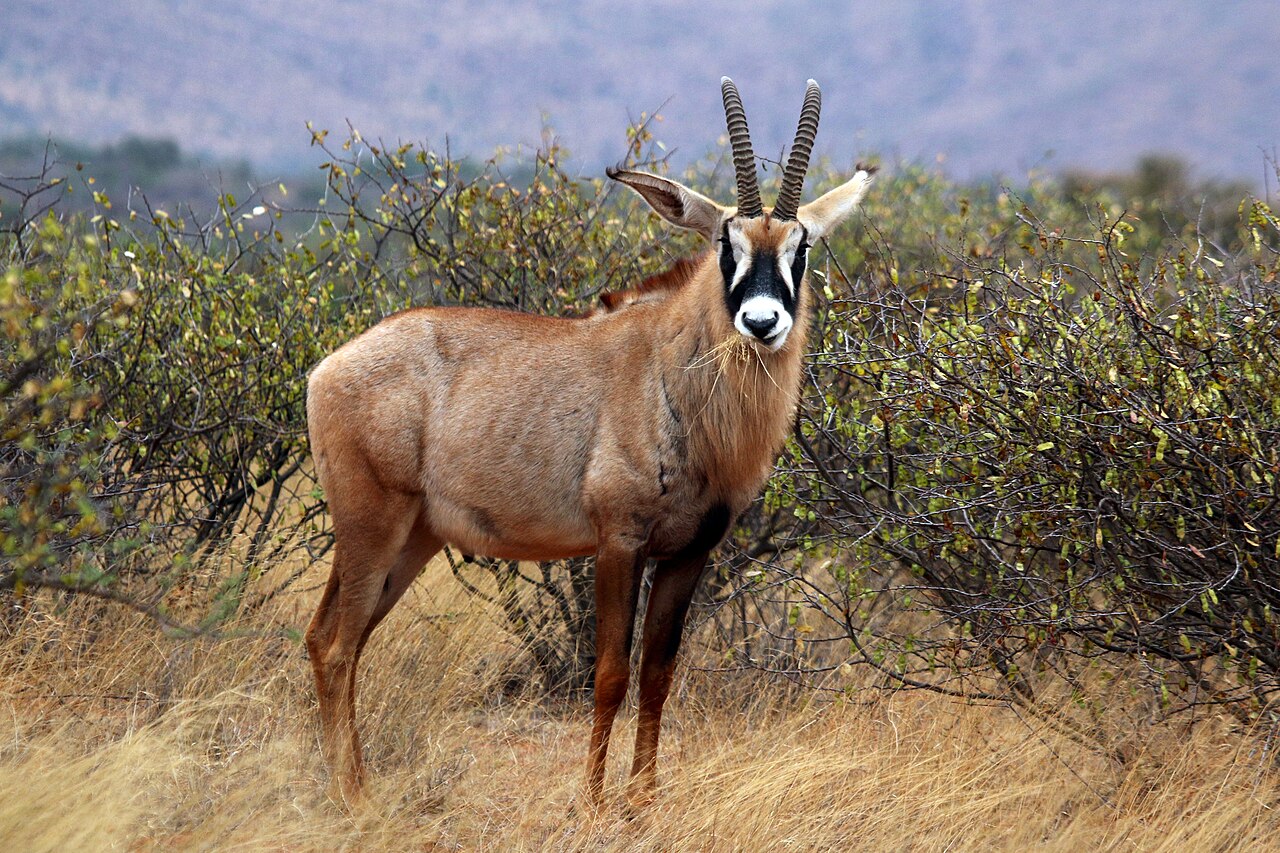
Cuando Cubango Plains — 10 Days
10 days · Angola
Ten days Cuando Cubango — roan, tsessebe, reedbuck and warthog.
$18,500 – $20,500
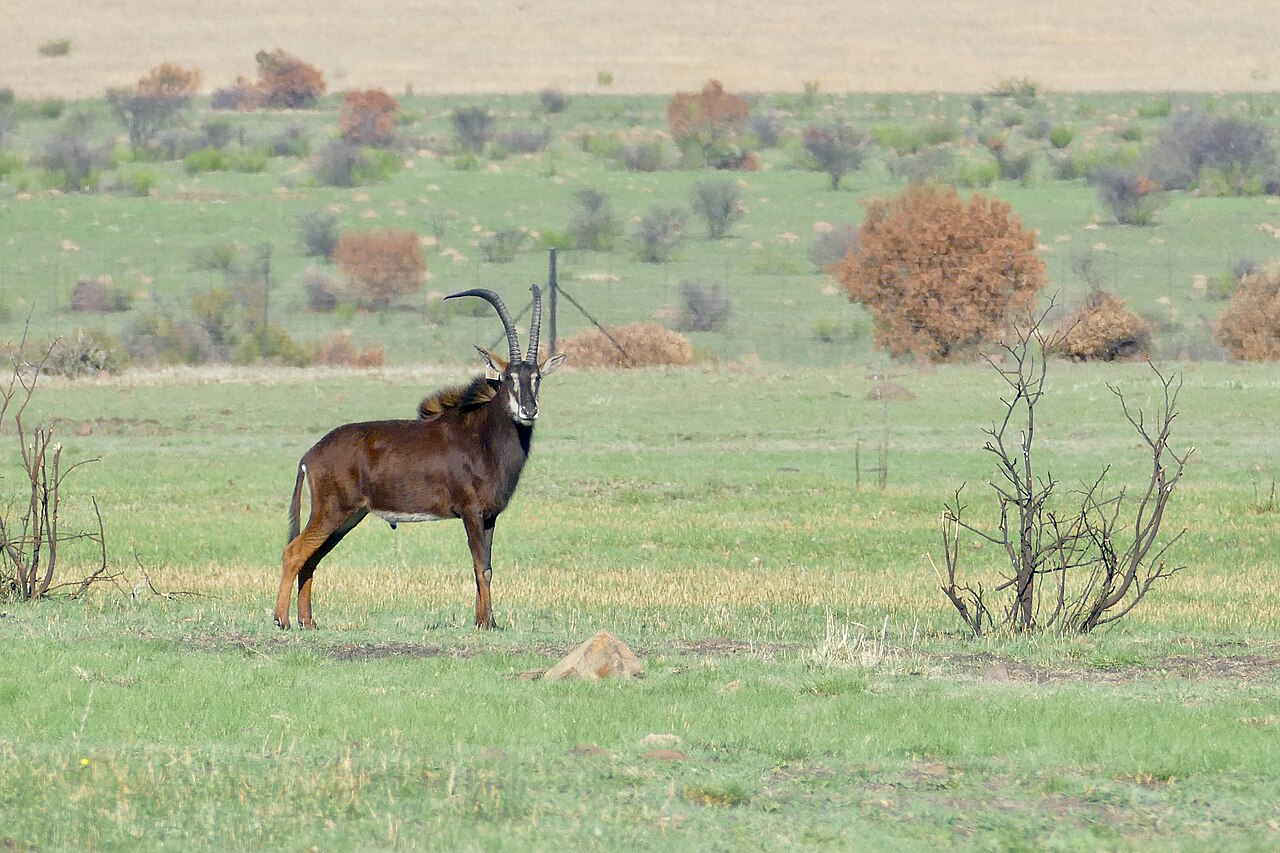
Limpopo Sable & Roan — 10 Days
10 days · South Africa
10-day limpopo sable & roan — sable antelope, roan antelope, impala in Limpopo woodland.
$14,500 – $16,500
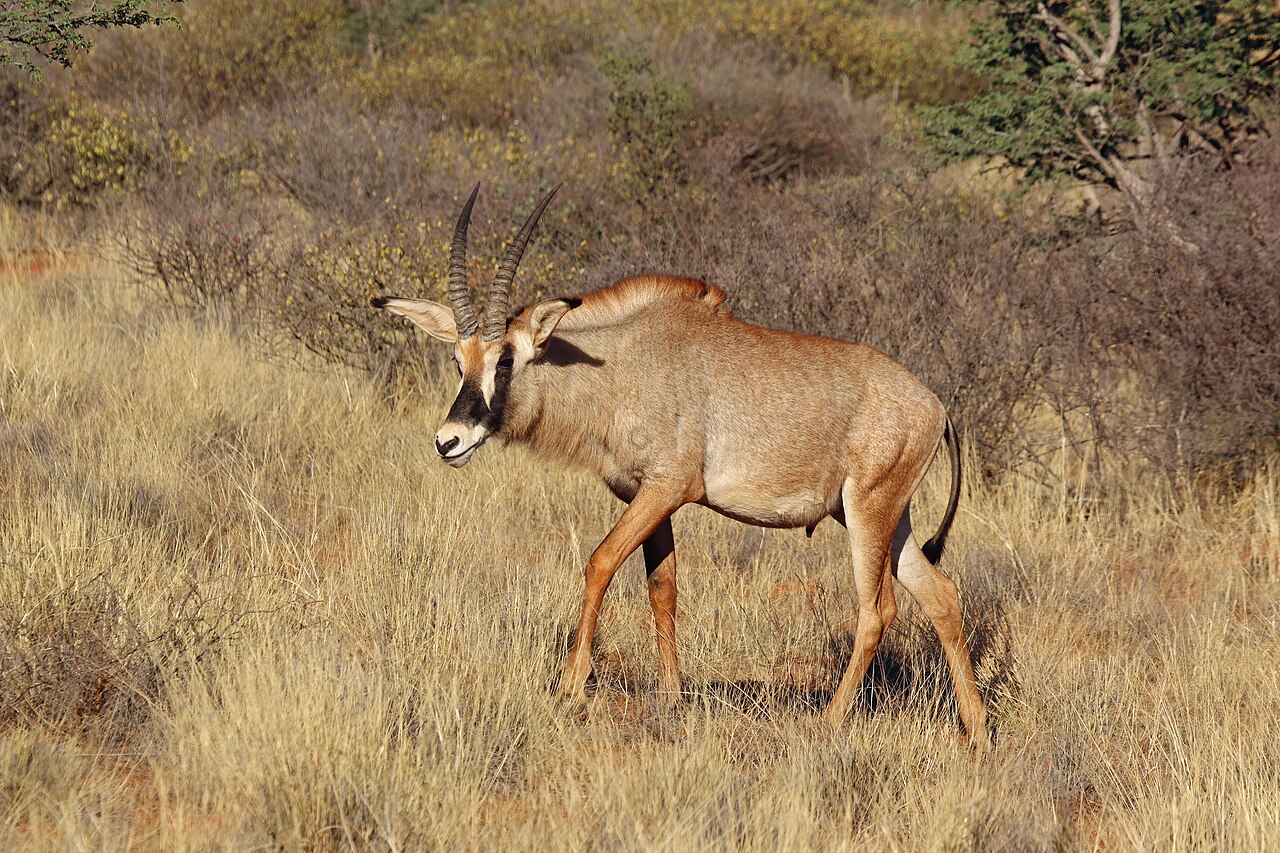
North West Roan Woodland — 10 Days
10 days · Botswana
10-day north west roan woodland — roan antelope, sable antelope, burchell’s zebra in North West woodland.
$15,500 – $17,500
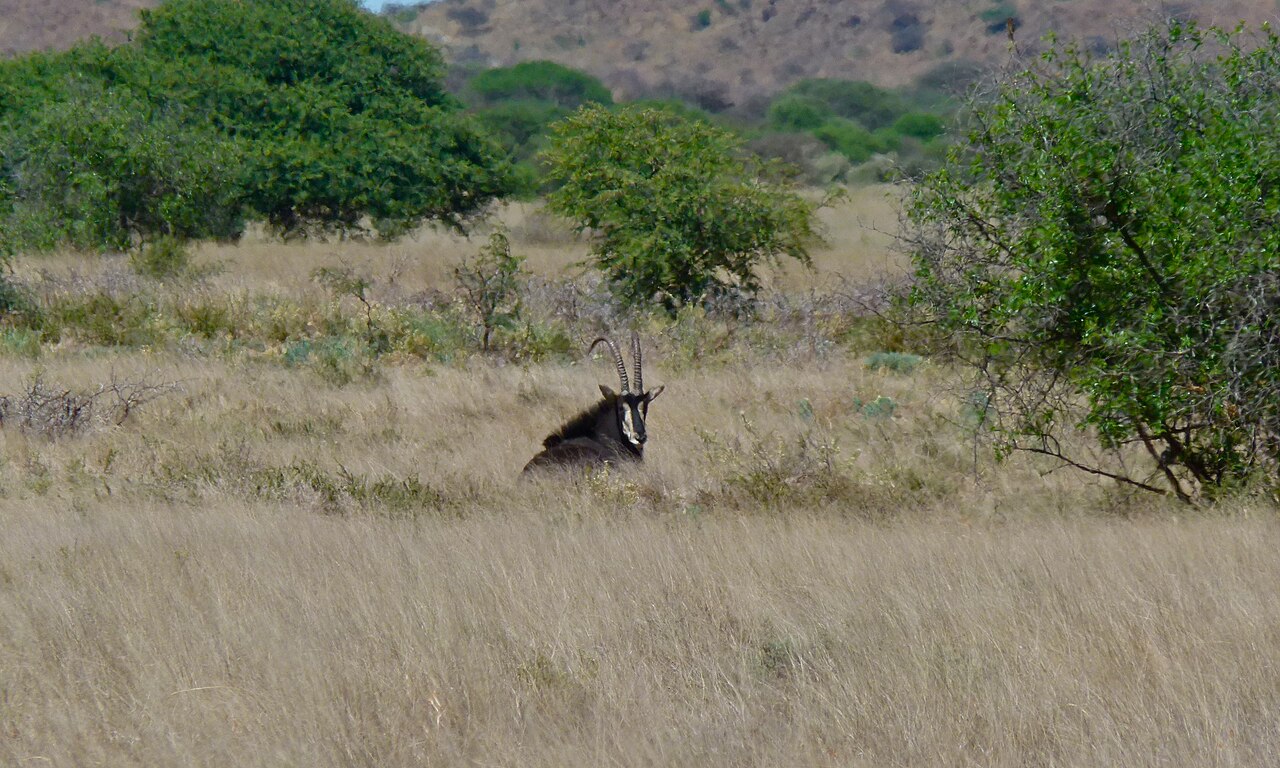
North-Western Sable — 10 Days
10 days · Zambia
10-day north-western sable — sable antelope, roan antelope, lichtenstein's hartebeest in North-Western miombo.
$15,500 – $17,500
Plan Your Roan Antelope Hunt
Submit a free enquiry and we'll match you with outfitters who hunt Roan Antelope in your region.
Sign Up to Enquire Aardwolf
 Abyssinian Bushbuck
 Baboon
 Bat-Eared Fox
 Bay Duiker
 Beisa Oryx