Sable Antelope Hunting
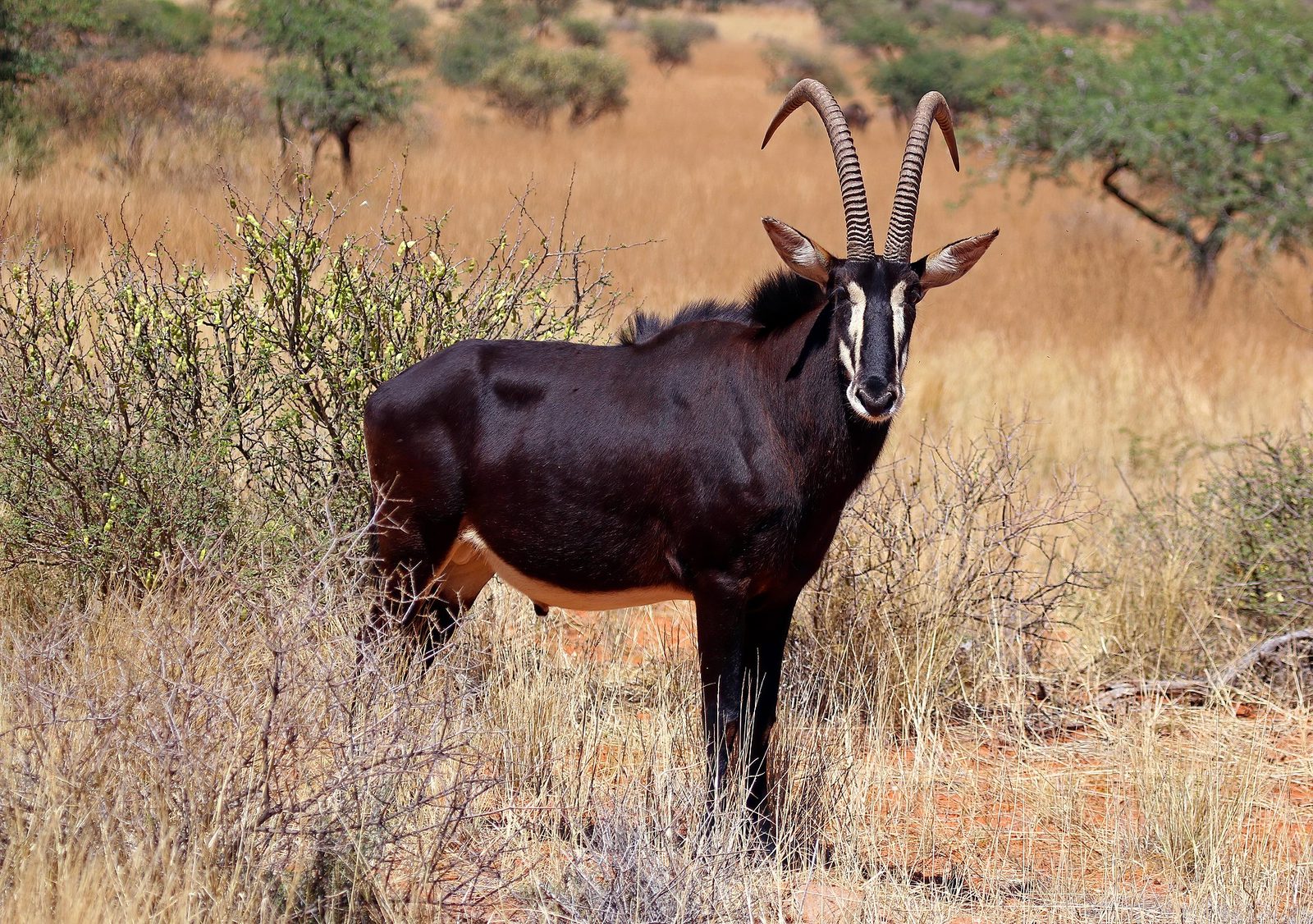
Hippotragus niger
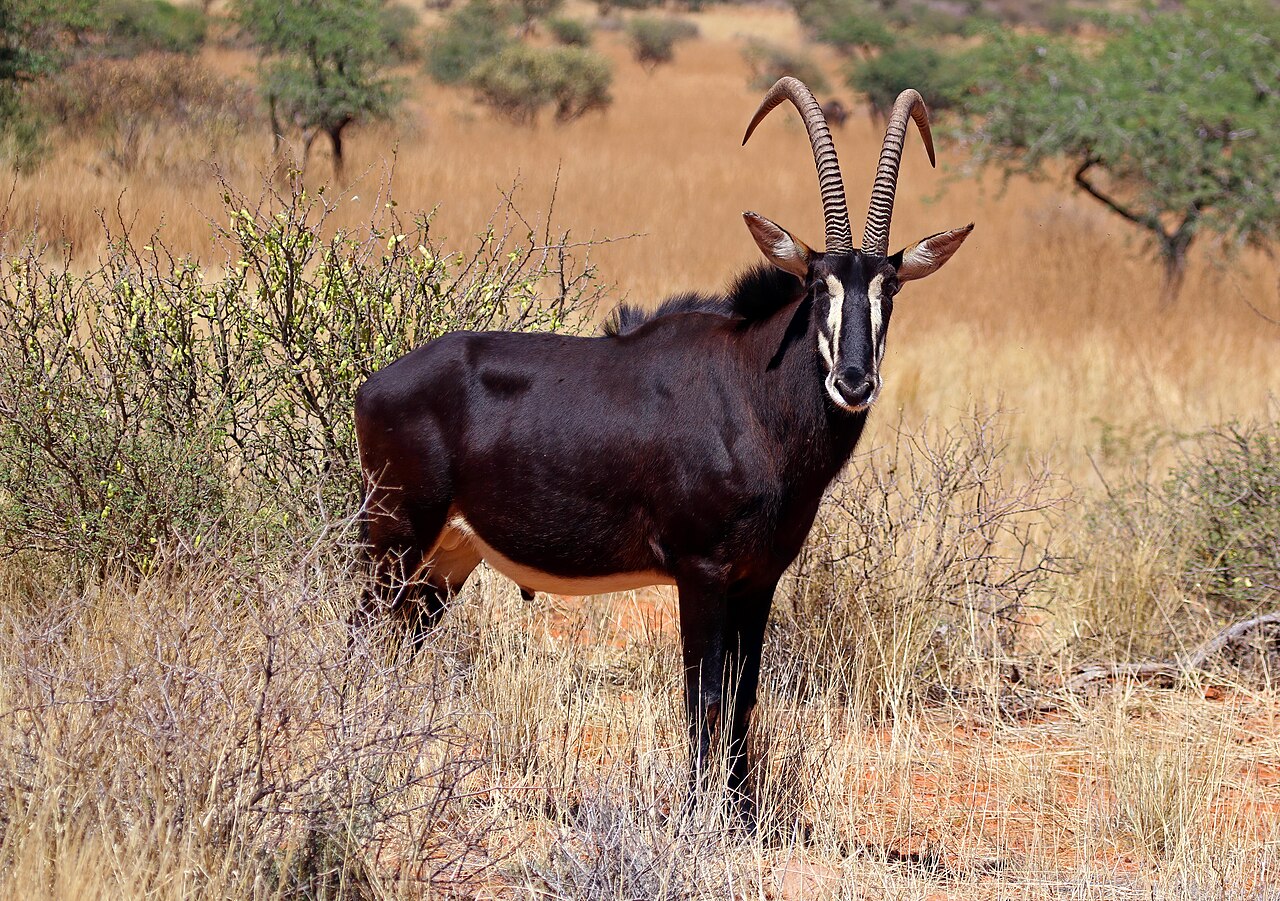
The sable antelope, scientifically known as Hippotragus niger, is one of Africa's most majestic and sought-after big game species, renowned for its striking appearance and challenging pursuit. Adult males boast a glossy black coat contrasted by bold white facial markings and underbelly, while females and young are typically reddish-brown. Standing 4 to 5 feet at the shoulder, these powerful animals can weigh between 400 and 600 pounds, with males featuring impressive, backward-curving horns that can reach up to 65 inches in length—true trophies that demand respect from any hunter. Sable antelope thrive in open woodlands, savannas, and grasslands where they can graze on a mix of grasses and browse. They're highly territorial, especially mature bulls, which often defend prime watering holes and feeding areas aggressively. Herds are usually small, consisting of females and calves led by a dominant male, but during dry seasons, they may gather in larger groups near reliable water sources. Known for their keen senses and wariness, sables are elusive and quick to bolt at the slightest disturbance, making them a test of a hunter's patience and stalking skills. Native to southern and eastern Africa, their range includes countries like South Africa, Zimbabwe, Zambia, Tanzania, and Mozambique, where managed populations support sustainable hunting safaris. For hunters, the sable's combination of size, speed, and those legendary scimitar-like horns make it a bucket-list quarry—spotting a mature bull in the bush is an adrenaline rush, and a clean shot requires precision due to their tough hides and vital resilience. Conservation-wise, while not endangered, sables are classified as vulnerable in some regions due to habitat loss and poaching, but regulated trophy hunting has played a key role in their protection, funding anti-poaching efforts and habitat preservation. Pursuing a sable isn't just about the harvest; it's about immersing in Africa's wild heart and contributing to its future.
Hunt facts
- Countries
- Angola Botswana Mozambique South Africa Tanzania Zambia Zimbabwe
- Hunt regions
-
Angola: Cuando Cubango MoxicoBotswana: Chobe North WestMozambique: Manica Niassa SofalaSouth Africa: Limpopo Mpumalanga North WestTanzania: Katavi Rukwa Singida TaboraZambia: Central Eastern Muchinga North-Western SouthernZimbabwe: Mashonaland Central Mashonaland West Matabeleland South Midlands
- Habitat
- Mixed savanna Woodland
- Best time to hunt
- May–October (Dry season)
- Mass
- 200–270 kg (441–595 lb)
- Trophy minimum
-
- SCI (inches): 96
- SCI bow: 86
- Rowland Ward (inches): 42
- Rowland Ward record: 55 3/8
Typical record-book minimums; confirm the current edition with your professional hunter.
Where to Find Sable Antelope
Sable antelope, known for their striking curved horns and robust build, thrive in savanna woodlands and open grasslands across southern and eastern Africa. Their primary habitats include miombo woodlands, bushveld, and floodplains where they have access to water sources and nutritious grasses. These majestic animals prefer areas with a mix of open terrain for grazing and denser cover for protection from predators.
For hunting, the best countries include South Africa, particularly in provinces like Limpopo and KwaZulu-Natal, where private game reserves offer guided hunts. Zimbabwe's lowveld regions, Zambia's Kafue National Park outskirts, and Tanzania's Selous Game Reserve are also prime spots, often requiring permits and professional outfitters. Mozambique and Namibia provide opportunities in conservancies with sustainable quotas.
Seasonal factors play a key role; the dry season from May to October is ideal as animals congregate near waterholes, making them easier to spot. Wet seasons (November to April) can scatter herds but offer lush environments for tracking.
Terrain typically features rolling hills, acacia-dotted plains, and riverine areas with sandy or loamy soils. Environments range from arid bush to semi-tropical zones with temperatures up to 95°F in summer.
To locate them, scout early mornings or late afternoons when they're active. Look for fresh tracks near water, listen for alarm calls, and use elevated vantage points to glass herds. Patience and local guides are essential for ethical, successful hunts.
Why Hunt Sable Antelope
Hunters pursue the majestic Sable Antelope for its unparalleled trophy qualities, boasting long, scimitar-like horns that can exceed 50 inches, paired with a striking jet-black coat and bold white facial markings. These attributes make it a pinnacle achievement for any big game collector, symbolizing power and grace in the African wilderness.
The hunt itself is a thrilling challenge, demanding expert stalking skills through dense bushveld or open savannas where Sables are notoriously alert and elusive. Their speed and keen senses heighten the excitement, often leading to heart-pounding pursuits that test a hunter's patience, precision, and endurance.
Beyond the trophy, Sable meat is prized for its lean, tender quality, offering a rich, gamey flavor perfect for grilling, roasting, or gourmet venison dishes that elevate any post-hunt feast.
Culturally, the Sable holds traditional significance in African lore as a symbol of strength and resilience, revered by indigenous communities and adding a layer of historical depth to the experience.
Through regulated hunting, fees support vital conservation efforts, funding anti-poaching patrols and habitat preservation in regions like Zimbabwe and South Africa, ensuring sustainable populations.
Ultimately, pursuing Sable offers unique experiences—from the adrenaline of spotting a dominant bull at dawn to the profound connection with untamed landscapes, creating lifelong memories for adventurous souls.
Sable Antelope Hunting Tips
Sable antelope, known for their striking black coats and impressive curved horns, are challenging trophies that demand patience and skill. The most effective hunting methods include spot-and-stalk techniques, where you glass open savannas from elevated vantage points to locate herds, then approach on foot. Ambush hunting from blinds near waterholes can also work well in arid regions, as sables frequent these spots during dry spells.
For equipment, opt for a reliable bolt-action rifle in calibers like . 300 Winchester Magnum or 7mm Remington Magnum to ensure ethical kills at distances up to 300 yards. Pair it with a quality scope (4-12x magnification) for precise aiming, and use premium bullets like 180-grain soft points for deep penetration. Don't forget binoculars, rangefinders, and camouflage clothing suited to African bushveld.
Shot placement is crucial—aim for the heart-lung area just behind the shoulder for a quick, humane kill. Avoid neck or head shots unless you're extremely close, as sables are tough and can bolt if wounded.
When tracking and stalking, move slowly against the wind to mask your scent, and watch for fresh tracks or droppings in grassy plains. Sables are alert, so use natural cover and pause often to observe.
Hunt during early mornings or late afternoons when they're most active, and target the dry season (May to October in southern Africa) for better visibility and concentrated game around water.
Common mistakes include rushing shots under excitement or ignoring wind direction, which can spook the herd. Always prioritize safety: confirm your target and beyond, wear blaze orange if required, and hunt with a licensed guide to navigate terrain hazards and ensure compliance with regulations. Respect bag limits to support conservation.
Featured Outfitters for Sable Antelope
View allHunting Tips & Guides
All tips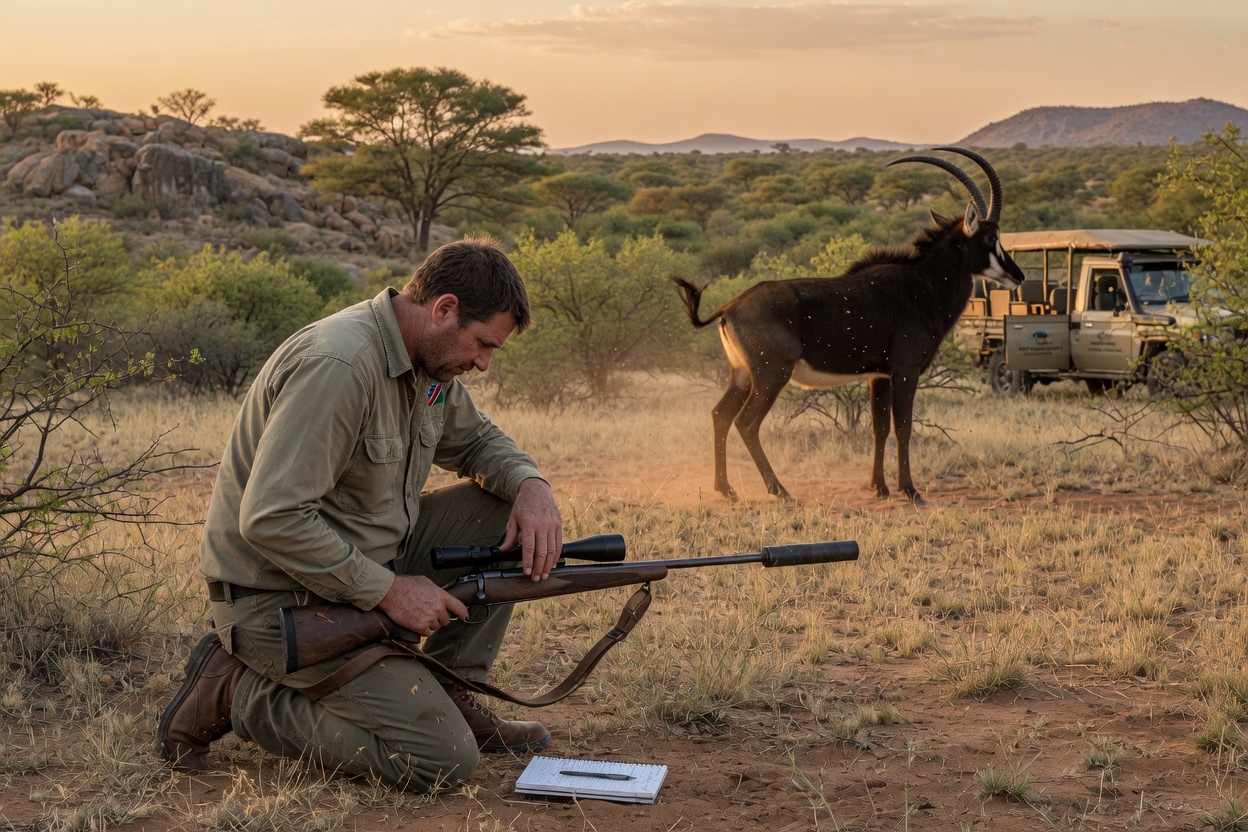
Lessons from a Failed Sable Stalk in Namibia
A hunter shares hard-won lessons from a failed sable antelope stalk in Namibia, covering ethics, wind, animal behavior, and conservation …
Read more
Mozambique Hunting Safaris: Big Game Adventures Await
Discover legal hunting opportunities in Mozambique. Explore buffalo, lion, and plains game safaris in this African destination with conservation focus.
Read more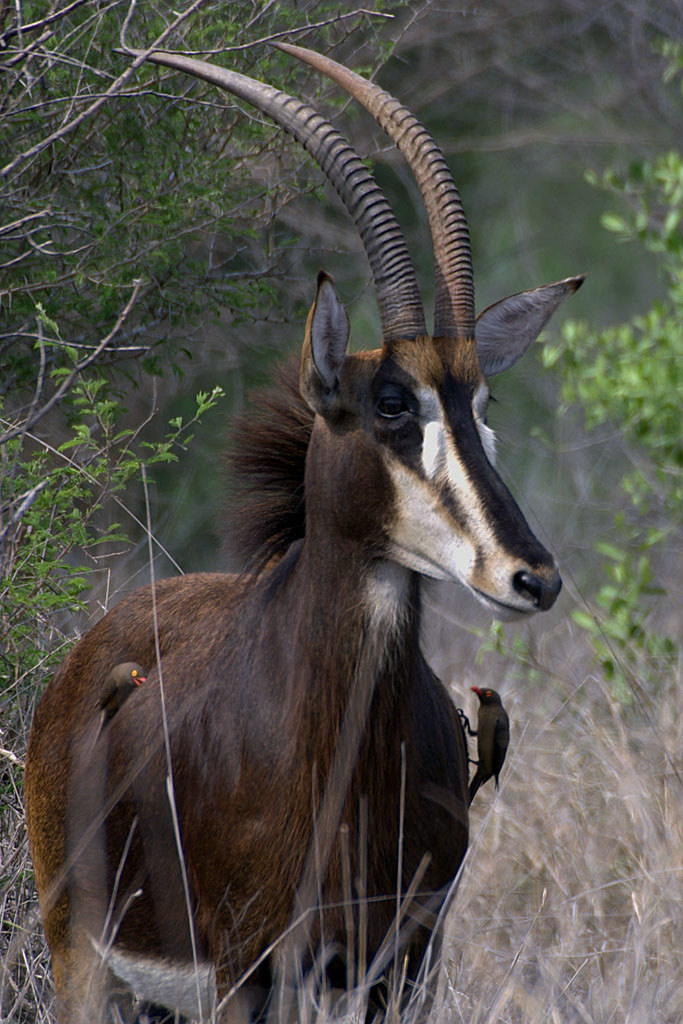
Judging Sable Trophy Quality Before the Shot
Learn expert tips to judge sable antelope trophy quality in the field before shooting. Horn length, age signs, ethics for …
Read moreHunt packages with Sable Antelope
Curated hunt ideas — no price on the page. Enquire and we'll match outfitters after review.
Hwange Sable Specialty — 10 Days
10 days · Zimbabwe
Ten days Hwange fringe — sable, roan, zebra and wildebeest.
$18,500 – $20,500
Rungwa Classic — 14 Days
14 days · Tanzania
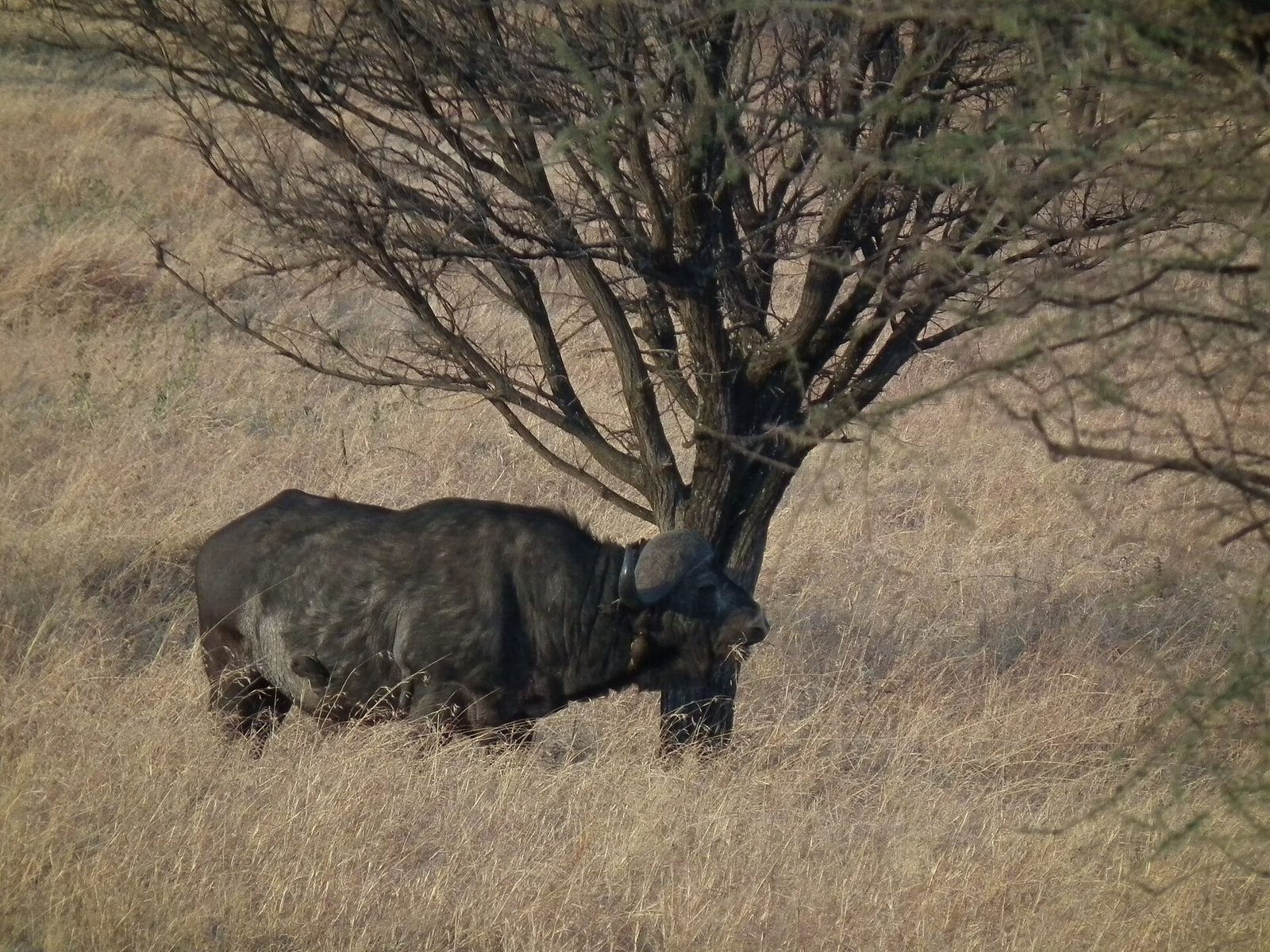
Fourteen days Rungwa — buffalo, roan, sable, hartebeest and zebra in western miombo.
$48,500 – $52,500
Botswana Sable — 10 Days
10 days · Botswana
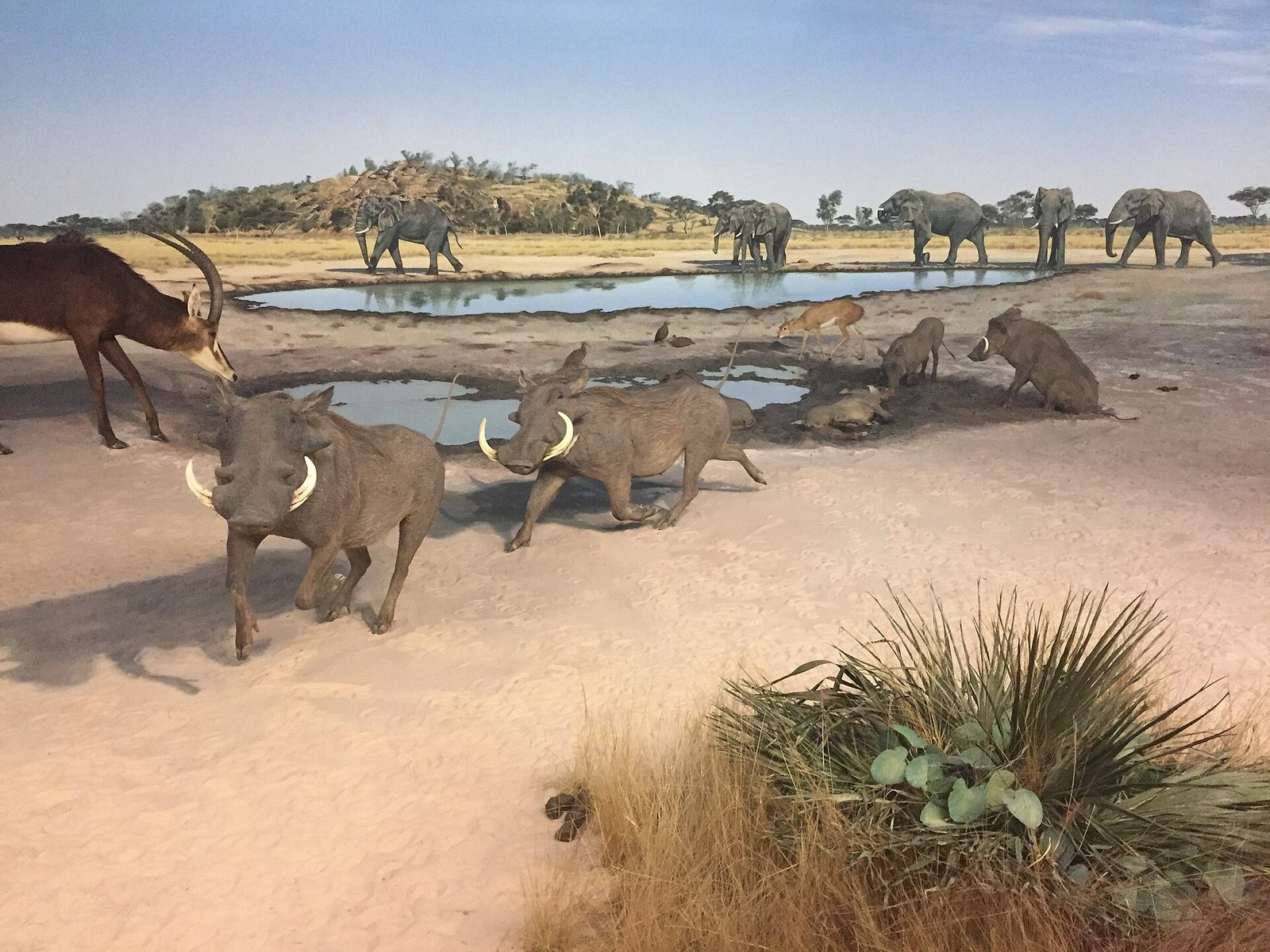
Ten days northern Botswana — sable with zebra, wildebeest and impala.
$22,500 – $24,800
Niassa Sable — 10 Days
10 days · Mozambique
Ten days Niassa — sable, Lichtenstein’s hartebeest, zebra and warthog.
$18,800 – $20,800
Limpopo Sable & Roan — 10 Days
10 days · South Africa
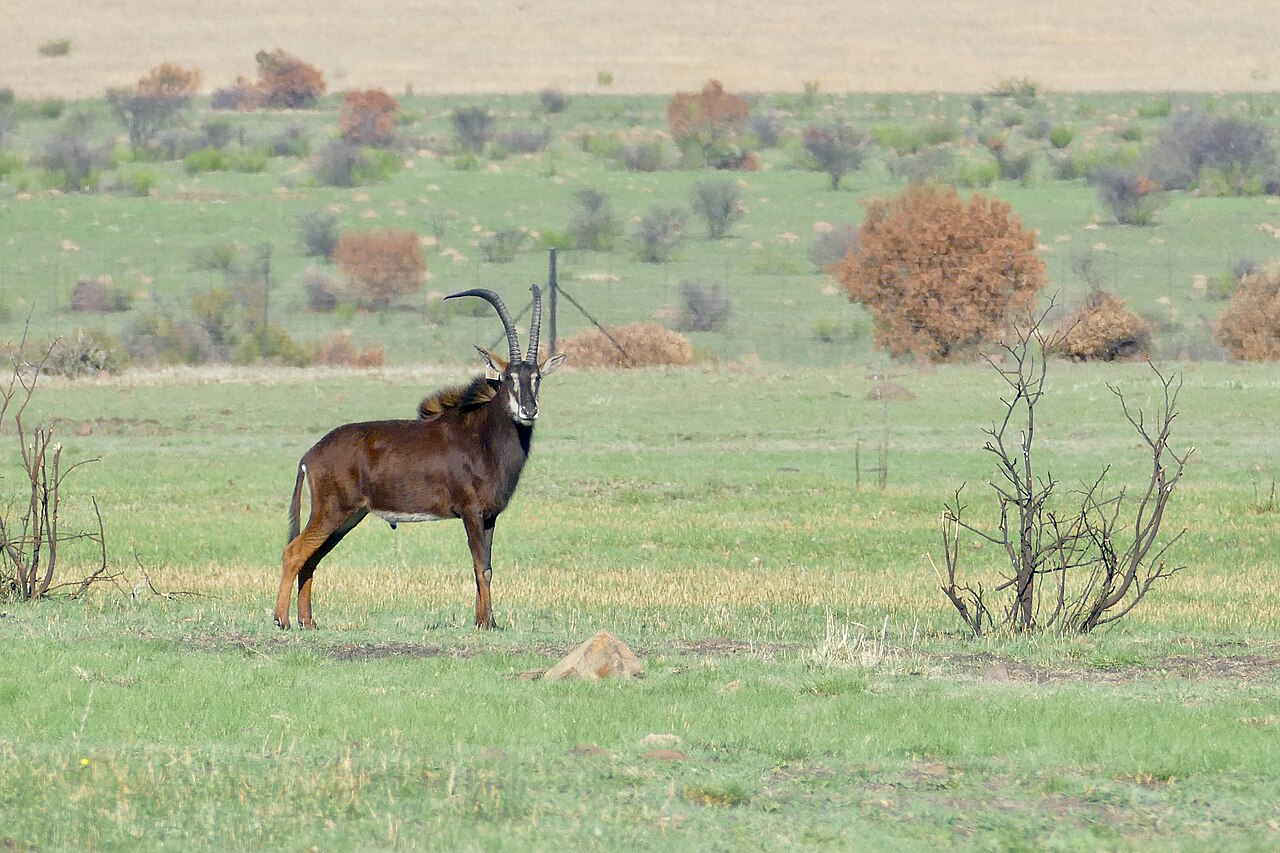
10-day limpopo sable & roan — sable antelope, roan antelope, impala in Limpopo woodland.
$14,500 – $16,500
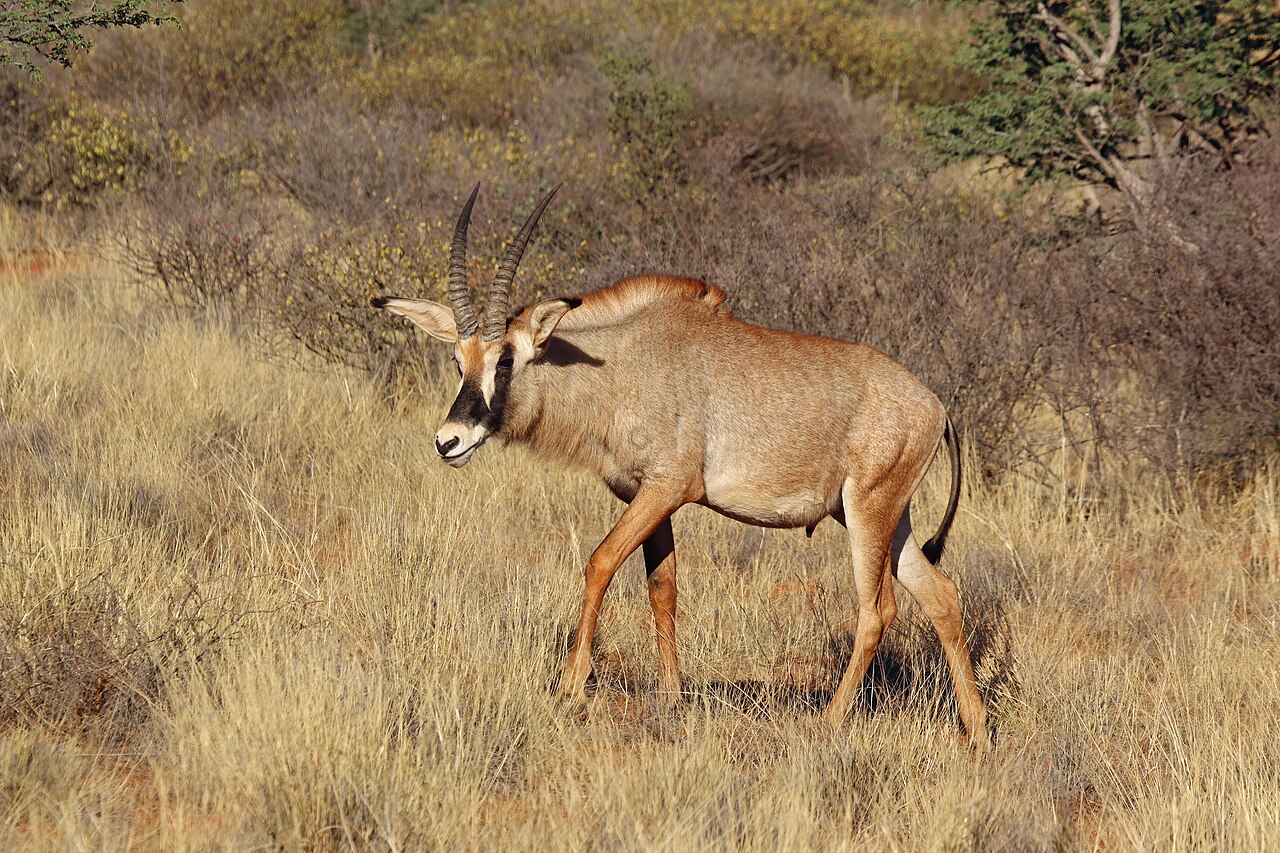
North West Roan Woodland — 10 Days
10 days · Botswana
10-day north west roan woodland — roan antelope, sable antelope, burchell’s zebra in North West woodland.
$15,500 – $17,500
Plan Your Sable Antelope Hunt
Submit a free enquiry and we'll match you with outfitters who hunt Sable Antelope in your region.
Sign Up to Enquire Aardwolf
 Abyssinian Bushbuck
 Baboon
 Bat-Eared Fox
 Bay Duiker
 Beisa Oryx