Serval Hunting
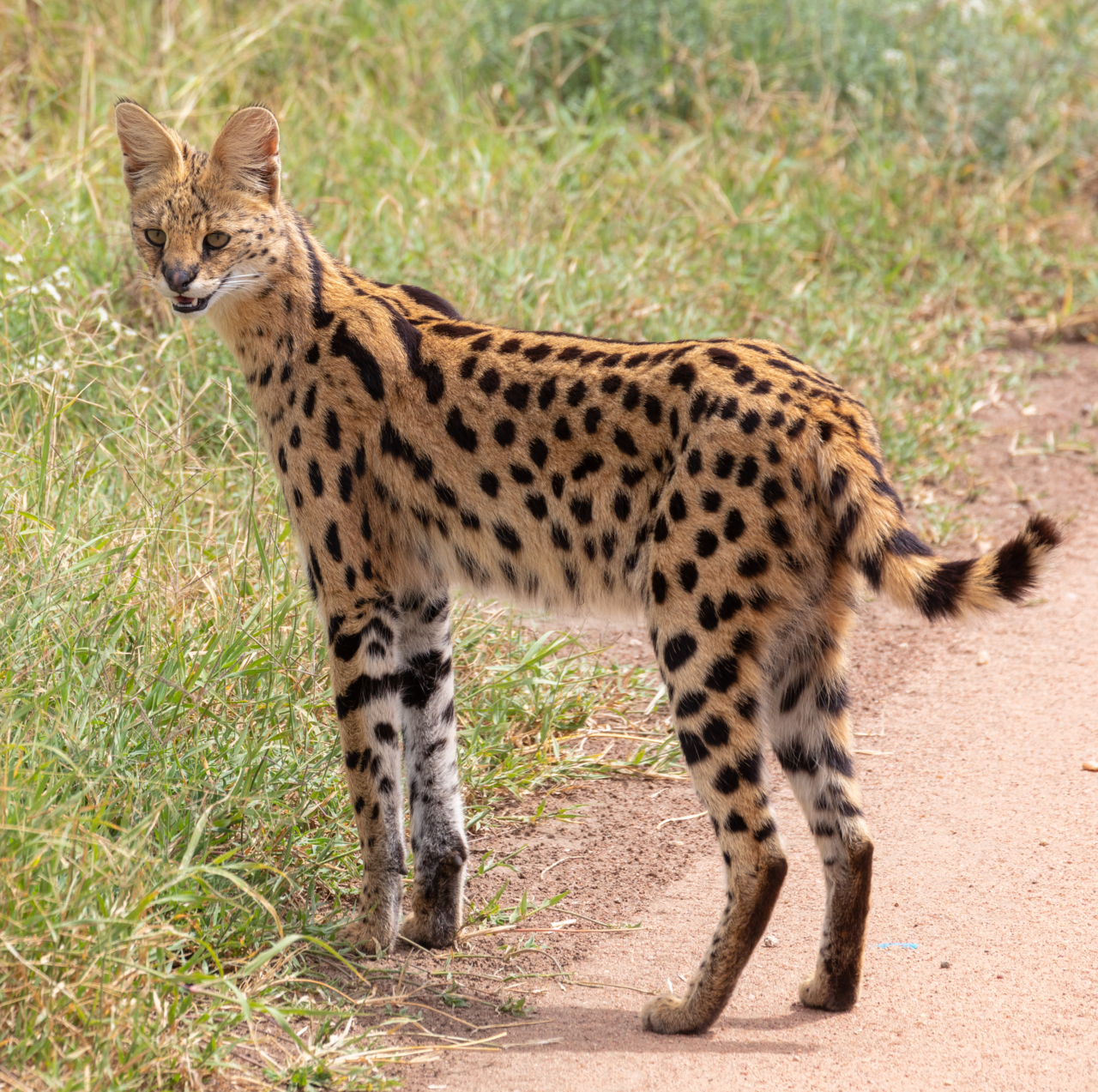
Leptailurus serval
The serval, scientifically known as Leptailurus serval, is a striking medium-sized wild cat that captivates hunters with its elegant build and keen predatory instincts. Physically, servals stand out with their slender bodies, long legs, and large, rounded ears that act like radar dishes for detecting prey. Adults typically measure 23 to 36 inches in body length, with a shoulder height of up to 24 inches, and weigh between 15 to 40 pounds, making them agile and lightweight compared to bulkier felines like leopards. Their coat is a golden-yellow base spotted with bold black markings, providing excellent camouflage in tall grasses, while their short tail ends in a distinctive black tip. These cats thrive in wetland and grassland habitats across sub-Saharan Africa, where they prefer areas with dense vegetation near water sources like rivers and marshes. Servals are primarily nocturnal and solitary hunters, using their exceptional hearing to locate rodents, birds, and small mammals hidden in the underbrush. They're famous for their pouncing technique, leaping up to 10 feet high to snatch prey mid-air, which makes them a challenging yet rewarding target for ethical hunters. Their elusive behavior means spotting one requires patience, sharp tracking skills, and knowledge of their territorial calls— a series of high-pitched chirps and growls. Geographically, servals are distributed widely from Senegal in the west to Ethiopia in the east, and south to South Africa, though populations are patchy due to habitat loss. For hunters, notable features include their vulnerability to baiting with small game and the thrill of pursuing a cat that's more like a stealthy acrobat than a brute force predator. Always check local regulations, as servals are not legal game in all regions. Conservation-wise, the serval is classified as Least Concern by the IUCN, but threats like poaching and habitat fragmentation call for sustainable practices. Responsible hunting under licensed programs can support conservation efforts by funding anti-poaching initiatives and habitat preservation, ensuring these magnificent cats remain a part of Africa's wild heritage for generations of hunters.
Hunt facts
- Countries
- Angola Botswana Mozambique Namibia South Africa Tanzania Uganda Zambia Zimbabwe
- Hunt regions
-
Angola: Cuando Cubango MoxicoBotswana: Chobe North WestMozambique: Gaza Manica Niassa Sofala Tete ZambeziaNamibia: Kavango East Kavango West ZambeziSouth Africa: Gauteng KwaZulu-Natal Limpopo Mpumalanga North WestTanzania: Arusha Katavi Lindi Manyara Morogoro Pwani Rukwa Simiyu Singida TaboraUganda: Central Northern WesternZambia: Central Eastern Luapula Muchinga North-Western Southern WesternZimbabwe: Manicaland Mashonaland Central Mashonaland West Masvingo
- Habitat
- Grassland Mixed savanna Wetland
- Best time to hunt
- May–October (Dry season)
- Mass
- 8–18 kg (18–40 lb)
- Trophy minimum
-
- SCI (skull): 7
- Rowland Ward (skull): 7
Typical record-book minimums; confirm the current edition with your professional hunter.
Where to Find Serval
Servals, medium-sized wild cats known for their spotted coats and large ears, thrive in sub-Saharan Africa where they prefer habitats with tall grasses, savannas, wetlands, and riverine areas that provide cover and abundant prey like rodents and birds. They avoid dense forests and arid deserts, favoring regions with water sources for hunting small game.
For hunting opportunities, focus on countries like South Africa, Zimbabwe, Tanzania, and Namibia, where regulated hunts may be permitted on private ranches or game reserves with proper licenses. These areas often allow serval hunting as part of predator control or trophy programs, but always check local regulations and obtain permits to avoid legal issues.
Seasonally, the dry season (May to October in southern Africa) is ideal, as reduced vegetation improves visibility and servals concentrate near waterholes. In wet seasons, they disperse into flooded grasslands, making tracking harder.
Terrain-wise, look for open plains interspersed with bushes, reed beds, or acacia woodlands at elevations below 3,000 meters. Environments with high rodent populations, such as agricultural fringes or marshy zones, are hotspots.
To locate them, scout at dawn or dusk when they're most active, using spotlights or thermal imaging for nocturnal hunts. Listen for their high-pitched calls and scan for tracks in soft soil near water. Baiting with small animals or using calls can draw them out, but patience and stealth are key in their elusive nature.
Why Hunt Serval
Hunters pursue the serval for its exceptional trophy qualities, boasting a sleek, spotted coat reminiscent of a miniature cheetah, with elongated legs and large ears that make for a striking mount or display piece. The animal's elegant, athletic build and vivid black markings on a golden background elevate it as a prized addition to any collection, symbolizing the thrill of African safari pursuits.
The hunting challenge is immense, as servals are elusive nocturnal predators with acute senses, demanding expert tracking skills and patience in dense grasslands or wetlands. The excitement peaks during spot-and-stalk hunts at dusk, where a single misstep can spook this agile cat, delivering an adrenaline rush unmatched by larger game.
While not primarily sought for meat, serval offers a lean, tender flesh with a mild, gamey flavor akin to rabbit, perfect for grilling or stewing in exotic recipes that impress at post-hunt gatherings.
In certain African cultures, hunting serval holds traditional significance, often tied to rites of passage or folklore portraying the cat as a cunning spirit, adding a layer of cultural depth to the experience.
Regulated hunting supports conservation by funding anti-poaching efforts and habitat preservation in regions like South Africa, where fees contribute to sustainable wildlife management.
Ultimately, pursuing serval offers unique experiences, from immersive night hunts under starry skies to the satisfaction of outwitting one of nature's stealthiest felines, creating lifelong memories for adventurous hunters.
Serval Hunting Tips
Hunting servals, the agile African wildcats known for their spotted coats and long legs, requires patience and precision due to their elusive nature. The best methods involve spotlighting at night or using trained dogs to flush them from tall grass, as servals are primarily nocturnal hunters themselves. Stalking on foot in savanna or wetland habitats works well, focusing on areas near water sources where they prey on rodents and birds.
For equipment, opt for a lightweight rifle in . 22 Hornet or . 223 caliber for clean, ethical kills without excessive damage to the pelt. A suppressor can help minimize disturbance, and a high-powered spotlight or thermal scope is essential for low-light conditions. Shot placement should target the vital chest area behind the shoulder for a quick, humane kill—avoid headshots unless at very close range to prevent unnecessary suffering.
Tracking tips include looking for distinctive paw prints with elongated toes and listening for their high-pitched calls at dusk. Stalk slowly, using wind direction to mask your scent, and approach from downwind. The prime hunting times are during the dry season (June to October in southern Africa) when visibility is better, and at dawn or dusk when servals are most active.
Common mistakes to avoid include rushing shots, which can wound rather than kill, or ignoring local regulations—always secure permits as servals are protected in many regions. Safety considerations are crucial: hunt with a partner, wear blaze orange for visibility, and be aware of other predators like lions in the area. Respect ethical guidelines to ensure sustainable wildlife management.
Featured Outfitters for Serval
View allHunt packages with Serval
Curated hunt ideas — no price on the page. Enquire and we'll match outfitters after review.
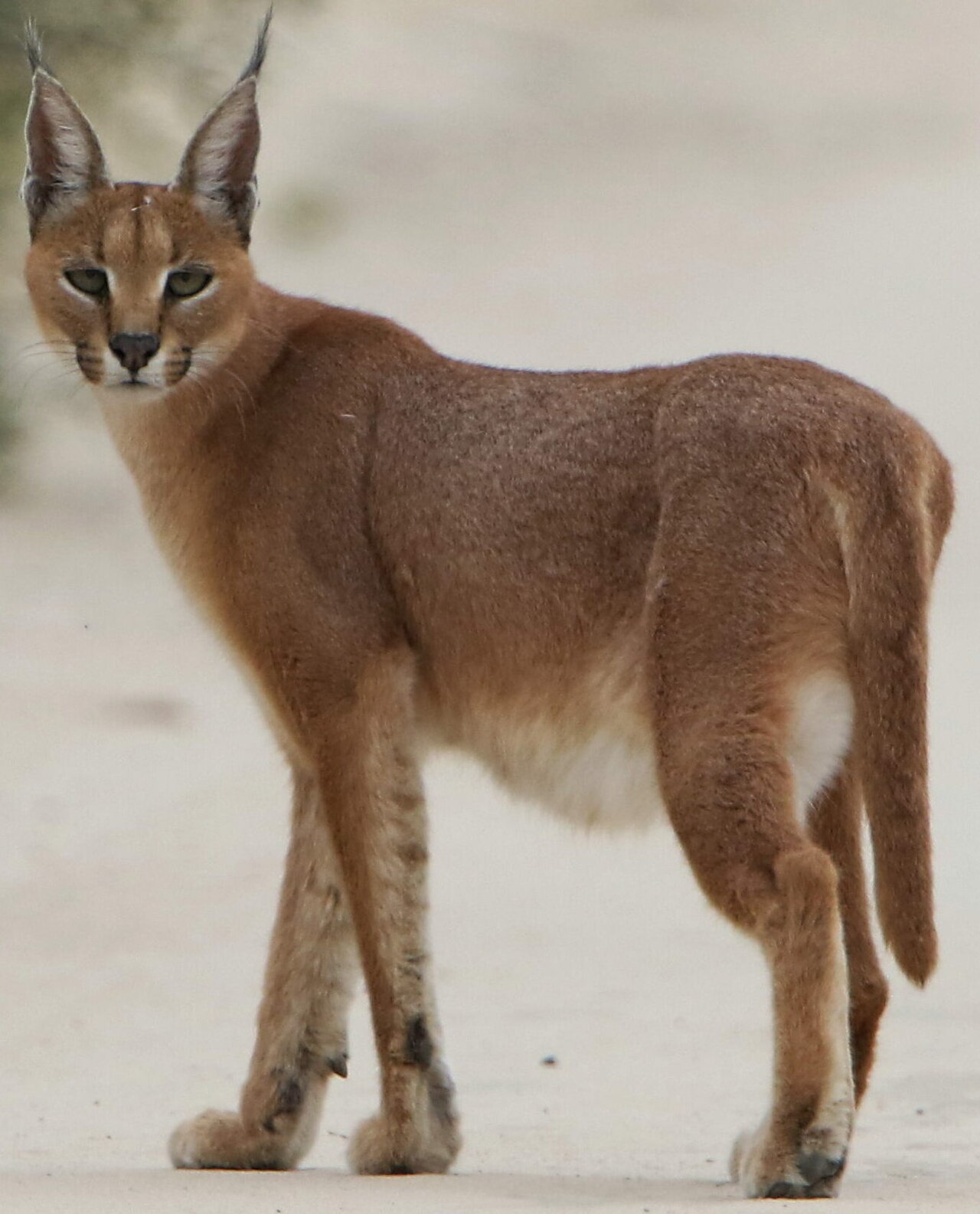
Southern Africa Predator Sampler — 7 Days
7 days · South Africa
7-day southern africa predator sampler — caracal, serval, african wildcat in North West ranch predator.
$7,800 – $9,200
Plan Your Serval Hunt
Submit a free enquiry and we'll match you with outfitters who hunt Serval in your region.
Sign Up to Enquire African Civet
 African Wildcat
 Baboon
 Bat-Eared Fox
 Bay Duiker
 Black-Fronted Duiker