Springbok Hunting
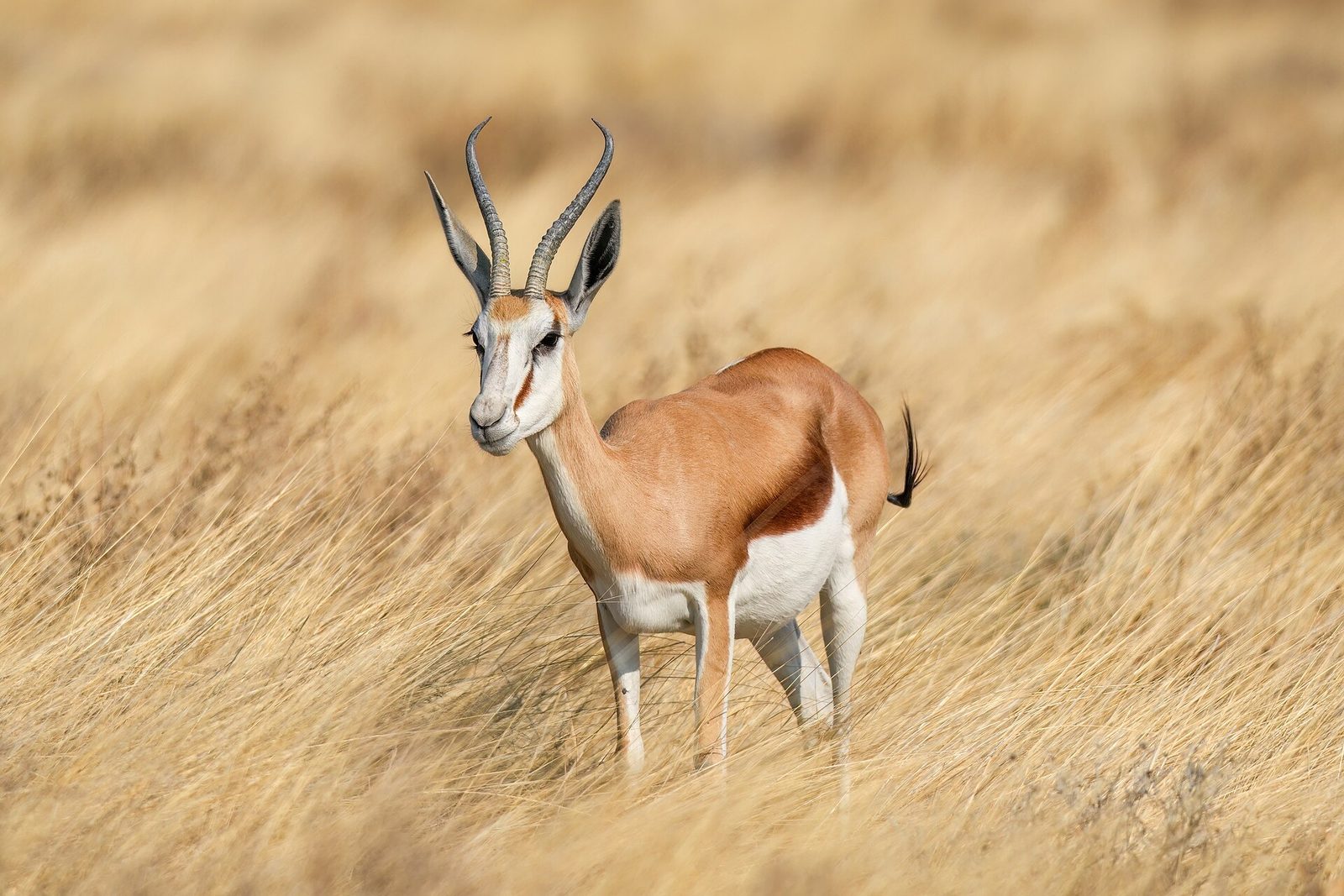
Antidorcas marsupialis
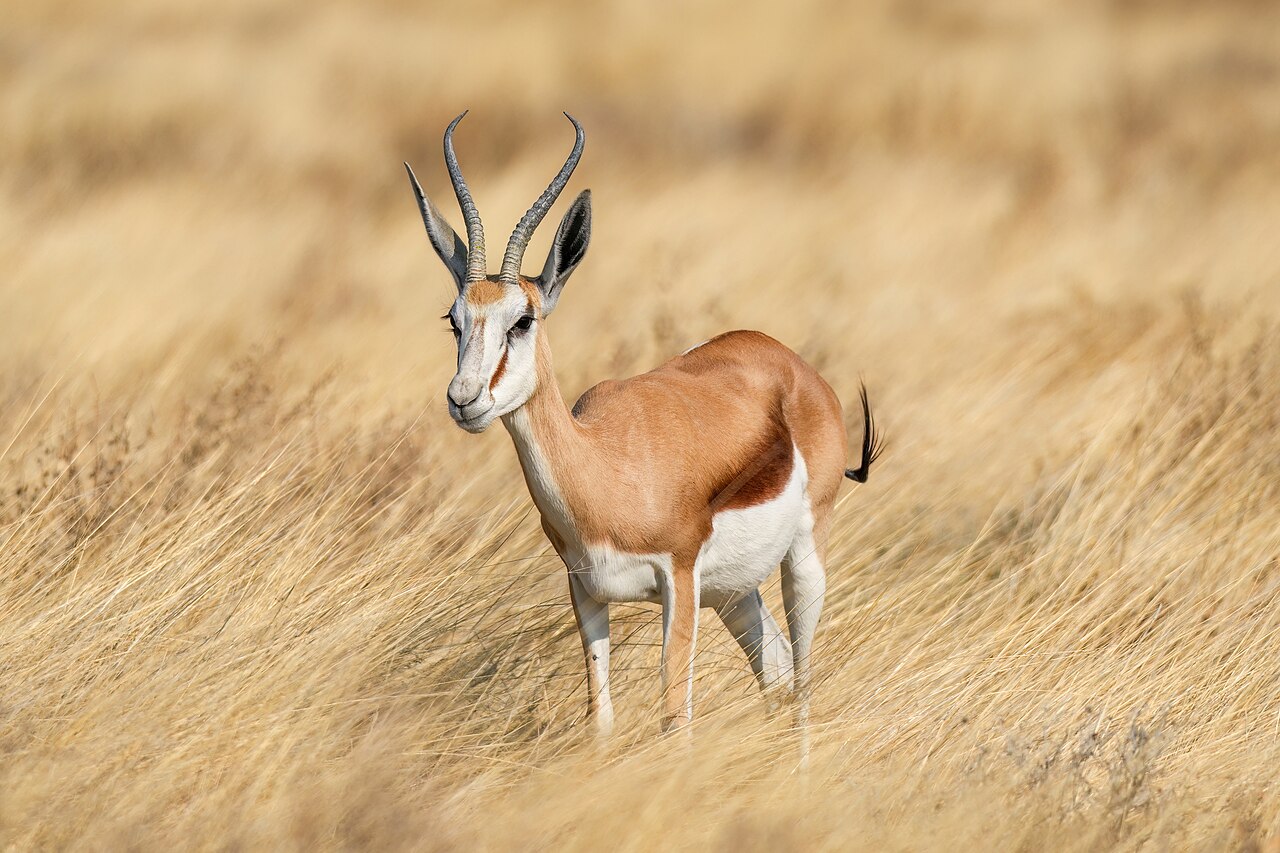
The springbok, scientifically known as Antidorcas marsupialis, is one of Africa's most iconic antelopes, renowned for its agility and striking appearance. Standing about 70 to 90 centimeters at the shoulder, these medium-sized animals typically weigh between 20 and 40 kilograms, with males slightly larger than females. Their coat is a glossy reddish-brown on the back, fading to white on the underbelly and face, accented by bold black stripes running from the eyes to the muzzle. Males sport lyre-shaped horns that curve backward, measuring up to 35 centimeters, making them a prized trophy for hunters seeking elegant symmetry. Native to the arid and semi-arid regions of southern Africa, springboks thrive in open grasslands, savannas, and scrublands where they can spot predators from afar. They're highly adaptable, often migrating in large herds during dry seasons in search of water and fresh grazing. Behaviorally, they're famous for "pronking"—a spectacular display of leaping up to 2 meters high with arched backs and stiff legs, which serves as a warning signal or simply a burst of energy. This makes them incredibly elusive and exciting to pursue, as they can reach speeds of up to 88 kilometers per hour in short bursts. Springboks are widely distributed across South Africa, Namibia, Botswana, and parts of Angola, with healthy populations in game reserves and private ranches. For hunters, their keen senses and lightning-fast reflexes demand patience and skill in stalking, often requiring long-range shots in open terrain. The thrill lies in outsmarting these "pronking gazelles," and ethical hunts contribute to population management. Conservation-wise, the species is listed as Least Concern by the IUCN, thanks to successful reintroduction programs and regulated hunting that supports habitat preservation. With sustainable practices, springbok hunting offers an unforgettable adventure while aiding wildlife conservation efforts.
Hunt facts
- Countries
- Angola Botswana Namibia South Africa
- Hunt regions
-
Angola: Cunene Huíla NamibeBotswana: Central Ghanzi KgalagadiNamibia: Erongo Hardap Karas Khomas Kunene Omaheke OtjozondjupaSouth Africa: Eastern Cape Free State North West Northern Cape Western Cape
- Habitat
- Grassland Semi-arid Desert
- Best time to hunt
- May–October (Dry season)
- Mass
- 30–48 kg (66–106 lb)
- Trophy minimum
-
- SCI (inches): 30
- SCI bow: 27
- Rowland Ward (inches): 14
- Rowland Ward record: 20 4/8
Typical record-book minimums; confirm the current edition with your professional hunter.
Where to Find Springbok
Springbok, the iconic antelope of southern Africa, thrive in semi-arid savannas, grasslands, and desert fringes where vegetation is sparse and water sources are limited. Their primary habitats include the Kalahari Desert, Karoo region, and open bushveld, offering vast expanses for their speedy escapes and pronking displays.
For hunting, the best countries are South Africa, Namibia, and Botswana, with prime areas like the Free State and Northern Cape provinces in South Africa, the Etosha region in Namibia, and the Central Kalahari Game Reserve in Botswana. These locations provide regulated hunting safaris with healthy populations.
Seasonally, the dry months from May to October are ideal, as springbok gather near remaining waterholes and rivers, making them easier to spot. Avoid wet seasons when they disperse widely across flooded plains.
The terrain features flat, open plains with low scrub, acacia trees, and sandy or rocky soils, allowing for long-range spotting but requiring stealth due to their keen senses.
To locate them, scan horizons at dawn and dusk when herds are active, follow fresh tracks in soft soil leading to water, and use elevated vantage points or blinds near salt licks. Patience and binoculars are key in these expansive environments.
Why Hunt Springbok
Springbok, the iconic antelope of southern Africa's vast plains, draw hunters for their exceptional trophy qualities. With striking lyre-shaped horns that can reach up to 14 inches, a glossy cinnamon coat, and bold black-and-white facial markings, they make for a stunning mount that captures the essence of African wildlife.
The pursuit is thrilling due to their remarkable speed—reaching 55 mph—and agility, including their famous "pronking" leaps up to 13 feet high when alarmed. This demands precise stalking and marksmanship, turning each hunt into an adrenaline-fueled challenge that tests even seasoned hunters.
Beyond the thrill, springbok offer superb meat: lean, tender, and mildly gamey, perfect for grilling, sausages, or biltong, providing a gourmet reward from the field.
Culturally, hunting springbok echoes South Africa's rich traditions, from indigenous practices to colonial-era safaris, symbolizing resilience and the spirit of the wild.
Regulated hunting supports conservation by funding anti-poaching efforts and habitat preservation, ensuring sustainable populations.
Ultimately, pursuing springbok delivers unique experiences—like witnessing their graceful herds against golden savannas or the rush of a well-earned shot—creating memories that embody the adventure of African hunting.
Springbok Hunting Tips
Hunting springbok, the agile antelopes of southern Africa's plains, requires patience and precision due to their speed and keen senses. The best methods involve spot-and-stalk techniques, where you glass open terrain from a vantage point, then approach quietly on foot. Bowhunting is challenging but rewarding for close-range encounters, while rifle hunting from blinds near waterholes works well in arid areas.
For equipment, opt for a flat-shooting rifle in calibers like . 243 Winchester, . 270 Winchester, or 6. 5 Creedmoor, paired with a quality scope (3-9x or higher magnification) for long-range shots up to 300 yards. Use premium bullets like Nosler Partition for clean kills.
Shot placement is critical: aim for the heart-lung area just behind the shoulder when broadside, or the base of the neck for a quick drop. Avoid gut shots, as springbok can run far even when mortally wounded.
Tracking and stalking tips include moving slowly against the wind to mask scent, using natural cover like bushes or ridges, and pausing often to observe. Look for fresh tracks in sandy soil and follow herds at a distance to avoid spooking them.
Hunt during the cooler dry season (May to September in South Africa) for better visibility, and focus on early mornings or late afternoons when springbok are most active near feeding grounds.
Common mistakes to avoid: rushing your shot without a steady rest, underestimating their speed (they can bolt at 60 mph), or ignoring wind direction, which carries your scent.
Safety considerations include always treating firearms as loaded, wearing blaze orange for visibility if required, and hunting with a partner in remote areas to handle emergencies like heat exhaustion or wildlife encounters. Respect local regulations and ethical practices for sustainable hunting.
Featured Outfitters for Springbok
View all


Hunting Tips & Guides
All tips
Wildlife Conservation Through Hunting
Hunters play a crucial role in wildlife conservation efforts worldwide. Understanding this connection helps justify and improve our hunting practices. …
Read more
Understanding Animal Behavior Patterns
Success in hunting often comes down to understanding the behavioral patterns of your target species. Each animal has unique habits …
Read more
Hunter Safety in Remote Areas
Hunting in remote areas presents unique challenges and risks. Proper preparation and safety protocols can prevent emergencies and save lives. …
Read moreHunt packages with Springbok
Curated hunt ideas — no price on the page. Enquire and we'll match outfitters after review.
 Featured
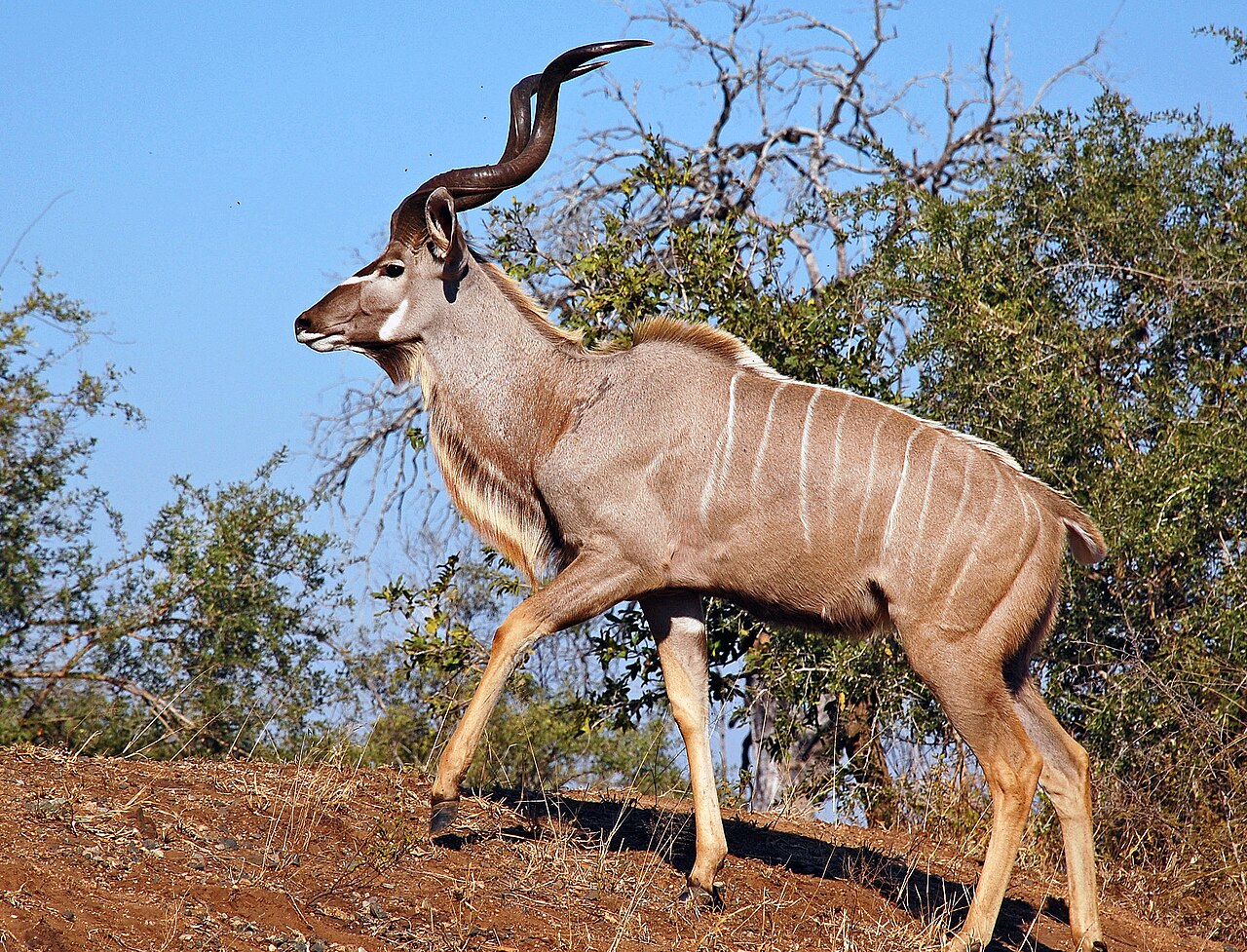
Namibia Plains Game — 7 Days
7 days · Namibia
Seven days on a central Namibian bushveld farm or concession — kudu, gemsbok, springbok, warthog and hartebeest from the same mopane savann…
$8,500 – $9,500
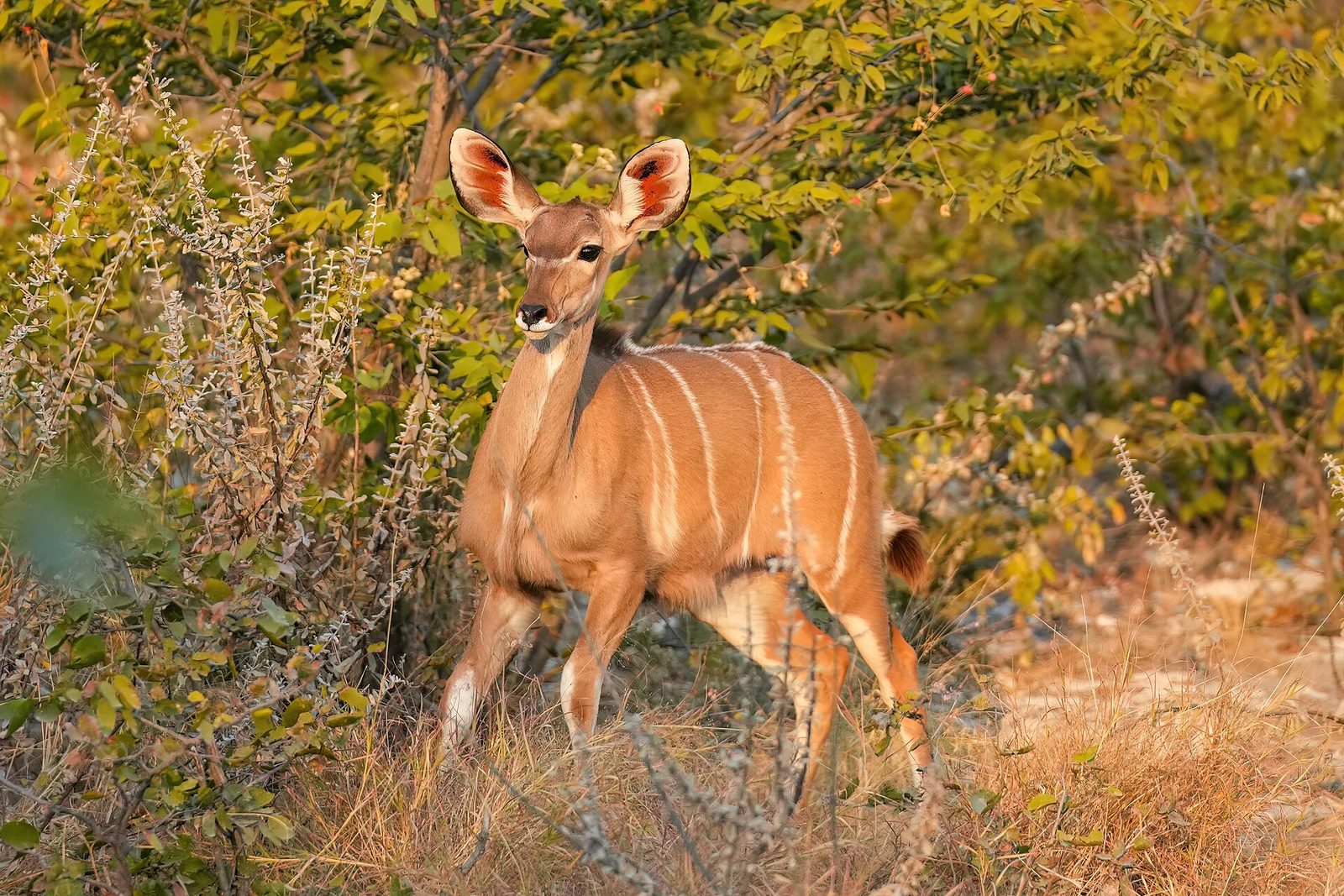
Namibia Bow Plains — 7 Days
7 days · Namibia
Seven days bowhunting kudu, gemsbok, springbok and warthog on central Namibian mopane savanna.
$7,800 – $8,700
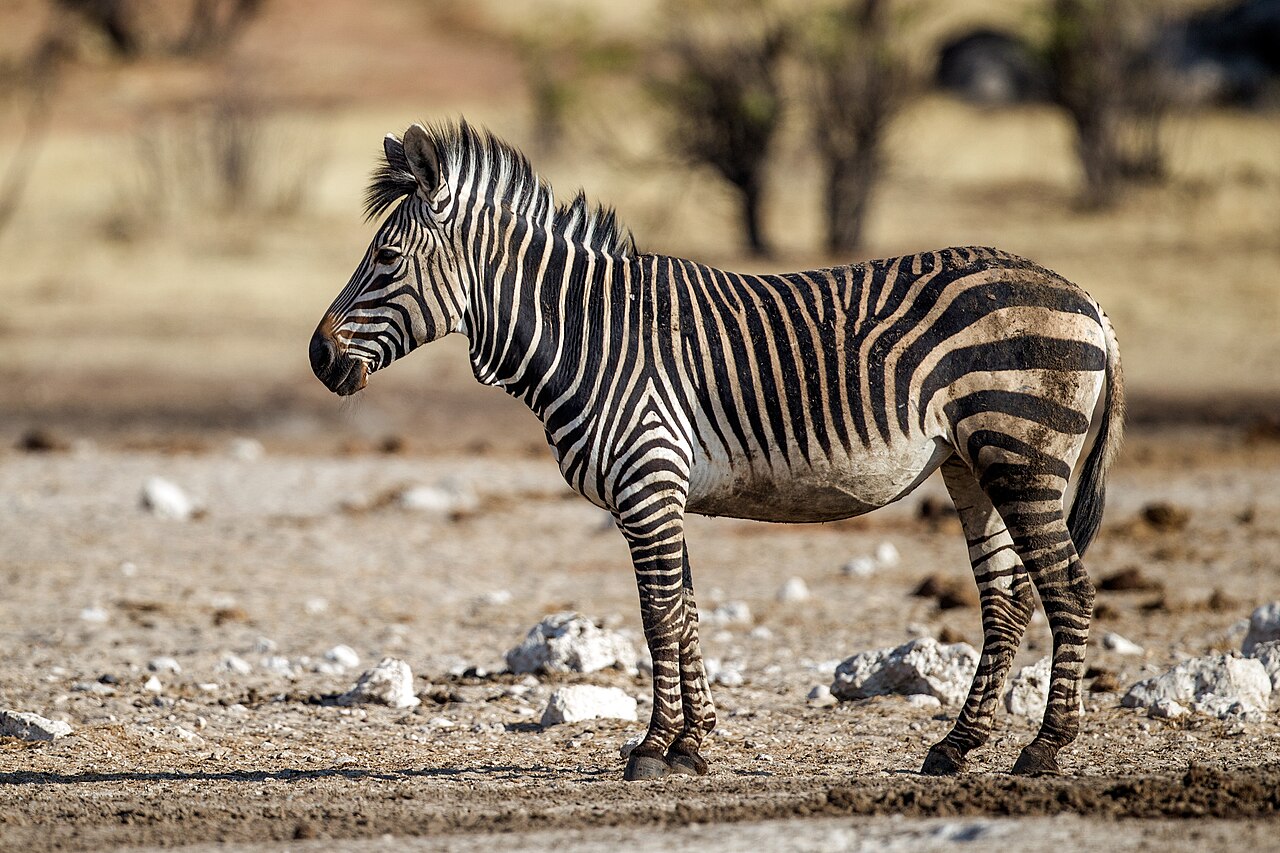
Namibia Damara Specialty — 8 Days
8 days · Namibia
Eight days for Hartmann’s zebra, mountain reedbuck, klipspringer and springbok on the Damara escarpment.
$9,200 – $10,200
Namibia Family Plains — 10 Days
10 days · Namibia
Ten relaxed days on Khomas highland plains — springbok, blesbok, wildebeest, warthog and ostrich.
$11,500 – $12,800
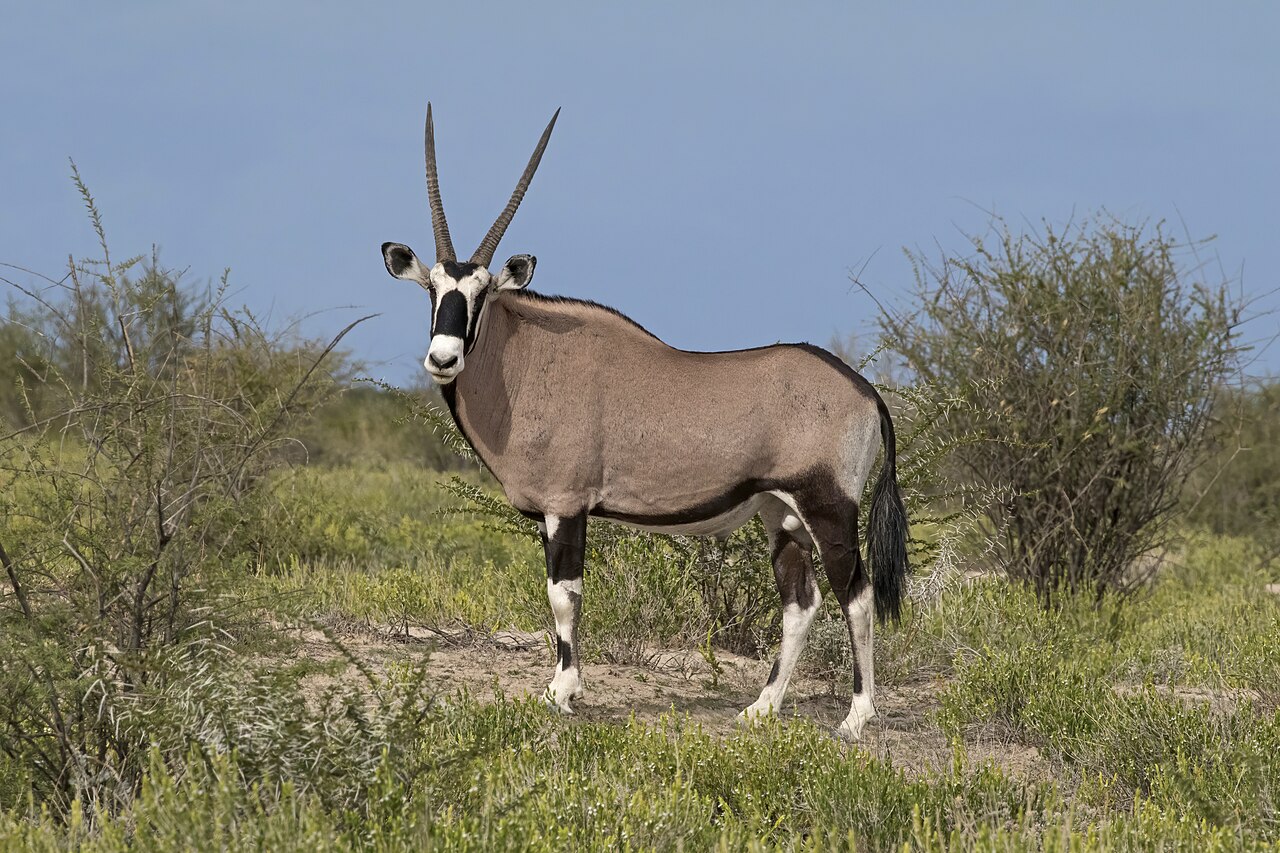
Namibia Desert Specialty — 5 Days
5 days · Namibia
Five days targeting gemsbok, springbok and steenbok on the Namib–Kalahari fringe — all arid-adapted species from the same desert-scrub habi…
$4,500 – $5,200
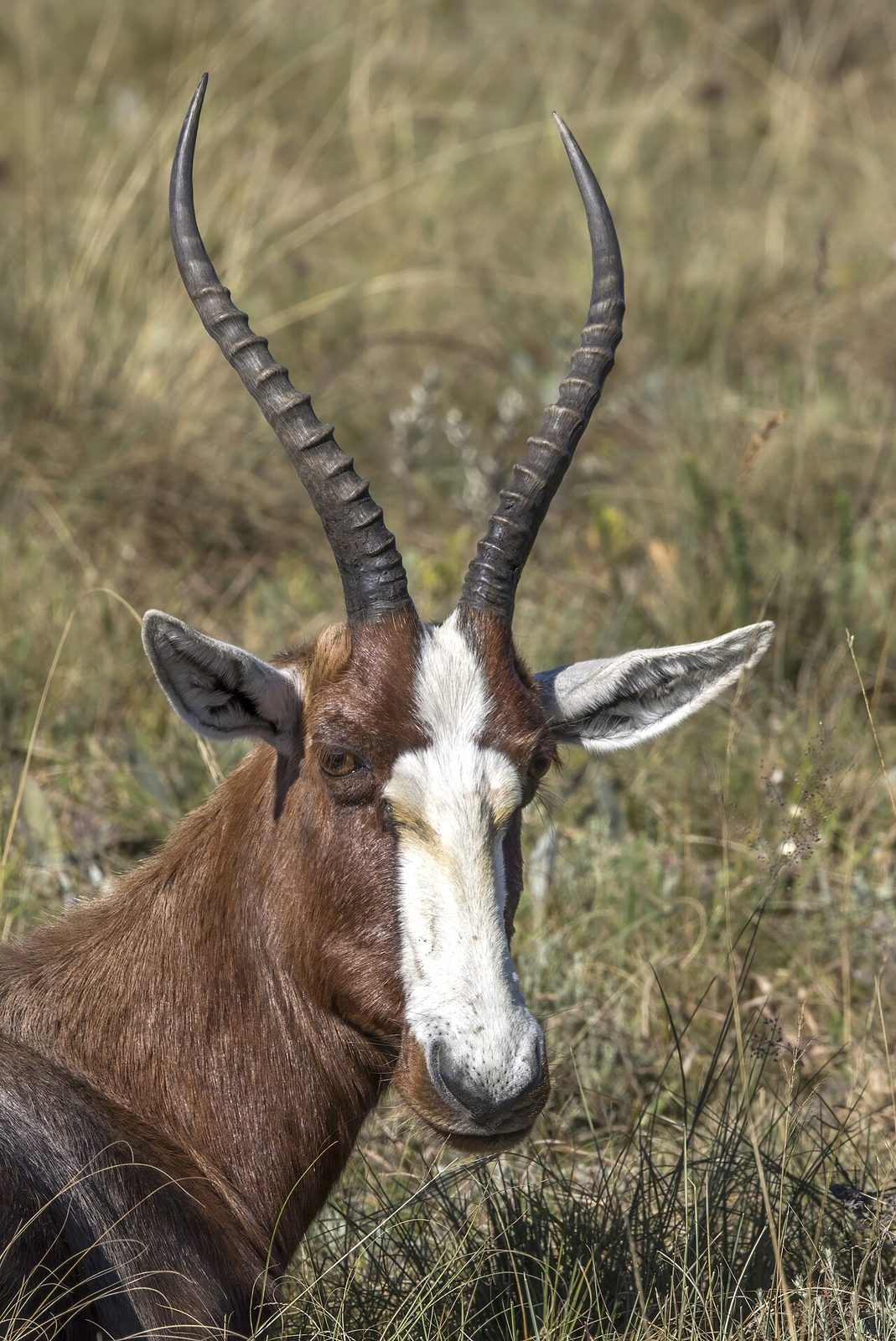
Eastern Cape Plains — 7 Days
7 days · South Africa
Seven days Eastern Cape plains — springbok, blesbok, black wildebeest and mountain reedbuck.
$6,200 – $6,900
Plan Your Springbok Hunt
Submit a free enquiry and we'll match you with outfitters who hunt Springbok in your region.
Sign Up to Enquire Aardwolf
 Abyssinian Bushbuck
 Baboon
 Bat-Eared Fox
 Bay Duiker
 Beisa Oryx