Steenbok Hunting
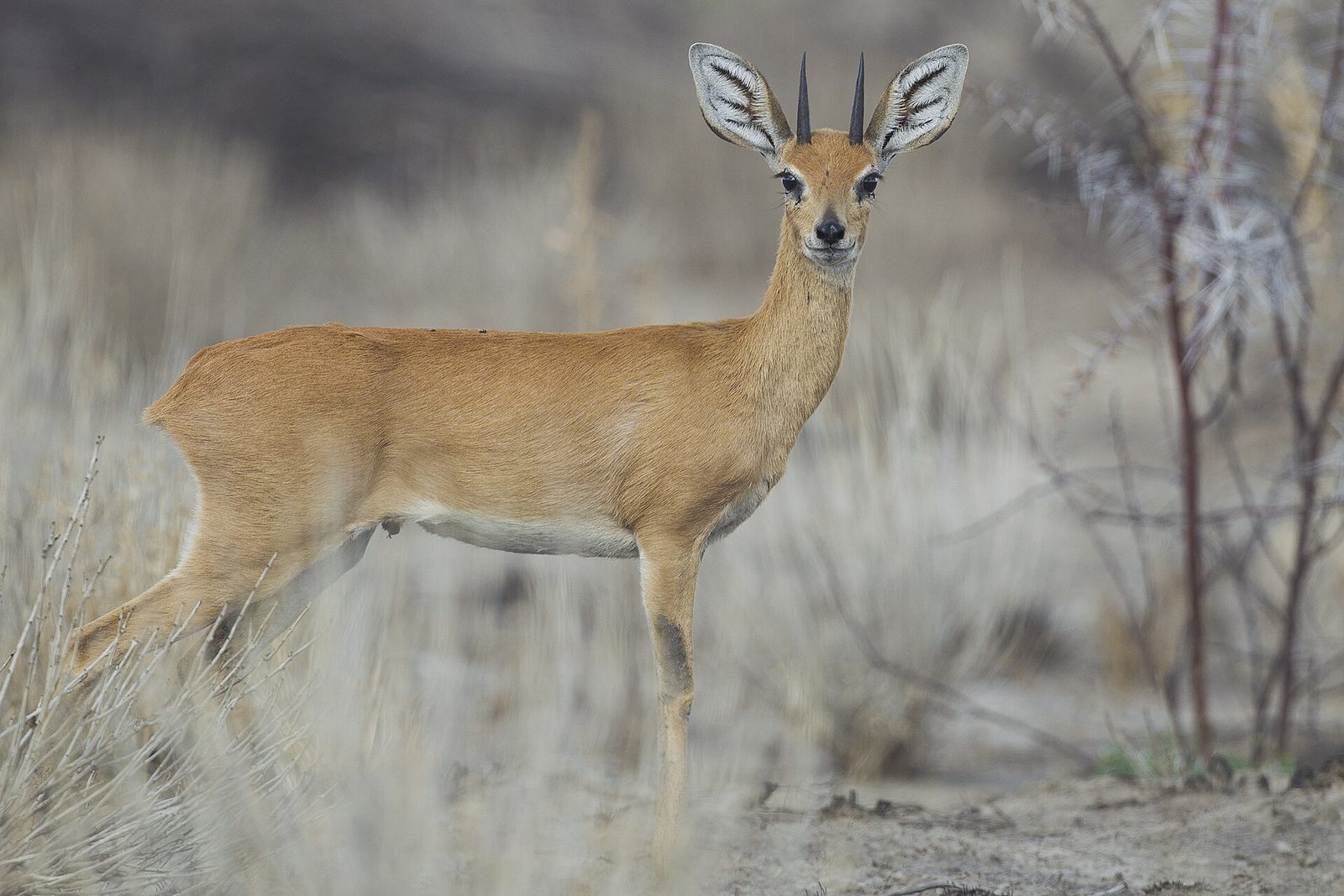
Raphicerus campestris
The steenbok, scientifically known as Raphicerus campestris, is a diminutive antelope that punches above its weight in the world of African hunting. Standing just 18 to 24 inches at the shoulder and weighing between 15 to 35 pounds, this compact creature boasts a sleek, reddish-brown coat that blends seamlessly with its surroundings, accented by white underparts and a distinctive white ring around the eyes. Males sport short, straight horns that typically measure 3 to 7 inches, making them a prized trophy for collectors of small game. These elusive animals thrive in open grasslands, savannas, and light bushveld across southern and eastern Africa, from South Africa and Namibia to Botswana, Zimbabwe, and parts of Tanzania and Kenya. Steenbok are adaptable survivors, preferring areas with ample cover like tall grass or scattered shrubs where they can hide from predators. Behaviorally, they're solitary or found in pairs, highly territorial, and most active at dawn and dusk. Their incredible speed and agility allow them to dart away in a flash, often freezing in place to evade detection, which adds to the excitement of the pursuit. For hunters, the steenbok offers a thrilling spot-and-stalk challenge due to its small size, keen senses, and camouflage prowess. Patience is key—scanning with binoculars at first light or tracking fresh spoor can lead to success. They're often hunted opportunistically during larger safaris, with a clean shot requiring precision to avoid spoiling the meat, which is tender and flavorful. Conservation-wise, the steenbok is listed as Least Concern by the IUCN, with stable populations in well-managed areas, though sustainable practices are essential to prevent overhunting in fragmented habitats. Pursuing one not only tests your skills but also connects you to the raw essence of African wilderness.
Hunt facts
- Countries
- Angola Botswana Mozambique Namibia South Africa Tanzania Zambia Zimbabwe
- Hunt regions
-
Angola: Cunene Huíla NamibeBotswana: Central Chobe Ghanzi Kgalagadi North WestMozambique: Gaza TeteNamibia: Erongo Hardap Karas Khomas Kunene Omaheke OtjozondjupaSouth Africa: Eastern Cape Free State Gauteng KwaZulu-Natal Limpopo Mpumalanga North West Northern Cape Western CapeTanzania: Arusha Manyara SimiyuZambia: North-Western Southern WesternZimbabwe: Manicaland Mashonaland Central Mashonaland West Masvingo Matabeleland North Matabeleland South Midlands
- Habitat
- Grassland Mixed savanna Semi-arid
- Best time to hunt
- May–October (Dry season)
- Mass
- 9–16 kg (20–35 lb)
- Trophy minimum
-
- SCI (inches): 8
- SCI bow: 7 3/16
- Rowland Ward (inches): 4 8/16
- Rowland Ward record: 7 10/16
Typical record-book minimums; confirm the current edition with your professional hunter.
Where to Find Steenbok
Steenbok, a small and elusive antelope, thrive in a variety of habitats across southern and eastern Africa, making them a rewarding target for hunters seeking a challenging pursuit. Their primary habitats include open grasslands, savannas, bushveld, and semi-arid scrublands, where they prefer areas with short grass for grazing and scattered cover for hiding. These environments provide the mix of visibility and concealment that steenbok favor, often in regions with rocky outcrops or light woodland edges.
The best countries for hunting steenbok are South Africa, Namibia, and Botswana, where regulated hunts are common on private ranches and game reserves. In South Africa, the Eastern Cape and Limpopo provinces offer prime opportunities, while Namibia's central and northern regions boast healthy populations. Zimbabwe and Angola also have viable spots, though access can be more limited.
Seasonal considerations are key: the dry season from May to October is ideal, as reduced vegetation improves spotting and water sources concentrate animals. Avoid the wet summer months when thick foliage hides them effectively.
Terrain-wise, focus on gently rolling plains with acacia scrub or thornbush, often at elevations below 1,500 meters. Steenbok avoid dense forests and steep mountains, sticking to flatter, open areas.
For locating them in the wild, scout early mornings or late afternoons when they're most active. Look for fresh tracks—small, pointed hoof prints—in sandy soils near feeding grounds. Use elevated blinds or spot-and-stalk methods, moving quietly against the wind. Patience is essential, as steenbok are solitary and quick to bolt at disturbances.
Why Hunt Steenbok
People hunt Steenbok for many reasons. This small African antelope is special because of its tiny size and beautiful, straight horns that make great trophies. Hunters love the challenge it offers. Steenbok are very alert and quick, hiding in thick bush or grass. Spotting and stalking one takes patience, sharp eyes, and quiet movement. It's fun because it feels like a real test of hunting skills, often requiring a close-range shot. Good reasons to hunt Steenbok include sustainable population control in areas where they thrive. Their meat is tasty and lean, providing a healthy food source. Plus, hunting them supports wildlife conservation through fees that fund habitat protection. Overall, it's an exciting way to connect with nature while helping manage animal numbers.
Steenbok Hunting Tips
Hunting Steenbok, a small and elusive antelope native to southern Africa, requires patience and precision due to their quick movements and excellent camouflage. The best methods include spot-and-stalk hunting, where you glass open grasslands or bushveld from a distance, then approach quietly on foot. Bowhunting is also effective for close-range encounters, but rifle hunting dominates for its reliability.
For equipment, opt for lightweight rifles in calibers like . 223 Remington or . 243 Winchester, which provide flat trajectories and minimal recoil without overkill on these diminutive animals. Use high-quality optics such as 8x42 binoculars for spotting and a variable scope (3-9x) for accurate shots up to 200 yards. Soft-point bullets in 55-70 grain weights ensure ethical kills.
Shot placement is critical: aim for the heart-lung area just behind the shoulder when broadside, or the base of the neck for frontal shots to drop them instantly and minimize suffering. Avoid gut shots, as Steenbok can run far even when wounded.
Tracking and stalking tips emphasize moving slowly against the wind, using natural cover like termite mounds or bushes. Look for fresh tracks in sandy soil or droppings, and listen for their alarm calls. Hunt during early mornings or late afternoons when they're most active, ideally in the dry season (May to October) for better visibility and less vegetation.
Common mistakes include rushing shots, which spook the herd, or underestimating their speed—always confirm the animal is legal (males have horns). Safety considerations involve wearing blaze orange in group hunts, ensuring a clear backstop for bullets, and being aware of venomous snakes in their habitat. Always follow local regulations and hunt with a licensed guide for ethical practices.
Featured Outfitters for Steenbok
View all
Hunting Tips & Guides
All tips
Top Botswana Plains Game Spots Worth Booking
Explore top plains game destinations in Botswana for ethical hunts. Expert tips on Kalahari, Tuli Block & more. Book your …
Read moreHunt packages with Steenbok
Curated hunt ideas — no price on the page. Enquire and we'll match outfitters after review.
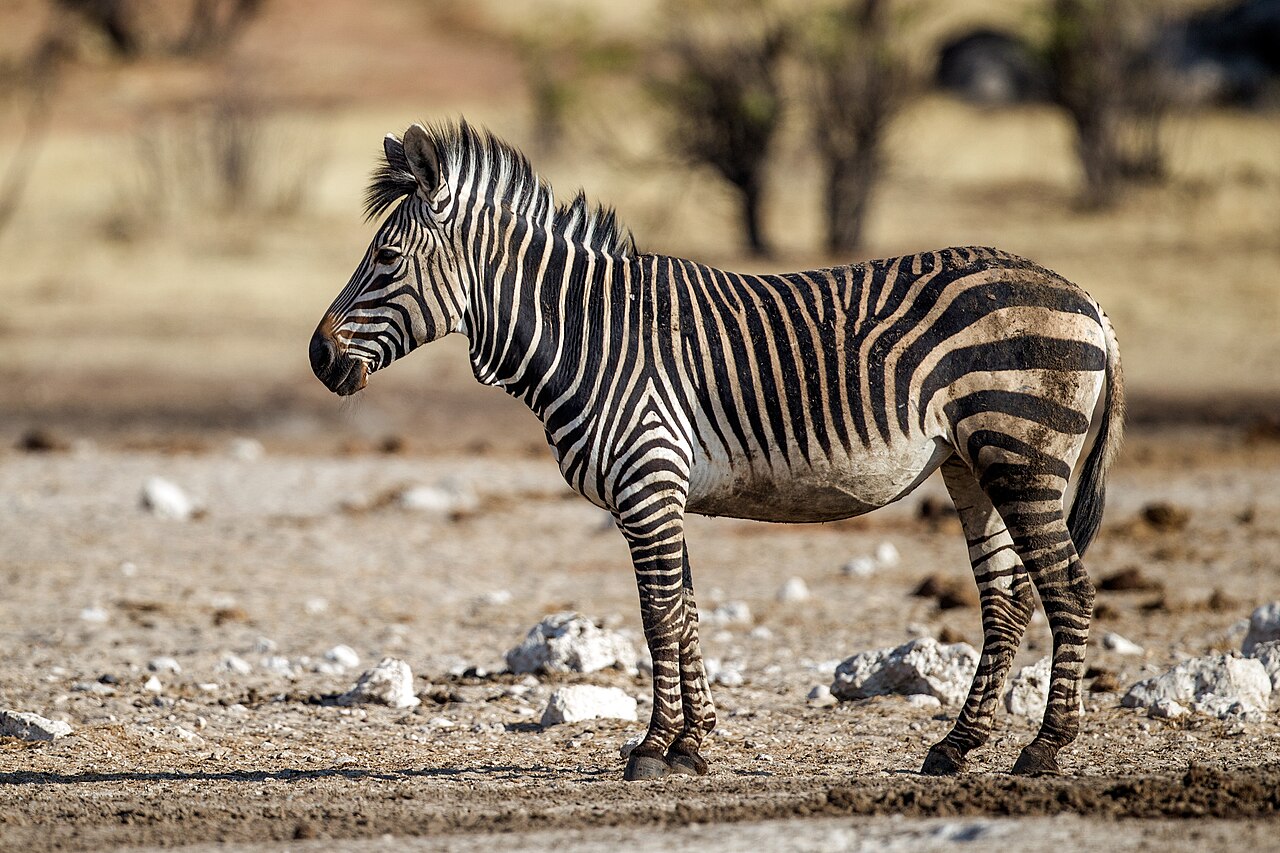
Namibia Damara Specialty — 8 Days
8 days · Namibia
Eight days for Hartmann’s zebra, mountain reedbuck, klipspringer and springbok on the Damara escarpment.
$9,200 – $10,200
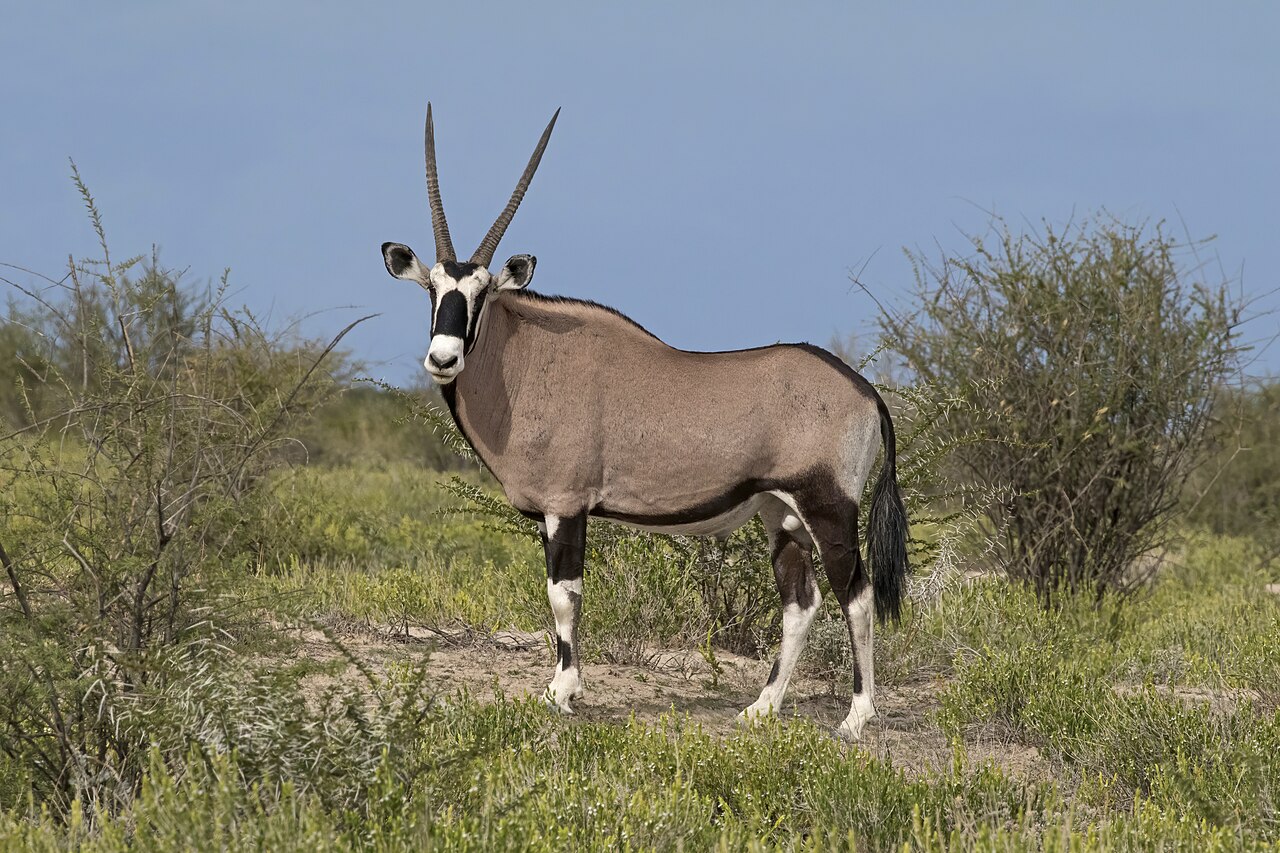
Namibia Desert Specialty — 5 Days
5 days · Namibia
Five days targeting gemsbok, springbok and steenbok on the Namib–Kalahari fringe — all arid-adapted species from the same desert-scrub habi…
$4,500 – $5,200
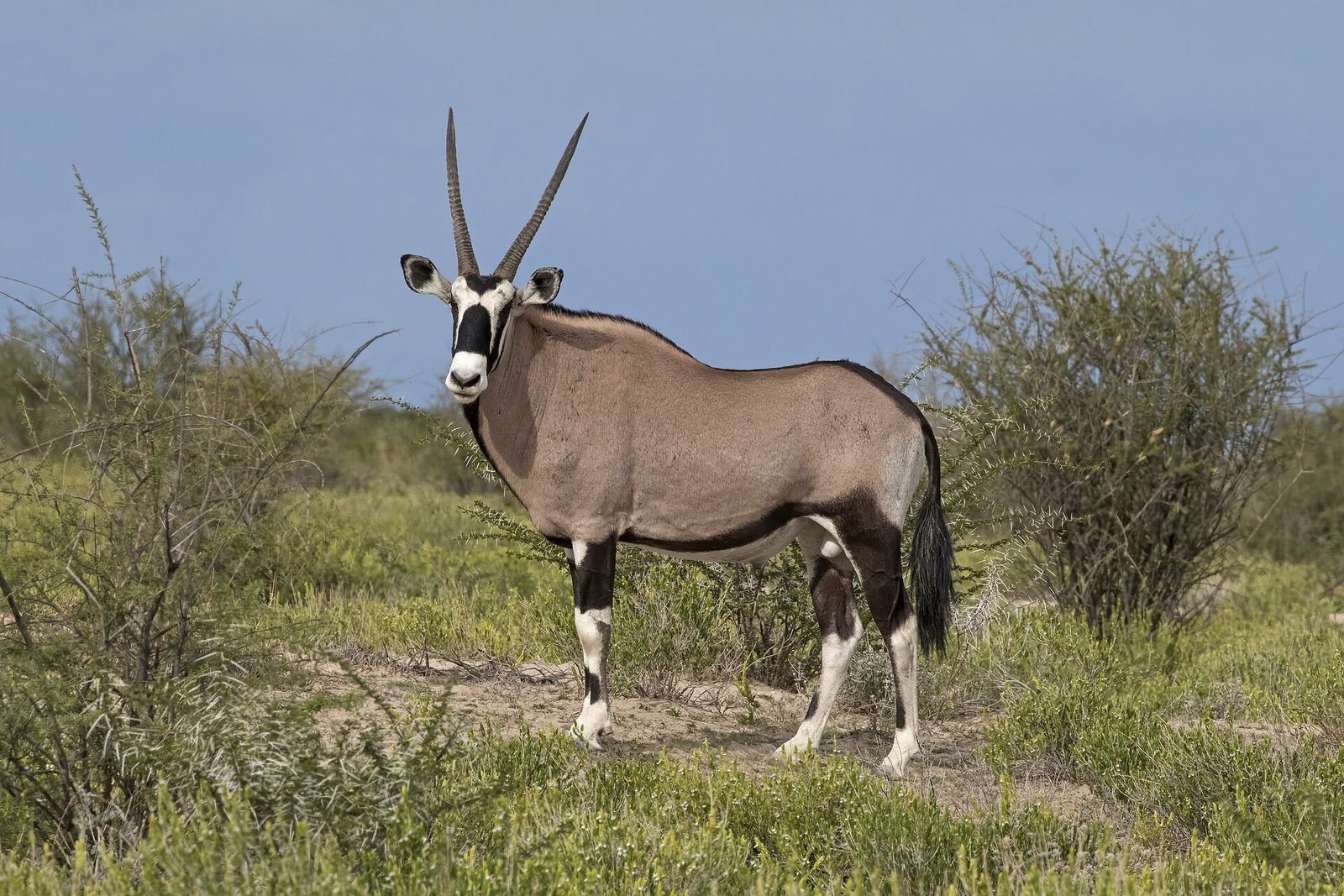
Kalahari Specialty — 7 Days
7 days · South Africa
Seven days Kalahari — gemsbok, springbok, red hartebeest and steenbok in arid scrub.
$7,400 – $8,200
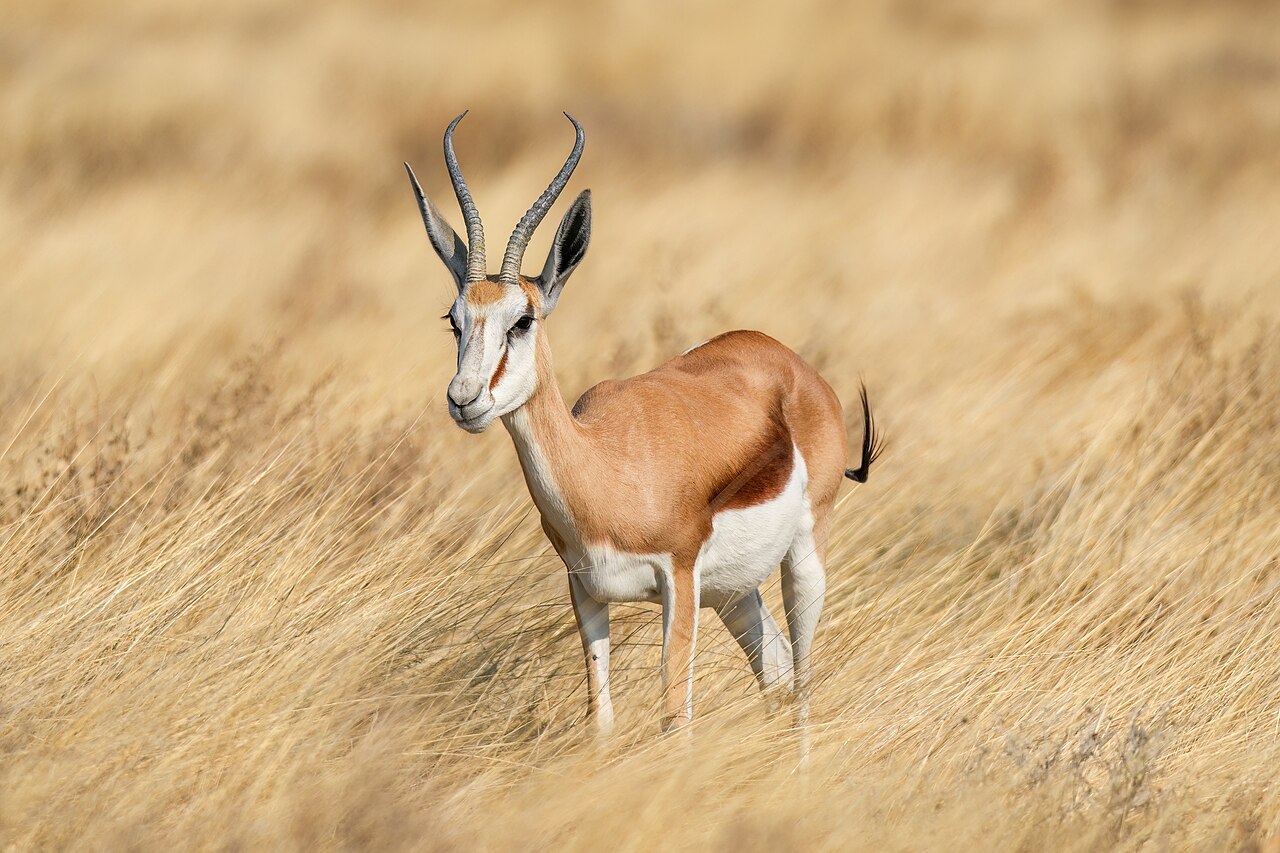
Botswana Kalahari Plains — 7 Days
7 days · Botswana
Seven days Kalahari — gemsbok, springbok, hartebeest and steenbok.
$11,500 – $12,700
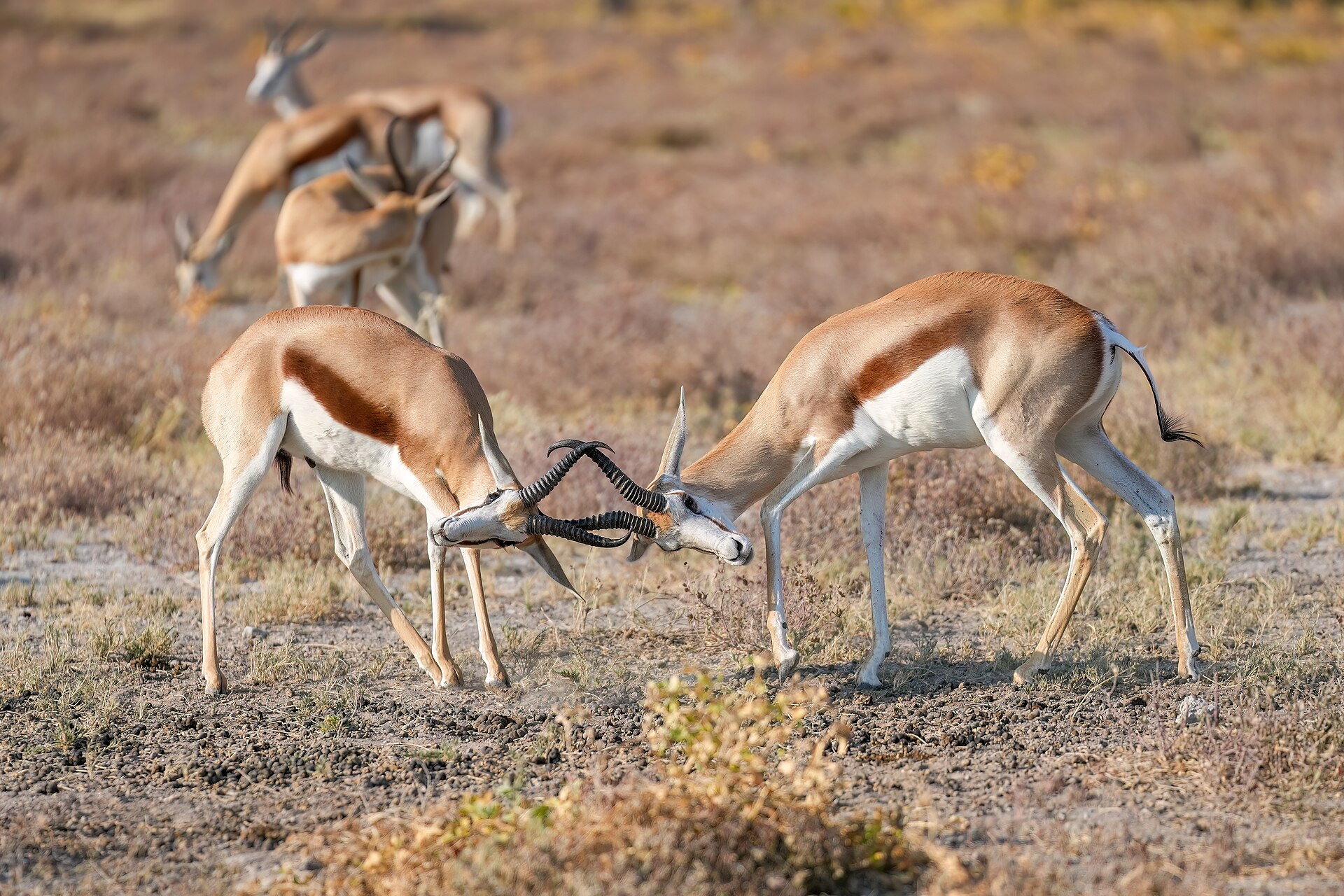
Hardap Bow Springbok — 5 Days
5 days · Namibia
5-day hardap bow springbok — springbok, gemsbok, steenbok in Hardap arid plains (bow).
$5,800 – $6,800
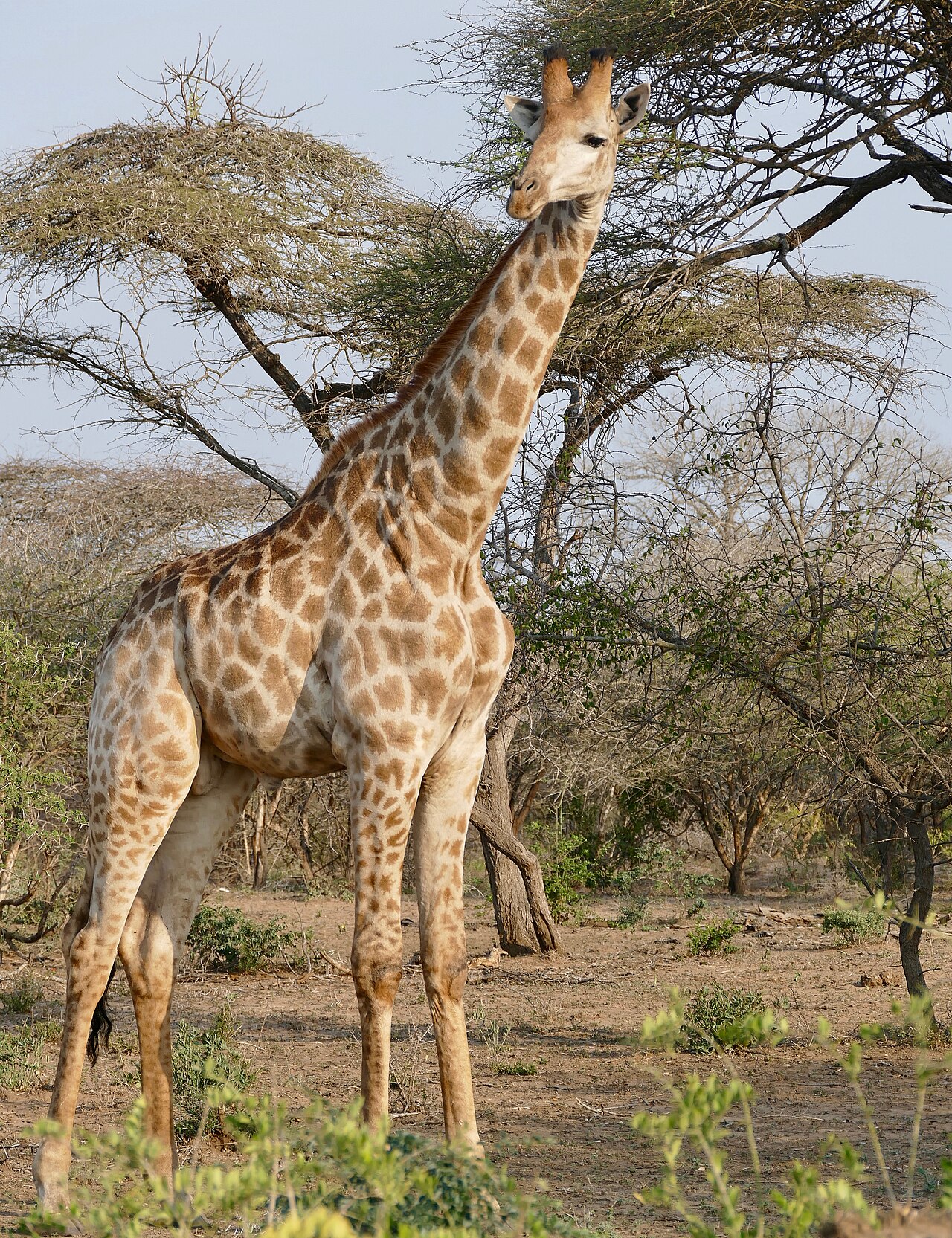
Northern Cape Giraffe Plains — 7 Days
7 days · South Africa
7-day northern cape giraffe plains — giraffe, gemsbok, springbok in Northern Cape Kalahari fringe.
$11,000 – $12,500
Plan Your Steenbok Hunt
Submit a free enquiry and we'll match you with outfitters who hunt Steenbok in your region.
Sign Up to Enquire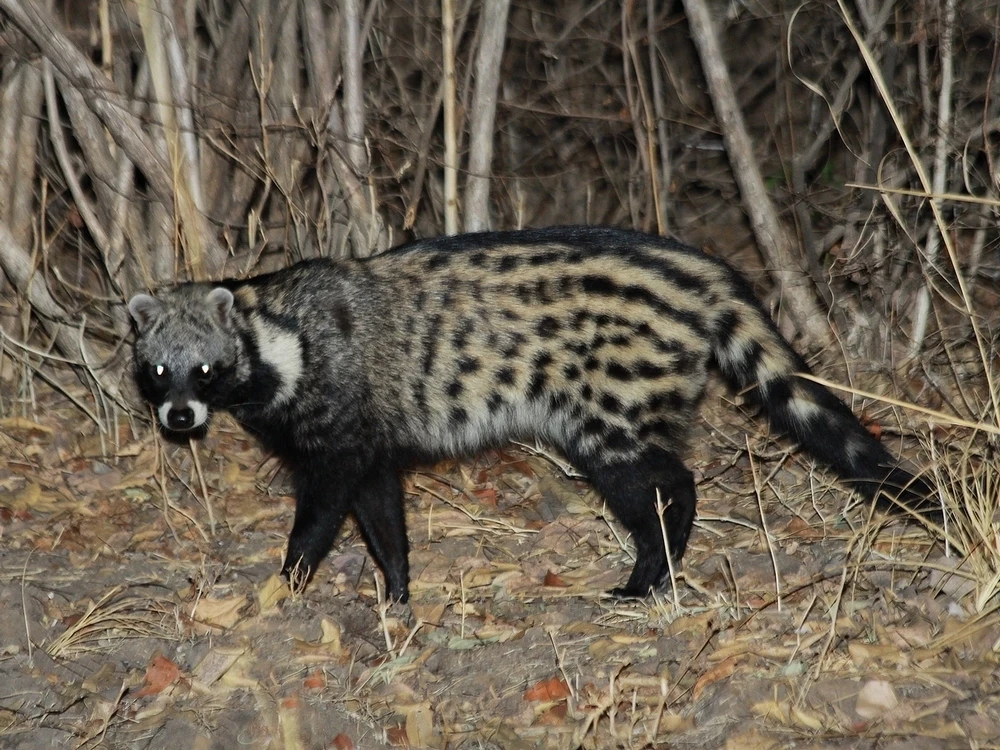 African Civet
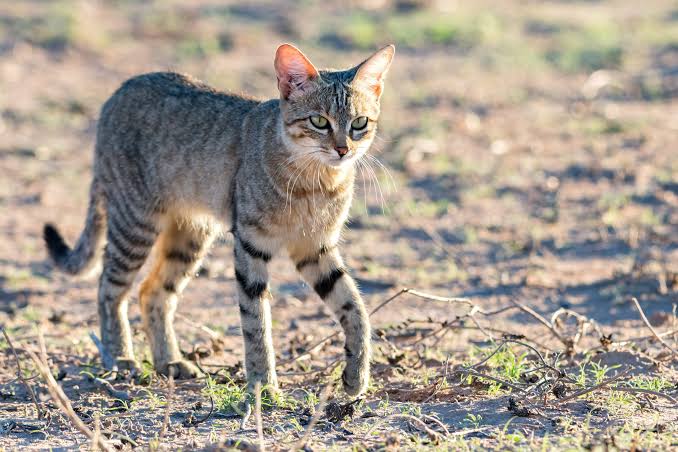 African Wildcat
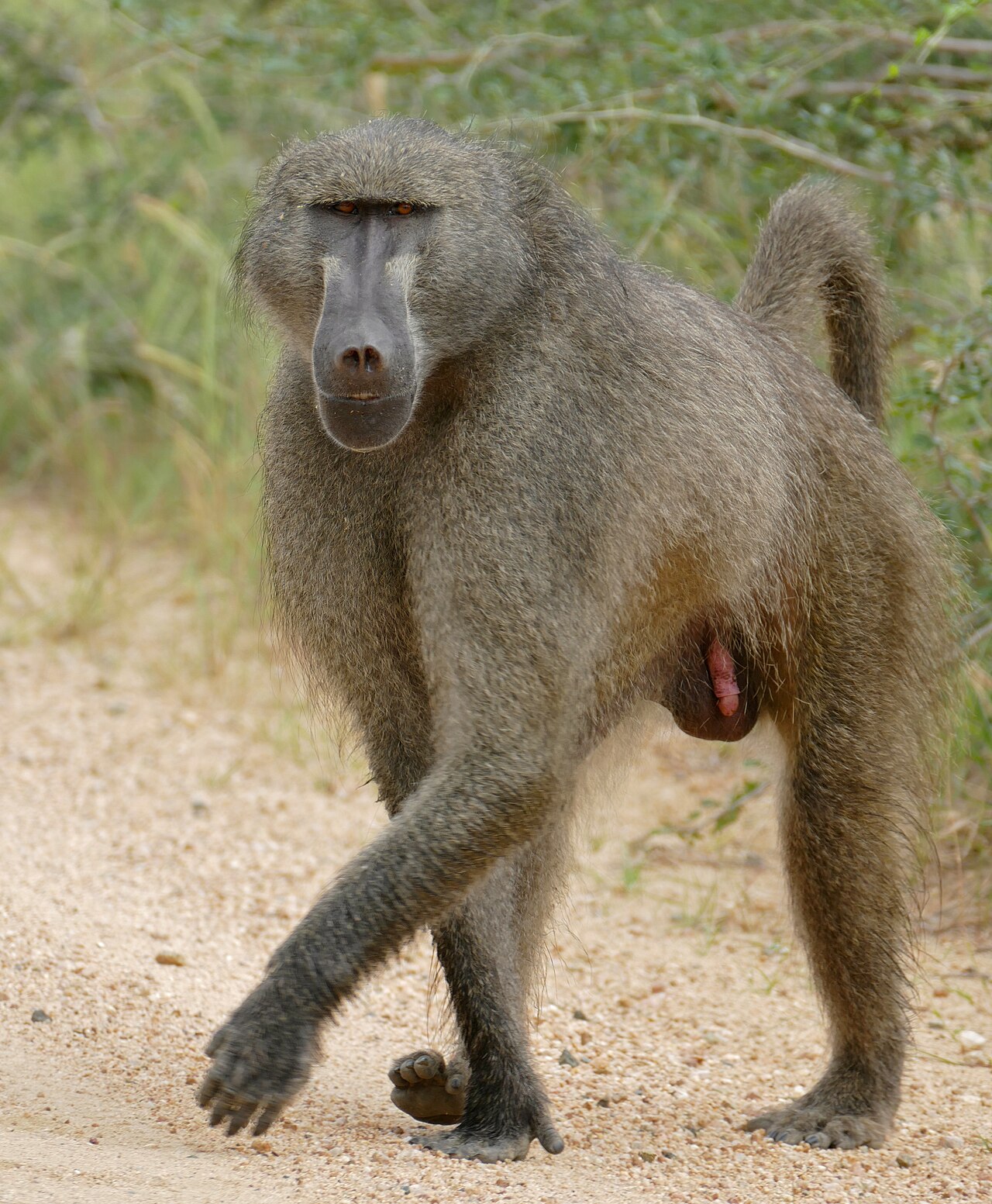 Baboon
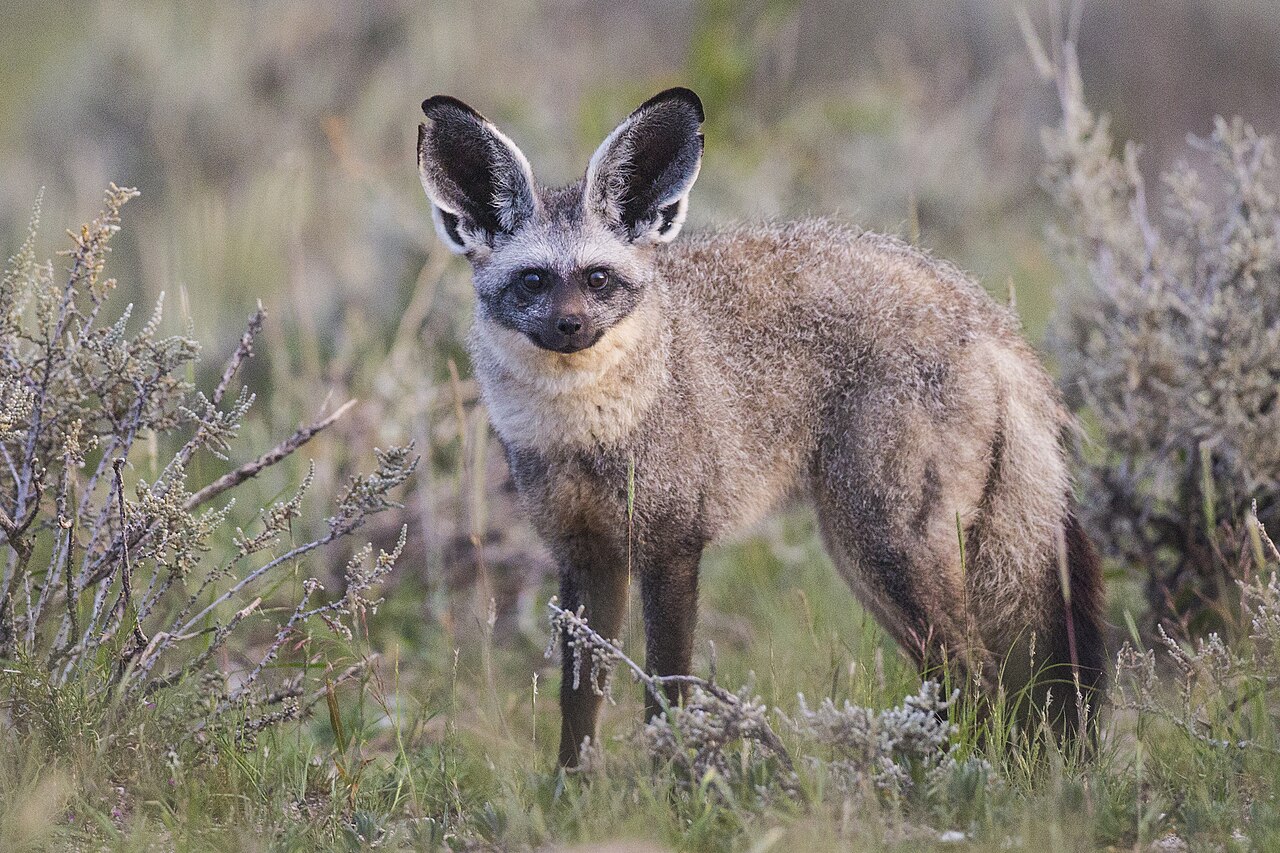 Bat-Eared Fox
 Bay Duiker
 Black-Fronted Duiker