White Blesbok Hunting
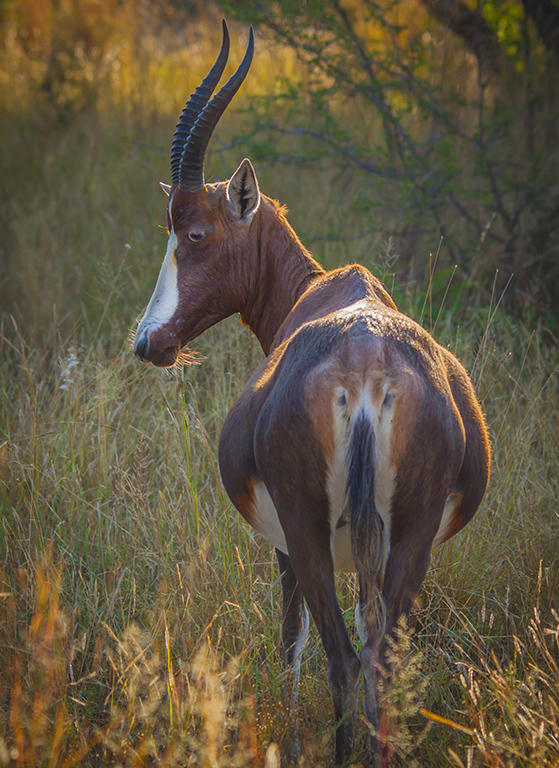
Damaliscus pygargus
The white blesbok, a striking color variant of the blesbok (Damaliscus pygargus phillipsi), is a prized trophy for hunters seeking something truly unique. This antelope stands out with its pure white coat, accented by a distinctive white blaze on its face that extends from the horns to the nose, creating a bold, almost ghostly appearance in the African grasslands. Adults typically reach a shoulder height of 33 to 39 inches and weigh between 120 and 175 pounds, with males being slightly larger and sporting impressive lyre-shaped horns that can span up to 18 inches. These horns, ringed and curving gracefully, add to the animal's elegant yet formidable profile, making it a challenging and rewarding pursuit. Native to the highveld grasslands of South Africa, white blesbok thrive in open plains where they can spot predators from afar. They are highly social animals, often forming large herds that graze on short grasses, moving fluidly across the landscape. Known for their speed and agility, they can sprint up to 40 mph when evading threats, which demands sharp stalking skills from hunters. Their behavior includes territorial displays during rutting season, where males engage in dramatic horn clashes, providing exciting opportunities for observation and ethical hunts. Originally from South Africa's Free State and Mpumalanga provinces, white blesbok are now primarily found on private game ranches and reserves due to selective breeding programs that have preserved this rare mutation. This limited distribution makes them a specialty hunt, often requiring permits and guided expeditions. For hunters, the white blesbok's elusive nature and stunning coloration make it a standout trophy—its pale hide contrasts beautifully against darker African species in any collection. Spotting one in the wild requires patience and keen eyesight, as they blend surprisingly well in sunlit grass despite their color. Conservation-wise, while the standard blesbok is listed as least concern by the IUCN, the white variant is carefully managed through sustainable hunting practices on farms, ensuring populations remain stable without impacting wild stocks. Pursuing a white blesbok isn't just about the harvest; it's about immersing yourself in South Africa's rich wildlife heritage.
Hunt facts
- Countries
- South Africa
- Hunt regions
-
South Africa: Eastern Cape Free State Gauteng Limpopo Mpumalanga North West Northern Cape
- Habitat
- Grassland
- Best time to hunt
- May–October (SA ranch colour morph — not wild range)
- Mass
- 55–80 kg (121–176 lb)
- Trophy minimum
-
- SCI (inches): 40
- SCI bow: 35
- Rowland Ward (inches): 16 4/8
- Rowland Ward record: 20 5/8
SA ranch colour morph of Blesbok — not wild range
Typical record-book minimums; confirm the current edition with your professional hunter.
Where to Find White Blesbok
White blesbok, a striking color variant of the common blesbok antelope, thrive in open grasslands and savanna habitats where they can graze on short grasses and access water sources. Native to South Africa, they are primarily found in the Highveld regions, including provinces like Free State, Gauteng, and North West, where the terrain features rolling plains, scattered acacia trees, and moderate elevations ranging from 1,000 to 1,800 meters. These environments provide ideal cover and foraging opportunities, with mild climates that include wet summers and dry winters.
For hunting, South Africa is the premier destination, particularly on private game farms and reserves in the central and eastern parts of the country. Areas around Bloemfontein and Pretoria offer excellent opportunities, often through guided safaris on managed ranches that maintain healthy populations. Hunting is available year-round on private land, but the best seasons are late autumn to early spring (April to September), when cooler weather improves visibility and animal movement, avoiding the rainy summer months that can make tracking challenging.
To locate white blesbok in the wild, focus on early mornings or late afternoons when herds are active near dams or rivers for drinking. Scan open fields with binoculars for their distinctive white coats standing out against green grasslands. Approach from downwind to avoid detection, as they are alert and quick to flee in groups. Local guides can enhance success by identifying prime feeding zones and migration patterns influenced by rainfall.
Why Hunt White Blesbok
Hunters are drawn to the White Blesbok for its striking trophy qualities, featuring a rare, pristine white coat that stands out dramatically against the African savanna, paired with elegant, ringed horns that can span up to 18 inches. This genetic variant of the common Blesbok adds an element of exclusivity, making it a prized addition to any collection.
The hunting challenge is exhilarating, as White Blesbok are incredibly alert and swift, demanding precise stalking and marksmanship in open terrains. The thrill of pursuing such an elusive, ghost-like animal heightens the adrenaline, turning each hunt into an unforgettable test of skill and patience.
Culinary enthusiasts appreciate the lean, tender meat, which offers a mild, gamey flavor perfect for grilling, roasting, or crafting gourmet sausages—low in fat yet rich in nutrients for health-conscious hunters.
Culturally, pursuing White Blesbok ties into South Africa's deep hunting traditions, symbolizing harmony with nature and respect for wildlife heritage.
Through regulated hunting, fees fund conservation efforts, protecting habitats and managing populations to prevent overgrazing, ensuring the species thrives.
Ultimately, the unique experience of spotting a "white ghost" in the wild, combined with ethical adventure, creates lasting memories and stories that resonate with passionate hunters.
White Blesbok Hunting Tips
White Blesbok, a striking color variant of the common Blesbok native to South Africa, offer an exciting hunt due to their alert nature and open grassland habitats. The best methods include spot-and-stalk hunting, where you glass from a distance and approach carefully on foot, or using blinds near waterholes during dry seasons. Bowhunting is viable for skilled archers, but rifle hunting dominates for its precision at ranges up to 300 yards.
Opt for a flat-shooting rifle in calibers like . 243 Winchester, . 270 Winchester, or 6. 5 Creedmoor for clean kills with minimal meat damage. Use premium bullets like Barnes TTSX for ethical penetration. A quality scope with 3-9x magnification and sturdy binoculars are essential for spotting these white-coated animals against the savanna.
For shot placement, aim for the vital zone just behind the shoulder to hit the heart and lungs—avoid headshots unless you're extremely confident, as Blesbok can bolt if wounded. When tracking, look for fresh spoor in sandy soil and blood trails; move slowly with the wind in your face to avoid detection. Stalk low and use natural cover like termite mounds or bushes.
Hunt early mornings or late afternoons when they're most active, and target the dry winter months (May to August) for better visibility and trophy quality. Avoid rushing shots, which often lead to poor placement, or overhunting pressured areas that spook herds. Common mistakes include underestimating their speed—always confirm the kill before approaching.
Safety-wise, hunt with a licensed guide in permitted areas, wear blaze orange if required, and practice firearm handling to prevent accidents. Respect ethical guidelines to ensure sustainable populations.
Featured Outfitters for White Blesbok
View all





Hunt packages with White Blesbok
Curated hunt ideas — no price on the page. Enquire and we'll match outfitters after review.
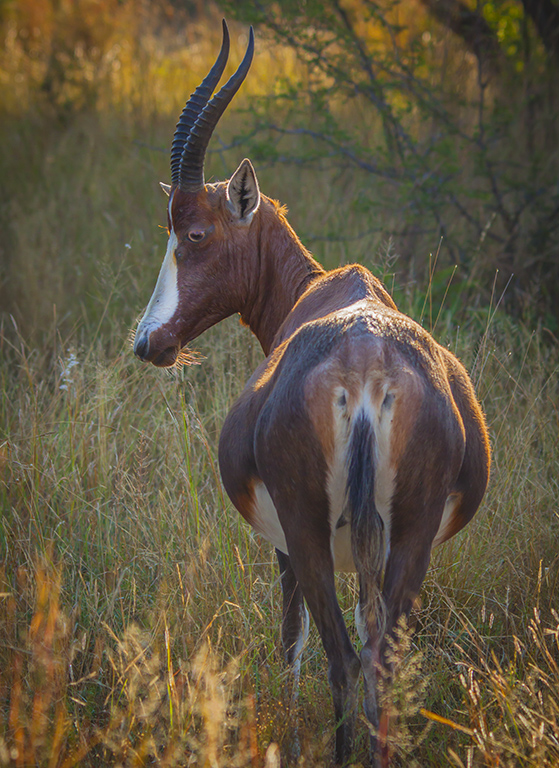
Free State Colour Variants — 7 Days
7 days · South Africa
7-day free state colour variants — white blesbok, copper blesbok, yellow blesbok in Free State ranch plains.
$8,500 – $9,800
Plan Your White Blesbok Hunt
Submit a free enquiry and we'll match you with outfitters who hunt White Blesbok in your region.
Sign Up to Enquire Aardwolf
 Abyssinian Bushbuck
 Baboon
 Bat-Eared Fox
 Bay Duiker
 Beisa Oryx