Touching down at Harry Mwanga Nkumbula International Airport in Livingstone marks the true start of your Zambia buffalo hunt. The plane banks over the Zambezi River and you catch your first glimpse of Victoria Falls spray rising like smoke. For a beginner hunter this moment feels electric. You have left everyday life behind and stepped into one of Africa’s last great wildernesses. Livingstone is more than a convenient airport. It is the historic gateway to southern Zambia and the perfect launch point for a Cape buffalo safari that will test your skills, deepen your respect for wildlife, and leave you changed.
Most international hunters reach Livingstone via Johannesburg, Addis Ababa or Nairobi. Direct connections have improved in recent years, making the journey smoother than it once was. Once on the ground you clear immigration quickly if you have arranged your visa in advance. Zambia now offers an efficient e-visa system for most nationalities, though it is wise to confirm the latest requirements before you fly. A yellow fever vaccination certificate is still requested if you have transited through an endemic country, and malaria prophylaxis is non-negotiable. Talk to a travel-medicine specialist about Malarone or a similar regimen and start it before departure. Comprehensive medical evacuation insurance is equally essential; the bush is remote and the nearest advanced hospital may be hours away.
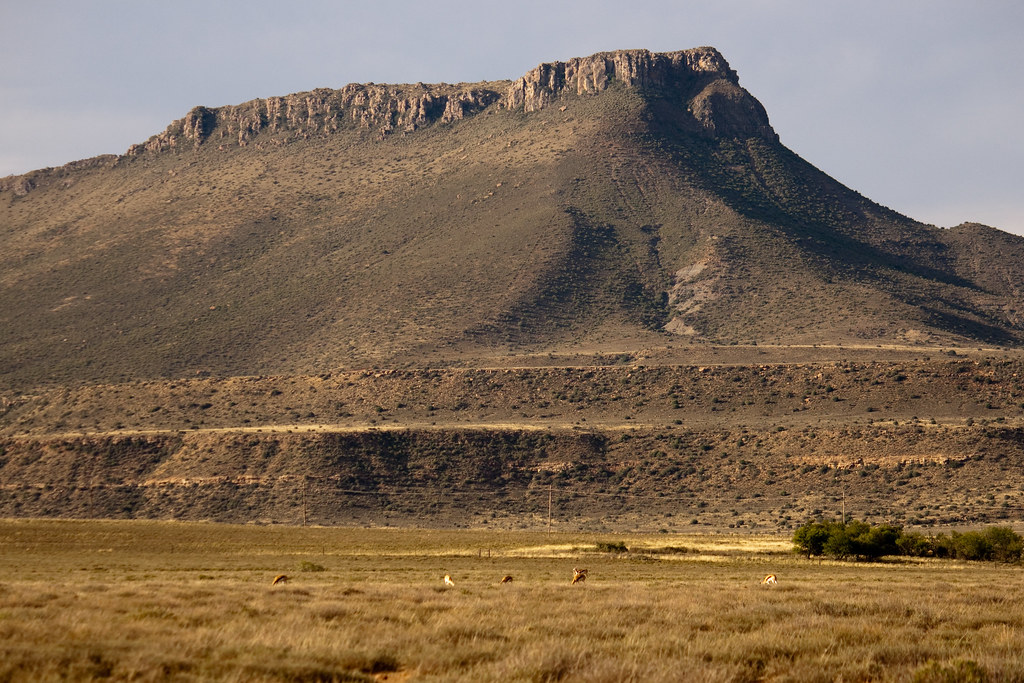
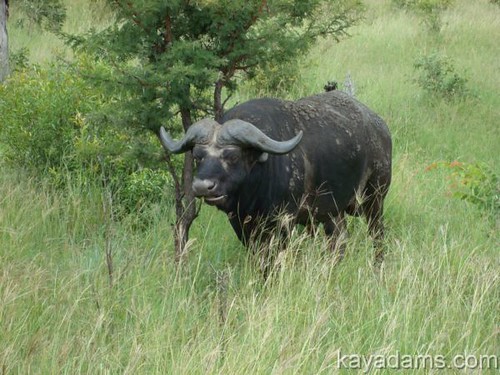
From Livingstone your professional hunter will usually collect you for a short charter flight or a scenic drive to the hunting concession. Many buffalo areas lie within a few hours of the town, especially those along the Zambezi and in the southern game management areas. The landscape shifts from the lush riverine forest around the falls to open mopane woodland and floodplains where buffalo herds move in the dry season. This is classic dangerous-game country. Cape buffalo are not trophies to be taken lightly. They are intelligent, aggressive when wounded, and demand respect. A first-time hunter should arrive physically prepared and mentally ready to follow the professional hunter’s instructions without hesitation.
A typical Zambia buffalo hunt lasts ten to fourteen days. You will walk, often for hours, following tracks left in the dust by the previous night’s herd. Your tracker will read the ground like a book, pointing out where a dagga boy peeled away from the cows. The shot, when it comes, is usually close. Most hunters use a .375 H&H Magnum or larger, loaded with quality solids and soft points. Practice from shooting sticks until the rifle feels like an extension of your arm. Recoil management and a solid rest matter more than raw power. After the shot the real work begins. Tracking a wounded buffalo is the most dangerous part of the hunt and must be done with extreme caution and a second rifle always ready.
Ethical hunting is not optional. Zambia’s Department of National Parks and Wildlife sets strict quotas based on scientific surveys. Only mature, post-breeding bulls are targeted. A good professional hunter will pass on younger animals even if they look impressive. This approach keeps the population healthy and ensures that hunting remains a conservation tool rather than a threat. Revenue from licensed hunting pays for anti-poaching patrols, community game scouts, and habitat protection. In several Zambian concessions, hunting income has allowed local villages to benefit directly through employment, meat distribution, and development projects. When you hunt here you become part of that system. Choose an outfitter who is transparent about where the money goes and who works with recognised conservation partners.
Practical preparation will make the difference between a good trip and a great one. Pack lightweight, earth-toned clothing that can be layered. Mornings on the Zambezi can be chilly, afternoons hot. A quality pair of broken-in boots is worth more than any other single item. Bring a lightweight rain jacket even in the dry season; afternoon storms still occur. Most camps offer daily laundry, so you do not need a huge wardrobe. A small medical kit with extra malaria tablets, rehydration salts, and blister treatment is useful. Leave the camouflage patterns at home unless your outfitter specifically requests them; many Zambian areas prefer solid colours.
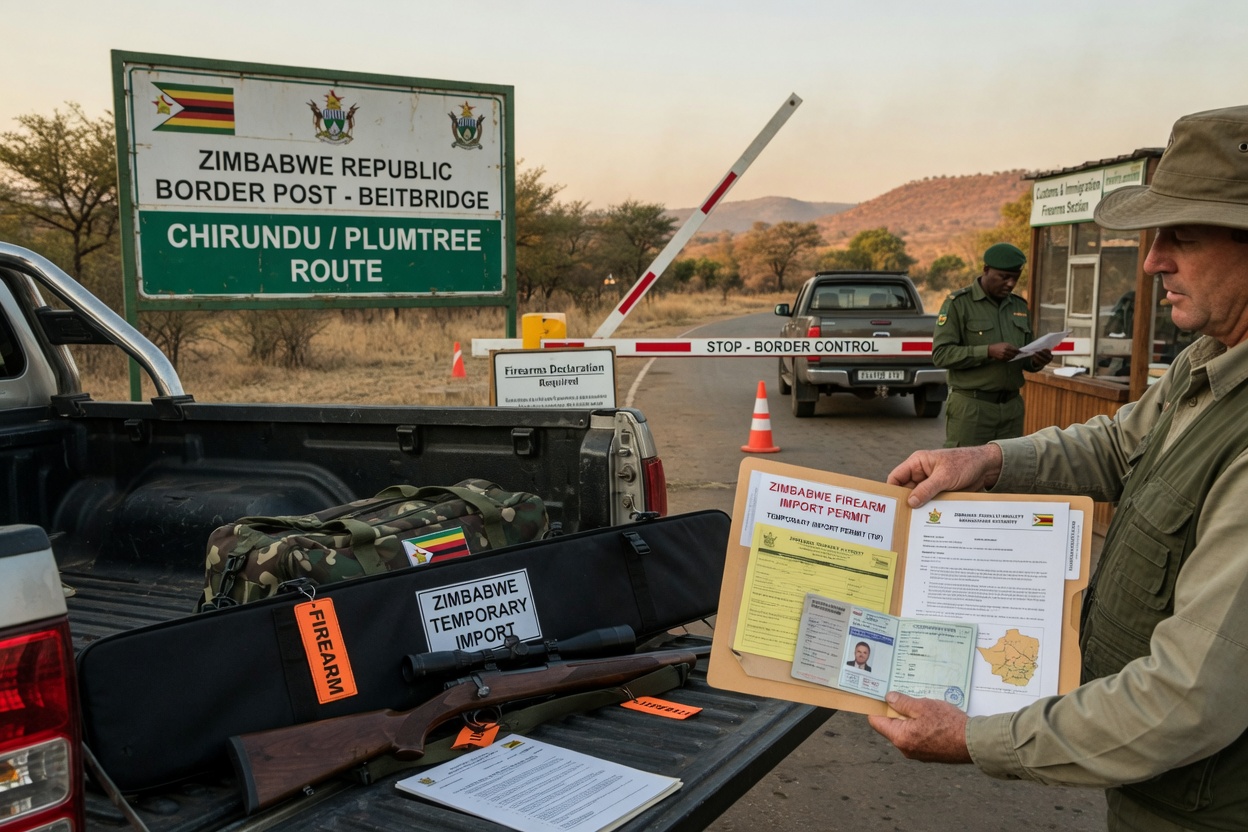
Firearms importation requires paperwork submitted well in advance. Your outfitter will guide you through the temporary import permit process. Some hunters prefer to use camp rifles that are already licensed and sighted-in, removing one layer of complexity for a first safari. Whatever you decide, confirm the details months ahead. The same applies to ammunition quantities and calibre restrictions.
After the hunt, linger in Livingstone. The town has grown into a pleasant base with good restaurants, craft markets, and easy access to the falls. A sunset cruise on the Zambezi or a visit to a local community project adds depth to the experience. Many hunters find that the combination of wilderness challenge and cultural immersion is what makes Zambia special.
A Zambia buffalo hunt that begins in Livingstone is more than a holiday. It is an education in patience, humility, and the complex relationship between people and wildlife. Do your homework, book with a reputable operator who puts conservation first, and arrive ready to listen. The buffalo will teach you the rest. When you are ready to take the next step, contact experienced Zambian outfitters who specialise in first-time dangerous-game hunters. They will help you turn this dream into a well-planned, ethical adventure.