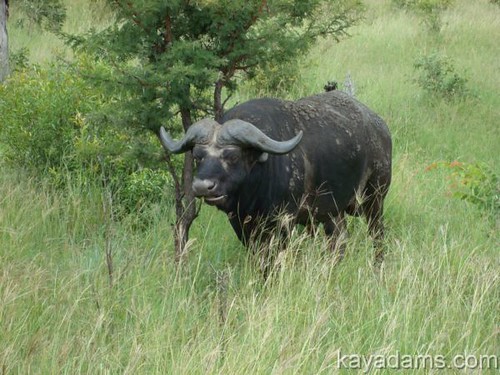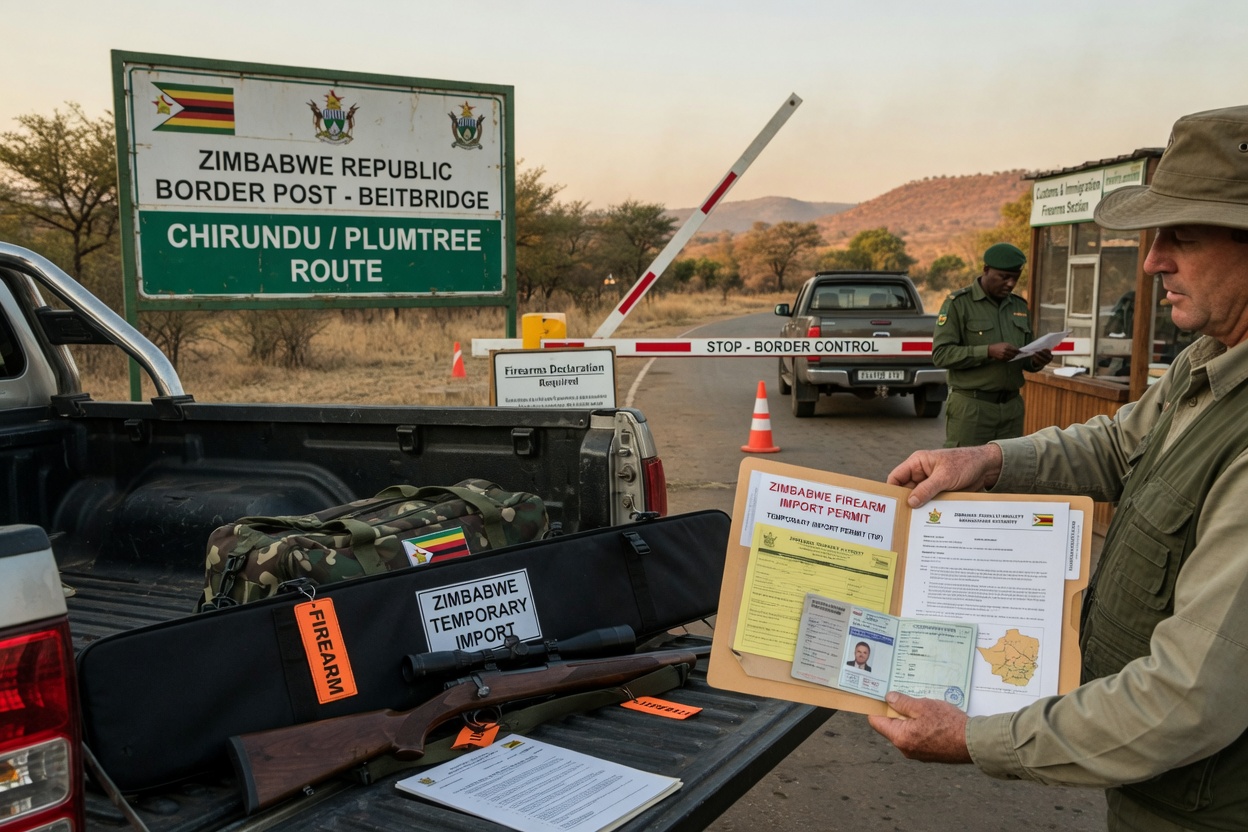
Imagine the moment your safari vehicle rolls into the Zimbabwean bush and a herd of buffalo appears on the horizon. That experience starts long before you reach camp. It begins at the border, where your hunting rifle must clear customs without delay. Zimbabwe remains one of Africa's premier hunting destinations, offering quality plains game and dangerous game opportunities that support both communities and conservation. Getting your firearms into the country legally is straightforward when you follow the established process.
The key document is the Temporary Import Permit issued by the Zimbabwe Parks and Wildlife Management Authority. Your licensed safari operator applies for this permit on your behalf, usually three to four weeks before arrival. The application must list every firearm with complete accuracy: make, model, caliber, and serial number. Even a single transposed digit can stop you at the inspection table. You will also declare the exact quantity of ammunition. Most operators request between 80 and 150 rounds per rifle, depending on the species you plan to hunt. Stick to those numbers.
Required paperwork includes your valid passport, a confirmation letter from the outfitter stating the purpose and dates of the hunt, the completed firearm application, and copies of your home-country firearm license or police clearance if requested. Make at least three photocopies of every page. Border officials work faster when documents are organized and complete. Keep digital scans on your phone as backup, but paper copies remain the standard they expect.
Most hunters enter through Robert Gabriel Mugabe International Airport in Harare or Victoria Falls International Airport. Upon landing, proceed directly to the customs firearms counter. Present your pre-approved documents, unlock the hard case, and allow inspection. Firearms must arrive unloaded, with bolts or actions removed when possible, and stored in a locked, airline-approved case. A modest processing fee is collected on the spot. Overland travelers typically cross at Beitbridge from South Africa. This post can be crowded, so arrive early. If you are coming from South Africa you will also need the corresponding export permit from SAPS. Have both sets of papers ready.
A few practical habits make the difference between a thirty-minute clearance and a half-day delay. First, confirm every serial number against the physical rifle the night before travel. Second, pack only the ammunition listed on the permit; extra boxes raise questions. Third, remain patient and courteous. Zimbabwean customs and police officers deal with hundreds of hunters each season and respond well to prepared, respectful visitors. Fourth, inform your airline at least 48 hours in advance if you are flying. Most carriers require prior notification and have specific rules for firearm transport.
I have watched hunters lose half a day because they arrived with a photocopied serial number that did not match the rifle. I have also seen groups breeze through because their operator had submitted everything correctly and they carried extra copies. The lesson is simple: treat the paperwork with the same care you give your rifle zero.
Zimbabwe's regulations exist for good reason. They keep firearms accounted for and they generate revenue that funds anti-poaching units and community wildlife programs. The CAMPFIRE initiative, for example, returns a portion of hunting fees directly to rural communities living alongside wildlife. When you follow the rules you become part of that conservation model rather than an outsider trying to work around it. Ethical hunters understand that the privilege of hunting here depends on demonstrating respect for both the animals and the laws that protect them.
Upon departure you will present the same Temporary Import Permit. Officials verify that the serial numbers match the firearms you are taking out. Do not plan to leave any rifle or unused ammunition behind. The permit is strictly temporary.
Procedures can be updated, so always confirm the latest requirements with your outfitter a month before travel. Reputable operators maintain current relationships with ZPWMA and customs and will tell you exactly what is needed that season. Start the conversation early, gather your documents, and you will spend your first evening in Zimbabwe around the campfire instead of at a border desk.
The hunt of a lifetime is waiting. Prepare thoroughly, hunt ethically, and the border will be just another checkpoint on the way to the bush. If you have questions about planning your Zimbabwe safari or need recommendations for licensed operators, reach out. The plains and the valley are calling.