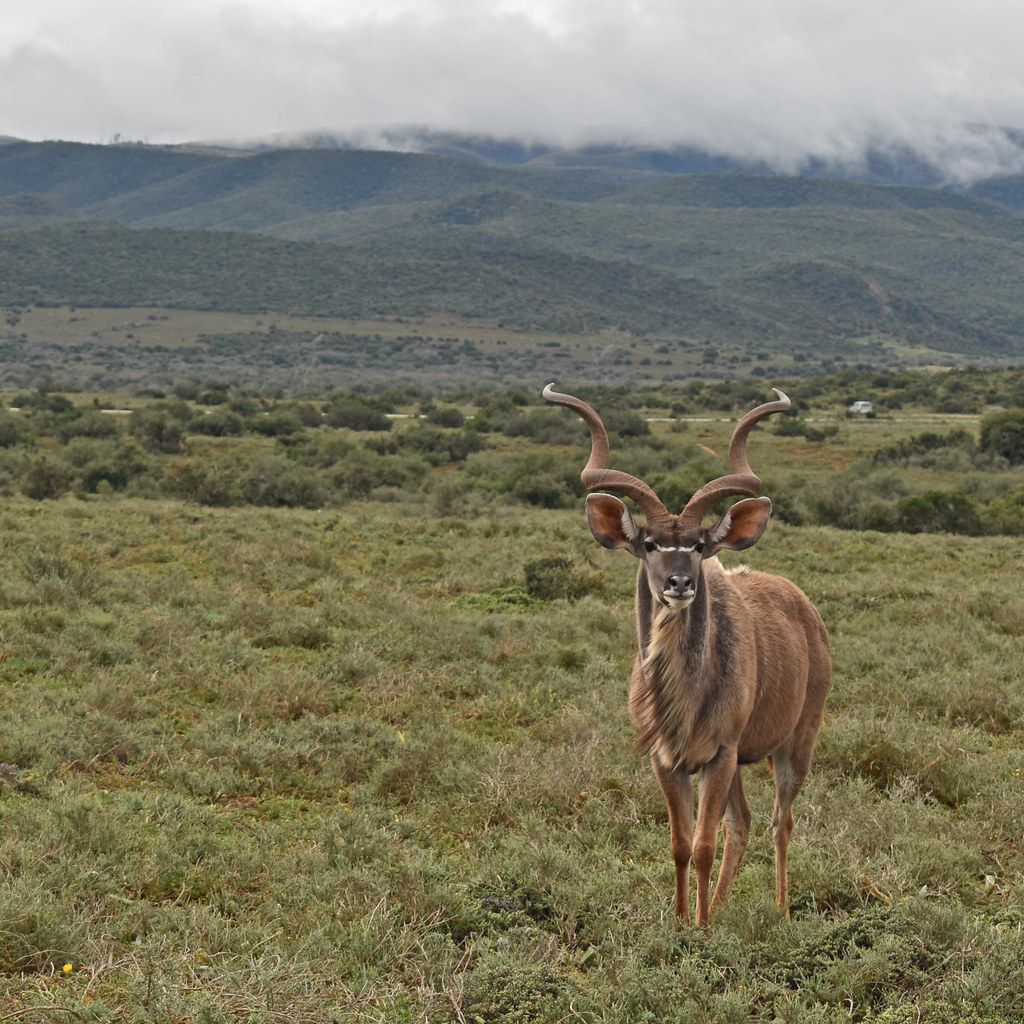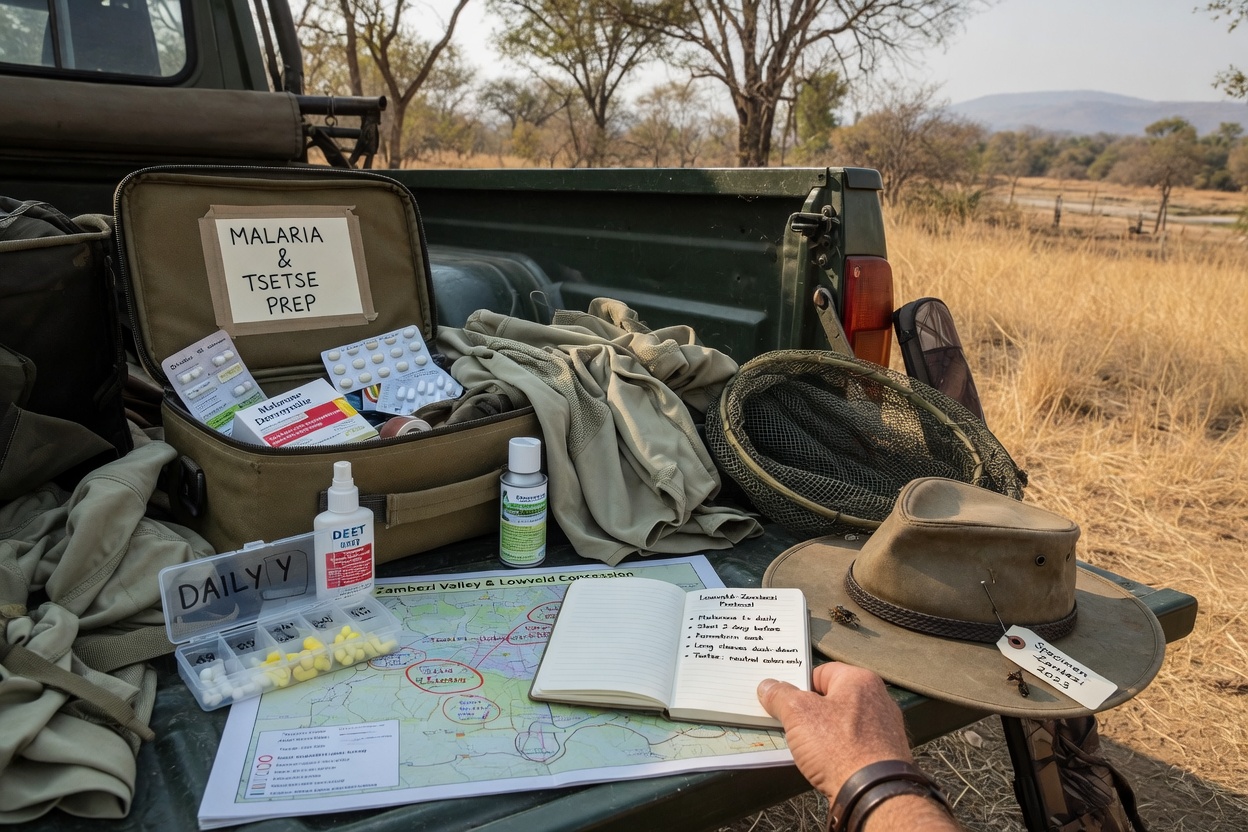
Hunting in South Africa offers some of the world's most memorable experiences, from tracking kudu across the bushveld to facing a Cape buffalo. For many first-time hunters, the real challenge begins after the shot: getting that trophy home legally. CITES permits sit at the heart of this process for many species. This guide walks beginners through everything you need to know about navigating CITES permits for South African trophy exports so you can focus on the hunt itself while staying fully compliant and supporting conservation.
CITES, the Convention on International Trade in Endangered Species of Wild Fauna and Flora, is an international agreement signed by 184 countries. It controls trade in listed wildlife to prevent overexploitation. South Africa is a proud party to CITES and uses the system to demonstrate that its trophy hunting is sustainable. When you export a trophy of a listed animal, both South Africa and your home country require specific paperwork. Skipping or mishandling these documents can mean your trophy never leaves the country or gets seized on arrival. That is why understanding the rules early is one of the smartest things a new hunter can do.
Not every animal you hunt in South Africa needs a CITES permit. Plains game such as impala, springbok, or gemsbok generally fall outside CITES. The animals that do require permits are those listed in the three CITES Appendices. Appendix I species, the most protected, include leopards and black rhinos. Trade is tightly restricted and usually needs both an export permit from South Africa and an import permit from your country. Appendix II covers species that could become threatened if trade is not controlled. This includes African lions, hippos, and certain elephant populations. South Africa's elephants, white rhinos, and most lions are currently listed in Appendix II with specific annotations that allow trophy exports under quota and permit systems. Appendix III listings are less common for typical safari species but still require documentation.
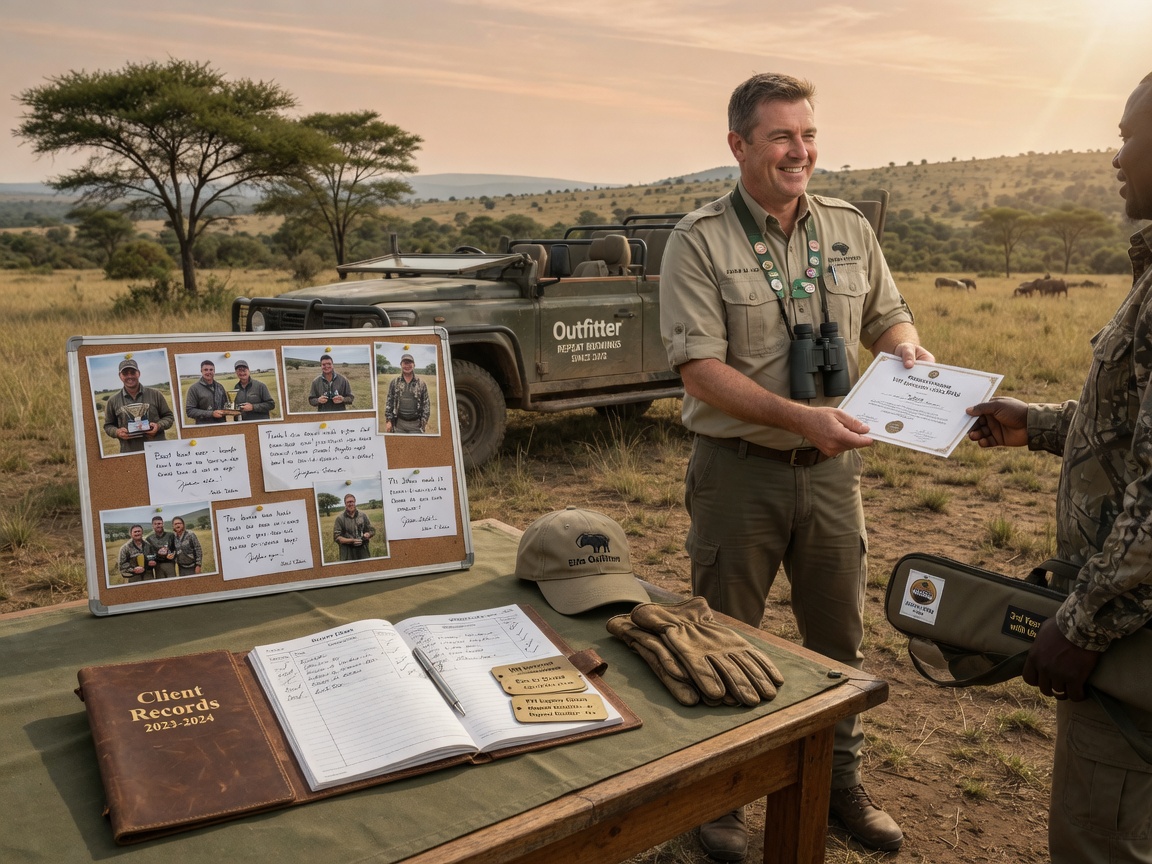
The actual process starts long before you book your flight. Choose a reputable professional hunter and outfitter who already works with CITES regularly. They will obtain the provincial hunting permit and ensure the hunt itself meets all local laws. After the animal is taken, a detailed hunt report, photographs, and measurements become part of the official record. Your taxidermist or dip-and-pack specialist then prepares the trophy. At this stage the outfitter or a specialist agent applies to South Africa's Department of Forestry, Fisheries and the Environment for the CITES export permit. They submit proof of legal take, the hunter's details, and destination information. Processing times vary from a few weeks to several months, so patience is essential.
Your home country also plays a role. Hunters returning to the United States must deal with the U.S. Fish and Wildlife Service. Appendix I trophies almost always need a U.S. import permit in advance. Appendix II items may require one depending on the species and current regulations. European hunters face similar rules under EU wildlife trade regulations. Always confirm the latest requirements with the management authority in your country well before the hunt. Recent years have seen periodic reviews at CITES Conferences of the Parties, including discussions at CoP19 in 2022 about elephant and lion trade. South Africa continues to operate under approved quotas that support both conservation and rural communities, but rules can shift, so verification is non-negotiable.
Several practical pitfalls trip up beginners. Incomplete paperwork is the most common. Keep digital and paper copies of every document: hunting license, permission from the landowner, veterinary certificates, and the CITES permit itself. Another frequent issue is timing. Trophies often take six to twelve months to be ready for shipping after the hunt. Factor this delay into your expectations. Shipping companies that specialize in hunting trophies understand the documentation chain and can prevent costly mistakes at customs. Costs add up quickly: permit fees, taxidermy, dipping, packing, air freight, and possible brokerage charges. Budget several thousand dollars extra beyond the hunt price.
Ethics and conservation sit at the center of responsible trophy hunting. When done correctly, South African trophy hunting generates significant revenue for anti-poaching units, habitat protection, and community programs. CITES permits provide the paper trail that proves the animal was taken legally and that the hunt contributed to these efforts. Studies from organizations such as the IUCN have shown that well-regulated hunting can be a powerful conservation tool in southern Africa. As a hunter you become part of that story only if you follow the rules completely.
Here are field-tested tips that have saved many first-time hunters headaches. Start conversations about permits the day you book the hunt. Ask your outfitter for a written timeline and a list of documents you must provide. Photograph every stage of the hunt and the trophy preparation. Use only CITES-registered taxidermists and shippers. If you are a U.S. hunter, create an account on the ePermits system early. Double-check that the species you intend to hunt is currently exportable; a few populations have temporary restrictions. Finally, treat the paperwork with the same respect you give the animal. A missing signature or an expired form can undo months of planning.
Navigating CITES permits for South African trophy exports does not have to be intimidating. With the right outfitter, early preparation, and a clear understanding of both South African and destination-country rules, the process becomes a straightforward part of a well-run safari. The extra effort protects wildlife, supports local people, and ensures your trophy arrives home legally. If you are planning your first South African hunt, take the time now to get the permit details right. The memories, the conservation impact, and the trophy itself will be worth it.
Ready to turn knowledge into action? Speak with an experienced booking agent or professional hunter who handles CITES paperwork daily. They can walk you through the latest requirements for your specific species and destination. Start the conversation today and hunt with complete confidence.