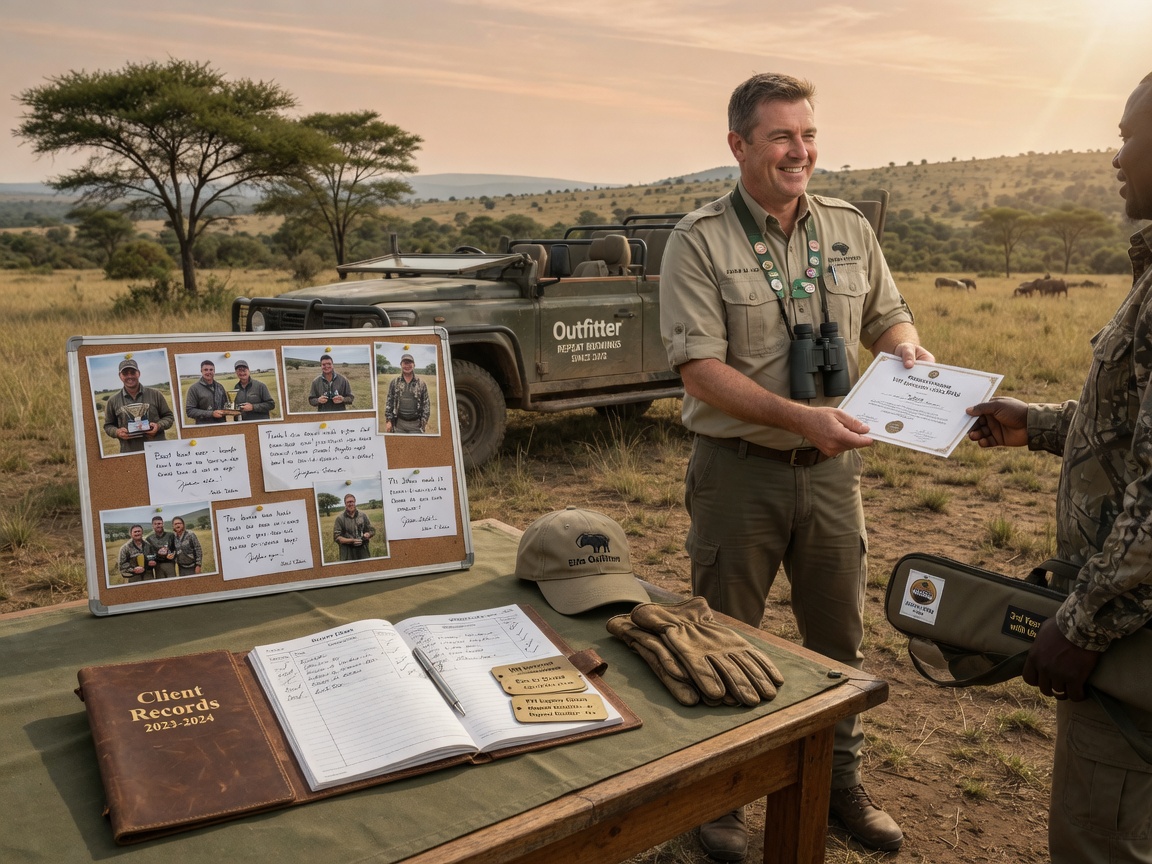
In the hunting industry, first-time clients are valuable, but repeat bookings form the backbone of a sustainable outfitter business. Professional hunters stand at the center of this success. The relationship a PH builds with a hunter often decides whether that person returns for another safari or recommends the operation to others. Industry data from hospitality and tourism sectors consistently shows that retaining an existing client costs far less than attracting a new one, sometimes by a factor of five or more. Repeat hunters also tend to book longer trips, request additional species, and generate powerful word-of-mouth referrals.
A successful hunt is never only about the animal taken. It is about the full experience: the planning, the camp atmosphere, the daily interactions, the ethical standards observed, and the memories created afterward. When PHs treat every client as a future regular rather than a one-off booking, the results show in higher occupancy rates and stronger long-term revenue. The following approaches, drawn from current best practices and real-world outfitter experiences, give PHs concrete ways to increase those repeat bookings.
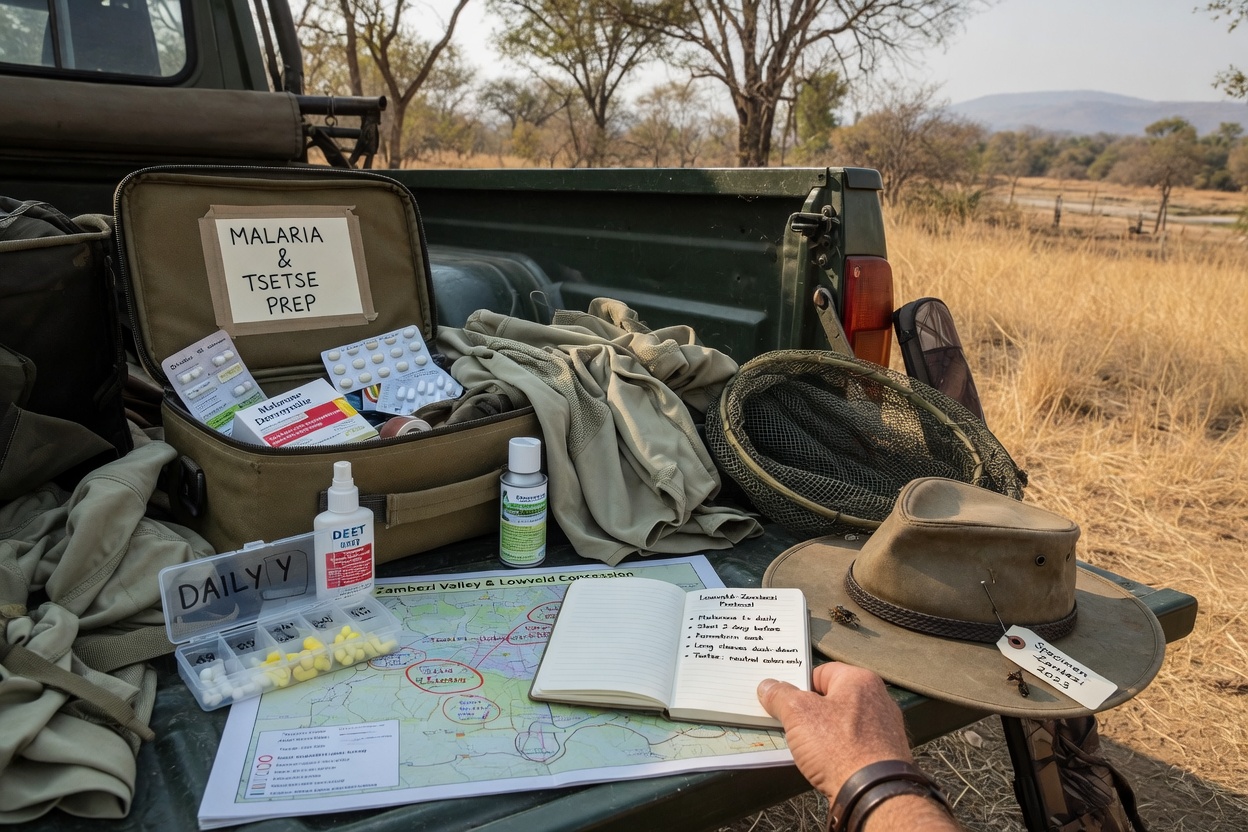
Personalized communication begins long before the client arrives. Many hunters now expect detailed, timely responses that go beyond generic itineraries. A PH who takes time to learn the client’s previous hunting background, physical limitations, trophy preferences, and even dietary needs demonstrates genuine interest. Video calls have become a standard tool since travel restrictions eased; they allow the PH to show camp facilities, discuss terrain, and answer questions face to face. Follow-up emails that include maps, packing lists tailored to the season, and a short note about recent wildlife sightings keep excitement high and reduce last-minute surprises. Clients who feel known and prepared arrive already invested in the relationship.
Once the hunt starts, daily execution determines whether the experience becomes memorable enough to repeat. Hospitality matters as much as hunting skill. Clean, comfortable accommodations, well-prepared meals that accommodate special requests, and a camp staff that greets clients by name create an atmosphere of welcome. Safety protocols must be explained clearly and followed without exception; a single preventable incident can destroy trust forever. Flexibility is equally important. Weather changes, animal movement, or a client’s energy level may require adjusting the day’s plan. A PH who communicates options calmly and involves the hunter in decisions shows respect and professionalism. Sharing knowledge about animal behavior, tracking techniques, and local ecology turns the hunt into an educational experience rather than a simple pursuit. Clients leave feeling they gained something lasting, not just a trophy.
Ethical hunting and visible conservation work form another powerful reason for clients to return. Today’s hunters, especially those from North America and Europe, increasingly want assurance that their trip supports wildlife populations and local communities. A PH who explains how license fees fund anti-poaching units, habitat restoration, or community projects gives the hunt deeper meaning. Inviting clients to visit a waterhole project or meet a community game scout, when appropriate, makes the connection tangible. Fair-chase principles, proper shot placement, and respectful treatment of harvested animals reinforce the PH’s credibility. Recent surveys of hunting clients show that operations emphasizing conservation see higher satisfaction scores and stronger loyalty. When hunters believe their participation helps rather than harms, they are more likely to book again and to defend the industry publicly.
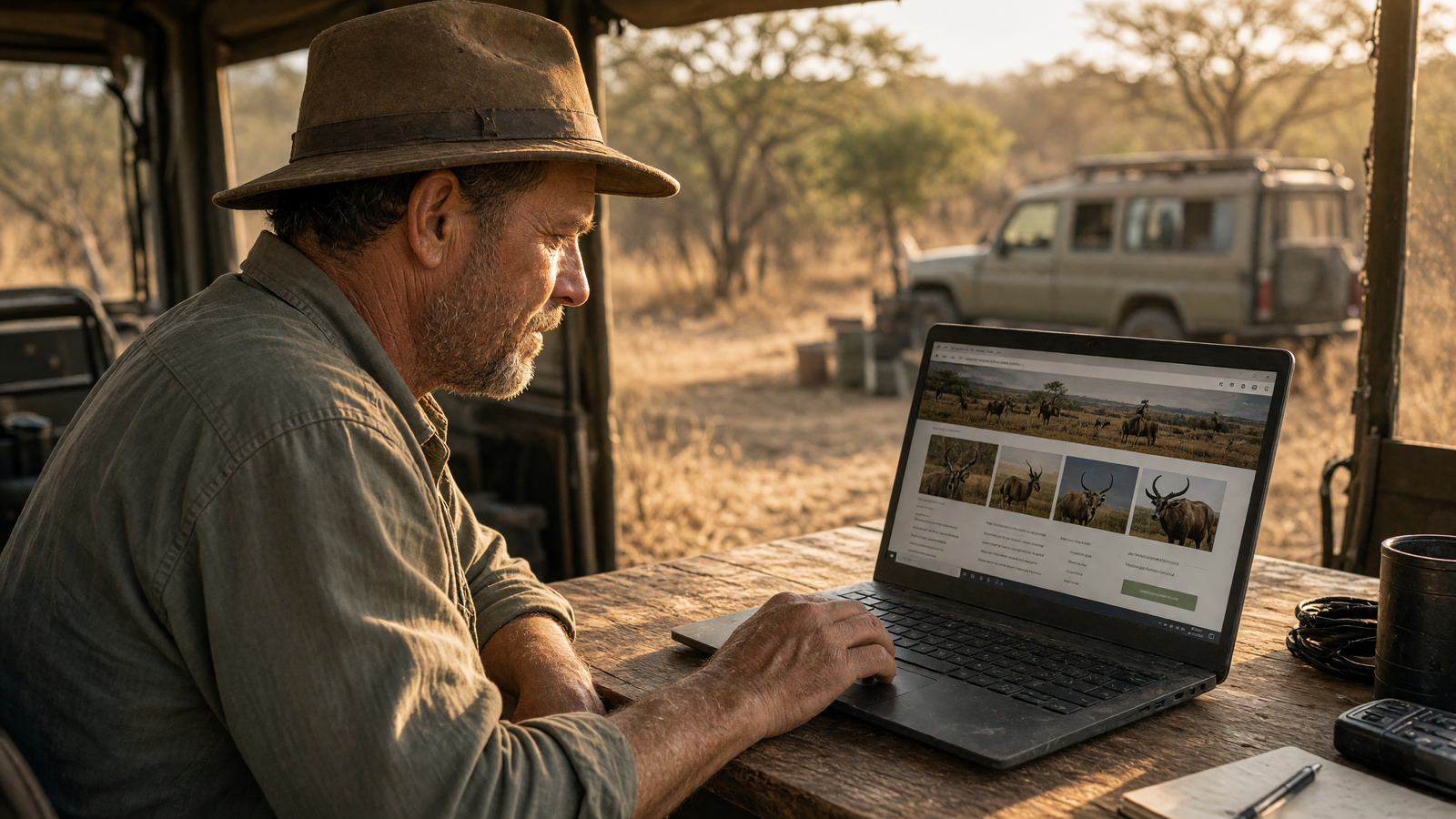
The period immediately after the hunt is often neglected yet offers one of the best opportunities to lock in future business. High-quality photographs and video clips should be edited and delivered promptly, ideally within a week or two. A personal note from the PH recalling specific moments from the trip, such as a difficult stalk or a shared laugh around the fire, keeps the memory vivid. Asking for honest feedback, then acting on it, shows the client their opinion matters. Some outfitters now send a small token, such as a branded item or a copy of a camp recipe, as a tangible reminder. Suggesting possible dates or species for a return visit while the experience is still fresh plants the seed for the next booking. A simple calendar reminder six months later, perhaps with an update on local rainfall or animal numbers, can prompt an inquiry that would otherwise never happen.
Genuine relationships grow from consistent, small actions over time. Remembering a client’s spouse’s name, a child’s interest in hunting, or a previous conversation about a particular caliber demonstrates that the PH sees the person, not just the booking. Occasional messages about the property, a new concession, or a conservation success keep the connection alive without feeling sales-oriented. When problems occur, whether a missed shot, equipment failure, or unexpected weather, the PH’s response defines the relationship. Owning the issue, offering a fair solution, and following through rebuilds trust faster than any excuse. Clients who experience excellent recovery from a setback often become the most loyal advocates.
These practices require time and attention, yet they produce measurable returns. Outfitters who train their PHs in client-relationship skills report higher repeat rates and more referrals. The hunting world remains relatively small; a reputation for outstanding service travels quickly through clubs, forums, and social circles. At the same time, ethical conduct and conservation involvement protect the long-term viability of the resource itself. Without healthy wildlife populations and public support, there will be fewer hunts for anyone.
PHs who adopt these habits do more than fill next year’s calendar. They create a cycle in which satisfied clients return, bring friends, and help sustain both the business and the wildlife they came to pursue. The most successful operations treat every hunt as the start of a multi-year partnership rather than a single transaction. Review your current client process, identify one or two areas for immediate improvement, and begin implementing them on the next booking. The hunters who experience the difference will notice, and they will come back.